Wells Materials & OCTG · Australia (Perth)

Tighten OCTG Mobilisation and Connectivity Terms for Pipeline Works

Published Jun 5, 2026, 6:08 AM AWSTAPACFull category signal
Ask AI
Machines that deliver

In 60 seconds

Top move

Field contractors in Queensland are running high-output trenching fleets; that shortens acceptable lead times for OCTG, spares, and handling services — adjust mobilisation assumptions accordingly

Key takeaways

  • Field contractors in Queensland are running high-output trenching fleets; that shortens acceptable lead times for OCTG, spares, and handling services — adjust mobilisation assumptions accordingly.[1]
  • Local, full‑service suppliers that can hold inventory and respond when windows tighten are being preferred over lowest‑price bidders; expect suppliers with local stock to command firmer commercial terms.[2]
  • Automation and connectivity vendors are rolling out modern DCS/SCADA and industrial 5G/edge devices — buyers should budget for integration, cyber requirements, and possible pass‑through services.[4]
  • This is an operational posture signal, not a supply shock: the items point to closer coordination, contract scope changes (stocking, spares, cyber SLA), and candidate vendor consolidation rather than immediate shortages.[2]
  • Normal‑signal day: no evidence of pipeline material outages or force majeure in the sources; focus actions on verifying supplier readiness and tightening contract execution terms.[1]

What changed since last run

  • New on‑the‑ground execution signal: trenching fleet activity in the Surat Basin (MPK) introduces a near‑term mobilisation tempo that was not present in the emissions/isolation‑focused brief.
  • Connectivity and control vendor product rollouts (DCS/SCADA and industrial 5G gateways) are clearer now, shifting attention from purely emissions‑measurement requirements to integration and cyber SLAs.

Key facts

  • End‑to‑end supplier offering: pipes, fittings, valves, meters, tooling and installation equip
  • Sourcing relationships with national manufacturers (example: Pipemakers Australia)
  • Fleet mix includes T1055 and T1155 trenchers
  • Reported production example: 600m of trenching completed in one day
  • New digital water products announced (SIWA Quality Inspector, SIWA Treatment Optimizer)
  • Real‑time metering rollout noted for Melbourne water meters

Why it matters

Field contractors in Queensland are running high-output trenching fleets; that shortens acceptable lead times for OCTG, spares, and handling services — adjust mobilisation assumptions accordingly. Local, full‑service suppliers that can hold inventory and respond when windows tighten are being preferred over lowest‑price bidders; expect suppliers with local stock to command firmer commercial terms. Automation and connectivity vendors are rolling out modern DCS/SCADA and industrial 5G/edge devices — buyers should budget for integration, cyber requirements, and possible pass‑through services. This is an operational posture signal, not a supply shock: the items point to closer coordination, contract scope changes (stocking, spares, cyber SLA), and candidate vendor consolidation rather than immediate shortages

Cost / money

  • Higher trenching output raises short‑term demand for consumables, OCTG handling and replacement spares which can increase expedited freight or local stocking costs.[1]
  • Adopting new DCS/SCADA or industrial 5G gear creates integration and commissioning costs that vendors may try to pass through as separate service lines.[3]

Supplier / commercial

  • Contractors with proven fleets and local capability (trenchers, handling crews) gain leverage to insist on faster payment terms or shorter quote validity windows.[1]
  • Suppliers marketing themselves as 'end‑to‑end' partners can justify premium pricing for inventory availability and coordinated delivery; this shifts commercial evaluation from unit price to execution reliability.[2]

Safety / operations

  • Sustained high‑production trenching increases mechanical wear and the likelihood of in‑field component replacements — plan spare OCTG and handling tooling to avoid downtime.[1]
  • New control and network gear increases dependency on vendor software, remote access and cyber resilience; operational safety now also depends on validated integration and secure remote support.[4]

What to watch

  • Vendor product announcements (DCS, SCADA, gateways) can be promotional; verify claimed integration benefits and local support before changing acceptance criteria.[3]
  • Equipment concentration with a few contractors (fleet ownership) could create a commercial single‑point‑dependency if those contractors reprice or reallocate assets.[1]

Top stories

Story 1The Australian PipelinerMay 25, 2026

Building resilient pipeline projects

Signal strongSource-grounded

What happened

An industry piece highlights the value of dependable, end‑to‑end pipeline suppliers that hold inventory, supply fittings, valves, tooling and installation equipment. The article emphasises continuity of supply and responsiveness during tightened timelines and emergency work. Buyers should watch for suppliers packaging local stock and rapid response as commercial differentiators

Buyer takeaway

Treat supplier reliability and local inventory as procurement selection criteria, not optional extras — they materially reduce mobilisation and emergency spend

Cost / money

Suppliers that provide local stock reduce expedited freight but can charge a premium for inventory and guaranteed response

Supplier / commercial

Expect suppliers marketing continuity to ask for firmer terms, shorter quote windows and possibly service fees for guaranteed allocation

Safety / operations

Local availability improves execution safety by reducing rushed substitutions and unplanned workarounds during emergency repairs

What to watch

Promotional pieces can overstate availability; verify claims about local inventory levels and proven rapid response during stress events

Key facts

  • End‑to‑end supplier offering: pipes, fittings, valves, meters, tooling and installation equip
  • Sourcing relationships with national manufacturers (example: Pipemakers Australia)

Source excerpts

Image: Benton’s Gas Benton’s operates as a true end-to-end partner across gas and water infrastructure, supplying pipes, fittings, valves, meters, tooling and installation equipment for construction and maintenance alike
“Because building a stronger industry means backing those who build it,” Bevan said
In this environment, consistency matters more than ever
Story 2The Australian PipelinerMay 25, 2026

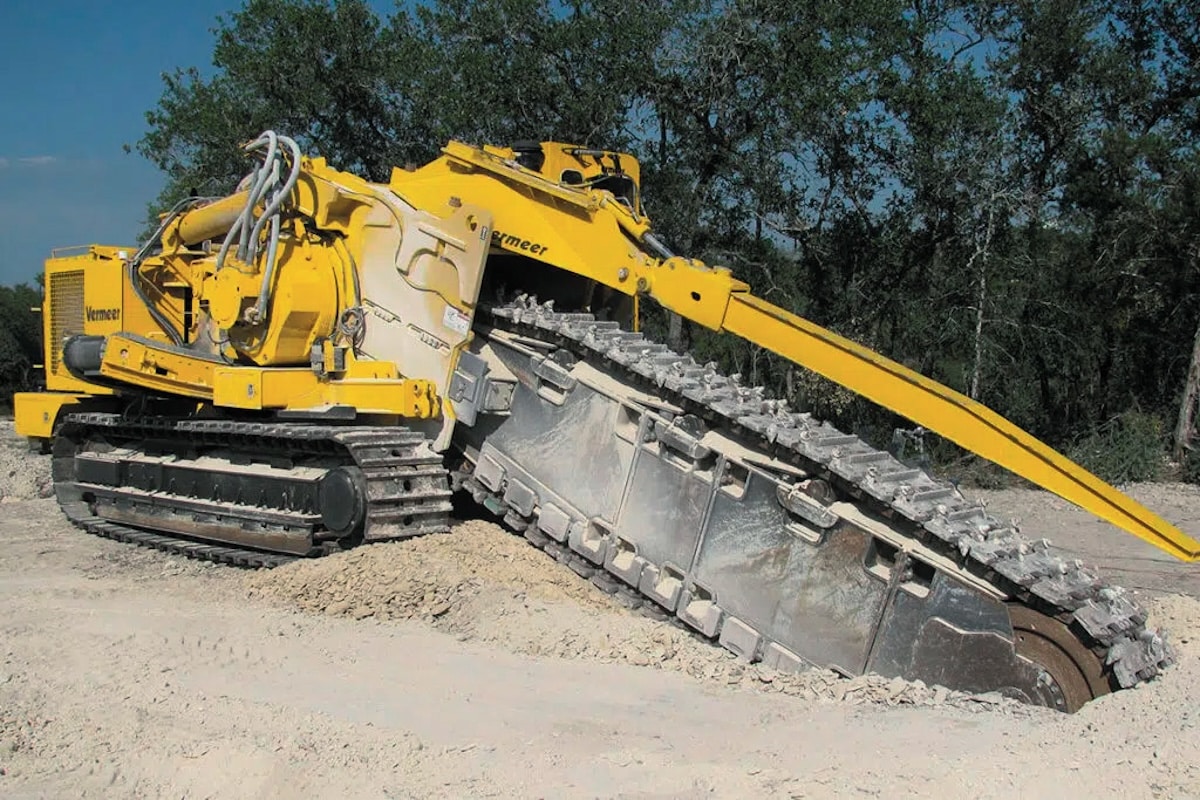
Machines that deliver

Signal strongSource-grounded

What happened

A contractor profile shows MPK deploying multiple Vermeer trenchers (T1055 and T1155) across large gathering programs in the Surat Basin. The article cites fleet counts and day‑rate production (example: 600m trenching reported in a day), indicating meaningful on‑ground capacity and tempo. Watch whether this tempo becomes the norm, which will compress OCTG mobilisation windows and spare part consumption

Buyer takeaway

Treat contractor fleet presence as a real execution signal that affects mobilisation, staging and spare part needs

Cost / money

Faster trenching can increase near‑term consumable and spare usage, raising the chance of expedited shipments unless inventory is pre‑staged

Supplier / commercial

Contractors with fleets gain leverage on delivery timing and may enforce short quote validity and stricter mobilisation clauses

Safety / operations

Higher daily production rates increase the need for planned maintenance windows and ready spares to avoid extended stoppages

What to watch

Concentration of heavy equipment among a few contractors could create commercial single‑points‑of‑failure if assets are reallocated

Key facts

  • Fleet mix includes T1055 and T1155 trenchers
  • Reported production example: 600m of trenching completed in one day

Source excerpts

The T1155III trencher. Image: MPK MPK is putting its fleet of Vermeer trenchers to the test in Queensland’s Surat Basin
“Our crew of fitters is heavily experienced
In addition to trenching, it allows us to backfill trenches more efficiently by producing a fine spoil next to the trench. ” The company currently has a fleet of six T1055’s and two T1155’s, with the former preferred for its versatility
Story 3Processonline

Process control systems :: Process Online

Signal moderateDirectional

What happened

A process‑control roundup shows vendors expanding digital water and control offerings (examples include SIWA Quality Inspector and new DCS releases). The coverage highlights product rollouts and real‑time metering projects, signalling growing vendor activity in telemetry and control upgrades. Buyers should watch vendor local support and integration timelines before committing to upgrade budgets

Buyer takeaway

Expect suppliers to bundle digital services; require clear separation of hardware, integration and recurring service fees in bids

Cost / money

Upfront CAPEX for new controls may be accompanied by recurring commissioning and data‑management costs

Supplier / commercial

Vendors expanding product sets can negotiate higher long‑term service contracts if integration is not competitively tendered

Safety / operations

Modern DCS and telemetry improve situational awareness but require validated commissioning and operator training to deliver safety benefits

What to watch

Product announcements may not equal immediate local support capacity; validate local engineering and commissioning resources

Key facts

  • New digital water products announced (SIWA Quality Inspector, SIWA Treatment Optimizer)
  • Real‑time metering rollout noted for Melbourne water meters

Source excerpts

0 DCS enabling greater flexibility and modularity
Process control systems Siemens expands digital water solutions 06 May, 2026 | Supplied by: Siemens Ltd Siemens has expanded its digital water range with SIWA Quality Inspector and SIWA Treatment Optimizer
Fisher IC2 cryogenic top-entry control valve 04 May, 2026 | Supplied by: Emerson The Fisher IC2 cryogenic top-entry control valve is designed for cold box applications in air separation units, hydrogen liquefaction and LNG production. Beijer X3 pro series HMIs 01 May, 2026 | Supplied by: Ardoz Holdings The Beijer X3 pro HMIs are designed to offer a versatile and secure HMI platform for iX-based applications
Story 4Processonline

Industrial networks & buses :: Process Online

Signal moderateDirectional

What happened

A networks roundup highlights industrial connectivity products including an industrial 5G gateway, a 5G industrial switch and EtherCAT meeting IEC 62443 security levels. The piece signals more secure, real‑time connectivity options for field equipment and remote access. Procurement should verify cyber certifications and whether vendors will include secure remote access and SLA commitments in commercial offers

Buyer takeaway

Require clear cyber and remote‑access responsibilities in supplier offers; connectivity is now part of execution risk

Cost / money

Secure connectivity and edge devices may be priced as separate line items or managed services by suppliers

Supplier / commercial

Vendors that can deliver certified, integrated connectivity and SLAs will have a commercial edge

Safety / operations

Secure remote access and reliable network gear reduce the need for onsite interventions but create new dependency on vendor patching and support

What to watch

Certificate claims should be validated against implementation details; 'certified' components do not guarantee end‑to‑end system security

Key facts

  • Advantech ICR‑1745 industrial 5G gateway introduced
  • EtherCAT certified for IEC 62443 Security Level 2 without modification
  • Belden demonstrated an industrial 5G switch

Source excerpts

Industrial networks & buses Advantech ICR-1745 industrial 5G gateway 01 June, 2026 | Supplied by: Advantech Australia Pty Ltd The ICR-1745 is an industrial connectivity gateway designed to connect IP devices and serial buses directly to 5G NR networks. Belden demonstrates 5G industrial switch 04 May, 2026 | Supplied by: Belden Australia Pty Ltd Developed in partnership with Qualcomm Technologies, the Belden BRS-5G industrial switch was demonstrated recently at Hannover Messe
Novel network cuts latency and energy use in smart factories 23 January, 2026 New research has shown why 5G alone won't meet smart factory demands, and proposed a hybrid wireless framework to cut latency, boost security and reduce energy use. D-Link DWM-311 4G LTE M2M VPN modem 15 January, 2026 | Supplied by: D-Link Australia Pty Ltd The DWM-311 is a robust and secure connectivity solution designed specifically for remote machine-to-machine (M2M) deployments across Industrial IoT applications
Beijer Electronics CloudVPN Gateway 01 February, 2026 | Supplied by: ControlBox The Beijer Electronics CloudVPN Gateway solution is designed to offer simplified and cybersecure remote access to equipment and devices onsite. Tosi Lock 675 industrial remote access device 01 February, 2026 | Supplied by: LAPP Australia Pty Ltd The Tosi Lock 675 industrial remote access device is designed to deliver robust, reliable communications, even in harsh environments

VP Snapshot

Executive Risk & Action View

Field contractors in Queensland are running high-output trenching fleets; that shortens acceptable lead times for OCTG, spares, and handling services — adjust mobilisation assumptions accordingly.

Overall
65
Cost
79
Supply
43
Schedule
20
Compliance
15

Top signals

30-180dcost

Signal 1: Cost / money

Higher trenching output raises short‑term demand for consumables, OCTG handling and replacement spares which can increase expedited freight or local stocking costs.

Signal 2: Cost / money

Adopting new DCS/SCADA or industrial 5G gear creates integration and commissioning costs that vendors may try to pass through as separate service lines.

30-180dcommercial

Signal 3: Supplier / commercial

Contractors with proven fleets and local capability (trenchers, handling crews) gain leverage to insist on faster payment terms or shorter quote validity windows.

0-30dcost

Signal 4: Supplier / commercial

Suppliers marketing themselves as 'end‑to‑end' partners can justify premium pricing for inventory availability and coordinated delivery; this shifts commercial evaluation from unit price to execution reliability.

30-180dsupplier

Signal 5: Safety / operations

Sustained high‑production trenching increases mechanical wear and the likelihood of in‑field component replacements — plan spare OCTG and handling tooling to avoid downtime.

Signal 6: Safety / operations

New control and network gear increases dependency on vendor software, remote access and cyber resilience; operational safety now also depends on validated integration and secure remote support.

Recommended actions

CategoryDue 3d

Confirm which shortlisted OCTG and spares suppliers can provide local stock or rapid mobilisation support for trenching campaigns.

Supplier shortlist annotated with local stock capability and mobilisation lead times

OpsDue 3d

Ask maintenance and project planners whether current outage and mobilisation assumptions change if trenching keeps up current daily production rates.

Internal note summarising revised spare and crew staging needs for upcoming campaigns

ContractsDue 21d

Add contract line items to RFQs for: (a) local consignment or buffer stock, and (b) documented integration and cyber support for DCS/SCADA/edge devices.

RFQ templates that allow apples‑to‑apples comparison of material‑only offers vs offers including inventory and integration services

CategoryDue 21d

Survey primary contractors to map trenching fleet availability, preferred OCTG handling partners, and spare provisioning practices.

Supplier capability map showing fleet owners, local partners, and spare provisioning approaches

LegalDue 60d

Update standard OCTG contract clauses to include minimum mobilisation lead times, inventory obligations, and pass‑through terms for integration or cyber‑related services.

Draft contract clause templates covering mobilisation, inventory, and integration pass‑throughs ready for sourcing

OpsDue 60d

Plan a pilot consignment or vendor‑managed inventory with a selected local supplier to test response times and spare replenishment under higher trenching throughput.

Pilot report with measured replenishment times and recommendation on scaling consignment

Risk register

RiskTriggerMitigation
Vendor product announcements (DCS, SCADA, gateways) can be promotional; verify claimed integration benefits and local support before changing acceptance criteria.Vendor product announcements (DCS, SCADA, gateways) can be promotional; verify claimed integration benefits and local support before changing acceptance criteria.Confirm exposure with category, contracts, and operations before the next supplier commitment.
Equipment concentration with a few contractors (fleet ownership) could create a commercial single‑point‑dependency if those contractors reprice or reallocate assets.Equipment concentration with a few contractors (fleet ownership) could create a commercial single‑point‑dependency if those contractors reprice or reallocate assets.Confirm exposure with category, contracts, and operations before the next supplier commitment.

CM Snapshot

Category Manager Decision Detail

Today's priorities

Confirm which shortlisted OCTG and spares suppliers can provide local stock or rapid mobilisation support for trenching campaigns.

Act because MPK's active trencher fleet will shorten acceptable delivery windows and because local stock reduces expedited freight and downtime risk.

Due 3d

high

CM move

Use this as the immediate supplier or contract action to move before the next sourcing gate.

Ask maintenance and project planners whether current outage and mobilisation assumptions change if trenching keeps up current daily production rates.

Act because observed trenching productivity can change spare parts staging and crew deployment needs and because planning must reflect possible faster consumption of OCTG and to...

Due 3d

high

CM move

Use this as the immediate supplier or contract action to move before the next sourcing gate.

Add contract line items to RFQs for: (a) local consignment or buffer stock, and (b) documented integration and cyber support for DCS/SCADA/edge devices.

Act because suppliers are positioning as end‑to‑end partners and because connectivity products introduce integration and service costs that should be commercially comparable.

Due 21d

high

CM move

Use this as the immediate supplier or contract action to move before the next sourcing gate.

Survey primary contractors to map trenching fleet availability, preferred OCTG handling partners, and spare provisioning practices.

Act because contractor fleet concentration affects single‑supplier risk and because understanding their logistics practice reduces mobilisation surprises.

Due 21d

high

CM move

Use this as the immediate supplier or contract action to move before the next sourcing gate.

Supplier radar

The Australian Pipeliner

high

Observed supplier signal

Contractors with proven fleets and local capability (trenchers, handling crews) gain leverage to insist on faster payment terms or shorter quote validity windows.

Commercial implication

Contractors with proven fleets and local capability (trenchers, handling crews) gain leverage to insist on faster payment terms or shorter quote validity windows.

Next step: Validate the source-backed signal with incumbents and alternates before the next award or pricing decision.

The Australian Pipeliner

high

Observed supplier signal

Suppliers marketing themselves as 'end‑to‑end' partners can justify premium pricing for inventory availability and coordinated delivery; this shifts commercial evaluation from unit price to execution reliability.

Commercial implication

Suppliers marketing themselves as 'end‑to‑end' partners can justify premium pricing for inventory availability and coordinated delivery; this shifts commercial evaluation from unit price to execution reliability.

Next step: Validate the source-backed signal with incumbents and alternates before the next award or pricing decision.

Negotiation levers

Confirm which shortlisted OCTG and spares suppliers can provide local stock or rapid mobilisation support for trenching campaigns.

When to use: Act because MPK's active trencher fleet will shorten acceptable delivery windows and because local stock reduces expedited freight and downtime risk.

Expected outcome: Supplier shortlist annotated with local stock capability and mobilisation lead times

Commercial mechanism to carry into the next supplier conversation

Ask maintenance and project planners whether current outage and mobilisation assumptions change if trenching keeps up current daily production rates.

When to use: Act because observed trenching productivity can change spare parts staging and crew deployment needs and because planning must reflect possible faster consumption of OCTG and to...

Expected outcome: Internal note summarising revised spare and crew staging needs for upcoming campaigns

Commercial mechanism to carry into the next supplier conversation

Add contract line items to RFQs for: (a) local consignment or buffer stock, and (b) documented integration and cyber support for DCS/SCADA/edge devices.

When to use: Act because suppliers are positioning as end‑to‑end partners and because connectivity products introduce integration and service costs that should be commercially comparable.

Expected outcome: RFQ templates that allow apples‑to‑apples comparison of material‑only offers vs offers including inventory and integration services

Commercial mechanism to carry into the next supplier conversation

Survey primary contractors to map trenching fleet availability, preferred OCTG handling partners, and spare provisioning practices.

When to use: Act because contractor fleet concentration affects single‑supplier risk and because understanding their logistics practice reduces mobilisation surprises.

Expected outcome: Supplier capability map showing fleet owners, local partners, and spare provisioning approaches

Commercial mechanism to carry into the next supplier conversation

Talking points

Field contractors in Queensland are running high-output trenching fleets; that shortens acceptable lead times for OCTG, spares, and handling services — adjust mobilisation assumptions accordingly.
Local, full‑service suppliers that can hold inventory and respond when windows tighten are being preferred over lowest‑price bidders; expect suppliers with local stock to command firmer commercial terms.
Automation and connectivity vendors are rolling out modern DCS/SCADA and industrial 5G/edge devices — buyers should budget for integration, cyber requirements, and possible pass‑through services.
This is an operational posture signal, not a supply shock: the items point to closer coordination, contract scope changes (stocking, spares, cyber SLA), and candidate vendor consolidation rather than immediate shortages.

Supplier radar

SupplierSignalImplicationNext stepConfidence
The Australian PipelinerContractors with proven fleets and local capability (trenchers, handling crews) gain leverage to insist on faster payment terms or shorter quote validity windows.Contractors with proven fleets and local capability (trenchers, handling crews) gain leverage to insist on faster payment terms or shorter quote validity windows.Validate the source-backed signal with incumbents and alternates before the next award or pricing decision.high
The Australian PipelinerSuppliers marketing themselves as 'end‑to‑end' partners can justify premium pricing for inventory availability and coordinated delivery; this shifts commercial evaluation from unit price to execution reliability.Suppliers marketing themselves as 'end‑to‑end' partners can justify premium pricing for inventory availability and coordinated delivery; this shifts commercial evaluation from unit price to execution reliability.Validate the source-backed signal with incumbents and alternates before the next award or pricing decision.high

Negotiation levers

  • Confirm which shortlisted OCTG and spares suppliers can provide local stock or rapid mobilisation support for trenching campaigns.Act because MPK's active trencher fleet will shorten acceptable delivery windows and because local stock reduces expedited freight and downtime risk.Supplier shortlist annotated with local stock capability and mobilisation lead times

    high confidence

  • Ask maintenance and project planners whether current outage and mobilisation assumptions change if trenching keeps up current daily production rates.Act because observed trenching productivity can change spare parts staging and crew deployment needs and because planning must reflect possible faster consumption of OCTG and to...Internal note summarising revised spare and crew staging needs for upcoming campaigns

    high confidence

  • Add contract line items to RFQs for: (a) local consignment or buffer stock, and (b) documented integration and cyber support for DCS/SCADA/edge devices.Act because suppliers are positioning as end‑to‑end partners and because connectivity products introduce integration and service costs that should be commercially comparable.RFQ templates that allow apples‑to‑apples comparison of material‑only offers vs offers including inventory and integration services

    high confidence

  • Survey primary contractors to map trenching fleet availability, preferred OCTG handling partners, and spare provisioning practices.Act because contractor fleet concentration affects single‑supplier risk and because understanding their logistics practice reduces mobilisation surprises.Supplier capability map showing fleet owners, local partners, and spare provisioning approaches

    high confidence

What to do / What to watch

What to do now

  • Confirm which shortlisted OCTG and spares suppliers can provide local stock or rapid mobilisation support for trenching campaigns.

    Why: Act because MPK's active trencher fleet will shorten acceptable delivery windows and because local stock reduces expedited freight and downtime risk.

    Owner: Category

    Expected outcome: Supplier shortlist annotated with local stock capability and mobilisation lead times

    [1]
  • Ask maintenance and project planners whether current outage and mobilisation assumptions change if trenching keeps up current daily production rates.

    Why: Act because observed trenching productivity can change spare parts staging and crew deployment needs and because planning must reflect possible faster consumption of OCTG and to...

    Owner: Ops

    Expected outcome: Internal note summarising revised spare and crew staging needs for upcoming campaigns

    [1]

Next few weeks

  • Add contract line items to RFQs for: (a) local consignment or buffer stock, and (b) documented integration and cyber support for DCS/SCADA/edge devices.

    Why: Act because suppliers are positioning as end‑to‑end partners and because connectivity products introduce integration and service costs that should be commercially comparable.

    Owner: Contracts

    Expected outcome: RFQ templates that allow apples‑to‑apples comparison of material‑only offers vs offers including inventory and integration services

    [2][3]
  • Survey primary contractors to map trenching fleet availability, preferred OCTG handling partners, and spare provisioning practices.

    Why: Act because contractor fleet concentration affects single‑supplier risk and because understanding their logistics practice reduces mobilisation surprises.

    Owner: Category

    Expected outcome: Supplier capability map showing fleet owners, local partners, and spare provisioning approaches

    [1]

Longer view

  • Update standard OCTG contract clauses to include minimum mobilisation lead times, inventory obligations, and pass‑through terms for integration or cyber‑related services.

    Why: Act because the combination of faster field tempo and new connectivity dependencies increases execution risk and because clarified clauses reduce commercial ambiguity during mob...

    Owner: Legal

    Expected outcome: Draft contract clause templates covering mobilisation, inventory, and integration pass‑throughs ready for sourcing

    [1][4]
  • Plan a pilot consignment or vendor‑managed inventory with a selected local supplier to test response times and spare replenishment under higher trenching throughput.

    Why: Act because a live pilot will validate whether suppliers can meet compressed windows and because it reduces operational risk before scaling.

    Owner: Ops

    Expected outcome: Pilot report with measured replenishment times and recommendation on scaling consignment

    [2][1]

What to watch

  • Vendor product announcements (DCS, SCADA, gateways) can be promotional; verify claimed integration benefits and local support before changing acceptance criteria
  • Equipment concentration with a few contractors (fleet ownership) could create a commercial single‑point‑dependency if those contractors reprice or reallocate assets
  • Vendor product announcements (DCS, SCADA, gateways) can be promotional; verify claimed integration benefits and local support before changing acceptance criteria.: Vendor product announcements (DCS, SCADA, gateways) can be promotional; verify claimed integration benefits and local support before changing acceptance criteria
  • Equipment concentration with a few contractors (fleet ownership) could create a commercial single‑point‑dependency if those contractors reprice or reallocate assets.: Equipment concentration with a few contractors (fleet ownership) could create a commercial single‑point‑dependency if those contractors reprice or reallocate assets
  • Field contractors in Queensland are running high-output trenching fleets; that shortens acceptable lead times for OCTG, spares, and handling services — adjust mobilisation assumptions accordingly
  • Local, full‑service suppliers that can hold inventory and respond when windows tighten are being preferred over lowest‑price bidders; expect suppliers with local stock to command firmer commercial terms
  • Automation and connectivity vendors are rolling out modern DCS/SCADA and industrial 5G/edge devices — buyers should budget for integration, cyber requirements, and possible pass‑through services
  • This is an operational posture signal, not a supply shock: the items point to closer coordination, contract scope changes (stocking, spares, cyber SLA), and candidate vendor consolidation rather than immediate shortages

Market pulse

IndexLatestChangeAs of
HRC Steel (HRC)740 /ton+0.00 (+0.00%)Jun 4, 2026, 10:10 PM
Copper (COPPER)3.85 /lb+0.00 (+0.00%)Jun 4, 2026, 10:10 PM
Iron Ore (IRON)108.5 /t+0.00 (+0.00%)Jun 4, 2026, 10:10 PM
Tenaris (TS)32 +0.00 (+0.00%)Jun 4, 2026, 10:10 PM
  • HRC Steel: HRC steel prices will influence OCTG raw‑material cost and supplier pricing posture for short‑lead orders
  • Tenaris: Tenaris and similar OCTG manufacturers' performance can signal supplier capacity or willingness to prioritise local contractors

Sources

Inline citations jump here. Expand a source to read the excerpt, the AI interpretation, and the original link.

[1] Machines that deliver

pipeliner.com.au · May 25, 2026

Expand

AI reading

A contractor profile shows MPK deploying multiple Vermeer trenchers (T1055 and T1155) across large gathering programs in the Surat Basin. The article cites fleet counts and day‑rate production (example: 600m trenching reported in a day), indicating meaningful on‑ground capacity and tempo. Watch whether this tempo becomes the norm, which will compress OCTG mobilisation windows and spare part consumption

Buyer takeaway

Treat contractor fleet presence as a real execution signal that affects mobilisation, staging and spare part needs

Cost / money

Faster trenching can increase near‑term consumable and spare usage, raising the chance of expedited shipments unless inventory is pre‑staged

Supplier / commercial

Contractors with fleets gain leverage on delivery timing and may enforce short quote validity and stricter mobilisation clauses

Safety / operations

Higher daily production rates increase the need for planned maintenance windows and ready spares to avoid extended stoppages

What to watch

Concentration of heavy equipment among a few contractors could create commercial single‑points‑of‑failure if assets are reallocated

Key facts

  • Fleet mix includes T1055 and T1155 trenchers
  • Reported production example: 600m of trenching completed in one day

Source excerpts

The T1155III trencher. Image: MPK MPK is putting its fleet of Vermeer trenchers to the test in Queensland’s Surat Basin
“Our crew of fitters is heavily experienced
In addition to trenching, it allows us to backfill trenches more efficiently by producing a fine spoil next to the trench. ” The company currently has a fleet of six T1055’s and two T1155’s, with the former preferred for its versatility

Used in this brief

  • Next 72 hours — Confirm which shortlisted OCTG and spares suppliers can provide local stock or rapid mobilisation support for trenching campaigns.. Rationale: Act because MPK's active trencher fleet will shorten acceptable delivery windows and because local stock reduces expedited freight and downtime risk.. Owner: Category. KPI: Supplier shortlist annotated with local stock capability and mobilisation lead times
  • Next 72 hours — Ask maintenance and project planners whether current outage and mobilisation assumptions change if trenching keeps up current daily production rates.. Rationale: Act because observed trenching productivity can change spare parts staging and crew deployment needs and because planning must reflect possible faster consumption of OCTG and to.... Owner: Ops. KPI: Internal note summarising revised spare and crew staging needs for upcoming campaigns
  • Next 2-4 weeks — Survey primary contractors to map trenching fleet availability, preferred OCTG handling partners, and spare provisioning practices.. Rationale: Act because contractor fleet concentration affects single‑supplier risk and because understanding their logistics practice reduces mobilisation surprises.. Owner: Category. KPI: Supplier capability map showing fleet owners, local partners, and spare provisioning approaches
Open original source

[2] Building resilient pipeline projects

pipeliner.com.au · May 25, 2026

Expand

AI reading

An industry piece highlights the value of dependable, end‑to‑end pipeline suppliers that hold inventory, supply fittings, valves, tooling and installation equipment. The article emphasises continuity of supply and responsiveness during tightened timelines and emergency work. Buyers should watch for suppliers packaging local stock and rapid response as commercial differentiators

Buyer takeaway

Treat supplier reliability and local inventory as procurement selection criteria, not optional extras — they materially reduce mobilisation and emergency spend

Cost / money

Suppliers that provide local stock reduce expedited freight but can charge a premium for inventory and guaranteed response

Supplier / commercial

Expect suppliers marketing continuity to ask for firmer terms, shorter quote windows and possibly service fees for guaranteed allocation

Safety / operations

Local availability improves execution safety by reducing rushed substitutions and unplanned workarounds during emergency repairs

What to watch

Promotional pieces can overstate availability; verify claims about local inventory levels and proven rapid response during stress events

Key facts

  • End‑to‑end supplier offering: pipes, fittings, valves, meters, tooling and installation equip
  • Sourcing relationships with national manufacturers (example: Pipemakers Australia)

Source excerpts

Image: Benton’s Gas Benton’s operates as a true end-to-end partner across gas and water infrastructure, supplying pipes, fittings, valves, meters, tooling and installation equipment for construction and maintenance alike
“Because building a stronger industry means backing those who build it,” Bevan said
In this environment, consistency matters more than ever

Used in this brief

  • Next 2-4 weeks — Add contract line items to RFQs for: (a) local consignment or buffer stock, and (b) documented integration and cyber support for DCS/SCADA/edge devices.. Rationale: Act because suppliers are positioning as end‑to‑end partners and because connectivity products introduce integration and service costs that should be commercially comparable.. Owner: Contracts. KPI: RFQ templates that allow apples‑to‑apples comparison of material‑only offers vs offers including inventory and integration services
  • Next quarter — Plan a pilot consignment or vendor‑managed inventory with a selected local supplier to test response times and spare replenishment under higher trenching throughput.. Rationale: Act because a live pilot will validate whether suppliers can meet compressed windows and because it reduces operational risk before scaling.. Owner: Ops. KPI: Pilot report with measured replenishment times and recommendation on scaling consignment
  • An industry piece highlights the value of dependable, end‑to‑end pipeline suppliers that hold inventory, supply fittings, valves, tooling and installation equipment. The article emphasises continuity of supply and responsiveness during tightened timelines and emergency work. Buyers should watch for suppliers packaging local stock and rapid response as commercial differentiators
Open original source

[3] Process control systems :: Process Online

processonline.com.au · n.d.

Expand

AI reading

A process‑control roundup shows vendors expanding digital water and control offerings (examples include SIWA Quality Inspector and new DCS releases). The coverage highlights product rollouts and real‑time metering projects, signalling growing vendor activity in telemetry and control upgrades. Buyers should watch vendor local support and integration timelines before committing to upgrade budgets

Buyer takeaway

Expect suppliers to bundle digital services; require clear separation of hardware, integration and recurring service fees in bids

Cost / money

Upfront CAPEX for new controls may be accompanied by recurring commissioning and data‑management costs

Supplier / commercial

Vendors expanding product sets can negotiate higher long‑term service contracts if integration is not competitively tendered

Safety / operations

Modern DCS and telemetry improve situational awareness but require validated commissioning and operator training to deliver safety benefits

What to watch

Product announcements may not equal immediate local support capacity; validate local engineering and commissioning resources

Key facts

  • New digital water products announced (SIWA Quality Inspector, SIWA Treatment Optimizer)
  • Real‑time metering rollout noted for Melbourne water meters

Source excerpts

0 DCS enabling greater flexibility and modularity
Process control systems Siemens expands digital water solutions 06 May, 2026 | Supplied by: Siemens Ltd Siemens has expanded its digital water range with SIWA Quality Inspector and SIWA Treatment Optimizer
Fisher IC2 cryogenic top-entry control valve 04 May, 2026 | Supplied by: Emerson The Fisher IC2 cryogenic top-entry control valve is designed for cold box applications in air separation units, hydrogen liquefaction and LNG production. Beijer X3 pro series HMIs 01 May, 2026 | Supplied by: Ardoz Holdings The Beijer X3 pro HMIs are designed to offer a versatile and secure HMI platform for iX-based applications

Used in this brief

  • Vendor product announcements (DCS, SCADA, gateways) can be promotional; verify claimed integration benefits and local support before changing acceptance criteria
  • A process‑control roundup shows vendors expanding digital water and control offerings (examples include SIWA Quality Inspector and new DCS releases). The coverage highlights product rollouts and real‑time metering projects, signalling growing vendor activity in telemetry and control upgrades. Buyers should watch vendor local support and integration timelines before committing to upgrade budgets
  • Buyer bottom line: vendor product rollouts expand options but increase integration work and potential pass‑through service costs
Open original source

[4] Industrial networks & buses :: Process Online

processonline.com.au · n.d.

Expand

AI reading

A networks roundup highlights industrial connectivity products including an industrial 5G gateway, a 5G industrial switch and EtherCAT meeting IEC 62443 security levels. The piece signals more secure, real‑time connectivity options for field equipment and remote access. Procurement should verify cyber certifications and whether vendors will include secure remote access and SLA commitments in commercial offers

Buyer takeaway

Require clear cyber and remote‑access responsibilities in supplier offers; connectivity is now part of execution risk

Cost / money

Secure connectivity and edge devices may be priced as separate line items or managed services by suppliers

Supplier / commercial

Vendors that can deliver certified, integrated connectivity and SLAs will have a commercial edge

Safety / operations

Secure remote access and reliable network gear reduce the need for onsite interventions but create new dependency on vendor patching and support

What to watch

Certificate claims should be validated against implementation details; 'certified' components do not guarantee end‑to‑end system security

Key facts

  • Advantech ICR‑1745 industrial 5G gateway introduced
  • EtherCAT certified for IEC 62443 Security Level 2 without modification
  • Belden demonstrated an industrial 5G switch

Source excerpts

Industrial networks & buses Advantech ICR-1745 industrial 5G gateway 01 June, 2026 | Supplied by: Advantech Australia Pty Ltd The ICR-1745 is an industrial connectivity gateway designed to connect IP devices and serial buses directly to 5G NR networks. Belden demonstrates 5G industrial switch 04 May, 2026 | Supplied by: Belden Australia Pty Ltd Developed in partnership with Qualcomm Technologies, the Belden BRS-5G industrial switch was demonstrated recently at Hannover Messe
Novel network cuts latency and energy use in smart factories 23 January, 2026 New research has shown why 5G alone won't meet smart factory demands, and proposed a hybrid wireless framework to cut latency, boost security and reduce energy use. D-Link DWM-311 4G LTE M2M VPN modem 15 January, 2026 | Supplied by: D-Link Australia Pty Ltd The DWM-311 is a robust and secure connectivity solution designed specifically for remote machine-to-machine (M2M) deployments across Industrial IoT applications
Beijer Electronics CloudVPN Gateway 01 February, 2026 | Supplied by: ControlBox The Beijer Electronics CloudVPN Gateway solution is designed to offer simplified and cybersecure remote access to equipment and devices onsite. Tosi Lock 675 industrial remote access device 01 February, 2026 | Supplied by: LAPP Australia Pty Ltd The Tosi Lock 675 industrial remote access device is designed to deliver robust, reliable communications, even in harsh environments

Used in this brief

  • A networks roundup highlights industrial connectivity products including an industrial 5G gateway, a 5G industrial switch and EtherCAT meeting IEC 62443 security levels. The piece signals more secure, real‑time connectivity options for field equipment and remote access. Procurement should verify cyber certifications and whether vendors will include secure remote access and SLA commitments in commercial offers
  • Buyer bottom line: connectivity choices create new procurement requirements for cyber SLAs, integration scope and possible pass‑through costs
  • Require clear cyber and remote‑access responsibilities in supplier offers; connectivity is now part of execution risk
Open original source

[5] HRC Steel

cmegroup.com · n.d.

Expand

[6] Tenaris

finance.yahoo.com · n.d.

Expand