Subsea, SURF & Offshore · Australia (Perth)

Adjust SURF sourcing as supplier leverage shifts across regions

Published Jun 4, 2026, 6:06 AM AWSTAPACFull category signal
Ask AI
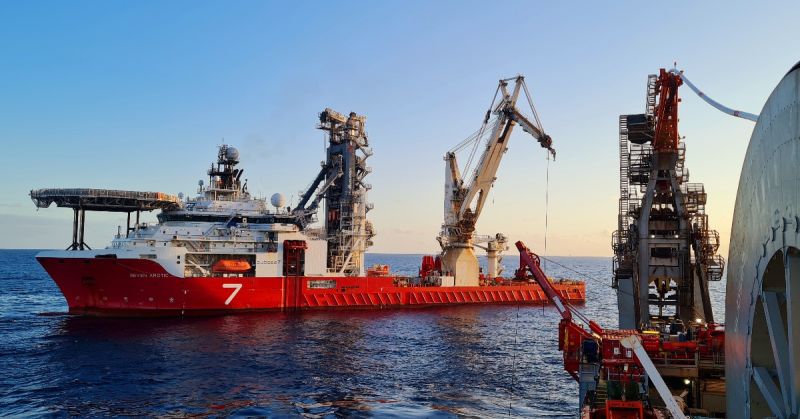
Subsea7 scoops up new multimillion-dollar US Gulf tie-back

In 60 seconds

Top move

Subsea execution demand is real: Subsea7 has a firm engineering start now and offshore installation planned next year, which tightens expected mobilization windows for flowline and SURF services in global markets

Key takeaways

  • Subsea execution demand is real: Subsea7 has a firm engineering start now and offshore installation planned next year, which tightens expected mobilization windows for flowline and SURF services in global markets.[4]
  • Heavy‑lift and module integration markets are active again after Saipem’s successful 5,200‑tonne gas module lift and yard-to-field transfer, increasing near‑term demand for specialist yards and heavy‑lift vessel slots.[3]
  • Supplier structures are shifting: McDermott’s placement in Aramco’s contractor pool highlights growing preference for integrated in‑region delivery models and localization that will change subcontracting and compliance requirements in major tenders.[2]
  • A private FSRU project is advancing as a reuse‑of‑infrastructure bridge solution, which shows buyers and operators are increasingly open to hybrid FSRU/platform sourcing models for energy security—relevance for APAC is strategic rather than immediate.[1]
  • Net: no immediate APAC capacity shock detected — these items tighten supplier commercial posture and contract terms rather than creating an instant local shortage; keep monitoring owner prioritisation clauses and mobilization holds.[4]

What changed since last run

  • Added new, confirmed Subsea7 US Gulf tie‑back award and schedule (article 1) that creates a firm mobilization horizon; previous brief covered vessel JV and cable capacity but not this contract.
  • Recorded Saipem’s completed heavy‑lift module integration milestone (article 2) and McDermott’s addition to Aramco’s contractor pool (article 5); both increase near‑term commercial pressure points that were not in the...
  • Noted a privately funded FSRU bridge project (article 4) that signals alternative reuse sourcing models for platform infrastructure; this is new versus prior coverage.

Key facts

  • Contract covers engineering, procurement, construction and offshore installation
  • Offshore operations scheduled next year
  • Flowline and related subsea infrastructure tied back to existing development
  • Module weight more than 5,200 tonnes
  • Module dimensions ~45m x 31m x 45m height
  • Module fabricated over two years and moved to integration

Why it matters

Subsea execution demand is real: Subsea7 has a firm engineering start now and offshore installation planned next year, which tightens expected mobilization windows for flowline and SURF services in global markets. Heavy‑lift and module integration markets are active again after Saipem’s successful 5,200‑tonne gas module lift and yard-to-field transfer, increasing near‑term demand for specialist yards and heavy‑lift vessel slots. Supplier structures are shifting: McDermott’s placement in Aramco’s contractor pool highlights growing preference for integrated in‑region delivery models and localization that will change subcontracting and compliance requirements in major tenders. A private FSRU project is advancing as a reuse‑of‑infrastructure bridge solution, which shows buyers and operators are increasingly open to hybrid FSRU/platform sourcing models for energy security—relevance for APAC is strategic rather than immediate

Cost / money

  • Mobilisation and execution premiums can rise as tie‑backs push engineering into execution planning — buyers may see shorter quote validity and firmer day‑rate exposure for installation assets.[4]
  • Large‑module fabrication and heavy‑lift activity typically lifts specialist yard and lift‑vessel pricing while those assets are committed to integration campaigns.[3]
  • Integrated, in‑country delivery models (McDermott–SLFE) can change cost allocation and increase pass‑throughs or indirect compliance costs for buyers sourcing global supply chains into localized execution.[2]

Supplier / commercial

  • Subsea7’s emphasis on a more standardised delivery model suggests suppliers will be asked to meet tighter, repeatable scopes — expect shorter negotiation windows and stricter technical conformity requirements.[4]
  • Aramco’s contractor pool approach means buyers should prepare for suppliers that prioritise owner‑approved chains; draft tenders should clarify subcontracting and localization pass‑throughs ahead of award.[2]
  • Saipem shifting integration work to a specialist yard underlines third‑party dependency risk — buyers must confirm supplier subcontracts and scope splits to avoid hidden interface costs.[3]

Safety / operations

  • Heavy‑lift operations (5,200‑tonne module) increase the need for rigorous pre‑mobilisation fitness‑for‑service checks, lift plans, and integrated HSE procedures between fabricator, transporter and installer.[3]
  • Advance scheduling for subsea offshore work (Subsea7’s offshore ops next year) requires aligning SPS (special period survey), crew readiness and permit windows well before mobilisation to avoid late holds.[4]

What to watch

  • Monitor whether McDermott’s Aramco LTA creates a sustained preferential flow of work that reduces availability for non‑local suppliers bidding into APAC projects — early indicator will be localisation clause text and subcontract awards.[2]
  • Watch for narrower supplier commitment windows and shorter quote validity as projects move from FEED to execution; if suppliers start shortening holds, buyers will have less room to negotiate post‑FEED scope changes.[4]

Top stories

Story 1Offshore EnergyJun 3, 2026

Subsea7 scoops up new multimillion-dollar US Gulf tie-back

Signal strongSource-grounded

What happened

Subsea7 won a multimillion‑dollar tie‑back contract with Murphy for the String Music development, with engineering starting immediately and offshore installation scheduled next year. The scope covers engineering, procurement, construction and offshore installation of a production flowline and associated subsea infrastructure tied back to an existing Delta House development, which makes mobilization planning operationally meaningful. Watch whether suppliers begin to shorten quote validity and lock vessel holds as engineering converts to execution

Buyer takeaway

Treat this as a firm demand signal for SURF and installation services because engineering has begun and offshore works are scheduled for next year

Cost / money

Tighter execution timing tends to raise mobilisation premiums and shorten negotiation windows for installation day rates and vessel charters

Supplier / commercial

Suppliers will ask for clearer hold‑periods and may limit quote validity; standardised delivery models may reduce scope flexibility

Safety / operations

Advance alignment of SPS, crew readiness, and permit windows is required to avoid late holds or HSE‑driven delays

What to watch

Watch for shortened quote validity and vessel fixture conflicts once firm engineering dates are public

Key facts

  • Contract covers engineering, procurement, construction and offshore installation
  • Offshore operations scheduled next year
  • Flowline and related subsea infrastructure tied back to existing development

Source excerpts

While the project management and engineering activities are set to begin immediately at the firm’s office in Houston, Texas, offshore operations are scheduled for 2027. The scope of work for the project entails the engineering, procurement, construction, and offshore installation of a production flowline and related subsea infrastructure tied back to the Delta House development in Mississippi Canyon 431, in water depths of up to 1,850 meters
S. ’s Senior Vice President, commented: “This award reflects the strength of our collaborative approach with Murphy as we develop a more standardised and efficient delivery model that improves predictability and helps accelerate project execution across their developments, including the String Music fields in the U
View post tag: Delta House View post tag: Gulf of America View post tag: Murphy Oil View post tag: String Music View post tag: Subsea7 View post tag: U
Story 2Offshore EnergyJun 3, 2026

Saipem makes inroads at African offshore gas project with ‘major milestone’ (Gallery)

Signal strongSource-grounded

What happened

Saipem completed lifting a large gas recovery module for the Bouri Gas Utilization Project, transferring a more than 5,200‑tonne module fabricated by Rosetti Marino and now moving to integration and hook‑up. The scale and handover to a specialist yard for integration make heavy‑lift, laydown and integration capacity operationally real for similar offshore refurbishments. Watch yard schedules and heavy‑lift vessel availability as these projects proceed to avoid hidden interface costs

Buyer takeaway

Treat heavy‑lift module deliveries as a signal that specialist yard and lift‑vessel capacity will be consumed, because these tasks require specific equipment and tight coordination

Cost / money

Large integration campaigns typically increase specialist yard and vessel day‑rates and can push pass‑through costs if schedules slip

Supplier / commercial

Expect tighter subcontract chains and third‑party dependencies; confirm who carries interface risk and who accepts hold‑period costs

Safety / operations

Large lifts raise lift‑plan complexity and require integrated HSE and survey activities across fabricator, transporter and installer

What to watch

Validate subcontract splits and yard capacity early; late discovery of third‑party constraints raises change‑order and schedule risk

Key facts

  • Module weight more than 5,200 tonnes
  • Module dimensions ~45m x 31m x 45m height
  • Module fabricated over two years and moved to integration

Source excerpts

These activities include the integration of the module on the existing DP4 platform, as well as hook-up and commissioning of the plant and its related communication, safety and control systems
Saipem 7000 vessel at Bouri gas project offshore Libya; Courtesy of Saipem The Italian giant emphasized: “The lifting of the module marks a major milestone in the execution phase of the project, confirming Saipem’s ability to manage complex operations through advanced engineering planning and the use of heavy-lifting solutions, in full compliance with the highest standards of safety and reliability
Saipem 7000 vessel at Bouri gas project; Source: Saipem Saipem has completed the lifting operations of the gas recovery module for the Bouri Gas Utilization Project (BGUP) offshore Libya, using its flagship Saipem 7000, said to be one of the world’s largest crane vessels
Story 3Offshore EnergyJun 3, 2026

Cook Inlet LNG puts new FSRU-based lifeline on Alaska’s energy horizon

Signal moderateSource-grounded

What happened

Cook Inlet LNG has started regulatory work for a privately funded FSRU project that uses existing platform infrastructure to provide a bridge gas solution, with first gas expected mid‑2029. The project is structured to reuse existing assets and will be resupplied by LNG tankers on a seasonal cadence, making the reuse model operationally concrete. Watch whether similar reuse or hybrid FSRU/platform approaches gain traction in other regions

Buyer takeaway

Treat the FSRU plus reuse approach as a credible alternative sourcing model because it is privately funded and leverages existing infrastructure to reduce lead times

Cost / money

Private funding shifts execution risk away from utilities and can alter financing and pass‑through cost structures in supply contracts

Supplier / commercial

Buyers should expect specific tanker logistics and port handling requirements to be contractually defined and possibly passed through to suppliers

Safety / operations

Reusing platform infrastructure requires thorough fit‑for‑service and integrity assessments to ensure safe integration with an FSRU

What to watch

Limited immediate APAC relevance but watch for template clauses on reuse and FSRU resupply logistics that could be adapted locally

Key facts

  • Project uses an FSRU and existing platform infrastructure
  • Resupply cadence tied to seasonal tanker calls
  • First available gas targeted for mid‑2029

Source excerpts

S. Coast Guard, and other regulatory agencies for its near-term bridge solution for energy security in Southcentral Alaska, which entails a FSRU and existing platform infrastructure
The FSRU will be moored alongside the existing Osprey platform on the west side of Cook Inlet. While gas will be fed into the pipeline system through the platform’s existing infrastructure, the mooring anchors that will be placed on the floor of Cook Inlet for mooring of the FSRU are the only new infrastructure that will be required for the Cook Inlet LNG project
While gas will be fed into the pipeline system through the platform’s existing infrastructure, the mooring anchors that will be placed on the floor of Cook Inlet for mooring of the FSRU are the only new infrastructure that will be required for the Cook Inlet LNG project. Stephen Ratcliff, CEO of Glacier Oil & Gas Corp
Story 4Offshore EnergyJun 3, 2026

McDermott among Aramco’s hand-picked contractors for large-scale projects

Signal moderateSource-grounded

What happened

McDermott has been selected into Aramco’s multi‑year PMC long‑term agreement, working with a local partner to deliver in‑kingdom and integrated project delivery models. The arrangement signals a stronger emphasis on localization, knowledge transfer and integrated out‑of‑kingdom/in‑kingdom scopes that will affect how buyers write subcontracting and compliance terms. Watch how Aramco’s pool influences subcontracting flows and whether buyers must alter pass‑through and localization terms in global tenders

Buyer takeaway

Treat contractor pool selections as a sign that major owners will favour localized delivery and pre‑qualified suppliers, because the LTA structure channels work toward approved partners

Cost / money

Localization and integrated delivery can reallocate costs to in‑country pass‑throughs and compliance items that buyers must account for when comparing global bids

Supplier / commercial

Expect richer negotiation on subcontracting rights, audit access and pass‑through mechanics when an owner favours an approved pool

Safety / operations

In‑region delivery models often require joint HSE governance and knowledge‑transfer plans; confirm local HSE standards and oversight responsibilities

What to watch

Monitor how the LTA is used in practice — preferential awarding of scopes to pool members can tighten capacity for non‑pooled suppliers

Key facts

  • McDermott part of an 11‑contractor Aramco PMC LTA
  • Partnership includes integrated out‑of‑kingdom and in‑kingdom delivery model
  • Focus on localization and in‑country value add

Source excerpts

” Through the McDermott–SLFE partnership, projects will be executed using an integrated out‑of‑kingdom and in‑kingdom delivery model, enabling efficient execution while meeting Aramco’s localization and In-Kingdom Total Value Add (IKTVA) objectives. While SLFE will play a key role in engineering and client support within Saudi Arabia, McDermott will lead overall execution planning, governance and technical leadership through its established global engineering centers
Illustration; Source: McDermott McDermott, via McDermott Nederland, has been chosen by Aramco as one of the 11 selected contractors for a multi-year PMC LTA, which positions the U
” Through the McDermott–SLFE partnership, projects will be executed using an integrated out‑of‑kingdom and in‑kingdom delivery model, enabling efficient execution while meeting Aramco’s localization and In-Kingdom Total Value Add (IKTVA) objectives

VP Snapshot

Executive Risk & Action View

Subsea execution demand is real: Subsea7 has a firm engineering start now and offshore installation planned next year, which tightens expected mobilization windows for flowline and SURF services in global markets.

Overall
56
Cost
79
Supply
61
Schedule
38
Compliance
15

Top signals

30-180dcost

Signal 1: Cost / money

Mobilisation and execution premiums can rise as tie‑backs push engineering into execution planning — buyers may see shorter quote validity and firmer day‑rate exposure for installation assets.

Signal 2: Cost / money

Large‑module fabrication and heavy‑lift activity typically lifts specialist yard and lift‑vessel pricing while those assets are committed to integration campaigns.

Signal 3: Cost / money

Integrated, in‑country delivery models (McDermott–SLFE) can change cost allocation and increase pass‑throughs or indirect compliance costs for buyers sourcing global supply chains into localized execution.

30-180dschedule

Signal 4: Supplier / commercial

Subsea7’s emphasis on a more standardised delivery model suggests suppliers will be asked to meet tighter, repeatable scopes — expect shorter negotiation windows and stricter technical conformity requirements.

30-180dcommercial

Signal 5: Supplier / commercial

Aramco’s contractor pool approach means buyers should prepare for suppliers that prioritise owner‑approved chains; draft tenders should clarify subcontracting and localization pass‑throughs ahead of award.

Signal 6: Supplier / commercial

Saipem shifting integration work to a specialist yard underlines third‑party dependency risk — buyers must confirm supplier subcontracts and scope splits to avoid hidden interface costs.

Recommended actions

CategoryDue 3d

Run a targeted availability check with preferred installation vessels and heavy‑lift providers for the identified execution window.

Updated availability register listing tentative hold windows and any conflicting fixtures

ContractsDue 3d

Request interface attestations and inspection schedules from preferred fabricators and integration yards for large modules.

Receipt of supplier attestations and inspection dates to include in tender pre‑qualification packs

ContractsDue 21d

Update tender templates to include mandatory mobilisation‑hold obligations, SPS contribution clauses and minimum quote‑validity windows.

Tender templates with explicit mobilisation, SPS and quote‑validity clauses ready for imminent RFQs

CategoryDue 21d

Map regional specialist‑yard and heavy‑lift subcontract capacity and identify single‑point dependencies in supplier chains.

Capacity map and dependency register to inform shortlist selection and risk mitigation

ContractsDue 60d

Review framework and LTA clauses to add explicit localization/compliance triggers and optional in‑region execution pathways.

Revised framework templates that include localisation triggers, audit rights and pass‑through cost controls

Risk register

RiskTriggerMitigation
Monitor whether McDermott’s Aramco LTA creates a sustained preferential flow of work that reduces availability for non‑local suppliers bidding into APAC projects — early indicator will be localisation clause text and subcontract awards.Monitor whether McDermott’s Aramco LTA creates a sustained preferential flow of work that reduces availability for non‑local suppliers bidding into APAC projects — early indicator will be localisation clause text and subcontract awards.Confirm exposure with category, contracts, and operations before the next supplier commitment.
Watch for narrower supplier commitment windows and shorter quote validity as projects move from FEED to execution; if suppliers start shortening holds, buyers will have less room to negotiate post‑FEED scope changes.Watch for narrower supplier commitment windows and shorter quote validity as projects move from FEED to execution; if suppliers start shortening holds, buyers will have less room to negotiate post‑FEED scope changes.Confirm exposure with category, contracts, and operations before the next supplier commitment.

CM Snapshot

Category Manager Decision Detail

Today's priorities

Run a targeted availability check with preferred installation vessels and heavy‑lift providers for the identified execution window.

Act because Subsea7 has started engineering and scheduled offshore installation, which will compress mobilisation windows and reveal any conflicting vessel fixtures.

Due 3d

high

CM move

Use this as the immediate supplier or contract action to move before the next sourcing gate.

Request interface attestations and inspection schedules from preferred fabricators and integration yards for large modules.

Act because Saipem’s recent module lift exposes interface and integration risks that must be validated before tendering similar modular scopes.

Due 3d

high

CM move

Use this as the immediate supplier or contract action to move before the next sourcing gate.

Update tender templates to include mandatory mobilisation‑hold obligations, SPS contribution clauses and minimum quote‑validity windows.

Act because public project comments show suppliers are tightening commitment windows and mobilization pressure can drive re‑pricing at award.

Due 21d

high

CM move

Use this as the immediate supplier or contract action to move before the next sourcing gate.

Map regional specialist‑yard and heavy‑lift subcontract capacity and identify single‑point dependencies in supplier chains.

Act because Saipem and McDermott examples show reliance on specialist yards and localized delivery that can create single‑vendor or capacity bottlenecks.

Due 21d

high

CM move

Use this as the immediate supplier or contract action to move before the next sourcing gate.

Supplier radar

Offshore Energy

high

Observed supplier signal

Subsea7’s emphasis on a more standardised delivery model suggests suppliers will be asked to meet tighter, repeatable scopes — expect shorter negotiation windows and stricter technical conformity requirements.

Commercial implication

Subsea7’s emphasis on a more standardised delivery model suggests suppliers will be asked to meet tighter, repeatable scopes — expect shorter negotiation windows and stricter technical conformity requirements.

Next step: Validate the source-backed signal with incumbents and alternates before the next award or pricing decision.

Offshore Energy

high

Observed supplier signal

Aramco’s contractor pool approach means buyers should prepare for suppliers that prioritise owner‑approved chains; draft tenders should clarify subcontracting and localization pass‑throughs ahead of award.

Commercial implication

Aramco’s contractor pool approach means buyers should prepare for suppliers that prioritise owner‑approved chains; draft tenders should clarify subcontracting and localization pass‑throughs ahead of award.

Next step: Validate the source-backed signal with incumbents and alternates before the next award or pricing decision.

Offshore Energy

high

Observed supplier signal

Saipem shifting integration work to a specialist yard underlines third‑party dependency risk — buyers must confirm supplier subcontracts and scope splits to avoid hidden interface costs.

Commercial implication

Saipem shifting integration work to a specialist yard underlines third‑party dependency risk — buyers must confirm supplier subcontracts and scope splits to avoid hidden interface costs.

Next step: Validate the source-backed signal with incumbents and alternates before the next award or pricing decision.

Negotiation levers

Run a targeted availability check with preferred installation vessels and heavy‑lift providers for the identified execution window.

When to use: Act because Subsea7 has started engineering and scheduled offshore installation, which will compress mobilisation windows and reveal any conflicting vessel fixtures.

Expected outcome: Updated availability register listing tentative hold windows and any conflicting fixtures

Commercial mechanism to carry into the next supplier conversation

Request interface attestations and inspection schedules from preferred fabricators and integration yards for large modules.

When to use: Act because Saipem’s recent module lift exposes interface and integration risks that must be validated before tendering similar modular scopes.

Expected outcome: Receipt of supplier attestations and inspection dates to include in tender pre‑qualification packs

Commercial mechanism to carry into the next supplier conversation

Update tender templates to include mandatory mobilisation‑hold obligations, SPS contribution clauses and minimum quote‑validity windows.

When to use: Act because public project comments show suppliers are tightening commitment windows and mobilization pressure can drive re‑pricing at award.

Expected outcome: Tender templates with explicit mobilisation, SPS and quote‑validity clauses ready for imminent RFQs

Commercial mechanism to carry into the next supplier conversation

Map regional specialist‑yard and heavy‑lift subcontract capacity and identify single‑point dependencies in supplier chains.

When to use: Act because Saipem and McDermott examples show reliance on specialist yards and localized delivery that can create single‑vendor or capacity bottlenecks.

Expected outcome: Capacity map and dependency register to inform shortlist selection and risk mitigation

Commercial mechanism to carry into the next supplier conversation

Talking points

Subsea execution demand is real: Subsea7 has a firm engineering start now and offshore installation planned next year, which tightens expected mobilization windows for flowline and SURF services in global markets.
Heavy‑lift and module integration markets are active again after Saipem’s successful 5,200‑tonne gas module lift and yard-to-field transfer, increasing near‑term demand for specialist yards and heavy‑lift vessel slots.
Supplier structures are shifting: McDermott’s placement in Aramco’s contractor pool highlights growing preference for integrated in‑region delivery models and localization that will change subcontracting and compliance requirements in major tenders.
A private FSRU project is advancing as a reuse‑of‑infrastructure bridge solution, which shows buyers and operators are increasingly open to hybrid FSRU/platform sourcing models for energy security—relevance for APAC is strategic rather than immediate.

Supplier radar

SupplierSignalImplicationNext stepConfidence
Offshore EnergySubsea7’s emphasis on a more standardised delivery model suggests suppliers will be asked to meet tighter, repeatable scopes — expect shorter negotiation windows and stricter technical conformity requirements.Subsea7’s emphasis on a more standardised delivery model suggests suppliers will be asked to meet tighter, repeatable scopes — expect shorter negotiation windows and stricter technical conformity requirements.Validate the source-backed signal with incumbents and alternates before the next award or pricing decision.high
Offshore EnergyAramco’s contractor pool approach means buyers should prepare for suppliers that prioritise owner‑approved chains; draft tenders should clarify subcontracting and localization pass‑throughs ahead of award.Aramco’s contractor pool approach means buyers should prepare for suppliers that prioritise owner‑approved chains; draft tenders should clarify subcontracting and localization pass‑throughs ahead of award.Validate the source-backed signal with incumbents and alternates before the next award or pricing decision.high
Offshore EnergySaipem shifting integration work to a specialist yard underlines third‑party dependency risk — buyers must confirm supplier subcontracts and scope splits to avoid hidden interface costs.Saipem shifting integration work to a specialist yard underlines third‑party dependency risk — buyers must confirm supplier subcontracts and scope splits to avoid hidden interface costs.Validate the source-backed signal with incumbents and alternates before the next award or pricing decision.high

Negotiation levers

  • Run a targeted availability check with preferred installation vessels and heavy‑lift providers for the identified execution window.Act because Subsea7 has started engineering and scheduled offshore installation, which will compress mobilisation windows and reveal any conflicting vessel fixtures.Updated availability register listing tentative hold windows and any conflicting fixtures

    high confidence

  • Request interface attestations and inspection schedules from preferred fabricators and integration yards for large modules.Act because Saipem’s recent module lift exposes interface and integration risks that must be validated before tendering similar modular scopes.Receipt of supplier attestations and inspection dates to include in tender pre‑qualification packs

    high confidence

  • Update tender templates to include mandatory mobilisation‑hold obligations, SPS contribution clauses and minimum quote‑validity windows.Act because public project comments show suppliers are tightening commitment windows and mobilization pressure can drive re‑pricing at award.Tender templates with explicit mobilisation, SPS and quote‑validity clauses ready for imminent RFQs

    high confidence

  • Map regional specialist‑yard and heavy‑lift subcontract capacity and identify single‑point dependencies in supplier chains.Act because Saipem and McDermott examples show reliance on specialist yards and localized delivery that can create single‑vendor or capacity bottlenecks.Capacity map and dependency register to inform shortlist selection and risk mitigation

    high confidence

What to do / What to watch

What to do now

  • Run a targeted availability check with preferred installation vessels and heavy‑lift providers for the identified execution window.

    Why: Act because Subsea7 has started engineering and scheduled offshore installation, which will compress mobilisation windows and reveal any conflicting vessel fixtures.

    Owner: Category

    Expected outcome: Updated availability register listing tentative hold windows and any conflicting fixtures

    [4]
  • Request interface attestations and inspection schedules from preferred fabricators and integration yards for large modules.

    Why: Act because Saipem’s recent module lift exposes interface and integration risks that must be validated before tendering similar modular scopes.

    Owner: Contracts

    Expected outcome: Receipt of supplier attestations and inspection dates to include in tender pre‑qualification packs

    [3]

Next few weeks

  • Update tender templates to include mandatory mobilisation‑hold obligations, SPS contribution clauses and minimum quote‑validity windows.

    Why: Act because public project comments show suppliers are tightening commitment windows and mobilization pressure can drive re‑pricing at award.

    Owner: Contracts

    Expected outcome: Tender templates with explicit mobilisation, SPS and quote‑validity clauses ready for imminent RFQs

    [4]
  • Map regional specialist‑yard and heavy‑lift subcontract capacity and identify single‑point dependencies in supplier chains.

    Why: Act because Saipem and McDermott examples show reliance on specialist yards and localized delivery that can create single‑vendor or capacity bottlenecks.

    Owner: Category

    Expected outcome: Capacity map and dependency register to inform shortlist selection and risk mitigation

    [3]

Longer view

  • Review framework and LTA clauses to add explicit localization/compliance triggers and optional in‑region execution pathways.

    Why: Act because the emergence of integrated in‑kingdom delivery models and private reuse solutions requires contract terms that protect buyer rights and clarify pass‑throughs.

    Owner: Contracts

    Expected outcome: Revised framework templates that include localisation triggers, audit rights and pass‑through cost controls

    [2]

What to watch

  • Monitor whether McDermott’s Aramco LTA creates a sustained preferential flow of work that reduces availability for non‑local suppliers bidding into APAC projects — early indicator will be localisation clause text and subcontract awards
  • Watch for narrower supplier commitment windows and shorter quote validity as projects move from FEED to execution; if suppliers start shortening holds, buyers will have less room to negotiate post‑FEED scope changes
  • Monitor whether McDermott’s Aramco LTA creates a sustained preferential flow of work that reduces availability for non‑local suppliers bidding into APAC projects — early indicator will be localisation clause text and subcontract awards.: Monitor whether McDermott’s Aramco LTA creates a sustained preferential flow of work that reduces availability for non‑local suppliers bidding into APAC projects — early indicator will be localisation clause text and subcontract awards
  • Watch for narrower supplier commitment windows and shorter quote validity as projects move from FEED to execution; if suppliers start shortening holds, buyers will have less room to negotiate post‑FEED scope changes.: Watch for narrower supplier commitment windows and shorter quote validity as projects move from FEED to execution; if suppliers start shortening holds, buyers will have less room to negotiate post‑FEED scope changes
  • Subsea execution demand is real: Subsea7 has a firm engineering start now and offshore installation planned next year, which tightens expected mobilization windows for flowline and SURF services in global markets
  • Heavy‑lift and module integration markets are active again after Saipem’s successful 5,200‑tonne gas module lift and yard-to-field transfer, increasing near‑term demand for specialist yards and heavy‑lift vessel slots
  • Supplier structures are shifting: McDermott’s placement in Aramco’s contractor pool highlights growing preference for integrated in‑region delivery models and localization that will change subcontracting and compliance requirements in major tenders
  • A private FSRU project is advancing as a reuse‑of‑infrastructure bridge solution, which shows buyers and operators are increasingly open to hybrid FSRU/platform sourcing models for energy security—relevance for APAC is strategic rather than immediate

Market pulse

IndexLatestChangeAs of
WTI Crude (WTI)71.23 /bbl+0.00 (+0.00%)Jun 3, 2026, 10:08 PM
Brent Crude (BRENT)74.89 /bbl+0.00 (+0.00%)Jun 3, 2026, 10:08 PM
Natural Gas (NG)3.12 /MMBtu+0.00 (+0.00%)Jun 3, 2026, 10:08 PM
Dry Bulk Shipping (BDRY) (BDRY)0 +0.00 (+0.00%)Jun 3, 2026, 10:08 PM
WTI (Fuel) (WTI)71.23 /bbl+0.00 (+0.00%)Jun 3, 2026, 10:08 PM
TechnipFMC (FTI)22 +0.00 (+0.00%)Jun 3, 2026, 10:08 PM
  • Dry Bulk Shipping (BDRY): Dry‑bulk shipping tightness can indicate lift‑vessel and transport slot pressures that affect module and spool movements; factor into logistics cost and lead‑time planning
  • WTI Crude: Fuel price direction affects vessel day rates and mobilisation costs; include fuel exposure language in longer tenders and charters

Sources

Inline citations jump here. Expand a source to read the excerpt, the AI interpretation, and the original link.

[1] Cook Inlet LNG puts new FSRU-based lifeline on Alaska’s energy horizon

offshore-energy.biz · Jun 3, 2026

Expand

AI reading

Cook Inlet LNG has started regulatory work for a privately funded FSRU project that uses existing platform infrastructure to provide a bridge gas solution, with first gas expected mid‑2029. The project is structured to reuse existing assets and will be resupplied by LNG tankers on a seasonal cadence, making the reuse model operationally concrete. Watch whether similar reuse or hybrid FSRU/platform approaches gain traction in other regions

Buyer takeaway

Treat the FSRU plus reuse approach as a credible alternative sourcing model because it is privately funded and leverages existing infrastructure to reduce lead times

Cost / money

Private funding shifts execution risk away from utilities and can alter financing and pass‑through cost structures in supply contracts

Supplier / commercial

Buyers should expect specific tanker logistics and port handling requirements to be contractually defined and possibly passed through to suppliers

Safety / operations

Reusing platform infrastructure requires thorough fit‑for‑service and integrity assessments to ensure safe integration with an FSRU

What to watch

Limited immediate APAC relevance but watch for template clauses on reuse and FSRU resupply logistics that could be adapted locally

Key facts

  • Project uses an FSRU and existing platform infrastructure
  • Resupply cadence tied to seasonal tanker calls
  • First available gas targeted for mid‑2029

Source excerpts

S. Coast Guard, and other regulatory agencies for its near-term bridge solution for energy security in Southcentral Alaska, which entails a FSRU and existing platform infrastructure
The FSRU will be moored alongside the existing Osprey platform on the west side of Cook Inlet. While gas will be fed into the pipeline system through the platform’s existing infrastructure, the mooring anchors that will be placed on the floor of Cook Inlet for mooring of the FSRU are the only new infrastructure that will be required for the Cook Inlet LNG project
While gas will be fed into the pipeline system through the platform’s existing infrastructure, the mooring anchors that will be placed on the floor of Cook Inlet for mooring of the FSRU are the only new infrastructure that will be required for the Cook Inlet LNG project. Stephen Ratcliff, CEO of Glacier Oil & Gas Corp

Used in this brief

  • Subsea execution demand is real: Subsea7 has a firm engineering start now and offshore installation planned next year, which tightens expected mobilization windows for flowline and SURF services in global markets. Heavy‑lift and module integration markets are active again after Saipem’s successful 5,200‑tonne gas module lift and yard-to-field transfer, increasing near‑term demand for specialist yards and heavy‑lift vessel slots. Supplier structures are shifting: McDermott’s placement in Aramco’s contractor pool highlights growing preference for integrated in‑region delivery models and localization that will change subcontracting and compliance requirements in major tenders. A private FSRU project is advancing as a reuse‑of‑infrastructure bridge solution, which shows buyers and operators are increasingly open to hybrid FSRU/platform sourcing models for energy security—relevance for APAC is strategic rather than immediate
  • Noted a privately funded FSRU bridge project (article 4) that signals alternative reuse sourcing models for platform infrastructure; this is new versus prior coverage
  • Cook Inlet LNG has started regulatory work for a privately funded FSRU project that uses existing platform infrastructure to provide a bridge gas solution, with first gas expected mid‑2029. The project is structured to reuse existing assets and will be resupplied by LNG tankers on a seasonal cadence, making the reuse model operationally concrete. Watch whether similar reuse or hybrid FSRU/platform approaches gain traction in other regions
Open original source

[2] McDermott among Aramco’s hand-picked contractors for large-scale projects

offshore-energy.biz · Jun 3, 2026

Expand

AI reading

McDermott has been selected into Aramco’s multi‑year PMC long‑term agreement, working with a local partner to deliver in‑kingdom and integrated project delivery models. The arrangement signals a stronger emphasis on localization, knowledge transfer and integrated out‑of‑kingdom/in‑kingdom scopes that will affect how buyers write subcontracting and compliance terms. Watch how Aramco’s pool influences subcontracting flows and whether buyers must alter pass‑through and localization terms in global tenders

Buyer takeaway

Treat contractor pool selections as a sign that major owners will favour localized delivery and pre‑qualified suppliers, because the LTA structure channels work toward approved partners

Cost / money

Localization and integrated delivery can reallocate costs to in‑country pass‑throughs and compliance items that buyers must account for when comparing global bids

Supplier / commercial

Expect richer negotiation on subcontracting rights, audit access and pass‑through mechanics when an owner favours an approved pool

Safety / operations

In‑region delivery models often require joint HSE governance and knowledge‑transfer plans; confirm local HSE standards and oversight responsibilities

What to watch

Monitor how the LTA is used in practice — preferential awarding of scopes to pool members can tighten capacity for non‑pooled suppliers

Key facts

  • McDermott part of an 11‑contractor Aramco PMC LTA
  • Partnership includes integrated out‑of‑kingdom and in‑kingdom delivery model
  • Focus on localization and in‑country value add

Source excerpts

” Through the McDermott–SLFE partnership, projects will be executed using an integrated out‑of‑kingdom and in‑kingdom delivery model, enabling efficient execution while meeting Aramco’s localization and In-Kingdom Total Value Add (IKTVA) objectives. While SLFE will play a key role in engineering and client support within Saudi Arabia, McDermott will lead overall execution planning, governance and technical leadership through its established global engineering centers
Illustration; Source: McDermott McDermott, via McDermott Nederland, has been chosen by Aramco as one of the 11 selected contractors for a multi-year PMC LTA, which positions the U
” Through the McDermott–SLFE partnership, projects will be executed using an integrated out‑of‑kingdom and in‑kingdom delivery model, enabling efficient execution while meeting Aramco’s localization and In-Kingdom Total Value Add (IKTVA) objectives

Used in this brief

  • Cost / money: Integrated, in‑country delivery models (McDermott–SLFE) can change cost allocation and increase pass‑throughs or indirect compliance costs for buyers sourcing global supply chains into localized execution
  • What to watch: Monitor whether McDermott’s Aramco LTA creates a sustained preferential flow of work that reduces availability for non‑local suppliers bidding into APAC projects — early indicator will be localisation clause text and subcontract awards
  • Next quarter — Review framework and LTA clauses to add explicit localization/compliance triggers and optional in‑region execution pathways.. Rationale: Act because the emergence of integrated in‑kingdom delivery models and private reuse solutions requires contract terms that protect buyer rights and clarify pass‑throughs.. Owner: Contracts. KPI: Revised framework templates that include localisation triggers, audit rights and pass‑through cost controls
Open original source

[3] Saipem makes inroads at African offshore gas project with ‘major milestone’ (Gallery)

offshore-energy.biz · Jun 3, 2026

Expand

AI reading

Saipem completed lifting a large gas recovery module for the Bouri Gas Utilization Project, transferring a more than 5,200‑tonne module fabricated by Rosetti Marino and now moving to integration and hook‑up. The scale and handover to a specialist yard for integration make heavy‑lift, laydown and integration capacity operationally real for similar offshore refurbishments. Watch yard schedules and heavy‑lift vessel availability as these projects proceed to avoid hidden interface costs

Buyer takeaway

Treat heavy‑lift module deliveries as a signal that specialist yard and lift‑vessel capacity will be consumed, because these tasks require specific equipment and tight coordination

Cost / money

Large integration campaigns typically increase specialist yard and vessel day‑rates and can push pass‑through costs if schedules slip

Supplier / commercial

Expect tighter subcontract chains and third‑party dependencies; confirm who carries interface risk and who accepts hold‑period costs

Safety / operations

Large lifts raise lift‑plan complexity and require integrated HSE and survey activities across fabricator, transporter and installer

What to watch

Validate subcontract splits and yard capacity early; late discovery of third‑party constraints raises change‑order and schedule risk

Key facts

  • Module weight more than 5,200 tonnes
  • Module dimensions ~45m x 31m x 45m height
  • Module fabricated over two years and moved to integration

Source excerpts

These activities include the integration of the module on the existing DP4 platform, as well as hook-up and commissioning of the plant and its related communication, safety and control systems
Saipem 7000 vessel at Bouri gas project offshore Libya; Courtesy of Saipem The Italian giant emphasized: “The lifting of the module marks a major milestone in the execution phase of the project, confirming Saipem’s ability to manage complex operations through advanced engineering planning and the use of heavy-lifting solutions, in full compliance with the highest standards of safety and reliability
Saipem 7000 vessel at Bouri gas project; Source: Saipem Saipem has completed the lifting operations of the gas recovery module for the Bouri Gas Utilization Project (BGUP) offshore Libya, using its flagship Saipem 7000, said to be one of the world’s largest crane vessels

Used in this brief

  • Next 72 hours — Request interface attestations and inspection schedules from preferred fabricators and integration yards for large modules.. Rationale: Act because Saipem’s recent module lift exposes interface and integration risks that must be validated before tendering similar modular scopes.. Owner: Contracts. KPI: Receipt of supplier attestations and inspection dates to include in tender pre‑qualification packs
  • Next 2-4 weeks — Map regional specialist‑yard and heavy‑lift subcontract capacity and identify single‑point dependencies in supplier chains.. Rationale: Act because Saipem and McDermott examples show reliance on specialist yards and localized delivery that can create single‑vendor or capacity bottlenecks.. Owner: Category. KPI: Capacity map and dependency register to inform shortlist selection and risk mitigation
  • Saipem completed lifting a large gas recovery module for the Bouri Gas Utilization Project, transferring a more than 5,200‑tonne module fabricated by Rosetti Marino and now moving to integration and hook‑up. The scale and handover to a specialist yard for integration make heavy‑lift, laydown and integration capacity operationally real for similar offshore refurbishments. Watch yard schedules and heavy‑lift vessel availability as these projects proceed to avoid hidden interface costs
Open original source

[4] Subsea7 scoops up new multimillion-dollar US Gulf tie-back

offshore-energy.biz · Jun 3, 2026

Expand

AI reading

Subsea7 won a multimillion‑dollar tie‑back contract with Murphy for the String Music development, with engineering starting immediately and offshore installation scheduled next year. The scope covers engineering, procurement, construction and offshore installation of a production flowline and associated subsea infrastructure tied back to an existing Delta House development, which makes mobilization planning operationally meaningful. Watch whether suppliers begin to shorten quote validity and lock vessel holds as engineering converts to execution

Buyer takeaway

Treat this as a firm demand signal for SURF and installation services because engineering has begun and offshore works are scheduled for next year

Cost / money

Tighter execution timing tends to raise mobilisation premiums and shorten negotiation windows for installation day rates and vessel charters

Supplier / commercial

Suppliers will ask for clearer hold‑periods and may limit quote validity; standardised delivery models may reduce scope flexibility

Safety / operations

Advance alignment of SPS, crew readiness, and permit windows is required to avoid late holds or HSE‑driven delays

What to watch

Watch for shortened quote validity and vessel fixture conflicts once firm engineering dates are public

Key facts

  • Contract covers engineering, procurement, construction and offshore installation
  • Offshore operations scheduled next year
  • Flowline and related subsea infrastructure tied back to existing development

Source excerpts

While the project management and engineering activities are set to begin immediately at the firm’s office in Houston, Texas, offshore operations are scheduled for 2027. The scope of work for the project entails the engineering, procurement, construction, and offshore installation of a production flowline and related subsea infrastructure tied back to the Delta House development in Mississippi Canyon 431, in water depths of up to 1,850 meters
S. ’s Senior Vice President, commented: “This award reflects the strength of our collaborative approach with Murphy as we develop a more standardised and efficient delivery model that improves predictability and helps accelerate project execution across their developments, including the String Music fields in the U
View post tag: Delta House View post tag: Gulf of America View post tag: Murphy Oil View post tag: String Music View post tag: Subsea7 View post tag: U

Used in this brief

  • Next 72 hours — Run a targeted availability check with preferred installation vessels and heavy‑lift providers for the identified execution window.. Rationale: Act because Subsea7 has started engineering and scheduled offshore installation, which will compress mobilisation windows and reveal any conflicting vessel fixtures.. Owner: Category. KPI: Updated availability register listing tentative hold windows and any conflicting fixtures
  • Next 2-4 weeks — Update tender templates to include mandatory mobilisation‑hold obligations, SPS contribution clauses and minimum quote‑validity windows.. Rationale: Act because public project comments show suppliers are tightening commitment windows and mobilization pressure can drive re‑pricing at award.. Owner: Contracts. KPI: Tender templates with explicit mobilisation, SPS and quote‑validity clauses ready for imminent RFQs
  • Watch for narrower supplier commitment windows and shorter quote validity as projects move from FEED to execution; if suppliers start shortening holds, buyers will have less room to negotiate post‑FEED scope changes
Open original source

[5] Dry Bulk Shipping (BDRY)

finance.yahoo.com · n.d.

Expand

[6] WTI Crude

finance.yahoo.com · n.d.

Expand