Projects (EPC/EPCM & Construction) · Australia (Perth)

Reassess Marine Fuel and Heavy‑Lift Contracts for APAC Projects

Published Jun 4, 2026, 6:00 AM AWSTAPACFull category signal
Ask AI
BHP trials multi-feedstock biofuel blend

In 60 seconds

Top move

BHP’s marine biofuel trial aboard a WA-to-China bulk carrier creates an operational procurement signal: buyers should expect growing interest in alternative bunker fuel clauses, verification frameworks, and potential fuel-handling constraints in shipping tenders

Key takeaways

  • BHP’s marine biofuel trial aboard a WA-to-China bulk carrier creates an operational procurement signal: buyers should expect growing interest in alternative bunker fuel clauses, verification frameworks, and potential fuel-handling constraints in shipping tenders.[2]
  • Saipem’s successful lift and integration of a very large gas recovery module shows major yards and heavy‑lift vessels are executing large module mobilisations — this tightens the calendar for other heavy fabrication and transport slots tied to yards and heavy‑lift assets.[1]
  • Ineos Energy’s LNG supply agreement into the Pacific Basin (via Marubeni) adds a new delivered supply route for Asian markets, which changes the commercial mix buyers can reference when negotiating LNG‑backed fuel or temporary gas supply for projects.[3]
  • Taken together, these items shift procurement focus toward contract clauses that manage fuel quality/traceability, mobilisation and allocation rights for heavy modules, and DES (delivered ex‑ship) supply terms that affect logistics pass‑throughs.[2]
  • Today's signal is normal (not an outlier): there are actionable commercial behaviours to monitor, but no single development yet requires emergency re-pricing or immediate reprocurement of core assets.[1]

What changed since last run

  • Added BHP biofuel trial (local marine fuel sourcing implications) and Ineos–Marubeni LNG Pacific entry to the watchlist; these introduce fuel‑sourcing and DES delivery clauses as near‑term commercial items to track th...

Key facts

  • Module fabricated offsite and transported to field
  • Integration includes hook‑up and commissioning tied to existing subsea pipelines
  • Execution hands off to fabricator for remaining offshore integration
  • Voyage used a B100 blend mix from multiple feedstocks
  • Bunkered in Singapore before WA‑to‑China voyage
  • Pilot focuses on handling, traceability and lifecycle emissions verification

Why it matters

BHP’s marine biofuel trial aboard a WA-to-China bulk carrier creates an operational procurement signal: buyers should expect growing interest in alternative bunker fuel clauses, verification frameworks, and potential fuel-handling constraints in shipping tenders. Saipem’s successful lift and integration of a very large gas recovery module shows major yards and heavy‑lift vessels are executing large module mobilisations — this tightens the calendar for other heavy fabrication and transport slots tied to yards and heavy‑lift assets. Ineos Energy’s LNG supply agreement into the Pacific Basin (via Marubeni) adds a new delivered supply route for Asian markets, which changes the commercial mix buyers can reference when negotiating LNG‑backed fuel or temporary gas supply for projects. Taken together, these items shift procurement focus toward contract clauses that manage fuel quality/traceability, mobilisation and allocation rights for heavy modules, and DES (delivered ex‑ship) supply terms that affect logistics pass‑throughs

Cost / money

  • Biofuel trials can increase short‑term bunker price volatility and bunker acceptance testing costs; contracts may need explicit pass‑through language for alternative fuel handling and quality verification.[2]
  • Large module fabrication and transport activity anchors yard and heavy‑lift vessel utilisation, reducing buyer room to negotiate mobilisation discounts and increasing the chance of mobilisation premiums for out‑of‑sequence requests.[1]

Supplier / commercial

  • Suppliers delivering bespoke large modules (fabricators, heavy‑lift operators) gain scheduling leverage once a module leaves the yard and enters a fixed mobilisation window, strengthening their position on lead times and deposit requirements.[1]
  • Charterers and ship operators may start to see conditional acceptance or traceability requirements from buyers piloting low‑carbon fuels, creating new pre‑qualification steps for fuel suppliers and bunker brokers.[2]

Safety / operations

  • Integrating very large modules offshore requires coordinated hook‑up, control and communications checks; buyers must validate SIMOPs and third‑party integration scopes before mobilisation to avoid offshore rework.[1][2]
  • Testing alternative marine fuels raises operational watchpoints (fuel quality, corrosion, cold‑flow behaviour) that can affect vessel performance and maintenance windows — contractually capture responsibility for testing and remedial actions.[2]

What to watch

  • Biofuel trials are early-stage for mainstream shipping: expect limited supply and traceability gaps initially, so treat widespread bunker substitution as an early signal rather than immediate procurement dependency.[2]
  • Watch whether heavy‑lift and yard deliveries start to compress schedules regionally; a sustained run of large module movements could shorten quote validity and increase mobilisation deposit requests from fabricators.[1]

Top stories

Story 1Offshore EnergyJun 3, 2026

Saipem makes inroads at African offshore gas project with ‘major milestone’ (Gallery)

Signal strongSource-grounded

What happened

Saipem completed lifting and installation of a gas recovery module fabricated by Rosetti Marino and transported to an offshore field, marking a major execution milestone. The module was heavy and large, then integrated and will require hook‑up, control and commissioning work tied to already‑laid subsea pipelines. Watch whether follow‑on integration activities and remaining hook‑up phases meet planned windows and whether fabricator or heavy‑lift slots become constrained regionally

Buyer takeaway

Treat this as a concrete execution milestone that tightens heavy‑lift and yard calendars; buyers should verify mobilisation and hook‑up scopes now rather than later

Cost / money

Directional upward pressure on mobilisation premiums and reduced negotiating time for large‑module moves

Supplier / commercial

Fabricators and heavy‑lift operators gain leverage once a module is en route; expect shorter quote validity and potential deposit asks

Safety / operations

Complex hook‑up and subsea integration raise SIMOPs and control‑system integration requirements; buyers must verify joint operation procedures

What to watch

Watch for compressed integration windows and supplier insistence on deposits or reduced validity periods

Key facts

  • Module fabricated offsite and transported to field
  • Integration includes hook‑up and commissioning tied to existing subsea pipelines
  • Execution hands off to fabricator for remaining offshore integration

Source excerpts

Following completion of the lifting operations, offshore activities covered by the company’s scope of work will continue, with execution entrusted to Rosetti Marino. These activities include the integration of the module on the existing DP4 platform, as well as hook-up and commissioning of the plant and its related communication, safety and control systems
Saipem 7000 vessel at Bouri gas project offshore Libya; Courtesy of Saipem The Italian giant emphasized: “The lifting of the module marks a major milestone in the execution phase of the project, confirming Saipem’s ability to manage complex operations through advanced engineering planning and the use of heavy-lifting solutions, in full compliance with the highest standards of safety and reliability
The gas recovery module, fabricated by Rosetti Marino at its Marina di Ravenna yard on behalf of Saipem, is perceived to represent a key component of the plant. Weighing more than 5,200 tonnes and measuring approximately 45 meters by 31 meters, with a height of around 45 meters, the module left the yard in early May 2026 to be transported to the Bouri field, located approximately 170 kilometers off the Libyan coast
Story 2Australian MiningJun 3, 2026

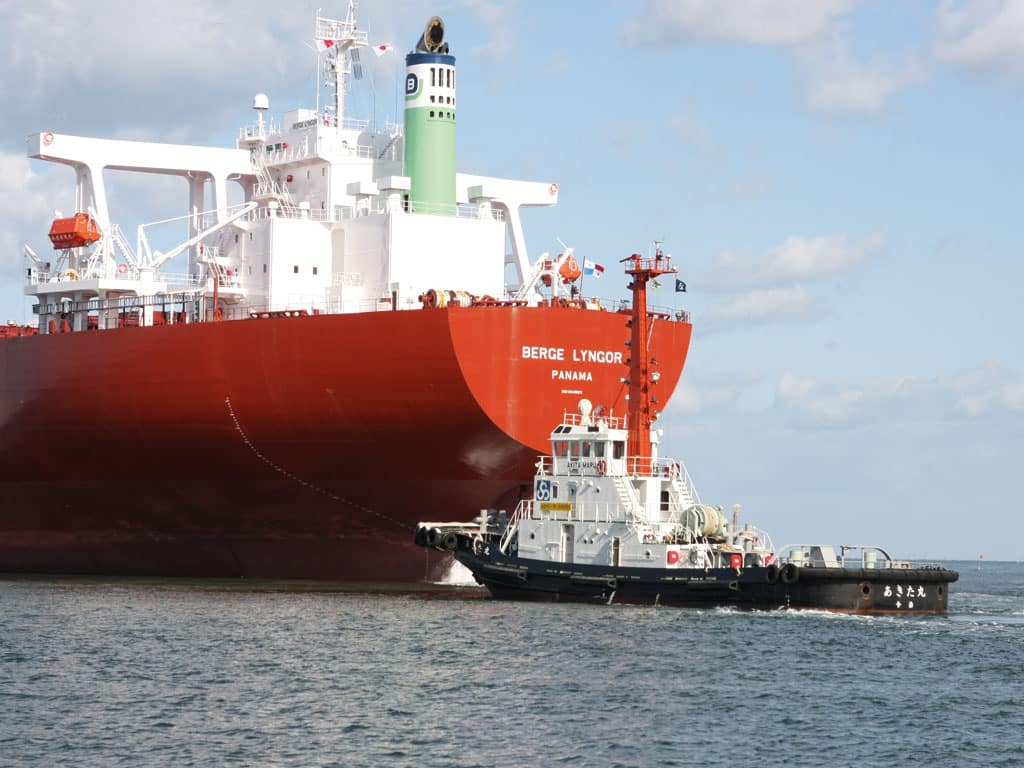
BHP trials multi-feedstock biofuel blend

Signal moderateDirectional

What happened

BHP trialled a multi‑feedstock biofuel blend (used cooking oil and tallow-derived biodiesel) on a chartered bulk carrier travelling from Western Australia to China to test handling, traceability and operational impacts. Partners reported the bunkering was completed in Singapore and the pilot targets fuel quality, cold‑flow and corrosion effects while creating a verification framework for lifecycle emissions claims. Watch whether this pilot leads to formal bunker specification clauses and broader adoption by major charterers in the region

Buyer takeaway

This is an operational test with direct procurement impacts: update bunker clauses and pre‑qualify bunker suppliers with traceability frameworks

Cost / money

Potential short‑term increase in bunkering and testing costs and possible price volatility as demand signals emerge

Supplier / commercial

Bunker suppliers and brokers may require new verification steps, creating pre‑qualification and documentation overheads

Safety / operations

Fuel quality and handling differences can affect vessel operations and corrosion profiles; responsibility for testing and remedial work must be contractually clear

What to watch

Supply and traceability are limited at scale right now — treat widescale replacement as an early signal and verify supplier capabilities

Key facts

  • Voyage used a B100 blend mix from multiple feedstocks
  • Bunkered in Singapore before WA‑to‑China voyage
  • Pilot focuses on handling, traceability and lifecycle emissions verification

Source excerpts

The pilot is testing how biofuels from multiple feedstocks can be blended, handled and traced through existing marine fuel supply chains. It also aims to assess potential operational challenges, including fuel quality, corrosion risks and wax formation that can affect vessel performance
Mitsui blended the fuel, while Dan-Bunkering coordinated the bunkering operation
Along with LNG and ammonia, biodiesel has a big role to play in the future supply of sustainable marine fuels
Story 3Offshore EnergyJun 2, 2026

Ineos and Marubeni’s deal bringing more LNG to Asia

Signal strongSource-grounded

What happened

Ineos Energy signed an LNG supply agreement with Marubeni for deliveries into Asian markets, marking Ineos’s first Pacific Basin LNG deliveries and expanding delivered supply options. The deal is structured on a delivered ex‑ship (DES) basis, giving buyers and utilities another contractual model for project fuel supply with logistical and pass‑through implications. Watch how DES offers influence local project supply negotiations and whether DES terms become referenced in EPC fuel‑supply and temporary gas arrangements

Buyer takeaway

New DES entrants broaden sourcing but shift logistics and acceptance risk; contracts must spell out unloading, timing and cost pass‑throughs

Cost / money

DES terms can shift freight and unloading costs into seller or buyer responsibility — clarify who bears port and re‑delivery costs

Supplier / commercial

New suppliers may offer flexibility but expect negotiation on scheduling windows and demurrage exposure

Safety / operations

DES deliveries require port readiness and terminal acceptance procedures to be clearly defined to avoid offload delays

What to watch

Monitor whether DES arrivals create new short‑term berth or terminal constraints in receiving ports

Key facts

  • Ineos to supply LNG into the Pacific Basin
  • Deal is on a delivered ex‑ship (DES) basis
  • Market entry offers an additional delivered fuel route for Asian buyers

Source excerpts

Masahiro Yamazaki, Chief Operating Officer, Energy & Chemicals Div of Marubeni Corporation, emphasized: “We are grateful to conclude this agreement with INEOS Energy and looking forward for the collaboration in the global LNG sector. ” The London-based firm, which will supply LNG on a delivered ex-ship (DES) basis, claims this deal provides reliable and flexible access to LNG for key Asian markets, supporting continued access to secure flexible LNG supply in the region
” The London-based firm, which will supply LNG on a delivered ex-ship (DES) basis, claims this deal provides reliable and flexible access to LNG for key Asian markets, supporting continued access to secure flexible LNG supply in the region. The agreement is interpreted to represent an important milestone in Ineos’ LNG growth strategy, extending its portfolio beyond the Atlantic Basin into one of the world’s most dynamic LNG demand regions
Illustration; Source: Ineos Energy Ineos Energy has signed an LNG supply agreement with Marubeni Corporation for delivery into Asia from 2029, said to mark the company’s first LNG deliveries to the Pacific Basin

VP Snapshot

Executive Risk & Action View

BHP’s marine biofuel trial aboard a WA-to-China bulk carrier creates an operational procurement signal: buyers should expect growing interest in alternative bunker fuel clauses, verification frameworks, and potential fuel-handling constraints in shipping tenders.

Overall
69
Cost
61
Supply
43
Schedule
20
Compliance
15

Top signals

30-180dcost

Signal 1: Cost / money

Biofuel trials can increase short‑term bunker price volatility and bunker acceptance testing costs; contracts may need explicit pass‑through language for alternative fuel handling and quality verification.

Signal 2: Cost / money

Large module fabrication and transport activity anchors yard and heavy‑lift vessel utilisation, reducing buyer room to negotiate mobilisation discounts and increasing the chance of mobilisation premiums for out‑of‑sequence requests.

30-180dcommercial

Signal 3: Supplier / commercial

Suppliers delivering bespoke large modules (fabricators, heavy‑lift operators) gain scheduling leverage once a module leaves the yard and enters a fixed mobilisation window, strengthening their position on lead times and deposit requirements.

Signal 4: Supplier / commercial

Charterers and ship operators may start to see conditional acceptance or traceability requirements from buyers piloting low‑carbon fuels, creating new pre‑qualification steps for fuel suppliers and bunker brokers.

30-180dsupplier

Signal 5: Safety / operations

Integrating very large modules offshore requires coordinated hook‑up, control and communications checks; buyers must validate SIMOPs and third‑party integration scopes before mobilisation to avoid offshore rework.

Signal 6: Safety / operations

Testing alternative marine fuels raises operational watchpoints (fuel quality, corrosion, cold‑flow behaviour) that can affect vessel performance and maintenance windows — contractually capture responsibility for testing and remedial actions.

Recommended actions

CategoryDue 3d

Flag current charters and major shipping RFx that may touch bunker sourcing and add a question set on alternative fuel acceptance, traceability, and bunkering port availability.

RFx returns that document fuel acceptance, testing responsibility, and port bunkering constraints

CategoryDue 3d

Confirm heavy‑lift and module mobilisation dates with shortlisted fabricators and lift contractors and record any shortened quote‑validity or deposit requests in the supplier re...

Updated supplier availability register with mobilisation terms and flagged deposit or validity constraints

ContractsDue 21d

Amend upcoming shipping and LNG‑fuel supply contracts to include DES delivery clarifications, fuel quality verification steps, and explicit pass‑through handling for alternative...

Contracts returned with DES delivery clauses, fuel QA/QC responsibilities, and pass‑through mechanics

ContractsDue 21d

Request split pricing in fabricator and heavy‑lift bids (fabrication vs transport/mobilisation) and require quote validity and mobilisation triggers to be stated explicitly.

Bid responses showing separated fabrication and mobilisation costs plus defined validity and mobilisation triggers

OpsDue 60d

Run a supplier readiness and fuel‑logistics review that assesses alternate bunker sources, verification partners, and contingency bunkering ports, then update supplier scorecard...

Updated supplier scorecards and a documented bunker contingency playbook for marine mobilisations

Risk register

RiskTriggerMitigation
Biofuel trials are early-stage for mainstream shipping: expect limited supply and traceability gaps initially, so treat widespread bunker substitution as an early signal rather than immediate procurement dependency.Biofuel trials are early-stage for mainstream shipping: expect limited supply and traceability gaps initially, so treat widespread bunker substitution as an early signal rather than immediate procurement dependency.Confirm exposure with category, contracts, and operations before the next supplier commitment.
Watch whether heavy‑lift and yard deliveries start to compress schedules regionally; a sustained run of large module movements could shorten quote validity and increase mobilisation deposit requests from fabricators.Watch whether heavy‑lift and yard deliveries start to compress schedules regionally; a sustained run of large module movements could shorten quote validity and increase mobilisation deposit requests from fabricators.Confirm exposure with category, contracts, and operations before the next supplier commitment.

CM Snapshot

Category Manager Decision Detail

Today's priorities

Flag current charters and major shipping RFx that may touch bunker sourcing and add a question set on alternative fuel acceptance, traceability, and bunkering port availability.

Do this because BHP’s trial shows buyers will soon need clarity on fuel handling and verification requirements, and early RFx language preserves leverage and prevents scope gaps...

Due 3d

high

CM move

Use this as the immediate supplier or contract action to move before the next sourcing gate.

Confirm heavy‑lift and module mobilisation dates with shortlisted fabricators and lift contractors and record any shortened quote‑validity or deposit requests in the supplier re...

Do this because Saipem’s module mobilisation demonstrates yards and heavy‑lift vessels are operating on fixed windows, and logging supplier commitment behaviour preserves negoti...

Due 3d

high

CM move

Use this as the immediate supplier or contract action to move before the next sourcing gate.

Amend upcoming shipping and LNG‑fuel supply contracts to include DES delivery clarifications, fuel quality verification steps, and explicit pass‑through handling for alternative...

Do this because the Ineos–Marubeni DES LNG entry and biofuel tests shift commercial risk around delivered fuel quality and logistics, and explicit clauses reduce disputes over a...

Due 21d

high

CM move

Use this as the immediate supplier or contract action to move before the next sourcing gate.

Request split pricing in fabricator and heavy‑lift bids (fabrication vs transport/mobilisation) and require quote validity and mobilisation triggers to be stated explicitly.

Do this because heavy module movements create mobilisation pressure and suppliers may bundle mobilisation risk; split pricing and triggers protect the buyer from hidden mobilisa...

Due 21d

high

CM move

Use this as the immediate supplier or contract action to move before the next sourcing gate.

Supplier radar

Offshore Energy

high

Observed supplier signal

Suppliers delivering bespoke large modules (fabricators, heavy‑lift operators) gain scheduling leverage once a module leaves the yard and enters a fixed mobilisation window, strengthening their position on lead times and deposit requirements.

Commercial implication

Suppliers delivering bespoke large modules (fabricators, heavy‑lift operators) gain scheduling leverage once a module leaves the yard and enters a fixed mobilisation window, strengthening their position on lead times and deposit requirements.

Next step: Validate the source-backed signal with incumbents and alternates before the next award or pricing decision.

Australian Mining

high

Observed supplier signal

Charterers and ship operators may start to see conditional acceptance or traceability requirements from buyers piloting low‑carbon fuels, creating new pre‑qualification steps for fuel suppliers and bunker brokers.

Commercial implication

Charterers and ship operators may start to see conditional acceptance or traceability requirements from buyers piloting low‑carbon fuels, creating new pre‑qualification steps for fuel suppliers and bunker brokers.

Next step: Validate the source-backed signal with incumbents and alternates before the next award or pricing decision.

Negotiation levers

Flag current charters and major shipping RFx that may touch bunker sourcing and add a question set on alternative fuel acceptance, traceability, and bunkering port availability.

When to use: Do this because BHP’s trial shows buyers will soon need clarity on fuel handling and verification requirements, and early RFx language preserves leverage and prevents scope gaps...

Expected outcome: RFx returns that document fuel acceptance, testing responsibility, and port bunkering constraints

Commercial mechanism to carry into the next supplier conversation

Confirm heavy‑lift and module mobilisation dates with shortlisted fabricators and lift contractors and record any shortened quote‑validity or deposit requests in the supplier re...

When to use: Do this because Saipem’s module mobilisation demonstrates yards and heavy‑lift vessels are operating on fixed windows, and logging supplier commitment behaviour preserves negoti...

Expected outcome: Updated supplier availability register with mobilisation terms and flagged deposit or validity constraints

Commercial mechanism to carry into the next supplier conversation

Amend upcoming shipping and LNG‑fuel supply contracts to include DES delivery clarifications, fuel quality verification steps, and explicit pass‑through handling for alternative...

When to use: Do this because the Ineos–Marubeni DES LNG entry and biofuel tests shift commercial risk around delivered fuel quality and logistics, and explicit clauses reduce disputes over a...

Expected outcome: Contracts returned with DES delivery clauses, fuel QA/QC responsibilities, and pass‑through mechanics

Commercial mechanism to carry into the next supplier conversation

Request split pricing in fabricator and heavy‑lift bids (fabrication vs transport/mobilisation) and require quote validity and mobilisation triggers to be stated explicitly.

When to use: Do this because heavy module movements create mobilisation pressure and suppliers may bundle mobilisation risk; split pricing and triggers protect the buyer from hidden mobilisa...

Expected outcome: Bid responses showing separated fabrication and mobilisation costs plus defined validity and mobilisation triggers

Commercial mechanism to carry into the next supplier conversation

Talking points

BHP’s marine biofuel trial aboard a WA-to-China bulk carrier creates an operational procurement signal: buyers should expect growing interest in alternative bunker fuel clauses, verification frameworks, and potential fuel-handling constraints in shipping tenders.
Saipem’s successful lift and integration of a very large gas recovery module shows major yards and heavy‑lift vessels are executing large module mobilisations — this tightens the calendar for other heavy fabrication and transport slots tied to yards and heavy‑lift assets.
Ineos Energy’s LNG supply agreement into the Pacific Basin (via Marubeni) adds a new delivered supply route for Asian markets, which changes the commercial mix buyers can reference when negotiating LNG‑backed fuel or temporary gas supply for projects.
Taken together, these items shift procurement focus toward contract clauses that manage fuel quality/traceability, mobilisation and allocation rights for heavy modules, and DES (delivered ex‑ship) supply terms that affect logistics pass‑throughs.

Supplier radar

SupplierSignalImplicationNext stepConfidence
Offshore EnergySuppliers delivering bespoke large modules (fabricators, heavy‑lift operators) gain scheduling leverage once a module leaves the yard and enters a fixed mobilisation window, strengthening their position on lead times and deposit requirements.Suppliers delivering bespoke large modules (fabricators, heavy‑lift operators) gain scheduling leverage once a module leaves the yard and enters a fixed mobilisation window, strengthening their position on lead times and deposit requirements.Validate the source-backed signal with incumbents and alternates before the next award or pricing decision.high
Australian MiningCharterers and ship operators may start to see conditional acceptance or traceability requirements from buyers piloting low‑carbon fuels, creating new pre‑qualification steps for fuel suppliers and bunker brokers.Charterers and ship operators may start to see conditional acceptance or traceability requirements from buyers piloting low‑carbon fuels, creating new pre‑qualification steps for fuel suppliers and bunker brokers.Validate the source-backed signal with incumbents and alternates before the next award or pricing decision.high

Negotiation levers

  • Flag current charters and major shipping RFx that may touch bunker sourcing and add a question set on alternative fuel acceptance, traceability, and bunkering port availability.Do this because BHP’s trial shows buyers will soon need clarity on fuel handling and verification requirements, and early RFx language preserves leverage and prevents scope gaps...RFx returns that document fuel acceptance, testing responsibility, and port bunkering constraints

    high confidence

  • Confirm heavy‑lift and module mobilisation dates with shortlisted fabricators and lift contractors and record any shortened quote‑validity or deposit requests in the supplier re...Do this because Saipem’s module mobilisation demonstrates yards and heavy‑lift vessels are operating on fixed windows, and logging supplier commitment behaviour preserves negoti...Updated supplier availability register with mobilisation terms and flagged deposit or validity constraints

    high confidence

  • Amend upcoming shipping and LNG‑fuel supply contracts to include DES delivery clarifications, fuel quality verification steps, and explicit pass‑through handling for alternative...Do this because the Ineos–Marubeni DES LNG entry and biofuel tests shift commercial risk around delivered fuel quality and logistics, and explicit clauses reduce disputes over a...Contracts returned with DES delivery clauses, fuel QA/QC responsibilities, and pass‑through mechanics

    high confidence

  • Request split pricing in fabricator and heavy‑lift bids (fabrication vs transport/mobilisation) and require quote validity and mobilisation triggers to be stated explicitly.Do this because heavy module movements create mobilisation pressure and suppliers may bundle mobilisation risk; split pricing and triggers protect the buyer from hidden mobilisa...Bid responses showing separated fabrication and mobilisation costs plus defined validity and mobilisation triggers

    high confidence

What to do / What to watch

What to do now

  • Flag current charters and major shipping RFx that may touch bunker sourcing and add a question set on alternative fuel acceptance, traceability, and bunkering port availability.

    Why: Do this because BHP’s trial shows buyers will soon need clarity on fuel handling and verification requirements, and early RFx language preserves leverage and prevents scope gaps...

    Owner: Category

    Expected outcome: RFx returns that document fuel acceptance, testing responsibility, and port bunkering constraints

    [2]
  • Confirm heavy‑lift and module mobilisation dates with shortlisted fabricators and lift contractors and record any shortened quote‑validity or deposit requests in the supplier re...

    Why: Do this because Saipem’s module mobilisation demonstrates yards and heavy‑lift vessels are operating on fixed windows, and logging supplier commitment behaviour preserves negoti...

    Owner: Category

    Expected outcome: Updated supplier availability register with mobilisation terms and flagged deposit or validity constraints

    [1]

Next few weeks

  • Amend upcoming shipping and LNG‑fuel supply contracts to include DES delivery clarifications, fuel quality verification steps, and explicit pass‑through handling for alternative...

    Why: Do this because the Ineos–Marubeni DES LNG entry and biofuel tests shift commercial risk around delivered fuel quality and logistics, and explicit clauses reduce disputes over a...

    Owner: Contracts

    Expected outcome: Contracts returned with DES delivery clauses, fuel QA/QC responsibilities, and pass‑through mechanics

    [3][2]
  • Request split pricing in fabricator and heavy‑lift bids (fabrication vs transport/mobilisation) and require quote validity and mobilisation triggers to be stated explicitly.

    Why: Do this because heavy module movements create mobilisation pressure and suppliers may bundle mobilisation risk; split pricing and triggers protect the buyer from hidden mobilisa...

    Owner: Contracts

    Expected outcome: Bid responses showing separated fabrication and mobilisation costs plus defined validity and mobilisation triggers

    [1]

Longer view

  • Run a supplier readiness and fuel‑logistics review that assesses alternate bunker sources, verification partners, and contingency bunkering ports, then update supplier scorecard...

    Why: Do this because early biofuel adoption and new LNG DES supply routes change sourcing and logistics dependencies, and preparing contingencies reduces execution risk for marine‑de...

    Owner: Ops

    Expected outcome: Updated supplier scorecards and a documented bunker contingency playbook for marine mobilisations

    [2][3]

What to watch

  • Biofuel trials are early-stage for mainstream shipping: expect limited supply and traceability gaps initially, so treat widespread bunker substitution as an early signal rather than immediate procurement dependency
  • Watch whether heavy‑lift and yard deliveries start to compress schedules regionally; a sustained run of large module movements could shorten quote validity and increase mobilisation deposit requests from fabricators
  • Biofuel trials are early-stage for mainstream shipping: expect limited supply and traceability gaps initially, so treat widespread bunker substitution as an early signal rather than immediate procurement dependency.: Biofuel trials are early-stage for mainstream shipping: expect limited supply and traceability gaps initially, so treat widespread bunker substitution as an early signal rather than immediate procurement dependency
  • Watch whether heavy‑lift and yard deliveries start to compress schedules regionally; a sustained run of large module movements could shorten quote validity and increase mobilisation deposit requests from fabricators.: Watch whether heavy‑lift and yard deliveries start to compress schedules regionally; a sustained run of large module movements could shorten quote validity and increase mobilisation deposit requests from fabricators
  • BHP’s marine biofuel trial aboard a WA-to-China bulk carrier creates an operational procurement signal: buyers should expect growing interest in alternative bunker fuel clauses, verification frameworks, and potential fuel-handling constraints in shipping tenders
  • Saipem’s successful lift and integration of a very large gas recovery module shows major yards and heavy‑lift vessels are executing large module mobilisations — this tightens the calendar for other heavy fabrication and transport slots tied to yards and heavy‑lift assets
  • Ineos Energy’s LNG supply agreement into the Pacific Basin (via Marubeni) adds a new delivered supply route for Asian markets, which changes the commercial mix buyers can reference when negotiating LNG‑backed fuel or temporary gas supply for projects
  • Taken together, these items shift procurement focus toward contract clauses that manage fuel quality/traceability, mobilisation and allocation rights for heavy modules, and DES (delivered ex‑ship) supply terms that affect logistics pass‑throughs

Market pulse

IndexLatestChangeAs of
Henry Hub Gas (NG)3.12 /MMBtu+0.00 (+0.00%)Jun 3, 2026, 10:04 PM
Cheniere (LNG) (LNG)185 +0.00 (+0.00%)Jun 3, 2026, 10:04 PM
Brent Crude (BRENT)74.89 /bbl+0.00 (+0.00%)Jun 3, 2026, 10:04 PM
Fluor Corp (FLR)42 +0.00 (+0.00%)Jun 3, 2026, 10:04 PM
KBR Inc (KBR)58 +0.00 (+0.00%)Jun 3, 2026, 10:04 PM
  • Cheniere (LNG): New DES supply entrants (Ineos–Marubeni) change LNG delivery and pass‑through considerations for APAC projects
  • Fluor Corp: Recent large module execution highlights heavy fabrication and offshore integration workflows that affect major EPC contractor scheduling and yard allocation

Sources

Inline citations jump here. Expand a source to read the excerpt, the AI interpretation, and the original link.

[1] Saipem makes inroads at African offshore gas project with ‘major milestone’ (Gallery)

offshore-energy.biz · Jun 3, 2026

Expand

AI reading

Saipem completed lifting and installation of a gas recovery module fabricated by Rosetti Marino and transported to an offshore field, marking a major execution milestone. The module was heavy and large, then integrated and will require hook‑up, control and commissioning work tied to already‑laid subsea pipelines. Watch whether follow‑on integration activities and remaining hook‑up phases meet planned windows and whether fabricator or heavy‑lift slots become constrained regionally

Buyer takeaway

Treat this as a concrete execution milestone that tightens heavy‑lift and yard calendars; buyers should verify mobilisation and hook‑up scopes now rather than later

Cost / money

Directional upward pressure on mobilisation premiums and reduced negotiating time for large‑module moves

Supplier / commercial

Fabricators and heavy‑lift operators gain leverage once a module is en route; expect shorter quote validity and potential deposit asks

Safety / operations

Complex hook‑up and subsea integration raise SIMOPs and control‑system integration requirements; buyers must verify joint operation procedures

What to watch

Watch for compressed integration windows and supplier insistence on deposits or reduced validity periods

Key facts

  • Module fabricated offsite and transported to field
  • Integration includes hook‑up and commissioning tied to existing subsea pipelines
  • Execution hands off to fabricator for remaining offshore integration

Source excerpts

Following completion of the lifting operations, offshore activities covered by the company’s scope of work will continue, with execution entrusted to Rosetti Marino. These activities include the integration of the module on the existing DP4 platform, as well as hook-up and commissioning of the plant and its related communication, safety and control systems
Saipem 7000 vessel at Bouri gas project offshore Libya; Courtesy of Saipem The Italian giant emphasized: “The lifting of the module marks a major milestone in the execution phase of the project, confirming Saipem’s ability to manage complex operations through advanced engineering planning and the use of heavy-lifting solutions, in full compliance with the highest standards of safety and reliability
The gas recovery module, fabricated by Rosetti Marino at its Marina di Ravenna yard on behalf of Saipem, is perceived to represent a key component of the plant. Weighing more than 5,200 tonnes and measuring approximately 45 meters by 31 meters, with a height of around 45 meters, the module left the yard in early May 2026 to be transported to the Bouri field, located approximately 170 kilometers off the Libyan coast

Used in this brief

  • Safety / operations: Integrating very large modules offshore requires coordinated hook‑up, control and communications checks; buyers must validate SIMOPs and third‑party integration scopes before mobilisation to avoid offshore rework
  • Next 72 hours — Confirm heavy‑lift and module mobilisation dates with shortlisted fabricators and lift contractors and record any shortened quote‑validity or deposit requests in the supplier re.... Rationale: Do this because Saipem’s module mobilisation demonstrates yards and heavy‑lift vessels are operating on fixed windows, and logging supplier commitment behaviour preserves negoti.... Owner: Category. KPI: Updated supplier availability register with mobilisation terms and flagged deposit or validity constraints
  • Next 2-4 weeks — Request split pricing in fabricator and heavy‑lift bids (fabrication vs transport/mobilisation) and require quote validity and mobilisation triggers to be stated explicitly.. Rationale: Do this because heavy module movements create mobilisation pressure and suppliers may bundle mobilisation risk; split pricing and triggers protect the buyer from hidden mobilisa.... Owner: Contracts. KPI: Bid responses showing separated fabrication and mobilisation costs plus defined validity and mobilisation triggers
Open original source

[2] BHP trials multi-feedstock biofuel blend

australianmining.com.au · Jun 3, 2026

Expand

AI reading

BHP trialled a multi‑feedstock biofuel blend (used cooking oil and tallow-derived biodiesel) on a chartered bulk carrier travelling from Western Australia to China to test handling, traceability and operational impacts. Partners reported the bunkering was completed in Singapore and the pilot targets fuel quality, cold‑flow and corrosion effects while creating a verification framework for lifecycle emissions claims. Watch whether this pilot leads to formal bunker specification clauses and broader adoption by major charterers in the region

Buyer takeaway

This is an operational test with direct procurement impacts: update bunker clauses and pre‑qualify bunker suppliers with traceability frameworks

Cost / money

Potential short‑term increase in bunkering and testing costs and possible price volatility as demand signals emerge

Supplier / commercial

Bunker suppliers and brokers may require new verification steps, creating pre‑qualification and documentation overheads

Safety / operations

Fuel quality and handling differences can affect vessel operations and corrosion profiles; responsibility for testing and remedial work must be contractually clear

What to watch

Supply and traceability are limited at scale right now — treat widescale replacement as an early signal and verify supplier capabilities

Key facts

  • Voyage used a B100 blend mix from multiple feedstocks
  • Bunkered in Singapore before WA‑to‑China voyage
  • Pilot focuses on handling, traceability and lifecycle emissions verification

Source excerpts

The pilot is testing how biofuels from multiple feedstocks can be blended, handled and traced through existing marine fuel supply chains. It also aims to assess potential operational challenges, including fuel quality, corrosion risks and wax formation that can affect vessel performance
Mitsui blended the fuel, while Dan-Bunkering coordinated the bunkering operation
Along with LNG and ammonia, biodiesel has a big role to play in the future supply of sustainable marine fuels

Used in this brief

  • Cost / money: Biofuel trials can increase short‑term bunker price volatility and bunker acceptance testing costs; contracts may need explicit pass‑through language for alternative fuel handling and quality verification
  • Safety / operations: Testing alternative marine fuels raises operational watchpoints (fuel quality, corrosion, cold‑flow behaviour) that can affect vessel performance and maintenance windows — contractually capture responsibility for testing and remedial actions
  • Next 72 hours — Flag current charters and major shipping RFx that may touch bunker sourcing and add a question set on alternative fuel acceptance, traceability, and bunkering port availability.. Rationale: Do this because BHP’s trial shows buyers will soon need clarity on fuel handling and verification requirements, and early RFx language preserves leverage and prevents scope gaps.... Owner: Category. KPI: RFx returns that document fuel acceptance, testing responsibility, and port bunkering constraints
Open original source

[3] Ineos and Marubeni’s deal bringing more LNG to Asia

offshore-energy.biz · Jun 2, 2026

Expand

AI reading

Ineos Energy signed an LNG supply agreement with Marubeni for deliveries into Asian markets, marking Ineos’s first Pacific Basin LNG deliveries and expanding delivered supply options. The deal is structured on a delivered ex‑ship (DES) basis, giving buyers and utilities another contractual model for project fuel supply with logistical and pass‑through implications. Watch how DES offers influence local project supply negotiations and whether DES terms become referenced in EPC fuel‑supply and temporary gas arrangements

Buyer takeaway

New DES entrants broaden sourcing but shift logistics and acceptance risk; contracts must spell out unloading, timing and cost pass‑throughs

Cost / money

DES terms can shift freight and unloading costs into seller or buyer responsibility — clarify who bears port and re‑delivery costs

Supplier / commercial

New suppliers may offer flexibility but expect negotiation on scheduling windows and demurrage exposure

Safety / operations

DES deliveries require port readiness and terminal acceptance procedures to be clearly defined to avoid offload delays

What to watch

Monitor whether DES arrivals create new short‑term berth or terminal constraints in receiving ports

Key facts

  • Ineos to supply LNG into the Pacific Basin
  • Deal is on a delivered ex‑ship (DES) basis
  • Market entry offers an additional delivered fuel route for Asian buyers

Source excerpts

Masahiro Yamazaki, Chief Operating Officer, Energy & Chemicals Div of Marubeni Corporation, emphasized: “We are grateful to conclude this agreement with INEOS Energy and looking forward for the collaboration in the global LNG sector. ” The London-based firm, which will supply LNG on a delivered ex-ship (DES) basis, claims this deal provides reliable and flexible access to LNG for key Asian markets, supporting continued access to secure flexible LNG supply in the region
” The London-based firm, which will supply LNG on a delivered ex-ship (DES) basis, claims this deal provides reliable and flexible access to LNG for key Asian markets, supporting continued access to secure flexible LNG supply in the region. The agreement is interpreted to represent an important milestone in Ineos’ LNG growth strategy, extending its portfolio beyond the Atlantic Basin into one of the world’s most dynamic LNG demand regions
Illustration; Source: Ineos Energy Ineos Energy has signed an LNG supply agreement with Marubeni Corporation for delivery into Asia from 2029, said to mark the company’s first LNG deliveries to the Pacific Basin

Used in this brief

  • BHP’s marine biofuel trial aboard a WA-to-China bulk carrier creates an operational procurement signal: buyers should expect growing interest in alternative bunker fuel clauses, verification frameworks, and potential fuel-handling constraints in shipping tenders. Saipem’s successful lift and integration of a very large gas recovery module shows major yards and heavy‑lift vessels are executing large module mobilisations — this tightens the calendar for other heavy fabrication and transport slots tied to yards and heavy‑lift assets. Ineos Energy’s LNG supply agreement into the Pacific Basin (via Marubeni) adds a new delivered supply route for Asian markets, which changes the commercial mix buyers can reference when negotiating LNG‑backed fuel or temporary gas supply for projects. Taken together, these items shift procurement focus toward contract clauses that manage fuel quality/traceability, mobilisation and allocation rights for heavy modules, and DES (delivered ex‑ship) supply terms that affect logistics pass‑throughs
  • Next 2-4 weeks — Amend upcoming shipping and LNG‑fuel supply contracts to include DES delivery clarifications, fuel quality verification steps, and explicit pass‑through handling for alternative.... Rationale: Do this because the Ineos–Marubeni DES LNG entry and biofuel tests shift commercial risk around delivered fuel quality and logistics, and explicit clauses reduce disputes over a.... Owner: Contracts. KPI: Contracts returned with DES delivery clauses, fuel QA/QC responsibilities, and pass‑through mechanics
  • Added BHP biofuel trial (local marine fuel sourcing implications) and Ineos–Marubeni LNG Pacific entry to the watchlist; these introduce fuel‑sourcing and DES delivery clauses as near‑term commercial items to track th
Open original source

[4] Cheniere (LNG)

finance.yahoo.com · n.d.

Expand

[5] Fluor Corp

finance.yahoo.com · n.d.

Expand