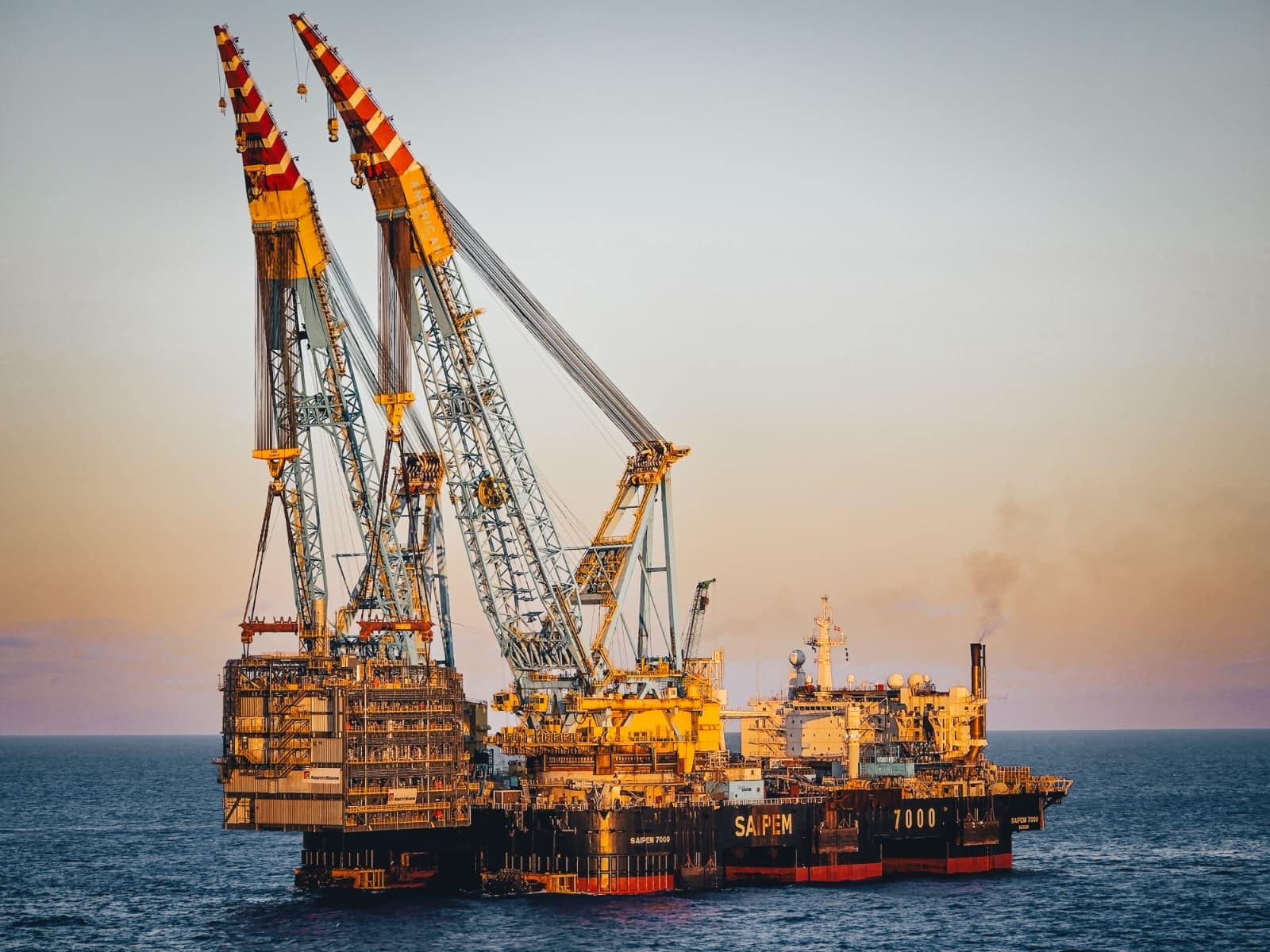
Saipem makes inroads at African offshore gas project with ‘major milestone’ (Gallery)
What happened
Saipem completed the lift and installation of a very large gas recovery module fabricated by Rosetti Marino and moved it offshore as part of a major EPCIC scope. The module was heavy and large, requiring the Saipem 7000 heavy‑lift vessel and offsite fabrication yards, making the activity materially real for heavy‑lift and yard allocation. Watch whether follow‑on offshore integrations or other large module moves create competing demand for the same vessels and yards
Buyer takeaway
Treat Saipem’s heavy module movement as evidence that heavy‑lift vessel and yard schedules are being used for large EPC scopes, which reduces optionality for P&A heavy removals in overlapping windows
Cost / money
Directional upward pressure on mobilisation and transport fees is likely where buyers must shift to next available lifts or pay to retain slots
Supplier / commercial
Fabricators and heavy‑lift operators can tighten quote validity and prioritise higher‑value clients; expect conditional availability or longer lead times for bespoke P&A kit
Safety / operations
Large lifts require long readiness and survey windows; compressing these increases stop‑work risk unless documented handover and inspection times are enforced
What to watch
Watch for announced module movements and yard departure dates as practical triggers to re‑check heavy‑lift vessel availability
Key facts
- Module fabricated at Rosetti Marino yard
- Moved offshore on Saipem 7000 heavy‑lift vessel
- Integration and hook‑up work continues offshore
Source excerpts
Reducing flaring is anticipated to avoid the combustion of gas into the atmosphere, significantly contributing to the reduction of CO2 emissions and supporting an increase in production up to approximately 2 million cubic meters per day, which serves to improve the efficiency of existing infrastructure. Saipem is busy with many projects across the globe, as illustrated by its recent partnership with Petrobras to explore ways to advance solutions for decommissioning activities across Brazil’s oil and gas fields
The pre-commissioning activities are also planned for approximately 28 kilometers of already laid subsea pipelines, which connect the DP3, DP4, and Sabratha platforms to enable the transportation of the recovered gas to the Mellitah treatment complex. Saipem 7000 vessel at Bouri gas project offshore Libya; Courtesy of Saipem The Italian giant emphasized: “The lifting of the module marks a major milestone in the execution phase of the project, confirming Saipem’s ability to manage complex operations through adv
Saipem 7000 vessel at Bouri gas project offshore Libya; Courtesy of Saipem The Italian giant emphasized: “The lifting of the module marks a major milestone in the execution phase of the project, confirming Saipem’s ability to manage complex operations through advanced engineering planning and the use of heavy-lifting solutions, in full compliance with the highest standards of safety and reliability