Completions & Intervention · Australia (Perth)

Lock mobilisation windows and validate commissioning scope for APAC campaigns

Published Jun 4, 2026, 6:00 AM AWSTAPACFull category signal
Ask AI
UK oil & gas operator hires Dolphin Drilling’s rig on multimillion-dollar gig

In 60 seconds

Top move

Confirmed long firm rig booking overseas tightens global rig calendars and reduces buyer flexibility to secure short APAC mobilisation slots without paying premiums

Key takeaways

  • Confirmed long firm rig booking overseas tightens global rig calendars and reduces buyer flexibility to secure short APAC mobilisation slots without paying premiums.[3]
  • Large module lifts that move immediately into hook‑up and commissioning make execution-phase logistics, specialist commissioning teams, and control‑system handover the likely cost and schedule drivers.[1]
  • Major subsea awards consuming engineering and installation capacity point to increased pass-throughs for installation vessels and lower room for bespoke commercial trade-offs.[2]
  • Targeted industrial action removing scaffolders, rope‑access and deck crews shows how retention disputes can quickly stop completions tasks — verify crew continuity clauses in supplier contracts.[4]
  • Most items are Europe/US-focused; APAC operational impacts are directional today — buyers should verify Australian supplier calendars and quote‑validity behavior rather than assume parity.[3]

What changed since last run

  • Added a confirmed long‑term rig fixture (Borgland Dolphin) that increases disclosed rig backlog and tightens mobilisation calendars (article 1).
  • Added Saipem’s heavy gas‑module lift entering immediate hook‑up and commissioning scope, raising execution‑phase commissioning and control‑system exposure (article 3).
  • Added concrete evidence of planned multi‑day industrial action by Bilfinger crews on North Sea assets, highlighting crew continuity risk relevant to completions tasks (article 11).

Key facts

  • Firm term runs through the rig's special period survey
  • Contract includes mobilisation and demobilisation
  • Award materially increased disclosed firm backlog
  • Module weight over 5,200 tonnes
  • Module dimensions approximately 45m x 31m x 45m
  • Pre‑commissioning planned across approximately 28 km of subsea pipelines

Why it matters

Confirmed long firm rig booking overseas tightens global rig calendars and reduces buyer flexibility to secure short APAC mobilisation slots without paying premiums. Large module lifts that move immediately into hook‑up and commissioning make execution-phase logistics, specialist commissioning teams, and control‑system handover the likely cost and schedule drivers. Major subsea awards consuming engineering and installation capacity point to increased pass-throughs for installation vessels and lower room for bespoke commercial trade-offs. Targeted industrial action removing scaffolders, rope‑access and deck crews shows how retention disputes can quickly stop completions tasks — verify crew continuity clauses in supplier contracts

Cost / money

  • Long firm rig terms make mobilisation premiums and scheduling risk more likely for short APAC campaigns as available rig days are consumed early.[3]
  • Integrated module hook‑up and subsea tie‑backs shift cost exposure into execution-phase pass‑throughs (heavy lift, specialist commissioning, subsea install logistics).[1]

Supplier / commercial

  • Suppliers with secured backlog can shorten quote‑validity windows and press for earlier deposits or non‑cancellable mobilisation commitments, reducing buyer negotiation space.[3]
  • Contractors standardising delivery on tie‑backs may offer fewer bespoke concessions on payment milestones and scope, so expect firmer award terms.[2]

Safety / operations

  • Concentrated hook‑up and commissioning phases require validated safety cases and tested control‑system handovers; rushing these creates both schedule and safety risk.[1]
  • Loss of scaffolders, rope‑access and specialised deck crews from labour action can halt critical completions tasks and erode planned redundancy for intervention work.[4]

What to watch

  • Watch for suppliers to shorten quote‑validity windows or add non‑cancellable mobilisation fees as rigs and heavy‑lift assets are committed.[3]
  • Watch for local retention or bonus disputes among APAC suppliers — similar labour tensions can quickly translate into crew shortages during campaigns.[4]

Top stories

Story 1Offshore EnergyJun 2, 2026

UK oil & gas operator hires Dolphin Drilling’s rig on multimillion-dollar gig

Signal strongSource-grounded

What happened

Dolphin Drilling disclosed a firm contract for the Borgland Dolphin semi‑submersible that runs through the rig’s special period survey and includes mobilisation and demobilisation. The award materially increases the company’s disclosed firm backlog and therefore tightens calendar availability for other campaigns. Buyers should watch whether identical long firm terms become common among drillers, which would compress available APAC rig windows

Buyer takeaway

Treat long firm rig awards as a real tightening of calendars because mobilisation slots and vessel availability are being committed well in advance

Cost / money

Directional increase in mobilisation and logistics premiums is likely as long terms reduce spare capacity and increase supplier leverage on short campaigns

Supplier / commercial

Expect shorter quote‑validity windows and pressure for earlier deposits or non‑cancellable mobilisation commitments where rigs are scarce

Safety / operations

Long firm contracts can force compressed mobilisation schedules for buyers; rushing readiness increases operational risk if crews or equipment are not pre‑cleared

What to watch

Watch whether other drillers publish similar firm terms and whether suppliers begin standardising mobilisation fees and shorter quote validity

Key facts

  • Firm term runs through the rig's special period survey
  • Contract includes mobilisation and demobilisation
  • Award materially increased disclosed firm backlog

Source excerpts

The contract is scheduled to start in the second half of 2027, following the rig’s release from its existing contract
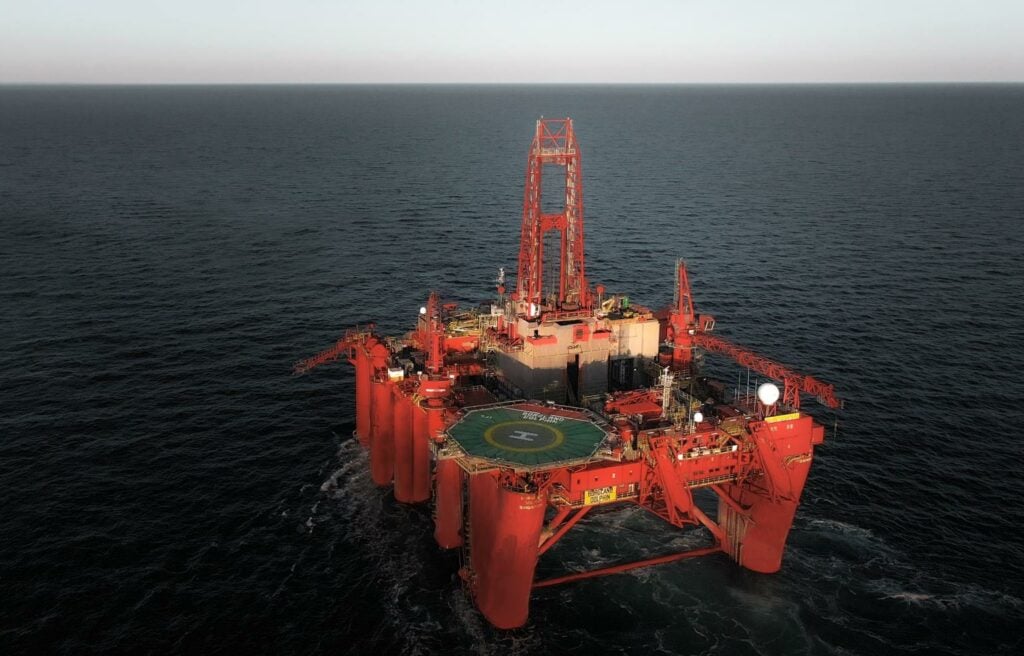
Borgland Dolphin rig; Source: Dolphin Drilling Dolphin Drilling has revealed a contract fixture for its Borgland Dolphin semi-submersible rig with an unnamed player on the UK Continental Shelf (UKCS), which represents approximately $239 million in firm contract backlog, as outlined in the letter of intent (LOI). The contract is scheduled to start in the second half of 2027, following the rig’s release from its existing contract
“Importantly, it delivers long-term earnings visibility across two rigs in the UK, both rigs firmly secured on contract for the next five years, as we guided on and in line with the strategic plan for Dolphin
Story 2Offshore EnergyJun 3, 2026

Saipem makes inroads at African offshore gas project with ‘major milestone’ (Gallery)

Signal strongSource-grounded

What happened

Saipem completed the heavy lifting of a gas recovery module for a Libyan offshore project and moved into integration, hook‑up and commissioning on the platform. The activity includes control, safety and communications systems and extensive pre‑commissioning across linked subsea pipelines, making the phase an integrated execution package rather than a single‑lift milestone. Buyers should verify who is contractually responsible for commissioning, communications testing, and handover to avoid scope gaps

Buyer takeaway

Plan procurement across lift, hook‑up, and commissioning as a single package because scope gaps commonly appear at handover points

Cost / money

Execution‑phase logistics and specialist commissioning services can be a larger cost driver than fabrication when integration is complex

Supplier / commercial

Contractors will seek to bundle hook‑up and commissioning; insist on clear SLAs for control‑system handover to avoid downstream disputes

Safety / operations

Concentrated hook‑up and pre‑commissioning phases require validated safety cases and verified vendor interoperability to prevent unsafe schedule compression

What to watch

Validate who supplies and tests safety and communications systems; ambiguous handover can cause project delays and safety exposure

Key facts

  • Module weight over 5,200 tonnes
  • Module dimensions approximately 45m x 31m x 45m
  • Pre‑commissioning planned across approximately 28 km of subsea pipelines

Source excerpts

These activities include the integration of the module on the existing DP4 platform, as well as hook-up and commissioning of the plant and its related communication, safety and control systems
These activities include the integration of the module on the existing DP4 platform, as well as hook-up and commissioning of the plant and its related communication, safety and control systems. The pre-commissioning activities are also planned for approximately 28 kilometers of already laid subsea pipelines, which connect the DP3, DP4, and Sabratha platforms to enable the transportation of the recovered gas to the Mellitah treatment complex
Following completion of the lifting operations, offshore activities covered by the company’s scope of work will continue, with execution entrusted to Rosetti Marino. These activities include the integration of the module on the existing DP4 platform, as well as hook-up and commissioning of the plant and its related communication, safety and control systems
Story 3Offshore EnergyJun 3, 2026

Subsea7 scoops up new multimillion-dollar US Gulf tie-back

Signal moderateDirectional

What happened

Subsea7 won a multi‑million dollar tie‑back contract that begins immediate engineering work with offshore installation scheduled later. The award allocates engineering and installation capacity ahead of offshore execution, signalling calendar pressure for installation vessels and crews. Buyers should monitor whether this pattern of early award and standardised delivery models reduces flexibility for bespoke commercial arrangements

Buyer takeaway

Treat major subsea awards as a calendar pressure point for installation assets because engineering‑to‑offshore lead times are being consumed early

Cost / money

Competition for installation vessels and subsea crews can push pass‑through costs into execution‑phase billing

Supplier / commercial

Contractors that standardise delivery models gain predictability and may be less willing to customise commercial terms

Safety / operations

Longer lead engineering scopes imply complex interfaces at offshore execution that must be validated in pre‑mobilisation checks

What to watch

Confirm whether engineering timelines create blackout windows for other campaigns that rely on the same equipment or crews

Key facts

  • Scope includes engineering, procurement, construction and offshore installation of a producti
  • Offshore operations scheduled to follow engineering work

Source excerpts

S. Gulf, covering the transportation and installation of a subsea umbilical and a rigid flowline in water depths of up to 2,100 meters
While the project management and engineering activities are set to begin immediately at the firm’s office in Houston, Texas, offshore operations are scheduled for 2027. The scope of work for the project entails the engineering, procurement, construction, and offshore installation of a production flowline and related subsea infrastructure tied back to the Delta House development in Mississippi Canyon 431, in water depths of up to 1,850 meters
The scope of work for the project entails the engineering, procurement, construction, and offshore installation of a production flowline and related subsea infrastructure tied back to the Delta House development in Mississippi Canyon 431, in water depths of up to 1,850 meters
Story 4Offshore EnergyJun 2, 2026

Bilfinger workers on multi-day strike mission at Ithaca’s North Sea assets over pay dispute

Signal strongSource-grounded

What happened

Bilfinger‑employed offshore workers began planned multi‑day industrial action at defined North Sea assets over a retention‑bonus dispute, directly affecting scaffolders, engineers, deck and rope‑access workers. The action is targeted and timed, creating an immediate risk to day‑to‑day completions and intervention tasks that rely on these roles. Buyers should treat this as a reminder to require crew continuity and retention provisions in supplier contracts and verify backup labour arrangements

Buyer takeaway

Validate crew continuity and retention clauses in supplier contracts because disputes can translate into immediate offshore stoppages

Cost / money

Unplanned crew replacement or specialist travel can increase execution costs and mobilisation spend during campaigns

Supplier / commercial

Operators and service vendors may react to disputes by altering commercial terms (shorter quote validity, stricter mobilisation), reducing buyer flexibility

Safety / operations

Loss of scaffolders and rope‑access crews can delay or compromise safe completion of intervention tasks if no qualified redundancy exists

What to watch

Check whether similar retention bonus practices or workforce morale issues exist in APAC suppliers; unresolved tensions are a credible outage trigger

Key facts

  • Industrial action affects scaffolders, engineers, deck and rope‑access crews
  • Planned multi‑day action scheduled on defined North Sea assets

Source excerpts

The strike action, prompted by a dispute over the operator’s refusal to extend a retention bonus to offshore workers, will last from June 4 until the end of June 7, 2026, on the Alba unit, followed by four days of action on the FPF1 from June 9 to close of play on June 12. Sharon Graham, Unite’s General Secretary, commented: “Ithaca Energy and Bilfinger are incredibly wealthy companies that can fully afford to pay the retention bonus to our members
Sharon Graham, Unite’s General Secretary, commented: “Ithaca Energy and Bilfinger are incredibly wealthy companies that can fully afford to pay the retention bonus to our members
Home Fossil Energy Bilfinger workers on multi-day strike mission at Ithaca’s North Sea assets over pay dispute June 2, 2026, by Multiple offshore members employed by Bilfinger are set to kick off multi-day industrial action due to a dispute over pay, which will lead to an eight-day stoppage at a floating storage unit (FSU) and a floating production facility (FPF) on the UK Continental Shelf (UKCS)

VP Snapshot

Executive Risk & Action View

Confirmed long firm rig booking overseas tightens global rig calendars and reduces buyer flexibility to secure short APAC mobilisation slots without paying premiums.

Overall
56
Cost
61
Supply
61
Schedule
56
Compliance
15

Top signals

30-180dcost

Signal 1: Cost / money

Long firm rig terms make mobilisation premiums and scheduling risk more likely for short APAC campaigns as available rig days are consumed early.

Signal 2: Cost / money

Integrated module hook‑up and subsea tie‑backs shift cost exposure into execution-phase pass‑throughs (heavy lift, specialist commissioning, subsea install logistics).

30-180dsupply

Signal 3: Supplier / commercial

Suppliers with secured backlog can shorten quote‑validity windows and press for earlier deposits or non‑cancellable mobilisation commitments, reducing buyer negotiation space.

30-180dschedule

Signal 4: Supplier / commercial

Contractors standardising delivery on tie‑backs may offer fewer bespoke concessions on payment milestones and scope, so expect firmer award terms.

Signal 5: Safety / operations

Concentrated hook‑up and commissioning phases require validated safety cases and tested control‑system handovers; rushing these creates both schedule and safety risk.

30-180dsupplier

Signal 6: Safety / operations

Loss of scaffolders, rope‑access and specialised deck crews from labour action can halt critical completions tasks and erode planned redundancy for intervention work.

Recommended actions

ContractsDue 3d

Inventory active APAC completions & intervention contracts to flag mobilisation clauses, quote‑validity, and equipment location constraints.

Register of contracts highlighting mobilisation, quote‑validity and equipment‑location exposure to prioritise negotiation focus.

CategoryDue 3d

Contact preferred heavy‑lift and subsea installation partners to reconfirm provisional availability windows and any known blackout periods.

Written provisional availability statements from key contractors to inform RFQ scheduling and mobilisation planning.

ContractsDue 21d

Update RFQ and SOW templates to require explicit mobilisation notice, minimum quote‑validity, crew continuity/retention commitments, and control‑system commissioning responsibil...

RFQ/SOW templates that reduce scope gaps on mobilisation and commissioning handover, improving award clarity and operational readiness.

CategoryDue 21d

Ask APAC service contractors for written mobilisation windows and escalation plans for crew continuity (retention bonus or standby options).

Verified supplier confirmations or contingency plans that decrease risk of crew-related stoppages during campaigns.

CategoryDue 60d

Build a sourcing playbook mapping split‑scope mobilisation options (rig plus third‑party support), alternative local providers, and contingency contracting for heavy‑lift and su...

Sourcing playbook with prioritized alternative suppliers and contract clauses ready to deploy when primary providers are committed.

OpsDue 60d

Run a cross‑functional pilot to validate supplier control‑system commissioning, safety interfaces, and cyber/resilience clauses on a module or hook‑up scope.

Pilot report with validated contractual acceptance criteria, commissioning checklists, and supplier readiness assessment for wider rollout.

Risk register

RiskTriggerMitigation
Watch for suppliers to shorten quote‑validity windows or add non‑cancellable mobilisation fees as rigs and heavy‑lift assets are committed.Watch for suppliers to shorten quote‑validity windows or add non‑cancellable mobilisation fees as rigs and heavy‑lift assets are committed.Confirm exposure with category, contracts, and operations before the next supplier commitment.
Watch for local retention or bonus disputes among APAC suppliers — similar labour tensions can quickly translate into crew shortages during campaigns.Watch for local retention or bonus disputes among APAC suppliers — similar labour tensions can quickly translate into crew shortages during campaigns.Confirm exposure with category, contracts, and operations before the next supplier commitment.

CM Snapshot

Category Manager Decision Detail

Today's priorities

Inventory active APAC completions & intervention contracts to flag mobilisation clauses, quote‑validity, and equipment location constraints.

Do this because confirmed long rig fixtures overseas mean suppliers may already be committing calendars and pricing mobilisation into bids; identify contract gaps now so RFQ tim...

Due 3d

high

CM move

Use this as the immediate supplier or contract action to move before the next sourcing gate.

Contact preferred heavy‑lift and subsea installation partners to reconfirm provisional availability windows and any known blackout periods.

Do this because major subsea awards are consuming engineering and installation capacity and early flagging reduces the chance of losing required slots for APAC campaigns.

Due 3d

high

CM move

Use this as the immediate supplier or contract action to move before the next sourcing gate.

Update RFQ and SOW templates to require explicit mobilisation notice, minimum quote‑validity, crew continuity/retention commitments, and control‑system commissioning responsibil...

Do this because module hook‑up and commissioning work shows handover ambiguity creates execution and safety risk; clear contractual clauses reduce downstream disputes.

Due 21d

high

CM move

Use this as the immediate supplier or contract action to move before the next sourcing gate.

Ask APAC service contractors for written mobilisation windows and escalation plans for crew continuity (retention bonus or standby options).

Do this because the Bilfinger industrial action demonstrates that retention disputes can remove critical crews and disrupt offshore completions work; written plans lower that risk.

Due 21d

high

CM move

Use this as the immediate supplier or contract action to move before the next sourcing gate.

Supplier radar

Offshore Energy

high

Observed supplier signal

Suppliers with secured backlog can shorten quote‑validity windows and press for earlier deposits or non‑cancellable mobilisation commitments, reducing buyer negotiation space.

Commercial implication

Suppliers with secured backlog can shorten quote‑validity windows and press for earlier deposits or non‑cancellable mobilisation commitments, reducing buyer negotiation space.

Next step: Validate the source-backed signal with incumbents and alternates before the next award or pricing decision.

Offshore Energy

high

Observed supplier signal

Contractors standardising delivery on tie‑backs may offer fewer bespoke concessions on payment milestones and scope, so expect firmer award terms.

Commercial implication

Contractors standardising delivery on tie‑backs may offer fewer bespoke concessions on payment milestones and scope, so expect firmer award terms.

Next step: Validate the source-backed signal with incumbents and alternates before the next award or pricing decision.

Negotiation levers

Inventory active APAC completions & intervention contracts to flag mobilisation clauses, quote‑validity, and equipment location constraints.

When to use: Do this because confirmed long rig fixtures overseas mean suppliers may already be committing calendars and pricing mobilisation into bids; identify contract gaps now so RFQ tim...

Expected outcome: Register of contracts highlighting mobilisation, quote‑validity and equipment‑location exposure to prioritise negotiation focus.

Commercial mechanism to carry into the next supplier conversation

Contact preferred heavy‑lift and subsea installation partners to reconfirm provisional availability windows and any known blackout periods.

When to use: Do this because major subsea awards are consuming engineering and installation capacity and early flagging reduces the chance of losing required slots for APAC campaigns.

Expected outcome: Written provisional availability statements from key contractors to inform RFQ scheduling and mobilisation planning.

Commercial mechanism to carry into the next supplier conversation

Update RFQ and SOW templates to require explicit mobilisation notice, minimum quote‑validity, crew continuity/retention commitments, and control‑system commissioning responsibil...

When to use: Do this because module hook‑up and commissioning work shows handover ambiguity creates execution and safety risk; clear contractual clauses reduce downstream disputes.

Expected outcome: RFQ/SOW templates that reduce scope gaps on mobilisation and commissioning handover, improving award clarity and operational readiness.

Commercial mechanism to carry into the next supplier conversation

Ask APAC service contractors for written mobilisation windows and escalation plans for crew continuity (retention bonus or standby options).

When to use: Do this because the Bilfinger industrial action demonstrates that retention disputes can remove critical crews and disrupt offshore completions work; written plans lower that risk.

Expected outcome: Verified supplier confirmations or contingency plans that decrease risk of crew-related stoppages during campaigns.

Commercial mechanism to carry into the next supplier conversation

Talking points

Confirmed long firm rig booking overseas tightens global rig calendars and reduces buyer flexibility to secure short APAC mobilisation slots without paying premiums.
Large module lifts that move immediately into hook‑up and commissioning make execution-phase logistics, specialist commissioning teams, and control‑system handover the likely cost and schedule drivers.
Major subsea awards consuming engineering and installation capacity point to increased pass-throughs for installation vessels and lower room for bespoke commercial trade-offs.
Targeted industrial action removing scaffolders, rope‑access and deck crews shows how retention disputes can quickly stop completions tasks — verify crew continuity clauses in supplier contracts.

Supplier radar

SupplierSignalImplicationNext stepConfidence
Offshore EnergySuppliers with secured backlog can shorten quote‑validity windows and press for earlier deposits or non‑cancellable mobilisation commitments, reducing buyer negotiation space.Suppliers with secured backlog can shorten quote‑validity windows and press for earlier deposits or non‑cancellable mobilisation commitments, reducing buyer negotiation space.Validate the source-backed signal with incumbents and alternates before the next award or pricing decision.high
Offshore EnergyContractors standardising delivery on tie‑backs may offer fewer bespoke concessions on payment milestones and scope, so expect firmer award terms.Contractors standardising delivery on tie‑backs may offer fewer bespoke concessions on payment milestones and scope, so expect firmer award terms.Validate the source-backed signal with incumbents and alternates before the next award or pricing decision.high

Negotiation levers

  • Inventory active APAC completions & intervention contracts to flag mobilisation clauses, quote‑validity, and equipment location constraints.Do this because confirmed long rig fixtures overseas mean suppliers may already be committing calendars and pricing mobilisation into bids; identify contract gaps now so RFQ tim...Register of contracts highlighting mobilisation, quote‑validity and equipment‑location exposure to prioritise negotiation focus.

    high confidence

  • Contact preferred heavy‑lift and subsea installation partners to reconfirm provisional availability windows and any known blackout periods.Do this because major subsea awards are consuming engineering and installation capacity and early flagging reduces the chance of losing required slots for APAC campaigns.Written provisional availability statements from key contractors to inform RFQ scheduling and mobilisation planning.

    high confidence

  • Update RFQ and SOW templates to require explicit mobilisation notice, minimum quote‑validity, crew continuity/retention commitments, and control‑system commissioning responsibil...Do this because module hook‑up and commissioning work shows handover ambiguity creates execution and safety risk; clear contractual clauses reduce downstream disputes.RFQ/SOW templates that reduce scope gaps on mobilisation and commissioning handover, improving award clarity and operational readiness.

    high confidence

  • Ask APAC service contractors for written mobilisation windows and escalation plans for crew continuity (retention bonus or standby options).Do this because the Bilfinger industrial action demonstrates that retention disputes can remove critical crews and disrupt offshore completions work; written plans lower that risk.Verified supplier confirmations or contingency plans that decrease risk of crew-related stoppages during campaigns.

    high confidence

What to do / What to watch

What to do now

  • Inventory active APAC completions & intervention contracts to flag mobilisation clauses, quote‑validity, and equipment location constraints.

    Why: Do this because confirmed long rig fixtures overseas mean suppliers may already be committing calendars and pricing mobilisation into bids; identify contract gaps now so RFQ tim...

    Owner: Contracts

    Expected outcome: Register of contracts highlighting mobilisation, quote‑validity and equipment‑location exposure to prioritise negotiation focus.

    [3]
  • Contact preferred heavy‑lift and subsea installation partners to reconfirm provisional availability windows and any known blackout periods.

    Why: Do this because major subsea awards are consuming engineering and installation capacity and early flagging reduces the chance of losing required slots for APAC campaigns.

    Owner: Category

    Expected outcome: Written provisional availability statements from key contractors to inform RFQ scheduling and mobilisation planning.

    [2]

Next few weeks

  • Update RFQ and SOW templates to require explicit mobilisation notice, minimum quote‑validity, crew continuity/retention commitments, and control‑system commissioning responsibil...

    Why: Do this because module hook‑up and commissioning work shows handover ambiguity creates execution and safety risk; clear contractual clauses reduce downstream disputes.

    Owner: Contracts

    Expected outcome: RFQ/SOW templates that reduce scope gaps on mobilisation and commissioning handover, improving award clarity and operational readiness.

    [1]
  • Ask APAC service contractors for written mobilisation windows and escalation plans for crew continuity (retention bonus or standby options).

    Why: Do this because the Bilfinger industrial action demonstrates that retention disputes can remove critical crews and disrupt offshore completions work; written plans lower that risk.

    Owner: Category

    Expected outcome: Verified supplier confirmations or contingency plans that decrease risk of crew-related stoppages during campaigns.

    [4]

Longer view

  • Build a sourcing playbook mapping split‑scope mobilisation options (rig plus third‑party support), alternative local providers, and contingency contracting for heavy‑lift and su...

    Why: Do this because confirmed long rig backlogs and early subsea awards indicate calendar pressure that will reduce negotiation leverage unless alternatives are pre‑mapped.

    Owner: Category

    Expected outcome: Sourcing playbook with prioritized alternative suppliers and contract clauses ready to deploy when primary providers are committed.

    [3]
  • Run a cross‑functional pilot to validate supplier control‑system commissioning, safety interfaces, and cyber/resilience clauses on a module or hook‑up scope.

    Why: Do this because integrated module deliveries move quickly into commissioning and introduce control‑system dependencies that must be proven before larger awards are accepted.

    Owner: Ops

    Expected outcome: Pilot report with validated contractual acceptance criteria, commissioning checklists, and supplier readiness assessment for wider rollout.

    [1]

What to watch

  • Watch for suppliers to shorten quote‑validity windows or add non‑cancellable mobilisation fees as rigs and heavy‑lift assets are committed
  • Watch for local retention or bonus disputes among APAC suppliers — similar labour tensions can quickly translate into crew shortages during campaigns
  • Watch for suppliers to shorten quote‑validity windows or add non‑cancellable mobilisation fees as rigs and heavy‑lift assets are committed.: Watch for suppliers to shorten quote‑validity windows or add non‑cancellable mobilisation fees as rigs and heavy‑lift assets are committed
  • Watch for local retention or bonus disputes among APAC suppliers — similar labour tensions can quickly translate into crew shortages during campaigns.: Watch for local retention or bonus disputes among APAC suppliers — similar labour tensions can quickly translate into crew shortages during campaigns
  • Confirmed long firm rig booking overseas tightens global rig calendars and reduces buyer flexibility to secure short APAC mobilisation slots without paying premiums
  • Large module lifts that move immediately into hook‑up and commissioning make execution-phase logistics, specialist commissioning teams, and control‑system handover the likely cost and schedule drivers
  • Major subsea awards consuming engineering and installation capacity point to increased pass-throughs for installation vessels and lower room for bespoke commercial trade-offs
  • Targeted industrial action removing scaffolders, rope‑access and deck crews shows how retention disputes can quickly stop completions tasks — verify crew continuity clauses in supplier contracts

Market pulse

IndexLatestChangeAs of
WTI Crude (WTI)71.23 /bbl+0.00 (+0.00%)Jun 3, 2026, 10:03 PM
Brent Crude (BRENT)74.89 /bbl+0.00 (+0.00%)Jun 3, 2026, 10:03 PM
Natural Gas (NG)3.12 /MMBtu+0.00 (+0.00%)Jun 3, 2026, 10:03 PM
Schlumberger (SLB)48 +0.00 (+0.00%)Jun 3, 2026, 10:03 PM
Halliburton (HAL)35 +0.00 (+0.00%)Jun 3, 2026, 10:03 PM
  • WTI Crude: Sustained oil price support tends to firm contractor schedules and increase mobilisation pressure on completions suppliers
  • Natural Gas: Gas market strength supports gas‑driven completion activity and can influence demand for related logistics and service fleets

Sources

Inline citations jump here. Expand a source to read the excerpt, the AI interpretation, and the original link.

[1] Saipem makes inroads at African offshore gas project with ‘major milestone’ (Gallery)

offshore-energy.biz · Jun 3, 2026

Expand

AI reading

Saipem completed the heavy lifting of a gas recovery module for a Libyan offshore project and moved into integration, hook‑up and commissioning on the platform. The activity includes control, safety and communications systems and extensive pre‑commissioning across linked subsea pipelines, making the phase an integrated execution package rather than a single‑lift milestone. Buyers should verify who is contractually responsible for commissioning, communications testing, and handover to avoid scope gaps

Buyer takeaway

Plan procurement across lift, hook‑up, and commissioning as a single package because scope gaps commonly appear at handover points

Cost / money

Execution‑phase logistics and specialist commissioning services can be a larger cost driver than fabrication when integration is complex

Supplier / commercial

Contractors will seek to bundle hook‑up and commissioning; insist on clear SLAs for control‑system handover to avoid downstream disputes

Safety / operations

Concentrated hook‑up and pre‑commissioning phases require validated safety cases and verified vendor interoperability to prevent unsafe schedule compression

What to watch

Validate who supplies and tests safety and communications systems; ambiguous handover can cause project delays and safety exposure

Key facts

  • Module weight over 5,200 tonnes
  • Module dimensions approximately 45m x 31m x 45m
  • Pre‑commissioning planned across approximately 28 km of subsea pipelines

Source excerpts

These activities include the integration of the module on the existing DP4 platform, as well as hook-up and commissioning of the plant and its related communication, safety and control systems
These activities include the integration of the module on the existing DP4 platform, as well as hook-up and commissioning of the plant and its related communication, safety and control systems. The pre-commissioning activities are also planned for approximately 28 kilometers of already laid subsea pipelines, which connect the DP3, DP4, and Sabratha platforms to enable the transportation of the recovered gas to the Mellitah treatment complex
Following completion of the lifting operations, offshore activities covered by the company’s scope of work will continue, with execution entrusted to Rosetti Marino. These activities include the integration of the module on the existing DP4 platform, as well as hook-up and commissioning of the plant and its related communication, safety and control systems

Used in this brief

  • Safety / operations: Concentrated hook‑up and commissioning phases require validated safety cases and tested control‑system handovers; rushing these creates both schedule and safety risk
  • Next 2-4 weeks — Update RFQ and SOW templates to require explicit mobilisation notice, minimum quote‑validity, crew continuity/retention commitments, and control‑system commissioning responsibil.... Rationale: Do this because module hook‑up and commissioning work shows handover ambiguity creates execution and safety risk; clear contractual clauses reduce downstream disputes.. Owner: Contracts. KPI: RFQ/SOW templates that reduce scope gaps on mobilisation and commissioning handover, improving award clarity and operational readiness
  • Next quarter — Run a cross‑functional pilot to validate supplier control‑system commissioning, safety interfaces, and cyber/resilience clauses on a module or hook‑up scope.. Rationale: Do this because integrated module deliveries move quickly into commissioning and introduce control‑system dependencies that must be proven before larger awards are accepted.. Owner: Ops. KPI: Pilot report with validated contractual acceptance criteria, commissioning checklists, and supplier readiness assessment for wider rollout
Open original source

[2] Subsea7 scoops up new multimillion-dollar US Gulf tie-back

offshore-energy.biz · Jun 3, 2026

Expand

AI reading

Subsea7 won a multi‑million dollar tie‑back contract that begins immediate engineering work with offshore installation scheduled later. The award allocates engineering and installation capacity ahead of offshore execution, signalling calendar pressure for installation vessels and crews. Buyers should monitor whether this pattern of early award and standardised delivery models reduces flexibility for bespoke commercial arrangements

Buyer takeaway

Treat major subsea awards as a calendar pressure point for installation assets because engineering‑to‑offshore lead times are being consumed early

Cost / money

Competition for installation vessels and subsea crews can push pass‑through costs into execution‑phase billing

Supplier / commercial

Contractors that standardise delivery models gain predictability and may be less willing to customise commercial terms

Safety / operations

Longer lead engineering scopes imply complex interfaces at offshore execution that must be validated in pre‑mobilisation checks

What to watch

Confirm whether engineering timelines create blackout windows for other campaigns that rely on the same equipment or crews

Key facts

  • Scope includes engineering, procurement, construction and offshore installation of a producti
  • Offshore operations scheduled to follow engineering work

Source excerpts

S. Gulf, covering the transportation and installation of a subsea umbilical and a rigid flowline in water depths of up to 2,100 meters
While the project management and engineering activities are set to begin immediately at the firm’s office in Houston, Texas, offshore operations are scheduled for 2027. The scope of work for the project entails the engineering, procurement, construction, and offshore installation of a production flowline and related subsea infrastructure tied back to the Delta House development in Mississippi Canyon 431, in water depths of up to 1,850 meters
The scope of work for the project entails the engineering, procurement, construction, and offshore installation of a production flowline and related subsea infrastructure tied back to the Delta House development in Mississippi Canyon 431, in water depths of up to 1,850 meters

Used in this brief

  • Next 72 hours — Contact preferred heavy‑lift and subsea installation partners to reconfirm provisional availability windows and any known blackout periods.. Rationale: Do this because major subsea awards are consuming engineering and installation capacity and early flagging reduces the chance of losing required slots for APAC campaigns.. Owner: Category. KPI: Written provisional availability statements from key contractors to inform RFQ scheduling and mobilisation planning
  • Subsea7 won a multi‑million dollar tie‑back contract that begins immediate engineering work with offshore installation scheduled later. The award allocates engineering and installation capacity ahead of offshore execution, signalling calendar pressure for installation vessels and crews. Buyers should monitor whether this pattern of early award and standardised delivery models reduces flexibility for bespoke commercial arrangements
  • Buyer bottom line: subsea tie‑back awards consume installation capacity early—expect less room to negotiate schedule and pass‑through costs
Open original source

[3] UK oil & gas operator hires Dolphin Drilling’s rig on multimillion-dollar gig

offshore-energy.biz · Jun 2, 2026

Expand

AI reading

Dolphin Drilling disclosed a firm contract for the Borgland Dolphin semi‑submersible that runs through the rig’s special period survey and includes mobilisation and demobilisation. The award materially increases the company’s disclosed firm backlog and therefore tightens calendar availability for other campaigns. Buyers should watch whether identical long firm terms become common among drillers, which would compress available APAC rig windows

Buyer takeaway

Treat long firm rig awards as a real tightening of calendars because mobilisation slots and vessel availability are being committed well in advance

Cost / money

Directional increase in mobilisation and logistics premiums is likely as long terms reduce spare capacity and increase supplier leverage on short campaigns

Supplier / commercial

Expect shorter quote‑validity windows and pressure for earlier deposits or non‑cancellable mobilisation commitments where rigs are scarce

Safety / operations

Long firm contracts can force compressed mobilisation schedules for buyers; rushing readiness increases operational risk if crews or equipment are not pre‑cleared

What to watch

Watch whether other drillers publish similar firm terms and whether suppliers begin standardising mobilisation fees and shorter quote validity

Key facts

  • Firm term runs through the rig's special period survey
  • Contract includes mobilisation and demobilisation
  • Award materially increased disclosed firm backlog

Source excerpts

The contract is scheduled to start in the second half of 2027, following the rig’s release from its existing contract
Borgland Dolphin rig; Source: Dolphin Drilling Dolphin Drilling has revealed a contract fixture for its Borgland Dolphin semi-submersible rig with an unnamed player on the UK Continental Shelf (UKCS), which represents approximately $239 million in firm contract backlog, as outlined in the letter of intent (LOI). The contract is scheduled to start in the second half of 2027, following the rig’s release from its existing contract
“Importantly, it delivers long-term earnings visibility across two rigs in the UK, both rigs firmly secured on contract for the next five years, as we guided on and in line with the strategic plan for Dolphin

Used in this brief

  • Next 72 hours — Inventory active APAC completions & intervention contracts to flag mobilisation clauses, quote‑validity, and equipment location constraints.. Rationale: Do this because confirmed long rig fixtures overseas mean suppliers may already be committing calendars and pricing mobilisation into bids; identify contract gaps now so RFQ tim.... Owner: Contracts. KPI: Register of contracts highlighting mobilisation, quote‑validity and equipment‑location exposure to prioritise negotiation focus
  • Next quarter — Build a sourcing playbook mapping split‑scope mobilisation options (rig plus third‑party support), alternative local providers, and contingency contracting for heavy‑lift and su.... Rationale: Do this because confirmed long rig backlogs and early subsea awards indicate calendar pressure that will reduce negotiation leverage unless alternatives are pre‑mapped.. Owner: Category. KPI: Sourcing playbook with prioritized alternative suppliers and contract clauses ready to deploy when primary providers are committed
  • Watch for suppliers to shorten quote‑validity windows or add non‑cancellable mobilisation fees as rigs and heavy‑lift assets are committed
Open original source

[4] Bilfinger workers on multi-day strike mission at Ithaca’s North Sea assets over pay dispute

offshore-energy.biz · Jun 2, 2026

Expand

AI reading

Bilfinger‑employed offshore workers began planned multi‑day industrial action at defined North Sea assets over a retention‑bonus dispute, directly affecting scaffolders, engineers, deck and rope‑access workers. The action is targeted and timed, creating an immediate risk to day‑to‑day completions and intervention tasks that rely on these roles. Buyers should treat this as a reminder to require crew continuity and retention provisions in supplier contracts and verify backup labour arrangements

Buyer takeaway

Validate crew continuity and retention clauses in supplier contracts because disputes can translate into immediate offshore stoppages

Cost / money

Unplanned crew replacement or specialist travel can increase execution costs and mobilisation spend during campaigns

Supplier / commercial

Operators and service vendors may react to disputes by altering commercial terms (shorter quote validity, stricter mobilisation), reducing buyer flexibility

Safety / operations

Loss of scaffolders and rope‑access crews can delay or compromise safe completion of intervention tasks if no qualified redundancy exists

What to watch

Check whether similar retention bonus practices or workforce morale issues exist in APAC suppliers; unresolved tensions are a credible outage trigger

Key facts

  • Industrial action affects scaffolders, engineers, deck and rope‑access crews
  • Planned multi‑day action scheduled on defined North Sea assets

Source excerpts

The strike action, prompted by a dispute over the operator’s refusal to extend a retention bonus to offshore workers, will last from June 4 until the end of June 7, 2026, on the Alba unit, followed by four days of action on the FPF1 from June 9 to close of play on June 12. Sharon Graham, Unite’s General Secretary, commented: “Ithaca Energy and Bilfinger are incredibly wealthy companies that can fully afford to pay the retention bonus to our members
Sharon Graham, Unite’s General Secretary, commented: “Ithaca Energy and Bilfinger are incredibly wealthy companies that can fully afford to pay the retention bonus to our members
Home Fossil Energy Bilfinger workers on multi-day strike mission at Ithaca’s North Sea assets over pay dispute June 2, 2026, by Multiple offshore members employed by Bilfinger are set to kick off multi-day industrial action due to a dispute over pay, which will lead to an eight-day stoppage at a floating storage unit (FSU) and a floating production facility (FPF) on the UK Continental Shelf (UKCS)

Used in this brief

  • Next 2-4 weeks — Ask APAC service contractors for written mobilisation windows and escalation plans for crew continuity (retention bonus or standby options).. Rationale: Do this because the Bilfinger industrial action demonstrates that retention disputes can remove critical crews and disrupt offshore completions work; written plans lower that risk.. Owner: Category. KPI: Verified supplier confirmations or contingency plans that decrease risk of crew-related stoppages during campaigns
  • Watch for local retention or bonus disputes among APAC suppliers — similar labour tensions can quickly translate into crew shortages during campaigns
  • Added concrete evidence of planned multi‑day industrial action by Bilfinger crews on North Sea assets, highlighting crew continuity risk relevant to completions tasks (article 11)
Open original source

[5] WTI Crude

finance.yahoo.com · n.d.

Expand

[6] Natural Gas

finance.yahoo.com · n.d.

Expand