Wells Materials & OCTG · Australia (Perth)

Prioritise coating, handling, and spacer readiness for OCTG supply

Published Jun 3, 2026, 6:08 AM AWSTAPACFull category signal
Ask AI
Choosing the right coating system is only half the job

In 60 seconds

Top move

Field coating quality and surface preparation—not just system spec—are driving execution risk for OCTG once pipe reaches site; poor application creates rework and warranty exposure for buyers

Key takeaways

  • Field coating quality and surface preparation—not just system spec—are driving execution risk for OCTG once pipe reaches site; poor application creates rework and warranty exposure for buyers.[1]
  • Local pipe‑handling tech (vacuum lifts) is an operational lever: suppliers who can supply on‑site lifting equipment reduce labour, fuel and mobilisation friction versus ad‑hoc rigging.[2]
  • Spacer systems and centralisers affect coating integrity and insertion forces; proven spacer designs can materially lower equipment needs and on‑site risk for lined or slip‑lined installations.[3]
  • Together these trends increase the value of suppliers that offer verified field services (application QA, specialist handling, proven spacers) rather than materials‑only quotes.[1][2]
  • For OCTG category managers, the immediate procurement trade is between lower unit price and the cost of execution failures; prioritise verified execution capability where schedules are tight.[1][2]

What changed since last run

  • New operational detail: industry pieces now emphasise field coating preparation and inspection as distinct failure drivers beyond coating spec (adds an execution QA focus beyond prior tender/mobilisation language).
  • Local equipment signal: pipeline plant hire (vacuum lifts) is publicly promoted as a way to cut lifting cycle time and reduce heavy rig reliance; this strengthens the case for sourcing suppliers with owned handling as...
  • Spacer systems cited in a recent civil project (Cairns) provide a concrete example of a supplier (kwik‑ZIP) used on Australian water works, underlining local proven supply rather than theoretical import options.

Key facts

  • Durable coating depends on surface preparation, application quality and inspection discipline
  • Field execution often degrades performance after system approval
  • kwik‑ZIP used on Cairns Water Security Stage 1
  • Spacers prevent point loading and ensure consistent annular spacing
  • Poor spacer design can increase insertion force and equipment costs
  • VacLift can lift pipes weighing up to 15 tonnes

Why it matters

Field coating quality and surface preparation—not just system spec—are driving execution risk for OCTG once pipe reaches site; poor application creates rework and warranty exposure for buyers. Local pipe‑handling tech (vacuum lifts) is an operational lever: suppliers who can supply on‑site lifting equipment reduce labour, fuel and mobilisation friction versus ad‑hoc rigging. Spacer systems and centralisers affect coating integrity and insertion forces; proven spacer designs can materially lower equipment needs and on‑site risk for lined or slip‑lined installations. Together these trends increase the value of suppliers that offer verified field services (application QA, specialist handling, proven spacers) rather than materials‑only quotes

Cost / money

  • Poor field coating or inadequate centralisation increases price exposure through rework, warranty claims, and emergency freight for replacements; these are harder to predict than material unit costs.[1][3]
  • Deploying specialist handling equipment reduces on‑site labour hours and heavy‑lift fuel use; where VacLift claims hold, buyers can lower day‑rate and emergency crane spend by preferring suppliers with that kit.[2]
  • Better spacer design can cut insertion equipment needs and therefore mobilisation cost when trenchless methods are used, shifting cost from heavy plant hire to validated accessory purchase/stocking.[3]

Supplier / commercial

  • Suppliers offering certified coating application, documented surface prep, and inspection records gain shortlist advantage and pricing leverage versus materials‑only vendors.[1]
  • Owners of specialised VacLift equipment can command premium or preferencing on awards where handling speed or reduced machine footprint matters.[2]
  • Proven spacer manufacturers (e.g., kwik‑ZIP in Australian projects) have a commercial edge when insertion forces and grout quality are procurement selection criteria.[3]

Safety / operations

  • Stricter coating QA and surface prep reduce the chance of long‑term failure and onsite rework, which otherwise increases exposure to lost production and unsafe remedial tasks.[1]
  • Vacuum‑based pipe lifting reduces reliance on slings and ground crews near suspended loads, lowering lifting‑related injury risk and enabling safer trench assembly routines.[2]

What to watch

  • Watch for suppliers to start bundling application, inspection and handling as mandatory line items that shift costs from capex materials into pass‑through OPEX; evidence is starting in vendor messaging but still limited.[1][2]

Top stories

Story 1The Australian PipelinerJun 2, 2026

Choosing the right coating system is only half the job

Signal strongSource-grounded

What happened

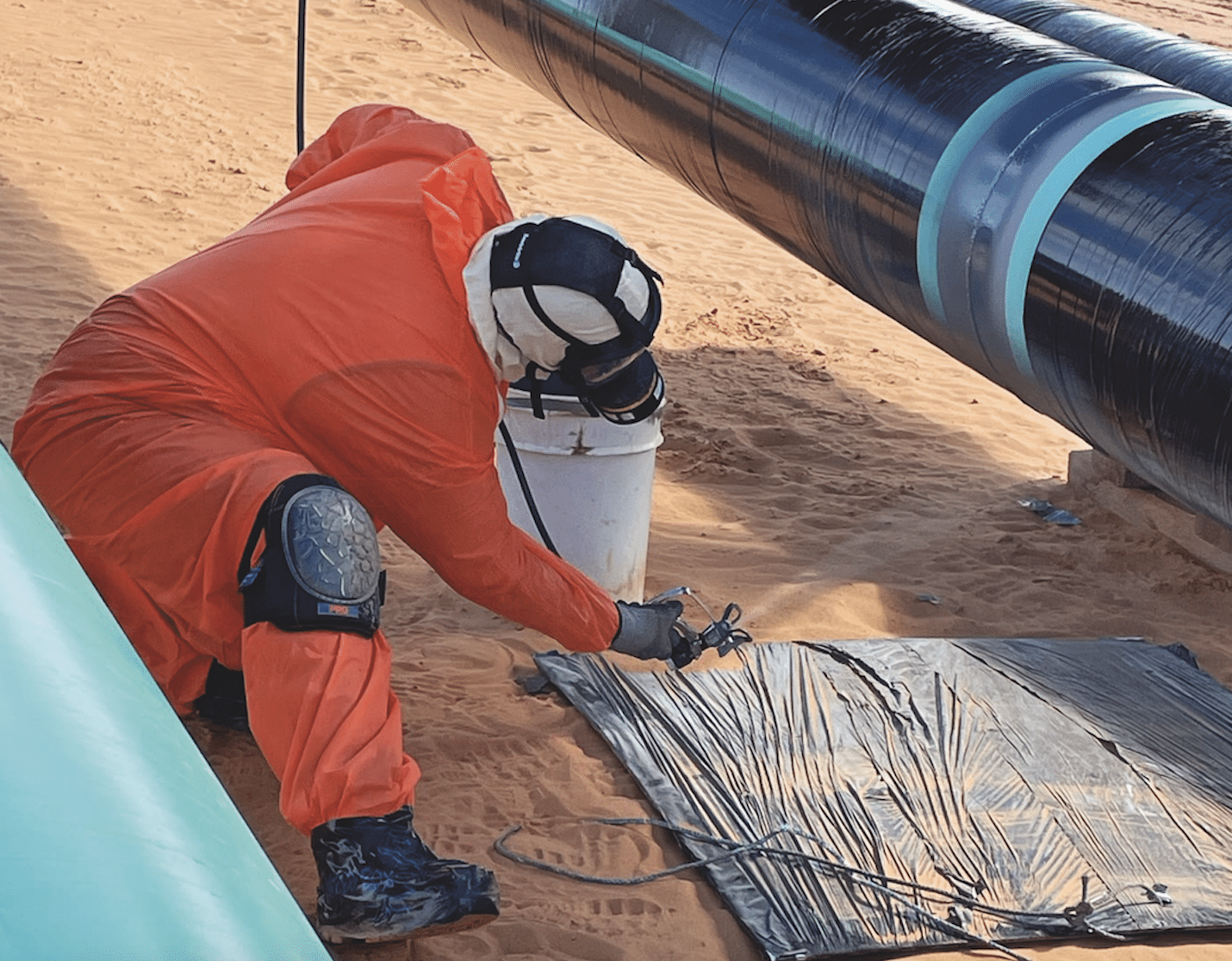
The article argues that choosing a coating system is necessary but not sufficient; long‑term performance depends on surface preparation, application technique and inspection discipline. It stresses that once a coating is approved, project schedules and production pressure often erode field execution quality, making on‑site QA the operational bottleneck. For procurement, watch whether contractors can provide documented surface prep and inspection records before award

Buyer takeaway

Treat coating application and inspection as a procurement deliverable, not just a vendor technical claim — insist on records and depot/onsite checks

Cost / money

Failure to enforce application standards creates unpredictable rework and warranty costs that are not visible in unit prices

Supplier / commercial

Suppliers who can document application and inspection processes will be shortlisted and can command tighter delivery commitments

Safety / operations

Better surface prep and inspection prevents latent failures that lead to high‑risk remedial work later

What to watch

Watch for suppliers to mark up application and inspection as optional extras or to limit quote validity for certified crews

Key facts

  • Durable coating depends on surface preparation, application quality and inspection discipline
  • Field execution often degrades performance after system approval

Source excerpts

However, selecting the right coating system is only half the job. A technically suitable coating can still underperform if execution is poor
But it is only the beginning. Long-term coating performance comes from pairing the right system with the right preparation, application, inspection, and workmanship
This is often the point where coating quality becomes more vulnerable
Story 2The Australian PipelinerMay 25, 2026

Why spacer systems matter in a pipeline project

Signal moderateDirectional

What happened

The piece explains why spacer systems are critical in slip‑lining and trenchless work to avoid point loading and ensure grout distribution. It highlights a specific supplier track record (kwik‑ZIP used on Cairns Water Security Stage 1) and notes poorly designed spacers increase insertion force and cost. Buyers should check spacer suitability for pipe OD/ID combinations and insertion methodology before awarding supply contracts

Buyer takeaway

Include spacer performance and compatibility evidence in supplier evaluations for trenchless or lined pipelines

Cost / money

Right spacers can shift cost from heavy insertion equipment to accessory procurement and reduce mobilisation spend

Supplier / commercial

Proven spacer vendors gain preference where insertion force and grout quality are bid evaluation criteria

Safety / operations

Correct centralisation reduces risk of coating damage and prevents insertion incidents that cause rework

What to watch

Limited relevance outside trenchless/slip‑lining contexts; avoid over‑specifying spacers where open‑cut installation is used

Key facts

  • kwik‑ZIP used on Cairns Water Security Stage 1
  • Spacers prevent point loading and ensure consistent annular spacing
  • Poor spacer design can increase insertion force and equipment costs

Source excerpts

Image: kwik-ZIP The kwik-ZIP advantage Modern spacer systems, such as those developed by kwik-ZIP, are engineered specifically to address these long-standing challenges. A key differentiator is material selection
Additionally, its spacer systems are proven on major infrastructure projects around the world
kwik‑ZIP recently supplied key pipeline support systems for Cairns Water Security Stage 1. Image: kwik-ZIP The kwik-ZIP advantage Modern spacer systems, such as those developed by kwik-ZIP, are engineered specifically to address these long-standing challenges
Story 3The Australian PipelinerJun 2, 2026

Lifting more with less

Signal strongSource-grounded

What happened

This article profiles vacuum lifting systems that reduce pipe handling footprint and time on heavy pipeline projects, claiming lifts up to 15 tonnes and cycle times under 40 seconds. It positions VacLift as a lower‑cost, safer alternative to much larger cranes for many pipeline lifts and shows in‑trench assembly capability that reduces handling steps. Procurement should validate these performance claims on site where execution tempo matters

Buyer takeaway

Validate vendor lift capacity and observed cycle times in a site demo before factoring handling claims into awards

Cost / money

If the equipment performs as claimed, expect lower crane hire and crew cost and fewer heavy‑lift mobilisations

Supplier / commercial

Providers with owned VacLift fleets may charge a premium but offer lower total execution cost and shorter mobilisations

Safety / operations

Vacuum lifting reduces the need for slinging and ground‑crew exposure to suspended loads, improving onsite safety metrics

What to watch

Verify machine suitability for the specific pipe materials and weights you buy; vendor claims require demonstration in your conditions

Key facts

  • VacLift can lift pipes weighing up to 15 tonnes
  • Reported cycle time under 40 seconds per pipe length
  • Designed to allow in‑trench assembly and reduce heavy crane use

Source excerpts

On most projects, lifting is where time slips away. Traditional methods rely on rigging, slings and ground crews working in close proximity to suspended loads
The VacLift can raise lengths of polyethylene or steel pipe weighing up to 15 tonnes without causing damage during the lifting process. Notably, these machines have a cycle time of under 40 seconds per pipe length, whereas conventional methods take 5–10 minutes per pipe length
For heavy-duty pipeline projects, PPH offers vacuum lifts integrated into excavator host bodies. Image: Pipeline Plant Hire How Pipeline Plant Hire VacLifts are reducing the footprint of construction projects

VP Snapshot

Executive Risk & Action View

Field coating quality and surface preparation—not just system spec—are driving execution risk for OCTG once pipe reaches site; poor application creates rework and warranty exposure for buyers.

Overall
70
Cost
79
Supply
25
Schedule
20
Compliance
15

Top signals

30-180dcost

Signal 1: Cost / money

Poor field coating or inadequate centralisation increases price exposure through rework, warranty claims, and emergency freight for replacements; these are harder to predict than material unit costs.

Signal 2: Cost / money

Deploying specialist handling equipment reduces on‑site labour hours and heavy‑lift fuel use; where VacLift claims hold, buyers can lower day‑rate and emergency crane spend by preferring suppliers with that kit.

Signal 3: Cost / money

Better spacer design can cut insertion equipment needs and therefore mobilisation cost when trenchless methods are used, shifting cost from heavy plant hire to validated accessory purchase/stocking.

30-180dcommercial

Signal 4: Supplier / commercial

Suppliers offering certified coating application, documented surface prep, and inspection records gain shortlist advantage and pricing leverage versus materials‑only vendors.

Signal 5: Supplier / commercial

Owners of specialised VacLift equipment can command premium or preferencing on awards where handling speed or reduced machine footprint matters.

Signal 6: Supplier / commercial

Proven spacer manufacturers (e.g., kwik‑ZIP in Australian projects) have a commercial edge when insertion forces and grout quality are procurement selection criteria.

Recommended actions

CategoryDue 3d

Verify shortlisted OCTG suppliers can provide documented coating application processes and inspection evidence at depot or onsite.

Supplier matrix with declared QA evidence and applicable certificates for shortlist use

ContractsDue 21d

Add separate bid lines in RFQs for (a) materials, (b) certified coating application, and (c) specialist handling (VacLift or equivalent).

Tender templates that allow direct comparison between materials‑only and bundled offers

OpsDue 21d

Run a short field trial or site demo with a VacLift provider to validate cycle‑time and integration with your trench logistics.

Operational assessment report referencing observed cycle times (article claims: lift capacity up to 15 tonnes; cycle under 40 seconds) and integration notes

LegalDue 60d

Require coating application and surface‑prep acceptance evidence in contracts (photos, inspection checklists, depot FAT or third‑party NDT) as a condition for payment release.

Contract clauses that make acceptance contingent on documented application and inspection evidence

CategoryDue 60d

Qualify spacer suppliers based on field performance evidence (projects, insertion force data, grout distribution outcomes) before awarding OCTG packages for trenchless or lined...

Approved supplier list with performance notes and handling constraints for trenchless projects

Risk register

RiskTriggerMitigation
Watch for suppliers to start bundling application, inspection and handling as mandatory line items that shift costs from capex materials into pass‑through OPEX; evidence is starting in vendor messaging but still limited.Watch for suppliers to start bundling application, inspection and handling as mandatory line items that shift costs from capex materials into pass‑through OPEX; evidence is starting in vendor messaging but still limited.Confirm exposure with category, contracts, and operations before the next supplier commitment.

CM Snapshot

Category Manager Decision Detail

Today's priorities

Verify shortlisted OCTG suppliers can provide documented coating application processes and inspection evidence at depot or onsite.

Do this because recent industry coverage highlights that coating failures are often caused by surface prep and application quality rather than the coating spec alone, and becaus...

Due 3d

high

CM move

Use this as the immediate supplier or contract action to move before the next sourcing gate.

Add separate bid lines in RFQs for (a) materials, (b) certified coating application, and (c) specialist handling (VacLift or equivalent).

Do this because suppliers are differentiating on application and handling capability, and because separating scopes preserves apples‑to‑apples comparisons and avoids hidden bund...

Due 21d

high

CM move

Use this as the immediate supplier or contract action to move before the next sourcing gate.

Run a short field trial or site demo with a VacLift provider to validate cycle‑time and integration with your trench logistics.

Do this because vendor claims on vacuum lifting (including reported cycle times and lift capacity) have direct execution and cost implications, and because seeing a demo verifie...

Due 21d

high

CM move

Use this as the immediate supplier or contract action to move before the next sourcing gate.

Require coating application and surface‑prep acceptance evidence in contracts (photos, inspection checklists, depot FAT or third‑party NDT) as a condition for payment release.

Do this because industry sources show coating integrity depends on execution steps and because contract levers are the primary way to transfer rework and warranty risk back to s...

Due 60d

high

CM move

Use this as the immediate supplier or contract action to move before the next sourcing gate.

Supplier radar

The Australian Pipeliner

high

Observed supplier signal

Suppliers offering certified coating application, documented surface prep, and inspection records gain shortlist advantage and pricing leverage versus materials‑only vendors.

Commercial implication

Suppliers offering certified coating application, documented surface prep, and inspection records gain shortlist advantage and pricing leverage versus materials‑only vendors.

Next step: Validate the source-backed signal with incumbents and alternates before the next award or pricing decision.

The Australian Pipeliner

high

Observed supplier signal

Owners of specialised VacLift equipment can command premium or preferencing on awards where handling speed or reduced machine footprint matters.

Commercial implication

Owners of specialised VacLift equipment can command premium or preferencing on awards where handling speed or reduced machine footprint matters.

Next step: Validate the source-backed signal with incumbents and alternates before the next award or pricing decision.

The Australian Pipeliner

high

Observed supplier signal

Proven spacer manufacturers (e.g., kwik‑ZIP in Australian projects) have a commercial edge when insertion forces and grout quality are procurement selection criteria.

Commercial implication

Proven spacer manufacturers (e.g., kwik‑ZIP in Australian projects) have a commercial edge when insertion forces and grout quality are procurement selection criteria.

Next step: Validate the source-backed signal with incumbents and alternates before the next award or pricing decision.

Negotiation levers

Verify shortlisted OCTG suppliers can provide documented coating application processes and inspection evidence at depot or onsite.

When to use: Do this because recent industry coverage highlights that coating failures are often caused by surface prep and application quality rather than the coating spec alone, and becaus...

Expected outcome: Supplier matrix with declared QA evidence and applicable certificates for shortlist use

Commercial mechanism to carry into the next supplier conversation

Add separate bid lines in RFQs for (a) materials, (b) certified coating application, and (c) specialist handling (VacLift or equivalent).

When to use: Do this because suppliers are differentiating on application and handling capability, and because separating scopes preserves apples‑to‑apples comparisons and avoids hidden bund...

Expected outcome: Tender templates that allow direct comparison between materials‑only and bundled offers

Commercial mechanism to carry into the next supplier conversation

Run a short field trial or site demo with a VacLift provider to validate cycle‑time and integration with your trench logistics.

When to use: Do this because vendor claims on vacuum lifting (including reported cycle times and lift capacity) have direct execution and cost implications, and because seeing a demo verifie...

Expected outcome: Operational assessment report referencing observed cycle times (article claims: lift capacity up to 15 tonnes; cycle under 40 seconds) and integration notes

Commercial mechanism to carry into the next supplier conversation

Require coating application and surface‑prep acceptance evidence in contracts (photos, inspection checklists, depot FAT or third‑party NDT) as a condition for payment release.

When to use: Do this because industry sources show coating integrity depends on execution steps and because contract levers are the primary way to transfer rework and warranty risk back to s...

Expected outcome: Contract clauses that make acceptance contingent on documented application and inspection evidence

Commercial mechanism to carry into the next supplier conversation

Talking points

Field coating quality and surface preparation—not just system spec—are driving execution risk for OCTG once pipe reaches site; poor application creates rework and warranty exposure for buyers.
Local pipe‑handling tech (vacuum lifts) is an operational lever: suppliers who can supply on‑site lifting equipment reduce labour, fuel and mobilisation friction versus ad‑hoc rigging.
Spacer systems and centralisers affect coating integrity and insertion forces; proven spacer designs can materially lower equipment needs and on‑site risk for lined or slip‑lined installations.
Together these trends increase the value of suppliers that offer verified field services (application QA, specialist handling, proven spacers) rather than materials‑only quotes.

Supplier radar

SupplierSignalImplicationNext stepConfidence
The Australian PipelinerSuppliers offering certified coating application, documented surface prep, and inspection records gain shortlist advantage and pricing leverage versus materials‑only vendors.Suppliers offering certified coating application, documented surface prep, and inspection records gain shortlist advantage and pricing leverage versus materials‑only vendors.Validate the source-backed signal with incumbents and alternates before the next award or pricing decision.high
The Australian PipelinerOwners of specialised VacLift equipment can command premium or preferencing on awards where handling speed or reduced machine footprint matters.Owners of specialised VacLift equipment can command premium or preferencing on awards where handling speed or reduced machine footprint matters.Validate the source-backed signal with incumbents and alternates before the next award or pricing decision.high
The Australian PipelinerProven spacer manufacturers (e.g., kwik‑ZIP in Australian projects) have a commercial edge when insertion forces and grout quality are procurement selection criteria.Proven spacer manufacturers (e.g., kwik‑ZIP in Australian projects) have a commercial edge when insertion forces and grout quality are procurement selection criteria.Validate the source-backed signal with incumbents and alternates before the next award or pricing decision.high

Negotiation levers

  • Verify shortlisted OCTG suppliers can provide documented coating application processes and inspection evidence at depot or onsite.Do this because recent industry coverage highlights that coating failures are often caused by surface prep and application quality rather than the coating spec alone, and becaus...Supplier matrix with declared QA evidence and applicable certificates for shortlist use

    high confidence

  • Add separate bid lines in RFQs for (a) materials, (b) certified coating application, and (c) specialist handling (VacLift or equivalent).Do this because suppliers are differentiating on application and handling capability, and because separating scopes preserves apples‑to‑apples comparisons and avoids hidden bund...Tender templates that allow direct comparison between materials‑only and bundled offers

    high confidence

  • Run a short field trial or site demo with a VacLift provider to validate cycle‑time and integration with your trench logistics.Do this because vendor claims on vacuum lifting (including reported cycle times and lift capacity) have direct execution and cost implications, and because seeing a demo verifie...Operational assessment report referencing observed cycle times (article claims: lift capacity up to 15 tonnes; cycle under 40 seconds) and integration notes

    high confidence

  • Require coating application and surface‑prep acceptance evidence in contracts (photos, inspection checklists, depot FAT or third‑party NDT) as a condition for payment release.Do this because industry sources show coating integrity depends on execution steps and because contract levers are the primary way to transfer rework and warranty risk back to s...Contract clauses that make acceptance contingent on documented application and inspection evidence

    high confidence

What to do / What to watch

What to do now

  • Verify shortlisted OCTG suppliers can provide documented coating application processes and inspection evidence at depot or onsite.

    Why: Do this because recent industry coverage highlights that coating failures are often caused by surface prep and application quality rather than the coating spec alone, and becaus...

    Owner: Category

    Expected outcome: Supplier matrix with declared QA evidence and applicable certificates for shortlist use

    [1]

Next few weeks

  • Add separate bid lines in RFQs for (a) materials, (b) certified coating application, and (c) specialist handling (VacLift or equivalent).

    Why: Do this because suppliers are differentiating on application and handling capability, and because separating scopes preserves apples‑to‑apples comparisons and avoids hidden bund...

    Owner: Contracts

    Expected outcome: Tender templates that allow direct comparison between materials‑only and bundled offers

    [1][2]
  • Run a short field trial or site demo with a VacLift provider to validate cycle‑time and integration with your trench logistics.

    Why: Do this because vendor claims on vacuum lifting (including reported cycle times and lift capacity) have direct execution and cost implications, and because seeing a demo verifie...

    Owner: Ops

    Expected outcome: Operational assessment report referencing observed cycle times (article claims: lift capacity up to 15 tonnes; cycle under 40 seconds) and integration notes

    [2]

Longer view

  • Require coating application and surface‑prep acceptance evidence in contracts (photos, inspection checklists, depot FAT or third‑party NDT) as a condition for payment release.

    Why: Do this because industry sources show coating integrity depends on execution steps and because contract levers are the primary way to transfer rework and warranty risk back to s...

    Owner: Legal

    Expected outcome: Contract clauses that make acceptance contingent on documented application and inspection evidence

    [1]
  • Qualify spacer suppliers based on field performance evidence (projects, insertion force data, grout distribution outcomes) before awarding OCTG packages for trenchless or lined...

    Why: Do this because spacer design materially affects insertion forces and coating preservation, and because pre‑qualification reduces the chance of equipment‑driven delays on site.

    Owner: Category

    Expected outcome: Approved supplier list with performance notes and handling constraints for trenchless projects

    [3]

What to watch

  • Watch for suppliers to start bundling application, inspection and handling as mandatory line items that shift costs from capex materials into pass‑through OPEX; evidence is starting in vendor messaging but still limited
  • Watch for suppliers to start bundling application, inspection and handling as mandatory line items that shift costs from capex materials into pass‑through OPEX; evidence is starting in vendor messaging but still limited.: Watch for suppliers to start bundling application, inspection and handling as mandatory line items that shift costs from capex materials into pass‑through OPEX; evidence is starting in vendor messaging but still limited
  • Field coating quality and surface preparation—not just system spec—are driving execution risk for OCTG once pipe reaches site; poor application creates rework and warranty exposure for buyers
  • Local pipe‑handling tech (vacuum lifts) is an operational lever: suppliers who can supply on‑site lifting equipment reduce labour, fuel and mobilisation friction versus ad‑hoc rigging
  • Spacer systems and centralisers affect coating integrity and insertion forces; proven spacer designs can materially lower equipment needs and on‑site risk for lined or slip‑lined installations
  • Together these trends increase the value of suppliers that offer verified field services (application QA, specialist handling, proven spacers) rather than materials‑only quotes

Market pulse

IndexLatestChangeAs of
HRC Steel (HRC)740 /ton+0.00 (+0.00%)Jun 2, 2026, 10:10 PM
Copper (COPPER)3.85 /lb+0.00 (+0.00%)Jun 2, 2026, 10:10 PM
Iron Ore (IRON)108.5 /t+0.00 (+0.00%)Jun 2, 2026, 10:10 PM
Tenaris (TS)32 +0.00 (+0.00%)Jun 2, 2026, 10:10 PM
  • HRC Steel: HRC steel price changes affect basic OCTG unit cost; when sourcing for higher‑execution suppliers expect pass‑throughs on material plus execution premiums
  • Tenaris: Tenaris and OCTG OEM fundamentals are a procurement barometer for supply availability and lead times in APAC markets

Sources

Inline citations jump here. Expand a source to read the excerpt, the AI interpretation, and the original link.

[1] Choosing the right coating system is only half the job

pipeliner.com.au · Jun 2, 2026

Expand

AI reading

The article argues that choosing a coating system is necessary but not sufficient; long‑term performance depends on surface preparation, application technique and inspection discipline. It stresses that once a coating is approved, project schedules and production pressure often erode field execution quality, making on‑site QA the operational bottleneck. For procurement, watch whether contractors can provide documented surface prep and inspection records before award

Buyer takeaway

Treat coating application and inspection as a procurement deliverable, not just a vendor technical claim — insist on records and depot/onsite checks

Cost / money

Failure to enforce application standards creates unpredictable rework and warranty costs that are not visible in unit prices

Supplier / commercial

Suppliers who can document application and inspection processes will be shortlisted and can command tighter delivery commitments

Safety / operations

Better surface prep and inspection prevents latent failures that lead to high‑risk remedial work later

What to watch

Watch for suppliers to mark up application and inspection as optional extras or to limit quote validity for certified crews

Key facts

  • Durable coating depends on surface preparation, application quality and inspection discipline
  • Field execution often degrades performance after system approval

Source excerpts

However, selecting the right coating system is only half the job. A technically suitable coating can still underperform if execution is poor
But it is only the beginning. Long-term coating performance comes from pairing the right system with the right preparation, application, inspection, and workmanship
This is often the point where coating quality becomes more vulnerable

Used in this brief

  • Field coating quality and surface preparation—not just system spec—are driving execution risk for OCTG once pipe reaches site; poor application creates rework and warranty exposure for buyers. Local pipe‑handling tech (vacuum lifts) is an operational lever: suppliers who can supply on‑site lifting equipment reduce labour, fuel and mobilisation friction versus ad‑hoc rigging. Spacer systems and centralisers affect coating integrity and insertion forces; proven spacer designs can materially lower equipment needs and on‑site risk for lined or slip‑lined installations. Together these trends increase the value of suppliers that offer verified field services (application QA, specialist handling, proven spacers) rather than materials‑only quotes
  • Supplier / commercial: Suppliers offering certified coating application, documented surface prep, and inspection records gain shortlist advantage and pricing leverage versus materials‑only vendors
  • Next 72 hours — Verify shortlisted OCTG suppliers can provide documented coating application processes and inspection evidence at depot or onsite.. Rationale: Do this because recent industry coverage highlights that coating failures are often caused by surface prep and application quality rather than the coating spec alone, and becaus.... Owner: Category. KPI: Supplier matrix with declared QA evidence and applicable certificates for shortlist use
Open original source

[2] Lifting more with less

pipeliner.com.au · Jun 2, 2026

Expand

AI reading

This article profiles vacuum lifting systems that reduce pipe handling footprint and time on heavy pipeline projects, claiming lifts up to 15 tonnes and cycle times under 40 seconds. It positions VacLift as a lower‑cost, safer alternative to much larger cranes for many pipeline lifts and shows in‑trench assembly capability that reduces handling steps. Procurement should validate these performance claims on site where execution tempo matters

Buyer takeaway

Validate vendor lift capacity and observed cycle times in a site demo before factoring handling claims into awards

Cost / money

If the equipment performs as claimed, expect lower crane hire and crew cost and fewer heavy‑lift mobilisations

Supplier / commercial

Providers with owned VacLift fleets may charge a premium but offer lower total execution cost and shorter mobilisations

Safety / operations

Vacuum lifting reduces the need for slinging and ground‑crew exposure to suspended loads, improving onsite safety metrics

What to watch

Verify machine suitability for the specific pipe materials and weights you buy; vendor claims require demonstration in your conditions

Key facts

  • VacLift can lift pipes weighing up to 15 tonnes
  • Reported cycle time under 40 seconds per pipe length
  • Designed to allow in‑trench assembly and reduce heavy crane use

Source excerpts

On most projects, lifting is where time slips away. Traditional methods rely on rigging, slings and ground crews working in close proximity to suspended loads
The VacLift can raise lengths of polyethylene or steel pipe weighing up to 15 tonnes without causing damage during the lifting process. Notably, these machines have a cycle time of under 40 seconds per pipe length, whereas conventional methods take 5–10 minutes per pipe length
For heavy-duty pipeline projects, PPH offers vacuum lifts integrated into excavator host bodies. Image: Pipeline Plant Hire How Pipeline Plant Hire VacLifts are reducing the footprint of construction projects

Used in this brief

  • Safety / operations: Vacuum‑based pipe lifting reduces reliance on slings and ground crews near suspended loads, lowering lifting‑related injury risk and enabling safer trench assembly routines
  • Next 2-4 weeks — Run a short field trial or site demo with a VacLift provider to validate cycle‑time and integration with your trench logistics.. Rationale: Do this because vendor claims on vacuum lifting (including reported cycle times and lift capacity) have direct execution and cost implications, and because seeing a demo verifie.... Owner: Ops. KPI: Operational assessment report referencing observed cycle times (article claims: lift capacity up to 15 tonnes; cycle under 40 seconds) and integration notes
  • Local equipment signal: pipeline plant hire (vacuum lifts) is publicly promoted as a way to cut lifting cycle time and reduce heavy rig reliance; this strengthens the case for sourcing suppliers with owned handling as
Open original source

[3] Why spacer systems matter in a pipeline project

pipeliner.com.au · May 25, 2026

Expand

AI reading

The piece explains why spacer systems are critical in slip‑lining and trenchless work to avoid point loading and ensure grout distribution. It highlights a specific supplier track record (kwik‑ZIP used on Cairns Water Security Stage 1) and notes poorly designed spacers increase insertion force and cost. Buyers should check spacer suitability for pipe OD/ID combinations and insertion methodology before awarding supply contracts

Buyer takeaway

Include spacer performance and compatibility evidence in supplier evaluations for trenchless or lined pipelines

Cost / money

Right spacers can shift cost from heavy insertion equipment to accessory procurement and reduce mobilisation spend

Supplier / commercial

Proven spacer vendors gain preference where insertion force and grout quality are bid evaluation criteria

Safety / operations

Correct centralisation reduces risk of coating damage and prevents insertion incidents that cause rework

What to watch

Limited relevance outside trenchless/slip‑lining contexts; avoid over‑specifying spacers where open‑cut installation is used

Key facts

  • kwik‑ZIP used on Cairns Water Security Stage 1
  • Spacers prevent point loading and ensure consistent annular spacing
  • Poor spacer design can increase insertion force and equipment costs

Source excerpts

Image: kwik-ZIP The kwik-ZIP advantage Modern spacer systems, such as those developed by kwik-ZIP, are engineered specifically to address these long-standing challenges. A key differentiator is material selection
Additionally, its spacer systems are proven on major infrastructure projects around the world
kwik‑ZIP recently supplied key pipeline support systems for Cairns Water Security Stage 1. Image: kwik-ZIP The kwik-ZIP advantage Modern spacer systems, such as those developed by kwik-ZIP, are engineered specifically to address these long-standing challenges

Used in this brief

  • Supplier / commercial: Proven spacer manufacturers (e.g., kwik‑ZIP in Australian projects) have a commercial edge when insertion forces and grout quality are procurement selection criteria
  • Next quarter — Qualify spacer suppliers based on field performance evidence (projects, insertion force data, grout distribution outcomes) before awarding OCTG packages for trenchless or lined.... Rationale: Do this because spacer design materially affects insertion forces and coating preservation, and because pre‑qualification reduces the chance of equipment‑driven delays on site.. Owner: Category. KPI: Approved supplier list with performance notes and handling constraints for trenchless projects
  • Spacer systems cited in a recent civil project (Cairns) provide a concrete example of a supplier (kwik‑ZIP) used on Australian water works, underlining local proven supply rather than theoretical import options
Open original source

[4] HRC Steel

cmegroup.com · n.d.

Expand

[5] Tenaris

finance.yahoo.com · n.d.

Expand