Plug & Abandonment / Decommissioning · Australia (Perth)

Protect Mobilisation Windows as EPCs Absorb Fabrication Capacity

Published Jun 3, 2026, 6:06 AM AWSTAPACFull category signal
Ask AI
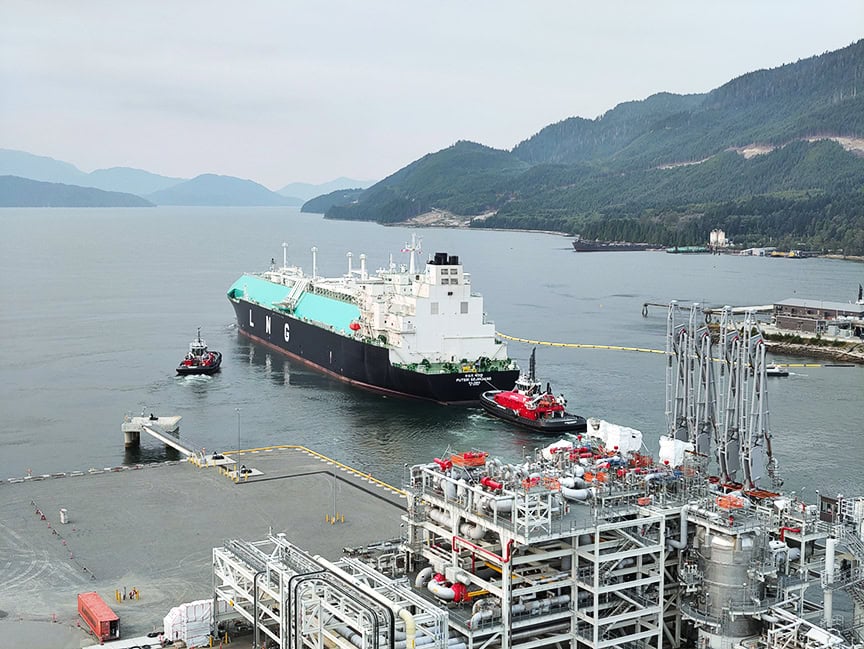
JGC, Fluor in the clear for early works to double output at Shell-run LNG Canada

In 60 seconds

Top move

Large EPC early works (LNTP for LNG Phase‑2) are now occupying fabrication yards and heavy‑lift windows, which reduces available slots and bargaining room for heavy P&A removals and mobilisations

Key takeaways

  • Large EPC early works (LNTP for LNG Phase‑2) are now occupying fabrication yards and heavy‑lift windows, which reduces available slots and bargaining room for heavy P&A removals and mobilisations.[3]
  • A confirmed multi‑year semi‑sub rig contract locks an asset into long‑term work, meaning fewer drilling options for opportunistic P&A campaigns and more chance of mobilisation premiums when rigs are needed.[1]
  • Fabrication of a Recoverable Abandonment Frame (RAF) shows P&A‑specific tooling is becoming operational, which eases narrow tool scarcity but does not solve yard or heavy‑lift bottlenecks by itself.[5]
  • A letter of intent for a new multi‑purpose installation vessel signals medium‑term lift and installation capacity growth, but as an LOI it is an early signal and not an immediate relief for current slot shortages.[4]
  • Planned industrial action in the North Sea increases crew substitution and rotation risk that can cascade into supplier calendars and raise mobilisation uncertainty for APAC projects; monitor for escalation.[2]

What changed since last run

  • JGC/Fluor received a limited notice to proceed (LNTP) enabling early works on a large LNG Phase‑2 scope, making large‑scale fabrication and heavy‑lift demand operationally real (article 5).
  • Dolphin Drilling announced a multi‑year fixture for its Borgland Dolphin semi‑submersible, materially reducing available drilling fleet optionality for competing campaigns (article 2).
  • Bilfinger offshore personnel scheduled multi‑day industrial action on North Sea assets, creating fresh substitution and crew‑rotation risk that could affect international supplier calendars (article 8).

Key facts

  • LNTP issued for early works on proposed Phase 2 of LNG Canada
  • Early works allow planning and key activities before a final investment decision
  • Contract represents approximately $239 million in firm commitments
  • Firm term runs through the rig’s current special period survey window and includes mobilisati
  • Aquaterra entered fabrication for a Recoverable Abandonment Frame (RAF) system
  • Article bundle also reports various regional rig and gas contract movements

Why it matters

Large EPC early works (LNTP for LNG Phase‑2) are now occupying fabrication yards and heavy‑lift windows, which reduces available slots and bargaining room for heavy P&A removals and mobilisations. A confirmed multi‑year semi‑sub rig contract locks an asset into long‑term work, meaning fewer drilling options for opportunistic P&A campaigns and more chance of mobilisation premiums when rigs are needed. Fabrication of a Recoverable Abandonment Frame (RAF) shows P&A‑specific tooling is becoming operational, which eases narrow tool scarcity but does not solve yard or heavy‑lift bottlenecks by itself. A letter of intent for a new multi‑purpose installation vessel signals medium‑term lift and installation capacity growth, but as an LOI it is an early signal and not an immediate relief for current slot shortages

Cost / money

  • Large LNG early works draw yard and heavy‑lift capacity, increasing the likelihood of mobilisation premiums, longer lead times, and earlier cost pass‑throughs for P&A heavy lifts.[3]
  • Confirmed long‑term rig fixtures remove short‑notice drilling options and create upward pressure on day rates or mobilisation fees for P&A scopes that cannot wait.[1]
  • Strike‑driven crew shortages and substitution raise short‑term mobilisation costs as suppliers source alternative crews or extend rotations to cover gaps.[2]

Supplier / commercial

  • Suppliers engaged on Phase‑2 EPC backlogs may shorten quote validity, require mobilisation deposits, or insert conditional availability clauses into MSAs and RFP responses.[3]
  • Rig owners with secured multi‑year backlog can demand longer notice periods and premium pricing for out‑of‑schedule P&A tasks, reducing buyer leverage during awards.[1]
  • Fabricators producing P&A kit (e.g., RAF) can still prioritise higher‑value EPC or CCS projects; without contractual allocation, specialised kit may not flow to APAC P&A demands first.[5]

Safety / operations

  • Compressed EPC schedules can shorten pre‑lift survey and inspection windows for heavy removals, increasing execution risk unless extra contingency time is secured contractually.[3]
  • Substituting unfamiliar offshore crews because of strikes raises handover and competence risks for complex P&A lifts; verified competence records and controlled handovers reduce stop‑work risk.[2]

What to watch

  • Watch suppliers shortening quote validity and adding mobilisation deposit requirements as an operational sign that availability is being reallocated to large EPC campaigns.[3]
  • Monitor announced rig awards, special period survey (SPS) windows and confirmed mobilisation dates — each is a practical trigger to re‑price or re‑source APAC P&A mobilisations.[1]

Top stories

Story 1Offshore EnergyJun 2, 2026

JGC, Fluor in the clear for early works to double output at Shell-run LNG Canada

Signal strongSource-grounded

What happened

JGC and Fluor received a limited notice to proceed (LNTP) enabling early works on the proposed Phase 2 expansion of LNG Canada. The LNTP authorises early planning and key activities ahead of a final investment decision, which makes large‑scale engineering, fabrication and heavy‑lift demand operationally real. Watch yard booking lists, long‑lead PO acceptances and heavy‑lift slot schedules — those will be the first procurement levers to tighten

Buyer takeaway

Treat the LNTP as a confirmed demand on fabrication yards and heavy‑lift scheduling that will compress availability for heavy P&A scopes

Cost / money

Directional upward pressure on mobilisation premiums and long‑lead equipment cost exposure as EPC front‑end activity pulls capacity

Supplier / commercial

Suppliers on Phase‑2 will prioritise those schedules and may shorten quote validity or require mobilisation deposits in MSAs

Safety / operations

Crowded EPC calendars can shrink pre‑lift inspection windows; buyers should protect contingency time to avoid execution risk

What to watch

Watch yard booking lists, long‑lead PO acceptance, and heavy‑lift slot confirmations — these are practical triggers to re‑price or re‑source P&A tasks

Key facts

  • LNTP issued for early works on proposed Phase 2 of LNG Canada
  • Early works allow planning and key activities before a final investment decision

Source excerpts

“The LNTP enables us to initiate early planning and move forward with key activities to support a proposed Phase 2 final investment decision by LNG Canada. ” The joint venture delivered the project’s two processing units, known as trains, and supporting infrastructure last year, including storage tanks, rail yard, water treatment facility, flare stacks, and marine terminal
Pierre Bechelany, Fluor’s Business Group President of Energy Solutions, commented: “Our long‑standing partnership with LNG Canada is a point of pride for us, and we look forward to advancing the next phase of this world‑class project to help connect Canadian natural gas to global markets
Home Fossil Energy JGC, Fluor in the clear for early works to double output at Shell-run LNG Canada June 2, 2026, by JGC Fluor BC LNG II joint venture (JV), composed of Japan’s JGC Holdings Corporation and Fluor Corporation, has been given the go-ahead to move forward with early activities for the expansion of a liquefied natural gas (LNG) export terminal in Kitimat, Canada’s British Columbia, which is operated by LNG Canada, a joint venture company encompassing Shell, Petronas, PetroChina, KOGAS, and Mitsubishi
Story 2Offshore EnergyJun 2, 2026

UK oil & gas operator hires Dolphin Drilling’s rig on multimillion-dollar gig

Signal strongSource-grounded

What happened

Dolphin Drilling disclosed a multi‑year contract for its Borgland Dolphin semi‑submersible, creating a large firm backlog and a multi‑year rig commitment. The deal includes mobilisation and demobilisation in the firm term and effectively removes that asset from the available pool for competing campaigns. For buyers, this is a clear reduction in opportunistic drilling options and a prompt to secure alternative charter or contingency plans

Buyer takeaway

Treat confirmed multi‑year rig awards as a real reduction in available drilling fleet for opportunistic P&A tasks

Cost / money

Rig day‑rate and mobilisation pressure will likely increase for scopes competing with long‑term drilling programmes

Supplier / commercial

Rig owners with secured backlog can demand stricter mobilisation windows, longer notice, or premium pricing for out‑of‑schedule jobs

Safety / operations

Long commitments reduce flexibility to re‑task rigs in urgent P&A situations, increasing reliance on long‑lead contingency planning

What to watch

Watch other rig award notices and SPS schedules — each confirmed fixture is a trigger to re‑assign or re‑price APAC P&A work

Key facts

  • Contract represents approximately $239 million in firm commitments
  • Firm term runs through the rig’s current special period survey window and includes mobilisati

Source excerpts

The firm term runs through to the expiry of the semi-submersible’s current special period survey (SPS) in October 2031, inclusive of mobilization and demobilization
“Importantly, it delivers long-term earnings visibility across two rigs in the UK, both rigs firmly secured on contract for the next five years, as we guided on and in line with the strategic plan for Dolphin. ” The semi-submersible received major upgrades in 1998/1999
Home Fossil Energy UK oil & gas operator hires Dolphin Drilling’s rig on multimillion-dollar gig June 2, 2026, by Dolphin Drilling, an Oslo-listed, Aberdeen-headquartered owner and operator of a fleet of harsh environment mid-water and deepwater semi-submersible drilling rigs, has picked up an assignment in the UK with an undisclosed oil and gas operator for one of its semi-submersible rigs. Borgland Dolphin rig; Source: Dolphin Drilling Dolphin Drilling has revealed a contract fixture for its Borgland Dolphin
Story 3Offshore Engineer

Offshore Natural Gas News

Signal moderateSource-grounded

What happened

Aquaterra has started fabrication of a Recoverable Abandonment Frame (RAF) system and the Offshore Natural Gas news feed highlights several regional contract movements. The RAF fabrication is operationally real because that hardware directly supports subsea P&A activities and can reduce specialised tool scarcity. Watch whether follow‑on RAF units are ordered and whether fabrication and delivery schedules align with APAC P&A timelines

Buyer takeaway

Consider RAF fabrication a positive sign for specialised P&A tooling availability, but treat capacity relief as scoped until more units are confirmed

Cost / money

Targeted relief on specialised kit costs is likely limited until multiple units are produced and scheduled for delivery

Supplier / commercial

Fabricators with P&A kit capability may prioritise higher‑value EPC or CCS projects; buyers should confirm allocation when contracting

Safety / operations

Purpose‑built recoverable frames can reduce subsea lift risk versus improvised solutions, improving execution safety

What to watch

Watch production schedules and delivery slots; a single unit helps a narrow scope but doesn't fix broader yard or transport constraints

Key facts

  • Aquaterra entered fabrication for a Recoverable Abandonment Frame (RAF) system
  • Article bundle also reports various regional rig and gas contract movements

Source excerpts

The contract… Aquaterra’s RAF System for UK CCS Project Enters Fabrication Phase May 20, 2026 Aquaterra Energy has started fabrication of its first Recoverable Abandonment Frame (RAF) system for the Northern Endurance Partnership (NEP), a U
The agreement runs until the end of 2030 and covers annual volumes of around 2… Eni Assessing Third FLNG Platform for Mozambique May 19, 2026 Italian energy group Eni is considering deploying a third Floating Liquefied Natural Gas (FLNG) platform offshore Mozambique, a company spokesperson said
The deadline for submissions expired on May 20, 2026
Story 4Offshore EnergyJun 2, 2026

SBM Offshore, Solstad enrich fleet pool with new multi‑purpose installation vessel

Signal moderateDirectional

What happened

SBM Offshore and Solstad signed a letter of intent with a shipyard to order a next‑generation multi‑purpose installation vessel intended to support installation of ocean infrastructure. The LOI makes medium‑term fleet expansion operationally credible but delivery timing and conversion of the LOI to a firm order are the main constraints. Buyers should watch firm yard ordering and financing announcements as the practical next steps that determine future charter availability

Buyer takeaway

Use the LOI as a signal to consider long‑lead charter options or early engagement where medium‑term installation capacity is strategic

Cost / money

Potential medium‑term downward pressure on charter rates once the vessel enters the market, but near‑term scarcity remains

Supplier / commercial

JV owners may prioritise anchor clients or strategic partners with early charter options; early engagement could secure preferential access

Safety / operations

Purpose‑built vessels improve predictability and can lower execution risk on complex removals compared with ad‑hoc charters

What to watch

Watch firm yard order and financing announcements; LOIs do not guarantee delivery and can fail to convert

Key facts

  • Joint venture entered LOI with a selected shipyard for a next‑gen installation vessel
  • Intended to support floating production and ocean infrastructure installation

Source excerpts

Illustration; Source: Solstad Offshore SBM Offshore and Solstad Offshore have formed a joint venture (JV), which has entered into a letter of intent (LOI) with a selected shipyard to order a new-build next-generation multi-purpose deepwater installation and construction vessel. This ship, targeted for delivery in the first half of 2029, will support the installation of ocean infrastructure, including floating production, storage, and offloading (FPSO) units, reflecting the Dutch player’s ambition that ocean in
Home Fossil Energy SBM Offshore, Solstad enrich fleet pool with new multi‑purpose installation vessel June 2, 2026, by Norwegian shipping company Solstad Offshore has joined forces with Netherlands-based SBM Offshore, a provider of the design, construction, installation, and operation of offshore floating facilities, to strengthen its fleet with a new-build multi-purpose deepwater installation and construction vessel
When not required for SBM Offshore’s installation projects, the joint venture may charter the vessel to third parties
Story 5Offshore EnergyJun 2, 2026

Bilfinger workers on multi-day strike mission at Ithaca’s North Sea assets over pay dispute

Signal strongSource-grounded

What happened

Bilfinger offshore workers announced multi‑day strike action on North Sea assets over a pay dispute, affecting scaffolders, engineers, deck and rope access crews. The scheduled action will disrupt day‑to‑day operations on affected units and creates near‑term crew substitution and rotation risk. Monitor union statements and operator responses to see whether the action spreads or is resolved — those outcomes determine knock‑on effects for supplier calendars and APAC mobilisations

Buyer takeaway

Treat labour action in major basins as a near‑term operational risk to supplier calendars and verify contingency crew availability for critical scopes

Cost / money

Strikes can increase short‑term mobilisation costs if suppliers must source higher‑cost substitutes or extend rotations

Supplier / commercial

Operators may prioritise core production activities and reassign contractor crews, potentially reducing availability for P&A scopes

Safety / operations

Substituting unfamiliar crews raises handover and competence risks that must be mitigated with verified records and controlled induction

What to watch

Watch union statements, operator responses and any escalation — public escalation or prolonged action are practical triggers to re‑price or re‑source APAC mobilisations

Key facts

  • Multi‑day industrial action affecting Bilfinger personnel on North Sea assets
  • Action covers scaffolders, engineers, deck and rope access crews across a short scheduled window

Source excerpts

We will also escalate this action if Ithaca Energy and Bilfinger refuse to see sense. ” This comes after Unite announced an industrial action ballot for offshore workers on Neo Next + Energy’s Elgin Franklin and North Alwyn platforms
Home Fossil Energy Bilfinger workers on multi-day strike mission at Ithaca’s North Sea assets over pay dispute June 2, 2026, by Multiple offshore members employed by Bilfinger are set to kick off multi-day industrial action due to a dispute over pay, which will lead to an eight-day stoppage at a floating storage unit (FSU) and a floating production facility (FPF) on the UK Continental Shelf (UKCS)
“Strikes on the Alba FSU and FPF1 will have a significant impact on the day-to-day operations of these assets

VP Snapshot

Executive Risk & Action View

Large EPC early works (LNTP for LNG Phase‑2) are now occupying fabrication yards and heavy‑lift windows, which reduces available slots and bargaining room for heavy P&A removals and mobilisations.

Overall
51
Cost
97
Supply
79
Schedule
20
Compliance
15

Top signals

180d+cost

Signal 1: Cost / money

Large LNG early works draw yard and heavy‑lift capacity, increasing the likelihood of mobilisation premiums, longer lead times, and earlier cost pass‑throughs for P&A heavy lifts.

30-180dcost

Signal 2: Cost / money

Confirmed long‑term rig fixtures remove short‑notice drilling options and create upward pressure on day rates or mobilisation fees for P&A scopes that cannot wait.

Signal 3: Cost / money

Strike‑driven crew shortages and substitution raise short‑term mobilisation costs as suppliers source alternative crews or extend rotations to cover gaps.

0-30dsupply

Signal 4: Supplier / commercial

Suppliers engaged on Phase‑2 EPC backlogs may shorten quote validity, require mobilisation deposits, or insert conditional availability clauses into MSAs and RFP responses.

180d+supply

Signal 5: Supplier / commercial

Rig owners with secured multi‑year backlog can demand longer notice periods and premium pricing for out‑of‑schedule P&A tasks, reducing buyer leverage during awards.

30-180dcommercial

Signal 6: Supplier / commercial

Fabricators producing P&A kit (e.g., RAF) can still prioritise higher‑value EPC or CCS projects; without contractual allocation, specialised kit may not flow to APAC P&A demands first.

Recommended actions

CategoryDue 3d

Update the mobilisation and supplier availability matrix to flag vendors with confirmed large EPC commitments, heavy‑lift bookings, or multi‑year rig fixtures.

Matrix shows allocation conflicts and availability flags to guide immediate tendering and avoid last‑minute reassignments.

ContractsDue 21d

Require shortlisted contractors to provide written confirmation of slot availability, quote validity, mobilisation deposit terms, and conditional reallocation rules before award.

Awarded contractors supply explicit mobilisation and deposit terms, reducing downstream scheduling and cost surprises.

OpsDue 21d

Task Operations to collect verified competence records, substitution procedures, and contingency crew lists from critical suppliers exposed to North Sea labour action or cross‑t...

Operations holds verified competence evidence and substitution plans to reduce stoppage risk if crew replacements are required.

CategoryDue 60d

Build a preferred‑supplier shortlist weighted by proven availability when not committed to major EPC or long‑term rig programmes and include contractual limits on reallocation.

Ranked supplier list and award playbook that speeds mobilisation and lowers reallocation risk during competing campaigns.

ContractsDue 60d

Amend RFP/MSA templates to require disclosure of material long‑term commitments (EPC backlogs, charters) and to set minimum mobilisation notice and quote‑validity protections.

RFPs/MSAs include disclosure and mobilisation clauses that reduce reallocation risk and clarify cost pass‑through exposure at award.

Risk register

RiskTriggerMitigation
Watch suppliers shortening quote validity and adding mobilisation deposit requirements as an operational sign that availability is being reallocated to large EPC campaigns.Watch suppliers shortening quote validity and adding mobilisation deposit requirements as an operational sign that availability is being reallocated to large EPC campaigns.Confirm exposure with category, contracts, and operations before the next supplier commitment.
Monitor announced rig awards, special period survey (SPS) windows and confirmed mobilisation dates — each is a practical trigger to re‑price or re‑source APAC P&A mobilisations.Monitor announced rig awards, special period survey (SPS) windows and confirmed mobilisation dates — each is a practical trigger to re‑price or re‑source APAC P&A mobilisations.Confirm exposure with category, contracts, and operations before the next supplier commitment.

CM Snapshot

Category Manager Decision Detail

Today's priorities

Update the mobilisation and supplier availability matrix to flag vendors with confirmed large EPC commitments, heavy‑lift bookings, or multi‑year rig fixtures.

Do this because the LNTP and recent rig contract remove key yard and drilling options and flagging conflicts will immediately inform tender and mobilisation choices.

Due 3d

high

CM move

Use this as the immediate supplier or contract action to move before the next sourcing gate.

Require shortlisted contractors to provide written confirmation of slot availability, quote validity, mobilisation deposit terms, and conditional reallocation rules before award.

Do this because suppliers with EPC backlogs are adjusting commercial posture and written confirmations reduce the risk of late reallocation or unexpected pass‑through costs.

Due 21d

high

CM move

Use this as the immediate supplier or contract action to move before the next sourcing gate.

Task Operations to collect verified competence records, substitution procedures, and contingency crew lists from critical suppliers exposed to North Sea labour action or cross‑t...

Do this because planned industrial action and cross‑tasking increase substitution risk and verified documentation mitigates the chance of procedural holds during complex P&A lifts.

Due 21d

high

CM move

Use this as the immediate supplier or contract action to move before the next sourcing gate.

Build a preferred‑supplier shortlist weighted by proven availability when not committed to major EPC or long‑term rig programmes and include contractual limits on reallocation.

Do this because confirmed multi‑year rig fixtures and large EPC awards reduce supplier optionality, and pre‑selecting suppliers with clear availability preserves mobilisation wi...

Due 60d

high

CM move

Use this as the immediate supplier or contract action to move before the next sourcing gate.

Supplier radar

Offshore Energy

high

Observed supplier signal

Suppliers engaged on Phase‑2 EPC backlogs may shorten quote validity, require mobilisation deposits, or insert conditional availability clauses into MSAs and RFP responses.

Commercial implication

Suppliers engaged on Phase‑2 EPC backlogs may shorten quote validity, require mobilisation deposits, or insert conditional availability clauses into MSAs and RFP responses.

Next step: Validate the source-backed signal with incumbents and alternates before the next award or pricing decision.

Offshore Energy

high

Observed supplier signal

Rig owners with secured multi‑year backlog can demand longer notice periods and premium pricing for out‑of‑schedule P&A tasks, reducing buyer leverage during awards.

Commercial implication

Rig owners with secured multi‑year backlog can demand longer notice periods and premium pricing for out‑of‑schedule P&A tasks, reducing buyer leverage during awards.

Next step: Validate the source-backed signal with incumbents and alternates before the next award or pricing decision.

Offshore Engineer

high

Observed supplier signal

Fabricators producing P&A kit (e.g., RAF) can still prioritise higher‑value EPC or CCS projects; without contractual allocation, specialised kit may not flow to APAC P&A demands first.

Commercial implication

Fabricators producing P&A kit (e.g., RAF) can still prioritise higher‑value EPC or CCS projects; without contractual allocation, specialised kit may not flow to APAC P&A demands first.

Next step: Validate the source-backed signal with incumbents and alternates before the next award or pricing decision.

Negotiation levers

Update the mobilisation and supplier availability matrix to flag vendors with confirmed large EPC commitments, heavy‑lift bookings, or multi‑year rig fixtures.

When to use: Do this because the LNTP and recent rig contract remove key yard and drilling options and flagging conflicts will immediately inform tender and mobilisation choices.

Expected outcome: Matrix shows allocation conflicts and availability flags to guide immediate tendering and avoid last‑minute reassignments.

Commercial mechanism to carry into the next supplier conversation

Require shortlisted contractors to provide written confirmation of slot availability, quote validity, mobilisation deposit terms, and conditional reallocation rules before award.

When to use: Do this because suppliers with EPC backlogs are adjusting commercial posture and written confirmations reduce the risk of late reallocation or unexpected pass‑through costs.

Expected outcome: Awarded contractors supply explicit mobilisation and deposit terms, reducing downstream scheduling and cost surprises.

Commercial mechanism to carry into the next supplier conversation

Task Operations to collect verified competence records, substitution procedures, and contingency crew lists from critical suppliers exposed to North Sea labour action or cross‑t...

When to use: Do this because planned industrial action and cross‑tasking increase substitution risk and verified documentation mitigates the chance of procedural holds during complex P&A lifts.

Expected outcome: Operations holds verified competence evidence and substitution plans to reduce stoppage risk if crew replacements are required.

Commercial mechanism to carry into the next supplier conversation

Build a preferred‑supplier shortlist weighted by proven availability when not committed to major EPC or long‑term rig programmes and include contractual limits on reallocation.

When to use: Do this because confirmed multi‑year rig fixtures and large EPC awards reduce supplier optionality, and pre‑selecting suppliers with clear availability preserves mobilisation wi...

Expected outcome: Ranked supplier list and award playbook that speeds mobilisation and lowers reallocation risk during competing campaigns.

Commercial mechanism to carry into the next supplier conversation

Talking points

Large EPC early works (LNTP for LNG Phase‑2) are now occupying fabrication yards and heavy‑lift windows, which reduces available slots and bargaining room for heavy P&A removals and mobilisations.
A confirmed multi‑year semi‑sub rig contract locks an asset into long‑term work, meaning fewer drilling options for opportunistic P&A campaigns and more chance of mobilisation premiums when rigs are needed.
Fabrication of a Recoverable Abandonment Frame (RAF) shows P&A‑specific tooling is becoming operational, which eases narrow tool scarcity but does not solve yard or heavy‑lift bottlenecks by itself.
A letter of intent for a new multi‑purpose installation vessel signals medium‑term lift and installation capacity growth, but as an LOI it is an early signal and not an immediate relief for current slot shortages.

Supplier radar

SupplierSignalImplicationNext stepConfidence
Offshore EnergySuppliers engaged on Phase‑2 EPC backlogs may shorten quote validity, require mobilisation deposits, or insert conditional availability clauses into MSAs and RFP responses.Suppliers engaged on Phase‑2 EPC backlogs may shorten quote validity, require mobilisation deposits, or insert conditional availability clauses into MSAs and RFP responses.Validate the source-backed signal with incumbents and alternates before the next award or pricing decision.high
Offshore EnergyRig owners with secured multi‑year backlog can demand longer notice periods and premium pricing for out‑of‑schedule P&A tasks, reducing buyer leverage during awards.Rig owners with secured multi‑year backlog can demand longer notice periods and premium pricing for out‑of‑schedule P&A tasks, reducing buyer leverage during awards.Validate the source-backed signal with incumbents and alternates before the next award or pricing decision.high
Offshore EngineerFabricators producing P&A kit (e.g., RAF) can still prioritise higher‑value EPC or CCS projects; without contractual allocation, specialised kit may not flow to APAC P&A demands first.Fabricators producing P&A kit (e.g., RAF) can still prioritise higher‑value EPC or CCS projects; without contractual allocation, specialised kit may not flow to APAC P&A demands first.Validate the source-backed signal with incumbents and alternates before the next award or pricing decision.high

Negotiation levers

  • Update the mobilisation and supplier availability matrix to flag vendors with confirmed large EPC commitments, heavy‑lift bookings, or multi‑year rig fixtures.Do this because the LNTP and recent rig contract remove key yard and drilling options and flagging conflicts will immediately inform tender and mobilisation choices.Matrix shows allocation conflicts and availability flags to guide immediate tendering and avoid last‑minute reassignments.

    high confidence

  • Require shortlisted contractors to provide written confirmation of slot availability, quote validity, mobilisation deposit terms, and conditional reallocation rules before award.Do this because suppliers with EPC backlogs are adjusting commercial posture and written confirmations reduce the risk of late reallocation or unexpected pass‑through costs.Awarded contractors supply explicit mobilisation and deposit terms, reducing downstream scheduling and cost surprises.

    high confidence

  • Task Operations to collect verified competence records, substitution procedures, and contingency crew lists from critical suppliers exposed to North Sea labour action or cross‑t...Do this because planned industrial action and cross‑tasking increase substitution risk and verified documentation mitigates the chance of procedural holds during complex P&A lifts.Operations holds verified competence evidence and substitution plans to reduce stoppage risk if crew replacements are required.

    high confidence

  • Build a preferred‑supplier shortlist weighted by proven availability when not committed to major EPC or long‑term rig programmes and include contractual limits on reallocation.Do this because confirmed multi‑year rig fixtures and large EPC awards reduce supplier optionality, and pre‑selecting suppliers with clear availability preserves mobilisation wi...Ranked supplier list and award playbook that speeds mobilisation and lowers reallocation risk during competing campaigns.

    high confidence

What to do / What to watch

What to do now

  • Update the mobilisation and supplier availability matrix to flag vendors with confirmed large EPC commitments, heavy‑lift bookings, or multi‑year rig fixtures.

    Why: Do this because the LNTP and recent rig contract remove key yard and drilling options and flagging conflicts will immediately inform tender and mobilisation choices.

    Owner: Category

    Expected outcome: Matrix shows allocation conflicts and availability flags to guide immediate tendering and avoid last‑minute reassignments.

    [3]

Next few weeks

  • Require shortlisted contractors to provide written confirmation of slot availability, quote validity, mobilisation deposit terms, and conditional reallocation rules before award.

    Why: Do this because suppliers with EPC backlogs are adjusting commercial posture and written confirmations reduce the risk of late reallocation or unexpected pass‑through costs.

    Owner: Contracts

    Expected outcome: Awarded contractors supply explicit mobilisation and deposit terms, reducing downstream scheduling and cost surprises.

    [3]
  • Task Operations to collect verified competence records, substitution procedures, and contingency crew lists from critical suppliers exposed to North Sea labour action or cross‑t...

    Why: Do this because planned industrial action and cross‑tasking increase substitution risk and verified documentation mitigates the chance of procedural holds during complex P&A lifts.

    Owner: Ops

    Expected outcome: Operations holds verified competence evidence and substitution plans to reduce stoppage risk if crew replacements are required.

    [2]

Longer view

  • Build a preferred‑supplier shortlist weighted by proven availability when not committed to major EPC or long‑term rig programmes and include contractual limits on reallocation.

    Why: Do this because confirmed multi‑year rig fixtures and large EPC awards reduce supplier optionality, and pre‑selecting suppliers with clear availability preserves mobilisation wi...

    Owner: Category

    Expected outcome: Ranked supplier list and award playbook that speeds mobilisation and lowers reallocation risk during competing campaigns.

    [1]
  • Amend RFP/MSA templates to require disclosure of material long‑term commitments (EPC backlogs, charters) and to set minimum mobilisation notice and quote‑validity protections.

    Why: Do this because contractual disclosure and mobilisation protections are primary tools to transfer or limit reallocation and unexpected cost exposure during competing projects.

    Owner: Contracts

    Expected outcome: RFPs/MSAs include disclosure and mobilisation clauses that reduce reallocation risk and clarify cost pass‑through exposure at award.

    [3]

What to watch

  • Watch suppliers shortening quote validity and adding mobilisation deposit requirements as an operational sign that availability is being reallocated to large EPC campaigns
  • Monitor announced rig awards, special period survey (SPS) windows and confirmed mobilisation dates — each is a practical trigger to re‑price or re‑source APAC P&A mobilisations
  • Watch suppliers shortening quote validity and adding mobilisation deposit requirements as an operational sign that availability is being reallocated to large EPC campaigns.: Watch suppliers shortening quote validity and adding mobilisation deposit requirements as an operational sign that availability is being reallocated to large EPC campaigns
  • Monitor announced rig awards, special period survey (SPS) windows and confirmed mobilisation dates — each is a practical trigger to re‑price or re‑source APAC P&A mobilisations.: Monitor announced rig awards, special period survey (SPS) windows and confirmed mobilisation dates — each is a practical trigger to re‑price or re‑source APAC P&A mobilisations
  • Large EPC early works (LNTP for LNG Phase‑2) are now occupying fabrication yards and heavy‑lift windows, which reduces available slots and bargaining room for heavy P&A removals and mobilisations
  • A confirmed multi‑year semi‑sub rig contract locks an asset into long‑term work, meaning fewer drilling options for opportunistic P&A campaigns and more chance of mobilisation premiums when rigs are needed
  • Fabrication of a Recoverable Abandonment Frame (RAF) shows P&A‑specific tooling is becoming operational, which eases narrow tool scarcity but does not solve yard or heavy‑lift bottlenecks by itself
  • A letter of intent for a new multi‑purpose installation vessel signals medium‑term lift and installation capacity growth, but as an LOI it is an early signal and not an immediate relief for current slot shortages

Market pulse

IndexLatestChangeAs of
WTI Crude (WTI)71.23 /bbl+0.00 (+0.00%)Jun 2, 2026, 10:10 PM
Brent Crude (BRENT)74.89 /bbl+0.00 (+0.00%)Jun 2, 2026, 10:10 PM
Natural Gas (NG)3.12 /MMBtu+0.00 (+0.00%)Jun 2, 2026, 10:10 PM
Baltic Dry (BDI)1,245 pts+0.00 (+0.00%)Jun 2, 2026, 10:10 PM
  • Baltic Dry: Freight and heavy‑lift competition for EPC modules affects yard export/import slot pressure; monitor Baltic Dry for shifts in heavy‑lift and transport availability
  • Brent Crude: Oil price direction influences drilling demand and rig mobilisation pressure; use Brent as a proxy for near‑term rig activity risk that affects P&A scheduling
  • Natural Gas: Gas market developments and new LNG deals underpin long‑term EPC activity that competes with decommissioning for fabrication and supply‑chain capacity

Sources

Inline citations jump here. Expand a source to read the excerpt, the AI interpretation, and the original link.

[1] UK oil & gas operator hires Dolphin Drilling’s rig on multimillion-dollar gig

offshore-energy.biz · Jun 2, 2026

Expand

AI reading

Dolphin Drilling disclosed a multi‑year contract for its Borgland Dolphin semi‑submersible, creating a large firm backlog and a multi‑year rig commitment. The deal includes mobilisation and demobilisation in the firm term and effectively removes that asset from the available pool for competing campaigns. For buyers, this is a clear reduction in opportunistic drilling options and a prompt to secure alternative charter or contingency plans

Buyer takeaway

Treat confirmed multi‑year rig awards as a real reduction in available drilling fleet for opportunistic P&A tasks

Cost / money

Rig day‑rate and mobilisation pressure will likely increase for scopes competing with long‑term drilling programmes

Supplier / commercial

Rig owners with secured backlog can demand stricter mobilisation windows, longer notice, or premium pricing for out‑of‑schedule jobs

Safety / operations

Long commitments reduce flexibility to re‑task rigs in urgent P&A situations, increasing reliance on long‑lead contingency planning

What to watch

Watch other rig award notices and SPS schedules — each confirmed fixture is a trigger to re‑assign or re‑price APAC P&A work

Key facts

  • Contract represents approximately $239 million in firm commitments
  • Firm term runs through the rig’s current special period survey window and includes mobilisati

Source excerpts

The firm term runs through to the expiry of the semi-submersible’s current special period survey (SPS) in October 2031, inclusive of mobilization and demobilization
“Importantly, it delivers long-term earnings visibility across two rigs in the UK, both rigs firmly secured on contract for the next five years, as we guided on and in line with the strategic plan for Dolphin. ” The semi-submersible received major upgrades in 1998/1999
Home Fossil Energy UK oil & gas operator hires Dolphin Drilling’s rig on multimillion-dollar gig June 2, 2026, by Dolphin Drilling, an Oslo-listed, Aberdeen-headquartered owner and operator of a fleet of harsh environment mid-water and deepwater semi-submersible drilling rigs, has picked up an assignment in the UK with an undisclosed oil and gas operator for one of its semi-submersible rigs. Borgland Dolphin rig; Source: Dolphin Drilling Dolphin Drilling has revealed a contract fixture for its Borgland Dolphin

Used in this brief

  • What to watch: Monitor announced rig awards, special period survey (SPS) windows and confirmed mobilisation dates — each is a practical trigger to re‑price or re‑source APAC P&A mobilisations
  • Next quarter — Build a preferred‑supplier shortlist weighted by proven availability when not committed to major EPC or long‑term rig programmes and include contractual limits on reallocation.. Rationale: Do this because confirmed multi‑year rig fixtures and large EPC awards reduce supplier optionality, and pre‑selecting suppliers with clear availability preserves mobilisation wi.... Owner: Category. KPI: Ranked supplier list and award playbook that speeds mobilisation and lowers reallocation risk during competing campaigns
  • Monitor announced rig awards, special period survey (SPS) windows and confirmed mobilisation dates — each is a practical trigger to re‑price or re‑source APAC P&A mobilisations
Open original source

[2] Bilfinger workers on multi-day strike mission at Ithaca’s North Sea assets over pay dispute

offshore-energy.biz · Jun 2, 2026

Expand

AI reading

Bilfinger offshore workers announced multi‑day strike action on North Sea assets over a pay dispute, affecting scaffolders, engineers, deck and rope access crews. The scheduled action will disrupt day‑to‑day operations on affected units and creates near‑term crew substitution and rotation risk. Monitor union statements and operator responses to see whether the action spreads or is resolved — those outcomes determine knock‑on effects for supplier calendars and APAC mobilisations

Buyer takeaway

Treat labour action in major basins as a near‑term operational risk to supplier calendars and verify contingency crew availability for critical scopes

Cost / money

Strikes can increase short‑term mobilisation costs if suppliers must source higher‑cost substitutes or extend rotations

Supplier / commercial

Operators may prioritise core production activities and reassign contractor crews, potentially reducing availability for P&A scopes

Safety / operations

Substituting unfamiliar crews raises handover and competence risks that must be mitigated with verified records and controlled induction

What to watch

Watch union statements, operator responses and any escalation — public escalation or prolonged action are practical triggers to re‑price or re‑source APAC mobilisations

Key facts

  • Multi‑day industrial action affecting Bilfinger personnel on North Sea assets
  • Action covers scaffolders, engineers, deck and rope access crews across a short scheduled window

Source excerpts

We will also escalate this action if Ithaca Energy and Bilfinger refuse to see sense. ” This comes after Unite announced an industrial action ballot for offshore workers on Neo Next + Energy’s Elgin Franklin and North Alwyn platforms
Home Fossil Energy Bilfinger workers on multi-day strike mission at Ithaca’s North Sea assets over pay dispute June 2, 2026, by Multiple offshore members employed by Bilfinger are set to kick off multi-day industrial action due to a dispute over pay, which will lead to an eight-day stoppage at a floating storage unit (FSU) and a floating production facility (FPF) on the UK Continental Shelf (UKCS)
“Strikes on the Alba FSU and FPF1 will have a significant impact on the day-to-day operations of these assets

Used in this brief

  • Next 2-4 weeks — Task Operations to collect verified competence records, substitution procedures, and contingency crew lists from critical suppliers exposed to North Sea labour action or cross‑t.... Rationale: Do this because planned industrial action and cross‑tasking increase substitution risk and verified documentation mitigates the chance of procedural holds during complex P&A lifts.. Owner: Ops. KPI: Operations holds verified competence evidence and substitution plans to reduce stoppage risk if crew replacements are required
  • Bilfinger offshore personnel scheduled multi‑day industrial action on North Sea assets, creating fresh substitution and crew‑rotation risk that could affect international supplier calendars (article 8)
  • Bilfinger offshore workers announced multi‑day strike action on North Sea assets over a pay dispute, affecting scaffolders, engineers, deck and rope access crews. The scheduled action will disrupt day‑to‑day operations on affected units and creates near‑term crew substitution and rotation risk. Monitor union statements and operator responses to see whether the action spreads or is resolved — those outcomes determine knock‑on effects for supplier calendars and APAC mobilisations
Open original source

[3] JGC, Fluor in the clear for early works to double output at Shell-run LNG Canada

offshore-energy.biz · Jun 2, 2026

Expand

AI reading

JGC and Fluor received a limited notice to proceed (LNTP) enabling early works on the proposed Phase 2 expansion of LNG Canada. The LNTP authorises early planning and key activities ahead of a final investment decision, which makes large‑scale engineering, fabrication and heavy‑lift demand operationally real. Watch yard booking lists, long‑lead PO acceptances and heavy‑lift slot schedules — those will be the first procurement levers to tighten

Buyer takeaway

Treat the LNTP as a confirmed demand on fabrication yards and heavy‑lift scheduling that will compress availability for heavy P&A scopes

Cost / money

Directional upward pressure on mobilisation premiums and long‑lead equipment cost exposure as EPC front‑end activity pulls capacity

Supplier / commercial

Suppliers on Phase‑2 will prioritise those schedules and may shorten quote validity or require mobilisation deposits in MSAs

Safety / operations

Crowded EPC calendars can shrink pre‑lift inspection windows; buyers should protect contingency time to avoid execution risk

What to watch

Watch yard booking lists, long‑lead PO acceptance, and heavy‑lift slot confirmations — these are practical triggers to re‑price or re‑source P&A tasks

Key facts

  • LNTP issued for early works on proposed Phase 2 of LNG Canada
  • Early works allow planning and key activities before a final investment decision

Source excerpts

“The LNTP enables us to initiate early planning and move forward with key activities to support a proposed Phase 2 final investment decision by LNG Canada. ” The joint venture delivered the project’s two processing units, known as trains, and supporting infrastructure last year, including storage tanks, rail yard, water treatment facility, flare stacks, and marine terminal
Pierre Bechelany, Fluor’s Business Group President of Energy Solutions, commented: “Our long‑standing partnership with LNG Canada is a point of pride for us, and we look forward to advancing the next phase of this world‑class project to help connect Canadian natural gas to global markets
Home Fossil Energy JGC, Fluor in the clear for early works to double output at Shell-run LNG Canada June 2, 2026, by JGC Fluor BC LNG II joint venture (JV), composed of Japan’s JGC Holdings Corporation and Fluor Corporation, has been given the go-ahead to move forward with early activities for the expansion of a liquefied natural gas (LNG) export terminal in Kitimat, Canada’s British Columbia, which is operated by LNG Canada, a joint venture company encompassing Shell, Petronas, PetroChina, KOGAS, and Mitsubishi

Used in this brief

  • Next 72 hours — Update the mobilisation and supplier availability matrix to flag vendors with confirmed large EPC commitments, heavy‑lift bookings, or multi‑year rig fixtures.. Rationale: Do this because the LNTP and recent rig contract remove key yard and drilling options and flagging conflicts will immediately inform tender and mobilisation choices.. Owner: Category. KPI: Matrix shows allocation conflicts and availability flags to guide immediate tendering and avoid last‑minute reassignments
  • Next 2-4 weeks — Require shortlisted contractors to provide written confirmation of slot availability, quote validity, mobilisation deposit terms, and conditional reallocation rules before award.. Rationale: Do this because suppliers with EPC backlogs are adjusting commercial posture and written confirmations reduce the risk of late reallocation or unexpected pass‑through costs.. Owner: Contracts. KPI: Awarded contractors supply explicit mobilisation and deposit terms, reducing downstream scheduling and cost surprises
  • Next quarter — Amend RFP/MSA templates to require disclosure of material long‑term commitments (EPC backlogs, charters) and to set minimum mobilisation notice and quote‑validity protections.. Rationale: Do this because contractual disclosure and mobilisation protections are primary tools to transfer or limit reallocation and unexpected cost exposure during competing projects.. Owner: Contracts. KPI: RFPs/MSAs include disclosure and mobilisation clauses that reduce reallocation risk and clarify cost pass‑through exposure at award
Open original source

[4] SBM Offshore, Solstad enrich fleet pool with new multi‑purpose installation vessel

offshore-energy.biz · Jun 2, 2026

Expand

AI reading

SBM Offshore and Solstad signed a letter of intent with a shipyard to order a next‑generation multi‑purpose installation vessel intended to support installation of ocean infrastructure. The LOI makes medium‑term fleet expansion operationally credible but delivery timing and conversion of the LOI to a firm order are the main constraints. Buyers should watch firm yard ordering and financing announcements as the practical next steps that determine future charter availability

Buyer takeaway

Use the LOI as a signal to consider long‑lead charter options or early engagement where medium‑term installation capacity is strategic

Cost / money

Potential medium‑term downward pressure on charter rates once the vessel enters the market, but near‑term scarcity remains

Supplier / commercial

JV owners may prioritise anchor clients or strategic partners with early charter options; early engagement could secure preferential access

Safety / operations

Purpose‑built vessels improve predictability and can lower execution risk on complex removals compared with ad‑hoc charters

What to watch

Watch firm yard order and financing announcements; LOIs do not guarantee delivery and can fail to convert

Key facts

  • Joint venture entered LOI with a selected shipyard for a next‑gen installation vessel
  • Intended to support floating production and ocean infrastructure installation

Source excerpts

Illustration; Source: Solstad Offshore SBM Offshore and Solstad Offshore have formed a joint venture (JV), which has entered into a letter of intent (LOI) with a selected shipyard to order a new-build next-generation multi-purpose deepwater installation and construction vessel. This ship, targeted for delivery in the first half of 2029, will support the installation of ocean infrastructure, including floating production, storage, and offloading (FPSO) units, reflecting the Dutch player’s ambition that ocean in
Home Fossil Energy SBM Offshore, Solstad enrich fleet pool with new multi‑purpose installation vessel June 2, 2026, by Norwegian shipping company Solstad Offshore has joined forces with Netherlands-based SBM Offshore, a provider of the design, construction, installation, and operation of offshore floating facilities, to strengthen its fleet with a new-build multi-purpose deepwater installation and construction vessel
When not required for SBM Offshore’s installation projects, the joint venture may charter the vessel to third parties

Used in this brief

  • SBM Offshore and Solstad signed a letter of intent with a shipyard to order a next‑generation multi‑purpose installation vessel intended to support installation of ocean infrastructure. The LOI makes medium‑term fleet expansion operationally credible but delivery timing and conversion of the LOI to a firm order are the main constraints. Buyers should watch firm yard ordering and financing announcements as the practical next steps that determine future charter availability
  • Buyer bottom line: planned multi‑purpose installation vessel can ease heavy marine availability over the medium term but does not change near‑term scarcity
  • Use the LOI as a signal to consider long‑lead charter options or early engagement where medium‑term installation capacity is strategic
Open original source

[5] Offshore Natural Gas News

oedigital.com · n.d.

Expand

AI reading

Aquaterra has started fabrication of a Recoverable Abandonment Frame (RAF) system and the Offshore Natural Gas news feed highlights several regional contract movements. The RAF fabrication is operationally real because that hardware directly supports subsea P&A activities and can reduce specialised tool scarcity. Watch whether follow‑on RAF units are ordered and whether fabrication and delivery schedules align with APAC P&A timelines

Buyer takeaway

Consider RAF fabrication a positive sign for specialised P&A tooling availability, but treat capacity relief as scoped until more units are confirmed

Cost / money

Targeted relief on specialised kit costs is likely limited until multiple units are produced and scheduled for delivery

Supplier / commercial

Fabricators with P&A kit capability may prioritise higher‑value EPC or CCS projects; buyers should confirm allocation when contracting

Safety / operations

Purpose‑built recoverable frames can reduce subsea lift risk versus improvised solutions, improving execution safety

What to watch

Watch production schedules and delivery slots; a single unit helps a narrow scope but doesn't fix broader yard or transport constraints

Key facts

  • Aquaterra entered fabrication for a Recoverable Abandonment Frame (RAF) system
  • Article bundle also reports various regional rig and gas contract movements

Source excerpts

The contract… Aquaterra’s RAF System for UK CCS Project Enters Fabrication Phase May 20, 2026 Aquaterra Energy has started fabrication of its first Recoverable Abandonment Frame (RAF) system for the Northern Endurance Partnership (NEP), a U
The agreement runs until the end of 2030 and covers annual volumes of around 2… Eni Assessing Third FLNG Platform for Mozambique May 19, 2026 Italian energy group Eni is considering deploying a third Floating Liquefied Natural Gas (FLNG) platform offshore Mozambique, a company spokesperson said
The deadline for submissions expired on May 20, 2026

Used in this brief

  • Aquaterra has started fabrication of a Recoverable Abandonment Frame (RAF) system and the Offshore Natural Gas news feed highlights several regional contract movements. The RAF fabrication is operationally real because that hardware directly supports subsea P&A activities and can reduce specialised tool scarcity. Watch whether follow‑on RAF units are ordered and whether fabrication and delivery schedules align with APAC P&A timelines
  • Buyer bottom line: confirmed fabrication of P&A‑specific kit reduces tooling scarcity for narrow scopes but does not remove yard or heavy‑lift constraints
  • Consider RAF fabrication a positive sign for specialised P&A tooling availability, but treat capacity relief as scoped until more units are confirmed
Open original source

[6] Baltic Dry

finance.yahoo.com · n.d.

Expand

[7] Brent Crude

finance.yahoo.com · n.d.

Expand

[8] Natural Gas

finance.yahoo.com · n.d.

Expand