Operations & Maintenance Services · Australia (Perth)

Fix Field Execution Failures Before They Become Repeat Costs

Published Jun 3, 2026, 6:04 AM AWSTAPACFull category signal
Ask AI
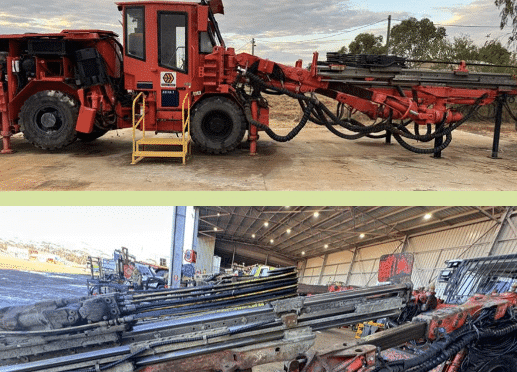
Reliability underground is decided long before failure happens

In 60 seconds

Top move

Field execution quality (surface prep, applicator skill, inspection discipline) often determines long‑term pipeline coating performance; treat applicator performance and inspection SLAs as procurement levers rather than relying only on product specs

Key takeaways

  • Field execution quality (surface prep, applicator skill, inspection discipline) often determines long‑term pipeline coating performance; treat applicator performance and inspection SLAs as procurement levers rather than relying only on product specs.[4]
  • Engineering-led component upgrades can materially reduce repeat interventions and consumable spend — operational design changes cut intervention frequency and lower recurring O&M effort on underground fleets.[3]
  • New-build installation vessel activity and JV charter options can alter mid-term access to heavy-lift and installation capacity; this creates a potential sourcing route for large APAC installation windows if the JV offers third-party charters.[2]
  • Longer-term LNG supply deals into Asia are directional for demand and utilisation patterns at gas‑fired and LNG‑linked assets in the region; treat this as context for future O&M demand shifts rather than an immediate procurement shock.[1]
  • Practical procurement outcome: prioritise contract clauses and inspection requirements that lock in execution quality, run targeted pilots for design-driven reliability fixes, and recheck charter options for heavy installation work.[4]

What changed since last run

  • Added concrete evidence of execution-driven coating risk and inspection as a procurement control (Article 1).
  • Added an APAC-relevant reliability case showing engineered part upgrades reduced interventions and consumable spend (Article 3).
  • Added a capacity-supply signal from an installation-vessel JV LOI that may expand charter options (Article 8); no new APAC rig consolidation announcements this run.

Key facts

  • Focus on surface preparation and application quality
  • Inspection discipline called out as critical to coating integrity
  • Applicator performance influences long-term O&M outcomes
  • 12-month operational results showing reduced intervention frequency
  • Engineered rope-end and material upgrades cut part consumption
  • Outcome validated through site engagement and operational feedback

Why it matters

Field execution quality (surface prep, applicator skill, inspection discipline) often determines long‑term pipeline coating performance; treat applicator performance and inspection SLAs as procurement levers rather than relying only on product specs. Engineering-led component upgrades can materially reduce repeat interventions and consumable spend — operational design changes cut intervention frequency and lower recurring O&M effort on underground fleets. New-build installation vessel activity and JV charter options can alter mid-term access to heavy-lift and installation capacity; this creates a potential sourcing route for large APAC installation windows if the JV offers third-party charters. Longer-term LNG supply deals into Asia are directional for demand and utilisation patterns at gas‑fired and LNG‑linked assets in the region; treat this as context for future O&M demand shifts rather than an immediate procurement shock

Cost / money

  • Design upgrades that reduce repeat interventions lower recurring consumable and maintenance execution costs by cutting intervention frequency and crew mobilisations.[3]
  • Poor field coating execution creates rework exposures and mobilisation/pass‑through costs when contractors must redo applied systems; inspection SLAs can shift that cost back to suppliers.[4]

Supplier / commercial

  • The JV LOI for a next‑generation installation vessel enlarges potential supplier capacity and could change competitive dynamics for heavy‑lift scopes if the vessel is offered for third‑party charter.[2]
  • Long-dated LNG supply into Asia can push suppliers toward longer service contracts and bundled O&M offerings as utilisation stabilises, tightening negotiation windows for spot or short-term maintenance work.[1]

Safety / operations

  • Execution lapses in coating applications increase corrosion and failure risk that propagate into safety incidents and unplanned isolation work; stronger field inspection reduces that operational safety exposure.[4][3]
  • Lower intervention frequency from engineered upgrades reduces repeated entry/repair cycles, cutting crew exposure to fatigue and confined-space or rope-access incidents.[3]

What to watch

  • LOI for the installation vessel is a directional signal — watch for LOI-to-contract conversion, delivery timing, and charter policies before relying on it for APAC scheduling.[2]
  • LNG supply agreements into Asia are multi‑year and influence O&M demand only as plants adjust utilisation; don’t assume near‑term changes to APAC O&M volumes without more specific delivery details.[1]

Top stories

Story 1The Australian PipelinerJun 2, 2026

Choosing the right coating system is only half the job

Signal moderateSource-grounded

What happened

An industry coating specialist warns that choosing the right coating product is only half the work and that surface preparation, applicator skill, and inspection discipline drive long-term performance. The article highlights on-site practice issues — cleanliness, profiling, and consistent application — as the common failure points. Procurement should watch applicator qualifications, inspection regimes, and how contractors handle remediation obligations

Buyer takeaway

Treat applicator qualification, surface‑prep sign‑offs, and inspection SLAs as mandatory procurement controls because product spec alone does not guarantee field performance

Cost / money

Execution failures create rework and mobilisation pass‑throughs that raise lifecycle O&M costs because contractors may need additional mobilisations and remedial scopes

Supplier / commercial

Require applicator certification and shorter quote validity tied to mobilisation windows; use remediation pass‑through clauses to protect the buyer because suppliers who accept execution risk will price differently

Safety / operations

Poor coating can accelerate corrosion-related failures and unplanned isolations, increasing safety risk during repairs because crews must work on degraded assets

What to watch

Limited geographic evidence is provided; monitor whether large contractors start offering execution guarantees or refuse to accept remediation clauses

Key facts

  • Focus on surface preparation and application quality
  • Inspection discipline called out as critical to coating integrity
  • Applicator performance influences long-term O&M outcomes

Source excerpts

Selecting the right coating system is a critical part of any pipeline project, but it does not guarantee long-term performance on its own. Durable protection depends just as much on surface preparation, application quality, inspection discipline, and consistent execution across every stage of delivery
A technically suitable coating can still underperform if execution is poor
For contractors, it means understanding that coating performance is maintained in the field, not just in technical data sheets or product approvals. For both parties, the objective should be the same: not just coating application, but reliable long-term performance in service
Story 2Australian MiningJun 2, 2026

Reliability underground is decided long before failure happens

Signal strongSource-grounded

What happened

An Australian underground operator achieved significant reductions in feed-rope consumption and maintenance interventions by redesigning rope-end configurations and upgrading material specs. The 12‑month program delivered lower intervention frequency and reduced related spend, showing the outcome is operationally real and repeatable. Watch for supplier willingness to own design changes and for opportunities to pilot similar upgrades in other repeat‑failure components

Buyer takeaway

Prioritise supplier engagement on design upgrades for repeat‑failure parts because this can reduce headcount travel and recurring intervention demand

Cost / money

Upfront investment in engineered parts shifts spend from recurring interventions to predictable procurement and can lower total O&M execution cost because interventions and remobilisations fall

Supplier / commercial

Use pilot agreements or incentive-based sourcing to have suppliers absorb design and initial production risk because suppliers that co-invest will be more likely to commit to longer-term supply terms

Safety / operations

Fewer repeat interventions lower crew exposure and operational disruption, improving safety metrics because teams make fewer high-risk entries

What to watch

Strong single-site evidence; validate applicability across different equipment makes and site conditions before broad rollout

Key facts

  • 12-month operational results showing reduced intervention frequency
  • Engineered rope-end and material upgrades cut part consumption
  • Outcome validated through site engagement and operational feedback

Source excerpts

The operational impact extended well beyond consumable cost. Frequent replacements increased maintenance intervention, created additional manual handling exposure in confined environments, and added ongoing disruption to maintenance schedules underground
It was intervention reduction. Reducing replacement frequency meant fewer maintenance interruptions, lower manual handling exposure, and improved operational continuity across the fleet
The operational impact extended well beyond consumable cost
Story 3Offshore EnergyJun 2, 2026

SBM Offshore, Solstad enrich fleet pool with new multi‑purpose installation vessel

Signal moderateDirectional

What happened

SBM Offshore and Solstad formed a JV and signed an LOI with a shipyard to order a next‑generation multi‑purpose installation vessel that the JV may charter to third parties. The ship is targeted for delivery in the first half of 2029 and is pitched to support FPSO and deepwater installation work, offering potential incremental charter capacity. Procurement should monitor LOI conversion, charter policies, and mobilisation lead times before relying on this capacity for APAC schedules

Buyer takeaway

Treat the LOI as a potential supply-side expansion and engage the JV early to understand charter availability and commercial terms because LOI-to-contract decisions will shape future tender competitiveness

Cost / money

If the vessel is chartered to third parties, it could lower mobilisation premium and reduce reliance on scarce heavy-install assets because additional supply increases competition

Supplier / commercial

Watch for new charter structures and allocation rules; include optionality in tender terms to capture potential cost benefits if the JV offers capacity

Safety / operations

New-build vessels designed for installation may reduce execution risk and schedule variability, improving predictability in complex offshore installs because fit-for-purpose equipment lowers contingency work

What to watch

LOI is an early-stage commercial signal; conversion, financing, and delivery timing could change and affect APAC availability

Key facts

  • JV LOI with selected shipyard to order new-build installation vessel
  • Targeted delivery in first half of 2029
  • Vessel intended to support floating production and installation projects and be available for

Source excerpts

When not required for SBM Offshore’s installation projects, the joint venture may charter the vessel to third parties
Illustration; Source: Solstad Offshore SBM Offshore and Solstad Offshore have formed a joint venture (JV), which has entered into a letter of intent (LOI) with a selected shipyard to order a new-build next-generation multi-purpose deepwater installation and construction vessel. This ship, targeted for delivery in the first half of 2029, will support the installation of ocean infrastructure, including floating production, storage, and offloading (FPSO) units, reflecting the Dutch player’s ambition that ocean in
Illustration; Source: Solstad Offshore SBM Offshore and Solstad Offshore have formed a joint venture (JV), which has entered into a letter of intent (LOI) with a selected shipyard to order a new-build next-generation multi-purpose deepwater installation and construction vessel
Story 4Offshore EnergyJun 2, 2026

Ineos and Marubeni’s deal bringing more LNG to Asia

Signal moderateDirectional

What happened

Ineos Energy and Marubeni agreed an LNG supply deal to deliver into Asia, expanding Ineos’ portfolio into the Pacific Basin. The arrangement is positioned to provide longer-term, DES (delivered ex-ship) supply into Asian markets starting in the medium term, which can stabilise regional gas availability. Procurement should treat this as a directional shift in supply options and reassess how longer-term fuel supply agreements could change O&M demand windows

Buyer takeaway

Monitor how new supply contracts change plant utilisation and O&M demand because steady supply can make long-term service agreements and bundled spare-part solutions more attractive

Cost / money

Stabilised gas supply can reduce volatility in fuel-related maintenance windows but may increase appetite for bundled, longer-term O&M offers from suppliers because utilisation becomes more predictable

Supplier / commercial

Expect suppliers to propose longer-term, integrated service packages as supply solidity improves; use competitive tendering to preserve pricing leverage

Safety / operations

Higher and steadier utilisation can change maintenance timing, so align safety-critical outages with revised utilisation forecasts because misalignment raises risk of deferred maintenance

What to watch

Deal timing and volumes are multi-year and may not materially change near-term APAC O&M demand; treat as planning context

Key facts

  • Ineos signed LNG supply into Asia with Marubeni
  • Supply is on a delivered‑ex‑ship (DES) basis and expands Pacific Basin reach
  • Interpreted as a strategic step in Ineos’ LNG portfolio expansion

Source excerpts

Home Fossil Energy Ineos and Marubeni’s deal bringing more LNG to Asia June 2, 2026, by London-based Ineos Energy has shaken hands with Marubeni Corporation, a Japanese integrated trading and investment business conglomerate, on a liquefied natural gas (LNG) supply deal, which enriches the Asian LNG arsenal. Illustration; Source: Ineos Energy Ineos Energy has signed an LNG supply agreement with Marubeni Corporation for delivery into Asia from 2029, said to mark the company’s first LNG deliveries to the Pacific
” The London-based firm, which will supply LNG on a delivered ex-ship (DES) basis, claims this deal provides reliable and flexible access to LNG for key Asian markets, supporting continued access to secure flexible LNG supply in the region. The agreement is interpreted to represent an important milestone in Ineos’ LNG growth strategy, extending its portfolio beyond the Atlantic Basin into one of the world’s most dynamic LNG demand regions
” The London-based firm, which will supply LNG on a delivered ex-ship (DES) basis, claims this deal provides reliable and flexible access to LNG for key Asian markets, supporting continued access to secure flexible LNG supply in the region

VP Snapshot

Executive Risk & Action View

Field execution quality (surface prep, applicator skill, inspection discipline) often determines long‑term pipeline coating performance; treat applicator performance and inspection SLAs as procurement levers rather than relying only on product specs.

Overall
50
Cost
61
Supply
97
Schedule
38
Compliance
15

Top signals

30-180dcost

Signal 1: Cost / money

Design upgrades that reduce repeat interventions lower recurring consumable and maintenance execution costs by cutting intervention frequency and crew mobilisations.

Signal 2: Cost / money

Poor field coating execution creates rework exposures and mobilisation/pass‑through costs when contractors must redo applied systems; inspection SLAs can shift that cost back to suppliers.

30-180dsupply

Signal 3: Supplier / commercial

The JV LOI for a next‑generation installation vessel enlarges potential supplier capacity and could change competitive dynamics for heavy‑lift scopes if the vessel is offered for third‑party charter.

Signal 6: Safety / operations

Lower intervention frequency from engineered upgrades reduces repeated entry/repair cycles, cutting crew exposure to fatigue and confined-space or rope-access incidents.

180d+supply

Signal 4: Supplier / commercial

Long-dated LNG supply into Asia can push suppliers toward longer service contracts and bundled O&M offerings as utilisation stabilises, tightening negotiation windows for spot or short-term maintenance work.

30-180dsupplier

Signal 5: Safety / operations

Execution lapses in coating applications increase corrosion and failure risk that propagate into safety incidents and unplanned isolation work; stronger field inspection reduces that operational safety exposure.

Recommended actions

CategoryDue 3d

Map current and upcoming APAC pipeline and asset work with coating/application scopes and flag contracts that lack field-inspection SLAs or applicator qualifications.

Shortlist of at-risk contracts and recommended clause additions for execution and inspection coverage.

OpsDue 3d

Ask Ops to review consumable reorder points and standing stock for items equivalent to feed ropes and common repeat-failure parts, and pause automatic replenishment where design...

Revised reorder rules and a list of consumables to move to demand-validation before reorder.

ContractsDue 21d

Direct Contracts to prepare an execution‑quality clause pack for pipeline and surface‑critical scopes covering applicator qualifications, surface‑prep sign‑off, acceptance testi...

Clause pack ready for inclusion in tenders and renewals to reduce rework risk.

CategoryDue 21d

Engage the JV and heavy-install suppliers to assess near-term charterability and indicative availability for APAC installation windows; collect charter terms and mobilisation le...

Updated supplier capacity matrix with charter options and lead-time estimates for large installation scopes.

CategoryDue 60d

Run a pilot with a preferred supplier to test an engineered component upgrade (example: feed‑rope equivalent) that transfers design and production responsibility to the supplier...

Pilot validation of lower intervention frequency and a sourcing recommendation for rollout or scope change.

ContractsDue 60d

Ask Contracts to review O&M and spare‑parts terms for gas-fired or LNG-linked assets with an eye to utilisation-driven maintenance windows and potential pass‑throughs tied to ch...

Recommended contract amendments or sourcing strategies aligned to projected utilisation and spare‑parts needs.

Risk register

RiskTriggerMitigation
LOI for the installation vessel is a directional signal — watch for LOI-to-contract conversion, delivery timing, and charter policies before relying on it for APAC scheduling.LOI for the installation vessel is a directional signal — watch for LOI-to-contract conversion, delivery timing, and charter policies before relying on it for APAC scheduling.Confirm exposure with category, contracts, and operations before the next supplier commitment.
LNG supply agreements into Asia are multi‑year and influence O&M demand only as plants adjust utilisation; don’t assume near‑term changes to APAC O&M volumes without more specific delivery details.LNG supply agreements into Asia are multi‑year and influence O&M demand only as plants adjust utilisation; don’t assume near‑term changes to APAC O&M volumes without more specific delivery details.Confirm exposure with category, contracts, and operations before the next supplier commitment.

CM Snapshot

Category Manager Decision Detail

Today's priorities

Map current and upcoming APAC pipeline and asset work with coating/application scopes and flag contracts that lack field-inspection SLAs or applicator qualifications.

Do this because the coating article shows field preparation and applicator performance, not just product choice, determine long-term O&M outcomes; identifying contracts without...

Due 3d

high

CM move

Use this as the immediate supplier or contract action to move before the next sourcing gate.

Ask Ops to review consumable reorder points and standing stock for items equivalent to feed ropes and common repeat-failure parts, and pause automatic replenishment where design...

Do this because the mining case demonstrates engineered upgrades can sharply reduce consumable consumption and because immediate stock mismatches create unnecessary holding cost...

Due 3d

high

CM move

Use this as the immediate supplier or contract action to move before the next sourcing gate.

Direct Contracts to prepare an execution‑quality clause pack for pipeline and surface‑critical scopes covering applicator qualifications, surface‑prep sign‑off, acceptance testi...

Do this because the coating article links failures to field execution gaps and because contractual requirements are the practical mechanism to shift remediation and inspection o...

Due 21d

high

CM move

Use this as the immediate supplier or contract action to move before the next sourcing gate.

Engage the JV and heavy-install suppliers to assess near-term charterability and indicative availability for APAC installation windows; collect charter terms and mobilisation le...

Do this because the installation-vessel LOI could expand third‑party charter options and because early market checks clarify whether that option materially improves scheduling o...

Due 21d

high

CM move

Use this as the immediate supplier or contract action to move before the next sourcing gate.

Supplier radar

Offshore Energy

high

Observed supplier signal

The JV LOI for a next‑generation installation vessel enlarges potential supplier capacity and could change competitive dynamics for heavy‑lift scopes if the vessel is offered for third‑party charter.

Commercial implication

The JV LOI for a next‑generation installation vessel enlarges potential supplier capacity and could change competitive dynamics for heavy‑lift scopes if the vessel is offered for third‑party charter.

Next step: Validate the source-backed signal with incumbents and alternates before the next award or pricing decision.

Offshore Energy

high

Observed supplier signal

Long-dated LNG supply into Asia can push suppliers toward longer service contracts and bundled O&M offerings as utilisation stabilises, tightening negotiation windows for spot or short-term maintenance work.

Commercial implication

Long-dated LNG supply into Asia can push suppliers toward longer service contracts and bundled O&M offerings as utilisation stabilises, tightening negotiation windows for spot or short-term maintenance work.

Next step: Validate the source-backed signal with incumbents and alternates before the next award or pricing decision.

Negotiation levers

Map current and upcoming APAC pipeline and asset work with coating/application scopes and flag contracts that lack field-inspection SLAs or applicator qualifications.

When to use: Do this because the coating article shows field preparation and applicator performance, not just product choice, determine long-term O&M outcomes; identifying contracts without...

Expected outcome: Shortlist of at-risk contracts and recommended clause additions for execution and inspection coverage.

Commercial mechanism to carry into the next supplier conversation

Ask Ops to review consumable reorder points and standing stock for items equivalent to feed ropes and common repeat-failure parts, and pause automatic replenishment where design...

When to use: Do this because the mining case demonstrates engineered upgrades can sharply reduce consumable consumption and because immediate stock mismatches create unnecessary holding cost...

Expected outcome: Revised reorder rules and a list of consumables to move to demand-validation before reorder.

Commercial mechanism to carry into the next supplier conversation

Direct Contracts to prepare an execution‑quality clause pack for pipeline and surface‑critical scopes covering applicator qualifications, surface‑prep sign‑off, acceptance testi...

When to use: Do this because the coating article links failures to field execution gaps and because contractual requirements are the practical mechanism to shift remediation and inspection o...

Expected outcome: Clause pack ready for inclusion in tenders and renewals to reduce rework risk.

Commercial mechanism to carry into the next supplier conversation

Engage the JV and heavy-install suppliers to assess near-term charterability and indicative availability for APAC installation windows; collect charter terms and mobilisation le...

When to use: Do this because the installation-vessel LOI could expand third‑party charter options and because early market checks clarify whether that option materially improves scheduling o...

Expected outcome: Updated supplier capacity matrix with charter options and lead-time estimates for large installation scopes.

Commercial mechanism to carry into the next supplier conversation

Talking points

Field execution quality (surface prep, applicator skill, inspection discipline) often determines long‑term pipeline coating performance; treat applicator performance and inspection SLAs as procurement levers rather than relying only on product specs.
Engineering-led component upgrades can materially reduce repeat interventions and consumable spend — operational design changes cut intervention frequency and lower recurring O&M effort on underground fleets.
New-build installation vessel activity and JV charter options can alter mid-term access to heavy-lift and installation capacity; this creates a potential sourcing route for large APAC installation windows if the JV offers third-party charters.
Longer-term LNG supply deals into Asia are directional for demand and utilisation patterns at gas‑fired and LNG‑linked assets in the region; treat this as context for future O&M demand shifts rather than an immediate procurement shock.

Supplier radar

SupplierSignalImplicationNext stepConfidence
Offshore EnergyThe JV LOI for a next‑generation installation vessel enlarges potential supplier capacity and could change competitive dynamics for heavy‑lift scopes if the vessel is offered for third‑party charter.The JV LOI for a next‑generation installation vessel enlarges potential supplier capacity and could change competitive dynamics for heavy‑lift scopes if the vessel is offered for third‑party charter.Validate the source-backed signal with incumbents and alternates before the next award or pricing decision.high
Offshore EnergyLong-dated LNG supply into Asia can push suppliers toward longer service contracts and bundled O&M offerings as utilisation stabilises, tightening negotiation windows for spot or short-term maintenance work.Long-dated LNG supply into Asia can push suppliers toward longer service contracts and bundled O&M offerings as utilisation stabilises, tightening negotiation windows for spot or short-term maintenance work.Validate the source-backed signal with incumbents and alternates before the next award or pricing decision.high

Negotiation levers

  • Map current and upcoming APAC pipeline and asset work with coating/application scopes and flag contracts that lack field-inspection SLAs or applicator qualifications.Do this because the coating article shows field preparation and applicator performance, not just product choice, determine long-term O&M outcomes; identifying contracts without...Shortlist of at-risk contracts and recommended clause additions for execution and inspection coverage.

    high confidence

  • Ask Ops to review consumable reorder points and standing stock for items equivalent to feed ropes and common repeat-failure parts, and pause automatic replenishment where design...Do this because the mining case demonstrates engineered upgrades can sharply reduce consumable consumption and because immediate stock mismatches create unnecessary holding cost...Revised reorder rules and a list of consumables to move to demand-validation before reorder.

    high confidence

  • Direct Contracts to prepare an execution‑quality clause pack for pipeline and surface‑critical scopes covering applicator qualifications, surface‑prep sign‑off, acceptance testi...Do this because the coating article links failures to field execution gaps and because contractual requirements are the practical mechanism to shift remediation and inspection o...Clause pack ready for inclusion in tenders and renewals to reduce rework risk.

    high confidence

  • Engage the JV and heavy-install suppliers to assess near-term charterability and indicative availability for APAC installation windows; collect charter terms and mobilisation le...Do this because the installation-vessel LOI could expand third‑party charter options and because early market checks clarify whether that option materially improves scheduling o...Updated supplier capacity matrix with charter options and lead-time estimates for large installation scopes.

    high confidence

What to do / What to watch

What to do now

  • Map current and upcoming APAC pipeline and asset work with coating/application scopes and flag contracts that lack field-inspection SLAs or applicator qualifications.

    Why: Do this because the coating article shows field preparation and applicator performance, not just product choice, determine long-term O&M outcomes; identifying contracts without...

    Owner: Category

    Expected outcome: Shortlist of at-risk contracts and recommended clause additions for execution and inspection coverage.

    [4]
  • Ask Ops to review consumable reorder points and standing stock for items equivalent to feed ropes and common repeat-failure parts, and pause automatic replenishment where design...

    Why: Do this because the mining case demonstrates engineered upgrades can sharply reduce consumable consumption and because immediate stock mismatches create unnecessary holding cost...

    Owner: Ops

    Expected outcome: Revised reorder rules and a list of consumables to move to demand-validation before reorder.

    [3]

Next few weeks

  • Direct Contracts to prepare an execution‑quality clause pack for pipeline and surface‑critical scopes covering applicator qualifications, surface‑prep sign‑off, acceptance testi...

    Why: Do this because the coating article links failures to field execution gaps and because contractual requirements are the practical mechanism to shift remediation and inspection o...

    Owner: Contracts

    Expected outcome: Clause pack ready for inclusion in tenders and renewals to reduce rework risk.

    [4]
  • Engage the JV and heavy-install suppliers to assess near-term charterability and indicative availability for APAC installation windows; collect charter terms and mobilisation le...

    Why: Do this because the installation-vessel LOI could expand third‑party charter options and because early market checks clarify whether that option materially improves scheduling o...

    Owner: Category

    Expected outcome: Updated supplier capacity matrix with charter options and lead-time estimates for large installation scopes.

    [2]

Longer view

  • Run a pilot with a preferred supplier to test an engineered component upgrade (example: feed‑rope equivalent) that transfers design and production responsibility to the supplier...

    Why: Do this because the mining program delivered measurable reductions when engineering and supplier engagement were combined and because a pilot proves savings and supplier executi...

    Owner: Category

    Expected outcome: Pilot validation of lower intervention frequency and a sourcing recommendation for rollout or scope change.

    [3]
  • Ask Contracts to review O&M and spare‑parts terms for gas-fired or LNG-linked assets with an eye to utilisation-driven maintenance windows and potential pass‑throughs tied to ch...

    Why: Do this because the LNG supply agreement into Asia could change utilisation patterns and because contract terms govern cost pass‑throughs and spare-part provisioning under new o...

    Owner: Contracts

    Expected outcome: Recommended contract amendments or sourcing strategies aligned to projected utilisation and spare‑parts needs.

    [1]

What to watch

  • LOI for the installation vessel is a directional signal — watch for LOI-to-contract conversion, delivery timing, and charter policies before relying on it for APAC scheduling
  • LNG supply agreements into Asia are multi‑year and influence O&M demand only as plants adjust utilisation; don’t assume near‑term changes to APAC O&M volumes without more specific delivery details
  • LOI for the installation vessel is a directional signal — watch for LOI-to-contract conversion, delivery timing, and charter policies before relying on it for APAC scheduling.: LOI for the installation vessel is a directional signal — watch for LOI-to-contract conversion, delivery timing, and charter policies before relying on it for APAC scheduling
  • LNG supply agreements into Asia are multi‑year and influence O&M demand only as plants adjust utilisation; don’t assume near‑term changes to APAC O&M volumes without more specific delivery details.: LNG supply agreements into Asia are multi‑year and influence O&M demand only as plants adjust utilisation; don’t assume near‑term changes to APAC O&M volumes without more specific delivery details
  • Field execution quality (surface prep, applicator skill, inspection discipline) often determines long‑term pipeline coating performance; treat applicator performance and inspection SLAs as procurement levers rather than relying only on product specs
  • Engineering-led component upgrades can materially reduce repeat interventions and consumable spend — operational design changes cut intervention frequency and lower recurring O&M effort on underground fleets
  • New-build installation vessel activity and JV charter options can alter mid-term access to heavy-lift and installation capacity; this creates a potential sourcing route for large APAC installation windows if the JV offers third-party charters
  • Longer-term LNG supply deals into Asia are directional for demand and utilisation patterns at gas‑fired and LNG‑linked assets in the region; treat this as context for future O&M demand shifts rather than an immediate procurement shock

Market pulse

IndexLatestChangeAs of
WTI Crude (WTI)71.23 /bbl+0.00 (+0.00%)Jun 2, 2026, 10:06 PM
Brent Crude (BRENT)74.89 /bbl+0.00 (+0.00%)Jun 2, 2026, 10:06 PM
Natural Gas (NG)3.12 /MMBtu+0.00 (+0.00%)Jun 2, 2026, 10:06 PM
Johnson Controls (JCI)65 +0.00 (+0.00%)Jun 2, 2026, 10:06 PM
  • WTI Crude: Crude price swings affect offshore drilling and FPSO activity and therefore O&M demand and mobilisation windows in APAC
  • Natural Gas: Natural gas market directionality informs gas-fired plant utilisation and spare‑parts demand tied to LNG supply changes into Asia

Sources

Inline citations jump here. Expand a source to read the excerpt, the AI interpretation, and the original link.

[1] Ineos and Marubeni’s deal bringing more LNG to Asia

offshore-energy.biz · Jun 2, 2026

Expand

AI reading

Ineos Energy and Marubeni agreed an LNG supply deal to deliver into Asia, expanding Ineos’ portfolio into the Pacific Basin. The arrangement is positioned to provide longer-term, DES (delivered ex-ship) supply into Asian markets starting in the medium term, which can stabilise regional gas availability. Procurement should treat this as a directional shift in supply options and reassess how longer-term fuel supply agreements could change O&M demand windows

Buyer takeaway

Monitor how new supply contracts change plant utilisation and O&M demand because steady supply can make long-term service agreements and bundled spare-part solutions more attractive

Cost / money

Stabilised gas supply can reduce volatility in fuel-related maintenance windows but may increase appetite for bundled, longer-term O&M offers from suppliers because utilisation becomes more predictable

Supplier / commercial

Expect suppliers to propose longer-term, integrated service packages as supply solidity improves; use competitive tendering to preserve pricing leverage

Safety / operations

Higher and steadier utilisation can change maintenance timing, so align safety-critical outages with revised utilisation forecasts because misalignment raises risk of deferred maintenance

What to watch

Deal timing and volumes are multi-year and may not materially change near-term APAC O&M demand; treat as planning context

Key facts

  • Ineos signed LNG supply into Asia with Marubeni
  • Supply is on a delivered‑ex‑ship (DES) basis and expands Pacific Basin reach
  • Interpreted as a strategic step in Ineos’ LNG portfolio expansion

Source excerpts

Home Fossil Energy Ineos and Marubeni’s deal bringing more LNG to Asia June 2, 2026, by London-based Ineos Energy has shaken hands with Marubeni Corporation, a Japanese integrated trading and investment business conglomerate, on a liquefied natural gas (LNG) supply deal, which enriches the Asian LNG arsenal. Illustration; Source: Ineos Energy Ineos Energy has signed an LNG supply agreement with Marubeni Corporation for delivery into Asia from 2029, said to mark the company’s first LNG deliveries to the Pacific
” The London-based firm, which will supply LNG on a delivered ex-ship (DES) basis, claims this deal provides reliable and flexible access to LNG for key Asian markets, supporting continued access to secure flexible LNG supply in the region. The agreement is interpreted to represent an important milestone in Ineos’ LNG growth strategy, extending its portfolio beyond the Atlantic Basin into one of the world’s most dynamic LNG demand regions
” The London-based firm, which will supply LNG on a delivered ex-ship (DES) basis, claims this deal provides reliable and flexible access to LNG for key Asian markets, supporting continued access to secure flexible LNG supply in the region

Used in this brief

  • What to watch: LNG supply agreements into Asia are multi‑year and influence O&M demand only as plants adjust utilisation; don’t assume near‑term changes to APAC O&M volumes without more specific delivery details
  • Next quarter — Ask Contracts to review O&M and spare‑parts terms for gas-fired or LNG-linked assets with an eye to utilisation-driven maintenance windows and potential pass‑throughs tied to ch.... Rationale: Do this because the LNG supply agreement into Asia could change utilisation patterns and because contract terms govern cost pass‑throughs and spare-part provisioning under new o.... Owner: Contracts. KPI: Recommended contract amendments or sourcing strategies aligned to projected utilisation and spare‑parts needs
  • LNG supply agreements into Asia are multi‑year and influence O&M demand only as plants adjust utilisation; don’t assume near‑term changes to APAC O&M volumes without more specific delivery details
Open original source

[2] SBM Offshore, Solstad enrich fleet pool with new multi‑purpose installation vessel

offshore-energy.biz · Jun 2, 2026

Expand

AI reading

SBM Offshore and Solstad formed a JV and signed an LOI with a shipyard to order a next‑generation multi‑purpose installation vessel that the JV may charter to third parties. The ship is targeted for delivery in the first half of 2029 and is pitched to support FPSO and deepwater installation work, offering potential incremental charter capacity. Procurement should monitor LOI conversion, charter policies, and mobilisation lead times before relying on this capacity for APAC schedules

Buyer takeaway

Treat the LOI as a potential supply-side expansion and engage the JV early to understand charter availability and commercial terms because LOI-to-contract decisions will shape future tender competitiveness

Cost / money

If the vessel is chartered to third parties, it could lower mobilisation premium and reduce reliance on scarce heavy-install assets because additional supply increases competition

Supplier / commercial

Watch for new charter structures and allocation rules; include optionality in tender terms to capture potential cost benefits if the JV offers capacity

Safety / operations

New-build vessels designed for installation may reduce execution risk and schedule variability, improving predictability in complex offshore installs because fit-for-purpose equipment lowers contingency work

What to watch

LOI is an early-stage commercial signal; conversion, financing, and delivery timing could change and affect APAC availability

Key facts

  • JV LOI with selected shipyard to order new-build installation vessel
  • Targeted delivery in first half of 2029
  • Vessel intended to support floating production and installation projects and be available for

Source excerpts

When not required for SBM Offshore’s installation projects, the joint venture may charter the vessel to third parties
Illustration; Source: Solstad Offshore SBM Offshore and Solstad Offshore have formed a joint venture (JV), which has entered into a letter of intent (LOI) with a selected shipyard to order a new-build next-generation multi-purpose deepwater installation and construction vessel. This ship, targeted for delivery in the first half of 2029, will support the installation of ocean infrastructure, including floating production, storage, and offloading (FPSO) units, reflecting the Dutch player’s ambition that ocean in
Illustration; Source: Solstad Offshore SBM Offshore and Solstad Offshore have formed a joint venture (JV), which has entered into a letter of intent (LOI) with a selected shipyard to order a new-build next-generation multi-purpose deepwater installation and construction vessel

Used in this brief

  • Supplier / commercial: The JV LOI for a next‑generation installation vessel enlarges potential supplier capacity and could change competitive dynamics for heavy‑lift scopes if the vessel is offered for third‑party charter
  • Next 2-4 weeks — Engage the JV and heavy-install suppliers to assess near-term charterability and indicative availability for APAC installation windows; collect charter terms and mobilisation le.... Rationale: Do this because the installation-vessel LOI could expand third‑party charter options and because early market checks clarify whether that option materially improves scheduling o.... Owner: Category. KPI: Updated supplier capacity matrix with charter options and lead-time estimates for large installation scopes
  • LOI for the installation vessel is a directional signal — watch for LOI-to-contract conversion, delivery timing, and charter policies before relying on it for APAC scheduling
Open original source

[3] Reliability underground is decided long before failure happens

australianmining.com.au · Jun 2, 2026

Expand

AI reading

An Australian underground operator achieved significant reductions in feed-rope consumption and maintenance interventions by redesigning rope-end configurations and upgrading material specs. The 12‑month program delivered lower intervention frequency and reduced related spend, showing the outcome is operationally real and repeatable. Watch for supplier willingness to own design changes and for opportunities to pilot similar upgrades in other repeat‑failure components

Buyer takeaway

Prioritise supplier engagement on design upgrades for repeat‑failure parts because this can reduce headcount travel and recurring intervention demand

Cost / money

Upfront investment in engineered parts shifts spend from recurring interventions to predictable procurement and can lower total O&M execution cost because interventions and remobilisations fall

Supplier / commercial

Use pilot agreements or incentive-based sourcing to have suppliers absorb design and initial production risk because suppliers that co-invest will be more likely to commit to longer-term supply terms

Safety / operations

Fewer repeat interventions lower crew exposure and operational disruption, improving safety metrics because teams make fewer high-risk entries

What to watch

Strong single-site evidence; validate applicability across different equipment makes and site conditions before broad rollout

Key facts

  • 12-month operational results showing reduced intervention frequency
  • Engineered rope-end and material upgrades cut part consumption
  • Outcome validated through site engagement and operational feedback

Source excerpts

The operational impact extended well beyond consumable cost. Frequent replacements increased maintenance intervention, created additional manual handling exposure in confined environments, and added ongoing disruption to maintenance schedules underground
It was intervention reduction. Reducing replacement frequency meant fewer maintenance interruptions, lower manual handling exposure, and improved operational continuity across the fleet
The operational impact extended well beyond consumable cost

Used in this brief

  • Cost / money: Design upgrades that reduce repeat interventions lower recurring consumable and maintenance execution costs by cutting intervention frequency and crew mobilisations
  • Safety / operations: Lower intervention frequency from engineered upgrades reduces repeated entry/repair cycles, cutting crew exposure to fatigue and confined-space or rope-access incidents
  • Next 72 hours — Ask Ops to review consumable reorder points and standing stock for items equivalent to feed ropes and common repeat-failure parts, and pause automatic replenishment where design.... Rationale: Do this because the mining case demonstrates engineered upgrades can sharply reduce consumable consumption and because immediate stock mismatches create unnecessary holding cost.... Owner: Ops. KPI: Revised reorder rules and a list of consumables to move to demand-validation before reorder
Open original source

[4] Choosing the right coating system is only half the job

pipeliner.com.au · Jun 2, 2026

Expand

AI reading

An industry coating specialist warns that choosing the right coating product is only half the work and that surface preparation, applicator skill, and inspection discipline drive long-term performance. The article highlights on-site practice issues — cleanliness, profiling, and consistent application — as the common failure points. Procurement should watch applicator qualifications, inspection regimes, and how contractors handle remediation obligations

Buyer takeaway

Treat applicator qualification, surface‑prep sign‑offs, and inspection SLAs as mandatory procurement controls because product spec alone does not guarantee field performance

Cost / money

Execution failures create rework and mobilisation pass‑throughs that raise lifecycle O&M costs because contractors may need additional mobilisations and remedial scopes

Supplier / commercial

Require applicator certification and shorter quote validity tied to mobilisation windows; use remediation pass‑through clauses to protect the buyer because suppliers who accept execution risk will price differently

Safety / operations

Poor coating can accelerate corrosion-related failures and unplanned isolations, increasing safety risk during repairs because crews must work on degraded assets

What to watch

Limited geographic evidence is provided; monitor whether large contractors start offering execution guarantees or refuse to accept remediation clauses

Key facts

  • Focus on surface preparation and application quality
  • Inspection discipline called out as critical to coating integrity
  • Applicator performance influences long-term O&M outcomes

Source excerpts

Selecting the right coating system is a critical part of any pipeline project, but it does not guarantee long-term performance on its own. Durable protection depends just as much on surface preparation, application quality, inspection discipline, and consistent execution across every stage of delivery
A technically suitable coating can still underperform if execution is poor
For contractors, it means understanding that coating performance is maintained in the field, not just in technical data sheets or product approvals. For both parties, the objective should be the same: not just coating application, but reliable long-term performance in service

Used in this brief

  • Field execution quality (surface prep, applicator skill, inspection discipline) often determines long‑term pipeline coating performance; treat applicator performance and inspection SLAs as procurement levers rather than relying only on product specs. Engineering-led component upgrades can materially reduce repeat interventions and consumable spend — operational design changes cut intervention frequency and lower recurring O&M effort on underground fleets. New-build installation vessel activity and JV charter options can alter mid-term access to heavy-lift and installation capacity; this creates a potential sourcing route for large APAC installation windows if the JV offers third-party charters. Longer-term LNG supply deals into Asia are directional for demand and utilisation patterns at gas‑fired and LNG‑linked assets in the region; treat this as context for future O&M demand shifts rather than an immediate procurement shock
  • Cost / money: Poor field coating execution creates rework exposures and mobilisation/pass‑through costs when contractors must redo applied systems; inspection SLAs can shift that cost back to suppliers
  • Next 72 hours — Map current and upcoming APAC pipeline and asset work with coating/application scopes and flag contracts that lack field-inspection SLAs or applicator qualifications.. Rationale: Do this because the coating article shows field preparation and applicator performance, not just product choice, determine long-term O&M outcomes; identifying contracts without.... Owner: Category. KPI: Shortlist of at-risk contracts and recommended clause additions for execution and inspection coverage
Open original source

[5] WTI Crude

finance.yahoo.com · n.d.

Expand

[6] Natural Gas

finance.yahoo.com · n.d.

Expand