Oil & Gas / LNG Market Dashboard · Australia (Perth)

Reassess APAC LNG and Offshore Contractor Exposure Now

Published Jun 3, 2026, 6:04 AM AWSTAPACFull category signal
Ask AI
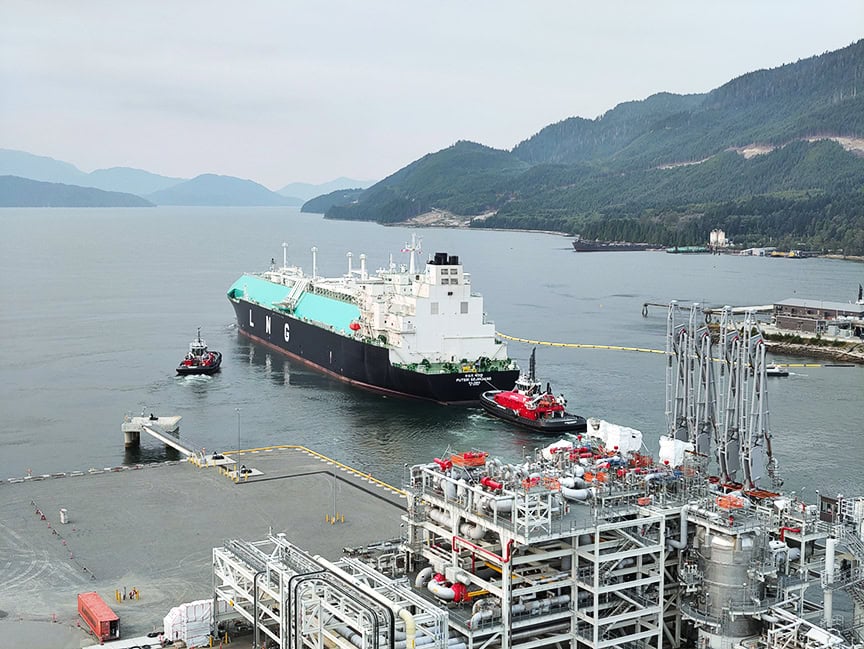
JGC, Fluor in the clear for early works to double output at Shell-run LNG Canada

In 60 seconds

Top move

A new Ineos–Marubeni LNG supply deal creates a credible long‑term delivery lane into Asia but the first deliveries are years away, so it diversifies future sourcing without easing near‑term tightness

Key takeaways

  • A new Ineos–Marubeni LNG supply deal creates a credible long‑term delivery lane into Asia but the first deliveries are years away, so it diversifies future sourcing without easing near‑term tightness.[2]
  • JGC‑Fluor received a limited notice to proceed for early works on LNG Canada Phase 2, which is already pulling engineering and fabrication planning into active execution and can absorb yard capacity and specialist crews.[3]
  • Dolphin Drilling’s firm multi‑year rig fixture meaningfully adds to owner backlog and removes optional rig windows from the market, increasing the chance of higher mobilisation premiums and shorter quote validity for buyers.[1]
  • BP’s start of non‑associated gas production in the Caspian is an operational milestone that yields reservoir data and supports future development decisions, but its direct effect on APAC supply is limited and indirect.[4]
  • U.S. pipeline additions remain concentrated in Texas and are oriented to feed U.S. LNG export capacity; this shifts global feedstock flows directionally but is a medium‑term factor for APAC buyers.[5]

What changed since last run

  • Added confirmed LNTP for LNG Canada Phase 2 (contractor early works) versus prior brief’s scenario-level concern about yard capacity.
  • Recorded a signed Ineos–Marubeni LNG supply agreement into Asia, creating a new long-term DES supply pathway not present in the previous brief.
  • Noted a specific firm rig fixture for Borgland Dolphin that increases visible owner backlog compared with prior run’s merger-focused availability risk.

Key facts

  • Contract starts after current release and runs through the next SPS period
  • Deal materially increases owner firm backlog
  • First NAG production well drilled from existing platform
  • Reservoir data will support appraisal and future development planning
  • Major pipeline capacity additions originate in Texas
  • Projects aimed at supplying feedgas to LNG export terminals

Why it matters

A new Ineos–Marubeni LNG supply deal creates a credible long‑term delivery lane into Asia but the first deliveries are years away, so it diversifies future sourcing without easing near‑term tightness. JGC‑Fluor received a limited notice to proceed for early works on LNG Canada Phase 2, which is already pulling engineering and fabrication planning into active execution and can absorb yard capacity and specialist crews. Dolphin Drilling’s firm multi‑year rig fixture meaningfully adds to owner backlog and removes optional rig windows from the market, increasing the chance of higher mobilisation premiums and shorter quote validity for buyers. BP’s start of non‑associated gas production in the Caspian is an operational milestone that yields reservoir data and supports future development decisions, but its direct effect on APAC supply is limited and indirect

Cost / money

  • Early works on a major LNG expansion reallocate fabrication and specialist labour, which can push up module, spares and mobilisation premiums for APAC projects competing for the same shops.[3]
  • A newly contracted rig backlog reduces optional rig supply and increases the probability buyers face shorter quote validity and higher standby or mobilisation fees when seeking ad‑hoc windows.[1]
  • Long‑lead LNG supply contracts (DES basis) shift negotiation focus to delivery terms, pass‑through mechanics and destination flexibility — failure to lock these can create downstream cost exposure for buyers.[2]

Supplier / commercial

  • Contractors receiving LNTPs or new long deals can prioritise firm customers and may shorten quote windows or impose exclusivity on long‑lead items, reducing buyer leverage during RFx.[3]
  • Rig owners with extended firm terms gain leverage to demand firmer mobilisation commitments and may prioritise higher‑margin regions, changing commercial availability for APAC charters.[1]
  • New long‑term LNG supply entrants (DES sellers) strengthen supplier logistics leverage around nominations and berth planning; buyers should expect tougher negotiation on scheduling clauses.[2]

Safety / operations

  • Compressed mobilisation and diverted fabrication capacity raise the risk that spares staging, HSE checks and pre‑mobilisation inspections get squeezed, increasing execution dependency on supplier readiness.[3][1]
  • BP’s start of non‑associated gas production generates reservoir and flow data that materially informs future development workscopes and operational planning for associated projects.[4]

What to watch

  • Watch contract scope and pass‑through language on long‑lead LNG and module procurements to avoid unexpected cost transfer when contractors reallocate yard capacity to firm early works.[3][2]
  • Monitor whether rig owners reassign newly contracted units regionally to chase higher margins — that would tighten APAC windows more than single‑fixture announcements imply.[1]
  • Track U.S. pipeline flows and commissioning schedules because increased takeaway to export terminals changes feedgas availability to global LNG markets and can shift cargo pricing dynamics.[5]

Top stories

Story 1Offshore EnergyJun 2, 2026

UK oil & gas operator hires Dolphin Drilling’s rig on multimillion-dollar gig

Signal strongSource-grounded

What happened

Dolphin Drilling announced a multi‑million dollar contract fixture for its Borgland Dolphin semi‑submersible that lengthens its firm backlog through a special period survey window. The contract starts after the rig’s current release and includes options that extend firm term, meaning this is a concrete removal of flexible rig supply from the market. Watch whether owners reallocate newly secured units regionally, which would further tighten APAC availability

Buyer takeaway

Treat this as a real tightening of supply: the fixture removes flexible availability that APAC buyers rely on for opportunistic mobilisations

Cost / money

Raises the likelihood of mobilisation premiums, shorter quote validity and higher standby fees for ad‑hoc charters

Supplier / commercial

Rig owners with longer backlog can prioritise customers with signed packages and may demand firmer commitments from bidders

Safety / operations

Longer firm contracts can improve crew continuity and planned maintenance predictability but reduce access to replacement windows for buyers

What to watch

Monitor whether the owner reallocates contracted assets to higher‑margin regions, which would change the local availability picture

Key facts

  • Contract starts after current release and runs through the next SPS period
  • Deal materially increases owner firm backlog

Source excerpts

Borgland Dolphin rig; Source: Dolphin Drilling Dolphin Drilling has revealed a contract fixture for its Borgland Dolphin semi-submersible rig with an unnamed player on the UK Continental Shelf (UKCS), which represents approximately $239 million in firm contract backlog, as outlined in the letter of intent (LOI). The contract is scheduled to start in the second half of 2027, following the rig’s release from its existing contract
Borgland Dolphin rig; Source: Dolphin Drilling Dolphin Drilling has revealed a contract fixture for its Borgland Dolphin semi-submersible rig with an unnamed player on the UK Continental Shelf (UKCS), which represents approximately $239 million in firm contract backlog, as outlined in the letter of intent (LOI)
Home Fossil Energy UK oil & gas operator hires Dolphin Drilling’s rig on multimillion-dollar gig June 2, 2026, by Dolphin Drilling, an Oslo-listed, Aberdeen-headquartered owner and operator of a fleet of harsh environment mid-water and deepwater semi-submersible drilling rigs, has picked up an assignment in the UK with an undisclosed oil and gas operator for one of its semi-submersible rigs
Story 2Offshore EnergyJun 2, 2026

BP flows first non-associated gas from its giant Caspian Sea field

Signal moderateSource-grounded

What happened

BP has started non‑associated gas (NAG) production from an ACG field well in the Caspian, marking the field’s first commercial gas output from NAG reservoirs. The initial well provides reservoir and flow data that will inform appraisal and bigger development decisions, and BP notes the resource potential is significant. Buyers should watch future development plans and export routing decisions that could influence regional gas supply balances

Buyer takeaway

Operational start is material for future development planning, but its supply impact to APAC is indirect and long lead

Cost / money

If full‑field development proceeds, it could create future gas volumes that alter long‑term contract dynamics; near term cost impact is limited

Supplier / commercial

Large future capex for field development would attract EPC and fabrication interest, which could compete for supplier resources globally

Safety / operations

Early production and appraisal require coordinated HSE and logistics planning as new production phases are integrated with existing operations

What to watch

Track appraisal results and any declared development timelines or export commitments that change future supply assumptions

Key facts

  • First NAG production well drilled from existing platform
  • Reservoir data will support appraisal and future development planning

Source excerpts

The initial NAG well, drilled from the existing West Chirag platform, is seen as a critical first step in unlocking the field’s significant non-associated gas resource potential. Aside from delivering early production, the well is believed to provide important reservoir and flow data, supporting appraisal of the resource base to inform future full-field gas development
Aside from delivering early production, the well is believed to provide important reservoir and flow data, supporting appraisal of the resource base to inform future full-field gas development
The addendum to the existing ACG production sharing agreement (PSA), enabling the exploration, appraisal, development of and production from the NAG reservoirs of the ACG field, was announced on September 20, 2024
Story 3EiaMay 26, 2026

Most planned natural gas pipeline capacity additions in 2026 and 2027 originate in Texas - U.S. Energy Information Administration (EIA)

Signal moderateSource-grounded

What happened

The U.S. EIA reports most planned pipeline capacity additions in 2026–2027 originate in Texas, increasing takeaway from the Permian and feeding U.S. LNG export terminals. These projects are expected to debottleneck regional hubs and change feedgas flows toward export markets. APAC buyers should monitor commissioning schedules since U.S. export capacity shifts can affect global cargo availability and pricing

Buyer takeaway

This is a medium‑term supply‑chain signal: more U.S. pipeline capacity helps feed export volumes but does not instantly loosen APAC spot market tightness

Cost / money

Greater feed to export terminals can increase global cargo availability and relieve some price pressure over time; timing matters

Supplier / commercial

Pipeline and terminal commissioning attract EPC and transport service demand, which can pull fabrication and shipping capacity regionally

Safety / operations

Large pipeline projects increase uptime dependency on timely commissioning and right‑of‑way logistics, which can affect feedstock scheduling

What to watch

Watch actual commissioning dates and phased capacity infeed because delays change when export volumes influence global market balances

Key facts

  • Major pipeline capacity additions originate in Texas
  • Projects aimed at supplying feedgas to LNG export terminals

Source excerpts

More than 66% (29
5 Bcf/d, which will deliver feedgas to NextDecade’s under construction Rio Grande LNG export terminal
4 Bcf/d) of total capacity additions. The projects in Texas will provide additional takeaway capacity out of the Permian Basin and debottleneck the Waha Hub, supplying natural gas to LNG export terminals, as well as residential, power, and industrial users
Story 4Offshore EnergyJun 2, 2026

JGC, Fluor in the clear for early works to double output at Shell-run LNG Canada

Signal strongSource-grounded

What happened

The JGC‑Fluor BC LNG II joint venture received a limited notice to proceed for early works on LNG Canada Phase 2, enabling early planning and activity ahead of a final investment decision. LNTPs typically trigger internal resource holds and procurement of long‑lead items, which can absorb fabrication shop capacity and specialist crews. Buyers should watch early works scope and long‑lead purchasing to understand near‑term capacity pressure

Buyer takeaway

Treat the LNTP as a real demand signal: suppliers will lock internal resources and make firm scheduling choices

Cost / money

Expect upward pressure on module and fabrication quotes where contractors have early works commitments, reflecting resource reallocation risk

Supplier / commercial

Contractors with LNTPs can prioritise firm work, shorten quote validity and seek pass‑through protections for long‑lead purchases

Safety / operations

Early works raise execution dependency on long‑lead items and logistics; misaligned staging can cascade into SIMOP risks during installation

What to watch

Monitor contractors’ long‑lead purchasing and whether they insert exclusivity or extended lead‑time clauses that reduce buyer flexibility

Key facts

  • Limited notice to proceed (LNTP) issued for Phase 2 early works
  • JV previously delivered Phase 1 processing units and infrastructure

Source excerpts

LNG Canada JGC Fluor BC LNG II joint venture has received a limited notice to proceed (LNTP) for the proposed Phase 2 expansion of the LNG Canada export facility in Kitimat
The same joint venture partners (JFJV) played a central role in delivering Phase 1 of the Shell-led project, providing engineering, procurement, fabrication management, construction and commissioning services. Pierre Bechelany, Fluor’s Business Group President of Energy Solutions, commented: “Our long‑standing partnership with LNG Canada is a point of pride for us, and we look forward to advancing the next phase of this world‑class project to help connect Canadian natural gas to global markets
“The LNTP enables us to initiate early planning and move forward with key activities to support a proposed Phase 2 final investment decision by LNG Canada. ” The joint venture delivered the project’s two processing units, known as trains, and supporting infrastructure last year, including storage tanks, rail yard, water treatment facility, flare stacks, and marine terminal
Story 5Offshore EnergyJun 2, 2026

Ineos and Marubeni’s deal bringing more LNG to Asia

Signal moderateSource-grounded

What happened

Ineos Energy signed an LNG supply agreement with Marubeni to deliver LNG into Asia on a delivered ex‑ship (DES) basis, establishing a new supply corridor for the Pacific Basin. The deal is positioned as a long‑term strategic expansion for Ineos rather than immediate spot relief. Procurement should prioritise clarity on nomination, destination flexibility and pass‑through mechanics as the contract transitions to execution

Buyer takeaway

This creates a credible medium‑term supply lane but is not a near‑term fix; contract delivery and nomination mechanics will determine its buyer value

Cost / money

Shifts negotiation to delivery basis and pass‑through rules; unclear indexation or nomination limits will affect net landed cost

Supplier / commercial

DES sellers control logistics and berth coordination, giving them leverage on scheduling and nomination windows

Safety / operations

Operational impact is low near term, but buyers must coordinate berth availability and regas readiness ahead of first cargoes

What to watch

Watch contract flexibility on destination, cargo nomination windows and any tied portfolio commitments that could constrain volumes

Key facts

  • Supply into Asia on a delivered ex‑ship (DES) basis
  • Deal marks Ineos’ first Pacific Basin deliveries

Source excerpts

” The London-based firm, which will supply LNG on a delivered ex-ship (DES) basis, claims this deal provides reliable and flexible access to LNG for key Asian markets, supporting continued access to secure flexible LNG supply in the region
” The London-based firm, which will supply LNG on a delivered ex-ship (DES) basis, claims this deal provides reliable and flexible access to LNG for key Asian markets, supporting continued access to secure flexible LNG supply in the region. The agreement is interpreted to represent an important milestone in Ineos’ LNG growth strategy, extending its portfolio beyond the Atlantic Basin into one of the world’s most dynamic LNG demand regions
Illustration; Source: Ineos Energy Ineos Energy has signed an LNG supply agreement with Marubeni Corporation for delivery into Asia from 2029, said to mark the company’s first LNG deliveries to the Pacific Basin

VP Snapshot

Executive Risk & Action View

A new Ineos–Marubeni LNG supply deal creates a credible long‑term delivery lane into Asia but the first deliveries are years away, so it diversifies future sourcing without easing near‑term tightness.

Overall
47
Cost
100
Supply
79
Schedule
20
Compliance
15

Top signals

30-180dcost

Signal 1: Cost / money

Early works on a major LNG expansion reallocate fabrication and specialist labour, which can push up module, spares and mobilisation premiums for APAC projects competing for the same shops.

Signal 2: Cost / money

A newly contracted rig backlog reduces optional rig supply and increases the probability buyers face shorter quote validity and higher standby or mobilisation fees when seeking ad‑hoc windows.

Signal 3: Cost / money

Long‑lead LNG supply contracts (DES basis) shift negotiation focus to delivery terms, pass‑through mechanics and destination flexibility — failure to lock these can create downstream cost exposure for buyers.

30-180dcommercial

Signal 4: Supplier / commercial

Contractors receiving LNTPs or new long deals can prioritise firm customers and may shorten quote windows or impose exclusivity on long‑lead items, reducing buyer leverage during RFx.

0-30dcost

Signal 5: Supplier / commercial

Rig owners with extended firm terms gain leverage to demand firmer mobilisation commitments and may prioritise higher‑margin regions, changing commercial availability for APAC charters.

30-180dsupply

Signal 6: Supplier / commercial

New long‑term LNG supply entrants (DES sellers) strengthen supplier logistics leverage around nominations and berth planning; buyers should expect tougher negotiation on scheduling clauses.

Recommended actions

CategoryDue 3d

Request current mobilisation windows and tentative resource hold plans from primary rig and fabrication suppliers.

Supplier availability register with earliest‑possible mobilisation windows and at‑risk vendor flags.

ContractsDue 3d

Verify contract nomination and delivery flexibility on any existing LNG DES term deals under discussion.

Documented confirmation of nomination windows and any destination change clauses for active LNG negotiations.

ContractsDue 21d

Update RFx templates to tighten quote‑validity, mobilisation and pass‑through clauses for fabrication, modules and marine charters.

Revised RFx templates and a negotiation playbook covering mobilisation, pass‑through and quote validity terms.

CategoryDue 21d

Engage shortlisted yards and module suppliers to reconfirm long‑lead item lead times and resource allocations.

Recorded supplier reconfirmations of lead times and a ranked contingency list for critical long‑lead items.

OpsDue 60d

Run a sourcing scenario that maps competing large projects, yard capacity and alternate modularisation routes for APAC LNG and FPSO modules.

Contingency sourcing plan with alternate yards or modular split options and documented supplier engagement strategy.

LegalDue 60d

Assess contract clauses for new LNG term cargoes to secure destination and scheduling flexibility and limit supplier pass‑through exposure.

Standard contract amendments or addenda that protect buyer scheduling rights and limit unplanned cost pass‑throughs.

Risk register

RiskTriggerMitigation
Watch contract scope and pass‑through language on long‑lead LNG and module procurements to avoid unexpected cost transfer when contractors reallocate yard capacity to firm early works.Watch contract scope and pass‑through language on long‑lead LNG and module procurements to avoid unexpected cost transfer when contractors reallocate yard capacity to firm early works.Confirm exposure with category, contracts, and operations before the next supplier commitment.
Monitor whether rig owners reassign newly contracted units regionally to chase higher margins — that would tighten APAC windows more than single‑fixture announcements imply.Monitor whether rig owners reassign newly contracted units regionally to chase higher margins — that would tighten APAC windows more than single‑fixture announcements imply.Confirm exposure with category, contracts, and operations before the next supplier commitment.
Track U.S. pipeline flows and commissioning schedules because increased takeaway to export terminals changes feedgas availability to global LNG markets and can shift cargo pricing dynamics.Track U.S. pipeline flows and commissioning schedules because increased takeaway to export terminals changes feedgas availability to global LNG markets and can shift cargo pricing dynamics.Confirm exposure with category, contracts, and operations before the next supplier commitment.

CM Snapshot

Category Manager Decision Detail

Today's priorities

Request current mobilisation windows and tentative resource hold plans from primary rig and fabrication suppliers.

Do this because LNTPs and confirmed rig fixtures indicate suppliers are locking internal schedules and buyers need up‑to‑date availability to identify overlap risks.

Due 3d

high

CM move

Use this as the immediate supplier or contract action to move before the next sourcing gate.

Verify contract nomination and delivery flexibility on any existing LNG DES term deals under discussion.

Do this because newly announced DES supply agreements change destination and scheduling leverage and buyers should confirm nomination windows now.

Due 3d

high

CM move

Use this as the immediate supplier or contract action to move before the next sourcing gate.

Update RFx templates to tighten quote‑validity, mobilisation and pass‑through clauses for fabrication, modules and marine charters.

Do this because contractors with active early works can shorten validity and seek cost pass‑throughs, and clarified clauses preserve buyer negotiation leverage.

Due 21d

high

CM move

Use this as the immediate supplier or contract action to move before the next sourcing gate.

Engage shortlisted yards and module suppliers to reconfirm long‑lead item lead times and resource allocations.

Do this because confirmed early works and backlog can consume shop schedules and reconfirmation reduces the risk of late reallocations or failed vendor commitments.

Due 21d

high

CM move

Use this as the immediate supplier or contract action to move before the next sourcing gate.

Supplier radar

Offshore Energy

high

Observed supplier signal

Contractors receiving LNTPs or new long deals can prioritise firm customers and may shorten quote windows or impose exclusivity on long‑lead items, reducing buyer leverage during RFx.

Commercial implication

Contractors receiving LNTPs or new long deals can prioritise firm customers and may shorten quote windows or impose exclusivity on long‑lead items, reducing buyer leverage during RFx.

Next step: Validate the source-backed signal with incumbents and alternates before the next award or pricing decision.

Offshore Energy

high

Observed supplier signal

Rig owners with extended firm terms gain leverage to demand firmer mobilisation commitments and may prioritise higher‑margin regions, changing commercial availability for APAC charters.

Commercial implication

Rig owners with extended firm terms gain leverage to demand firmer mobilisation commitments and may prioritise higher‑margin regions, changing commercial availability for APAC charters.

Next step: Validate the source-backed signal with incumbents and alternates before the next award or pricing decision.

Offshore Energy

high

Observed supplier signal

New long‑term LNG supply entrants (DES sellers) strengthen supplier logistics leverage around nominations and berth planning; buyers should expect tougher negotiation on scheduling clauses.

Commercial implication

New long‑term LNG supply entrants (DES sellers) strengthen supplier logistics leverage around nominations and berth planning; buyers should expect tougher negotiation on scheduling clauses.

Next step: Validate the source-backed signal with incumbents and alternates before the next award or pricing decision.

Negotiation levers

Request current mobilisation windows and tentative resource hold plans from primary rig and fabrication suppliers.

When to use: Do this because LNTPs and confirmed rig fixtures indicate suppliers are locking internal schedules and buyers need up‑to‑date availability to identify overlap risks.

Expected outcome: Supplier availability register with earliest‑possible mobilisation windows and at‑risk vendor flags.

Commercial mechanism to carry into the next supplier conversation

Verify contract nomination and delivery flexibility on any existing LNG DES term deals under discussion.

When to use: Do this because newly announced DES supply agreements change destination and scheduling leverage and buyers should confirm nomination windows now.

Expected outcome: Documented confirmation of nomination windows and any destination change clauses for active LNG negotiations.

Commercial mechanism to carry into the next supplier conversation

Update RFx templates to tighten quote‑validity, mobilisation and pass‑through clauses for fabrication, modules and marine charters.

When to use: Do this because contractors with active early works can shorten validity and seek cost pass‑throughs, and clarified clauses preserve buyer negotiation leverage.

Expected outcome: Revised RFx templates and a negotiation playbook covering mobilisation, pass‑through and quote validity terms.

Commercial mechanism to carry into the next supplier conversation

Engage shortlisted yards and module suppliers to reconfirm long‑lead item lead times and resource allocations.

When to use: Do this because confirmed early works and backlog can consume shop schedules and reconfirmation reduces the risk of late reallocations or failed vendor commitments.

Expected outcome: Recorded supplier reconfirmations of lead times and a ranked contingency list for critical long‑lead items.

Commercial mechanism to carry into the next supplier conversation

Talking points

A new Ineos–Marubeni LNG supply deal creates a credible long‑term delivery lane into Asia but the first deliveries are years away, so it diversifies future sourcing without easing near‑term tightness.
JGC‑Fluor received a limited notice to proceed for early works on LNG Canada Phase 2, which is already pulling engineering and fabrication planning into active execution and can absorb yard capacity and specialist crews.
Dolphin Drilling’s firm multi‑year rig fixture meaningfully adds to owner backlog and removes optional rig windows from the market, increasing the chance of higher mobilisation premiums and shorter quote validity for buyers.
BP’s start of non‑associated gas production in the Caspian is an operational milestone that yields reservoir data and supports future development decisions, but its direct effect on APAC supply is limited and indirect.

Supplier radar

SupplierSignalImplicationNext stepConfidence
Offshore EnergyContractors receiving LNTPs or new long deals can prioritise firm customers and may shorten quote windows or impose exclusivity on long‑lead items, reducing buyer leverage during RFx.Contractors receiving LNTPs or new long deals can prioritise firm customers and may shorten quote windows or impose exclusivity on long‑lead items, reducing buyer leverage during RFx.Validate the source-backed signal with incumbents and alternates before the next award or pricing decision.high
Offshore EnergyRig owners with extended firm terms gain leverage to demand firmer mobilisation commitments and may prioritise higher‑margin regions, changing commercial availability for APAC charters.Rig owners with extended firm terms gain leverage to demand firmer mobilisation commitments and may prioritise higher‑margin regions, changing commercial availability for APAC charters.Validate the source-backed signal with incumbents and alternates before the next award or pricing decision.high
Offshore EnergyNew long‑term LNG supply entrants (DES sellers) strengthen supplier logistics leverage around nominations and berth planning; buyers should expect tougher negotiation on scheduling clauses.New long‑term LNG supply entrants (DES sellers) strengthen supplier logistics leverage around nominations and berth planning; buyers should expect tougher negotiation on scheduling clauses.Validate the source-backed signal with incumbents and alternates before the next award or pricing decision.high

Negotiation levers

  • Request current mobilisation windows and tentative resource hold plans from primary rig and fabrication suppliers.Do this because LNTPs and confirmed rig fixtures indicate suppliers are locking internal schedules and buyers need up‑to‑date availability to identify overlap risks.Supplier availability register with earliest‑possible mobilisation windows and at‑risk vendor flags.

    high confidence

  • Verify contract nomination and delivery flexibility on any existing LNG DES term deals under discussion.Do this because newly announced DES supply agreements change destination and scheduling leverage and buyers should confirm nomination windows now.Documented confirmation of nomination windows and any destination change clauses for active LNG negotiations.

    high confidence

  • Update RFx templates to tighten quote‑validity, mobilisation and pass‑through clauses for fabrication, modules and marine charters.Do this because contractors with active early works can shorten validity and seek cost pass‑throughs, and clarified clauses preserve buyer negotiation leverage.Revised RFx templates and a negotiation playbook covering mobilisation, pass‑through and quote validity terms.

    high confidence

  • Engage shortlisted yards and module suppliers to reconfirm long‑lead item lead times and resource allocations.Do this because confirmed early works and backlog can consume shop schedules and reconfirmation reduces the risk of late reallocations or failed vendor commitments.Recorded supplier reconfirmations of lead times and a ranked contingency list for critical long‑lead items.

    high confidence

What to do / What to watch

What to do now

  • Request current mobilisation windows and tentative resource hold plans from primary rig and fabrication suppliers.

    Why: Do this because LNTPs and confirmed rig fixtures indicate suppliers are locking internal schedules and buyers need up‑to‑date availability to identify overlap risks.

    Owner: Category

    Expected outcome: Supplier availability register with earliest‑possible mobilisation windows and at‑risk vendor flags.

    [3][1]
  • Verify contract nomination and delivery flexibility on any existing LNG DES term deals under discussion.

    Why: Do this because newly announced DES supply agreements change destination and scheduling leverage and buyers should confirm nomination windows now.

    Owner: Contracts

    Expected outcome: Documented confirmation of nomination windows and any destination change clauses for active LNG negotiations.

    [2]

Next few weeks

  • Update RFx templates to tighten quote‑validity, mobilisation and pass‑through clauses for fabrication, modules and marine charters.

    Why: Do this because contractors with active early works can shorten validity and seek cost pass‑throughs, and clarified clauses preserve buyer negotiation leverage.

    Owner: Contracts

    Expected outcome: Revised RFx templates and a negotiation playbook covering mobilisation, pass‑through and quote validity terms.

    [3][1]
  • Engage shortlisted yards and module suppliers to reconfirm long‑lead item lead times and resource allocations.

    Why: Do this because confirmed early works and backlog can consume shop schedules and reconfirmation reduces the risk of late reallocations or failed vendor commitments.

    Owner: Category

    Expected outcome: Recorded supplier reconfirmations of lead times and a ranked contingency list for critical long‑lead items.

    [3][1]

Longer view

  • Run a sourcing scenario that maps competing large projects, yard capacity and alternate modularisation routes for APAC LNG and FPSO modules.

    Why: Do this because early works and new long‑term contracts will reshape yard capacity over the medium term and scenario work lets procurement re‑route scope before slots are irreve...

    Owner: Ops

    Expected outcome: Contingency sourcing plan with alternate yards or modular split options and documented supplier engagement strategy.

    [3]
  • Assess contract clauses for new LNG term cargoes to secure destination and scheduling flexibility and limit supplier pass‑through exposure.

    Why: Do this because incoming DES deals and shifting feedstock flows increase the importance of contractual certainty over delivery basis and pass‑through mechanics.

    Owner: Legal

    Expected outcome: Standard contract amendments or addenda that protect buyer scheduling rights and limit unplanned cost pass‑throughs.

    [2][5]

What to watch

  • Watch contract scope and pass‑through language on long‑lead LNG and module procurements to avoid unexpected cost transfer when contractors reallocate yard capacity to firm early works
  • Monitor whether rig owners reassign newly contracted units regionally to chase higher margins — that would tighten APAC windows more than single‑fixture announcements imply
  • Track U.S. pipeline flows and commissioning schedules because increased takeaway to export terminals changes feedgas availability to global LNG markets and can shift cargo pricing dynamics
  • Watch contract scope and pass‑through language on long‑lead LNG and module procurements to avoid unexpected cost transfer when contractors reallocate yard capacity to firm early works.: Watch contract scope and pass‑through language on long‑lead LNG and module procurements to avoid unexpected cost transfer when contractors reallocate yard capacity to firm early works
  • Monitor whether rig owners reassign newly contracted units regionally to chase higher margins — that would tighten APAC windows more than single‑fixture announcements imply.: Monitor whether rig owners reassign newly contracted units regionally to chase higher margins — that would tighten APAC windows more than single‑fixture announcements imply
  • Track U.S. pipeline flows and commissioning schedules because increased takeaway to export terminals changes feedgas availability to global LNG markets and can shift cargo pricing dynamics.: Track U.S. pipeline flows and commissioning schedules because increased takeaway to export terminals changes feedgas availability to global LNG markets and can shift cargo pricing dynamics
  • A new Ineos–Marubeni LNG supply deal creates a credible long‑term delivery lane into Asia but the first deliveries are years away, so it diversifies future sourcing without easing near‑term tightness
  • JGC‑Fluor received a limited notice to proceed for early works on LNG Canada Phase 2, which is already pulling engineering and fabrication planning into active execution and can absorb yard capacity and specialist crews

Market pulse

IndexLatestChangeAs of
WTI Crude (WTI)71.23 /bbl+0.00 (+0.00%)Jun 2, 2026, 10:07 PM
Brent Crude (BRENT)74.89 /bbl+0.00 (+0.00%)Jun 2, 2026, 10:07 PM
Natural Gas (NG)3.12 /MMBtu+0.00 (+0.00%)Jun 2, 2026, 10:07 PM
Henry Hub Gas (NG)3.12 /MMBtu+0.00 (+0.00%)Jun 2, 2026, 10:07 PM
Cheniere (LNG) (LNG)185 +0.00 (+0.00%)Jun 2, 2026, 10:07 PM
Brent Crude (BRENT)74.89 /bbl+0.00 (+0.00%)Jun 2, 2026, 10:07 PM
  • Cheniere (LNG): Large LNG project early works and new long‑term supply deals change forward contracted supply dynamics; monitor contract basis and nomination flexibility for APAC delivery planning
  • Brent Crude: Crude price trends affect charter and fabrication costs; rising crude typically raises shipping and charter cost pressure relevant to APAC procurement

Sources

Inline citations jump here. Expand a source to read the excerpt, the AI interpretation, and the original link.

[1] UK oil & gas operator hires Dolphin Drilling’s rig on multimillion-dollar gig

offshore-energy.biz · Jun 2, 2026

Expand

AI reading

Dolphin Drilling announced a multi‑million dollar contract fixture for its Borgland Dolphin semi‑submersible that lengthens its firm backlog through a special period survey window. The contract starts after the rig’s current release and includes options that extend firm term, meaning this is a concrete removal of flexible rig supply from the market. Watch whether owners reallocate newly secured units regionally, which would further tighten APAC availability

Buyer takeaway

Treat this as a real tightening of supply: the fixture removes flexible availability that APAC buyers rely on for opportunistic mobilisations

Cost / money

Raises the likelihood of mobilisation premiums, shorter quote validity and higher standby fees for ad‑hoc charters

Supplier / commercial

Rig owners with longer backlog can prioritise customers with signed packages and may demand firmer commitments from bidders

Safety / operations

Longer firm contracts can improve crew continuity and planned maintenance predictability but reduce access to replacement windows for buyers

What to watch

Monitor whether the owner reallocates contracted assets to higher‑margin regions, which would change the local availability picture

Key facts

  • Contract starts after current release and runs through the next SPS period
  • Deal materially increases owner firm backlog

Source excerpts

Borgland Dolphin rig; Source: Dolphin Drilling Dolphin Drilling has revealed a contract fixture for its Borgland Dolphin semi-submersible rig with an unnamed player on the UK Continental Shelf (UKCS), which represents approximately $239 million in firm contract backlog, as outlined in the letter of intent (LOI). The contract is scheduled to start in the second half of 2027, following the rig’s release from its existing contract
Borgland Dolphin rig; Source: Dolphin Drilling Dolphin Drilling has revealed a contract fixture for its Borgland Dolphin semi-submersible rig with an unnamed player on the UK Continental Shelf (UKCS), which represents approximately $239 million in firm contract backlog, as outlined in the letter of intent (LOI)
Home Fossil Energy UK oil & gas operator hires Dolphin Drilling’s rig on multimillion-dollar gig June 2, 2026, by Dolphin Drilling, an Oslo-listed, Aberdeen-headquartered owner and operator of a fleet of harsh environment mid-water and deepwater semi-submersible drilling rigs, has picked up an assignment in the UK with an undisclosed oil and gas operator for one of its semi-submersible rigs

Used in this brief

  • Monitor whether rig owners reassign newly contracted units regionally to chase higher margins — that would tighten APAC windows more than single‑fixture announcements imply
  • Noted a specific firm rig fixture for Borgland Dolphin that increases visible owner backlog compared with prior run’s merger-focused availability risk
  • Dolphin Drilling announced a multi‑million dollar contract fixture for its Borgland Dolphin semi‑submersible that lengthens its firm backlog through a special period survey window. The contract starts after the rig’s current release and includes options that extend firm term, meaning this is a concrete removal of flexible rig supply from the market. Watch whether owners reallocate newly secured units regionally, which would further tighten APAC availability
Open original source

[2] Ineos and Marubeni’s deal bringing more LNG to Asia

offshore-energy.biz · Jun 2, 2026

Expand

AI reading

Ineos Energy signed an LNG supply agreement with Marubeni to deliver LNG into Asia on a delivered ex‑ship (DES) basis, establishing a new supply corridor for the Pacific Basin. The deal is positioned as a long‑term strategic expansion for Ineos rather than immediate spot relief. Procurement should prioritise clarity on nomination, destination flexibility and pass‑through mechanics as the contract transitions to execution

Buyer takeaway

This creates a credible medium‑term supply lane but is not a near‑term fix; contract delivery and nomination mechanics will determine its buyer value

Cost / money

Shifts negotiation to delivery basis and pass‑through rules; unclear indexation or nomination limits will affect net landed cost

Supplier / commercial

DES sellers control logistics and berth coordination, giving them leverage on scheduling and nomination windows

Safety / operations

Operational impact is low near term, but buyers must coordinate berth availability and regas readiness ahead of first cargoes

What to watch

Watch contract flexibility on destination, cargo nomination windows and any tied portfolio commitments that could constrain volumes

Key facts

  • Supply into Asia on a delivered ex‑ship (DES) basis
  • Deal marks Ineos’ first Pacific Basin deliveries

Source excerpts

” The London-based firm, which will supply LNG on a delivered ex-ship (DES) basis, claims this deal provides reliable and flexible access to LNG for key Asian markets, supporting continued access to secure flexible LNG supply in the region
” The London-based firm, which will supply LNG on a delivered ex-ship (DES) basis, claims this deal provides reliable and flexible access to LNG for key Asian markets, supporting continued access to secure flexible LNG supply in the region. The agreement is interpreted to represent an important milestone in Ineos’ LNG growth strategy, extending its portfolio beyond the Atlantic Basin into one of the world’s most dynamic LNG demand regions
Illustration; Source: Ineos Energy Ineos Energy has signed an LNG supply agreement with Marubeni Corporation for delivery into Asia from 2029, said to mark the company’s first LNG deliveries to the Pacific Basin

Used in this brief

  • Cost / money: Long‑lead LNG supply contracts (DES basis) shift negotiation focus to delivery terms, pass‑through mechanics and destination flexibility — failure to lock these can create downstream cost exposure for buyers
  • Next 72 hours — Verify contract nomination and delivery flexibility on any existing LNG DES term deals under discussion.. Rationale: Do this because newly announced DES supply agreements change destination and scheduling leverage and buyers should confirm nomination windows now.. Owner: Contracts. KPI: Documented confirmation of nomination windows and any destination change clauses for active LNG negotiations
  • Next quarter — Assess contract clauses for new LNG term cargoes to secure destination and scheduling flexibility and limit supplier pass‑through exposure.. Rationale: Do this because incoming DES deals and shifting feedstock flows increase the importance of contractual certainty over delivery basis and pass‑through mechanics.. Owner: Legal. KPI: Standard contract amendments or addenda that protect buyer scheduling rights and limit unplanned cost pass‑throughs
Open original source

[3] JGC, Fluor in the clear for early works to double output at Shell-run LNG Canada

offshore-energy.biz · Jun 2, 2026

Expand

AI reading

The JGC‑Fluor BC LNG II joint venture received a limited notice to proceed for early works on LNG Canada Phase 2, enabling early planning and activity ahead of a final investment decision. LNTPs typically trigger internal resource holds and procurement of long‑lead items, which can absorb fabrication shop capacity and specialist crews. Buyers should watch early works scope and long‑lead purchasing to understand near‑term capacity pressure

Buyer takeaway

Treat the LNTP as a real demand signal: suppliers will lock internal resources and make firm scheduling choices

Cost / money

Expect upward pressure on module and fabrication quotes where contractors have early works commitments, reflecting resource reallocation risk

Supplier / commercial

Contractors with LNTPs can prioritise firm work, shorten quote validity and seek pass‑through protections for long‑lead purchases

Safety / operations

Early works raise execution dependency on long‑lead items and logistics; misaligned staging can cascade into SIMOP risks during installation

What to watch

Monitor contractors’ long‑lead purchasing and whether they insert exclusivity or extended lead‑time clauses that reduce buyer flexibility

Key facts

  • Limited notice to proceed (LNTP) issued for Phase 2 early works
  • JV previously delivered Phase 1 processing units and infrastructure

Source excerpts

LNG Canada JGC Fluor BC LNG II joint venture has received a limited notice to proceed (LNTP) for the proposed Phase 2 expansion of the LNG Canada export facility in Kitimat
The same joint venture partners (JFJV) played a central role in delivering Phase 1 of the Shell-led project, providing engineering, procurement, fabrication management, construction and commissioning services. Pierre Bechelany, Fluor’s Business Group President of Energy Solutions, commented: “Our long‑standing partnership with LNG Canada is a point of pride for us, and we look forward to advancing the next phase of this world‑class project to help connect Canadian natural gas to global markets
“The LNTP enables us to initiate early planning and move forward with key activities to support a proposed Phase 2 final investment decision by LNG Canada. ” The joint venture delivered the project’s two processing units, known as trains, and supporting infrastructure last year, including storage tanks, rail yard, water treatment facility, flare stacks, and marine terminal

Used in this brief

  • A new Ineos–Marubeni LNG supply deal creates a credible long‑term delivery lane into Asia but the first deliveries are years away, so it diversifies future sourcing without easing near‑term tightness. JGC‑Fluor received a limited notice to proceed for early works on LNG Canada Phase 2, which is already pulling engineering and fabrication planning into active execution and can absorb yard capacity and specialist crews. Dolphin Drilling’s firm multi‑year rig fixture meaningfully adds to owner backlog and removes optional rig windows from the market, increasing the chance of higher mobilisation premiums and shorter quote validity for buyers. BP’s start of non‑associated gas production in the Caspian is an operational milestone that yields reservoir data and supports future development decisions, but its direct effect on APAC supply is limited and indirect
  • Next 72 hours — Request current mobilisation windows and tentative resource hold plans from primary rig and fabrication suppliers.. Rationale: Do this because LNTPs and confirmed rig fixtures indicate suppliers are locking internal schedules and buyers need up‑to‑date availability to identify overlap risks.. Owner: Category. KPI: Supplier availability register with earliest‑possible mobilisation windows and at‑risk vendor flags
  • Next 2-4 weeks — Update RFx templates to tighten quote‑validity, mobilisation and pass‑through clauses for fabrication, modules and marine charters.. Rationale: Do this because contractors with active early works can shorten validity and seek cost pass‑throughs, and clarified clauses preserve buyer negotiation leverage.. Owner: Contracts. KPI: Revised RFx templates and a negotiation playbook covering mobilisation, pass‑through and quote validity terms
Open original source

[4] BP flows first non-associated gas from its giant Caspian Sea field

offshore-energy.biz · Jun 2, 2026

Expand

AI reading

BP has started non‑associated gas (NAG) production from an ACG field well in the Caspian, marking the field’s first commercial gas output from NAG reservoirs. The initial well provides reservoir and flow data that will inform appraisal and bigger development decisions, and BP notes the resource potential is significant. Buyers should watch future development plans and export routing decisions that could influence regional gas supply balances

Buyer takeaway

Operational start is material for future development planning, but its supply impact to APAC is indirect and long lead

Cost / money

If full‑field development proceeds, it could create future gas volumes that alter long‑term contract dynamics; near term cost impact is limited

Supplier / commercial

Large future capex for field development would attract EPC and fabrication interest, which could compete for supplier resources globally

Safety / operations

Early production and appraisal require coordinated HSE and logistics planning as new production phases are integrated with existing operations

What to watch

Track appraisal results and any declared development timelines or export commitments that change future supply assumptions

Key facts

  • First NAG production well drilled from existing platform
  • Reservoir data will support appraisal and future development planning

Source excerpts

The initial NAG well, drilled from the existing West Chirag platform, is seen as a critical first step in unlocking the field’s significant non-associated gas resource potential. Aside from delivering early production, the well is believed to provide important reservoir and flow data, supporting appraisal of the resource base to inform future full-field gas development
Aside from delivering early production, the well is believed to provide important reservoir and flow data, supporting appraisal of the resource base to inform future full-field gas development
The addendum to the existing ACG production sharing agreement (PSA), enabling the exploration, appraisal, development of and production from the NAG reservoirs of the ACG field, was announced on September 20, 2024

Used in this brief

  • Safety / operations: BP’s start of non‑associated gas production generates reservoir and flow data that materially informs future development workscopes and operational planning for associated projects
  • BP has started non‑associated gas (NAG) production from an ACG field well in the Caspian, marking the field’s first commercial gas output from NAG reservoirs. The initial well provides reservoir and flow data that will inform appraisal and bigger development decisions, and BP notes the resource potential is significant. Buyers should watch future development plans and export routing decisions that could influence regional gas supply balances
  • Buyer bottom line: new field gas production generates technical data that enables future project sizing and potential export volumes, but it is not an immediate APAC supply lever
Open original source

[5] Most planned natural gas pipeline capacity additions in 2026 and 2027 originate in Texas - U.S. Energy Information Administration (EIA)

eia.gov · May 26, 2026

Expand

AI reading

The U.S. EIA reports most planned pipeline capacity additions in 2026–2027 originate in Texas, increasing takeaway from the Permian and feeding U.S. LNG export terminals. These projects are expected to debottleneck regional hubs and change feedgas flows toward export markets. APAC buyers should monitor commissioning schedules since U.S. export capacity shifts can affect global cargo availability and pricing

Buyer takeaway

This is a medium‑term supply‑chain signal: more U.S. pipeline capacity helps feed export volumes but does not instantly loosen APAC spot market tightness

Cost / money

Greater feed to export terminals can increase global cargo availability and relieve some price pressure over time; timing matters

Supplier / commercial

Pipeline and terminal commissioning attract EPC and transport service demand, which can pull fabrication and shipping capacity regionally

Safety / operations

Large pipeline projects increase uptime dependency on timely commissioning and right‑of‑way logistics, which can affect feedstock scheduling

What to watch

Watch actual commissioning dates and phased capacity infeed because delays change when export volumes influence global market balances

Key facts

  • Major pipeline capacity additions originate in Texas
  • Projects aimed at supplying feedgas to LNG export terminals

Source excerpts

More than 66% (29
5 Bcf/d, which will deliver feedgas to NextDecade’s under construction Rio Grande LNG export terminal
4 Bcf/d) of total capacity additions. The projects in Texas will provide additional takeaway capacity out of the Permian Basin and debottleneck the Waha Hub, supplying natural gas to LNG export terminals, as well as residential, power, and industrial users

Used in this brief

  • What to watch: Monitor whether rig owners reassign newly contracted units regionally to chase higher margins — that would tighten APAC windows more than single‑fixture announcements imply
  • What to watch: Track U.S. pipeline flows and commissioning schedules because increased takeaway to export terminals changes feedgas availability to global LNG markets and can shift cargo pricing dynamics
  • Track U.S. pipeline flows and commissioning schedules because increased takeaway to export terminals changes feedgas availability to global LNG markets and can shift cargo pricing dynamics
Open original source

[6] Cheniere (LNG)

finance.yahoo.com · n.d.

Expand

[7] Brent Crude

finance.yahoo.com · n.d.

Expand