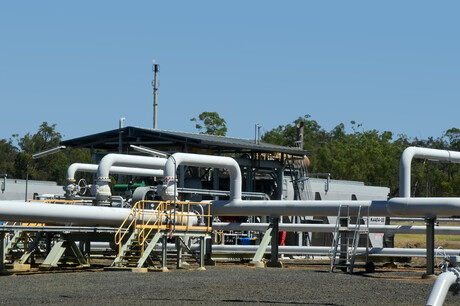
Wells Materials & OCTG · Australia (Perth)

Adjust OCTG sourcing to Queensland gas tender and local execution traits

Published Jun 2, 2026, 6:08 AM AWSTAPACFull category signal
Ask AI
Queensland launches tender for additional gas‍-‍fired generation

In 60 seconds

Top move

Queensland’s new gas‑generation tender is an active demand signal for regional pipeline and gas infrastructure, which can lift OCTG and ancillary materials need during project award and mobilisation phases

Key takeaways

  • Queensland’s new gas‑generation tender is an active demand signal for regional pipeline and gas infrastructure, which can lift OCTG and ancillary materials need during project award and mobilisation phases.[3]
  • Local suppliers that demonstrate dependable inventory and fast response (the ‘partner’ model) will capture preference when delivery windows tighten; buyers without local readiness risk pay‑as‑you‑go premiums or constrained options.[2]
  • Contractors running high‑tempo multi‑site trenching programs keep execution pace by leaning on proven machine fleets, which raises the importance of coordinated OCTG deliveries, mobilisation slots and on‑site handling capacity.[1]
  • IIoT, industrial networking and SCADA product activity continues to grow in the market; this sustains the prior brief’s telemetry and cyber hygiene focus but does not create an immediate procurement shock.[4]
  • Normal signal day: these items are actionable for category planning and RFQ/contract wording updates, not a trigger for emergency buying or headcount moves.[3]

What changed since last run

  • Added a concrete regional demand driver: Queensland’s gas‑generation tender is now published and cited as a potential pipeline/OCTG load factor (was not present in prior brief).
  • New operational detail on contractor machine usage in Surat Basin clarifies execution tempo risk for multi‑site deliveries (adds granularity to earlier mobilisation concerns).
  • Reinforced ongoing market activity for industrial networks/IIoT products beyond telemetry themes in the prior brief; this supports maintaining cyber/acceptance clauses rather than changing course.

Key facts

  • Tender for additional gas-fired generation in Central Queensland
  • Process managed by Queensland Investment Corporation (QIC)
  • Tender positions dispatchable supply as a core requirement
  • Emphasis on dependable partnerships for pipeline continuity
  • Local supplier examples cited as critical during disruptions
  • Focus on responsiveness when delivery windows narrow

Why it matters

Queensland’s new gas‑generation tender is an active demand signal for regional pipeline and gas infrastructure, which can lift OCTG and ancillary materials need during project award and mobilisation phases. Local suppliers that demonstrate dependable inventory and fast response (the ‘partner’ model) will capture preference when delivery windows tighten; buyers without local readiness risk pay‑as‑you‑go premiums or constrained options. Contractors running high‑tempo multi‑site trenching programs keep execution pace by leaning on proven machine fleets, which raises the importance of coordinated OCTG deliveries, mobilisation slots and on‑site handling capacity. IIoT, industrial networking and SCADA product activity continues to grow in the market; this sustains the prior brief’s telemetry and cyber hygiene focus but does not create an immediate procurement shock

Cost / money

  • Tender-driven project awards increase the chance of narrow mobilisation windows, which suppliers may recover through short‑notice premiums or tighter quote validity; budget teams should expect variable pass‑through exposure.[3]
  • Relying on local full‑service partners (inventory + field support) can raise unit costs versus basic material supply but reduces execution risk and emergency freight spend during condensed schedules.[2]

Supplier / commercial

  • Suppliers with demonstrable local stock and end‑to‑end capability gain commercial leverage in shortlist and award phases when contractors signal fast mobilisation needs.[2]
  • Contractors’ preference for known machine fleets and dependable partners favours suppliers who can commit to repeatable delivery windows and joint mobilisation plans.[1]

Safety / operations

  • Faster mobilisation and multi‑site trenching increase the operational premium on correct handling, depot FAT (factory acceptance testing) and onsite inspection to avoid project delays and rework.[1][2]
  • Continued IIoT and industrial network deployments keep OT cyber hygiene and remote‑access controls as operational gate checks for depot acceptance and equipment commissioning.[4]

What to watch

  • Watch whether suppliers start packaging installation, monitoring or expedited mobilisation as mandatory line items rather than optional services — that would shift costs to recurring OPEX or forced pass‑throughs.[4]
  • Watch award timelines for the Queensland tender to see if primes set tight delivery slots; those windows will determine whether you need confirmed depot commitments or face ad‑hoc surcharges.[3]

Top stories

Story 1Processonline

Queensland launches tender for additional gas‍-‍fired generation

Signal strongSource-grounded

What happened

Queensland has launched a public tender for additional gas‑fired generation capacity in Central Queensland. The tender is being managed by QIC and explicitly targets dispatchable generation projects, which makes it a tangible source of future pipeline and gas infrastructure work to track. Watch tender timelines and shortlist activity to understand whether primes will set narrow delivery windows that affect OCTG mobilisation

Buyer takeaway

Treat the tender as a medium‑term demand trigger that should be reflected in mobilisation planning and shortlist selection because it directly targets dispatchable gas projects requiring pipe and field materials

Cost / money

The tender's existence increases the chance of tight delivery windows that suppliers may price as mobilisation or expedited delivery premiums

Supplier / commercial

Primes and local suppliers who can show firm local stock and scheduling will be favoured in award phases; expect shorter quote validity from those suppliers

Safety / operations

Project awards focused on dispatchable supply raise the need for rigorous FAT, handling procedures and coordination to avoid delays during commissioning

What to watch

Watch whether major bids create concentrated demand periods that overwhelm local depots or logistics capacity

Key facts

  • Tender for additional gas-fired generation in Central Queensland
  • Process managed by Queensland Investment Corporation (QIC)
  • Tender positions dispatchable supply as a core requirement

Source excerpts

The Queensland Government has launched a tender to support an additional 400 MW of gas-fired generation capacity in Central Queensland. The tender process, to be managed by Queensland Investment Corporation (QIC), will draw in proposals capable of ensuring dispatchable supply by 2032
The Queensland Government has launched a tender to support an additional 400 MW of gas-fired generation capacity in Central Queensland
1 and 8. 3 GW by 2035 — a marked contrast to the NSW Government’s drive for 12 GW of renewable generation by 2030
Story 2The Australian PipelinerMay 25, 2026

Building resilient pipeline projects

Signal moderateDirectional

What happened

An industry piece highlights the value of dependable local pipeline partners who can respond when timelines tighten. The article uses local suppliers as examples to show that continuity and responsiveness materially reduce execution risk on pipeline programs. Watch whether market participants push for supplier partnerships that bundle inventory and field services, which would affect procurement evaluation criteria

Buyer takeaway

Local partners with tested continuity plans are operationally valuable; verify their claims rather than relying on marketing because promised responsiveness directly affects delivery risk

Cost / money

Paying for stocked, local supply may cost more per unit but reduces variable emergency spend and rework exposure

Supplier / commercial

Vendors that offer end‑to‑end supply and field support can ask for premium terms and tighter commercial commitments at award time

Safety / operations

Dependable partners reduce last‑minute substitutions and handling errors that can compromise onsite safety and schedule

What to watch

Limited relevance for strategic sourcing if suppliers cannot demonstrate scalable inventory across the region—ask for proof

Key facts

  • Emphasis on dependable partnerships for pipeline continuity
  • Local supplier examples cited as critical during disruptions
  • Focus on responsiveness when delivery windows narrow

Source excerpts

Contractors, asset owners and field crews rely on continuity. They need to know that when specifications change or delivery windows narrow, their supply partners will respond with speed and consistency
When project timelines tighten, emergency work springs up, or global supply chains waver, the difference between a supplier and a partner becomes clear
In a sector where pressure defines both the product and the operating environment, the value of dependable partnerships can’t be overstated. When project timelines tighten, emergency work springs up, or global supply chains waver, the difference between a supplier and a partner becomes clear
Story 3The Australian PipelinerMay 25, 2026

Machines that deliver

Signal strongSource-grounded

What happened

A contractor profile describes heavy and mid‑weight trenching machines used in the Surat Basin and how fleet choice drives daily production. The article makes the operational point that machine cadence and availability are central to multi‑site pipeline programs, which affects how materials are staged and delivered. Watch mobilisation plans and machine schedules on live projects to align OCTG deliveries and avoid site queuing

Buyer takeaway

Machine performance and deployment patterns are practical execution constraints; align delivery windows to contractor cadence because misalignment creates handling bottlenecks

Cost / money

Delays at site due to machine schedule mismatch can generate extra onsite handling or re‑staging costs

Supplier / commercial

Contractors may prefer suppliers who can commit to tight, repeatable delivery windows and packaged handling support

Safety / operations

High‑tempo trenching increases the need for validated handling equipment and crew readiness to keep safety and schedule on track

What to watch

Operational detail is locally focused; relevant for projects in the Surat Basin and similar gathering programs but less relevant for standalone well repairs

Key facts

  • Profiles of Vermeer T1055III and T1155III trenchers used in gathering networks
  • Contractor fleet mix tied to multi‑site program execution
  • Operator anecdotes linking machine choice to daily production

Source excerpts

” For operators on site, machine performance is measured in practical terms: handling, ease of operation, and daily production
MPK is a key delivery partner on some of Australia’s largest LNG and renewable energy networks
“Our crew of fitters is heavily experienced
Story 4Processonline

Industrial networks & buses :: Process Online

Signal moderateDirectional

What happened

A Process Online roundup lists industrial networking and connectivity products, including 5G gateways, cybersecure EtherCAT certification and remote‑access devices. The product activity underlines ongoing market availability of IIoT and OT connectivity tools that buyers asked about in the prior brief. Watch supplier offers to see whether they bundle connectivity and monitoring as mandatory items in material supply packages

Buyer takeaway

Connectivity and OT devices are readily available; insist on clear commercial separation of hardware and monitoring services because bundling obscures true material cost

Cost / money

Bundled connectivity can shift costs from CAPEX to OPEX or create recurring support fees if not contractually separated

Supplier / commercial

Vendors that combine hardware with monitoring may try to lock buyers into service agreements—push for optionality and separate pricing lines

Safety / operations

OT connectivity increases remote monitoring capability but also raises cyber hygiene and change‑control requirements for depot and field commissioning

What to watch

Signals are product‑listing level; this is a persistent theme rather than a new shock—use it to refine RFQ rather than to re‑source immediately

Key facts

  • Listings include industrial 5G gateway, EtherCAT security certification and remote‑access dev
  • Product push indicates active IIoT and network solutions market
  • Highlights both connectivity hardware and cybersecurity topics

Source excerpts

Beijer Electronics CloudVPN Gateway 01 February, 2026 | Supplied by: ControlBox The Beijer Electronics CloudVPN Gateway solution is designed to offer simplified and cybersecure remote access to equipment and devices onsite. Tosi Lock 675 industrial remote access device 01 February, 2026 | Supplied by: LAPP Australia Pty Ltd The Tosi Lock 675 industrial remote access device is designed to deliver robust, reliable communications, even in harsh environments
← Previous 1 2 3 4 5 6 7 8 9 … 65 66 Next →
Pepperl+Fuchs KCD2-VR4-Ex1 isolated barrier 18 September, 2025 | Supplied by: Pepperl+Fuchs (Aust) Pty Ltd The KCD2-VR4-Ex1 isolated barrier is designed for use in real‍-‍time condition monitoring of machine bearings in hazardous areas
Story 5Processonline

Process Online News, updates and product innovations in automation, control and instrumentation

Signal limitedDirectional

What happened

Process Online editorial and product coverage continues to stress practical skills, calibration, and automation topics for industrial operations. The editorial tone reinforces that product availability alone won’t replace on‑the‑ground capability when commissioning or integrating equipment. Watch for vendor claims that conflate product specs with turnkey delivery capability—you should validate installation and commissioning scope separately

Buyer takeaway

Product availability is only half the story; require proof of installation, commissioning and local support because those factors determine successful deployment

Cost / money

Failing to capture commissioning scope can create surprise contractor charges or extended downtime costs

Supplier / commercial

Vendors will market products aggressively; insist on documented scope for handover and acceptance to avoid hidden services

Safety / operations

Calibration and commissioning are safety‑critical steps—don’t accept product delivery as equivalent to operational readiness

What to watch

Editorial content is thematic and supportive of prior telemetry recommendations; limited as a stand‑alone procurement signal

Key facts

  • Editorial focus on practical skills, calibration and automation integration
  • Product writeups emphasize real‑world commissioning and safety needs
  • Ongoing theme of matching product to operational skills

Source excerpts

Business 01 May, 2026 AI won’t restart your plant: Why practical skills matter more than ever AI can be a good sounding-board, but people and their skills are what builds national capability
Networks Three strategies that will enable IIoT deployment A tech insider reveals how the food and beverage industry can take small, strategic steps forward to harness the benefits of IIoT
Now they can: meet MYZEL by Pilz With rapid advancements in automation and tightening regulatory standards, the operational requirements placed on machinery are growing increasingly complex

VP Snapshot

Executive Risk & Action View

Queensland’s new gas‑generation tender is an active demand signal for regional pipeline and gas infrastructure, which can lift OCTG and ancillary materials need during project award and mobilisation phases.

Overall
62
Cost
61
Supply
25
Schedule
74
Compliance
15

Top signals

30-180dcost

Signal 1: Cost / money

Tender-driven project awards increase the chance of narrow mobilisation windows, which suppliers may recover through short‑notice premiums or tighter quote validity; budget teams should expect variable pass‑through exposure.

Signal 2: Cost / money

Relying on local full‑service partners (inventory + field support) can raise unit costs versus basic material supply but reduces execution risk and emergency freight spend during condensed schedules.

30-180dcommercial

Signal 3: Supplier / commercial

Suppliers with demonstrable local stock and end‑to‑end capability gain commercial leverage in shortlist and award phases when contractors signal fast mobilisation needs.

30-180dschedule

Signal 4: Supplier / commercial

Contractors’ preference for known machine fleets and dependable partners favours suppliers who can commit to repeatable delivery windows and joint mobilisation plans.

Signal 6: Safety / operations

Continued IIoT and industrial network deployments keep OT cyber hygiene and remote‑access controls as operational gate checks for depot acceptance and equipment commissioning.

30-180dsupplier

Signal 5: Safety / operations

Faster mobilisation and multi‑site trenching increase the operational premium on correct handling, depot FAT (factory acceptance testing) and onsite inspection to avoid project delays and rework.

Recommended actions

CategoryDue 3d

Confirm depot and OCTG supplier local availability and declared mobilisation lead times.

Supplier availability matrix with declared mobilisation commitments for shortlist use

ContractsDue 21d

Update RFQ/PQQ templates to require a materials‑only price line and separate optional services (installation, telemetry, expedited mobilisation) with clear OPEX/OA (operational...

Tender documents that allow direct comparison of materials versus bundled offers

CategoryDue 21d

Engage shortlisted local contractors to validate trenching equipment cadence and confirm joint mobilisation windows for OCTG deliveries and on‑site handling.

Confirmed mobilisation slots and handling responsibilities with key contractors

LegalDue 60d

Draft framework amendments that limit ad‑hoc mobilisation pass‑throughs and require depot FAT evidence plus baseline OT cyber hygiene before material acceptance.

Framework clauses that cap pass‑throughs and mandate acceptance evidence for depot and IT/OT hygiene

OpsDue 60d

Run supplier qualification audits focusing on local inventory, field support capability and handling equipment to convert perceived partner claims into verified commitments.

Audit reports that validate supplier inventory and on‑site support capabilities

Risk register

RiskTriggerMitigation
Watch whether suppliers start packaging installation, monitoring or expedited mobilisation as mandatory line items rather than optional services — that would shift costs to recurring OPEX or forced pass‑throughs.Watch whether suppliers start packaging installation, monitoring or expedited mobilisation as mandatory line items rather than optional services — that would shift costs to recurring OPEX or forced pass‑throughs.Confirm exposure with category, contracts, and operations before the next supplier commitment.
Watch award timelines for the Queensland tender to see if primes set tight delivery slots; those windows will determine whether you need confirmed depot commitments or face ad‑hoc surcharges.Watch award timelines for the Queensland tender to see if primes set tight delivery slots; those windows will determine whether you need confirmed depot commitments or face ad‑hoc surcharges.Confirm exposure with category, contracts, and operations before the next supplier commitment.

CM Snapshot

Category Manager Decision Detail

Today's priorities

Confirm depot and OCTG supplier local availability and declared mobilisation lead times.

Do this because Queensland’s tender and pipeline project activity create the possibility of compressed delivery windows and because knowing supplier readiness reduces the risk o...

Due 3d

high

CM move

Use this as the immediate supplier or contract action to move before the next sourcing gate.

Update RFQ/PQQ templates to require a materials‑only price line and separate optional services (installation, telemetry, expedited mobilisation) with clear OPEX/OA (operational...

Do this because Process Online and industrial networking product listings show suppliers bundle hardware and services, and because separating scopes preserves apples‑to‑apples c...

Due 21d

high

CM move

Use this as the immediate supplier or contract action to move before the next sourcing gate.

Engage shortlisted local contractors to validate trenching equipment cadence and confirm joint mobilisation windows for OCTG deliveries and on‑site handling.

Do this because contractor machine usage and multi‑site programs define practical delivery tempo and because aligning mobilisation plans reduces rework and emergency freight costs.

Due 21d

high

CM move

Use this as the immediate supplier or contract action to move before the next sourcing gate.

Draft framework amendments that limit ad‑hoc mobilisation pass‑throughs and require depot FAT evidence plus baseline OT cyber hygiene before material acceptance.

Do this because published market activity and continued IIoT rollouts increase connectivity dependencies and because contract levers are the primary way to shift mobilisation ri...

Due 60d

high

CM move

Use this as the immediate supplier or contract action to move before the next sourcing gate.

Supplier radar

The Australian Pipeliner

high

Observed supplier signal

Suppliers with demonstrable local stock and end‑to‑end capability gain commercial leverage in shortlist and award phases when contractors signal fast mobilisation needs.

Commercial implication

Suppliers with demonstrable local stock and end‑to‑end capability gain commercial leverage in shortlist and award phases when contractors signal fast mobilisation needs.

Next step: Validate the source-backed signal with incumbents and alternates before the next award or pricing decision.

The Australian Pipeliner

high

Observed supplier signal

Contractors’ preference for known machine fleets and dependable partners favours suppliers who can commit to repeatable delivery windows and joint mobilisation plans.

Commercial implication

Contractors’ preference for known machine fleets and dependable partners favours suppliers who can commit to repeatable delivery windows and joint mobilisation plans.

Next step: Validate the source-backed signal with incumbents and alternates before the next award or pricing decision.

Negotiation levers

Confirm depot and OCTG supplier local availability and declared mobilisation lead times.

When to use: Do this because Queensland’s tender and pipeline project activity create the possibility of compressed delivery windows and because knowing supplier readiness reduces the risk o...

Expected outcome: Supplier availability matrix with declared mobilisation commitments for shortlist use

Commercial mechanism to carry into the next supplier conversation

Update RFQ/PQQ templates to require a materials‑only price line and separate optional services (installation, telemetry, expedited mobilisation) with clear OPEX/OA (operational...

When to use: Do this because Process Online and industrial networking product listings show suppliers bundle hardware and services, and because separating scopes preserves apples‑to‑apples c...

Expected outcome: Tender documents that allow direct comparison of materials versus bundled offers

Commercial mechanism to carry into the next supplier conversation

Engage shortlisted local contractors to validate trenching equipment cadence and confirm joint mobilisation windows for OCTG deliveries and on‑site handling.

When to use: Do this because contractor machine usage and multi‑site programs define practical delivery tempo and because aligning mobilisation plans reduces rework and emergency freight costs.

Expected outcome: Confirmed mobilisation slots and handling responsibilities with key contractors

Commercial mechanism to carry into the next supplier conversation

Draft framework amendments that limit ad‑hoc mobilisation pass‑throughs and require depot FAT evidence plus baseline OT cyber hygiene before material acceptance.

When to use: Do this because published market activity and continued IIoT rollouts increase connectivity dependencies and because contract levers are the primary way to shift mobilisation ri...

Expected outcome: Framework clauses that cap pass‑throughs and mandate acceptance evidence for depot and IT/OT hygiene

Commercial mechanism to carry into the next supplier conversation

Talking points

Queensland’s new gas‑generation tender is an active demand signal for regional pipeline and gas infrastructure, which can lift OCTG and ancillary materials need during project award and mobilisation phases.
Local suppliers that demonstrate dependable inventory and fast response (the ‘partner’ model) will capture preference when delivery windows tighten; buyers without local readiness risk pay‑as‑you‑go premiums or constrained options.
Contractors running high‑tempo multi‑site trenching programs keep execution pace by leaning on proven machine fleets, which raises the importance of coordinated OCTG deliveries, mobilisation slots and on‑site handling capacity.
IIoT, industrial networking and SCADA product activity continues to grow in the market; this sustains the prior brief’s telemetry and cyber hygiene focus but does not create an immediate procurement shock.

Supplier radar

SupplierSignalImplicationNext stepConfidence
The Australian PipelinerSuppliers with demonstrable local stock and end‑to‑end capability gain commercial leverage in shortlist and award phases when contractors signal fast mobilisation needs.Suppliers with demonstrable local stock and end‑to‑end capability gain commercial leverage in shortlist and award phases when contractors signal fast mobilisation needs.Validate the source-backed signal with incumbents and alternates before the next award or pricing decision.high
The Australian PipelinerContractors’ preference for known machine fleets and dependable partners favours suppliers who can commit to repeatable delivery windows and joint mobilisation plans.Contractors’ preference for known machine fleets and dependable partners favours suppliers who can commit to repeatable delivery windows and joint mobilisation plans.Validate the source-backed signal with incumbents and alternates before the next award or pricing decision.high

Negotiation levers

  • Confirm depot and OCTG supplier local availability and declared mobilisation lead times.Do this because Queensland’s tender and pipeline project activity create the possibility of compressed delivery windows and because knowing supplier readiness reduces the risk o...Supplier availability matrix with declared mobilisation commitments for shortlist use

    high confidence

  • Update RFQ/PQQ templates to require a materials‑only price line and separate optional services (installation, telemetry, expedited mobilisation) with clear OPEX/OA (operational...Do this because Process Online and industrial networking product listings show suppliers bundle hardware and services, and because separating scopes preserves apples‑to‑apples c...Tender documents that allow direct comparison of materials versus bundled offers

    high confidence

  • Engage shortlisted local contractors to validate trenching equipment cadence and confirm joint mobilisation windows for OCTG deliveries and on‑site handling.Do this because contractor machine usage and multi‑site programs define practical delivery tempo and because aligning mobilisation plans reduces rework and emergency freight costs.Confirmed mobilisation slots and handling responsibilities with key contractors

    high confidence

  • Draft framework amendments that limit ad‑hoc mobilisation pass‑throughs and require depot FAT evidence plus baseline OT cyber hygiene before material acceptance.Do this because published market activity and continued IIoT rollouts increase connectivity dependencies and because contract levers are the primary way to shift mobilisation ri...Framework clauses that cap pass‑throughs and mandate acceptance evidence for depot and IT/OT hygiene

    high confidence

What to do / What to watch

What to do now

  • Confirm depot and OCTG supplier local availability and declared mobilisation lead times.

    Why: Do this because Queensland’s tender and pipeline project activity create the possibility of compressed delivery windows and because knowing supplier readiness reduces the risk o...

    Owner: Category

    Expected outcome: Supplier availability matrix with declared mobilisation commitments for shortlist use

    [3][2]

Next few weeks

  • Update RFQ/PQQ templates to require a materials‑only price line and separate optional services (installation, telemetry, expedited mobilisation) with clear OPEX/OA (operational...

    Why: Do this because Process Online and industrial networking product listings show suppliers bundle hardware and services, and because separating scopes preserves apples‑to‑apples c...

    Owner: Contracts

    Expected outcome: Tender documents that allow direct comparison of materials versus bundled offers

    [4][5]
  • Engage shortlisted local contractors to validate trenching equipment cadence and confirm joint mobilisation windows for OCTG deliveries and on‑site handling.

    Why: Do this because contractor machine usage and multi‑site programs define practical delivery tempo and because aligning mobilisation plans reduces rework and emergency freight costs.

    Owner: Category

    Expected outcome: Confirmed mobilisation slots and handling responsibilities with key contractors

    [1]

Longer view

  • Draft framework amendments that limit ad‑hoc mobilisation pass‑throughs and require depot FAT evidence plus baseline OT cyber hygiene before material acceptance.

    Why: Do this because published market activity and continued IIoT rollouts increase connectivity dependencies and because contract levers are the primary way to shift mobilisation ri...

    Owner: Legal

    Expected outcome: Framework clauses that cap pass‑throughs and mandate acceptance evidence for depot and IT/OT hygiene

    [4][3]
  • Run supplier qualification audits focusing on local inventory, field support capability and handling equipment to convert perceived partner claims into verified commitments.

    Why: Do this because supplier partner claims (local stock + support) materially affect execution risk and because verified commitments reduce the need for contingency spend during mo...

    Owner: Ops

    Expected outcome: Audit reports that validate supplier inventory and on‑site support capabilities

    [2][1]

What to watch

  • Watch whether suppliers start packaging installation, monitoring or expedited mobilisation as mandatory line items rather than optional services — that would shift costs to recurring OPEX or forced pass‑throughs
  • Watch award timelines for the Queensland tender to see if primes set tight delivery slots; those windows will determine whether you need confirmed depot commitments or face ad‑hoc surcharges
  • Watch whether suppliers start packaging installation, monitoring or expedited mobilisation as mandatory line items rather than optional services — that would shift costs to recurring OPEX or forced pass‑throughs.: Watch whether suppliers start packaging installation, monitoring or expedited mobilisation as mandatory line items rather than optional services — that would shift costs to recurring OPEX or forced pass‑throughs
  • Watch award timelines for the Queensland tender to see if primes set tight delivery slots; those windows will determine whether you need confirmed depot commitments or face ad‑hoc surcharges.: Watch award timelines for the Queensland tender to see if primes set tight delivery slots; those windows will determine whether you need confirmed depot commitments or face ad‑hoc surcharges
  • Queensland’s new gas‑generation tender is an active demand signal for regional pipeline and gas infrastructure, which can lift OCTG and ancillary materials need during project award and mobilisation phases
  • Local suppliers that demonstrate dependable inventory and fast response (the ‘partner’ model) will capture preference when delivery windows tighten; buyers without local readiness risk pay‑as‑you‑go premiums or constrained options
  • Contractors running high‑tempo multi‑site trenching programs keep execution pace by leaning on proven machine fleets, which raises the importance of coordinated OCTG deliveries, mobilisation slots and on‑site handling capacity
  • IIoT, industrial networking and SCADA product activity continues to grow in the market; this sustains the prior brief’s telemetry and cyber hygiene focus but does not create an immediate procurement shock

Market pulse

IndexLatestChangeAs of
HRC Steel (HRC)740 /ton+0.00 (+0.00%)Jun 1, 2026, 10:10 PM
Copper (COPPER)3.85 /lb+0.00 (+0.00%)Jun 1, 2026, 10:10 PM
Iron Ore (IRON)108.5 /t+0.00 (+0.00%)Jun 1, 2026, 10:10 PM
Tenaris (TS)32 +0.00 (+0.00%)Jun 1, 2026, 10:10 PM
  • HRC Steel: HRC steel price direction affects OCTG raw material cost and supplier quotes; monitor for tender budgeting
  • Tenaris: Tenaris stock/market signals can indicate OCTG supply sentiment and major supplier posture for pricing and capacity

Sources

Inline citations jump here. Expand a source to read the excerpt, the AI interpretation, and the original link.

[1] Machines that deliver

pipeliner.com.au · May 25, 2026

Expand

AI reading

A contractor profile describes heavy and mid‑weight trenching machines used in the Surat Basin and how fleet choice drives daily production. The article makes the operational point that machine cadence and availability are central to multi‑site pipeline programs, which affects how materials are staged and delivered. Watch mobilisation plans and machine schedules on live projects to align OCTG deliveries and avoid site queuing

Buyer takeaway

Machine performance and deployment patterns are practical execution constraints; align delivery windows to contractor cadence because misalignment creates handling bottlenecks

Cost / money

Delays at site due to machine schedule mismatch can generate extra onsite handling or re‑staging costs

Supplier / commercial

Contractors may prefer suppliers who can commit to tight, repeatable delivery windows and packaged handling support

Safety / operations

High‑tempo trenching increases the need for validated handling equipment and crew readiness to keep safety and schedule on track

What to watch

Operational detail is locally focused; relevant for projects in the Surat Basin and similar gathering programs but less relevant for standalone well repairs

Key facts

  • Profiles of Vermeer T1055III and T1155III trenchers used in gathering networks
  • Contractor fleet mix tied to multi‑site program execution
  • Operator anecdotes linking machine choice to daily production

Source excerpts

” For operators on site, machine performance is measured in practical terms: handling, ease of operation, and daily production
MPK is a key delivery partner on some of Australia’s largest LNG and renewable energy networks
“Our crew of fitters is heavily experienced

Used in this brief

  • Next 2-4 weeks — Engage shortlisted local contractors to validate trenching equipment cadence and confirm joint mobilisation windows for OCTG deliveries and on‑site handling.. Rationale: Do this because contractor machine usage and multi‑site programs define practical delivery tempo and because aligning mobilisation plans reduces rework and emergency freight costs.. Owner: Category. KPI: Confirmed mobilisation slots and handling responsibilities with key contractors
  • A contractor profile describes heavy and mid‑weight trenching machines used in the Surat Basin and how fleet choice drives daily production. The article makes the operational point that machine cadence and availability are central to multi‑site pipeline programs, which affects how materials are staged and delivered. Watch mobilisation plans and machine schedules on live projects to align OCTG deliveries and avoid site queuing
  • Buyer bottom line: coordinate OCTG delivery timing with contractor machine cadence and on‑site handling capacity to avoid demurrage and rework
Open original source

[2] Building resilient pipeline projects

pipeliner.com.au · May 25, 2026

Expand

AI reading

An industry piece highlights the value of dependable local pipeline partners who can respond when timelines tighten. The article uses local suppliers as examples to show that continuity and responsiveness materially reduce execution risk on pipeline programs. Watch whether market participants push for supplier partnerships that bundle inventory and field services, which would affect procurement evaluation criteria

Buyer takeaway

Local partners with tested continuity plans are operationally valuable; verify their claims rather than relying on marketing because promised responsiveness directly affects delivery risk

Cost / money

Paying for stocked, local supply may cost more per unit but reduces variable emergency spend and rework exposure

Supplier / commercial

Vendors that offer end‑to‑end supply and field support can ask for premium terms and tighter commercial commitments at award time

Safety / operations

Dependable partners reduce last‑minute substitutions and handling errors that can compromise onsite safety and schedule

What to watch

Limited relevance for strategic sourcing if suppliers cannot demonstrate scalable inventory across the region—ask for proof

Key facts

  • Emphasis on dependable partnerships for pipeline continuity
  • Local supplier examples cited as critical during disruptions
  • Focus on responsiveness when delivery windows narrow

Source excerpts

Contractors, asset owners and field crews rely on continuity. They need to know that when specifications change or delivery windows narrow, their supply partners will respond with speed and consistency
When project timelines tighten, emergency work springs up, or global supply chains waver, the difference between a supplier and a partner becomes clear
In a sector where pressure defines both the product and the operating environment, the value of dependable partnerships can’t be overstated. When project timelines tighten, emergency work springs up, or global supply chains waver, the difference between a supplier and a partner becomes clear

Used in this brief

  • Supplier / commercial: Contractors’ preference for known machine fleets and dependable partners favours suppliers who can commit to repeatable delivery windows and joint mobilisation plans
  • Next quarter — Run supplier qualification audits focusing on local inventory, field support capability and handling equipment to convert perceived partner claims into verified commitments.. Rationale: Do this because supplier partner claims (local stock + support) materially affect execution risk and because verified commitments reduce the need for contingency spend during mo.... Owner: Ops. KPI: Audit reports that validate supplier inventory and on‑site support capabilities
  • An industry piece highlights the value of dependable local pipeline partners who can respond when timelines tighten. The article uses local suppliers as examples to show that continuity and responsiveness materially reduce execution risk on pipeline programs. Watch whether market participants push for supplier partnerships that bundle inventory and field services, which would affect procurement evaluation criteria
Open original source

[3] Queensland launches tender for additional gas‍-‍fired generation

processonline.com.au · n.d.

Expand

AI reading

Queensland has launched a public tender for additional gas‑fired generation capacity in Central Queensland. The tender is being managed by QIC and explicitly targets dispatchable generation projects, which makes it a tangible source of future pipeline and gas infrastructure work to track. Watch tender timelines and shortlist activity to understand whether primes will set narrow delivery windows that affect OCTG mobilisation

Buyer takeaway

Treat the tender as a medium‑term demand trigger that should be reflected in mobilisation planning and shortlist selection because it directly targets dispatchable gas projects requiring pipe and field materials

Cost / money

The tender's existence increases the chance of tight delivery windows that suppliers may price as mobilisation or expedited delivery premiums

Supplier / commercial

Primes and local suppliers who can show firm local stock and scheduling will be favoured in award phases; expect shorter quote validity from those suppliers

Safety / operations

Project awards focused on dispatchable supply raise the need for rigorous FAT, handling procedures and coordination to avoid delays during commissioning

What to watch

Watch whether major bids create concentrated demand periods that overwhelm local depots or logistics capacity

Key facts

  • Tender for additional gas-fired generation in Central Queensland
  • Process managed by Queensland Investment Corporation (QIC)
  • Tender positions dispatchable supply as a core requirement

Source excerpts

The Queensland Government has launched a tender to support an additional 400 MW of gas-fired generation capacity in Central Queensland. The tender process, to be managed by Queensland Investment Corporation (QIC), will draw in proposals capable of ensuring dispatchable supply by 2032
The Queensland Government has launched a tender to support an additional 400 MW of gas-fired generation capacity in Central Queensland
1 and 8. 3 GW by 2035 — a marked contrast to the NSW Government’s drive for 12 GW of renewable generation by 2030

Used in this brief

  • Next 72 hours — Confirm depot and OCTG supplier local availability and declared mobilisation lead times.. Rationale: Do this because Queensland’s tender and pipeline project activity create the possibility of compressed delivery windows and because knowing supplier readiness reduces the risk o.... Owner: Category. KPI: Supplier availability matrix with declared mobilisation commitments for shortlist use
  • Watch award timelines for the Queensland tender to see if primes set tight delivery slots; those windows will determine whether you need confirmed depot commitments or face ad‑hoc surcharges
  • Added a concrete regional demand driver: Queensland’s gas‑generation tender is now published and cited as a potential pipeline/OCTG load factor (was not present in prior brief)
Open original source

[4] Industrial networks & buses :: Process Online

processonline.com.au · n.d.

Expand

AI reading

A Process Online roundup lists industrial networking and connectivity products, including 5G gateways, cybersecure EtherCAT certification and remote‑access devices. The product activity underlines ongoing market availability of IIoT and OT connectivity tools that buyers asked about in the prior brief. Watch supplier offers to see whether they bundle connectivity and monitoring as mandatory items in material supply packages

Buyer takeaway

Connectivity and OT devices are readily available; insist on clear commercial separation of hardware and monitoring services because bundling obscures true material cost

Cost / money

Bundled connectivity can shift costs from CAPEX to OPEX or create recurring support fees if not contractually separated

Supplier / commercial

Vendors that combine hardware with monitoring may try to lock buyers into service agreements—push for optionality and separate pricing lines

Safety / operations

OT connectivity increases remote monitoring capability but also raises cyber hygiene and change‑control requirements for depot and field commissioning

What to watch

Signals are product‑listing level; this is a persistent theme rather than a new shock—use it to refine RFQ rather than to re‑source immediately

Key facts

  • Listings include industrial 5G gateway, EtherCAT security certification and remote‑access dev
  • Product push indicates active IIoT and network solutions market
  • Highlights both connectivity hardware and cybersecurity topics

Source excerpts

Beijer Electronics CloudVPN Gateway 01 February, 2026 | Supplied by: ControlBox The Beijer Electronics CloudVPN Gateway solution is designed to offer simplified and cybersecure remote access to equipment and devices onsite. Tosi Lock 675 industrial remote access device 01 February, 2026 | Supplied by: LAPP Australia Pty Ltd The Tosi Lock 675 industrial remote access device is designed to deliver robust, reliable communications, even in harsh environments
← Previous 1 2 3 4 5 6 7 8 9 … 65 66 Next →
Pepperl+Fuchs KCD2-VR4-Ex1 isolated barrier 18 September, 2025 | Supplied by: Pepperl+Fuchs (Aust) Pty Ltd The KCD2-VR4-Ex1 isolated barrier is designed for use in real‍-‍time condition monitoring of machine bearings in hazardous areas

Used in this brief

  • Safety / operations: Continued IIoT and industrial network deployments keep OT cyber hygiene and remote‑access controls as operational gate checks for depot acceptance and equipment commissioning
  • Next 2-4 weeks — Update RFQ/PQQ templates to require a materials‑only price line and separate optional services (installation, telemetry, expedited mobilisation) with clear OPEX/OA (operational.... Rationale: Do this because Process Online and industrial networking product listings show suppliers bundle hardware and services, and because separating scopes preserves apples‑to‑apples c.... Owner: Contracts. KPI: Tender documents that allow direct comparison of materials versus bundled offers
  • Next quarter — Draft framework amendments that limit ad‑hoc mobilisation pass‑throughs and require depot FAT evidence plus baseline OT cyber hygiene before material acceptance.. Rationale: Do this because published market activity and continued IIoT rollouts increase connectivity dependencies and because contract levers are the primary way to shift mobilisation ri.... Owner: Legal. KPI: Framework clauses that cap pass‑throughs and mandate acceptance evidence for depot and IT/OT hygiene
Open original source

[5] Process Online News, updates and product innovations in automation, control and instrumentation

processonline.com.au · n.d.

Expand

AI reading

Process Online editorial and product coverage continues to stress practical skills, calibration, and automation topics for industrial operations. The editorial tone reinforces that product availability alone won’t replace on‑the‑ground capability when commissioning or integrating equipment. Watch for vendor claims that conflate product specs with turnkey delivery capability—you should validate installation and commissioning scope separately

Buyer takeaway

Product availability is only half the story; require proof of installation, commissioning and local support because those factors determine successful deployment

Cost / money

Failing to capture commissioning scope can create surprise contractor charges or extended downtime costs

Supplier / commercial

Vendors will market products aggressively; insist on documented scope for handover and acceptance to avoid hidden services

Safety / operations

Calibration and commissioning are safety‑critical steps—don’t accept product delivery as equivalent to operational readiness

What to watch

Editorial content is thematic and supportive of prior telemetry recommendations; limited as a stand‑alone procurement signal

Key facts

  • Editorial focus on practical skills, calibration and automation integration
  • Product writeups emphasize real‑world commissioning and safety needs
  • Ongoing theme of matching product to operational skills

Source excerpts

Business 01 May, 2026 AI won’t restart your plant: Why practical skills matter more than ever AI can be a good sounding-board, but people and their skills are what builds national capability
Networks Three strategies that will enable IIoT deployment A tech insider reveals how the food and beverage industry can take small, strategic steps forward to harness the benefits of IIoT
Now they can: meet MYZEL by Pilz With rapid advancements in automation and tightening regulatory standards, the operational requirements placed on machinery are growing increasingly complex

Used in this brief

  • Process Online editorial and product coverage continues to stress practical skills, calibration, and automation topics for industrial operations. The editorial tone reinforces that product availability alone won’t replace on‑the‑ground capability when commissioning or integrating equipment. Watch for vendor claims that conflate product specs with turnkey delivery capability—you should validate installation and commissioning scope separately
  • Buyer bottom line: technical product availability must be matched to field capability and commissioning support when assessing supplier offers
  • Product availability is only half the story; require proof of installation, commissioning and local support because those factors determine successful deployment
Open original source

[6] HRC Steel

cmegroup.com · n.d.

Expand

[7] Tenaris

finance.yahoo.com · n.d.

Expand