Major Equipment OEM & LTSA · Australia (Perth)

Secure Dispatchable Capacity and Harden Connectivity Terms for LTSAs

Published Jun 1, 2026, 6:08 AM AWSTAPACFull category signal
Ask AI
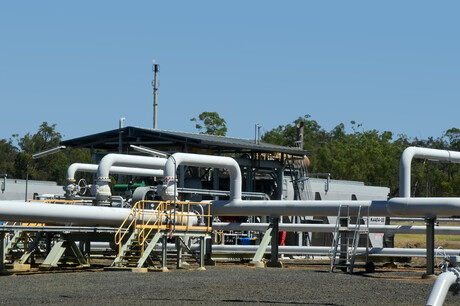
Queensland launches tender for additional gas‍-‍fired generation

In 60 seconds

Top move

Queensland’s new gas-generation tender creates an actionable demand window for turbines, balance-of-plant, and long-term service contracts — align shortlists and local-service capability to compete

Key takeaways

  • Queensland’s new gas-generation tender creates an actionable demand window for turbines, balance-of-plant, and long-term service contracts — align shortlists and local-service capability to compete.[1]
  • A cluster of industrial networking products (5G gateways, managed switches, VPN gateways, IEC 62443-certified EtherCAT) expands vendor choices but raises the risk that suppliers will push managed connectivity and pass-through OPEX into LTSAs.[2]
  • A recent safety-critical CODESYS control build shows certified hardware alone doesn’t ensure uptime — require witnessed commissioning and explicit acceptance tests in SOWs and LTSAs to avoid hidden remediation.[3]
  • Practical engineering commentary underscores that skilled operators and on-site troubleshooting remain the final uptime defence; staffing and on-site capability should be evaluated alongside vendor-managed remote options.[4]
  • Tender timing and technical dispatchability criteria will drive sourcing cadence and LTSA obligations — plan resource qualification and contract scoping to match the tender’s procurement milestones.[1]

What changed since last run

  • Added a government-led gas-generation tender (QIC-managed) as a concrete equipment and LTSA demand source versus the prior brief’s focus on cloud SCADA contract risk.
  • Logged multiple industrial connectivity and remote-access product announcements that materially expand supplier options for OT connectivity and managed-access offers.
  • Included a concrete CODESYS-based safety-critical integration case that reinforces the need for witnessed commissioning in procurement SOWs.

Key facts

  • Tender targets an additional 400 MW of gas-fired generation
  • Procurement to be managed by Queensland Investment Corporation (QIC)
  • Tender process tied to a stated procurement finalisation window
  • Industrial 5G gateways and 5G-capable industrial switches recently demonstrated or released
  • EtherCAT certified to IEC 62443 Security Level 2 in independent certification
  • Multiple VPN and remote-access devices aimed at simplified OT remote support

Why it matters

Queensland’s new gas-generation tender creates an actionable demand window for turbines, balance-of-plant, and long-term service contracts — align shortlists and local-service capability to compete. A cluster of industrial networking products (5G gateways, managed switches, VPN gateways, IEC 62443-certified EtherCAT) expands vendor choices but raises the risk that suppliers will push managed connectivity and pass-through OPEX into LTSAs. A recent safety-critical CODESYS control build shows certified hardware alone doesn’t ensure uptime — require witnessed commissioning and explicit acceptance tests in SOWs and LTSAs to avoid hidden remediation. Practical engineering commentary underscores that skilled operators and on-site troubleshooting remain the final uptime defence; staffing and on-site capability should be evaluated alongside vendor-managed remote options

Cost / money

  • Public tender activity will concentrate capital spend into dispatchable-generation equipment and related balance-of-plant procurement, tightening lead-time sensitivity for winning bidders.[1]
  • New connectivity hardware increases unit-level competition but creates the practical risk that vendors will layer managed connectivity or cloud access as recurring OPEX that should be scoped in or excluded from LTSAs.[2]
  • Safety-critical control builds that require deterministic commissioning raise upfront verification costs which must be budgeted into capex or specifically priced in LTSA offers.[3]

Supplier / commercial

  • Suppliers with local service footprints and verified dispatch performance gain commercial advantage for the Queensland tender and for LTSA award negotiations.[1]
  • Connectivity vendors will likely propose bundled managed-access services; procurement can preserve leverage by demanding transparent pass-through pricing and service caps in bids.[2]
  • Providers offering pre-integrated, certified control packages can push for premium terms around warranty and limited buyer testing access unless contracts require witnessed tests and clear SOW boundaries.[3]

Safety / operations

  • Experienced operators and field troubleshooting remain the immediate resolution path for plant alerts; reliance on AI-generated code or vendor docs without field verification increases remediation risk.[4][3]
  • Architectures that separate safety-critical functions (dual-core, independent interfaces) reduce run-risk only when commissioning and subsystem coordination are witnessed and signed off.[3]
  • Remote-access and VPN gateways improve serviceability but broaden the OT attack surface; LTSAs should bind suppliers to incident-response handoffs and proof of cyber controls.[2]

What to watch

  • Watch RFx replies that bundle equipment LTSAs with vendor-hosted connectivity or managed-access without defined pass-through caps — these can convert one-off capex into open-ended OPEX for the buyer.[2]
  • Watch the tender’s technical shortlist for dispatchability or emissions criteria that could implicitly exclude certain turbine technologies and reshape your eligible supplier pool.[1]
  • Watch suppliers leaning on certification alone to avoid offering witnessed commissioning or detailed acceptance plans; certification without operational sign-off can hide integration work.[3]

Top stories

Story 1Processonline

Queensland launches tender for additional gas‍-‍fired generation

Signal strongSource-grounded

What happened

Queensland launched a formal tender to add gas-fired generation capacity managed by QIC, explicitly targeting dispatchable supply and a public procurement process. The tender signals near-term equipment and LTSA demand that will hinge on technical dispatchability and shortlist decisions; watch the tender’s technical criteria and finalisation timetable to align supplier engagement

Buyer takeaway

Treat this as a concrete project opportunity; early supplier qualification and local-service checks improve bid competitiveness

Cost / money

Capital procurement activity will concentrate demand for turbines and balance-of-plant, creating lead-time and pricing sensitivity for bidders

Supplier / commercial

Suppliers with dispatch experience and local service will have stronger commercial positioning in bids and LTSA negotiations

Safety / operations

Dispatchable assets come with availability and response obligations—these must be reflected in LTSA uptime and spares commitments

What to watch

Watch tender technical criteria that could implicitly favour specific technologies or vendors and narrow your eligible supplier pool

Key facts

  • Tender targets an additional 400 MW of gas-fired generation
  • Procurement to be managed by Queensland Investment Corporation (QIC)
  • Tender process tied to a stated procurement finalisation window

Source excerpts

The Queensland Government has launched a tender to support an additional 400 MW of gas-fired generation capacity in Central Queensland. The tender process, to be managed by Queensland Investment Corporation (QIC), will draw in proposals capable of ensuring dispatchable supply by 2032
The tender process is due to be finalised by the end of 2026
1 GW of gas-fired generation capacity by 2030, increasing to between 6
Story 2Processonline

Industrial networks & buses :: Process Online

Signal moderateDirectional

What happened

Process Online aggregated multiple industrial networking and remote-access product updates, including industrial 5G gateways, a demonstrated 5G industrial switch, VPN remote-access devices, and EtherCAT certification to IEC 62443. These announcements broaden options for secure remote connectivity and edge access but make it more likely vendors will offer managed connectivity packages that shift lifecycle costs unless contracts define pass-throughs and controls

Buyer takeaway

New connectivity options let you split hardware and managed services, but only if contracts explicitly assign billing and responsibilities

Cost / money

Hardware competition can lower unit price, yet unmanaged managed-service offers can increase recurring OPEX under LTSAs

Supplier / commercial

Vendors may propose connectivity-as-a-service; require transparent pricing, caps, and lifecycle commitments to keep leverage

Safety / operations

Remote-access tools increase serviceability but also OT cyber-dependency; require incident-response handoffs and cyber evidence in contracts

What to watch

Watch RFx responses that default to vendor-hosted connectivity without clear billing or uptime guarantees

Key facts

  • Industrial 5G gateways and 5G-capable industrial switches recently demonstrated or released
  • EtherCAT certified to IEC 62443 Security Level 2 in independent certification
  • Multiple VPN and remote-access devices aimed at simplified OT remote support

Source excerpts

Industrial networks & buses Advantech ICR-1745 industrial 5G gateway 01 June, 2026 | Supplied by: Advantech Australia Pty Ltd The ICR-1745 is an industrial connectivity gateway designed to connect IP devices and serial buses directly to 5G NR networks
← Previous 1 2 3 4 5 6 7 8 9 … 65 66 Next →
Beijer Electronics CloudVPN Gateway 01 February, 2026 | Supplied by: ControlBox The Beijer Electronics CloudVPN Gateway solution is designed to offer simplified and cybersecure remote access to equipment and devices onsite. Tosi Lock 675 industrial remote access device 01 February, 2026 | Supplied by: LAPP Australia Pty Ltd The Tosi Lock 675 industrial remote access device is designed to deliver robust, reliable communications, even in harsh environments
Story 3Processonline

Bringing a board game to life with CODESYS

Signal strongSource-grounded

What happened

A CODESYS-based control integration converted a complex, safety-critical amusement ride into a deterministic control system using a dual-core controller and separated safety functions. The project shows that certification and deterministic architecture reduce integration risk only when commissioning is witnessed and subsystem coordination is validated — buyers should require witnessed acceptance and documented coordination plans in contracts

Buyer takeaway

Certification and deterministic hardware are necessary but not sufficient; witnessed testing makes the capability operationally real

Cost / money

Expect higher upfront commissioning and verification costs; these should be scoped into project budgets or LTSA pricing

Supplier / commercial

Vendors with pre-integrated, certified platforms may charge premiums; trade that premium off against reduced integration exposure

Safety / operations

Separated safety functions materially reduce run-risk only when paired with witnessed integration and acceptance testing

What to watch

Watch supplier proposals that rely on certification alone while offering limited buyer-led witnessed tests

Key facts

  • Implemented a dual-core controller to separate global coordination from local safety functions
  • Integrated multiple subsystems (motion platforms, turntables, gates) requiring deterministic
  • Used CODESYS to accelerate iteration and commissioning during integration

Source excerpts

How do you translate a 40-year-old board game into a dynamic, safety-critical amusement ride? For aufwind RIDES, the answer was a control architecture capable of delivering deterministic performance, precise motion control, and certified safety within a highly constrained physical environment
The controller was selected for its dual-core processing capability, allowing separation of tasks, as well as its independent Ethernet interfaces and stability in real-time industrial environments. The system architecture separates global coordination from localised, safety-critical functions
By leveraging the flexibility of a CODESYS-based control environment, aufwind RIDES was able to rapidly iterate and refine ride logic during commissioning. The result is a highly reliable, fully integrated system that translates the strategic gameplay of Scotland Yard into a real-time physical experience, demonstrating how industrial control technologies can be successfully applied to complex, safety-critical entertainment environments
Story 4Processonline

Why practical skills matter more than ever

Signal limitedDirectional

What happened

An industry commentary warns that while AI helps with code snippets and documentation, on-site troubleshooting by experienced operators remains the decisive response when plants alarm. The piece is a practical reminder that staffing and operator skill retention are operational levers buyers must consider when negotiating LTSAs and remote-managed service offers

Buyer takeaway

Do not substitute operator capability with AI or vendor docs; contractually protect on-site skills and witnessed acceptance activities

Cost / money

Under-resourcing on-site skills can increase remediation costs and vendor dependency under LTSAs

Supplier / commercial

Vendors may propose reduced on-site coverage if remote access is available; require minimum on-site staffing or response SLAs

Safety / operations

Field troubleshooting expertise is the final defence for live incidents; preserve on-site capability as part of resilience planning

What to watch

Limited relevance: the article is opinionated but operationally real—use it to justify staffing clauses rather than as primary evidence for policy change

Key facts

  • Engineers use AI for PLC code snippets, design suggestions and manual summaries
  • Operators still depend on troubleshooting experts for live plant incidents
  • Author has direct industry engineering experience across mining, oil & gas, and power

Source excerpts

In our industry troubleshooting is the career moat
AI will be there as a sounding-board, but people and their skills build the national capability
AI can be a useful adviser — a ‘chum on the side’

VP Snapshot

Executive Risk & Action View

Queensland’s new gas-generation tender creates an actionable demand window for turbines, balance-of-plant, and long-term service contracts — align shortlists and local-service capability to compete.

Overall
62
Cost
79
Supply
25
Schedule
56
Compliance
15

Top signals

30-180dcost

Signal 1: Cost / money

Public tender activity will concentrate capital spend into dispatchable-generation equipment and related balance-of-plant procurement, tightening lead-time sensitivity for winning bidders.

Signal 2: Cost / money

New connectivity hardware increases unit-level competition but creates the practical risk that vendors will layer managed connectivity or cloud access as recurring OPEX that should be scoped in or excluded from LTSAs.

Signal 3: Cost / money

Safety-critical control builds that require deterministic commissioning raise upfront verification costs which must be budgeted into capex or specifically priced in LTSA offers.

30-180dcommercial

Signal 4: Supplier / commercial

Suppliers with local service footprints and verified dispatch performance gain commercial advantage for the Queensland tender and for LTSA award negotiations.

Signal 5: Supplier / commercial

Connectivity vendors will likely propose bundled managed-access services; procurement can preserve leverage by demanding transparent pass-through pricing and service caps in bids.

Signal 6: Supplier / commercial

Providers offering pre-integrated, certified control packages can push for premium terms around warranty and limited buyer testing access unless contracts require witnessed tests and clear SOW boundaries.

Recommended actions

CategoryDue 3d

Map in-house assets and local supplier capabilities against the Queensland tender’s dispatch requirements and flag coverage gaps.

Prioritized asset-supplier map showing where local service or dispatch capability is missing and ready for qualification.

ContractsDue 3d

Run a clause sweep of LTSA and RFx templates focused on connectivity pass-throughs, managed-access billing, and incident-response handoffs.

Short prioritized clause list to insert into upcoming RFx documents that closes obvious pass-through and incident-response gaps.

CategoryDue 21d

Issue a supplier capability request to shortlisted vendors asking for cyber-control evidence, witnessed commissioning plans, and firmware lifecycle/spare-part commitments.

Comparable supplier capability packages that clarify cyber, commissioning, and lifecycle commitments for commercial evaluation.

LegalDue 21d

Task Legal to draft LTSA addenda that cap connectivity pass-through charges, define supplier incident-response handoffs, and require witnessed acceptance tests for safety-critic...

Draft addenda templates ready to attach to RFx and LTSA negotiations to protect buyer OPEX and uptime exposure.

OpsDue 60d

Establish a witnessed integration and acceptance-test program and bake the protocol into procurement SOWs and LTSA scopes for safety-critical control systems.

A repeatable acceptance-test protocol and checklist that becomes part of standard procurement SOWs and LTSA terms.

CategoryDue 60d

Re-target category sourcing criteria to prioritise suppliers with proven dispatch performance and local service networks for turbine and balance-of-plant procurement.

Updated preferred-supplier list and sourcing scorecard that weight dispatch performance and local service capability.

Risk register

RiskTriggerMitigation
Watch RFx replies that bundle equipment LTSAs with vendor-hosted connectivity or managed-access without defined pass-through caps — these can convert one-off capex into open-ended OPEX for the buyer.Watch RFx replies that bundle equipment LTSAs with vendor-hosted connectivity or managed-access without defined pass-through caps — these can convert one-off capex into open-ended OPEX for the buyer.Confirm exposure with category, contracts, and operations before the next supplier commitment.
Watch the tender’s technical shortlist for dispatchability or emissions criteria that could implicitly exclude certain turbine technologies and reshape your eligible supplier pool.Watch the tender’s technical shortlist for dispatchability or emissions criteria that could implicitly exclude certain turbine technologies and reshape your eligible supplier pool.Confirm exposure with category, contracts, and operations before the next supplier commitment.
Watch suppliers leaning on certification alone to avoid offering witnessed commissioning or detailed acceptance plans; certification without operational sign-off can hide integration work.Watch suppliers leaning on certification alone to avoid offering witnessed commissioning or detailed acceptance plans; certification without operational sign-off can hide integration work.Confirm exposure with category, contracts, and operations before the next supplier commitment.

CM Snapshot

Category Manager Decision Detail

Today's priorities

Map in-house assets and local supplier capabilities against the Queensland tender’s dispatch requirements and flag coverage gaps.

Do this because the QIC-managed tender creates a clear sourcing window and you need a matched shortlist of vendors and local-service coverage before RFx engagement.

Due 3d

high

CM move

Use this as the immediate supplier or contract action to move before the next sourcing gate.

Run a clause sweep of LTSA and RFx templates focused on connectivity pass-throughs, managed-access billing, and incident-response handoffs.

Do this because recent industrial connectivity product announcements increase the chance suppliers will propose managed connectivity and pass-through billing that should be cont...

Due 3d

high

CM move

Use this as the immediate supplier or contract action to move before the next sourcing gate.

Issue a supplier capability request to shortlisted vendors asking for cyber-control evidence, witnessed commissioning plans, and firmware lifecycle/spare-part commitments.

Do this because safety-critical integrations and new connectivity devices create lifecycle and cyber obligations that must be documented to compare LTSA proposals effectively.

Due 21d

high

CM move

Use this as the immediate supplier or contract action to move before the next sourcing gate.

Task Legal to draft LTSA addenda that cap connectivity pass-through charges, define supplier incident-response handoffs, and require witnessed acceptance tests for safety-critic...

Do this because vendors may bundle managed-access and reduce buyer control; explicit contractual caps and acceptance requirements prevent hidden OPEX and remediation risk.

Due 21d

high

CM move

Use this as the immediate supplier or contract action to move before the next sourcing gate.

Supplier radar

Processonline

high

Observed supplier signal

Suppliers with local service footprints and verified dispatch performance gain commercial advantage for the Queensland tender and for LTSA award negotiations.

Commercial implication

Suppliers with local service footprints and verified dispatch performance gain commercial advantage for the Queensland tender and for LTSA award negotiations.

Next step: Validate the source-backed signal with incumbents and alternates before the next award or pricing decision.

Processonline

high

Observed supplier signal

Connectivity vendors will likely propose bundled managed-access services; procurement can preserve leverage by demanding transparent pass-through pricing and service caps in bids.

Commercial implication

Connectivity vendors will likely propose bundled managed-access services; procurement can preserve leverage by demanding transparent pass-through pricing and service caps in bids.

Next step: Validate the source-backed signal with incumbents and alternates before the next award or pricing decision.

Processonline

high

Observed supplier signal

Providers offering pre-integrated, certified control packages can push for premium terms around warranty and limited buyer testing access unless contracts require witnessed tests and clear SOW boundaries.

Commercial implication

Providers offering pre-integrated, certified control packages can push for premium terms around warranty and limited buyer testing access unless contracts require witnessed tests and clear SOW boundaries.

Next step: Validate the source-backed signal with incumbents and alternates before the next award or pricing decision.

Negotiation levers

Map in-house assets and local supplier capabilities against the Queensland tender’s dispatch requirements and flag coverage gaps.

When to use: Do this because the QIC-managed tender creates a clear sourcing window and you need a matched shortlist of vendors and local-service coverage before RFx engagement.

Expected outcome: Prioritized asset-supplier map showing where local service or dispatch capability is missing and ready for qualification.

Commercial mechanism to carry into the next supplier conversation

Run a clause sweep of LTSA and RFx templates focused on connectivity pass-throughs, managed-access billing, and incident-response handoffs.

When to use: Do this because recent industrial connectivity product announcements increase the chance suppliers will propose managed connectivity and pass-through billing that should be cont...

Expected outcome: Short prioritized clause list to insert into upcoming RFx documents that closes obvious pass-through and incident-response gaps.

Commercial mechanism to carry into the next supplier conversation

Issue a supplier capability request to shortlisted vendors asking for cyber-control evidence, witnessed commissioning plans, and firmware lifecycle/spare-part commitments.

When to use: Do this because safety-critical integrations and new connectivity devices create lifecycle and cyber obligations that must be documented to compare LTSA proposals effectively.

Expected outcome: Comparable supplier capability packages that clarify cyber, commissioning, and lifecycle commitments for commercial evaluation.

Commercial mechanism to carry into the next supplier conversation

Task Legal to draft LTSA addenda that cap connectivity pass-through charges, define supplier incident-response handoffs, and require witnessed acceptance tests for safety-critic...

When to use: Do this because vendors may bundle managed-access and reduce buyer control; explicit contractual caps and acceptance requirements prevent hidden OPEX and remediation risk.

Expected outcome: Draft addenda templates ready to attach to RFx and LTSA negotiations to protect buyer OPEX and uptime exposure.

Commercial mechanism to carry into the next supplier conversation

Talking points

Queensland’s new gas-generation tender creates an actionable demand window for turbines, balance-of-plant, and long-term service contracts — align shortlists and local-service capability to compete.
A cluster of industrial networking products (5G gateways, managed switches, VPN gateways, IEC 62443-certified EtherCAT) expands vendor choices but raises the risk that suppliers will push managed connectivity and pass-through OPEX into LTSAs.
A recent safety-critical CODESYS control build shows certified hardware alone doesn’t ensure uptime — require witnessed commissioning and explicit acceptance tests in SOWs and LTSAs to avoid hidden remediation.
Practical engineering commentary underscores that skilled operators and on-site troubleshooting remain the final uptime defence; staffing and on-site capability should be evaluated alongside vendor-managed remote options.

Supplier radar

SupplierSignalImplicationNext stepConfidence
ProcessonlineSuppliers with local service footprints and verified dispatch performance gain commercial advantage for the Queensland tender and for LTSA award negotiations.Suppliers with local service footprints and verified dispatch performance gain commercial advantage for the Queensland tender and for LTSA award negotiations.Validate the source-backed signal with incumbents and alternates before the next award or pricing decision.high
ProcessonlineConnectivity vendors will likely propose bundled managed-access services; procurement can preserve leverage by demanding transparent pass-through pricing and service caps in bids.Connectivity vendors will likely propose bundled managed-access services; procurement can preserve leverage by demanding transparent pass-through pricing and service caps in bids.Validate the source-backed signal with incumbents and alternates before the next award or pricing decision.high
ProcessonlineProviders offering pre-integrated, certified control packages can push for premium terms around warranty and limited buyer testing access unless contracts require witnessed tests and clear SOW boundaries.Providers offering pre-integrated, certified control packages can push for premium terms around warranty and limited buyer testing access unless contracts require witnessed tests and clear SOW boundaries.Validate the source-backed signal with incumbents and alternates before the next award or pricing decision.high

Negotiation levers

  • Map in-house assets and local supplier capabilities against the Queensland tender’s dispatch requirements and flag coverage gaps.Do this because the QIC-managed tender creates a clear sourcing window and you need a matched shortlist of vendors and local-service coverage before RFx engagement.Prioritized asset-supplier map showing where local service or dispatch capability is missing and ready for qualification.

    high confidence

  • Run a clause sweep of LTSA and RFx templates focused on connectivity pass-throughs, managed-access billing, and incident-response handoffs.Do this because recent industrial connectivity product announcements increase the chance suppliers will propose managed connectivity and pass-through billing that should be cont...Short prioritized clause list to insert into upcoming RFx documents that closes obvious pass-through and incident-response gaps.

    high confidence

  • Issue a supplier capability request to shortlisted vendors asking for cyber-control evidence, witnessed commissioning plans, and firmware lifecycle/spare-part commitments.Do this because safety-critical integrations and new connectivity devices create lifecycle and cyber obligations that must be documented to compare LTSA proposals effectively.Comparable supplier capability packages that clarify cyber, commissioning, and lifecycle commitments for commercial evaluation.

    high confidence

  • Task Legal to draft LTSA addenda that cap connectivity pass-through charges, define supplier incident-response handoffs, and require witnessed acceptance tests for safety-critic...Do this because vendors may bundle managed-access and reduce buyer control; explicit contractual caps and acceptance requirements prevent hidden OPEX and remediation risk.Draft addenda templates ready to attach to RFx and LTSA negotiations to protect buyer OPEX and uptime exposure.

    high confidence

What to do / What to watch

What to do now

  • Map in-house assets and local supplier capabilities against the Queensland tender’s dispatch requirements and flag coverage gaps.

    Why: Do this because the QIC-managed tender creates a clear sourcing window and you need a matched shortlist of vendors and local-service coverage before RFx engagement.

    Owner: Category

    Expected outcome: Prioritized asset-supplier map showing where local service or dispatch capability is missing and ready for qualification.

    [1]
  • Run a clause sweep of LTSA and RFx templates focused on connectivity pass-throughs, managed-access billing, and incident-response handoffs.

    Why: Do this because recent industrial connectivity product announcements increase the chance suppliers will propose managed connectivity and pass-through billing that should be cont...

    Owner: Contracts

    Expected outcome: Short prioritized clause list to insert into upcoming RFx documents that closes obvious pass-through and incident-response gaps.

    [2]

Next few weeks

  • Issue a supplier capability request to shortlisted vendors asking for cyber-control evidence, witnessed commissioning plans, and firmware lifecycle/spare-part commitments.

    Why: Do this because safety-critical integrations and new connectivity devices create lifecycle and cyber obligations that must be documented to compare LTSA proposals effectively.

    Owner: Category

    Expected outcome: Comparable supplier capability packages that clarify cyber, commissioning, and lifecycle commitments for commercial evaluation.

    [3]
  • Task Legal to draft LTSA addenda that cap connectivity pass-through charges, define supplier incident-response handoffs, and require witnessed acceptance tests for safety-critic...

    Why: Do this because vendors may bundle managed-access and reduce buyer control; explicit contractual caps and acceptance requirements prevent hidden OPEX and remediation risk.

    Owner: Legal

    Expected outcome: Draft addenda templates ready to attach to RFx and LTSA negotiations to protect buyer OPEX and uptime exposure.

    [2]

Longer view

  • Establish a witnessed integration and acceptance-test program and bake the protocol into procurement SOWs and LTSA scopes for safety-critical control systems.

    Why: Do this because deterministic controller architectures only deliver operational safety when commissioning is witnessed, and documented acceptance reduces post-commission remedia...

    Owner: Ops

    Expected outcome: A repeatable acceptance-test protocol and checklist that becomes part of standard procurement SOWs and LTSA terms.

    [3]
  • Re-target category sourcing criteria to prioritise suppliers with proven dispatch performance and local service networks for turbine and balance-of-plant procurement.

    Why: Do this because the Queensland tender will favour dispatchable supply and local service capability materially reduces mobilization and uptime risk under LTSAs.

    Owner: Category

    Expected outcome: Updated preferred-supplier list and sourcing scorecard that weight dispatch performance and local service capability.

    [1]

What to watch

  • Watch RFx replies that bundle equipment LTSAs with vendor-hosted connectivity or managed-access without defined pass-through caps — these can convert one-off capex into open-ended OPEX for the buyer
  • Watch the tender’s technical shortlist for dispatchability or emissions criteria that could implicitly exclude certain turbine technologies and reshape your eligible supplier pool
  • Watch suppliers leaning on certification alone to avoid offering witnessed commissioning or detailed acceptance plans; certification without operational sign-off can hide integration work
  • Watch RFx replies that bundle equipment LTSAs with vendor-hosted connectivity or managed-access without defined pass-through caps — these can convert one-off capex into open-ended OPEX for the buyer.: Watch RFx replies that bundle equipment LTSAs with vendor-hosted connectivity or managed-access without defined pass-through caps — these can convert one-off capex into open-ended OPEX for the buyer
  • Watch the tender’s technical shortlist for dispatchability or emissions criteria that could implicitly exclude certain turbine technologies and reshape your eligible supplier pool.: Watch the tender’s technical shortlist for dispatchability or emissions criteria that could implicitly exclude certain turbine technologies and reshape your eligible supplier pool
  • Watch suppliers leaning on certification alone to avoid offering witnessed commissioning or detailed acceptance plans; certification without operational sign-off can hide integration work.: Watch suppliers leaning on certification alone to avoid offering witnessed commissioning or detailed acceptance plans; certification without operational sign-off can hide integration work
  • Queensland’s new gas-generation tender creates an actionable demand window for turbines, balance-of-plant, and long-term service contracts — align shortlists and local-service capability to compete
  • A cluster of industrial networking products (5G gateways, managed switches, VPN gateways, IEC 62443-certified EtherCAT) expands vendor choices but raises the risk that suppliers will push managed connectivity and pass-through OPEX into LTSAs

Market pulse

IndexLatestChangeAs of
WTI Crude (WTI)71.23 /bbl+0.00 (+0.00%)May 31, 2026, 10:11 PM
Brent Crude (BRENT)74.89 /bbl+0.00 (+0.00%)May 31, 2026, 10:11 PM
Natural Gas (NG)3.12 /MMBtu+0.00 (+0.00%)May 31, 2026, 10:11 PM
Baker Hughes (BKR)32 +0.00 (+0.00%)May 31, 2026, 10:11 PM
GE Vernova (GEV)175 +0.00 (+0.00%)May 31, 2026, 10:11 PM
  • Natural Gas: Natural gas price direction affects run-cost assumptions for dispatchable generation and LTSA operating models
  • Baker Hughes: OEM market signals (Baker Hughes index) act as a proxy for turbine demand and aftermarket activity relevant to tender timing

Sources

Inline citations jump here. Expand a source to read the excerpt, the AI interpretation, and the original link.

[1] Queensland launches tender for additional gas‍-‍fired generation

processonline.com.au · n.d.

Expand

AI reading

Queensland launched a formal tender to add gas-fired generation capacity managed by QIC, explicitly targeting dispatchable supply and a public procurement process. The tender signals near-term equipment and LTSA demand that will hinge on technical dispatchability and shortlist decisions; watch the tender’s technical criteria and finalisation timetable to align supplier engagement

Buyer takeaway

Treat this as a concrete project opportunity; early supplier qualification and local-service checks improve bid competitiveness

Cost / money

Capital procurement activity will concentrate demand for turbines and balance-of-plant, creating lead-time and pricing sensitivity for bidders

Supplier / commercial

Suppliers with dispatch experience and local service will have stronger commercial positioning in bids and LTSA negotiations

Safety / operations

Dispatchable assets come with availability and response obligations—these must be reflected in LTSA uptime and spares commitments

What to watch

Watch tender technical criteria that could implicitly favour specific technologies or vendors and narrow your eligible supplier pool

Key facts

  • Tender targets an additional 400 MW of gas-fired generation
  • Procurement to be managed by Queensland Investment Corporation (QIC)
  • Tender process tied to a stated procurement finalisation window

Source excerpts

The Queensland Government has launched a tender to support an additional 400 MW of gas-fired generation capacity in Central Queensland. The tender process, to be managed by Queensland Investment Corporation (QIC), will draw in proposals capable of ensuring dispatchable supply by 2032
The tender process is due to be finalised by the end of 2026
1 GW of gas-fired generation capacity by 2030, increasing to between 6

Used in this brief

  • Next 72 hours — Map in-house assets and local supplier capabilities against the Queensland tender’s dispatch requirements and flag coverage gaps.. Rationale: Do this because the QIC-managed tender creates a clear sourcing window and you need a matched shortlist of vendors and local-service coverage before RFx engagement.. Owner: Category. KPI: Prioritized asset-supplier map showing where local service or dispatch capability is missing and ready for qualification
  • Next quarter — Re-target category sourcing criteria to prioritise suppliers with proven dispatch performance and local service networks for turbine and balance-of-plant procurement.. Rationale: Do this because the Queensland tender will favour dispatchable supply and local service capability materially reduces mobilization and uptime risk under LTSAs.. Owner: Category. KPI: Updated preferred-supplier list and sourcing scorecard that weight dispatch performance and local service capability
  • Watch the tender’s technical shortlist for dispatchability or emissions criteria that could implicitly exclude certain turbine technologies and reshape your eligible supplier pool
Open original source

[2] Industrial networks & buses :: Process Online

processonline.com.au · n.d.

Expand

AI reading

Process Online aggregated multiple industrial networking and remote-access product updates, including industrial 5G gateways, a demonstrated 5G industrial switch, VPN remote-access devices, and EtherCAT certification to IEC 62443. These announcements broaden options for secure remote connectivity and edge access but make it more likely vendors will offer managed connectivity packages that shift lifecycle costs unless contracts define pass-throughs and controls

Buyer takeaway

New connectivity options let you split hardware and managed services, but only if contracts explicitly assign billing and responsibilities

Cost / money

Hardware competition can lower unit price, yet unmanaged managed-service offers can increase recurring OPEX under LTSAs

Supplier / commercial

Vendors may propose connectivity-as-a-service; require transparent pricing, caps, and lifecycle commitments to keep leverage

Safety / operations

Remote-access tools increase serviceability but also OT cyber-dependency; require incident-response handoffs and cyber evidence in contracts

What to watch

Watch RFx responses that default to vendor-hosted connectivity without clear billing or uptime guarantees

Key facts

  • Industrial 5G gateways and 5G-capable industrial switches recently demonstrated or released
  • EtherCAT certified to IEC 62443 Security Level 2 in independent certification
  • Multiple VPN and remote-access devices aimed at simplified OT remote support

Source excerpts

Industrial networks & buses Advantech ICR-1745 industrial 5G gateway 01 June, 2026 | Supplied by: Advantech Australia Pty Ltd The ICR-1745 is an industrial connectivity gateway designed to connect IP devices and serial buses directly to 5G NR networks
← Previous 1 2 3 4 5 6 7 8 9 … 65 66 Next →
Beijer Electronics CloudVPN Gateway 01 February, 2026 | Supplied by: ControlBox The Beijer Electronics CloudVPN Gateway solution is designed to offer simplified and cybersecure remote access to equipment and devices onsite. Tosi Lock 675 industrial remote access device 01 February, 2026 | Supplied by: LAPP Australia Pty Ltd The Tosi Lock 675 industrial remote access device is designed to deliver robust, reliable communications, even in harsh environments

Used in this brief

  • Next 72 hours — Run a clause sweep of LTSA and RFx templates focused on connectivity pass-throughs, managed-access billing, and incident-response handoffs.. Rationale: Do this because recent industrial connectivity product announcements increase the chance suppliers will propose managed connectivity and pass-through billing that should be cont.... Owner: Contracts. KPI: Short prioritized clause list to insert into upcoming RFx documents that closes obvious pass-through and incident-response gaps
  • Next 2-4 weeks — Task Legal to draft LTSA addenda that cap connectivity pass-through charges, define supplier incident-response handoffs, and require witnessed acceptance tests for safety-critic.... Rationale: Do this because vendors may bundle managed-access and reduce buyer control; explicit contractual caps and acceptance requirements prevent hidden OPEX and remediation risk.. Owner: Legal. KPI: Draft addenda templates ready to attach to RFx and LTSA negotiations to protect buyer OPEX and uptime exposure
  • Watch RFx replies that bundle equipment LTSAs with vendor-hosted connectivity or managed-access without defined pass-through caps — these can convert one-off capex into open-ended OPEX for the buyer
Open original source

[3] Bringing a board game to life with CODESYS

processonline.com.au · n.d.

Expand

AI reading

A CODESYS-based control integration converted a complex, safety-critical amusement ride into a deterministic control system using a dual-core controller and separated safety functions. The project shows that certification and deterministic architecture reduce integration risk only when commissioning is witnessed and subsystem coordination is validated — buyers should require witnessed acceptance and documented coordination plans in contracts

Buyer takeaway

Certification and deterministic hardware are necessary but not sufficient; witnessed testing makes the capability operationally real

Cost / money

Expect higher upfront commissioning and verification costs; these should be scoped into project budgets or LTSA pricing

Supplier / commercial

Vendors with pre-integrated, certified platforms may charge premiums; trade that premium off against reduced integration exposure

Safety / operations

Separated safety functions materially reduce run-risk only when paired with witnessed integration and acceptance testing

What to watch

Watch supplier proposals that rely on certification alone while offering limited buyer-led witnessed tests

Key facts

  • Implemented a dual-core controller to separate global coordination from local safety functions
  • Integrated multiple subsystems (motion platforms, turntables, gates) requiring deterministic
  • Used CODESYS to accelerate iteration and commissioning during integration

Source excerpts

How do you translate a 40-year-old board game into a dynamic, safety-critical amusement ride? For aufwind RIDES, the answer was a control architecture capable of delivering deterministic performance, precise motion control, and certified safety within a highly constrained physical environment
The controller was selected for its dual-core processing capability, allowing separation of tasks, as well as its independent Ethernet interfaces and stability in real-time industrial environments. The system architecture separates global coordination from localised, safety-critical functions
By leveraging the flexibility of a CODESYS-based control environment, aufwind RIDES was able to rapidly iterate and refine ride logic during commissioning. The result is a highly reliable, fully integrated system that translates the strategic gameplay of Scotland Yard into a real-time physical experience, demonstrating how industrial control technologies can be successfully applied to complex, safety-critical entertainment environments

Used in this brief

  • Cost / money: Safety-critical control builds that require deterministic commissioning raise upfront verification costs which must be budgeted into capex or specifically priced in LTSA offers
  • Safety / operations: Architectures that separate safety-critical functions (dual-core, independent interfaces) reduce run-risk only when commissioning and subsystem coordination are witnessed and signed off
  • Next 2-4 weeks — Issue a supplier capability request to shortlisted vendors asking for cyber-control evidence, witnessed commissioning plans, and firmware lifecycle/spare-part commitments.. Rationale: Do this because safety-critical integrations and new connectivity devices create lifecycle and cyber obligations that must be documented to compare LTSA proposals effectively.. Owner: Category. KPI: Comparable supplier capability packages that clarify cyber, commissioning, and lifecycle commitments for commercial evaluation
Open original source

[4] Why practical skills matter more than ever

processonline.com.au · n.d.

Expand

AI reading

An industry commentary warns that while AI helps with code snippets and documentation, on-site troubleshooting by experienced operators remains the decisive response when plants alarm. The piece is a practical reminder that staffing and operator skill retention are operational levers buyers must consider when negotiating LTSAs and remote-managed service offers

Buyer takeaway

Do not substitute operator capability with AI or vendor docs; contractually protect on-site skills and witnessed acceptance activities

Cost / money

Under-resourcing on-site skills can increase remediation costs and vendor dependency under LTSAs

Supplier / commercial

Vendors may propose reduced on-site coverage if remote access is available; require minimum on-site staffing or response SLAs

Safety / operations

Field troubleshooting expertise is the final defence for live incidents; preserve on-site capability as part of resilience planning

What to watch

Limited relevance: the article is opinionated but operationally real—use it to justify staffing clauses rather than as primary evidence for policy change

Key facts

  • Engineers use AI for PLC code snippets, design suggestions and manual summaries
  • Operators still depend on troubleshooting experts for live plant incidents
  • Author has direct industry engineering experience across mining, oil & gas, and power

Source excerpts

In our industry troubleshooting is the career moat
AI will be there as a sounding-board, but people and their skills build the national capability
AI can be a useful adviser — a ‘chum on the side’

Used in this brief

  • An industry commentary warns that while AI helps with code snippets and documentation, on-site troubleshooting by experienced operators remains the decisive response when plants alarm. The piece is a practical reminder that staffing and operator skill retention are operational levers buyers must consider when negotiating LTSAs and remote-managed service offers
  • Buyer bottom line: maintain on-site operator capability and include staffing/skills obligations in LTSA discussions to protect uptime
  • Do not substitute operator capability with AI or vendor docs; contractually protect on-site skills and witnessed acceptance activities
Open original source

[5] Natural Gas

finance.yahoo.com · n.d.

Expand

[6] Baker Hughes

finance.yahoo.com · n.d.

Expand