Wells Materials & OCTG · Australia (Perth)

Reassess mobilisation, depot readiness and material handling risks

Published May 31, 2026, 6:08 AM AWSTAPACFull category signal
Ask AI
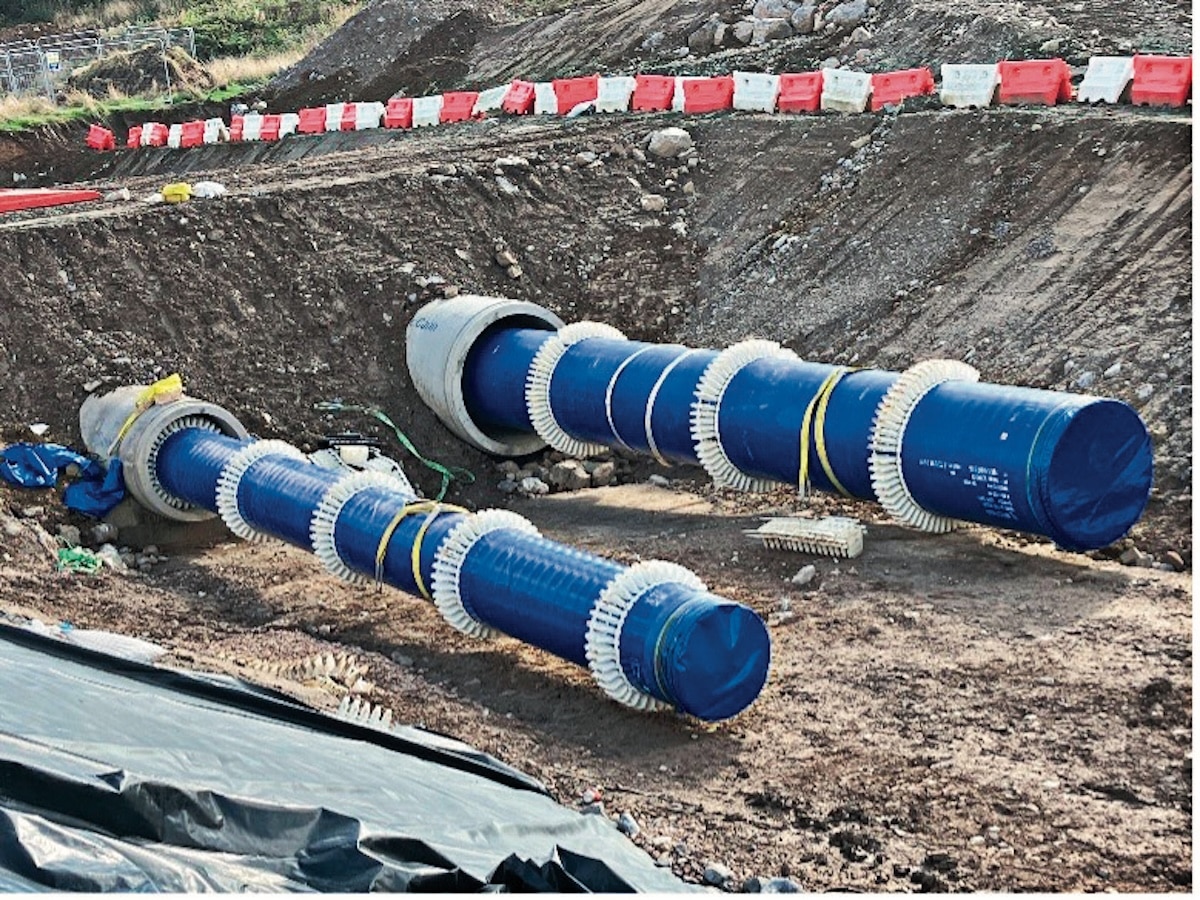
Why spacer systems matter in a pipeline project

In 60 seconds

Top move

Spacer systems (centralisers) are operationally relevant for OCTG and depot handling: they change insertion forces, equipment needs and coating protection requirements that affect mobilisation cost and on‑arrival acceptance risk

Key takeaways

  • Spacer systems (centralisers) are operationally relevant for OCTG and depot handling: they change insertion forces, equipment needs and coating protection requirements that affect mobilisation cost and on‑arrival acceptance risk.[1]
  • Federal Budget fuel-security measures change the logistics backdrop and could alter carrier prioritisation and how suppliers price or allocate deliveries during mobilisation periods.[2]
  • New process-control and telemetry product activity increases practical options to monitor depot stock and handling remotely, giving procurement a tool to tighten acceptance evidence and reduce disputes.[3]
  • Factory automation announcements are useful for medium-term depot efficiency planning but are peripheral to immediate OCTG mobilisation and pricing decisions.[4]
  • No material new tender awards or supplier policy shifts affecting the Queensland mobilisation assumptions were published today; signals remain developmental rather than urgent.[2]

What changed since last run

  • Added a concrete technical-operational lever: pipeline spacer system design surfaced as a factor that can change depot handling needs and mobilisation equipment requirements (Article 1).
  • Introduced telemetry and SCADA options as a practical mitigation for on‑arrival acceptance risk rather than only a future efficiency play (Article 2).
  • Noted Federal Budget fuel-security programs as a new logistics-context variable that could shift carrier behaviours or prioritisation rules for mobilisation (Article 3).

Key facts

  • kwik‑ZIP used on major infrastructure projects
  • Lightweight construction and simple assembly enable faster installs
  • Poor design can create excessive insertion forces requiring larger equipment
  • Budget includes funding for a National Fuel Security Plan and reserve targets
  • Measures aim to increase diesel and jet fuel reserves and support freight resilience
  • Implementation details will determine practical impacts for carriers and buyers

Why it matters

Spacer systems (centralisers) are operationally relevant for OCTG and depot handling: they change insertion forces, equipment needs and coating protection requirements that affect mobilisation cost and on‑arrival acceptance risk. Federal Budget fuel-security measures change the logistics backdrop and could alter carrier prioritisation and how suppliers price or allocate deliveries during mobilisation periods. New process-control and telemetry product activity increases practical options to monitor depot stock and handling remotely, giving procurement a tool to tighten acceptance evidence and reduce disputes. Factory automation announcements are useful for medium-term depot efficiency planning but are peripheral to immediate OCTG mobilisation and pricing decisions

Cost / money

  • Poor spacer selection or supplier-supplied centralisers can force heavier insertion equipment or extra labour, increasing mobilisation and handling costs at depots.[1]
  • Budget-backed fuel and freight programs may moderate extreme transport cost spikes but could also create allocation rules that shift short‑term delivery economics for certain carriers.[2]
  • Deploying telemetry for depot stock/condition increases upfront integration and recurring support costs, though it can reduce rework and acceptance disputes over time.[3]

Supplier / commercial

  • Suppliers that can document proven spacer performance and depot handling procedures gain leverage for short‑notice work and may justify shorter quote validity or mobilisation premiums.[1]
  • Vendors bundling telemetry or remote monitoring with depot services introduce new commercial scopes (OPEX/support contracts) that should be priced and contractually separated from material supply.[3]
  • Carriers or suppliers connected to fuel-reserve facilities or favored by allocation rules could acquire de‑facto priority—this shifts negotiating leverage toward those suppliers unless contracts specify delivery remedies.[2]

Safety / operations

  • Correct spacer use reduces pipe-to-casing contact and coating damage, lowering rework and warranty disputes at receipt—this is a direct operational acceptance risk to manage.[1]
  • Lightweight spacer systems can speed installs and reduce on-site labour exposure, but faster cadence compresses acceptance windows and increases need for FAT (factory acceptance test) records at depots.[1][3]

What to watch

  • Implementation rules for fuel-security programs are not yet operationally defined; verify allocation and access mechanisms because they could reorder carrier priority and affect delivery windows.[2]
  • Telemetry improves visibility but creates connectivity and cyber dependencies; check vendor security posture and integration constraints because relying on remote proof changes acceptance processes.[3]

Top stories

Story 1The Australian PipelinerMay 25, 2026

Why spacer systems matter in a pipeline project

Signal strongSource-grounded

What happened

A pipeline-industry piece explains why spacer systems (centralisers) are critical to preventing pipe-to-casing contact and protecting coatings. It emphasises that spacer design affects insertion forces, required equipment and installation speed—making spacer choice operationally meaningful for depot handling and mobilisation. Watch whether vendors start marketing spacers as a commercial differentiator and whether they supply FAT/handling evidence with quotes

Buyer takeaway

Treat spacer systems as a procurement factor: they change mobilisation equipment, depot handling needs and acceptance evidence requirements

Cost / money

Directional: better spacer design can lower labour and rework costs; poor design can add mobilisation equipment and handling expense

Supplier / commercial

Suppliers with proven spacer records can justify shorter quote validity and mobilisation premiums; demand FAT and handling proof during selection

Safety / operations

Correct spacers reduce point loading and coating damage, reducing rework and safety incidents on installation

What to watch

Watch for vendors promoting fast installs without providing FAT/handling records or clear depot procedures

Key facts

  • kwik‑ZIP used on major infrastructure projects
  • Lightweight construction and simple assembly enable faster installs
  • Poor design can create excessive insertion forces requiring larger equipment

Source excerpts

Poorly designed spacers can create excessive insertion forces, requiring larger equipment and increasing costs
Beyond simple alignment, these systems help prevent direct contact between the carrier pipe and casing, reducing wear and maintaining coating integrity if present
Combined with lightweight construction and simple assembly, these features translate into faster installs, lower labour costs and reduced on-site risk
Story 2The Australian PipelinerMay 19, 2026

What does the Budget mean for energy?

Signal moderateDirectional

What happened

An industry summary outlines Federal Budget measures aimed at fuel and freight security, including funding for additional diesel and jet fuel reserves and freight resilience programs. The measures are programmatic and their operational effect depends on how allocation and access rules are written and executed. Monitor implementation details because allocation mechanics will determine whether transport and delivery behaviours change for mobilisation

Buyer takeaway

Don’t assume carrier behaviour stays the same once reserve programs are operational; confirm allocation and access rules

Cost / money

Directional: reserve policies can reduce extreme spikes but may create short‑term allocation effects that change delivery economics

Supplier / commercial

Carriers tied to reserve facilities or favoured in allocation rules may gain de‑facto priority—check delivery remedies in contracts

Safety / operations

Improved fuel resilience reduces risk of fuel-driven downtime, but benefit depends on operational access to reserves

What to watch

Implementation timing and allocation rules are unclear; treat near‑term effects as early and verify program rules before relying on them

Key facts

  • Budget includes funding for a National Fuel Security Plan and reserve targets
  • Measures aim to increase diesel and jet fuel reserves and support freight resilience
  • Implementation details will determine practical impacts for carriers and buyers

Source excerpts

$3. 2b – Australian Fuel Security Reserve to increase fuel reserves to 50 days
2b – Australian Fuel Security Reserve to increase fuel reserves to 50 days. $1b – Economic Resilience Program via the National Reconstruction Fund Corporation – to support freight, fuel, fertiliser and other critical supply chains $54
Even a return to the fuel prices of late March and early April will have a big impact on a lot of people
Story 3Processonline

Process control systems :: Process Online

Signal moderateSource-grounded

What happened

A Process Online roundup lists new and expanded process-control, telemetry and SCADA products from vendors active in Australia. Several offerings make practical depot inventory and condition monitoring feasible, providing traceability that can shorten acceptance windows. Test vendor solutions against depot workflows and cyber posture before relying on them as acceptance evidence

Buyer takeaway

Telemetry and process-control vendors now offer tools that can monitor depot stock and condition; use these to tighten acceptance evidence requirements

Cost / money

Investing in telemetry has upfront integration cost but can lower rework and inspection costs by providing condition history at receipt

Supplier / commercial

Vendors bundling telemetry may charge for connectivity and ongoing support—clarify OPEX in contracts

Safety / operations

Remote monitoring helps detect handling or environmental damage earlier, reducing downstream risk

What to watch

Check cyber and integration constraints; not all telemetry solutions are equally secure or compatible

Key facts

  • Siemens and other vendors announced expanded digital water and telemetry tools
  • Cloud-based SCADA and remote telemetry rollouts cited across recent items
  • Multiple major vendors updating control and monitoring offerings

Source excerpts

Electric actuation: a gamechanger for upstream processes 12 February, 2026 | Supplied by: Rotork Australia The electrification of upstream oil and gas processes offers the opportunity to reduce emissions of greenhouse gases while improving efficiency
Process control systems Siemens expands digital water solutions 06 May, 2026 | Supplied by: Siemens Ltd Siemens has expanded its digital water range with SIWA Quality Inspector and SIWA Treatment Optimizer
Australian RTU technology expands into NZ 05 March, 2026 | Supplied by: CGI Australia CGI and Landis+Gyr bring Australian‍-‍made remote telemetry units to New Zealand to strengthen utility network resilience
Story 4Processonline

Factory automation :: Process Online

Signal limitedDirectional

What happened

A factory automation roundup highlights robotics, cobots and automated finishing cells that can raise depot throughput and reduce manual rework. These technologies are relevant for improving coating and handling processes over time but are not an immediate substitute for supplier FAT and handling evidence. Treat automation as a medium‑term depot efficiency play rather than a short‑term mitigation for mobilisation risk

Buyer takeaway

Use automation for medium-term depot improvements; don’t treat it as a quick fix for mobilisation readiness

Cost / money

Automation reduces labour and rework over time but requires capital and integration effort up front

Supplier / commercial

Automation suppliers may seek longer-term service agreements or maintenance contracts

Safety / operations

Proper automation reduces manual handling injuries and improves finish consistency for coated materials

What to watch

Verify vendor service scope, spare parts and integration timelines before committing

Key facts

  • ABB launched an automated surface finishing cell to reduce scrap and rework
  • New cobot ranges aim to bridge gap between traditional cobots and industrial robots
  • Multiple product announcements target handling and finishing efficiency

Source excerpts

ABB Robotics launches automated surface finishing cell 07 May, 2026 | Supplied by: ABB Australia Pty Ltd By automating repetitive sanding and polishing tasks, the cell is designed to increase throughput and reduces the traditional scrap and rework
Factory automation ARM Hub announces Propel-AIR tour 19 May, 2026 The Propel-AIR roadshow has been extended through May and June
Pepperl+Fuchs VOC industrial event camera 01 May, 2026 | Supplied by: Pepperl+Fuchs (Aust) Pty Ltd The Pepperl+Fuchs VOC industrial event camera allows event-driven video recording up to 900 s before and after a trigger signal

VP Snapshot

Executive Risk & Action View

Spacer systems (centralisers) are operationally relevant for OCTG and depot handling: they change insertion forces, equipment needs and coating protection requirements that affect mobilisation cost and on‑arrival acceptance risk.

Overall
57
Cost
79
Supply
43
Schedule
56
Compliance
15

Top signals

30-180dcost

Signal 1: Cost / money

Poor spacer selection or supplier-supplied centralisers can force heavier insertion equipment or extra labour, increasing mobilisation and handling costs at depots.

Signal 2: Cost / money

Budget-backed fuel and freight programs may moderate extreme transport cost spikes but could also create allocation rules that shift short‑term delivery economics for certain carriers.

Signal 3: Cost / money

Deploying telemetry for depot stock/condition increases upfront integration and recurring support costs, though it can reduce rework and acceptance disputes over time.

30-180dcommercial

Signal 4: Supplier / commercial

Suppliers that can document proven spacer performance and depot handling procedures gain leverage for short‑notice work and may justify shorter quote validity or mobilisation premiums.

30-180dsupply

Signal 5: Supplier / commercial

Vendors bundling telemetry or remote monitoring with depot services introduce new commercial scopes (OPEX/support contracts) that should be priced and contractually separated from material supply.

30-180dschedule

Signal 6: Supplier / commercial

Carriers or suppliers connected to fuel-reserve facilities or favored by allocation rules could acquire de‑facto priority—this shifts negotiating leverage toward those suppliers unless contracts specify delivery remedies.

Recommended actions

CategoryDue 3d

Contact primary OCTG, centraliser and spacer suppliers to confirm local stock, declared mobilisation surcharges, depot handling procedures, and quote validity.

Verified supplier map with depot handling notes, mobilisation surcharge triggers and quote validity windows to inform shortlists and immediate mobilisation plans.

CategoryDue 3d

Ask top carriers and freight providers to summarise contingency procedures and any anticipated prioritisation rules linked to new fuel-reserve programs.

Logistics brief listing carrier contingency rules, potential allocation impacts and recommended alternate routing options.

ContractsDue 21d

Update RFQ/PQQ templates to require depot FAT records, coating/handling procedures and a statement of telemetry capability (inventory and condition reporting) as part of accepta...

Tender documents that force suppliers to disclose depot handling, FAT evidence and telemetry capabilities for apples‑to‑apples evaluation.

OpsDue 21d

Schedule supplier technical demos and depot walk-throughs focused on spacer handling, insertion forces, protective packaging and telemetry workflows.

Recorded vendor demos and scored evaluation showing which suppliers meet handling, FAT and telemetry requirements for shortlist decisions.

LegalDue 60d

Amend framework contracts to define allowable mobilisation surcharge pass‑throughs, require depot stock disclosure and set audit rights plus minimum cyber standards for telemetr...

Framework clauses that limit ad‑hoc pass‑throughs, require depot stock disclosure and establish audit and cyber-security requirements for depot monitoring solutions.

Risk register

RiskTriggerMitigation
Implementation rules for fuel-security programs are not yet operationally defined; verify allocation and access mechanisms because they could reorder carrier priority and affect delivery windows.Implementation rules for fuel-security programs are not yet operationally defined; verify allocation and access mechanisms because they could reorder carrier priority and affect delivery windows.Confirm exposure with category, contracts, and operations before the next supplier commitment.
Telemetry improves visibility but creates connectivity and cyber dependencies; check vendor security posture and integration constraints because relying on remote proof changes acceptance processes.Telemetry improves visibility but creates connectivity and cyber dependencies; check vendor security posture and integration constraints because relying on remote proof changes acceptance processes.Confirm exposure with category, contracts, and operations before the next supplier commitment.

CM Snapshot

Category Manager Decision Detail

Today's priorities

Contact primary OCTG, centraliser and spacer suppliers to confirm local stock, declared mobilisation surcharges, depot handling procedures, and quote validity.

Act because the cited source changes the timing, capacity, or commercial assumptions behind the next sourcing decision.

Due 3d

high

CM move

Use this as the immediate supplier or contract action to move before the next sourcing gate.

Ask top carriers and freight providers to summarise contingency procedures and any anticipated prioritisation rules linked to new fuel-reserve programs.

Act because the cited source changes the timing, capacity, or commercial assumptions behind the next sourcing decision.

Due 3d

high

CM move

Use this as the immediate supplier or contract action to move before the next sourcing gate.

Update RFQ/PQQ templates to require depot FAT records, coating/handling procedures and a statement of telemetry capability (inventory and condition reporting) as part of accepta...

Act because the cited source changes the timing, capacity, or commercial assumptions behind the next sourcing decision.

Due 21d

high

CM move

Use this as the immediate supplier or contract action to move before the next sourcing gate.

Schedule supplier technical demos and depot walk-throughs focused on spacer handling, insertion forces, protective packaging and telemetry workflows.

Act because the cited source changes the timing, capacity, or commercial assumptions behind the next sourcing decision.

Due 21d

high

CM move

Use this as the immediate supplier or contract action to move before the next sourcing gate.

Supplier radar

The Australian Pipeliner

high

Observed supplier signal

Suppliers that can document proven spacer performance and depot handling procedures gain leverage for short‑notice work and may justify shorter quote validity or mobilisation premiums.

Commercial implication

Suppliers that can document proven spacer performance and depot handling procedures gain leverage for short‑notice work and may justify shorter quote validity or mobilisation premiums.

Next step: Validate the source-backed signal with incumbents and alternates before the next award or pricing decision.

Processonline

high

Observed supplier signal

Vendors bundling telemetry or remote monitoring with depot services introduce new commercial scopes (OPEX/support contracts) that should be priced and contractually separated from material supply.

Commercial implication

Vendors bundling telemetry or remote monitoring with depot services introduce new commercial scopes (OPEX/support contracts) that should be priced and contractually separated from material supply.

Next step: Validate the source-backed signal with incumbents and alternates before the next award or pricing decision.

The Australian Pipeliner

high

Observed supplier signal

Carriers or suppliers connected to fuel-reserve facilities or favored by allocation rules could acquire de‑facto priority—this shifts negotiating leverage toward those suppliers unless contracts specify delivery remedies.

Commercial implication

Carriers or suppliers connected to fuel-reserve facilities or favored by allocation rules could acquire de‑facto priority—this shifts negotiating leverage toward those suppliers unless contracts specify delivery remedies.

Next step: Validate the source-backed signal with incumbents and alternates before the next award or pricing decision.

Negotiation levers

Contact primary OCTG, centraliser and spacer suppliers to confirm local stock, declared mobilisation surcharges, depot handling procedures, and quote validity.

When to use: Act because the cited source changes the timing, capacity, or commercial assumptions behind the next sourcing decision.

Expected outcome: Verified supplier map with depot handling notes, mobilisation surcharge triggers and quote validity windows to inform shortlists and immediate mobilisation plans.

Commercial mechanism to carry into the next supplier conversation

Ask top carriers and freight providers to summarise contingency procedures and any anticipated prioritisation rules linked to new fuel-reserve programs.

When to use: Act because the cited source changes the timing, capacity, or commercial assumptions behind the next sourcing decision.

Expected outcome: Logistics brief listing carrier contingency rules, potential allocation impacts and recommended alternate routing options.

Commercial mechanism to carry into the next supplier conversation

Update RFQ/PQQ templates to require depot FAT records, coating/handling procedures and a statement of telemetry capability (inventory and condition reporting) as part of accepta...

When to use: Act because the cited source changes the timing, capacity, or commercial assumptions behind the next sourcing decision.

Expected outcome: Tender documents that force suppliers to disclose depot handling, FAT evidence and telemetry capabilities for apples‑to‑apples evaluation.

Commercial mechanism to carry into the next supplier conversation

Schedule supplier technical demos and depot walk-throughs focused on spacer handling, insertion forces, protective packaging and telemetry workflows.

When to use: Act because the cited source changes the timing, capacity, or commercial assumptions behind the next sourcing decision.

Expected outcome: Recorded vendor demos and scored evaluation showing which suppliers meet handling, FAT and telemetry requirements for shortlist decisions.

Commercial mechanism to carry into the next supplier conversation

Talking points

Spacer systems (centralisers) are operationally relevant for OCTG and depot handling: they change insertion forces, equipment needs and coating protection requirements that affect mobilisation cost and on‑arrival acceptance risk.
Federal Budget fuel-security measures change the logistics backdrop and could alter carrier prioritisation and how suppliers price or allocate deliveries during mobilisation periods.
New process-control and telemetry product activity increases practical options to monitor depot stock and handling remotely, giving procurement a tool to tighten acceptance evidence and reduce disputes.
Factory automation announcements are useful for medium-term depot efficiency planning but are peripheral to immediate OCTG mobilisation and pricing decisions.

Supplier radar

SupplierSignalImplicationNext stepConfidence
The Australian PipelinerSuppliers that can document proven spacer performance and depot handling procedures gain leverage for short‑notice work and may justify shorter quote validity or mobilisation premiums.Suppliers that can document proven spacer performance and depot handling procedures gain leverage for short‑notice work and may justify shorter quote validity or mobilisation premiums.Validate the source-backed signal with incumbents and alternates before the next award or pricing decision.high
ProcessonlineVendors bundling telemetry or remote monitoring with depot services introduce new commercial scopes (OPEX/support contracts) that should be priced and contractually separated from material supply.Vendors bundling telemetry or remote monitoring with depot services introduce new commercial scopes (OPEX/support contracts) that should be priced and contractually separated from material supply.Validate the source-backed signal with incumbents and alternates before the next award or pricing decision.high
The Australian PipelinerCarriers or suppliers connected to fuel-reserve facilities or favored by allocation rules could acquire de‑facto priority—this shifts negotiating leverage toward those suppliers unless contracts specify delivery remedies.Carriers or suppliers connected to fuel-reserve facilities or favored by allocation rules could acquire de‑facto priority—this shifts negotiating leverage toward those suppliers unless contracts specify delivery remedies.Validate the source-backed signal with incumbents and alternates before the next award or pricing decision.high

Negotiation levers

  • Contact primary OCTG, centraliser and spacer suppliers to confirm local stock, declared mobilisation surcharges, depot handling procedures, and quote validity.Act because the cited source changes the timing, capacity, or commercial assumptions behind the next sourcing decision.Verified supplier map with depot handling notes, mobilisation surcharge triggers and quote validity windows to inform shortlists and immediate mobilisation plans.

    high confidence

  • Ask top carriers and freight providers to summarise contingency procedures and any anticipated prioritisation rules linked to new fuel-reserve programs.Act because the cited source changes the timing, capacity, or commercial assumptions behind the next sourcing decision.Logistics brief listing carrier contingency rules, potential allocation impacts and recommended alternate routing options.

    high confidence

  • Update RFQ/PQQ templates to require depot FAT records, coating/handling procedures and a statement of telemetry capability (inventory and condition reporting) as part of accepta...Act because the cited source changes the timing, capacity, or commercial assumptions behind the next sourcing decision.Tender documents that force suppliers to disclose depot handling, FAT evidence and telemetry capabilities for apples‑to‑apples evaluation.

    high confidence

  • Schedule supplier technical demos and depot walk-throughs focused on spacer handling, insertion forces, protective packaging and telemetry workflows.Act because the cited source changes the timing, capacity, or commercial assumptions behind the next sourcing decision.Recorded vendor demos and scored evaluation showing which suppliers meet handling, FAT and telemetry requirements for shortlist decisions.

    high confidence

What to do / What to watch

What to do now

  • Contact primary OCTG, centraliser and spacer suppliers to confirm local stock, declared mobilisation surcharges, depot handling procedures, and quote validity.

    Why: Act because the cited source changes the timing, capacity, or commercial assumptions behind the next sourcing decision.

    Owner: Category

    Expected outcome: Verified supplier map with depot handling notes, mobilisation surcharge triggers and quote validity windows to inform shortlists and immediate mobilisation plans.

    [1]
  • Ask top carriers and freight providers to summarise contingency procedures and any anticipated prioritisation rules linked to new fuel-reserve programs.

    Why: Act because the cited source changes the timing, capacity, or commercial assumptions behind the next sourcing decision.

    Owner: Category

    Expected outcome: Logistics brief listing carrier contingency rules, potential allocation impacts and recommended alternate routing options.

    [2]

Next few weeks

  • Update RFQ/PQQ templates to require depot FAT records, coating/handling procedures and a statement of telemetry capability (inventory and condition reporting) as part of accepta...

    Why: Act because the cited source changes the timing, capacity, or commercial assumptions behind the next sourcing decision.

    Owner: Contracts

    Expected outcome: Tender documents that force suppliers to disclose depot handling, FAT evidence and telemetry capabilities for apples‑to‑apples evaluation.

    [1][3]
  • Schedule supplier technical demos and depot walk-throughs focused on spacer handling, insertion forces, protective packaging and telemetry workflows.

    Why: Act because the cited source changes the timing, capacity, or commercial assumptions behind the next sourcing decision.

    Owner: Ops

    Expected outcome: Recorded vendor demos and scored evaluation showing which suppliers meet handling, FAT and telemetry requirements for shortlist decisions.

    [1][3]

Longer view

  • Amend framework contracts to define allowable mobilisation surcharge pass‑throughs, require depot stock disclosure and set audit rights plus minimum cyber standards for telemetr...

    Why: Act because the cited source changes the timing, capacity, or commercial assumptions behind the next sourcing decision.

    Owner: Legal

    Expected outcome: Framework clauses that limit ad‑hoc pass‑throughs, require depot stock disclosure and establish audit and cyber-security requirements for depot monitoring solutions.

    [1][3][2]

What to watch

  • Implementation rules for fuel-security programs are not yet operationally defined; verify allocation and access mechanisms because they could reorder carrier priority and affect delivery windows
  • Telemetry improves visibility but creates connectivity and cyber dependencies; check vendor security posture and integration constraints because relying on remote proof changes acceptance processes
  • Implementation rules for fuel-security programs are not yet operationally defined; verify allocation and access mechanisms because they could reorder carrier priority and affect delivery windows.: Implementation rules for fuel-security programs are not yet operationally defined; verify allocation and access mechanisms because they could reorder carrier priority and affect delivery windows
  • Telemetry improves visibility but creates connectivity and cyber dependencies; check vendor security posture and integration constraints because relying on remote proof changes acceptance processes.: Telemetry improves visibility but creates connectivity and cyber dependencies; check vendor security posture and integration constraints because relying on remote proof changes acceptance processes
  • Spacer systems (centralisers) are operationally relevant for OCTG and depot handling: they change insertion forces, equipment needs and coating protection requirements that affect mobilisation cost and on‑arrival acceptance risk
  • Federal Budget fuel-security measures change the logistics backdrop and could alter carrier prioritisation and how suppliers price or allocate deliveries during mobilisation periods
  • New process-control and telemetry product activity increases practical options to monitor depot stock and handling remotely, giving procurement a tool to tighten acceptance evidence and reduce disputes
  • Factory automation announcements are useful for medium-term depot efficiency planning but are peripheral to immediate OCTG mobilisation and pricing decisions

Market pulse

IndexLatestChangeAs of
HRC Steel (HRC)740 /ton+0.00 (+0.00%)May 30, 2026, 10:11 PM
Copper (COPPER)3.85 /lb+0.00 (+0.00%)May 30, 2026, 10:11 PM
Iron Ore (IRON)108.5 /t+0.00 (+0.00%)May 30, 2026, 10:11 PM
Tenaris (TS)32 +0.00 (+0.00%)May 30, 2026, 10:11 PM
  • HRC Steel: HRC steel cost changes feed through to OCTG base-material pricing and mobilisation cost assumptions
  • Iron Ore: Iron ore directions inform long-lead pricing for coated casing and heavy fabrication contracts
  • Tenaris: Tenaris share moves can indicate supplier pricing posture and market tightness for OCTG producers

Sources

Inline citations jump here. Expand a source to read the excerpt, the AI interpretation, and the original link.

[1] Why spacer systems matter in a pipeline project

pipeliner.com.au · May 25, 2026

Expand

AI reading

A pipeline-industry piece explains why spacer systems (centralisers) are critical to preventing pipe-to-casing contact and protecting coatings. It emphasises that spacer design affects insertion forces, required equipment and installation speed—making spacer choice operationally meaningful for depot handling and mobilisation. Watch whether vendors start marketing spacers as a commercial differentiator and whether they supply FAT/handling evidence with quotes

Buyer takeaway

Treat spacer systems as a procurement factor: they change mobilisation equipment, depot handling needs and acceptance evidence requirements

Cost / money

Directional: better spacer design can lower labour and rework costs; poor design can add mobilisation equipment and handling expense

Supplier / commercial

Suppliers with proven spacer records can justify shorter quote validity and mobilisation premiums; demand FAT and handling proof during selection

Safety / operations

Correct spacers reduce point loading and coating damage, reducing rework and safety incidents on installation

What to watch

Watch for vendors promoting fast installs without providing FAT/handling records or clear depot procedures

Key facts

  • kwik‑ZIP used on major infrastructure projects
  • Lightweight construction and simple assembly enable faster installs
  • Poor design can create excessive insertion forces requiring larger equipment

Source excerpts

Poorly designed spacers can create excessive insertion forces, requiring larger equipment and increasing costs
Beyond simple alignment, these systems help prevent direct contact between the carrier pipe and casing, reducing wear and maintaining coating integrity if present
Combined with lightweight construction and simple assembly, these features translate into faster installs, lower labour costs and reduced on-site risk

Used in this brief

  • Cost / money: Poor spacer selection or supplier-supplied centralisers can force heavier insertion equipment or extra labour, increasing mobilisation and handling costs at depots
  • Safety / operations: Correct spacer use reduces pipe-to-casing contact and coating damage, lowering rework and warranty disputes at receipt—this is a direct operational acceptance risk to manage
  • Safety / operations: Lightweight spacer systems can speed installs and reduce on-site labour exposure, but faster cadence compresses acceptance windows and increases need for FAT (factory acceptance test) records at depots
Open original source

[2] What does the Budget mean for energy?

pipeliner.com.au · May 19, 2026

Expand

AI reading

An industry summary outlines Federal Budget measures aimed at fuel and freight security, including funding for additional diesel and jet fuel reserves and freight resilience programs. The measures are programmatic and their operational effect depends on how allocation and access rules are written and executed. Monitor implementation details because allocation mechanics will determine whether transport and delivery behaviours change for mobilisation

Buyer takeaway

Don’t assume carrier behaviour stays the same once reserve programs are operational; confirm allocation and access rules

Cost / money

Directional: reserve policies can reduce extreme spikes but may create short‑term allocation effects that change delivery economics

Supplier / commercial

Carriers tied to reserve facilities or favoured in allocation rules may gain de‑facto priority—check delivery remedies in contracts

Safety / operations

Improved fuel resilience reduces risk of fuel-driven downtime, but benefit depends on operational access to reserves

What to watch

Implementation timing and allocation rules are unclear; treat near‑term effects as early and verify program rules before relying on them

Key facts

  • Budget includes funding for a National Fuel Security Plan and reserve targets
  • Measures aim to increase diesel and jet fuel reserves and support freight resilience
  • Implementation details will determine practical impacts for carriers and buyers

Source excerpts

$3. 2b – Australian Fuel Security Reserve to increase fuel reserves to 50 days
2b – Australian Fuel Security Reserve to increase fuel reserves to 50 days. $1b – Economic Resilience Program via the National Reconstruction Fund Corporation – to support freight, fuel, fertiliser and other critical supply chains $54
Even a return to the fuel prices of late March and early April will have a big impact on a lot of people

Used in this brief

  • What to watch: Implementation rules for fuel-security programs are not yet operationally defined; verify allocation and access mechanisms because they could reorder carrier priority and affect delivery windows
  • Next 72 hours — Ask top carriers and freight providers to summarise contingency procedures and any anticipated prioritisation rules linked to new fuel-reserve programs.. Rationale: Act because the cited source changes the timing, capacity, or commercial assumptions behind the next sourcing decision.. Owner: Category. KPI: Logistics brief listing carrier contingency rules, potential allocation impacts and recommended alternate routing options
  • Implementation rules for fuel-security programs are not yet operationally defined; verify allocation and access mechanisms because they could reorder carrier priority and affect delivery windows
Open original source

[3] Process control systems :: Process Online

processonline.com.au · n.d.

Expand

AI reading

A Process Online roundup lists new and expanded process-control, telemetry and SCADA products from vendors active in Australia. Several offerings make practical depot inventory and condition monitoring feasible, providing traceability that can shorten acceptance windows. Test vendor solutions against depot workflows and cyber posture before relying on them as acceptance evidence

Buyer takeaway

Telemetry and process-control vendors now offer tools that can monitor depot stock and condition; use these to tighten acceptance evidence requirements

Cost / money

Investing in telemetry has upfront integration cost but can lower rework and inspection costs by providing condition history at receipt

Supplier / commercial

Vendors bundling telemetry may charge for connectivity and ongoing support—clarify OPEX in contracts

Safety / operations

Remote monitoring helps detect handling or environmental damage earlier, reducing downstream risk

What to watch

Check cyber and integration constraints; not all telemetry solutions are equally secure or compatible

Key facts

  • Siemens and other vendors announced expanded digital water and telemetry tools
  • Cloud-based SCADA and remote telemetry rollouts cited across recent items
  • Multiple major vendors updating control and monitoring offerings

Source excerpts

Electric actuation: a gamechanger for upstream processes 12 February, 2026 | Supplied by: Rotork Australia The electrification of upstream oil and gas processes offers the opportunity to reduce emissions of greenhouse gases while improving efficiency
Process control systems Siemens expands digital water solutions 06 May, 2026 | Supplied by: Siemens Ltd Siemens has expanded its digital water range with SIWA Quality Inspector and SIWA Treatment Optimizer
Australian RTU technology expands into NZ 05 March, 2026 | Supplied by: CGI Australia CGI and Landis+Gyr bring Australian‍-‍made remote telemetry units to New Zealand to strengthen utility network resilience

Used in this brief

  • Telemetry improves visibility but creates connectivity and cyber dependencies; check vendor security posture and integration constraints because relying on remote proof changes acceptance processes
  • A Process Online roundup lists new and expanded process-control, telemetry and SCADA products from vendors active in Australia. Several offerings make practical depot inventory and condition monitoring feasible, providing traceability that can shorten acceptance windows. Test vendor solutions against depot workflows and cyber posture before relying on them as acceptance evidence
  • Buyer bottom line: deploy telemetry selectively to improve depot acceptance traceability, but validate compatibility and security first
Open original source

[4] Factory automation :: Process Online

processonline.com.au · n.d.

Expand

AI reading

A factory automation roundup highlights robotics, cobots and automated finishing cells that can raise depot throughput and reduce manual rework. These technologies are relevant for improving coating and handling processes over time but are not an immediate substitute for supplier FAT and handling evidence. Treat automation as a medium‑term depot efficiency play rather than a short‑term mitigation for mobilisation risk

Buyer takeaway

Use automation for medium-term depot improvements; don’t treat it as a quick fix for mobilisation readiness

Cost / money

Automation reduces labour and rework over time but requires capital and integration effort up front

Supplier / commercial

Automation suppliers may seek longer-term service agreements or maintenance contracts

Safety / operations

Proper automation reduces manual handling injuries and improves finish consistency for coated materials

What to watch

Verify vendor service scope, spare parts and integration timelines before committing

Key facts

  • ABB launched an automated surface finishing cell to reduce scrap and rework
  • New cobot ranges aim to bridge gap between traditional cobots and industrial robots
  • Multiple product announcements target handling and finishing efficiency

Source excerpts

ABB Robotics launches automated surface finishing cell 07 May, 2026 | Supplied by: ABB Australia Pty Ltd By automating repetitive sanding and polishing tasks, the cell is designed to increase throughput and reduces the traditional scrap and rework
Factory automation ARM Hub announces Propel-AIR tour 19 May, 2026 The Propel-AIR roadshow has been extended through May and June
Pepperl+Fuchs VOC industrial event camera 01 May, 2026 | Supplied by: Pepperl+Fuchs (Aust) Pty Ltd The Pepperl+Fuchs VOC industrial event camera allows event-driven video recording up to 900 s before and after a trigger signal

Used in this brief

  • A factory automation roundup highlights robotics, cobots and automated finishing cells that can raise depot throughput and reduce manual rework. These technologies are relevant for improving coating and handling processes over time but are not an immediate substitute for supplier FAT and handling evidence. Treat automation as a medium‑term depot efficiency play rather than a short‑term mitigation for mobilisation risk
  • Buyer bottom line: automation can improve depot handling and coating quality over time but is peripheral to near‑term mobilisation and acceptance controls
  • Use automation for medium-term depot improvements; don’t treat it as a quick fix for mobilisation readiness
Open original source

[5] HRC Steel

cmegroup.com · n.d.

Expand

[6] Iron Ore

finance.yahoo.com · n.d.

Expand

[7] Tenaris

finance.yahoo.com · n.d.

Expand