Rigs & Integrated Drilling · Australia (Perth)

Reassess Mobilization and Shipping Risk for APAC Rig Sourcing

Published May 31, 2026, 6:02 AM AWSTAPACFull category signal
Ask AI
The US/Israel-Iran conflict has fundamentally changed oil supply chains - Offshore Technology

In 60 seconds

Top move

The Strait of Hormuz closure and related US naval actions have changed shipping routes and vessel availability, raising rig mobilization and heavy‑lift charter risk for APAC projects

Key takeaways

  • The Strait of Hormuz closure and related US naval actions have changed shipping routes and vessel availability, raising rig mobilization and heavy‑lift charter risk for APAC projects.
  • Oil futures moved lower on ceasefire reports, easing immediate price-driven procurement pressure but leaving volatility that can flip charter and fuel costs quickly.[1]
  • Australian onshore drilling programs (example: Aureka’s infill diamond program) are active again, creating near-market demand for rigs, crews and local services that can tighten short-notice supply.[3]
  • Industry trade outlets remain useful for supplier intel but provide limited direct sourcing signals; use them to validate supplier announcements rather than as primary triggers for contract change.[4]
  • Net procurement posture: prepare for increased transit and charter exposure while monitoring whether naval actions persist or de-escalate before changing long-term sourcing commitments.

What changed since last run

  • New geopolitical supply-chain risk: confirmed Strait of Hormuz closure and US naval redirections since the prior brief, creating fresh shipping and charter exposures.
  • Local demand update: Australian onshore exploration drilling (Aureka) has commenced infill drilling, increasing near-term competition for onshore rigs and services compared with the last run.

Key facts

  • Closure of the Strait of Hormuz effective since early March
  • US naval redirections of commercial vessels reported
  • Noted decline in Brent and WTI futures amid ceasefire reports
  • Price movement interpreted as short-term volatility settling
  • Six-week infill diamond drilling program at Comstock (Walkers pit)
  • Program aims to validate historical data and support scoping studies

Why it matters

The Strait of Hormuz closure and related US naval actions have changed shipping routes and vessel availability, raising rig mobilization and heavy‑lift charter risk for APAC projects. Oil futures moved lower on ceasefire reports, easing immediate price-driven procurement pressure but leaving volatility that can flip charter and fuel costs quickly. Australian onshore drilling programs (example: Aureka’s infill diamond program) are active again, creating near-market demand for rigs, crews and local services that can tighten short-notice supply. Industry trade outlets remain useful for supplier intel but provide limited direct sourcing signals; use them to validate supplier announcements rather than as primary triggers for contract change

Cost / money

  • Mobilization and charter costs are likely to rise or become more variable because vessels are being rerouted and commercial carriers are being redirected, increasing transit time and availability premiums.
  • Temporary softening in oil prices reduces immediate revenue pressure for operators but does not eliminate increased logistics or fuel pass-through exposure on contracts.[1]

Supplier / commercial

  • Marine and heavy‑lift suppliers with global fleets can tighten quote validity, require mobilisation deposits, or prefer longer commitments as routing risk and demand uncertainty rise.
  • Regional service providers and onshore rig contractors in Australia may see utilization lift from active exploration, reducing buyer leverage for spot mobilisations and short‑notice rates.[3]
  • Sector publications are signalling supplier activity but offer limited operational detail; they’re better for cross-checking supplier claims than for immediate contracting decisions.[4]

Safety / operations

  • Longer transits and alternative routing increase crew time at sea, maintenance windows and fatigue risk; readiness milestones and maintenance buffers should be enforced in mobilisation plans.[3]
  • Restarted onshore drilling requires verified local HSE and permit alignment to avoid last‑minute stoppages that would cascade into mobilisation and cost overruns.[3]

What to watch

  • Monitor whether naval blockades or closures persist or widen; sustained actions would materially alter charter markets and may force rerouting via longer corridors.
  • Watch for suppliers to shorten quote windows or ask for mobilisation deposits as a commercial response to routing and availability stress.

Top stories

Story 1Offshore TechnologyMay 29, 2026

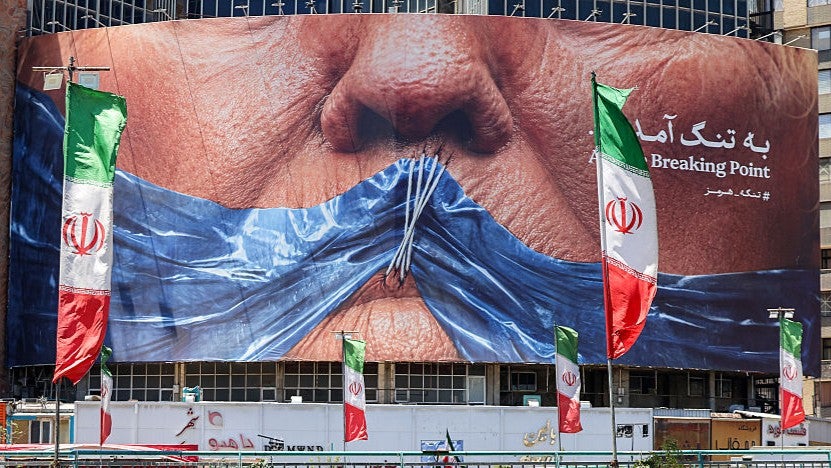
The US/Israel-Iran conflict has fundamentally changed oil supply chains - Offshore Technology

Signal strongSource-grounded

What happened

The Strait of Hormuz closure and a US naval blockade have disrupted Gulf export flows and forced commercial vessel redirections. The change is operationally real: vessels are being rerouted and exporters are using floating storage, which tightens availability for rigs, heavy‑lift and spares shipments. Watch whether naval operations continue or de‑escalate — persistence would push buyers toward longer routing and heavier charter exposure

Buyer takeaway

Treat this as a confirmed logistics shock: expect longer transits, tighter vessel availability, and suppliers asking for commercial protections

Cost / money

Directional increase in mobilisation and charter cost exposure due to rerouting and limited carrier capacity

Supplier / commercial

Suppliers with global fleets can reduce quote validity and push for deposits or longer commitments to secure bookings

Safety / operations

Longer sea time increases fatigue and maintenance windows; enforce readiness milestones and additional maintenance checks pre-mobilisation

What to watch

Monitor naval actions and any new export or insurance restrictions that would materially change routing and costs

Key facts

  • Closure of the Strait of Hormuz effective since early March
  • US naval redirections of commercial vessels reported

Source excerpts

Since then, the US Central Command has reportedly redirected 108 commercial vessels
For these producers, the closure of the Strait of Hormuz has presented a lucrative opportunity and profit margins are healthy
Instead, importers are likely to look to diversify their portfolios, both in terms of suppliers and the supplies themselves
Story 2Offshore TechnologyMay 29, 2026

Oil futures fall amid reports of potential US-Iran ceasefire extension

Signal moderateSource-grounded

What happened

Oil futures fell on reports of a possible US‑Iran ceasefire extension, which eased immediate price-driven pressure. This reduces short-term procurement urgency tied to price spikes but does not remove volatility that can quickly change charter and fuel cost assumptions

Buyer takeaway

Use the temporary price relief to re-evaluate logistics exposure separately from commodity risk

Cost / money

Price falls reduce immediate operator revenue pressure but don’t offset increased mobilization or charter costs driven by shipping disruptions

Supplier / commercial

Operators may delay contract term changes based on prices, but suppliers facing logistics stress may still tighten commercial terms

Safety / operations

Price movements do not change immediate safety considerations tied to longer transits or substitute routes

What to watch

Watch for quick reversals if ceasefire talks falter — volatility can return and affect charter rates

Key facts

  • Noted decline in Brent and WTI futures amid ceasefire reports
  • Price movement interpreted as short-term volatility settling

Source excerpts

Oil prices declined by approximately 2% on 29 May as reports emerged that the US and Iran may have reached an agreement on a potential ceasefire extension
A report by GlobalData TS Lombard, written by Freya Beamish, suggests that oil revenue is a key priority for Iran
Price volatility was notable, with both benchmarks swinging as much as $6/bbl on differing reports about a potential end to the Iran conflict and the status of the Strait of Hormuz
Story 3Australian MiningMay 29, 2026

Exploration round-up: Aureka launches Comstock resource drilling

Signal moderateSource-grounded

What happened

Aureka has started an infill diamond drilling program in Victoria as part of broader exploration activity in Australia. The program is operationally real and focused on validating historical results, increasing drill density and supporting development studies, which raises near-market demand for rigs, crews and local services. Watch whether the campaign expands into larger reverse-circulation programs that would further tighten local supplier capacity

Buyer takeaway

Treat local drilling starts as firm near-term demand—confirm supplier availability and crew schedules rather than assuming spot capacity

Cost / money

Local service rates may firm as utilization rises; expect less slack for discounted short-notice rates

Supplier / commercial

Local contractors can shorten lead times for commitments and ask for clearer mobilisation terms

Safety / operations

Onshore HSE and permit checks need to be confirmed ahead of mobilisation to avoid schedule slips

What to watch

Watch for expanding campaigns or follow-on programs that would further consume regional crew and rig capacity

Key facts

  • Six-week infill diamond drilling program at Comstock (Walkers pit)
  • Program aims to validate historical data and support scoping studies

Source excerpts

Exploration activity remains strong across Australia, with Aureka, Stelar Metals and Western Mines Group advancing gold, tungsten and nickel projects through drilling, fieldwork and resource growth initiatives. Aureka launches Comstock resource drilling Aureka Limited has commenced an infill diamond drilling program at its St Arnaud Comstock project in Victoria as it looks to increase confidence in the project’s maiden JORC resource and support ongoing development studies
Aureka launches Comstock resource drilling Aureka Limited has commenced an infill diamond drilling program at its St Arnaud Comstock project in Victoria as it looks to increase confidence in the project’s maiden JORC resource and support ongoing development studies. The six-week program will comprise approximately 1000m of drilling across six holes at the Walkers pit area, targeting validation of historical drilling results and increasing drill density within the existing resource
“The Phase 5 drilling program at Mulga Tank is now operating in a smoother fashion having overcome a series of issues and fuel availability is greatly relieved,” Marriott said. The company plans five additional RC holes targeting potential near-surface nickel mineralisation in the south-west corner of the complex
Story 4Drilling Contractor

Drilling Rigs & Automation Archives - Drilling Contractor

Signal limitedDirectional

What happened

Drilling Contractor is an industry publication covering rig and completion topics globally. The title is a useful source for supplier announcements and best practices but offers limited operational newness for immediate APAC sourcing actions

Buyer takeaway

Leverage the publication for supplier intelligence and market color, not as a primary execution trigger

Cost / money

Limited direct cost signal; mostly useful for trend awareness and supplier positioning

Supplier / commercial

Good for spotting supplier PR about new capabilities but verify availability and contract terms separately

Safety / operations

Useful for HSE best-practice pointers but not a substitute for project-level safety checks

What to watch

Limited operational relevance; flag items from trade press for verification rather than immediate action

Key facts

  • Longstanding sector magazine focused on drilling and completion
  • Useful for industry trends and supplier announcements

Source excerpts

Drilling Contractor is the only viable magazine exclusively covering the global drilling and completion industry, both land and offshore
The official magazine of the International Association of Drilling Contractors, DC has been published since 1944 and is the longest continuously published magazine focusing on drilling and completion
Drilling Contractor is the only viable magazine exclusively covering the global drilling and completion industry, both land and offshore. The official magazine of the International Association of Drilling Contractors, DC has been published since 1944 and is the longest continuously published magazine focusing on drilling and completion

VP Snapshot

Executive Risk & Action View

The Strait of Hormuz closure and related US naval actions have changed shipping routes and vessel availability, raising rig mobilization and heavy‑lift charter risk for APAC projects.

Overall
60
Cost
79
Supply
61
Schedule
20
Compliance
15

Top signals

0-30dcost

Signal 1: Cost / money

Mobilization and charter costs are likely to rise or become more variable because vessels are being rerouted and commercial carriers are being redirected, increasing transit time and availability premiums.

Signal 2: Cost / money

Temporary softening in oil prices reduces immediate revenue pressure for operators but does not eliminate increased logistics or fuel pass-through exposure on contracts.

180d+commercial

Signal 3: Supplier / commercial

Marine and heavy‑lift suppliers with global fleets can tighten quote validity, require mobilisation deposits, or prefer longer commitments as routing risk and demand uncertainty rise.

30-180dcommercial

Signal 4: Supplier / commercial

Regional service providers and onshore rig contractors in Australia may see utilization lift from active exploration, reducing buyer leverage for spot mobilisations and short‑notice rates.

0-30dcommercial

Signal 5: Supplier / commercial

Sector publications are signalling supplier activity but offer limited operational detail; they’re better for cross-checking supplier claims than for immediate contracting decisions.

180d+supply

Signal 6: Safety / operations

Longer transits and alternative routing increase crew time at sea, maintenance windows and fatigue risk; readiness milestones and maintenance buffers should be enforced in mobilisation plans.

Recommended actions

ContractsDue 3d

Run a cross-functional shipping and mobilisation check focused on upcoming rig moves and heavy‑lift bookings.

Registered list of at-risk mobilisations, alternate routing options, and clauses to invoke or amend for each mobilisation.

CategoryDue 3d

Confirm near-term availability with local onshore rig operators and key service vendors in Australia.

Updated supplier availability matrix (crews, rigs, support services) for APAC onshore opportunities.

ContractsDue 21d

Update contract templates to include mobilisation deposit language, shortened quote validity, and explicit fuel/charter pass-through clauses.

Deployable contract annex that limits surprise pass-through costs and sets standard deposit/validity terms.

CategoryDue 21d

Issue focused RFIs to regional marine logistics and heavy‑lift providers to validate capacity, routing options, and indicative rates.

Shortlist of providers with confirmed routing capabilities, blackout windows, and indicative commercial terms.

CategoryDue 60d

Run a sourcing scenario comparing block-booked vessel/yard reservations versus spot chartering for mobilisations and heavy‑lift needs.

Decision paper with recommended sourcing approach, expected operational impacts, and preferred supplier shortlist.

Risk register

RiskTriggerMitigation
Monitor whether naval blockades or closures persist or widen; sustained actions would materially alter charter markets and may force rerouting via longer corridors.Monitor whether naval blockades or closures persist or widen; sustained actions would materially alter charter markets and may force rerouting via longer corridors.Confirm exposure with category, contracts, and operations before the next supplier commitment.
Watch for suppliers to shorten quote windows or ask for mobilisation deposits as a commercial response to routing and availability stress.Watch for suppliers to shorten quote windows or ask for mobilisation deposits as a commercial response to routing and availability stress.Confirm exposure with category, contracts, and operations before the next supplier commitment.

CM Snapshot

Category Manager Decision Detail

Today's priorities

Run a cross-functional shipping and mobilisation check focused on upcoming rig moves and heavy‑lift bookings.

Do this because the Strait of Hormuz closure and diverted commercial traffic have immediately altered routing and vessel availability, which could impact planned mobilisations.

Due 3d

high

CM move

Use this as the immediate supplier or contract action to move before the next sourcing gate.

Confirm near-term availability with local onshore rig operators and key service vendors in Australia.

Do this because Aureka’s infill drilling and other local campaigns increase spot demand for rigs and crews, which can tighten short-notice supply.

Due 3d

high

CM move

Use this as the immediate supplier or contract action to move before the next sourcing gate.

Update contract templates to include mobilisation deposit language, shortened quote validity, and explicit fuel/charter pass-through clauses.

Do this because suppliers are likely to seek commercial protections under heightened routing and charter uncertainty; updating templates preserves negotiating leverage.

Due 21d

high

CM move

Use this as the immediate supplier or contract action to move before the next sourcing gate.

Issue focused RFIs to regional marine logistics and heavy‑lift providers to validate capacity, routing options, and indicative rates.

Do this because rerouting and redirected commercial traffic create uncertainty in port access and vessel windows; direct supplier data reduces execution risk.

Due 21d

high

CM move

Use this as the immediate supplier or contract action to move before the next sourcing gate.

Supplier radar

Offshore Technology

high

Observed supplier signal

Marine and heavy‑lift suppliers with global fleets can tighten quote validity, require mobilisation deposits, or prefer longer commitments as routing risk and demand uncertainty rise.

Commercial implication

Marine and heavy‑lift suppliers with global fleets can tighten quote validity, require mobilisation deposits, or prefer longer commitments as routing risk and demand uncertainty rise.

Next step: Validate the source-backed signal with incumbents and alternates before the next award or pricing decision.

Australian Mining

high

Observed supplier signal

Regional service providers and onshore rig contractors in Australia may see utilization lift from active exploration, reducing buyer leverage for spot mobilisations and short‑notice rates.

Commercial implication

Regional service providers and onshore rig contractors in Australia may see utilization lift from active exploration, reducing buyer leverage for spot mobilisations and short‑notice rates.

Next step: Validate the source-backed signal with incumbents and alternates before the next award or pricing decision.

Drilling Contractor

high

Observed supplier signal

Sector publications are signalling supplier activity but offer limited operational detail; they’re better for cross-checking supplier claims than for immediate contracting decisions.

Commercial implication

Sector publications are signalling supplier activity but offer limited operational detail; they’re better for cross-checking supplier claims than for immediate contracting decisions.

Next step: Validate the source-backed signal with incumbents and alternates before the next award or pricing decision.

Negotiation levers

Run a cross-functional shipping and mobilisation check focused on upcoming rig moves and heavy‑lift bookings.

When to use: Do this because the Strait of Hormuz closure and diverted commercial traffic have immediately altered routing and vessel availability, which could impact planned mobilisations.

Expected outcome: Registered list of at-risk mobilisations, alternate routing options, and clauses to invoke or amend for each mobilisation.

Commercial mechanism to carry into the next supplier conversation

Confirm near-term availability with local onshore rig operators and key service vendors in Australia.

When to use: Do this because Aureka’s infill drilling and other local campaigns increase spot demand for rigs and crews, which can tighten short-notice supply.

Expected outcome: Updated supplier availability matrix (crews, rigs, support services) for APAC onshore opportunities.

Commercial mechanism to carry into the next supplier conversation

Update contract templates to include mobilisation deposit language, shortened quote validity, and explicit fuel/charter pass-through clauses.

When to use: Do this because suppliers are likely to seek commercial protections under heightened routing and charter uncertainty; updating templates preserves negotiating leverage.

Expected outcome: Deployable contract annex that limits surprise pass-through costs and sets standard deposit/validity terms.

Commercial mechanism to carry into the next supplier conversation

Issue focused RFIs to regional marine logistics and heavy‑lift providers to validate capacity, routing options, and indicative rates.

When to use: Do this because rerouting and redirected commercial traffic create uncertainty in port access and vessel windows; direct supplier data reduces execution risk.

Expected outcome: Shortlist of providers with confirmed routing capabilities, blackout windows, and indicative commercial terms.

Commercial mechanism to carry into the next supplier conversation

Talking points

The Strait of Hormuz closure and related US naval actions have changed shipping routes and vessel availability, raising rig mobilization and heavy‑lift charter risk for APAC projects.
Oil futures moved lower on ceasefire reports, easing immediate price-driven procurement pressure but leaving volatility that can flip charter and fuel costs quickly.
Australian onshore drilling programs (example: Aureka’s infill diamond program) are active again, creating near-market demand for rigs, crews and local services that can tighten short-notice supply.
Industry trade outlets remain useful for supplier intel but provide limited direct sourcing signals; use them to validate supplier announcements rather than as primary triggers for contract change.

Supplier radar

SupplierSignalImplicationNext stepConfidence
Offshore TechnologyMarine and heavy‑lift suppliers with global fleets can tighten quote validity, require mobilisation deposits, or prefer longer commitments as routing risk and demand uncertainty rise.Marine and heavy‑lift suppliers with global fleets can tighten quote validity, require mobilisation deposits, or prefer longer commitments as routing risk and demand uncertainty rise.Validate the source-backed signal with incumbents and alternates before the next award or pricing decision.high
Australian MiningRegional service providers and onshore rig contractors in Australia may see utilization lift from active exploration, reducing buyer leverage for spot mobilisations and short‑notice rates.Regional service providers and onshore rig contractors in Australia may see utilization lift from active exploration, reducing buyer leverage for spot mobilisations and short‑notice rates.Validate the source-backed signal with incumbents and alternates before the next award or pricing decision.high
Drilling ContractorSector publications are signalling supplier activity but offer limited operational detail; they’re better for cross-checking supplier claims than for immediate contracting decisions.Sector publications are signalling supplier activity but offer limited operational detail; they’re better for cross-checking supplier claims than for immediate contracting decisions.Validate the source-backed signal with incumbents and alternates before the next award or pricing decision.high

Negotiation levers

  • Run a cross-functional shipping and mobilisation check focused on upcoming rig moves and heavy‑lift bookings.Do this because the Strait of Hormuz closure and diverted commercial traffic have immediately altered routing and vessel availability, which could impact planned mobilisations.Registered list of at-risk mobilisations, alternate routing options, and clauses to invoke or amend for each mobilisation.

    high confidence

  • Confirm near-term availability with local onshore rig operators and key service vendors in Australia.Do this because Aureka’s infill drilling and other local campaigns increase spot demand for rigs and crews, which can tighten short-notice supply.Updated supplier availability matrix (crews, rigs, support services) for APAC onshore opportunities.

    high confidence

  • Update contract templates to include mobilisation deposit language, shortened quote validity, and explicit fuel/charter pass-through clauses.Do this because suppliers are likely to seek commercial protections under heightened routing and charter uncertainty; updating templates preserves negotiating leverage.Deployable contract annex that limits surprise pass-through costs and sets standard deposit/validity terms.

    high confidence

  • Issue focused RFIs to regional marine logistics and heavy‑lift providers to validate capacity, routing options, and indicative rates.Do this because rerouting and redirected commercial traffic create uncertainty in port access and vessel windows; direct supplier data reduces execution risk.Shortlist of providers with confirmed routing capabilities, blackout windows, and indicative commercial terms.

    high confidence

What to do / What to watch

What to do now

  • Run a cross-functional shipping and mobilisation check focused on upcoming rig moves and heavy‑lift bookings.

    Why: Do this because the Strait of Hormuz closure and diverted commercial traffic have immediately altered routing and vessel availability, which could impact planned mobilisations.

    Owner: Contracts

    Expected outcome: Registered list of at-risk mobilisations, alternate routing options, and clauses to invoke or amend for each mobilisation.

  • Confirm near-term availability with local onshore rig operators and key service vendors in Australia.

    Why: Do this because Aureka’s infill drilling and other local campaigns increase spot demand for rigs and crews, which can tighten short-notice supply.

    Owner: Category

    Expected outcome: Updated supplier availability matrix (crews, rigs, support services) for APAC onshore opportunities.

    [3]

Next few weeks

  • Update contract templates to include mobilisation deposit language, shortened quote validity, and explicit fuel/charter pass-through clauses.

    Why: Do this because suppliers are likely to seek commercial protections under heightened routing and charter uncertainty; updating templates preserves negotiating leverage.

    Owner: Contracts

    Expected outcome: Deployable contract annex that limits surprise pass-through costs and sets standard deposit/validity terms.

  • Issue focused RFIs to regional marine logistics and heavy‑lift providers to validate capacity, routing options, and indicative rates.

    Why: Do this because rerouting and redirected commercial traffic create uncertainty in port access and vessel windows; direct supplier data reduces execution risk.

    Owner: Category

    Expected outcome: Shortlist of providers with confirmed routing capabilities, blackout windows, and indicative commercial terms.

Longer view

  • Run a sourcing scenario comparing block-booked vessel/yard reservations versus spot chartering for mobilisations and heavy‑lift needs.

    Why: Do this because sustained geopolitical disruption could make guaranteed capacity (block bookings) strategically preferable to spot flexibility for critical mobilisations.

    Owner: Category

    Expected outcome: Decision paper with recommended sourcing approach, expected operational impacts, and preferred supplier shortlist.

What to watch

  • Monitor whether naval blockades or closures persist or widen; sustained actions would materially alter charter markets and may force rerouting via longer corridors
  • Watch for suppliers to shorten quote windows or ask for mobilisation deposits as a commercial response to routing and availability stress
  • Monitor whether naval blockades or closures persist or widen; sustained actions would materially alter charter markets and may force rerouting via longer corridors.: Monitor whether naval blockades or closures persist or widen; sustained actions would materially alter charter markets and may force rerouting via longer corridors
  • Watch for suppliers to shorten quote windows or ask for mobilisation deposits as a commercial response to routing and availability stress.: Watch for suppliers to shorten quote windows or ask for mobilisation deposits as a commercial response to routing and availability stress
  • The Strait of Hormuz closure and related US naval actions have changed shipping routes and vessel availability, raising rig mobilization and heavy‑lift charter risk for APAC projects
  • Oil futures moved lower on ceasefire reports, easing immediate price-driven procurement pressure but leaving volatility that can flip charter and fuel costs quickly
  • Australian onshore drilling programs (example: Aureka’s infill diamond program) are active again, creating near-market demand for rigs, crews and local services that can tighten short-notice supply
  • Industry trade outlets remain useful for supplier intel but provide limited direct sourcing signals; use them to validate supplier announcements rather than as primary triggers for contract change

Market pulse

IndexLatestChangeAs of
WTI Crude (WTI)71.23 /bbl+0.00 (+0.00%)May 30, 2026, 10:04 PM
Brent Crude (BRENT)74.89 /bbl+0.00 (+0.00%)May 30, 2026, 10:04 PM
Natural Gas (NG)3.12 /MMBtu+0.00 (+0.00%)May 30, 2026, 10:04 PM
Transocean (RIG)4.5 +0.00 (+0.00%)May 30, 2026, 10:04 PM
Valaris (VAL)52 +0.00 (+0.00%)May 30, 2026, 10:04 PM
  • Brent Crude: Recent volatility eased on ceasefire reports but shipping shocks could reverse price-driven procurement dynamics
  • WTI Crude: WTI moved lower alongside Brent; monitor price reversals that could affect operator cashflow assumptions and contracting stance

Sources

Inline citations jump here. Expand a source to read the excerpt, the AI interpretation, and the original link.

[1] Oil futures fall amid reports of potential US-Iran ceasefire extension

offshore-technology.com · May 29, 2026

Expand

AI reading

Oil futures fell on reports of a possible US‑Iran ceasefire extension, which eased immediate price-driven pressure. This reduces short-term procurement urgency tied to price spikes but does not remove volatility that can quickly change charter and fuel cost assumptions

Buyer takeaway

Use the temporary price relief to re-evaluate logistics exposure separately from commodity risk

Cost / money

Price falls reduce immediate operator revenue pressure but don’t offset increased mobilization or charter costs driven by shipping disruptions

Supplier / commercial

Operators may delay contract term changes based on prices, but suppliers facing logistics stress may still tighten commercial terms

Safety / operations

Price movements do not change immediate safety considerations tied to longer transits or substitute routes

What to watch

Watch for quick reversals if ceasefire talks falter — volatility can return and affect charter rates

Key facts

  • Noted decline in Brent and WTI futures amid ceasefire reports
  • Price movement interpreted as short-term volatility settling

Source excerpts

Oil prices declined by approximately 2% on 29 May as reports emerged that the US and Iran may have reached an agreement on a potential ceasefire extension
A report by GlobalData TS Lombard, written by Freya Beamish, suggests that oil revenue is a key priority for Iran
Price volatility was notable, with both benchmarks swinging as much as $6/bbl on differing reports about a potential end to the Iran conflict and the status of the Strait of Hormuz

Used in this brief

  • Oil futures fell on reports of a possible US‑Iran ceasefire extension, which eased immediate price-driven pressure. This reduces short-term procurement urgency tied to price spikes but does not remove volatility that can quickly change charter and fuel cost assumptions
  • Buyer bottom line: softer near-term prices lower immediate revenue shock but leave logistics and charter risk as the primary procurement focus
  • Use the temporary price relief to re-evaluate logistics exposure separately from commodity risk
Open original source

[2] The US/Israel-Iran conflict has fundamentally changed oil supply chains - Offshore Technology

offshore-technology.com · May 29, 2026

Expand

AI reading

The Strait of Hormuz closure and a US naval blockade have disrupted Gulf export flows and forced commercial vessel redirections. The change is operationally real: vessels are being rerouted and exporters are using floating storage, which tightens availability for rigs, heavy‑lift and spares shipments. Watch whether naval operations continue or de‑escalate — persistence would push buyers toward longer routing and heavier charter exposure

Buyer takeaway

Treat this as a confirmed logistics shock: expect longer transits, tighter vessel availability, and suppliers asking for commercial protections

Cost / money

Directional increase in mobilisation and charter cost exposure due to rerouting and limited carrier capacity

Supplier / commercial

Suppliers with global fleets can reduce quote validity and push for deposits or longer commitments to secure bookings

Safety / operations

Longer sea time increases fatigue and maintenance windows; enforce readiness milestones and additional maintenance checks pre-mobilisation

What to watch

Monitor naval actions and any new export or insurance restrictions that would materially change routing and costs

Key facts

  • Closure of the Strait of Hormuz effective since early March
  • US naval redirections of commercial vessels reported

Source excerpts

Since then, the US Central Command has reportedly redirected 108 commercial vessels
For these producers, the closure of the Strait of Hormuz has presented a lucrative opportunity and profit margins are healthy
Instead, importers are likely to look to diversify their portfolios, both in terms of suppliers and the supplies themselves

Used in this brief

  • Cost / money: Mobilization and charter costs are likely to rise or become more variable because vessels are being rerouted and commercial carriers are being redirected, increasing transit time and availability premiums
  • Next 72 hours — Run a cross-functional shipping and mobilisation check focused on upcoming rig moves and heavy‑lift bookings.. Rationale: Do this because the Strait of Hormuz closure and diverted commercial traffic have immediately altered routing and vessel availability, which could impact planned mobilisations.. Owner: Contracts. KPI: Registered list of at-risk mobilisations, alternate routing options, and clauses to invoke or amend for each mobilisation
  • Next 2-4 weeks — Update contract templates to include mobilisation deposit language, shortened quote validity, and explicit fuel/charter pass-through clauses.. Rationale: Do this because suppliers are likely to seek commercial protections under heightened routing and charter uncertainty; updating templates preserves negotiating leverage.. Owner: Contracts. KPI: Deployable contract annex that limits surprise pass-through costs and sets standard deposit/validity terms
Open original source

[3] Exploration round-up: Aureka launches Comstock resource drilling

australianmining.com.au · May 29, 2026

Expand

AI reading

Aureka has started an infill diamond drilling program in Victoria as part of broader exploration activity in Australia. The program is operationally real and focused on validating historical results, increasing drill density and supporting development studies, which raises near-market demand for rigs, crews and local services. Watch whether the campaign expands into larger reverse-circulation programs that would further tighten local supplier capacity

Buyer takeaway

Treat local drilling starts as firm near-term demand—confirm supplier availability and crew schedules rather than assuming spot capacity

Cost / money

Local service rates may firm as utilization rises; expect less slack for discounted short-notice rates

Supplier / commercial

Local contractors can shorten lead times for commitments and ask for clearer mobilisation terms

Safety / operations

Onshore HSE and permit checks need to be confirmed ahead of mobilisation to avoid schedule slips

What to watch

Watch for expanding campaigns or follow-on programs that would further consume regional crew and rig capacity

Key facts

  • Six-week infill diamond drilling program at Comstock (Walkers pit)
  • Program aims to validate historical data and support scoping studies

Source excerpts

Exploration activity remains strong across Australia, with Aureka, Stelar Metals and Western Mines Group advancing gold, tungsten and nickel projects through drilling, fieldwork and resource growth initiatives. Aureka launches Comstock resource drilling Aureka Limited has commenced an infill diamond drilling program at its St Arnaud Comstock project in Victoria as it looks to increase confidence in the project’s maiden JORC resource and support ongoing development studies
Aureka launches Comstock resource drilling Aureka Limited has commenced an infill diamond drilling program at its St Arnaud Comstock project in Victoria as it looks to increase confidence in the project’s maiden JORC resource and support ongoing development studies. The six-week program will comprise approximately 1000m of drilling across six holes at the Walkers pit area, targeting validation of historical drilling results and increasing drill density within the existing resource
“The Phase 5 drilling program at Mulga Tank is now operating in a smoother fashion having overcome a series of issues and fuel availability is greatly relieved,” Marriott said. The company plans five additional RC holes targeting potential near-surface nickel mineralisation in the south-west corner of the complex

Used in this brief

  • Next 72 hours — Confirm near-term availability with local onshore rig operators and key service vendors in Australia.. Rationale: Do this because Aureka’s infill drilling and other local campaigns increase spot demand for rigs and crews, which can tighten short-notice supply.. Owner: Category. KPI: Updated supplier availability matrix (crews, rigs, support services) for APAC onshore opportunities
  • Local demand update: Australian onshore exploration drilling (Aureka) has commenced infill drilling, increasing near-term competition for onshore rigs and services compared with the last run
  • Aureka has started an infill diamond drilling program in Victoria as part of broader exploration activity in Australia. The program is operationally real and focused on validating historical results, increasing drill density and supporting development studies, which raises near-market demand for rigs, crews and local services. Watch whether the campaign expands into larger reverse-circulation programs that would further tighten local supplier capacity
Open original source

[4] Drilling Rigs & Automation Archives - Drilling Contractor

drillingcontractor.org · n.d.

Expand

AI reading

Drilling Contractor is an industry publication covering rig and completion topics globally. The title is a useful source for supplier announcements and best practices but offers limited operational newness for immediate APAC sourcing actions

Buyer takeaway

Leverage the publication for supplier intelligence and market color, not as a primary execution trigger

Cost / money

Limited direct cost signal; mostly useful for trend awareness and supplier positioning

Supplier / commercial

Good for spotting supplier PR about new capabilities but verify availability and contract terms separately

Safety / operations

Useful for HSE best-practice pointers but not a substitute for project-level safety checks

What to watch

Limited operational relevance; flag items from trade press for verification rather than immediate action

Key facts

  • Longstanding sector magazine focused on drilling and completion
  • Useful for industry trends and supplier announcements

Source excerpts

Drilling Contractor is the only viable magazine exclusively covering the global drilling and completion industry, both land and offshore
The official magazine of the International Association of Drilling Contractors, DC has been published since 1944 and is the longest continuously published magazine focusing on drilling and completion
Drilling Contractor is the only viable magazine exclusively covering the global drilling and completion industry, both land and offshore. The official magazine of the International Association of Drilling Contractors, DC has been published since 1944 and is the longest continuously published magazine focusing on drilling and completion

Used in this brief

  • Drilling Contractor is an industry publication covering rig and completion topics globally. The title is a useful source for supplier announcements and best practices but offers limited operational newness for immediate APAC sourcing actions
  • Buyer bottom line: use trade magazine reporting for supplier monitoring and benchmarking, but corroborate with primary supplier checks before changing commitments
  • Leverage the publication for supplier intelligence and market color, not as a primary execution trigger
Open original source

[5] Brent Crude

finance.yahoo.com · n.d.

Expand

[6] WTI Crude

finance.yahoo.com · n.d.

Expand