Plug & Abandonment / Decommissioning · International (Houston)

Secure Vessel Access and Validate Uncrewed Survey Options for Decommissioning

Published May 30, 2026, 5:06 AM CSTINTERNATIONALFull category signal
Ask AI
comVesselsCable vessels CTVs and subsea support tonnage expand across offshore energy market

In 60 seconds

Top move

Confirmed multi-field subsea tieback and riser awards are consuming the same cable‑lay, ROV and subsea support vessels P&A programs rely on, reducing schedule flexibility and increasing mobilization pass-through risk for decommissioning lots

Key takeaways

  • Confirmed multi-field subsea tieback and riser awards are consuming the same cable‑lay, ROV and subsea support vessels P&A programs rely on, reducing schedule flexibility and increasing mobilization pass-through risk for decommissioning lots.[1]
  • Rig and drillship automation and specialization are shortening campaign windows, which reduces acceptable mobilization slack and raises the chance buyers will pay premiums for short‑notice specialist intervention or well‑services support.[3]
  • Uncrewed surface vessel (USV) plus integrated ROV systems offer a viable lower‑cost option for repeat shallow‑water surveys but require operational pilots and insurer acceptance before procurement substitution.[2]
  • Supplier digital‑twin and lifecycle QA claims could reduce pre‑mobilization rework and yard hold time on complex fabrication lots, but these are supplier‑led examples that need third‑party validation before changing prequalification filters.[4]
  • Taken together, the fleet shift toward tiebacks, renewables and specialized installations means buyers should expect tighter competition for survey, cable‑lay and subsea support tonnage during tender scheduling.[1]

What changed since last run

  • DeepOcean and peers were reported winning multiple Equinor subsea tieback and riser packages, which concretely increases near‑term demand for cable‑lay and subsea support tonnage compared with the prior brief (article...
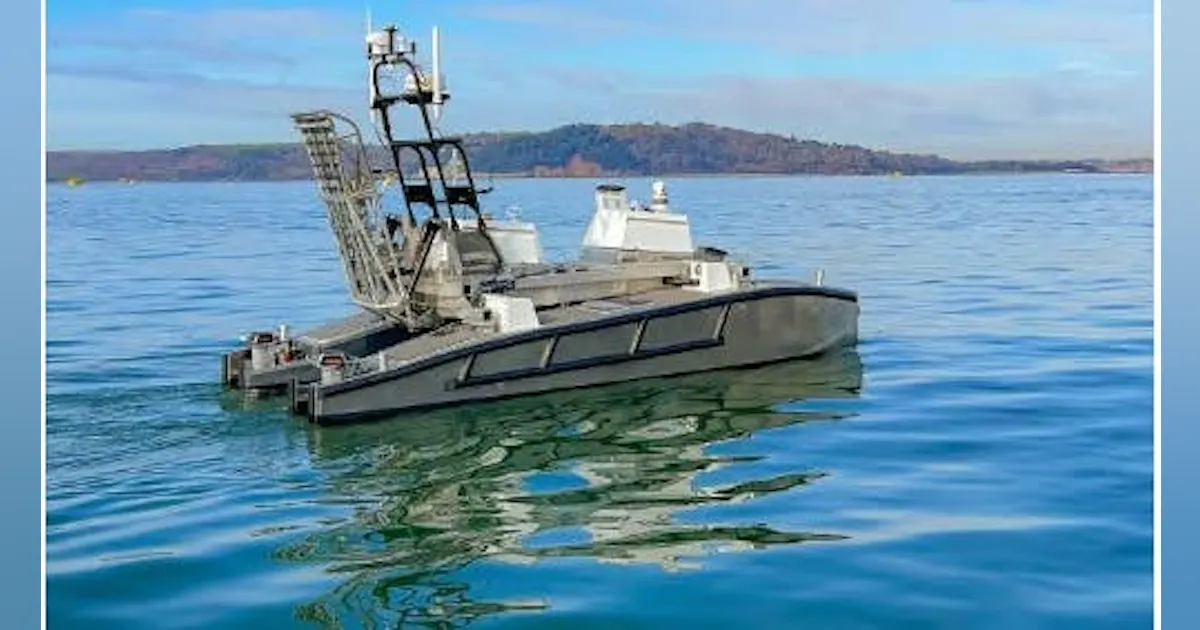
  • HydroSurv and BeyonC published an REAV‑60 USV + Syncro ROV integration, introducing an operational alternative for repeat shallow‑water surveys that wasn't in the prior run (article 10).
  • A Noble Corp. case study on integrated drillships added operational detail on automation and reduced delivery windows that strengthens the need to shorten mobilization lead times for P&A scopes (article 8).

Key facts

  • DeepOcean wins subsea tieback and riser jobs at three Equinor fields
  • Coverage highlights increased demand for cable‑lay and subsea support tonnage
  • REAV‑60 USV integrated with Syncro pipeline survey ROV
  • Joint Launch & Recovery System and tether management for repeatable shallow‑water operations
  • Integrated drillship practices reported large reductions in spud‑to‑handover time in the case
  • Techniques include extended BOP deployments, riser‑enabled moves and condition‑based maintenance

Why it matters

Confirmed multi-field subsea tieback and riser awards are consuming the same cable‑lay, ROV and subsea support vessels P&A programs rely on, reducing schedule flexibility and increasing mobilization pass-through risk for decommissioning lots. Rig and drillship automation and specialization are shortening campaign windows, which reduces acceptable mobilization slack and raises the chance buyers will pay premiums for short‑notice specialist intervention or well‑services support. Uncrewed surface vessel (USV) plus integrated ROV systems offer a viable lower‑cost option for repeat shallow‑water surveys but require operational pilots and insurer acceptance before procurement substitution. Supplier digital‑twin and lifecycle QA claims could reduce pre‑mobilization rework and yard hold time on complex fabrication lots, but these are supplier‑led examples that need third‑party validation before changing prequalification filters

Cost / money

  • Mobilization and vessel day‑rate exposure will trend upward for P&A lots that require cable‑lay, ROV or subsea support because awarded multi‑field packages consume shared tonnage, forcing buyers toward premium or staged charters.[1]
  • Shorter rig cycles can shift costs from total offshore days into premium, short‑notice specialist interventions and expedited mobilization for well‑services, increasing contingency and pass‑through risk in bids.[3]
  • If USV+ROV pilots prove repeatable, repeat shallow‑water survey OPEX could fall by reducing crewed support vessel reliance — but commercial scale and insurer acceptance remain unproven and are therefore only directional cost relief today.[2]

Supplier / commercial

  • Suppliers awarded large subsea packages gain scheduling leverage and may narrow quote validity windows, which reduces competition for standalone P&A lots and pressures buyers to accept shorter‑term commitments.[1]
  • Vendors offering validated digital‑twin QA and lifecycle traceability will be commercially advantaged on complex fabrication and tooling scopes, shifting negotiation leverage toward digitally capable suppliers.[4]
  • Specialist well‑services that align with automated rig workflows will be prioritized by operators, changing which vendors win time‑compressed intervention scopes and how buyers should structure scopes and options.[3]

Safety / operations

  • Compressed campaign timelines and higher automation increase SIMOPS complexity and require earlier HSE sequencing, permitting, and insurer engagement before notice to proceed to avoid execution delays.[3]
  • USV+ROV deployments alter launch and recovery procedures and tether management; operations must validate Launch & Recovery Systems and emergency recovery methods before accepting survey outputs for safety‑critical decisions.[2]
  • Digital‑twin enabled QA can improve traceability and reduce unexpected equipment failures offshore, which supports safer mobilization and lowers some operational rework risk if claims are validated.[4]

What to watch

  • Suppliers may prioritize higher‑margin tieback/riser campaigns over standalone decommissioning work, reducing bid liquidity and pushing buyers toward spot charters or constrained scheduling.[1]
  • Early USV survey pilots might produce data‑quality gaps or face insurer rejection if trials and data‑acceptance criteria aren't defined up front; treat initial offers as conditional until validated.[2]

Top stories

Story 1Offshore-mag

comVesselsCable vessels CTVs and subsea support tonnage expand across offshore energy market

Signal strongSource-grounded

What happened

Offshore coverage reports DeepOcean and peers winning subsea tieback and riser jobs at multiple Equinor fields. The operational detail that matters is these awards consume cable‑lay, ROV and subsea support tonnage that P&A programs also need, creating tangible scheduling competition. Watch whether suppliers begin shortening quote validity and prioritizing integrated campaigns over standalone decommissioning lots

Buyer takeaway

Treat these awards as a real constraint on vessel and specialist resource availability and adjust scheduling, shortlist timing, and mobilization clauses accordingly

Cost / money

Directional upward pressure on mobilization and vessel exposure costs because multi‑field packages occupy shared assets and can force buyers into premium spot options

Supplier / commercial

Winners of large subsea packages gain leverage to shorten quote validity and prioritize higher‑margin integrated work over standalone P&A lots

Safety / operations

More simultaneous subsea activities increase SIMOPS complexity and require earlier HSE coordination and insurer engagement before NTP

What to watch

Monitor supplier quote validity windows, provisional booking behavior, and any reallocation of assets away from standalone decommissioning lots

Key facts

  • DeepOcean wins subsea tieback and riser jobs at three Equinor fields
  • Coverage highlights increased demand for cable‑lay and subsea support tonnage

Source excerpts

May 29, 2026Courtesy DeepOceanSubseaDeepOcean wins subsea tieback, riser jobs at three Equinor fields offshore NorwayMay 29, 2026Courtesy Subsea7PipelinesVår Energi hires Subsea7 for Goliat-Snohvit pipeline installationMay 22, 2026Courtesy Vallourec PipelinesVallourec to apply ExxonMobil proprietary insulation for two projects offshore GuyanaMay 22, 2026ID 405898475 © Dechev | Dreamstime. comVesselsCable vessels, CTVs and subsea support tonnage expand across offshore energy marketsMay 19, 2026Courtesy MISCSubsea
May 29, 2026Courtesy DeepOceanSubseaDeepOcean wins subsea tieback, riser jobs at three Equinor fields offshore NorwayMay 29, 2026Courtesy Subsea7PipelinesVår Energi hires Subsea7 for Goliat-Snohvit pipeline installationMay 22, 2026Courtesy Vallourec PipelinesVallourec to apply ExxonMobil proprietary insulation for two projects offshore GuyanaMay 22, 2026ID 405898475 © Dechev | Dreamstime
com/channel/UCy4hHphyg7qfjoI9EaEiOFACourtesy Asso SubseaVesselsNewbuild cycle reshapes cable lay vessel fleet for deepwater and offshore wind demandAs offshore energy and renewables development demands more highly specialized cable lay vessels, safety standards are evolving to support existing and future fleets. May 29, 2026Courtesy DeepOceanSubseaDeepOcean wins subsea tieback, riser jobs at three Equinor fields offshore NorwayMay 29, 2026Courtesy Subsea7PipelinesVår Energi hires Subsea7 for Goliat-Snohvit pipel
Story 2Offshore-mag

Syncro pipeline survey ROV integrated to uncrewed vessel

Signal moderateDirectional

What happened

HydroSurv and BeyonC announced an REAV‑60 uncrewed surface vessel integrated with the Syncro pipeline survey ROV and a dedicated Launch & Recovery System. The important technical detail is the tether management and station‑keeping architecture designed to enable repeatable shallow‑water surveys without crewed support vessels. Next steps to watch are pilot data quality, operational limits, and insurer acceptance before changing tender acceptance criteria

Buyer takeaway

Consider USV+ROV for routine shallow surveys but require pilot validation and insurer sign‑off before altering standard tender or acceptance criteria

Cost / money

Potential OPEX reduction from replacing crewed support vessels on routine shallow surveys, contingent on proven repeatability and insurer/data acceptance

Supplier / commercial

Early‑adopting suppliers could offer lower‑cost survey options, shifting competition for recurring inspection lots

Safety / operations

New LARS and remote tether procedures change HSE and emergency recovery planning; operations must validate these before acceptance

What to watch

Initial pilots may reveal data gaps or insurer concerns; treat early deployments as validation rather than immediate procurement replacement

Key facts

  • REAV‑60 USV integrated with Syncro pipeline survey ROV
  • Joint Launch & Recovery System and tether management for repeatable shallow‑water operations

Source excerpts

This year’s updates to the REAV-60 should support station-keeping, automated ROV following and real-time connectivity between Syncro and the remote operating team, the aims being to ensure controlled, repeatable and high-resolution pipeline and subsea cable surveys. Through dispensing with conventional crewed support vessels for shallow-water applications, Syncro is said to offer potential for reduced vessel day rates and to make repeat survey of infrastructure commercially viable at scale
Through dispensing with conventional crewed support vessels for shallow-water applications, Syncro is said to offer potential for reduced vessel day rates and to make repeat survey of infrastructure commercially viable at scale
The partners’ jointly developed Launch & Recovery System (LARS) will be integrated into the uncrewed vessel. HydroSurv’s tether management winch and system architecture is said to allow coordinated positioning between the USV and the ROV
Story 3Offshore-mag

Integrated drillships are redefining offshore drilling efficiency

Signal strongSource-grounded

What happened

A Noble Corp. case study describes how integrated drillship automation and rig specialization reduced well delivery times and non‑productive time in a Guyana case. The concrete operational practices include extended BOP deployments, riser‑enabled moves and condition‑based maintenance that compress campaign durations. Buyers should watch for these practices spreading to intervention rigs, which would shorten notice and mobilization expectations for P&A work

Buyer takeaway

Plan mobilization earlier and clarify staged access to specialist intervention resources in contracts as rig cycles shorten

Cost / money

While total rig days may fall, buyers can face premium costs for short‑notice specialist support and rapid mobilization

Supplier / commercial

Specialist well‑services integrating with automated workflows will gain preference for time‑compressed scopes

Safety / operations

Automation and faster cycles raise SIMOPS coordination needs and require insurer comfort with revised procedures before NTP

What to watch

Monitor whether improved cycle times prompt suppliers to shorten quote validity or impose tighter NTP conditions

Key facts

  • Integrated drillship practices reported large reductions in spud‑to‑handover time in the case
  • Techniques include extended BOP deployments, riser‑enabled moves and condition‑based maintenance

Source excerpts

A Guyana case study shows how rig specialization, automation and targeted technologies are reducing well delivery times and improving offshore drilling performance
A Guyana case study shows how rig specialization, automation and targeted technologies are reducing well delivery times and improving offshore drilling performance. Key takeaways: Integrated drillship operations in Guyana demonstrate how fleet coordination, specialization and continuous improvement can reduce well delivery times
Key takeaways: Integrated drillship operations in Guyana demonstrate how fleet coordination, specialization and continuous improvement can reduce well delivery times
Story 4Offshore-mag

Case Study: Optime Subsea Innovates 3km Underwater with Siemens PLM & SLM

Signal moderateSource-grounded

What happened

Optime Subsea published a case study showing use of Siemens PLM and additive manufacturing to speed product development and improve quality for deep‑sea equipment. The operational detail is a digital‑twin enabled lifecycle approach claimed to reduce iteration and support serviceable hardware delivery. Buyers should validate these supplier claims with third‑party references before changing prequalification or acceptance criteria

Buyer takeaway

Prioritize suppliers that can prove digital QA and lifecycle traceability to lower pre‑mobilization rework risk, but require references

Cost / money

Fewer iterations and better QA can reduce pre‑mobilization rework costs and unexpected yard hold time if validated

Supplier / commercial

Vendors with documented digital‑twin capabilities may gain commercial preference on complex fabrication lots

Safety / operations

Improved traceability and simulation reduce the chance of unexpected failures offshore, improving HSE outcomes during mobilization and execution

What to watch

This is supplier‑led evidence; verify digital‑twin claims with operational references and independent checks

Key facts

  • Case study highlights digital‑twin use for deep‑sea product lifecycle management
  • Claims faster time‑to‑market and improved product quality via Siemens PLM/SLM tools

Source excerpts

This case study reveals how they transformed a risk-averse industry by establishing a profitable servitization business model, achieving faster time-to-market, and turning challenges into opportunities with a robust digital twin and Service Lifecycle Management (SLM) process. Read the Full Story: Discover How Optime Subsea Achieved Subsea Excellence!
Read the Full Story: Discover How Optime Subsea Achieved Subsea Excellence!
From deep-sea challenges to market leadership—Optime Subsea leverages Siemens Teamcenter and Siemens NX to accelerate innovation, ensure quality, and unlock new service-driven revenue streams. April 23, 2026Explore how Optime Subsea, a leader in subsea oil and gas solutions, leverages Siemens Teamcenter and NX to standardize innovation and deliver fail-proof product quality in extreme deep-sea environments

VP Snapshot

Executive Risk & Action View

Confirmed multi-field subsea tieback and riser awards are consuming the same cable‑lay, ROV and subsea support vessels P&A programs rely on, reducing schedule flexibility and increasing mobilization pass-through risk for decommissioning lots.

Overall
62
Cost
97
Supply
25
Schedule
38
Compliance
15

Top signals

30-180dcost

Signal 1: Cost / money

Mobilization and vessel day‑rate exposure will trend upward for P&A lots that require cable‑lay, ROV or subsea support because awarded multi‑field packages consume shared tonnage, forcing buyers toward premium or staged charters.

Signal 2: Cost / money

Shorter rig cycles can shift costs from total offshore days into premium, short‑notice specialist interventions and expedited mobilization for well‑services, increasing contingency and pass‑through risk in bids.

0-30dcost

Signal 3: Cost / money

If USV+ROV pilots prove repeatable, repeat shallow‑water survey OPEX could fall by reducing crewed support vessel reliance — but commercial scale and insurer acceptance remain unproven and are therefore only directional cost relief today.

30-180dcommercial

Signal 4: Supplier / commercial

Suppliers awarded large subsea packages gain scheduling leverage and may narrow quote validity windows, which reduces competition for standalone P&A lots and pressures buyers to accept shorter‑term commitments.

Signal 5: Supplier / commercial

Vendors offering validated digital‑twin QA and lifecycle traceability will be commercially advantaged on complex fabrication and tooling scopes, shifting negotiation leverage toward digitally capable suppliers.

Signal 6: Supplier / commercial

Specialist well‑services that align with automated rig workflows will be prioritized by operators, changing which vendors win time‑compressed intervention scopes and how buyers should structure scopes and options.

Recommended actions

ContractsDue 3d

Request confirmed vessel, ROV and survey booking windows from incumbent subsea and survey suppliers.

Documented supplier booking windows and a mapped set of slot conflicts to inform tender timing and mobilization clauses.

OpsDue 3d

Run a focused technical and insurance scoping check on USV+ROV deliverables with operations and broker input.

Short memo summarizing data‑quality suitability, LARS/tether requirements, and insurer acceptance considerations for pilot planning.

CategoryDue 21d

Engage top incumbent subsea and well‑services suppliers to map which integrated scopes they will prioritize and capture provisional booking commitments.

Supplier priority matrix with provisional booking notes and identified mobilization conflicts to inform tender windows and contingency sourcing.

ContractsDue 21d

Update RFQ prequalification to require evidence of recent subsea tieback/riser execution or documented digital‑twin QA lifecycle processes for complex fabrication and tooling lots.

Revised RFQ template that filters vendors lacking verified subsea execution records or digital QA traceability for specialized fabrication lots.

ContractsDue 60d

Negotiate contract clauses that cap mobilization pass‑throughs, require supplier booking confirmation milestones, and define staged mobilization triggers tied to confirmed vesse...

Contracts with mobilization pass‑through limits and clear staged mobilization triggers tied to supplier booking confirmations.

OpsDue 60d

Pilot an uncrewed surface vessel plus ROV survey on a non‑critical shallow‑water P&A verification scope with insurer observation.

Pilot report documenting data‑quality fit, operational constraints, insurer feedback, and a recommendation on procurement adoption or further trials.

Risk register

RiskTriggerMitigation
Suppliers may prioritize higher‑margin tieback/riser campaigns over standalone decommissioning work, reducing bid liquidity and pushing buyers toward spot charters or constrained scheduling.Suppliers may prioritize higher‑margin tieback/riser campaigns over standalone decommissioning work, reducing bid liquidity and pushing buyers toward spot charters or constrained scheduling.Confirm exposure with category, contracts, and operations before the next supplier commitment.
Early USV survey pilots might produce data‑quality gaps or face insurer rejection if trials and data‑acceptance criteria aren't defined up front; treat initial offers as conditional until validated.Early USV survey pilots might produce data‑quality gaps or face insurer rejection if trials and data‑acceptance criteria aren't defined up front; treat initial offers as conditional until validated.Confirm exposure with category, contracts, and operations before the next supplier commitment.

CM Snapshot

Category Manager Decision Detail

Today's priorities

Request confirmed vessel, ROV and survey booking windows from incumbent subsea and survey suppliers.

Do this because newly awarded subsea tieback and riser packages are consuming shared tonnage and confirmed supplier booking windows materially affect shortlist viability and mob...

Due 3d

high

CM move

Use this as the immediate supplier or contract action to move before the next sourcing gate.

Run a focused technical and insurance scoping check on USV+ROV deliverables with operations and broker input.

Do this because HydroSurv/BeyonC's uncrewed integration could change charter and insurer positions and early vetting prevents adopting immature survey options without insurer or...

Due 3d

high

CM move

Use this as the immediate supplier or contract action to move before the next sourcing gate.

Engage top incumbent subsea and well‑services suppliers to map which integrated scopes they will prioritize and capture provisional booking commitments.

Do this because suppliers winning multi‑field subsea packages will reprioritize assets and buyers need a supplier position map to protect decommissioning windows and shape RFQ t...

Due 21d

high

CM move

Use this as the immediate supplier or contract action to move before the next sourcing gate.

Update RFQ prequalification to require evidence of recent subsea tieback/riser execution or documented digital‑twin QA lifecycle processes for complex fabrication and tooling lots.

Do this because buyer exposure to yard hold time and rework can be reduced by selecting vendors that demonstrate digital QA or recent subsea execution experience, improving exec...

Due 21d

high

CM move

Use this as the immediate supplier or contract action to move before the next sourcing gate.

Supplier radar

Offshore-mag

high

Observed supplier signal

Suppliers awarded large subsea packages gain scheduling leverage and may narrow quote validity windows, which reduces competition for standalone P&A lots and pressures buyers to accept shorter‑term commitments.

Commercial implication

Suppliers awarded large subsea packages gain scheduling leverage and may narrow quote validity windows, which reduces competition for standalone P&A lots and pressures buyers to accept shorter‑term commitments.

Next step: Validate the source-backed signal with incumbents and alternates before the next award or pricing decision.

Offshore-mag

high

Observed supplier signal

Vendors offering validated digital‑twin QA and lifecycle traceability will be commercially advantaged on complex fabrication and tooling scopes, shifting negotiation leverage toward digitally capable suppliers.

Commercial implication

Vendors offering validated digital‑twin QA and lifecycle traceability will be commercially advantaged on complex fabrication and tooling scopes, shifting negotiation leverage toward digitally capable suppliers.

Next step: Validate the source-backed signal with incumbents and alternates before the next award or pricing decision.

Offshore-mag

high

Observed supplier signal

Specialist well‑services that align with automated rig workflows will be prioritized by operators, changing which vendors win time‑compressed intervention scopes and how buyers should structure scopes and options.

Commercial implication

Specialist well‑services that align with automated rig workflows will be prioritized by operators, changing which vendors win time‑compressed intervention scopes and how buyers should structure scopes and options.

Next step: Validate the source-backed signal with incumbents and alternates before the next award or pricing decision.

Negotiation levers

Request confirmed vessel, ROV and survey booking windows from incumbent subsea and survey suppliers.

When to use: Do this because newly awarded subsea tieback and riser packages are consuming shared tonnage and confirmed supplier booking windows materially affect shortlist viability and mob...

Expected outcome: Documented supplier booking windows and a mapped set of slot conflicts to inform tender timing and mobilization clauses.

Commercial mechanism to carry into the next supplier conversation

Run a focused technical and insurance scoping check on USV+ROV deliverables with operations and broker input.

When to use: Do this because HydroSurv/BeyonC's uncrewed integration could change charter and insurer positions and early vetting prevents adopting immature survey options without insurer or...

Expected outcome: Short memo summarizing data‑quality suitability, LARS/tether requirements, and insurer acceptance considerations for pilot planning.

Commercial mechanism to carry into the next supplier conversation

Engage top incumbent subsea and well‑services suppliers to map which integrated scopes they will prioritize and capture provisional booking commitments.

When to use: Do this because suppliers winning multi‑field subsea packages will reprioritize assets and buyers need a supplier position map to protect decommissioning windows and shape RFQ t...

Expected outcome: Supplier priority matrix with provisional booking notes and identified mobilization conflicts to inform tender windows and contingency sourcing.

Commercial mechanism to carry into the next supplier conversation

Update RFQ prequalification to require evidence of recent subsea tieback/riser execution or documented digital‑twin QA lifecycle processes for complex fabrication and tooling lots.

When to use: Do this because buyer exposure to yard hold time and rework can be reduced by selecting vendors that demonstrate digital QA or recent subsea execution experience, improving exec...

Expected outcome: Revised RFQ template that filters vendors lacking verified subsea execution records or digital QA traceability for specialized fabrication lots.

Commercial mechanism to carry into the next supplier conversation

Talking points

Confirmed multi-field subsea tieback and riser awards are consuming the same cable‑lay, ROV and subsea support vessels P&A programs rely on, reducing schedule flexibility and increasing mobilization pass-through risk for decommissioning lots.
Rig and drillship automation and specialization are shortening campaign windows, which reduces acceptable mobilization slack and raises the chance buyers will pay premiums for short‑notice specialist intervention or well‑services support.
Uncrewed surface vessel (USV) plus integrated ROV systems offer a viable lower‑cost option for repeat shallow‑water surveys but require operational pilots and insurer acceptance before procurement substitution.
Supplier digital‑twin and lifecycle QA claims could reduce pre‑mobilization rework and yard hold time on complex fabrication lots, but these are supplier‑led examples that need third‑party validation before changing prequalification filters.

Supplier radar

SupplierSignalImplicationNext stepConfidence
Offshore-magSuppliers awarded large subsea packages gain scheduling leverage and may narrow quote validity windows, which reduces competition for standalone P&A lots and pressures buyers to accept shorter‑term commitments.Suppliers awarded large subsea packages gain scheduling leverage and may narrow quote validity windows, which reduces competition for standalone P&A lots and pressures buyers to accept shorter‑term commitments.Validate the source-backed signal with incumbents and alternates before the next award or pricing decision.high
Offshore-magVendors offering validated digital‑twin QA and lifecycle traceability will be commercially advantaged on complex fabrication and tooling scopes, shifting negotiation leverage toward digitally capable suppliers.Vendors offering validated digital‑twin QA and lifecycle traceability will be commercially advantaged on complex fabrication and tooling scopes, shifting negotiation leverage toward digitally capable suppliers.Validate the source-backed signal with incumbents and alternates before the next award or pricing decision.high
Offshore-magSpecialist well‑services that align with automated rig workflows will be prioritized by operators, changing which vendors win time‑compressed intervention scopes and how buyers should structure scopes and options.Specialist well‑services that align with automated rig workflows will be prioritized by operators, changing which vendors win time‑compressed intervention scopes and how buyers should structure scopes and options.Validate the source-backed signal with incumbents and alternates before the next award or pricing decision.high

Negotiation levers

  • Request confirmed vessel, ROV and survey booking windows from incumbent subsea and survey suppliers.Do this because newly awarded subsea tieback and riser packages are consuming shared tonnage and confirmed supplier booking windows materially affect shortlist viability and mob...Documented supplier booking windows and a mapped set of slot conflicts to inform tender timing and mobilization clauses.

    high confidence

  • Run a focused technical and insurance scoping check on USV+ROV deliverables with operations and broker input.Do this because HydroSurv/BeyonC's uncrewed integration could change charter and insurer positions and early vetting prevents adopting immature survey options without insurer or...Short memo summarizing data‑quality suitability, LARS/tether requirements, and insurer acceptance considerations for pilot planning.

    high confidence

  • Engage top incumbent subsea and well‑services suppliers to map which integrated scopes they will prioritize and capture provisional booking commitments.Do this because suppliers winning multi‑field subsea packages will reprioritize assets and buyers need a supplier position map to protect decommissioning windows and shape RFQ t...Supplier priority matrix with provisional booking notes and identified mobilization conflicts to inform tender windows and contingency sourcing.

    high confidence

  • Update RFQ prequalification to require evidence of recent subsea tieback/riser execution or documented digital‑twin QA lifecycle processes for complex fabrication and tooling lots.Do this because buyer exposure to yard hold time and rework can be reduced by selecting vendors that demonstrate digital QA or recent subsea execution experience, improving exec...Revised RFQ template that filters vendors lacking verified subsea execution records or digital QA traceability for specialized fabrication lots.

    high confidence

What to do / What to watch

What to do now

  • Request confirmed vessel, ROV and survey booking windows from incumbent subsea and survey suppliers.

    Why: Do this because newly awarded subsea tieback and riser packages are consuming shared tonnage and confirmed supplier booking windows materially affect shortlist viability and mob...

    Owner: Contracts

    Expected outcome: Documented supplier booking windows and a mapped set of slot conflicts to inform tender timing and mobilization clauses.

    [1]
  • Run a focused technical and insurance scoping check on USV+ROV deliverables with operations and broker input.

    Why: Do this because HydroSurv/BeyonC's uncrewed integration could change charter and insurer positions and early vetting prevents adopting immature survey options without insurer or...

    Owner: Ops

    Expected outcome: Short memo summarizing data‑quality suitability, LARS/tether requirements, and insurer acceptance considerations for pilot planning.

    [2]

Next few weeks

  • Engage top incumbent subsea and well‑services suppliers to map which integrated scopes they will prioritize and capture provisional booking commitments.

    Why: Do this because suppliers winning multi‑field subsea packages will reprioritize assets and buyers need a supplier position map to protect decommissioning windows and shape RFQ t...

    Owner: Category

    Expected outcome: Supplier priority matrix with provisional booking notes and identified mobilization conflicts to inform tender windows and contingency sourcing.

    [1]
  • Update RFQ prequalification to require evidence of recent subsea tieback/riser execution or documented digital‑twin QA lifecycle processes for complex fabrication and tooling lots.

    Why: Do this because buyer exposure to yard hold time and rework can be reduced by selecting vendors that demonstrate digital QA or recent subsea execution experience, improving exec...

    Owner: Contracts

    Expected outcome: Revised RFQ template that filters vendors lacking verified subsea execution records or digital QA traceability for specialized fabrication lots.

    [4]

Longer view

  • Negotiate contract clauses that cap mobilization pass‑throughs, require supplier booking confirmation milestones, and define staged mobilization triggers tied to confirmed vesse...

    Why: Do this because multi‑field subsea awards and tighter vessel markets increase mobilization and pass‑through risk and contractual limits transfer and contain unexpected cost expo...

    Owner: Contracts

    Expected outcome: Contracts with mobilization pass‑through limits and clear staged mobilization triggers tied to supplier booking confirmations.

    [1]
  • Pilot an uncrewed surface vessel plus ROV survey on a non‑critical shallow‑water P&A verification scope with insurer observation.

    Why: Do this because the USV+ROV approach could reduce charter exposure but needs operational proof and insurer acceptance before being used as a procurement substitution for routine...

    Owner: Ops

    Expected outcome: Pilot report documenting data‑quality fit, operational constraints, insurer feedback, and a recommendation on procurement adoption or further trials.

    [2]

What to watch

  • Suppliers may prioritize higher‑margin tieback/riser campaigns over standalone decommissioning work, reducing bid liquidity and pushing buyers toward spot charters or constrained scheduling
  • Early USV survey pilots might produce data‑quality gaps or face insurer rejection if trials and data‑acceptance criteria aren't defined up front; treat initial offers as conditional until validated
  • Suppliers may prioritize higher‑margin tieback/riser campaigns over standalone decommissioning work, reducing bid liquidity and pushing buyers toward spot charters or constrained scheduling.: Suppliers may prioritize higher‑margin tieback/riser campaigns over standalone decommissioning work, reducing bid liquidity and pushing buyers toward spot charters or constrained scheduling
  • Early USV survey pilots might produce data‑quality gaps or face insurer rejection if trials and data‑acceptance criteria aren't defined up front; treat initial offers as conditional until validated.: Early USV survey pilots might produce data‑quality gaps or face insurer rejection if trials and data‑acceptance criteria aren't defined up front; treat initial offers as conditional until validated
  • Confirmed multi-field subsea tieback and riser awards are consuming the same cable‑lay, ROV and subsea support vessels P&A programs rely on, reducing schedule flexibility and increasing mobilization pass-through risk for decommissioning lots
  • Rig and drillship automation and specialization are shortening campaign windows, which reduces acceptable mobilization slack and raises the chance buyers will pay premiums for short‑notice specialist intervention or well‑services support
  • Uncrewed surface vessel (USV) plus integrated ROV systems offer a viable lower‑cost option for repeat shallow‑water surveys but require operational pilots and insurer acceptance before procurement substitution
  • Supplier digital‑twin and lifecycle QA claims could reduce pre‑mobilization rework and yard hold time on complex fabrication lots, but these are supplier‑led examples that need third‑party validation before changing prequalification filters

Market pulse

IndexLatestChangeAs of
WTI Crude (WTI)71.23 /bbl+0.00 (+0.00%)May 30, 2026, 10:09 AM
Brent Crude (BRENT)74.89 /bbl+0.00 (+0.00%)May 30, 2026, 10:09 AM
Natural Gas (NG)3.12 /MMBtu+0.00 (+0.00%)May 30, 2026, 10:09 AM
Baltic Dry (BDI)1,245 pts+0.00 (+0.00%)May 30, 2026, 10:09 AM
  • Baltic Dry: Baltic Dry Index signals vessel availability and shipping cost trends that affect mobilization and charter risk for decommissioning
  • WTI Crude: WTI crude movements influence offshore activity sentiment and can indirectly affect vessel demand and supplier pricing posture for P&A campaigns

Sources

Inline citations jump here. Expand a source to read the excerpt, the AI interpretation, and the original link.

[1] comVesselsCable vessels CTVs and subsea support tonnage expand across offshore energy market

offshore-mag.com · n.d.

Expand

AI reading

Offshore coverage reports DeepOcean and peers winning subsea tieback and riser jobs at multiple Equinor fields. The operational detail that matters is these awards consume cable‑lay, ROV and subsea support tonnage that P&A programs also need, creating tangible scheduling competition. Watch whether suppliers begin shortening quote validity and prioritizing integrated campaigns over standalone decommissioning lots

Buyer takeaway

Treat these awards as a real constraint on vessel and specialist resource availability and adjust scheduling, shortlist timing, and mobilization clauses accordingly

Cost / money

Directional upward pressure on mobilization and vessel exposure costs because multi‑field packages occupy shared assets and can force buyers into premium spot options

Supplier / commercial

Winners of large subsea packages gain leverage to shorten quote validity and prioritize higher‑margin integrated work over standalone P&A lots

Safety / operations

More simultaneous subsea activities increase SIMOPS complexity and require earlier HSE coordination and insurer engagement before NTP

What to watch

Monitor supplier quote validity windows, provisional booking behavior, and any reallocation of assets away from standalone decommissioning lots

Key facts

  • DeepOcean wins subsea tieback and riser jobs at three Equinor fields
  • Coverage highlights increased demand for cable‑lay and subsea support tonnage

Source excerpts

May 29, 2026Courtesy DeepOceanSubseaDeepOcean wins subsea tieback, riser jobs at three Equinor fields offshore NorwayMay 29, 2026Courtesy Subsea7PipelinesVår Energi hires Subsea7 for Goliat-Snohvit pipeline installationMay 22, 2026Courtesy Vallourec PipelinesVallourec to apply ExxonMobil proprietary insulation for two projects offshore GuyanaMay 22, 2026ID 405898475 © Dechev | Dreamstime. comVesselsCable vessels, CTVs and subsea support tonnage expand across offshore energy marketsMay 19, 2026Courtesy MISCSubsea
May 29, 2026Courtesy DeepOceanSubseaDeepOcean wins subsea tieback, riser jobs at three Equinor fields offshore NorwayMay 29, 2026Courtesy Subsea7PipelinesVår Energi hires Subsea7 for Goliat-Snohvit pipeline installationMay 22, 2026Courtesy Vallourec PipelinesVallourec to apply ExxonMobil proprietary insulation for two projects offshore GuyanaMay 22, 2026ID 405898475 © Dechev | Dreamstime
com/channel/UCy4hHphyg7qfjoI9EaEiOFACourtesy Asso SubseaVesselsNewbuild cycle reshapes cable lay vessel fleet for deepwater and offshore wind demandAs offshore energy and renewables development demands more highly specialized cable lay vessels, safety standards are evolving to support existing and future fleets. May 29, 2026Courtesy DeepOceanSubseaDeepOcean wins subsea tieback, riser jobs at three Equinor fields offshore NorwayMay 29, 2026Courtesy Subsea7PipelinesVår Energi hires Subsea7 for Goliat-Snohvit pipel

Used in this brief

  • Next 72 hours — Request confirmed vessel, ROV and survey booking windows from incumbent subsea and survey suppliers.. Rationale: Do this because newly awarded subsea tieback and riser packages are consuming shared tonnage and confirmed supplier booking windows materially affect shortlist viability and mob.... Owner: Contracts. KPI: Documented supplier booking windows and a mapped set of slot conflicts to inform tender timing and mobilization clauses
  • Next 2-4 weeks — Engage top incumbent subsea and well‑services suppliers to map which integrated scopes they will prioritize and capture provisional booking commitments.. Rationale: Do this because suppliers winning multi‑field subsea packages will reprioritize assets and buyers need a supplier position map to protect decommissioning windows and shape RFQ t.... Owner: Category. KPI: Supplier priority matrix with provisional booking notes and identified mobilization conflicts to inform tender windows and contingency sourcing
  • Next quarter — Negotiate contract clauses that cap mobilization pass‑throughs, require supplier booking confirmation milestones, and define staged mobilization triggers tied to confirmed vesse.... Rationale: Do this because multi‑field subsea awards and tighter vessel markets increase mobilization and pass‑through risk and contractual limits transfer and contain unexpected cost expo.... Owner: Contracts. KPI: Contracts with mobilization pass‑through limits and clear staged mobilization triggers tied to supplier booking confirmations
Open original source

[2] Syncro pipeline survey ROV integrated to uncrewed vessel

offshore-mag.com · n.d.

Expand

AI reading

HydroSurv and BeyonC announced an REAV‑60 uncrewed surface vessel integrated with the Syncro pipeline survey ROV and a dedicated Launch & Recovery System. The important technical detail is the tether management and station‑keeping architecture designed to enable repeatable shallow‑water surveys without crewed support vessels. Next steps to watch are pilot data quality, operational limits, and insurer acceptance before changing tender acceptance criteria

Buyer takeaway

Consider USV+ROV for routine shallow surveys but require pilot validation and insurer sign‑off before altering standard tender or acceptance criteria

Cost / money

Potential OPEX reduction from replacing crewed support vessels on routine shallow surveys, contingent on proven repeatability and insurer/data acceptance

Supplier / commercial

Early‑adopting suppliers could offer lower‑cost survey options, shifting competition for recurring inspection lots

Safety / operations

New LARS and remote tether procedures change HSE and emergency recovery planning; operations must validate these before acceptance

What to watch

Initial pilots may reveal data gaps or insurer concerns; treat early deployments as validation rather than immediate procurement replacement

Key facts

  • REAV‑60 USV integrated with Syncro pipeline survey ROV
  • Joint Launch & Recovery System and tether management for repeatable shallow‑water operations

Source excerpts

This year’s updates to the REAV-60 should support station-keeping, automated ROV following and real-time connectivity between Syncro and the remote operating team, the aims being to ensure controlled, repeatable and high-resolution pipeline and subsea cable surveys. Through dispensing with conventional crewed support vessels for shallow-water applications, Syncro is said to offer potential for reduced vessel day rates and to make repeat survey of infrastructure commercially viable at scale
Through dispensing with conventional crewed support vessels for shallow-water applications, Syncro is said to offer potential for reduced vessel day rates and to make repeat survey of infrastructure commercially viable at scale
The partners’ jointly developed Launch & Recovery System (LARS) will be integrated into the uncrewed vessel. HydroSurv’s tether management winch and system architecture is said to allow coordinated positioning between the USV and the ROV

Used in this brief

  • Confirmed multi-field subsea tieback and riser awards are consuming the same cable‑lay, ROV and subsea support vessels P&A programs rely on, reducing schedule flexibility and increasing mobilization pass-through risk for decommissioning lots. Rig and drillship automation and specialization are shortening campaign windows, which reduces acceptable mobilization slack and raises the chance buyers will pay premiums for short‑notice specialist intervention or well‑services support. Uncrewed surface vessel (USV) plus integrated ROV systems offer a viable lower‑cost option for repeat shallow‑water surveys but require operational pilots and insurer acceptance before procurement substitution. Supplier digital‑twin and lifecycle QA claims could reduce pre‑mobilization rework and yard hold time on complex fabrication lots, but these are supplier‑led examples that need third‑party validation before changing prequalification filters
  • Cost / money: If USV+ROV pilots prove repeatable, repeat shallow‑water survey OPEX could fall by reducing crewed support vessel reliance — but commercial scale and insurer acceptance remain unproven and are therefore only directional cost relief today
  • Safety / operations: USV+ROV deployments alter launch and recovery procedures and tether management; operations must validate Launch & Recovery Systems and emergency recovery methods before accepting survey outputs for safety‑critical decisions
Open original source

[3] Integrated drillships are redefining offshore drilling efficiency

offshore-mag.com · n.d.

Expand

AI reading

A Noble Corp. case study describes how integrated drillship automation and rig specialization reduced well delivery times and non‑productive time in a Guyana case. The concrete operational practices include extended BOP deployments, riser‑enabled moves and condition‑based maintenance that compress campaign durations. Buyers should watch for these practices spreading to intervention rigs, which would shorten notice and mobilization expectations for P&A work

Buyer takeaway

Plan mobilization earlier and clarify staged access to specialist intervention resources in contracts as rig cycles shorten

Cost / money

While total rig days may fall, buyers can face premium costs for short‑notice specialist support and rapid mobilization

Supplier / commercial

Specialist well‑services integrating with automated workflows will gain preference for time‑compressed scopes

Safety / operations

Automation and faster cycles raise SIMOPS coordination needs and require insurer comfort with revised procedures before NTP

What to watch

Monitor whether improved cycle times prompt suppliers to shorten quote validity or impose tighter NTP conditions

Key facts

  • Integrated drillship practices reported large reductions in spud‑to‑handover time in the case
  • Techniques include extended BOP deployments, riser‑enabled moves and condition‑based maintenance

Source excerpts

A Guyana case study shows how rig specialization, automation and targeted technologies are reducing well delivery times and improving offshore drilling performance
A Guyana case study shows how rig specialization, automation and targeted technologies are reducing well delivery times and improving offshore drilling performance. Key takeaways: Integrated drillship operations in Guyana demonstrate how fleet coordination, specialization and continuous improvement can reduce well delivery times
Key takeaways: Integrated drillship operations in Guyana demonstrate how fleet coordination, specialization and continuous improvement can reduce well delivery times

Used in this brief

  • A Noble Corp. case study on integrated drillships added operational detail on automation and reduced delivery windows that strengthens the need to shorten mobilization lead times for P&A scopes (article 8)
  • A Noble Corp. case study describes how integrated drillship automation and rig specialization reduced well delivery times and non‑productive time in a Guyana case. The concrete operational practices include extended BOP deployments, riser‑enabled moves and condition‑based maintenance that compress campaign durations. Buyers should watch for these practices spreading to intervention rigs, which would shorten notice and mobilization expectations for P&A work
  • Buyer bottom line: shortened rig cycles from integrated drillships reduce mobilisation slack and increase the need to lock specialist intervention resources earlier in procurement
Open original source

[4] Case Study: Optime Subsea Innovates 3km Underwater with Siemens PLM & SLM

offshore-mag.com · n.d.

Expand

AI reading

Optime Subsea published a case study showing use of Siemens PLM and additive manufacturing to speed product development and improve quality for deep‑sea equipment. The operational detail is a digital‑twin enabled lifecycle approach claimed to reduce iteration and support serviceable hardware delivery. Buyers should validate these supplier claims with third‑party references before changing prequalification or acceptance criteria

Buyer takeaway

Prioritize suppliers that can prove digital QA and lifecycle traceability to lower pre‑mobilization rework risk, but require references

Cost / money

Fewer iterations and better QA can reduce pre‑mobilization rework costs and unexpected yard hold time if validated

Supplier / commercial

Vendors with documented digital‑twin capabilities may gain commercial preference on complex fabrication lots

Safety / operations

Improved traceability and simulation reduce the chance of unexpected failures offshore, improving HSE outcomes during mobilization and execution

What to watch

This is supplier‑led evidence; verify digital‑twin claims with operational references and independent checks

Key facts

  • Case study highlights digital‑twin use for deep‑sea product lifecycle management
  • Claims faster time‑to‑market and improved product quality via Siemens PLM/SLM tools

Source excerpts

This case study reveals how they transformed a risk-averse industry by establishing a profitable servitization business model, achieving faster time-to-market, and turning challenges into opportunities with a robust digital twin and Service Lifecycle Management (SLM) process. Read the Full Story: Discover How Optime Subsea Achieved Subsea Excellence!
Read the Full Story: Discover How Optime Subsea Achieved Subsea Excellence!
From deep-sea challenges to market leadership—Optime Subsea leverages Siemens Teamcenter and Siemens NX to accelerate innovation, ensure quality, and unlock new service-driven revenue streams. April 23, 2026Explore how Optime Subsea, a leader in subsea oil and gas solutions, leverages Siemens Teamcenter and NX to standardize innovation and deliver fail-proof product quality in extreme deep-sea environments

Used in this brief

  • Next 2-4 weeks — Update RFQ prequalification to require evidence of recent subsea tieback/riser execution or documented digital‑twin QA lifecycle processes for complex fabrication and tooling lots.. Rationale: Do this because buyer exposure to yard hold time and rework can be reduced by selecting vendors that demonstrate digital QA or recent subsea execution experience, improving exec.... Owner: Contracts. KPI: Revised RFQ template that filters vendors lacking verified subsea execution records or digital QA traceability for specialized fabrication lots
  • DeepOcean and peers were reported winning multiple Equinor subsea tieback and riser packages, which concretely increases near‑term demand for cable‑lay and subsea support tonnage compared with the prior brief (article
  • Optime Subsea published a case study showing use of Siemens PLM and additive manufacturing to speed product development and improve quality for deep‑sea equipment. The operational detail is a digital‑twin enabled lifecycle approach claimed to reduce iteration and support serviceable hardware delivery. Buyers should validate these supplier claims with third‑party references before changing prequalification or acceptance criteria
Open original source

[5] Baltic Dry

finance.yahoo.com · n.d.

Expand

[6] WTI Crude

finance.yahoo.com · n.d.

Expand