Wells Materials & OCTG · Australia (Perth)

Prepare for Central Queensland Gas Tender: Assess OCTG Mobilisation Risk

Published May 30, 2026, 6:08 AM AWSTAPACFull category signal
Ask AI
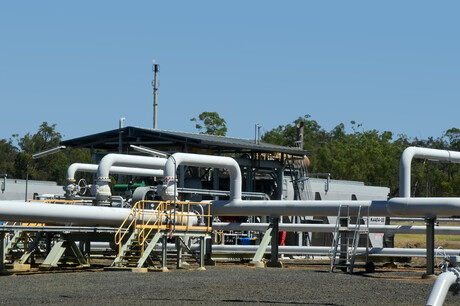
Queensland launches tender for additional gas‍-‍fired generation

In 60 seconds

Top move

Queensland’s new gas‑generation tender creates a material regional demand node that is likely to raise OCTG and wells‑materials mobilisation pressure around Central Queensland procurement windows

Key takeaways

  • Queensland’s new gas‑generation tender creates a material regional demand node that is likely to raise OCTG and wells‑materials mobilisation pressure around Central Queensland procurement windows.[3]
  • Local suppliers are pitching continuity and onsite stock as a differentiation — buyers should expect quicker quote expiry, deposit asks, and mobilisation surcharges where suppliers claim island or depot advantage.[2]
  • Contractors running active multi‑site trenching fleets in basins such as Surat show real execution tempo; that reduces buyer tolerance for long lead times on casing, connections and rig consumables.[1]
  • This is not a market shock day — signals are operational and procurement‑relevant, but they point to procurement friction (mobilisation, lead times, local stock) rather than an immediate supply failure.[3]
  • Primary attention should be on mobilisation terms, local stock verification, and equipment availability rather than renegotiating technical specifications today.[2]

What changed since last run

  • Queensland government launched a tender for additional gas‑fired generation in Central Queensland, creating a new regional demand node not cited in the prior brief (article 6).
  • New, public evidence of contractor trenching activity and fleet composition in the Surat Basin (article 3) confirms active execution tempo that amplifies mobilisation risk.

Key facts

  • Tendered capacity target for additional gas‑fired generation (Central Queensland)
  • Process managed by Queensland Investment Corporation (QIC)
  • Tender process with a public finalisation milestone
  • End‑to‑end supply of pipes, fittings, valves and installation equipment
  • Longstanding supplier relationships used as a continuity credential
  • Fleet usage of Vermeer T1055III and T1155III models

Why it matters

Queensland’s new gas‑generation tender creates a material regional demand node that is likely to raise OCTG and wells‑materials mobilisation pressure around Central Queensland procurement windows. Local suppliers are pitching continuity and onsite stock as a differentiation — buyers should expect quicker quote expiry, deposit asks, and mobilisation surcharges where suppliers claim island or depot advantage. Contractors running active multi‑site trenching fleets in basins such as Surat show real execution tempo; that reduces buyer tolerance for long lead times on casing, connections and rig consumables. This is not a market shock day — signals are operational and procurement‑relevant, but they point to procurement friction (mobilisation, lead times, local stock) rather than an immediate supply failure

Cost / money

  • Tendered gas capacity in Central Queensland increases likelihood of medium‑term demand for casing and wells materials, which can compress spot availability and prompt mobilisation premiums from suppliers.[3]
  • Suppliers emphasising local stock and ‘show‑up’ capability can command price premia or require deposits to hold allocation during peak mobilisation windows.[2]

Supplier / commercial

  • Expect shorter quote validity and deposit requirements from distributors that advertise on‑island or depot stock as a competitive advantage.[2]
  • Contractors with proven high‑production trenching fleets may prefer suppliers who can guarantee short notice delivery and mobilisation support, shifting negotiating leverage to those suppliers.[1]

Safety / operations

  • Faster mobilisation and tighter windows increase the need for supplier‑backed FAT (factory acceptance test) records, competency evidence and clear on‑site acceptance procedures before equipment is accepted.[1][2]
  • When suppliers promise quick turnarounds based on local stock, operations should verify storage condition and coating handling to avoid integrity or warranty disputes on receipt.[2]

What to watch

  • Tender timelines and final capacity awards could shift demand timing — treat the Queensland tender as a demand driver but with multi‑stage procurement timing; monitor for formal award notices.[3]

Top stories

Story 1Processonline

Queensland launches tender for additional gas‍-‍fired generation

Signal strongSource-grounded

What happened

Queensland has launched a tender to add dispatchable gas‑fired generation capacity in Central Queensland managed by QIC. The public tender names capacity and a procurement timeline, creating a credible regional demand driver for gas‑infrastructure; monitor formal award notices and project allocation steps next. This matters operationally because awarded capacity will create procurement windows for associated civil and well‑materials spend

Buyer takeaway

Treat the tender as a real demand signal for Central Queensland that can change mobilisation windows and supplier leverage once awards progress

Cost / money

Directional increase in mobilisation and short‑lead premium risk for OCTG and transport as demand concentrates around awarded sites

Supplier / commercial

Suppliers who can credibly demonstrate local depot stock and short lead logistics will gain negotiating leverage during award and mobilisation phases

Safety / operations

Awards that accelerate execution create a need for verified FAT, handling, and acceptance tests to avoid arrival‑to‑site disputes

What to watch

Timeline to award and scope details are still ahead; monitor formal award documents and project scoping for exact materials list and delivery windows

Key facts

  • Tendered capacity target for additional gas‑fired generation (Central Queensland)
  • Process managed by Queensland Investment Corporation (QIC)
  • Tender process with a public finalisation milestone

Source excerpts

The Queensland Government has launched a tender to support an additional 400 MW of gas-fired generation capacity in Central Queensland
The Queensland Government has launched a tender to support an additional 400 MW of gas-fired generation capacity in Central Queensland. The tender process, to be managed by Queensland Investment Corporation (QIC), will draw in proposals capable of ensuring dispatchable supply by 2032
The Queensland LNP government officially dropped the state’s renewable energy targets late last year with the passage of new energy legislation through Queensland Parliament
Story 2The Australian PipelinerMay 25, 2026

Building resilient pipeline projects

Signal strongSource-grounded

What happened

Industry suppliers such as Benton’s Gas emphasise dependable partnerships and on‑hand supply as their competitive position. The article shows suppliers marketing end‑to‑end stocking, sourcing (e.g., Pipemakers Australia for PVC/PE) and continuity — a commercial posture buyers should validate rather than accept at face value

Buyer takeaway

Treat supplier continuity claims as a commercial lever; require proof of depot stock and ownership before translating that claim into award preference

Cost / money

Expect suppliers to price a premium or require deposits where they claim local stocks can secure allocation for tight windows

Supplier / commercial

Shorter quote validity, deposit requests and allocation clauses are likely tactics from suppliers promoting local stock

Safety / operations

Onsite integrity and handling practices for depot‑stored materials must be checked to prevent warranty or coating damage on arrival

What to watch

Public supplier narratives are reliable for posture but limited in scope; verify actual depot inventories and storage conditions

Key facts

  • End‑to‑end supply of pipes, fittings, valves and installation equipment
  • Longstanding supplier relationships used as a continuity credential

Source excerpts

They need to know that when specifications change or delivery windows narrow, their supply partners will respond with speed and consistency
“Because building a stronger industry means backing those who build it,” Bevan said
Image: Benton’s Gas Benton’s operates as a true end-to-end partner across gas and water infrastructure, supplying pipes, fittings, valves, meters, tooling and installation equipment for construction and maintenance alike
Story 3The Australian PipelinerMay 25, 2026

Machines that deliver

Signal moderateSource-grounded

What happened

MPK’s use of Vermeer trenchers in the Surat Basin demonstrates active multi‑site execution and a fleet that supports fast mobilisation. The article lists fleet composition and daily production examples, which means buyers should assume contractor schedules will demand reliable short‑notice supply and handling capability

Buyer takeaway

Treat contractor fleet readiness as a real execution constraint; suppliers that cannot match short delivery windows will be deprioritised

Cost / money

High contractor tempo increases exposure to mobilisation premiums and short‑lead freight costs

Supplier / commercial

Contractors will favour suppliers with clear mobilisation processes, depot staging and documented handling procedures

Safety / operations

Rapid site turnover increases the need for pre‑cleared competency documentation and agreed acceptance tests to avoid rework

What to watch

Article evidence is operational but basin‑specific; confirm whether the same tempo applies to Central Queensland projects

Key facts

  • Fleet usage of Vermeer T1055III and T1155III models
  • Reported high daily trenching output supporting multi‑site programs

Source excerpts

“The use of trenchers is perfect for our operations
“Vermeer machines are our preferred trenching technology,” MPK Project Manager Joshua Amos told The Australian Pipeliner
The T1055 and T1155 are solid machines, and you know exactly what you’re getting. ” For operators on site, machine performance is measured in practical terms: handling, ease of operation, and daily production

VP Snapshot

Executive Risk & Action View

Queensland’s new gas‑generation tender creates a material regional demand node that is likely to raise OCTG and wells‑materials mobilisation pressure around Central Queensland procurement windows.

Overall
65
Cost
61
Supply
43
Schedule
38
Compliance
15

Top signals

0-30dcost

Signal 1: Cost / money

Tendered gas capacity in Central Queensland increases likelihood of medium‑term demand for casing and wells materials, which can compress spot availability and prompt mobilisation premiums from suppliers.

30-180dcost

Signal 2: Cost / money

Suppliers emphasising local stock and ‘show‑up’ capability can command price premia or require deposits to hold allocation during peak mobilisation windows.

30-180dcommercial

Signal 3: Supplier / commercial

Expect shorter quote validity and deposit requirements from distributors that advertise on‑island or depot stock as a competitive advantage.

30-180dschedule

Signal 4: Supplier / commercial

Contractors with proven high‑production trenching fleets may prefer suppliers who can guarantee short notice delivery and mobilisation support, shifting negotiating leverage to those suppliers.

30-180dsupplier

Signal 5: Safety / operations

Faster mobilisation and tighter windows increase the need for supplier‑backed FAT (factory acceptance test) records, competency evidence and clear on‑site acceptance procedures before equipment is accepted.

Signal 6: Safety / operations

When suppliers promise quick turnarounds based on local stock, operations should verify storage condition and coating handling to avoid integrity or warranty disputes on receipt.

Recommended actions

CategoryDue 3d

Contact primary OCTG distributors and local depots to confirm on‑island stock, declared mobilisation surcharges, quote validity and deposit policies.

Verified supplier map with on‑island stock status, declared mobilisation/surcharge terms and quote validity windows

CategoryDue 3d

Ask top contractors (e.g., firms active in Surat Basin) to confirm equipment timelines and preferred supplier lists for casing and trenching support.

List of contractor‑preferred suppliers and critical delivery windows that will inform shortlist and mobilisation clauses

ContractsDue 21d

Update RFQ/PQQ templates to require suppliers to disclose depot locations, stock ownership (owned vs allocated), mobilisation surcharge triggers, and deposit terms.

Tender documents that surface depot/stock status and mobilisation commercial terms for apples‑to‑apples comparison at award

OpsDue 21d

Invite shortlisted suppliers to present mobilisation plans and FAT evidence for key OCTG items, including handling and coating protection measures at depots.

Supplier presentations with documented FAT records and depot handling plans to reduce on‑arrival disputes

LegalDue 60d

Amend framework contract templates to define allowable mobilisation surcharge triggers, deposit rules, and supplier obligations to maintain minimum depot stock levels while perm...

Framework clauses that constrain ad‑hoc mobilisation pass‑throughs, require disclosure of depot stock and set audit/verification rights

Risk register

RiskTriggerMitigation
Tender timelines and final capacity awards could shift demand timing — treat the Queensland tender as a demand driver but with multi‑stage procurement timing; monitor for formal award notices.Tender timelines and final capacity awards could shift demand timing — treat the Queensland tender as a demand driver but with multi‑stage procurement timing; monitor for formal award notices.Confirm exposure with category, contracts, and operations before the next supplier commitment.

CM Snapshot

Category Manager Decision Detail

Today's priorities

Contact primary OCTG distributors and local depots to confirm on‑island stock, declared mobilisation surcharges, quote validity and deposit policies.

Do this because Queensland’s tender and supplier messaging increase the chance suppliers will tighten availability windows and apply mobilisation premiums, and you need a verifi...

Due 3d

high

CM move

Use this as the immediate supplier or contract action to move before the next sourcing gate.

Ask top contractors (e.g., firms active in Surat Basin) to confirm equipment timelines and preferred supplier lists for casing and trenching support.

Do this because contractors’ active trenching fleets reduce tolerance for late deliveries and will influence which suppliers win short‑notice orders.

Due 3d

high

CM move

Use this as the immediate supplier or contract action to move before the next sourcing gate.

Update RFQ/PQQ templates to require suppliers to disclose depot locations, stock ownership (owned vs allocated), mobilisation surcharge triggers, and deposit terms.

Do this because suppliers are signaling local stock as a commercial differentiator and undisclosed mobilisation or deposit terms will change award economics and execution risk.

Due 21d

high

CM move

Use this as the immediate supplier or contract action to move before the next sourcing gate.

Invite shortlisted suppliers to present mobilisation plans and FAT evidence for key OCTG items, including handling and coating protection measures at depots.

Do this because faster mobilisation compresses acceptance windows and you should validate handling and integrity practices before awarding live contracts.

Due 21d

high

CM move

Use this as the immediate supplier or contract action to move before the next sourcing gate.

Supplier radar

The Australian Pipeliner

high

Observed supplier signal

Expect shorter quote validity and deposit requirements from distributors that advertise on‑island or depot stock as a competitive advantage.

Commercial implication

Expect shorter quote validity and deposit requirements from distributors that advertise on‑island or depot stock as a competitive advantage.

Next step: Validate the source-backed signal with incumbents and alternates before the next award or pricing decision.

The Australian Pipeliner

high

Observed supplier signal

Contractors with proven high‑production trenching fleets may prefer suppliers who can guarantee short notice delivery and mobilisation support, shifting negotiating leverage to those suppliers.

Commercial implication

Contractors with proven high‑production trenching fleets may prefer suppliers who can guarantee short notice delivery and mobilisation support, shifting negotiating leverage to those suppliers.

Next step: Validate the source-backed signal with incumbents and alternates before the next award or pricing decision.

Negotiation levers

Contact primary OCTG distributors and local depots to confirm on‑island stock, declared mobilisation surcharges, quote validity and deposit policies.

When to use: Do this because Queensland’s tender and supplier messaging increase the chance suppliers will tighten availability windows and apply mobilisation premiums, and you need a verifi...

Expected outcome: Verified supplier map with on‑island stock status, declared mobilisation/surcharge terms and quote validity windows

Commercial mechanism to carry into the next supplier conversation

Ask top contractors (e.g., firms active in Surat Basin) to confirm equipment timelines and preferred supplier lists for casing and trenching support.

When to use: Do this because contractors’ active trenching fleets reduce tolerance for late deliveries and will influence which suppliers win short‑notice orders.

Expected outcome: List of contractor‑preferred suppliers and critical delivery windows that will inform shortlist and mobilisation clauses

Commercial mechanism to carry into the next supplier conversation

Update RFQ/PQQ templates to require suppliers to disclose depot locations, stock ownership (owned vs allocated), mobilisation surcharge triggers, and deposit terms.

When to use: Do this because suppliers are signaling local stock as a commercial differentiator and undisclosed mobilisation or deposit terms will change award economics and execution risk.

Expected outcome: Tender documents that surface depot/stock status and mobilisation commercial terms for apples‑to‑apples comparison at award

Commercial mechanism to carry into the next supplier conversation

Invite shortlisted suppliers to present mobilisation plans and FAT evidence for key OCTG items, including handling and coating protection measures at depots.

When to use: Do this because faster mobilisation compresses acceptance windows and you should validate handling and integrity practices before awarding live contracts.

Expected outcome: Supplier presentations with documented FAT records and depot handling plans to reduce on‑arrival disputes

Commercial mechanism to carry into the next supplier conversation

Talking points

Queensland’s new gas‑generation tender creates a material regional demand node that is likely to raise OCTG and wells‑materials mobilisation pressure around Central Queensland procurement windows.
Local suppliers are pitching continuity and onsite stock as a differentiation — buyers should expect quicker quote expiry, deposit asks, and mobilisation surcharges where suppliers claim island or depot advantage.
Contractors running active multi‑site trenching fleets in basins such as Surat show real execution tempo; that reduces buyer tolerance for long lead times on casing, connections and rig consumables.
This is not a market shock day — signals are operational and procurement‑relevant, but they point to procurement friction (mobilisation, lead times, local stock) rather than an immediate supply failure.

Supplier radar

SupplierSignalImplicationNext stepConfidence
The Australian PipelinerExpect shorter quote validity and deposit requirements from distributors that advertise on‑island or depot stock as a competitive advantage.Expect shorter quote validity and deposit requirements from distributors that advertise on‑island or depot stock as a competitive advantage.Validate the source-backed signal with incumbents and alternates before the next award or pricing decision.high
The Australian PipelinerContractors with proven high‑production trenching fleets may prefer suppliers who can guarantee short notice delivery and mobilisation support, shifting negotiating leverage to those suppliers.Contractors with proven high‑production trenching fleets may prefer suppliers who can guarantee short notice delivery and mobilisation support, shifting negotiating leverage to those suppliers.Validate the source-backed signal with incumbents and alternates before the next award or pricing decision.high

Negotiation levers

  • Contact primary OCTG distributors and local depots to confirm on‑island stock, declared mobilisation surcharges, quote validity and deposit policies.Do this because Queensland’s tender and supplier messaging increase the chance suppliers will tighten availability windows and apply mobilisation premiums, and you need a verifi...Verified supplier map with on‑island stock status, declared mobilisation/surcharge terms and quote validity windows

    high confidence

  • Ask top contractors (e.g., firms active in Surat Basin) to confirm equipment timelines and preferred supplier lists for casing and trenching support.Do this because contractors’ active trenching fleets reduce tolerance for late deliveries and will influence which suppliers win short‑notice orders.List of contractor‑preferred suppliers and critical delivery windows that will inform shortlist and mobilisation clauses

    high confidence

  • Update RFQ/PQQ templates to require suppliers to disclose depot locations, stock ownership (owned vs allocated), mobilisation surcharge triggers, and deposit terms.Do this because suppliers are signaling local stock as a commercial differentiator and undisclosed mobilisation or deposit terms will change award economics and execution risk.Tender documents that surface depot/stock status and mobilisation commercial terms for apples‑to‑apples comparison at award

    high confidence

  • Invite shortlisted suppliers to present mobilisation plans and FAT evidence for key OCTG items, including handling and coating protection measures at depots.Do this because faster mobilisation compresses acceptance windows and you should validate handling and integrity practices before awarding live contracts.Supplier presentations with documented FAT records and depot handling plans to reduce on‑arrival disputes

    high confidence

What to do / What to watch

What to do now

  • Contact primary OCTG distributors and local depots to confirm on‑island stock, declared mobilisation surcharges, quote validity and deposit policies.

    Why: Do this because Queensland’s tender and supplier messaging increase the chance suppliers will tighten availability windows and apply mobilisation premiums, and you need a verifi...

    Owner: Category

    Expected outcome: Verified supplier map with on‑island stock status, declared mobilisation/surcharge terms and quote validity windows

    [2]
  • Ask top contractors (e.g., firms active in Surat Basin) to confirm equipment timelines and preferred supplier lists for casing and trenching support.

    Why: Do this because contractors’ active trenching fleets reduce tolerance for late deliveries and will influence which suppliers win short‑notice orders.

    Owner: Category

    Expected outcome: List of contractor‑preferred suppliers and critical delivery windows that will inform shortlist and mobilisation clauses

    [1]

Next few weeks

  • Update RFQ/PQQ templates to require suppliers to disclose depot locations, stock ownership (owned vs allocated), mobilisation surcharge triggers, and deposit terms.

    Why: Do this because suppliers are signaling local stock as a commercial differentiator and undisclosed mobilisation or deposit terms will change award economics and execution risk.

    Owner: Contracts

    Expected outcome: Tender documents that surface depot/stock status and mobilisation commercial terms for apples‑to‑apples comparison at award

    [2]
  • Invite shortlisted suppliers to present mobilisation plans and FAT evidence for key OCTG items, including handling and coating protection measures at depots.

    Why: Do this because faster mobilisation compresses acceptance windows and you should validate handling and integrity practices before awarding live contracts.

    Owner: Ops

    Expected outcome: Supplier presentations with documented FAT records and depot handling plans to reduce on‑arrival disputes

    [1]

Longer view

  • Amend framework contract templates to define allowable mobilisation surcharge triggers, deposit rules, and supplier obligations to maintain minimum depot stock levels while perm...

    Why: Do this because a new regional demand node and supplier pricing posture create recurring mobilisation and allocation risk, and clear contract language transfers or limits that r...

    Owner: Legal

    Expected outcome: Framework clauses that constrain ad‑hoc mobilisation pass‑throughs, require disclosure of depot stock and set audit/verification rights

    [3]

What to watch

  • Tender timelines and final capacity awards could shift demand timing — treat the Queensland tender as a demand driver but with multi‑stage procurement timing; monitor for formal award notices
  • Tender timelines and final capacity awards could shift demand timing — treat the Queensland tender as a demand driver but with multi‑stage procurement timing; monitor for formal award notices.: Tender timelines and final capacity awards could shift demand timing — treat the Queensland tender as a demand driver but with multi‑stage procurement timing; monitor for formal award notices
  • Queensland’s new gas‑generation tender creates a material regional demand node that is likely to raise OCTG and wells‑materials mobilisation pressure around Central Queensland procurement windows
  • Local suppliers are pitching continuity and onsite stock as a differentiation — buyers should expect quicker quote expiry, deposit asks, and mobilisation surcharges where suppliers claim island or depot advantage
  • Contractors running active multi‑site trenching fleets in basins such as Surat show real execution tempo; that reduces buyer tolerance for long lead times on casing, connections and rig consumables
  • This is not a market shock day — signals are operational and procurement‑relevant, but they point to procurement friction (mobilisation, lead times, local stock) rather than an immediate supply failure

Market pulse

IndexLatestChangeAs of
HRC Steel (HRC)740 /ton+0.00 (+0.00%)May 29, 2026, 10:11 PM
Copper (COPPER)3.85 /lb+0.00 (+0.00%)May 29, 2026, 10:11 PM
Iron Ore (IRON)108.5 /t+0.00 (+0.00%)May 29, 2026, 10:11 PM
Tenaris (TS)32 +0.00 (+0.00%)May 29, 2026, 10:11 PM
  • HRC Steel: HRC steel prices affect OCTG raw‑material cost and supplier pricing discipline during mobilisation windows
  • Tenaris: Tenaris stock movement is a proxy for OCTG supplier sentiment and market tightness; monitor for price‑driven allocation behavior

Sources

Inline citations jump here. Expand a source to read the excerpt, the AI interpretation, and the original link.

[1] Machines that deliver

pipeliner.com.au · May 25, 2026

Expand

AI reading

MPK’s use of Vermeer trenchers in the Surat Basin demonstrates active multi‑site execution and a fleet that supports fast mobilisation. The article lists fleet composition and daily production examples, which means buyers should assume contractor schedules will demand reliable short‑notice supply and handling capability

Buyer takeaway

Treat contractor fleet readiness as a real execution constraint; suppliers that cannot match short delivery windows will be deprioritised

Cost / money

High contractor tempo increases exposure to mobilisation premiums and short‑lead freight costs

Supplier / commercial

Contractors will favour suppliers with clear mobilisation processes, depot staging and documented handling procedures

Safety / operations

Rapid site turnover increases the need for pre‑cleared competency documentation and agreed acceptance tests to avoid rework

What to watch

Article evidence is operational but basin‑specific; confirm whether the same tempo applies to Central Queensland projects

Key facts

  • Fleet usage of Vermeer T1055III and T1155III models
  • Reported high daily trenching output supporting multi‑site programs

Source excerpts

“The use of trenchers is perfect for our operations
“Vermeer machines are our preferred trenching technology,” MPK Project Manager Joshua Amos told The Australian Pipeliner
The T1055 and T1155 are solid machines, and you know exactly what you’re getting. ” For operators on site, machine performance is measured in practical terms: handling, ease of operation, and daily production

Used in this brief

  • Safety / operations: When suppliers promise quick turnarounds based on local stock, operations should verify storage condition and coating handling to avoid integrity or warranty disputes on receipt
  • Next 72 hours — Ask top contractors (e.g., firms active in Surat Basin) to confirm equipment timelines and preferred supplier lists for casing and trenching support.. Rationale: Do this because contractors’ active trenching fleets reduce tolerance for late deliveries and will influence which suppliers win short‑notice orders.. Owner: Category. KPI: List of contractor‑preferred suppliers and critical delivery windows that will inform shortlist and mobilisation clauses
  • Next 2-4 weeks — Invite shortlisted suppliers to present mobilisation plans and FAT evidence for key OCTG items, including handling and coating protection measures at depots.. Rationale: Do this because faster mobilisation compresses acceptance windows and you should validate handling and integrity practices before awarding live contracts.. Owner: Ops. KPI: Supplier presentations with documented FAT records and depot handling plans to reduce on‑arrival disputes
Open original source

[2] Building resilient pipeline projects

pipeliner.com.au · May 25, 2026

Expand

AI reading

Industry suppliers such as Benton’s Gas emphasise dependable partnerships and on‑hand supply as their competitive position. The article shows suppliers marketing end‑to‑end stocking, sourcing (e.g., Pipemakers Australia for PVC/PE) and continuity — a commercial posture buyers should validate rather than accept at face value

Buyer takeaway

Treat supplier continuity claims as a commercial lever; require proof of depot stock and ownership before translating that claim into award preference

Cost / money

Expect suppliers to price a premium or require deposits where they claim local stocks can secure allocation for tight windows

Supplier / commercial

Shorter quote validity, deposit requests and allocation clauses are likely tactics from suppliers promoting local stock

Safety / operations

Onsite integrity and handling practices for depot‑stored materials must be checked to prevent warranty or coating damage on arrival

What to watch

Public supplier narratives are reliable for posture but limited in scope; verify actual depot inventories and storage conditions

Key facts

  • End‑to‑end supply of pipes, fittings, valves and installation equipment
  • Longstanding supplier relationships used as a continuity credential

Source excerpts

They need to know that when specifications change or delivery windows narrow, their supply partners will respond with speed and consistency
“Because building a stronger industry means backing those who build it,” Bevan said
Image: Benton’s Gas Benton’s operates as a true end-to-end partner across gas and water infrastructure, supplying pipes, fittings, valves, meters, tooling and installation equipment for construction and maintenance alike

Used in this brief

  • Next 72 hours — Contact primary OCTG distributors and local depots to confirm on‑island stock, declared mobilisation surcharges, quote validity and deposit policies.. Rationale: Do this because Queensland’s tender and supplier messaging increase the chance suppliers will tighten availability windows and apply mobilisation premiums, and you need a verifi.... Owner: Category. KPI: Verified supplier map with on‑island stock status, declared mobilisation/surcharge terms and quote validity windows
  • Next 2-4 weeks — Update RFQ/PQQ templates to require suppliers to disclose depot locations, stock ownership (owned vs allocated), mobilisation surcharge triggers, and deposit terms.. Rationale: Do this because suppliers are signaling local stock as a commercial differentiator and undisclosed mobilisation or deposit terms will change award economics and execution risk.. Owner: Contracts. KPI: Tender documents that surface depot/stock status and mobilisation commercial terms for apples‑to‑apples comparison at award
  • Industry suppliers such as Benton’s Gas emphasise dependable partnerships and on‑hand supply as their competitive position. The article shows suppliers marketing end‑to‑end stocking, sourcing (e.g., Pipemakers Australia for PVC/PE) and continuity — a commercial posture buyers should validate rather than accept at face value
Open original source

[3] Queensland launches tender for additional gas‍-‍fired generation

processonline.com.au · n.d.

Expand

AI reading

Queensland has launched a tender to add dispatchable gas‑fired generation capacity in Central Queensland managed by QIC. The public tender names capacity and a procurement timeline, creating a credible regional demand driver for gas‑infrastructure; monitor formal award notices and project allocation steps next. This matters operationally because awarded capacity will create procurement windows for associated civil and well‑materials spend

Buyer takeaway

Treat the tender as a real demand signal for Central Queensland that can change mobilisation windows and supplier leverage once awards progress

Cost / money

Directional increase in mobilisation and short‑lead premium risk for OCTG and transport as demand concentrates around awarded sites

Supplier / commercial

Suppliers who can credibly demonstrate local depot stock and short lead logistics will gain negotiating leverage during award and mobilisation phases

Safety / operations

Awards that accelerate execution create a need for verified FAT, handling, and acceptance tests to avoid arrival‑to‑site disputes

What to watch

Timeline to award and scope details are still ahead; monitor formal award documents and project scoping for exact materials list and delivery windows

Key facts

  • Tendered capacity target for additional gas‑fired generation (Central Queensland)
  • Process managed by Queensland Investment Corporation (QIC)
  • Tender process with a public finalisation milestone

Source excerpts

The Queensland Government has launched a tender to support an additional 400 MW of gas-fired generation capacity in Central Queensland
The Queensland Government has launched a tender to support an additional 400 MW of gas-fired generation capacity in Central Queensland. The tender process, to be managed by Queensland Investment Corporation (QIC), will draw in proposals capable of ensuring dispatchable supply by 2032
The Queensland LNP government officially dropped the state’s renewable energy targets late last year with the passage of new energy legislation through Queensland Parliament

Used in this brief

  • Cost / money: Tendered gas capacity in Central Queensland increases likelihood of medium‑term demand for casing and wells materials, which can compress spot availability and prompt mobilisation premiums from suppliers
  • What to watch: Tender timelines and final capacity awards could shift demand timing — treat the Queensland tender as a demand driver but with multi‑stage procurement timing; monitor for formal award notices
  • Next quarter — Amend framework contract templates to define allowable mobilisation surcharge triggers, deposit rules, and supplier obligations to maintain minimum depot stock levels while perm.... Rationale: Do this because a new regional demand node and supplier pricing posture create recurring mobilisation and allocation risk, and clear contract language transfers or limits that r.... Owner: Legal. KPI: Framework clauses that constrain ad‑hoc mobilisation pass‑throughs, require disclosure of depot stock and set audit/verification rights
Open original source

[4] HRC Steel

cmegroup.com · n.d.

Expand

[5] Tenaris

finance.yahoo.com · n.d.

Expand