Plug & Abandonment / Decommissioning · Australia (Perth)

Reassess APAC Decommissioning Costs After Australian Gas Reservation Draft

Published May 29, 2026, 6:06 AM AWSTAPACFull category signal
Ask AI
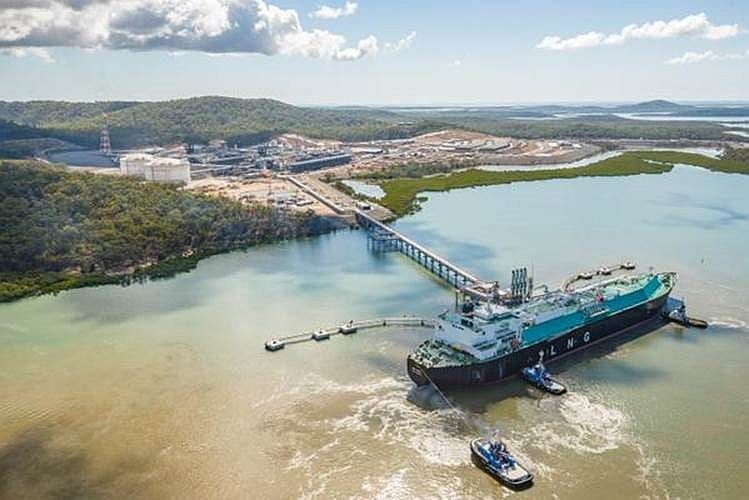
Australian gas reservation draft raises the alarm over export reliability

In 60 seconds

Top move

Australian federal draft domestic gas reservation creates new compliance uncertainty for LNG exporters and domestic gas markets; this can influence operator capital choices that affect P&A budgets in Australia

Key takeaways

  • Australian federal draft domestic gas reservation creates new compliance uncertainty for LNG exporters and domestic gas markets; this can influence operator capital choices that affect P&A budgets in Australia.[2]
  • A union strike notice at the Ichthys LNG site introduces a labour disruption risk to offshore campaigns that rely on local workforce or shared service providers, which could shift mobilisation windows or increase short‑term crew costs.[3]
  • A Boskalis construction support vessel (CSV) finished dry dock modifications and has returned to operations; usable vessel capacity that was previously offline is now back in the market and may relieve short-term mobilisation pressure for decommissioning campaigns.[1]
  • Net effect for category managers: expect upward pressure on contract terms (shorter quote validity, mobilisation deposits) when supplier utilisation tightens, but local policy and labour events are the primary drivers to watch this cycle.[2]
  • Signal is medium-strength: the gas reservation draft is a concrete policy step to monitor, the Ichthys labour notice is an operational interruption risk, and vessel returns are directly operational — together they warrant verification rather than emergency action.[2][3][1]

What changed since last run

  • New federal draft domestic gas reservation introduced in Australia (Article 2) — not present in the prior brief and adds a policy-level lever that can change operator capex planning.
  • Boskalis CSV completed dry dock modifications and returned to operations (Article 7) — increases short-term visible vessel capacity versus last run.
  • Ichthys workforce strike notice (Article 3) surfaced since the prior brief, elevating near‑term labour disruption risk for Australian offshore projects.

Key facts

  • Draft would require a portion of LNG export volumes to be supplied into the domestic market
  • Stakeholders warn the proposal could crowd out smaller domestic producers and change market s
  • Union notice served at Ichthys site indicating potential local industrial action
  • Item appears among multiple LNG sector operational updates affecting Australia
  • BOKA Northern Ocean completed dry dock modifications and departed for North Sea work
  • Modifications included a 100‑ton knuckle boom crane overhaul and anti‑roll tank installation

Why it matters

Australian federal draft domestic gas reservation creates new compliance uncertainty for LNG exporters and domestic gas markets; this can influence operator capital choices that affect P&A budgets in Australia. A union strike notice at the Ichthys LNG site introduces a labour disruption risk to offshore campaigns that rely on local workforce or shared service providers, which could shift mobilisation windows or increase short‑term crew costs. A Boskalis construction support vessel (CSV) finished dry dock modifications and has returned to operations; usable vessel capacity that was previously offline is now back in the market and may relieve short-term mobilisation pressure for decommissioning campaigns. Net effect for category managers: expect upward pressure on contract terms (shorter quote validity, mobilisation deposits) when supplier utilisation tightens, but local policy and labour events are the primary drivers to watch this cycle

Cost / money

  • Policy draft that would require LNG exporters to divert export volumes domestically creates budget uncertainty for operators; buyers should expect potential reallocation of capex away from non‑core projects including P&A if the draft progresses.[2]
  • Local labour actions at major Australian LNG sites raise the chance of short-notice crew substitution or premium overtime rates, increasing day‑rate exposure for vessels and subsea contractors during mobilisation windows.[3]

Supplier / commercial

  • Suppliers with ready vessels or recently returned assets may shorten quote validity and push mobilisation deposits as utilisation tightens; returned CSVs, like Boskalis’ asset, reduce overall tightness but don’t eliminate supplier leverage in peak windows.[1]
  • If policymakers move from draft to binding rules, downstream demand signals to suppliers could change quickly, creating renegotiation pressure on existing tenders and framework agreements.[2]

Safety / operations

  • Union notices increase the operational risk of crew shortages or staggered crew changes, which can lengthen P&A execution timelines and require contingency crew plans to preserve safe offshore rotations.[3]
  • Assets returning from dry dock often come with changed certs or modified equipment (e.g., crane relocation, anti‑roll tanks); confirm class/survey records and as‑modified work scopes before assigning critical P&A tasks to avoid late HSE holds.[1]

What to watch

  • Watch whether the gas reservation draft advances to formal regulation or consultation deadlines — movement toward binding rules is the trigger that would materially shift operator investment and P&A timing.[2]
  • Monitor whether the Ichthys labour notice escalates to an actual stoppage or broader industry action; a scaled strike is the trigger that would force supplier reallocation and premium temporary labour costs.[3]

Top stories

Story 1Offshore EnergyMay 28, 2026

Australian gas reservation draft raises the alarm over export reliability

Signal strongSource-grounded

What happened

Australia released a draft domestic gas reservation framework proposing that a portion of LNG export volumes be supplied into the domestic market. The draft raises compliance complexity and market uncertainty because it could affect existing export contracts and domestic supply signals; watch whether the draft proceeds to binding regulation or formal consultation steps

Buyer takeaway

Treat the draft as a policy risk that can change operator capital allocations and supplier demand profiles; monitor progression to regulation before assuming financial impact

Cost / money

Inferred upward budget uncertainty: if enacted, operators may reprioritise capital away from P&A, concentrating mobilisation demand into tighter windows and increasing short‑term premiums

Supplier / commercial

Suppliers may demand contract protections or reprice offers while the policy is unresolved; expect shorter quote validity and conservative availability commitments

Safety / operations

Policy moves themselves don't change safety directly, but sudden project deferrals or compressions driven by policy could increase execution pressure that raises HSE risk if not managed

What to watch

Watch for formal regulatory steps (consultation periods, instrument drafting) that would be the trigger for suppliers and operators to reprioritise contracts

Key facts

  • Draft would require a portion of LNG export volumes to be supplied into the domestic market
  • Stakeholders warn the proposal could crowd out smaller domestic producers and change market s

Source excerpts

This comes after she previously underscored that the Federal government’s proposal to require LNG exporters to supply 20% of export volumes into the domestic market raised significant concerns about the potential impacts on competition, investment, and future gas supply
Home Fossil Energy Australian gas reservation draft raises the alarm over export reliability May 28, 2026, by Given the growing concerns over a draft domestic gas reservation framework, Australian Energy Producers, representing Australia’s upstream oil and gas exploration and production industry, has emphasized the investment risks such a move could bring, intensifying east coast gas supply pressures
Home Fossil Energy Australian gas reservation draft raises the alarm over export reliability May 28, 2026, by Given the growing concerns over a draft domestic gas reservation framework, Australian Energy Producers, representing Australia’s upstream oil and gas exploration and production industry, has emphasized the investment risks such a move could bring, intensifying east coast gas supply pressures. Illustration; Source: Australian Energy Producers (former APPEA) After the federal government released its draf
Story 2Offshore Engineer

Offshore LNG News

Signal moderateDirectional

What happened

highlighted multiple sector items including that workers at the Ichthys LNG facility served a strike notice. Labour notice details indicate an operational risk because large local workforces or shared contractors could be unavailable or constrained; watch for escalation to actual stoppage or broader industrial action

Buyer takeaway

Treat union notices as a near-term operational risk that needs validated contractor contingency plans rather than assuming immediate schedule impact

Cost / money

Directional cost pressure: mobilisation and labour substitution can increase day rates and overtime pass-throughs if notices escalate

Supplier / commercial

Contractors may request relaxed crew-change terms or additional pass-through allowances while labour uncertainty exists; resist open-ended changes without defined triggers

Safety / operations

Crew substitutions and accelerated mobilisation can stress HSE procedures if qualifications or rest cycles are not enforced

What to watch

Watch whether the notice becomes a stoppage or spreads; escalation is the trigger that would force rerouting of crews and possible premium hires

Key facts

  • Union notice served at Ichthys site indicating potential local industrial action
  • Item appears among multiple LNG sector operational updates affecting Australia

Source excerpts

Eni Inks Long-Term Indonesia LNG Supply Agreements May 22, 2026 Eni has signed three long-term agreements with the liquefied natural gas (LNG) sellers of the South Hub and North Hub gas projects in Indonesia to purchase LNG, strengthening its global LNG portfolio and expanding supply from the Southeast Asian country
The 30-year agreement will secure sufficient natural gas volumes… Inpex' Ichthys LNG Facility Workers in Australia Set for End of May Strike May 18, 2026 The Offshore Alliance said on Monday the union grouping had served notice to strike at Inpex's Ichthys liquefied natural gas facility in northern Australia from May 27, in a move that could worsen already tight global energy supplies
The agreements relate to LNG volumes from Eni-operated gas developments in the Kutei Basin and cover cumulative volumes of about 2 million tonnes per year… Export Curbs Should not Harm Australia's Biggest LNG-producing State May 27, 2026 Western Australian premier Roger Cook said on Wednesday he had been 'assured' by federal Resources Minister Madeleine King that a new government policy of reserving 20% of gas output for domestic use would not harm his state's large LNG industry… QatarEnergy Extends LNG Force Ma
Story 3Offshore EnergyMay 28, 2026

Boskalis vessel back to work in North Sea following dry dock in Spain

Signal strongSource-grounded

What happened

Boskalis’ construction support vessel BOKA Northern Ocean completed dry dock upgrades in Spain and has returned to work, including use on decommissioning tasks previously reported. The work included crane overhaul and anti‑roll tank installation, making the asset operationally available again — confirm class and modified‑equipment records before assigning critical P&A tasks

Buyer takeaway

Treat returned vessels as tangible capacity recovery but verify as‑built surveys and any new limitations before relying on them for critical scope

Cost / money

Reintroducing a CSV to market can reduce immediate spot-charter pressure, improving short-term negotiating position, but not all returned assets remove peak‑period scarcity

Supplier / commercial

Vessel owners may still seek favourable mobilisation terms or short‑validity awards during high demand windows; confirm mobilisation and cancellation commercial terms

Safety / operations

Dry dock modifications change operational envelopes; ensure recent class, surveys, and any new SWL (safe working load) notes are captured to avoid HSE holds

What to watch

Watch for late surfacing technical snags or outstanding survey items that can delay mobilisation; class certificates are the trigger for full operational assignment

Key facts

  • BOKA Northern Ocean completed dry dock modifications and departed for North Sea work
  • Modifications included a 100‑ton knuckle boom crane overhaul and anti‑roll tank installation

Source excerpts

Home Subsea Boskalis vessel back to work in North Sea following dry dock in Spain May 28, 2026, by Boskalis’ 2012-built construction support vessel (CSV) BOKA Northern Ocean has completed a period in dry dock in Spain for certain modifications and is now back at work
The work on BOKA Northern Ocean was performed at the Astander dry dock in Santander, Spain. Following the completion, the vessel departed Santander for a project in the North Sea
In addition to this, the vessel was recently used for the first deployment of remotely operated vehicles (ROVs) from Boskalis’ Remote Operations Center (ROC) in Aberdeen, Scotland

VP Snapshot

Executive Risk & Action View

Australian federal draft domestic gas reservation creates new compliance uncertainty for LNG exporters and domestic gas markets; this can influence operator capital choices that affect P&A budgets in Australia.

Overall
64
Cost
61
Supply
43
Schedule
20
Compliance
35

Top signals

30-180dcost

Signal 1: Cost / money

Policy draft that would require LNG exporters to divert export volumes domestically creates budget uncertainty for operators; buyers should expect potential reallocation of capex away from non‑core projects including P&A if the draft progresses.

Signal 2: Cost / money

Local labour actions at major Australian LNG sites raise the chance of short-notice crew substitution or premium overtime rates, increasing day‑rate exposure for vessels and subsea contractors during mobilisation windows.

30-180dcommercial

Signal 3: Supplier / commercial

Suppliers with ready vessels or recently returned assets may shorten quote validity and push mobilisation deposits as utilisation tightens; returned CSVs, like Boskalis’ asset, reduce overall tightness but don’t eliminate supplier leverage in peak windows.

180d+commercial

Signal 4: Supplier / commercial

If policymakers move from draft to binding rules, downstream demand signals to suppliers could change quickly, creating renegotiation pressure on existing tenders and framework agreements.

30-180dsupply

Signal 5: Safety / operations

Union notices increase the operational risk of crew shortages or staggered crew changes, which can lengthen P&A execution timelines and require contingency crew plans to preserve safe offshore rotations.

30-180dsupplier

Signal 6: Safety / operations

Assets returning from dry dock often come with changed certs or modified equipment (e.g., crane relocation, anti‑roll tanks); confirm class/survey records and as‑modified work scopes before assigning critical P&A tasks to avoid late HSE holds.

Recommended actions

CategoryDue 3d

Confirm deployability and class/survey status for shortlisted local vessels and recently returned assets.

Updated supplier deployability matrix with confirmed availability windows and survey/cert flags

OpsDue 3d

Verify labour continuity plans with key local contractors and confirm escalation procedures for union notices.

Documented contractor contingency plans and confirmed alternative crew sources

ContractsDue 21d

Amend upcoming RFP templates to require explicit slot confirmations, defined mobilisation option windows, and limits on last-minute charge pass‑throughs.

RFPs that capture slot-confirmation commitments and limit last-minute premium exposure

LegalDue 21d

Engage Legal and Finance to model contract scenarios that protect P&A budgets if Australian gas policy causes operator capex reallocation.

Scenario playbook with contract language options to limit budget re‑pricing risk

CategoryDue 60d

Build/update a prioritized APAC supplier shortlist that weights near‑term vessel availability, recent dry‑dock completion, and verified safety/class records.

Ranked preferred supplier list that shortens mobilisation lead times and clarifies go‑to suppliers for short‑notice P&A campaigns

Risk register

RiskTriggerMitigation
Watch whether the gas reservation draft advances to formal regulation or consultation deadlines — movement toward binding rules is the trigger that would materially shift operator investment and P&A timing.Watch whether the gas reservation draft advances to formal regulation or consultation deadlines — movement toward binding rules is the trigger that would materially shift operator investment and P&A timing.Confirm exposure with category, contracts, and operations before the next supplier commitment.
Monitor whether the Ichthys labour notice escalates to an actual stoppage or broader industry action; a scaled strike is the trigger that would force supplier reallocation and premium temporary labour costs.Monitor whether the Ichthys labour notice escalates to an actual stoppage or broader industry action; a scaled strike is the trigger that would force supplier reallocation and premium temporary labour costs.Confirm exposure with category, contracts, and operations before the next supplier commitment.

CM Snapshot

Category Manager Decision Detail

Today's priorities

Confirm deployability and class/survey status for shortlisted local vessels and recently returned assets.

because vessels returning from dry dock may resume availability but can carry modified equipment or outstanding surveys that affect mobilisation readiness.

Due 3d

high

CM move

Use this as the immediate supplier or contract action to move before the next sourcing gate.

Verify labour continuity plans with key local contractors and confirm escalation procedures for union notices.

because an active strike notice at major LNG sites raises near‑term crew and shore‑support risk for P&A campaigns.

Due 3d

high

CM move

Use this as the immediate supplier or contract action to move before the next sourcing gate.

Amend upcoming RFP templates to require explicit slot confirmations, defined mobilisation option windows, and limits on last-minute charge pass‑throughs.

because policy uncertainty and potential supplier leverage can shorten quote validity and increase mobilisation premiums, so contractual controls preserve buyer optionality.

Due 21d

high

CM move

Use this as the immediate supplier or contract action to move before the next sourcing gate.

Engage Legal and Finance to model contract scenarios that protect P&A budgets if Australian gas policy causes operator capex reallocation.

because a binding domestic reservation would be the trigger that shifts operator spending priorities and may force contract renegotiation or project deferrals.

Due 21d

high

CM move

Use this as the immediate supplier or contract action to move before the next sourcing gate.

Supplier radar

Offshore Energy

high

Observed supplier signal

Suppliers with ready vessels or recently returned assets may shorten quote validity and push mobilisation deposits as utilisation tightens; returned CSVs, like Boskalis’ asset, reduce overall tightness but don’t eliminate supplier leverage in peak windows.

Commercial implication

Suppliers with ready vessels or recently returned assets may shorten quote validity and push mobilisation deposits as utilisation tightens; returned CSVs, like Boskalis’ asset, reduce overall tightness but don’t eliminate supplier leverage in peak windows.

Next step: Validate the source-backed signal with incumbents and alternates before the next award or pricing decision.

Offshore Energy

high

Observed supplier signal

If policymakers move from draft to binding rules, downstream demand signals to suppliers could change quickly, creating renegotiation pressure on existing tenders and framework agreements.

Commercial implication

If policymakers move from draft to binding rules, downstream demand signals to suppliers could change quickly, creating renegotiation pressure on existing tenders and framework agreements.

Next step: Validate the source-backed signal with incumbents and alternates before the next award or pricing decision.

Negotiation levers

Confirm deployability and class/survey status for shortlisted local vessels and recently returned assets.

When to use: because vessels returning from dry dock may resume availability but can carry modified equipment or outstanding surveys that affect mobilisation readiness.

Expected outcome: Updated supplier deployability matrix with confirmed availability windows and survey/cert flags

Commercial mechanism to carry into the next supplier conversation

Verify labour continuity plans with key local contractors and confirm escalation procedures for union notices.

When to use: because an active strike notice at major LNG sites raises near‑term crew and shore‑support risk for P&A campaigns.

Expected outcome: Documented contractor contingency plans and confirmed alternative crew sources

Commercial mechanism to carry into the next supplier conversation

Amend upcoming RFP templates to require explicit slot confirmations, defined mobilisation option windows, and limits on last-minute charge pass‑throughs.

When to use: because policy uncertainty and potential supplier leverage can shorten quote validity and increase mobilisation premiums, so contractual controls preserve buyer optionality.

Expected outcome: RFPs that capture slot-confirmation commitments and limit last-minute premium exposure

Commercial mechanism to carry into the next supplier conversation

Engage Legal and Finance to model contract scenarios that protect P&A budgets if Australian gas policy causes operator capex reallocation.

When to use: because a binding domestic reservation would be the trigger that shifts operator spending priorities and may force contract renegotiation or project deferrals.

Expected outcome: Scenario playbook with contract language options to limit budget re‑pricing risk

Commercial mechanism to carry into the next supplier conversation

Talking points

Australian federal draft domestic gas reservation creates new compliance uncertainty for LNG exporters and domestic gas markets; this can influence operator capital choices that affect P&A budgets in Australia.
A union strike notice at the Ichthys LNG site introduces a labour disruption risk to offshore campaigns that rely on local workforce or shared service providers, which could shift mobilisation windows or increase short‑term crew costs.
A Boskalis construction support vessel (CSV) finished dry dock modifications and has returned to operations; usable vessel capacity that was previously offline is now back in the market and may relieve short-term mobilisation pressure for decommissioning campaigns.
Net effect for category managers: expect upward pressure on contract terms (shorter quote validity, mobilisation deposits) when supplier utilisation tightens, but local policy and labour events are the primary drivers to watch this cycle.

Supplier radar

SupplierSignalImplicationNext stepConfidence
Offshore EnergySuppliers with ready vessels or recently returned assets may shorten quote validity and push mobilisation deposits as utilisation tightens; returned CSVs, like Boskalis’ asset, reduce overall tightness but don’t eliminate supplier leverage in peak windows.Suppliers with ready vessels or recently returned assets may shorten quote validity and push mobilisation deposits as utilisation tightens; returned CSVs, like Boskalis’ asset, reduce overall tightness but don’t eliminate supplier leverage in peak windows.Validate the source-backed signal with incumbents and alternates before the next award or pricing decision.high
Offshore EnergyIf policymakers move from draft to binding rules, downstream demand signals to suppliers could change quickly, creating renegotiation pressure on existing tenders and framework agreements.If policymakers move from draft to binding rules, downstream demand signals to suppliers could change quickly, creating renegotiation pressure on existing tenders and framework agreements.Validate the source-backed signal with incumbents and alternates before the next award or pricing decision.high

Negotiation levers

  • Confirm deployability and class/survey status for shortlisted local vessels and recently returned assets.because vessels returning from dry dock may resume availability but can carry modified equipment or outstanding surveys that affect mobilisation readiness.Updated supplier deployability matrix with confirmed availability windows and survey/cert flags

    high confidence

  • Verify labour continuity plans with key local contractors and confirm escalation procedures for union notices.because an active strike notice at major LNG sites raises near‑term crew and shore‑support risk for P&A campaigns.Documented contractor contingency plans and confirmed alternative crew sources

    high confidence

  • Amend upcoming RFP templates to require explicit slot confirmations, defined mobilisation option windows, and limits on last-minute charge pass‑throughs.because policy uncertainty and potential supplier leverage can shorten quote validity and increase mobilisation premiums, so contractual controls preserve buyer optionality.RFPs that capture slot-confirmation commitments and limit last-minute premium exposure

    high confidence

  • Engage Legal and Finance to model contract scenarios that protect P&A budgets if Australian gas policy causes operator capex reallocation.because a binding domestic reservation would be the trigger that shifts operator spending priorities and may force contract renegotiation or project deferrals.Scenario playbook with contract language options to limit budget re‑pricing risk

    high confidence

What to do / What to watch

What to do now

  • Confirm deployability and class/survey status for shortlisted local vessels and recently returned assets.

    Why: because vessels returning from dry dock may resume availability but can carry modified equipment or outstanding surveys that affect mobilisation readiness.

    Owner: Category

    Expected outcome: Updated supplier deployability matrix with confirmed availability windows and survey/cert flags

    [1]
  • Verify labour continuity plans with key local contractors and confirm escalation procedures for union notices.

    Why: because an active strike notice at major LNG sites raises near‑term crew and shore‑support risk for P&A campaigns.

    Owner: Ops

    Expected outcome: Documented contractor contingency plans and confirmed alternative crew sources

    [3]

Next few weeks

  • Amend upcoming RFP templates to require explicit slot confirmations, defined mobilisation option windows, and limits on last-minute charge pass‑throughs.

    Why: because policy uncertainty and potential supplier leverage can shorten quote validity and increase mobilisation premiums, so contractual controls preserve buyer optionality.

    Owner: Contracts

    Expected outcome: RFPs that capture slot-confirmation commitments and limit last-minute premium exposure

    [2][1]
  • Engage Legal and Finance to model contract scenarios that protect P&A budgets if Australian gas policy causes operator capex reallocation.

    Why: because a binding domestic reservation would be the trigger that shifts operator spending priorities and may force contract renegotiation or project deferrals.

    Owner: Legal

    Expected outcome: Scenario playbook with contract language options to limit budget re‑pricing risk

    [2]

Longer view

  • Build/update a prioritized APAC supplier shortlist that weights near‑term vessel availability, recent dry‑dock completion, and verified safety/class records.

    Why: because having pre‑ranked suppliers with proven mobilisation readiness reduces reliance on expensive spot charters and improves negotiation leverage if utilisation tightens.

    Owner: Category

    Expected outcome: Ranked preferred supplier list that shortens mobilisation lead times and clarifies go‑to suppliers for short‑notice P&A campaigns

    [1]

What to watch

  • Watch whether the gas reservation draft advances to formal regulation or consultation deadlines — movement toward binding rules is the trigger that would materially shift operator investment and P&A timing
  • Monitor whether the Ichthys labour notice escalates to an actual stoppage or broader industry action; a scaled strike is the trigger that would force supplier reallocation and premium temporary labour costs
  • Watch whether the gas reservation draft advances to formal regulation or consultation deadlines — movement toward binding rules is the trigger that would materially shift operator investment and P&A timing.: Watch whether the gas reservation draft advances to formal regulation or consultation deadlines — movement toward binding rules is the trigger that would materially shift operator investment and P&A timing
  • Monitor whether the Ichthys labour notice escalates to an actual stoppage or broader industry action; a scaled strike is the trigger that would force supplier reallocation and premium temporary labour costs.: Monitor whether the Ichthys labour notice escalates to an actual stoppage or broader industry action; a scaled strike is the trigger that would force supplier reallocation and premium temporary labour costs
  • Australian federal draft domestic gas reservation creates new compliance uncertainty for LNG exporters and domestic gas markets; this can influence operator capital choices that affect P&A budgets in Australia
  • A union strike notice at the Ichthys LNG site introduces a labour disruption risk to offshore campaigns that rely on local workforce or shared service providers, which could shift mobilisation windows or increase short‑term crew costs
  • A Boskalis construction support vessel (CSV) finished dry dock modifications and has returned to operations; usable vessel capacity that was previously offline is now back in the market and may relieve short-term mobilisation pressure for decommissioning campaigns
  • Net effect for category managers: expect upward pressure on contract terms (shorter quote validity, mobilisation deposits) when supplier utilisation tightens, but local policy and labour events are the primary drivers to watch this cycle

Market pulse

IndexLatestChangeAs of
WTI Crude (WTI)71.23 /bbl+0.00 (+0.00%)May 28, 2026, 10:09 PM
Brent Crude (BRENT)74.89 /bbl+0.00 (+0.00%)May 28, 2026, 10:09 PM
Natural Gas (NG)3.12 /MMBtu+0.00 (+0.00%)May 28, 2026, 10:09 PM
Baltic Dry (BDI)1,245 pts+0.00 (+0.00%)May 28, 2026, 10:09 PM
  • Baltic Dry: Freight and vessel availability implications — dry bulk and shipping cost direction affects chartering economics for P&A vessels
  • WTI Crude: Fuel price direction impacts vessel day rates and mobilisation costs for decommissioning campaigns

Sources

Inline citations jump here. Expand a source to read the excerpt, the AI interpretation, and the original link.

[1] Boskalis vessel back to work in North Sea following dry dock in Spain

offshore-energy.biz · May 28, 2026

Expand

AI reading

Boskalis’ construction support vessel BOKA Northern Ocean completed dry dock upgrades in Spain and has returned to work, including use on decommissioning tasks previously reported. The work included crane overhaul and anti‑roll tank installation, making the asset operationally available again — confirm class and modified‑equipment records before assigning critical P&A tasks

Buyer takeaway

Treat returned vessels as tangible capacity recovery but verify as‑built surveys and any new limitations before relying on them for critical scope

Cost / money

Reintroducing a CSV to market can reduce immediate spot-charter pressure, improving short-term negotiating position, but not all returned assets remove peak‑period scarcity

Supplier / commercial

Vessel owners may still seek favourable mobilisation terms or short‑validity awards during high demand windows; confirm mobilisation and cancellation commercial terms

Safety / operations

Dry dock modifications change operational envelopes; ensure recent class, surveys, and any new SWL (safe working load) notes are captured to avoid HSE holds

What to watch

Watch for late surfacing technical snags or outstanding survey items that can delay mobilisation; class certificates are the trigger for full operational assignment

Key facts

  • BOKA Northern Ocean completed dry dock modifications and departed for North Sea work
  • Modifications included a 100‑ton knuckle boom crane overhaul and anti‑roll tank installation

Source excerpts

Home Subsea Boskalis vessel back to work in North Sea following dry dock in Spain May 28, 2026, by Boskalis’ 2012-built construction support vessel (CSV) BOKA Northern Ocean has completed a period in dry dock in Spain for certain modifications and is now back at work
The work on BOKA Northern Ocean was performed at the Astander dry dock in Santander, Spain. Following the completion, the vessel departed Santander for a project in the North Sea
In addition to this, the vessel was recently used for the first deployment of remotely operated vehicles (ROVs) from Boskalis’ Remote Operations Center (ROC) in Aberdeen, Scotland

Used in this brief

  • Australian federal draft domestic gas reservation creates new compliance uncertainty for LNG exporters and domestic gas markets; this can influence operator capital choices that affect P&A budgets in Australia. A union strike notice at the Ichthys LNG site introduces a labour disruption risk to offshore campaigns that rely on local workforce or shared service providers, which could shift mobilisation windows or increase short‑term crew costs. A Boskalis construction support vessel (CSV) finished dry dock modifications and has returned to operations; usable vessel capacity that was previously offline is now back in the market and may relieve short-term mobilisation pressure for decommissioning campaigns. Net effect for category managers: expect upward pressure on contract terms (shorter quote validity, mobilisation deposits) when supplier utilisation tightens, but local policy and labour events are the primary drivers to watch this cycle
  • Next 72 hours — Confirm deployability and class/survey status for shortlisted local vessels and recently returned assets.. Rationale: because vessels returning from dry dock may resume availability but can carry modified equipment or outstanding surveys that affect mobilisation readiness.. Owner: Category. KPI: Updated supplier deployability matrix with confirmed availability windows and survey/cert flags
  • Next quarter — Build/update a prioritized APAC supplier shortlist that weights near‑term vessel availability, recent dry‑dock completion, and verified safety/class records.. Rationale: because having pre‑ranked suppliers with proven mobilisation readiness reduces reliance on expensive spot charters and improves negotiation leverage if utilisation tightens.. Owner: Category. KPI: Ranked preferred supplier list that shortens mobilisation lead times and clarifies go‑to suppliers for short‑notice P&A campaigns
Open original source

[2] Australian gas reservation draft raises the alarm over export reliability

offshore-energy.biz · May 28, 2026

Expand

AI reading

Australia released a draft domestic gas reservation framework proposing that a portion of LNG export volumes be supplied into the domestic market. The draft raises compliance complexity and market uncertainty because it could affect existing export contracts and domestic supply signals; watch whether the draft proceeds to binding regulation or formal consultation steps

Buyer takeaway

Treat the draft as a policy risk that can change operator capital allocations and supplier demand profiles; monitor progression to regulation before assuming financial impact

Cost / money

Inferred upward budget uncertainty: if enacted, operators may reprioritise capital away from P&A, concentrating mobilisation demand into tighter windows and increasing short‑term premiums

Supplier / commercial

Suppliers may demand contract protections or reprice offers while the policy is unresolved; expect shorter quote validity and conservative availability commitments

Safety / operations

Policy moves themselves don't change safety directly, but sudden project deferrals or compressions driven by policy could increase execution pressure that raises HSE risk if not managed

What to watch

Watch for formal regulatory steps (consultation periods, instrument drafting) that would be the trigger for suppliers and operators to reprioritise contracts

Key facts

  • Draft would require a portion of LNG export volumes to be supplied into the domestic market
  • Stakeholders warn the proposal could crowd out smaller domestic producers and change market s

Source excerpts

This comes after she previously underscored that the Federal government’s proposal to require LNG exporters to supply 20% of export volumes into the domestic market raised significant concerns about the potential impacts on competition, investment, and future gas supply
Home Fossil Energy Australian gas reservation draft raises the alarm over export reliability May 28, 2026, by Given the growing concerns over a draft domestic gas reservation framework, Australian Energy Producers, representing Australia’s upstream oil and gas exploration and production industry, has emphasized the investment risks such a move could bring, intensifying east coast gas supply pressures
Home Fossil Energy Australian gas reservation draft raises the alarm over export reliability May 28, 2026, by Given the growing concerns over a draft domestic gas reservation framework, Australian Energy Producers, representing Australia’s upstream oil and gas exploration and production industry, has emphasized the investment risks such a move could bring, intensifying east coast gas supply pressures. Illustration; Source: Australian Energy Producers (former APPEA) After the federal government released its draf

Used in this brief

  • Cost / money: Policy draft that would require LNG exporters to divert export volumes domestically creates budget uncertainty for operators; buyers should expect potential reallocation of capex away from non‑core projects including P&A if the draft progresses
  • What to watch: Watch whether the gas reservation draft advances to formal regulation or consultation deadlines — movement toward binding rules is the trigger that would materially shift operator investment and P&A timing
  • Next 2-4 weeks — Amend upcoming RFP templates to require explicit slot confirmations, defined mobilisation option windows, and limits on last-minute charge pass‑throughs.. Rationale: because policy uncertainty and potential supplier leverage can shorten quote validity and increase mobilisation premiums, so contractual controls preserve buyer optionality.. Owner: Contracts. KPI: RFPs that capture slot-confirmation commitments and limit last-minute premium exposure
Open original source

[3] Offshore LNG News

oedigital.com · n.d.

Expand

AI reading

highlighted multiple sector items including that workers at the Ichthys LNG facility served a strike notice. Labour notice details indicate an operational risk because large local workforces or shared contractors could be unavailable or constrained; watch for escalation to actual stoppage or broader industrial action

Buyer takeaway

Treat union notices as a near-term operational risk that needs validated contractor contingency plans rather than assuming immediate schedule impact

Cost / money

Directional cost pressure: mobilisation and labour substitution can increase day rates and overtime pass-throughs if notices escalate

Supplier / commercial

Contractors may request relaxed crew-change terms or additional pass-through allowances while labour uncertainty exists; resist open-ended changes without defined triggers

Safety / operations

Crew substitutions and accelerated mobilisation can stress HSE procedures if qualifications or rest cycles are not enforced

What to watch

Watch whether the notice becomes a stoppage or spreads; escalation is the trigger that would force rerouting of crews and possible premium hires

Key facts

  • Union notice served at Ichthys site indicating potential local industrial action
  • Item appears among multiple LNG sector operational updates affecting Australia

Source excerpts

Eni Inks Long-Term Indonesia LNG Supply Agreements May 22, 2026 Eni has signed three long-term agreements with the liquefied natural gas (LNG) sellers of the South Hub and North Hub gas projects in Indonesia to purchase LNG, strengthening its global LNG portfolio and expanding supply from the Southeast Asian country
The 30-year agreement will secure sufficient natural gas volumes… Inpex' Ichthys LNG Facility Workers in Australia Set for End of May Strike May 18, 2026 The Offshore Alliance said on Monday the union grouping had served notice to strike at Inpex's Ichthys liquefied natural gas facility in northern Australia from May 27, in a move that could worsen already tight global energy supplies
The agreements relate to LNG volumes from Eni-operated gas developments in the Kutei Basin and cover cumulative volumes of about 2 million tonnes per year… Export Curbs Should not Harm Australia's Biggest LNG-producing State May 27, 2026 Western Australian premier Roger Cook said on Wednesday he had been 'assured' by federal Resources Minister Madeleine King that a new government policy of reserving 20% of gas output for domestic use would not harm his state's large LNG industry… QatarEnergy Extends LNG Force Ma

Used in this brief

  • Next 72 hours — Verify labour continuity plans with key local contractors and confirm escalation procedures for union notices.. Rationale: because an active strike notice at major LNG sites raises near‑term crew and shore‑support risk for P&A campaigns.. Owner: Ops. KPI: Documented contractor contingency plans and confirmed alternative crew sources
  • Monitor whether the Ichthys labour notice escalates to an actual stoppage or broader industry action; a scaled strike is the trigger that would force supplier reallocation and premium temporary labour costs
  • highlighted multiple sector items including that workers at the Ichthys LNG facility served a strike notice. Labour notice details indicate an operational risk because large local workforces or shared contractors could be unavailable or constrained; watch for escalation to actual stoppage or broader industrial action
Open original source

[4] Baltic Dry

finance.yahoo.com · n.d.

Expand

[5] WTI Crude

finance.yahoo.com · n.d.

Expand