Oil & Gas / LNG Market Dashboard · Australia (Perth)

Reassess LNG Contracts and Supplier Capacity After Australian Draft

Published May 29, 2026, 6:03 AM AWSTAPACFull category signal
Ask AI
Australian gas reservation draft raises the alarm over export reliability

In 60 seconds

Top move

Australia’s draft domestic gas reservation would require exporters to supply a material share of volumes to the domestic market, creating real contract amendment and pass-through pressure for buyers with existing LNG agreements

Key takeaways

  • Australia’s draft domestic gas reservation would require exporters to supply a material share of volumes to the domestic market, creating real contract amendment and pass-through pressure for buyers with existing LNG agreements.[3]
  • Technip Energies’ full notice to proceed on the Commonwealth LNG EPC shifts major equipment and engineering demand into execution windows, narrowing vendor availability for APAC projects that share the same supplier pools.[1]
  • Confirmed tank-design orders for next‑generation LNG carriers change future freight characteristics and terminal handling requirements; buyers should not assume current charter specs will match these new vessel types.[4]
  • Rystad’s AI/digitalisation findings indicate buyers will increasingly face bundled software-plus‑services offers that need explicit SLAs, IP and uptime clauses to protect realised value from digital programmes.[2]
  • This is a normal‑signal day: these items require verification and contractual preparation rather than emergency measures—focus on contract mapping, vendor availability checks and terminal compatibility validation.[3]

What changed since last run

  • New: Federal draft domestic gas reservation framework published that directly affects export volumes and contract obligations (article 2).
  • New: Technip Energies received full notice to proceed on the Commonwealth LNG EPC, moving engineering and procurement into active execution (article 5).
  • New: GTT won multiple tank design orders for new three-tank large LNG carriers, signalling future changes to freight and terminal interfaces (article 6).

Key facts

  • Draft proposes exporters supply a significant share of export volumes domestically
  • Proposal includes a patchwork of exemptions affecting WA and Northern Territory
  • FNTP granted for Commonwealth LNG EPC
  • Scope includes multiple replicated liquefaction trains and major cryogenic equipment
  • Contract value and scope bring significant engineering and fabrication demand
  • Order includes multiple LNG carriers with three-tank configuration

Why it matters

Australia’s draft domestic gas reservation would require exporters to supply a material share of volumes to the domestic market, creating real contract amendment and pass-through pressure for buyers with existing LNG agreements. Technip Energies’ full notice to proceed on the Commonwealth LNG EPC shifts major equipment and engineering demand into execution windows, narrowing vendor availability for APAC projects that share the same supplier pools. Confirmed tank-design orders for next‑generation LNG carriers change future freight characteristics and terminal handling requirements; buyers should not assume current charter specs will match these new vessel types. Rystad’s AI/digitalisation findings indicate buyers will increasingly face bundled software-plus‑services offers that need explicit SLAs, IP and uptime clauses to protect realised value from digital programmes

Cost / money

  • Draft reservation rules create potential for suppliers to seek price pass-throughs or contract amendments that shift cost allocation onto buyers and change long-term cost forecasts.[3]
  • Technip’s move to execution will accelerate EPC invoicing and mobilisation-related spend, increasing near-term cashflow and working-capital demands for counterparties engaged in project execution.[1]
  • New LNG carrier designs promise improved cargo efficiency over time, which could lower unit freight cost directionally but also lock buyers into yard and design commitments that reduce short-term optionality.[4]

Supplier / commercial

  • If reservation rules bind, major exporters and suppliers may tighten commercial positions, pushing for revised scope, exemptions or shortened quote validity windows.[3]
  • EPC execution concentrates orders for compressors, cryogenic heat exchangers and turbines; suppliers may prioritise long‑term EPC partners, reducing spot availability for APAC buyers.[1]
  • Shipyards and tank designers gaining confirmed orders strengthen supplier leverage, so expect firmer contract terms and less flexibility on late technical changes or cancellations.[4]

Safety / operations

  • Three‑tank carrier configurations change loading profiles, boil-off management and terminal interfaces—terminals and operations teams must validate handling procedures and safety criteria before accepting these vessel types.[4]
  • Large EPC mobilisation increases onsite complexity and uptime dependency; buyers should confirm testing, acceptance and spare‑parts commitments to avoid operational downtime risk.[1]

What to watch

  • Watch final exemption language and compliance mechanics in Australia’s draft reservation framework—small wording changes will determine whether buyers need immediate contract amendments.[3]
  • Watch supplier mobilisation notices and fabrication schedules for signs of capacity strain from Commonwealth LNG equipment deliveries that could cascade to regional projects.[1]
  • Watch how digital vendors bundle cloud, integration and managed services; unclear SLA/IP terms in these packages will shift implementation and data risk to buyers.[2]

Top stories

Story 1Offshore EnergyMay 28, 2026

Australian gas reservation draft raises the alarm over export reliability

Signal moderateSource-grounded

What happened

Australia published a draft domestic gas reservation proposing exporters deliver a material share of export volumes to the domestic market. The draft includes complex exemption mechanics and compliance obligations that industry groups say could affect existing LNG contracts and investment signals. Watch the consultation process and the final exemption wording to know whether contracts need amendments or operational volume diversions

Buyer takeaway

Treat this as a policy-level demand reallocation that can create contractual amendment work and negotiation windows for LNG buyers and sellers

Cost / money

Creates potential for supplier price pass-throughs or reallocation of costs if exporters must divert volumes, changing buyer cost profiles

Supplier / commercial

Exporters may seek contract revisions, exemptions or accelerated negotiations once rules are finalised; negotiation flexibility may shrink

Safety / operations

Operational safety impacts are indirect, but volume diversions can change storage and logistics patterns that operations must validate

What to watch

Watch final exemption language, compliance timelines and reporting mechanics; those details determine operational and commercial exposure

Key facts

  • Draft proposes exporters supply a significant share of export volumes domestically
  • Proposal includes a patchwork of exemptions affecting WA and Northern Territory

Source excerpts

” While explaining that the proposed framework imposes complex and opaque compliance obligations, McCulloch highlights that it also threatens existing export contracts and entrenches a structural oversupply that would mute investment signals for new domestic gas supply. As a result, it is interpreted to send a concerning signal to key trade and investment partners, including Japan, South Korea, Malaysia, and Singapore, which were assured by Prime Minister Anthony Albanese that liquefied natural gas (LNG) contra
Home Fossil Energy Australian gas reservation draft raises the alarm over export reliability May 28, 2026, by Given the growing concerns over a draft domestic gas reservation framework, Australian Energy Producers, representing Australia’s upstream oil and gas exploration and production industry, has emphasized the investment risks such a move could bring, intensifying east coast gas supply pressures
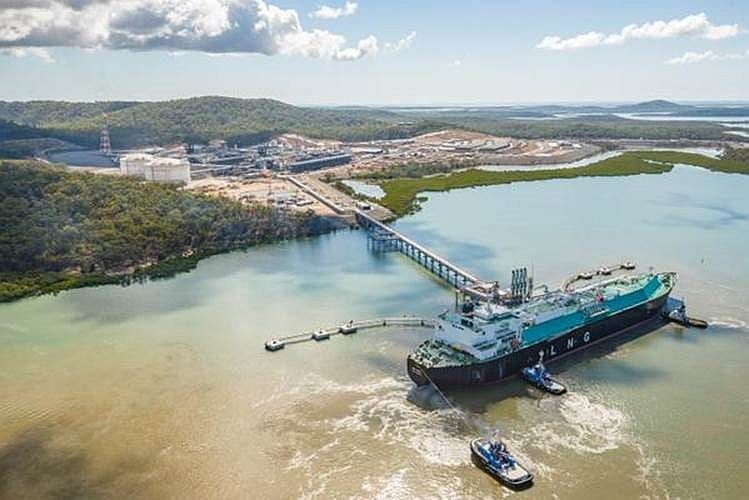
Illustration; Source: Australian Energy Producers (former APPEA) After the federal government released its draft domestic gas reservation framework, Samantha McCulloch, Australian Energy Producers’ Chief Executive, underlined that the proposed scheme deepened industry concerns over the possibility of undermining investment in additional gas supply, displacing domestic-focused producers, and damaging Australia’s standing “as a reliable export partner at a critical time for our bilateral energy trade. ” While exp
Story 2Offshore EnergyMay 28, 2026

Technip Energies rakes in over €1 billion for job on $13B US LNG project

Signal strongSource-grounded

What happened

Technip Energies received full notice to proceed for an EPC contract on the Commonwealth LNG export project, moving the scope from planning into full execution. The contract covers replicated liquefaction trains and major cryogenic equipment, concentrating vendor orders and fabrication demand into active delivery windows. Monitor supplier delivery slots and mobilisation plans because equipment bottlenecks would directly affect project timelines and regional supplier availability

Buyer takeaway

This is an execution-stage supplier-demand signal—buyers sharing vendor pools should flag overlapping orders and confirm lead times now

Cost / money

Execution-phase invoicing and mobilisation will alter cashflow timing and can increase procurement spend concentration

Supplier / commercial

Suppliers may prioritise EPC partners and firm orders, reducing price flexibility and spot availability for others

Safety / operations

Heavy equipment deliveries and complex integration require clear testing, acceptance and spare-parts clauses to protect uptime

What to watch

Watch supplier capacity reports and mobilisation notices for signs of fabrication delays or constrained delivery windows

Key facts

  • FNTP granted for Commonwealth LNG EPC
  • Scope includes multiple replicated liquefaction trains and major cryogenic equipment
  • Contract value and scope bring significant engineering and fabrication demand

Source excerpts

Commonwealth LNG; Source: Technip Energies Technip Energies has received full notice to proceed (FNTP) for an engineering, procurement, and construction (EPC) contract with Commonwealth LNG, a Caturus company
The Commonwealth LNG facility will entail six Baker Hughes mixed-refrigerant compressors powered by LM9000 gas turbines, six Honeywell main cryogenic heat exchangers, and four Titan 350 gas turbine-generators from Solar Turbines
Technip Energies highlights that the FNTP milestone reinforces its position as a global leader in LNG, having delivered over 20% of the world’s operating LNG capacity
Story 3Offshore EnergyMay 28, 2026

Multiple tank design orders for LNG vessels in GTT’s bag

Signal moderateSource-grounded

What happened

GTT won tank design orders for large LNG carriers using a three‑cargo‑tank configuration that increases cargo capacity and thermal efficiency. The order set includes multiple vessels with delivery windows over coming shipyard schedules, indicating firm shipowner and yard commitments. Buyers should validate terminal compatibility and loading/discharge curves if they plan to rely on these vessel types in future logistics contracts

Buyer takeaway

This is a freight‑supply signal: confirmed orders change future vessel availability and handling specifications buyers must plan for

Cost / money

Improved cargo efficiency may lower unit freight costs over time, but yard commitments reduce short-term optionality

Supplier / commercial

Shipyards and containment designers gain leverage as orders firm; expect more rigid commercial terms

Safety / operations

Different tank layouts alter loading rates and boil‑off management—terminals need to verify compatibility and safety procedures

What to watch

Watch shipyard schedules, technical clarifications and terminal acceptance tests that could delay vessel operations

Key facts

  • Order includes multiple LNG carriers with three-tank configuration
  • Design increases cargo capacity to about 177,000 cbm
  • Deliveries scheduled across multi-year shipyard slots

Source excerpts

The three-tank LNG vessels represent a new-generation ship concept based on a proven design, delivering enhanced cargo efficiency and operational performance, enabling the lowest possible unit freight cost and reduced emissions. Yngvil Åsheim, CEO of BW LNG, underscored: “BW LNG is proud to pioneer the industry’s first three-tank LNG carrier design across four of our new buildings
Home Fossil Energy Multiple tank design orders for LNG vessels in GTT’s bag May 28, 2026, by French technological containment specialist Gaztransport & Technigaz (GTT) has won new tank design jobs for liquefied natural gas (LNG) carriers (LNGCs) with HD Korea Shipbuilding & Offshore Engineering (HD KSOE) and Hanwha Ocean. LNG carrier (for illustration purposes); Source: GTT GTT has secured the tank design for what are said to be the world’s first large-scale 177,000 cubic meter (cbm) LNG carriers featuring a th
Similar to the conventional 174,000 cbm LNGC configuration, GTT underlines that the vessels will have the same principal dimensions, terminal compatibility, loading, and discharge parameters. The vessel can load any cargo parcel size by means of local membrane reinforcement, offering cargo owners full flexibility
Story 4Offshore EnergyMay 28, 2026

Oil & gas players unlocking $500 billion opportunity with AI and digitalization

Signal moderateDirectional

What happened

Rystad Energy’s analysis highlights a large multi-year value pool from AI and digitalisation in upstream oil and gas, noting operators already reporting measurable savings. The piece emphasises operations, maintenance and subsurface workflows as high‑value areas and that digital buys increasingly bundle software, integration and managed services. Procurement should watch commercial packaging and insist on SLAs, IP and cyber/uptime terms as pilots scale to enterprise deployments

Buyer takeaway

Treat digital and AI suppliers as strategic partners requiring different commercial governance and measurable deliverables

Cost / money

Spending shifts to software and managed services with potential operating cost reductions, changing procurement spend mixes

Supplier / commercial

Integrators and hyperscalers may bundle services, increasing negotiating leverage and transfer of implementation risk if unchecked

Safety / operations

Remote operations and predictive maintenance change uptime dependency and raise cyber/connectivity obligations to include in contracts

What to watch

Watch vendor IP, data access and SLA metrics in bundled offers to avoid value leakage or implementation failure

Key facts

  • Rystad projects a large multi-year value pool from AI and digitalisation
  • Early adopters report realised savings in the hundreds of millions across operators

Source excerpts

Rystad underlined: “AI is accelerating the value potential of digital solutions in oil and gas
Capturing the value at stake is said to require investment in digital tools, infrastructure, and integration
The firm elaborated: “Each is at a different stage of digital maturity. Historically, operators have deployed a wide range of digital tools into various workflows, especially within exploration and reservoir development

VP Snapshot

Executive Risk & Action View

Australia’s draft domestic gas reservation would require exporters to supply a material share of volumes to the domestic market, creating real contract amendment and pass-through pressure for buyers with existing LNG agreements.

Overall
55
Cost
79
Supply
61
Schedule
20
Compliance
35

Top signals

30-180dcost

Signal 1: Cost / money

Draft reservation rules create potential for suppliers to seek price pass-throughs or contract amendments that shift cost allocation onto buyers and change long-term cost forecasts.

Signal 3: Cost / money

New LNG carrier designs promise improved cargo efficiency over time, which could lower unit freight cost directionally but also lock buyers into yard and design commitments that reduce short-term optionality.

0-30dcost

Signal 2: Cost / money

Technip’s move to execution will accelerate EPC invoicing and mobilisation-related spend, increasing near-term cashflow and working-capital demands for counterparties engaged in project execution.

30-180dcommercial

Signal 4: Supplier / commercial

If reservation rules bind, major exporters and suppliers may tighten commercial positions, pushing for revised scope, exemptions or shortened quote validity windows.

Signal 6: Supplier / commercial

Shipyards and tank designers gaining confirmed orders strengthen supplier leverage, so expect firmer contract terms and less flexibility on late technical changes or cancellations.

0-30dsupply

Signal 5: Supplier / commercial

EPC execution concentrates orders for compressors, cryogenic heat exchangers and turbines; suppliers may prioritise long‑term EPC partners, reducing spot availability for APAC buyers.

Recommended actions

ContractsDue 3d

Map current LNG sale and purchase agreements to identify clauses exposed to a domestic reservation rule.

Ranked register of contracts with exposure flags and recommended amendment priorities.

CategoryDue 3d

Request lead‑time and mobilisation status updates from critical cryogenic and compressor suppliers used by regional projects.

Supplier availability matrix showing at‑risk vendors and recommended alternative sources.

ContractsDue 21d

Update RFx and contract templates to include explicit change‑in‑law, pass‑through and diversion clauses for gas/LNG supply agreements.

Clause library and insertion playbook ready for live RFx and negotiations.

OpsDue 21d

Run a terminal‑compatibility and freight scenario review for planned charters considering new three‑tank LNG carrier specs.

Decision note on which terminals and charters need technical validation or renegotiation before contract finalisation.

CategoryDue 21d

Inventory digital and AI vendor engagements and introduce mandatory SLA, IP and uptime language for future procurements.

Standard SOW/SLA templates for digital suppliers to ensure measurable outcomes and IP protection.

OpsDue 60d

Negotiate long‑term spare‑parts consignment and priority response SLAs with key equipment suppliers tied to major EPC programmes.

Signed SLAs and consignment terms that define response times and inventory responsibilities for critical equipment.

Risk register

RiskTriggerMitigation
Watch final exemption language and compliance mechanics in Australia’s draft reservation framework—small wording changes will determine whether buyers need immediate contract amendments.Watch final exemption language and compliance mechanics in Australia’s draft reservation framework—small wording changes will determine whether buyers need immediate contract amendments.Confirm exposure with category, contracts, and operations before the next supplier commitment.
Watch supplier mobilisation notices and fabrication schedules for signs of capacity strain from Commonwealth LNG equipment deliveries that could cascade to regional projects.Watch supplier mobilisation notices and fabrication schedules for signs of capacity strain from Commonwealth LNG equipment deliveries that could cascade to regional projects.Confirm exposure with category, contracts, and operations before the next supplier commitment.
Watch how digital vendors bundle cloud, integration and managed services; unclear SLA/IP terms in these packages will shift implementation and data risk to buyers.Watch how digital vendors bundle cloud, integration and managed services; unclear SLA/IP terms in these packages will shift implementation and data risk to buyers.Confirm exposure with category, contracts, and operations before the next supplier commitment.

CM Snapshot

Category Manager Decision Detail

Today's priorities

Map current LNG sale and purchase agreements to identify clauses exposed to a domestic reservation rule.

Do this because the draft reservation framework could trigger notification, diversion or pass-through obligations that require immediate contract responses.

Due 3d

high

CM move

Use this as the immediate supplier or contract action to move before the next sourcing gate.

Request lead‑time and mobilisation status updates from critical cryogenic and compressor suppliers used by regional projects.

Do this because Technip’s FNTP shifts large equipment orders into delivery windows and could reduce available capacity for overlapping APAC procurements.

Due 3d

high

CM move

Use this as the immediate supplier or contract action to move before the next sourcing gate.

Update RFx and contract templates to include explicit change‑in‑law, pass‑through and diversion clauses for gas/LNG supply agreements.

Do this because the draft reservation rules create legal ambiguity that will slow negotiations unless new clauses are pre‑approved and ready to deploy.

Due 21d

high

CM move

Use this as the immediate supplier or contract action to move before the next sourcing gate.

Run a terminal‑compatibility and freight scenario review for planned charters considering new three‑tank LNG carrier specs.

Do this because confirmed orders for three‑tank vessels change loading/discharge and boil‑off characteristics that affect terminal acceptance and freight economics.

Due 21d

high

CM move

Use this as the immediate supplier or contract action to move before the next sourcing gate.

Supplier radar

Offshore Energy

high

Observed supplier signal

If reservation rules bind, major exporters and suppliers may tighten commercial positions, pushing for revised scope, exemptions or shortened quote validity windows.

Commercial implication

If reservation rules bind, major exporters and suppliers may tighten commercial positions, pushing for revised scope, exemptions or shortened quote validity windows.

Next step: Validate the source-backed signal with incumbents and alternates before the next award or pricing decision.

Offshore Energy

high

Observed supplier signal

EPC execution concentrates orders for compressors, cryogenic heat exchangers and turbines; suppliers may prioritise long‑term EPC partners, reducing spot availability for APAC buyers.

Commercial implication

EPC execution concentrates orders for compressors, cryogenic heat exchangers and turbines; suppliers may prioritise long‑term EPC partners, reducing spot availability for APAC buyers.

Next step: Validate the source-backed signal with incumbents and alternates before the next award or pricing decision.

Offshore Energy

high

Observed supplier signal

Shipyards and tank designers gaining confirmed orders strengthen supplier leverage, so expect firmer contract terms and less flexibility on late technical changes or cancellations.

Commercial implication

Shipyards and tank designers gaining confirmed orders strengthen supplier leverage, so expect firmer contract terms and less flexibility on late technical changes or cancellations.

Next step: Validate the source-backed signal with incumbents and alternates before the next award or pricing decision.

Negotiation levers

Map current LNG sale and purchase agreements to identify clauses exposed to a domestic reservation rule.

When to use: Do this because the draft reservation framework could trigger notification, diversion or pass-through obligations that require immediate contract responses.

Expected outcome: Ranked register of contracts with exposure flags and recommended amendment priorities.

Commercial mechanism to carry into the next supplier conversation

Request lead‑time and mobilisation status updates from critical cryogenic and compressor suppliers used by regional projects.

When to use: Do this because Technip’s FNTP shifts large equipment orders into delivery windows and could reduce available capacity for overlapping APAC procurements.

Expected outcome: Supplier availability matrix showing at‑risk vendors and recommended alternative sources.

Commercial mechanism to carry into the next supplier conversation

Update RFx and contract templates to include explicit change‑in‑law, pass‑through and diversion clauses for gas/LNG supply agreements.

When to use: Do this because the draft reservation rules create legal ambiguity that will slow negotiations unless new clauses are pre‑approved and ready to deploy.

Expected outcome: Clause library and insertion playbook ready for live RFx and negotiations.

Commercial mechanism to carry into the next supplier conversation

Run a terminal‑compatibility and freight scenario review for planned charters considering new three‑tank LNG carrier specs.

When to use: Do this because confirmed orders for three‑tank vessels change loading/discharge and boil‑off characteristics that affect terminal acceptance and freight economics.

Expected outcome: Decision note on which terminals and charters need technical validation or renegotiation before contract finalisation.

Commercial mechanism to carry into the next supplier conversation

Talking points

Australia’s draft domestic gas reservation would require exporters to supply a material share of volumes to the domestic market, creating real contract amendment and pass-through pressure for buyers with existing LNG agreements.
Technip Energies’ full notice to proceed on the Commonwealth LNG EPC shifts major equipment and engineering demand into execution windows, narrowing vendor availability for APAC projects that share the same supplier pools.
Confirmed tank-design orders for next‑generation LNG carriers change future freight characteristics and terminal handling requirements; buyers should not assume current charter specs will match these new vessel types.
Rystad’s AI/digitalisation findings indicate buyers will increasingly face bundled software-plus‑services offers that need explicit SLAs, IP and uptime clauses to protect realised value from digital programmes.

Supplier radar

SupplierSignalImplicationNext stepConfidence
Offshore EnergyIf reservation rules bind, major exporters and suppliers may tighten commercial positions, pushing for revised scope, exemptions or shortened quote validity windows.If reservation rules bind, major exporters and suppliers may tighten commercial positions, pushing for revised scope, exemptions or shortened quote validity windows.Validate the source-backed signal with incumbents and alternates before the next award or pricing decision.high
Offshore EnergyEPC execution concentrates orders for compressors, cryogenic heat exchangers and turbines; suppliers may prioritise long‑term EPC partners, reducing spot availability for APAC buyers.EPC execution concentrates orders for compressors, cryogenic heat exchangers and turbines; suppliers may prioritise long‑term EPC partners, reducing spot availability for APAC buyers.Validate the source-backed signal with incumbents and alternates before the next award or pricing decision.high
Offshore EnergyShipyards and tank designers gaining confirmed orders strengthen supplier leverage, so expect firmer contract terms and less flexibility on late technical changes or cancellations.Shipyards and tank designers gaining confirmed orders strengthen supplier leverage, so expect firmer contract terms and less flexibility on late technical changes or cancellations.Validate the source-backed signal with incumbents and alternates before the next award or pricing decision.high

Negotiation levers

  • Map current LNG sale and purchase agreements to identify clauses exposed to a domestic reservation rule.Do this because the draft reservation framework could trigger notification, diversion or pass-through obligations that require immediate contract responses.Ranked register of contracts with exposure flags and recommended amendment priorities.

    high confidence

  • Request lead‑time and mobilisation status updates from critical cryogenic and compressor suppliers used by regional projects.Do this because Technip’s FNTP shifts large equipment orders into delivery windows and could reduce available capacity for overlapping APAC procurements.Supplier availability matrix showing at‑risk vendors and recommended alternative sources.

    high confidence

  • Update RFx and contract templates to include explicit change‑in‑law, pass‑through and diversion clauses for gas/LNG supply agreements.Do this because the draft reservation rules create legal ambiguity that will slow negotiations unless new clauses are pre‑approved and ready to deploy.Clause library and insertion playbook ready for live RFx and negotiations.

    high confidence

  • Run a terminal‑compatibility and freight scenario review for planned charters considering new three‑tank LNG carrier specs.Do this because confirmed orders for three‑tank vessels change loading/discharge and boil‑off characteristics that affect terminal acceptance and freight economics.Decision note on which terminals and charters need technical validation or renegotiation before contract finalisation.

    high confidence

What to do / What to watch

What to do now

  • Map current LNG sale and purchase agreements to identify clauses exposed to a domestic reservation rule.

    Why: Do this because the draft reservation framework could trigger notification, diversion or pass-through obligations that require immediate contract responses.

    Owner: Contracts

    Expected outcome: Ranked register of contracts with exposure flags and recommended amendment priorities.

    [3]
  • Request lead‑time and mobilisation status updates from critical cryogenic and compressor suppliers used by regional projects.

    Why: Do this because Technip’s FNTP shifts large equipment orders into delivery windows and could reduce available capacity for overlapping APAC procurements.

    Owner: Category

    Expected outcome: Supplier availability matrix showing at‑risk vendors and recommended alternative sources.

    [1]

Next few weeks

  • Update RFx and contract templates to include explicit change‑in‑law, pass‑through and diversion clauses for gas/LNG supply agreements.

    Why: Do this because the draft reservation rules create legal ambiguity that will slow negotiations unless new clauses are pre‑approved and ready to deploy.

    Owner: Contracts

    Expected outcome: Clause library and insertion playbook ready for live RFx and negotiations.

    [3]
  • Run a terminal‑compatibility and freight scenario review for planned charters considering new three‑tank LNG carrier specs.

    Why: Do this because confirmed orders for three‑tank vessels change loading/discharge and boil‑off characteristics that affect terminal acceptance and freight economics.

    Owner: Ops

    Expected outcome: Decision note on which terminals and charters need technical validation or renegotiation before contract finalisation.

    [4]
  • Inventory digital and AI vendor engagements and introduce mandatory SLA, IP and uptime language for future procurements.

    Why: Do this because Rystad’s analysis shows digital projects are scaling and weak commercial terms can transfer value and operational risk to buyers.

    Owner: Category

    Expected outcome: Standard SOW/SLA templates for digital suppliers to ensure measurable outcomes and IP protection.

    [2]

Longer view

  • Negotiate long‑term spare‑parts consignment and priority response SLAs with key equipment suppliers tied to major EPC programmes.

    Why: Do this because execution‑phase projects and constrained supplier pools increase the operational risk of downtime unless parts and service priority are contractually defined.

    Owner: Ops

    Expected outcome: Signed SLAs and consignment terms that define response times and inventory responsibilities for critical equipment.

    [1]

What to watch

  • Watch final exemption language and compliance mechanics in Australia’s draft reservation framework—small wording changes will determine whether buyers need immediate contract amendments
  • Watch supplier mobilisation notices and fabrication schedules for signs of capacity strain from Commonwealth LNG equipment deliveries that could cascade to regional projects
  • Watch how digital vendors bundle cloud, integration and managed services; unclear SLA/IP terms in these packages will shift implementation and data risk to buyers
  • Watch final exemption language and compliance mechanics in Australia’s draft reservation framework—small wording changes will determine whether buyers need immediate contract amendments.: Watch final exemption language and compliance mechanics in Australia’s draft reservation framework—small wording changes will determine whether buyers need immediate contract amendments
  • Watch supplier mobilisation notices and fabrication schedules for signs of capacity strain from Commonwealth LNG equipment deliveries that could cascade to regional projects.: Watch supplier mobilisation notices and fabrication schedules for signs of capacity strain from Commonwealth LNG equipment deliveries that could cascade to regional projects
  • Watch how digital vendors bundle cloud, integration and managed services; unclear SLA/IP terms in these packages will shift implementation and data risk to buyers.: Watch how digital vendors bundle cloud, integration and managed services; unclear SLA/IP terms in these packages will shift implementation and data risk to buyers
  • Australia’s draft domestic gas reservation would require exporters to supply a material share of volumes to the domestic market, creating real contract amendment and pass-through pressure for buyers with existing LNG agreements
  • Technip Energies’ full notice to proceed on the Commonwealth LNG EPC shifts major equipment and engineering demand into execution windows, narrowing vendor availability for APAC projects that share the same supplier pools

Market pulse

IndexLatestChangeAs of
WTI Crude (WTI)71.23 /bbl+0.00 (+0.00%)May 28, 2026, 10:06 PM
Brent Crude (BRENT)74.89 /bbl+0.00 (+0.00%)May 28, 2026, 10:06 PM
Natural Gas (NG)3.12 /MMBtu+0.00 (+0.00%)May 28, 2026, 10:06 PM
Henry Hub Gas (NG)3.12 /MMBtu+0.00 (+0.00%)May 28, 2026, 10:06 PM
Cheniere (LNG) (LNG)185 +0.00 (+0.00%)May 28, 2026, 10:06 PM
Brent Crude (BRENT)74.89 /bbl+0.00 (+0.00%)May 28, 2026, 10:06 PM
  • Natural Gas: Natural gas tracking matters more while domestic policy drafts can affect regional supply balance and contract exposure
  • Cheniere (LNG): LNG project execution and vessel design changes will influence export capacity and shipping economics relevant to procurement planning
  • Dry Bulk Shipping (BDRY): Dry bulk and shipping indices are useful to monitor yard activity and freight-cost direction as newbuild demand firm up

Sources

Inline citations jump here. Expand a source to read the excerpt, the AI interpretation, and the original link.

[1] Technip Energies rakes in over €1 billion for job on $13B US LNG project

offshore-energy.biz · May 28, 2026

Expand

AI reading

Technip Energies received full notice to proceed for an EPC contract on the Commonwealth LNG export project, moving the scope from planning into full execution. The contract covers replicated liquefaction trains and major cryogenic equipment, concentrating vendor orders and fabrication demand into active delivery windows. Monitor supplier delivery slots and mobilisation plans because equipment bottlenecks would directly affect project timelines and regional supplier availability

Buyer takeaway

This is an execution-stage supplier-demand signal—buyers sharing vendor pools should flag overlapping orders and confirm lead times now

Cost / money

Execution-phase invoicing and mobilisation will alter cashflow timing and can increase procurement spend concentration

Supplier / commercial

Suppliers may prioritise EPC partners and firm orders, reducing price flexibility and spot availability for others

Safety / operations

Heavy equipment deliveries and complex integration require clear testing, acceptance and spare-parts clauses to protect uptime

What to watch

Watch supplier capacity reports and mobilisation notices for signs of fabrication delays or constrained delivery windows

Key facts

  • FNTP granted for Commonwealth LNG EPC
  • Scope includes multiple replicated liquefaction trains and major cryogenic equipment
  • Contract value and scope bring significant engineering and fabrication demand

Source excerpts

Commonwealth LNG; Source: Technip Energies Technip Energies has received full notice to proceed (FNTP) for an engineering, procurement, and construction (EPC) contract with Commonwealth LNG, a Caturus company
The Commonwealth LNG facility will entail six Baker Hughes mixed-refrigerant compressors powered by LM9000 gas turbines, six Honeywell main cryogenic heat exchangers, and four Titan 350 gas turbine-generators from Solar Turbines
Technip Energies highlights that the FNTP milestone reinforces its position as a global leader in LNG, having delivered over 20% of the world’s operating LNG capacity

Used in this brief

  • Australia’s draft domestic gas reservation would require exporters to supply a material share of volumes to the domestic market, creating real contract amendment and pass-through pressure for buyers with existing LNG agreements. Technip Energies’ full notice to proceed on the Commonwealth LNG EPC shifts major equipment and engineering demand into execution windows, narrowing vendor availability for APAC projects that share the same supplier pools. Confirmed tank-design orders for next‑generation LNG carriers change future freight characteristics and terminal handling requirements; buyers should not assume current charter specs will match these new vessel types. Rystad’s AI/digitalisation findings indicate buyers will increasingly face bundled software-plus‑services offers that need explicit SLAs, IP and uptime clauses to protect realised value from digital programmes
  • Supplier / commercial: EPC execution concentrates orders for compressors, cryogenic heat exchangers and turbines; suppliers may prioritise long‑term EPC partners, reducing spot availability for APAC buyers
  • Next 72 hours — Request lead‑time and mobilisation status updates from critical cryogenic and compressor suppliers used by regional projects.. Rationale: Do this because Technip’s FNTP shifts large equipment orders into delivery windows and could reduce available capacity for overlapping APAC procurements.. Owner: Category. KPI: Supplier availability matrix showing at‑risk vendors and recommended alternative sources
Open original source

[2] Oil & gas players unlocking $500 billion opportunity with AI and digitalization

offshore-energy.biz · May 28, 2026

Expand

AI reading

Rystad Energy’s analysis highlights a large multi-year value pool from AI and digitalisation in upstream oil and gas, noting operators already reporting measurable savings. The piece emphasises operations, maintenance and subsurface workflows as high‑value areas and that digital buys increasingly bundle software, integration and managed services. Procurement should watch commercial packaging and insist on SLAs, IP and cyber/uptime terms as pilots scale to enterprise deployments

Buyer takeaway

Treat digital and AI suppliers as strategic partners requiring different commercial governance and measurable deliverables

Cost / money

Spending shifts to software and managed services with potential operating cost reductions, changing procurement spend mixes

Supplier / commercial

Integrators and hyperscalers may bundle services, increasing negotiating leverage and transfer of implementation risk if unchecked

Safety / operations

Remote operations and predictive maintenance change uptime dependency and raise cyber/connectivity obligations to include in contracts

What to watch

Watch vendor IP, data access and SLA metrics in bundled offers to avoid value leakage or implementation failure

Key facts

  • Rystad projects a large multi-year value pool from AI and digitalisation
  • Early adopters report realised savings in the hundreds of millions across operators

Source excerpts

Rystad underlined: “AI is accelerating the value potential of digital solutions in oil and gas
Capturing the value at stake is said to require investment in digital tools, infrastructure, and integration
The firm elaborated: “Each is at a different stage of digital maturity. Historically, operators have deployed a wide range of digital tools into various workflows, especially within exploration and reservoir development

Used in this brief

  • Next 2-4 weeks — Inventory digital and AI vendor engagements and introduce mandatory SLA, IP and uptime language for future procurements.. Rationale: Do this because Rystad’s analysis shows digital projects are scaling and weak commercial terms can transfer value and operational risk to buyers.. Owner: Category. KPI: Standard SOW/SLA templates for digital suppliers to ensure measurable outcomes and IP protection
  • Watch how digital vendors bundle cloud, integration and managed services; unclear SLA/IP terms in these packages will shift implementation and data risk to buyers
  • Rystad Energy’s analysis highlights a large multi-year value pool from AI and digitalisation in upstream oil and gas, noting operators already reporting measurable savings. The piece emphasises operations, maintenance and subsurface workflows as high‑value areas and that digital buys increasingly bundle software, integration and managed services. Procurement should watch commercial packaging and insist on SLAs, IP and cyber/uptime terms as pilots scale to enterprise deployments
Open original source

[3] Australian gas reservation draft raises the alarm over export reliability

offshore-energy.biz · May 28, 2026

Expand

AI reading

Australia published a draft domestic gas reservation proposing exporters deliver a material share of export volumes to the domestic market. The draft includes complex exemption mechanics and compliance obligations that industry groups say could affect existing LNG contracts and investment signals. Watch the consultation process and the final exemption wording to know whether contracts need amendments or operational volume diversions

Buyer takeaway

Treat this as a policy-level demand reallocation that can create contractual amendment work and negotiation windows for LNG buyers and sellers

Cost / money

Creates potential for supplier price pass-throughs or reallocation of costs if exporters must divert volumes, changing buyer cost profiles

Supplier / commercial

Exporters may seek contract revisions, exemptions or accelerated negotiations once rules are finalised; negotiation flexibility may shrink

Safety / operations

Operational safety impacts are indirect, but volume diversions can change storage and logistics patterns that operations must validate

What to watch

Watch final exemption language, compliance timelines and reporting mechanics; those details determine operational and commercial exposure

Key facts

  • Draft proposes exporters supply a significant share of export volumes domestically
  • Proposal includes a patchwork of exemptions affecting WA and Northern Territory

Source excerpts

” While explaining that the proposed framework imposes complex and opaque compliance obligations, McCulloch highlights that it also threatens existing export contracts and entrenches a structural oversupply that would mute investment signals for new domestic gas supply. As a result, it is interpreted to send a concerning signal to key trade and investment partners, including Japan, South Korea, Malaysia, and Singapore, which were assured by Prime Minister Anthony Albanese that liquefied natural gas (LNG) contra
Home Fossil Energy Australian gas reservation draft raises the alarm over export reliability May 28, 2026, by Given the growing concerns over a draft domestic gas reservation framework, Australian Energy Producers, representing Australia’s upstream oil and gas exploration and production industry, has emphasized the investment risks such a move could bring, intensifying east coast gas supply pressures
Illustration; Source: Australian Energy Producers (former APPEA) After the federal government released its draft domestic gas reservation framework, Samantha McCulloch, Australian Energy Producers’ Chief Executive, underlined that the proposed scheme deepened industry concerns over the possibility of undermining investment in additional gas supply, displacing domestic-focused producers, and damaging Australia’s standing “as a reliable export partner at a critical time for our bilateral energy trade. ” While exp

Used in this brief

  • Next 72 hours — Map current LNG sale and purchase agreements to identify clauses exposed to a domestic reservation rule.. Rationale: Do this because the draft reservation framework could trigger notification, diversion or pass-through obligations that require immediate contract responses.. Owner: Contracts. KPI: Ranked register of contracts with exposure flags and recommended amendment priorities
  • Next 2-4 weeks — Update RFx and contract templates to include explicit change‑in‑law, pass‑through and diversion clauses for gas/LNG supply agreements.. Rationale: Do this because the draft reservation rules create legal ambiguity that will slow negotiations unless new clauses are pre‑approved and ready to deploy.. Owner: Contracts. KPI: Clause library and insertion playbook ready for live RFx and negotiations
  • Watch final exemption language and compliance mechanics in Australia’s draft reservation framework—small wording changes will determine whether buyers need immediate contract amendments
Open original source

[4] Multiple tank design orders for LNG vessels in GTT’s bag

offshore-energy.biz · May 28, 2026

Expand

AI reading

GTT won tank design orders for large LNG carriers using a three‑cargo‑tank configuration that increases cargo capacity and thermal efficiency. The order set includes multiple vessels with delivery windows over coming shipyard schedules, indicating firm shipowner and yard commitments. Buyers should validate terminal compatibility and loading/discharge curves if they plan to rely on these vessel types in future logistics contracts

Buyer takeaway

This is a freight‑supply signal: confirmed orders change future vessel availability and handling specifications buyers must plan for

Cost / money

Improved cargo efficiency may lower unit freight costs over time, but yard commitments reduce short-term optionality

Supplier / commercial

Shipyards and containment designers gain leverage as orders firm; expect more rigid commercial terms

Safety / operations

Different tank layouts alter loading rates and boil‑off management—terminals need to verify compatibility and safety procedures

What to watch

Watch shipyard schedules, technical clarifications and terminal acceptance tests that could delay vessel operations

Key facts

  • Order includes multiple LNG carriers with three-tank configuration
  • Design increases cargo capacity to about 177,000 cbm
  • Deliveries scheduled across multi-year shipyard slots

Source excerpts

The three-tank LNG vessels represent a new-generation ship concept based on a proven design, delivering enhanced cargo efficiency and operational performance, enabling the lowest possible unit freight cost and reduced emissions. Yngvil Åsheim, CEO of BW LNG, underscored: “BW LNG is proud to pioneer the industry’s first three-tank LNG carrier design across four of our new buildings
Home Fossil Energy Multiple tank design orders for LNG vessels in GTT’s bag May 28, 2026, by French technological containment specialist Gaztransport & Technigaz (GTT) has won new tank design jobs for liquefied natural gas (LNG) carriers (LNGCs) with HD Korea Shipbuilding & Offshore Engineering (HD KSOE) and Hanwha Ocean. LNG carrier (for illustration purposes); Source: GTT GTT has secured the tank design for what are said to be the world’s first large-scale 177,000 cubic meter (cbm) LNG carriers featuring a th
Similar to the conventional 174,000 cbm LNGC configuration, GTT underlines that the vessels will have the same principal dimensions, terminal compatibility, loading, and discharge parameters. The vessel can load any cargo parcel size by means of local membrane reinforcement, offering cargo owners full flexibility

Used in this brief

  • Cost / money: New LNG carrier designs promise improved cargo efficiency over time, which could lower unit freight cost directionally but also lock buyers into yard and design commitments that reduce short-term optionality
  • Next 2-4 weeks — Run a terminal‑compatibility and freight scenario review for planned charters considering new three‑tank LNG carrier specs.. Rationale: Do this because confirmed orders for three‑tank vessels change loading/discharge and boil‑off characteristics that affect terminal acceptance and freight economics.. Owner: Ops. KPI: Decision note on which terminals and charters need technical validation or renegotiation before contract finalisation
  • New: GTT won multiple tank design orders for new three-tank large LNG carriers, signalling future changes to freight and terminal interfaces (article 6)
Open original source

[5] Natural Gas

finance.yahoo.com · n.d.

Expand

[6] Cheniere (LNG)

finance.yahoo.com · n.d.

Expand

[7] Dry Bulk Shipping (BDRY)

finance.yahoo.com · n.d.

Expand