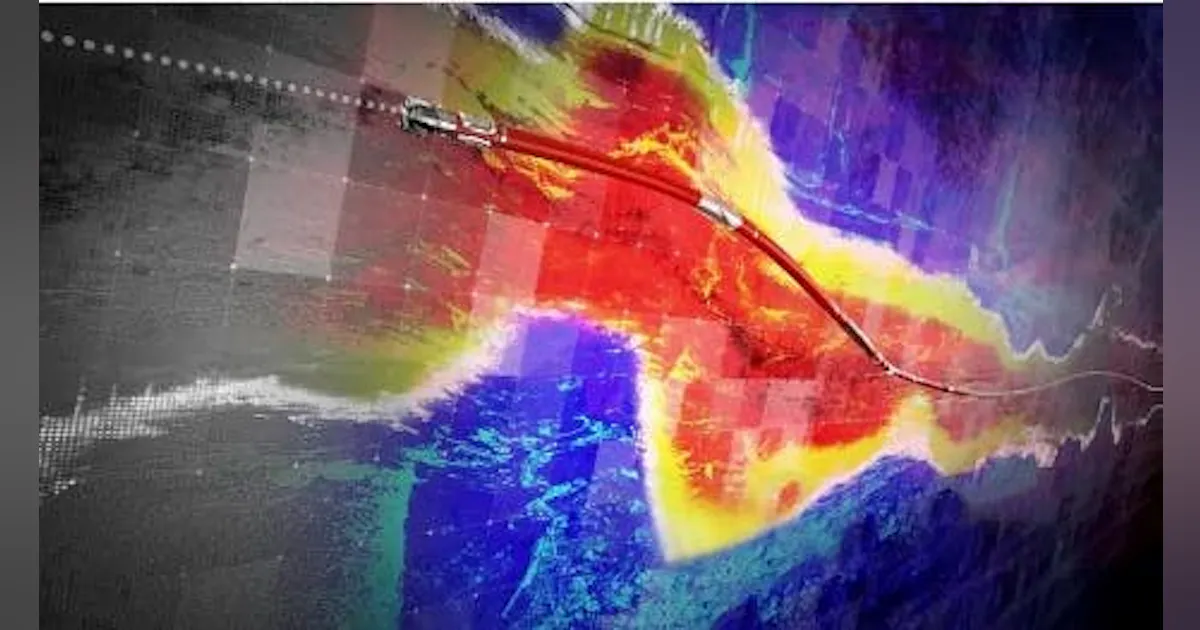
Plug & Abandonment / Decommissioning · International (Houston)

Prioritize TCP and Automation Risks in Decommissioning Sourcing

Published May 28, 2026, 5:06 AM CSTINTERNATIONALFull category signal
Ask AI
Pipelines

In 60 seconds

Top move

Field-level TCP (thermoplastic composite pipe) installations are now moving from R&D to execution, which shifts decommissioning workstreams toward suppliers who can handle TCP installation and integration rather than traditional steel replacement workflows

Key takeaways

  • Field-level TCP (thermoplastic composite pipe) installations are now moving from R&D to execution, which shifts decommissioning workstreams toward suppliers who can handle TCP installation and integration rather than traditional steel replacement workflows.[1]
  • Drilling automation milestones change offshore headcount and remote-operations expectations, which will alter how service firms price crewed mobilization and how buyers plan offshore supervision for P&A jobs.[2]
  • Regional asset transfers and development tie-ins (example: Otway Basin sale and tie-in planning) will re-sequence vessel, rig and yard demand in specific basins, creating localized shifts in supplier availability for decommissioning work.[3]
  • Taken together these items reinforce the recent shift toward TCP-compatible scopes and multi-purpose vessel strategies first identified in prior runs; procurement should treat TCP acceptance and vessel-flexibility as real sourcing variables.[1]
  • This is a normal signal day with concrete project-level moves rather than a systemic supply shock; act to verify supplier readiness and contract terms rather than assuming acute scarcity.[2]

What changed since last run

  • Added concrete field execution evidence for TCP flowline work (Oceaneering / Strohm) that upgrades TCP from a thematic risk to active installation work (article 7).
  • Added a drilling automation milestone (ExxonMobil closed-loop well placement) that increases the likelihood of shifted headcount and remote-ops dependency for related offshore services (article 9).

Key facts

  • 2,000 m flowline replacement noted in the WDDM project
  • TCP specified as the replacement technology for the flowline
  • First fully closed-loop automated geological well placement offshore Guyana
  • System integrated orchestration, automated geosteering and rig control without driller interv
  • Transaction transfers a 50% interest in VIC/L35 (Artisan discovery)
  • Planned tie-in to existing onshore infrastructure noted as the intended development path

Why it matters

Field-level TCP (thermoplastic composite pipe) installations are now moving from R&D to execution, which shifts decommissioning workstreams toward suppliers who can handle TCP installation and integration rather than traditional steel replacement workflows. Drilling automation milestones change offshore headcount and remote-operations expectations, which will alter how service firms price crewed mobilization and how buyers plan offshore supervision for P&A jobs. Regional asset transfers and development tie-ins (example: Otway Basin sale and tie-in planning) will re-sequence vessel, rig and yard demand in specific basins, creating localized shifts in supplier availability for decommissioning work. Taken together these items reinforce the recent shift toward TCP-compatible scopes and multi-purpose vessel strategies first identified in prior runs; procurement should treat TCP acceptance and vessel-flexibility as real sourcing variables

Cost / money

  • TCP installations reallocate cost exposure from steel fabrication to specialized TCP supply and installation services, which can change where mobilization and equipment pass-throughs land in supplier bids.[1]
  • Automation that reduces rig-time or personnel offshore can lower some crew-related day-rate pressure but may shift cost into digital/remote-ops support, altering total cost of ownership for P&A packages.[2]
  • Regional asset transactions and tie-in schedules can concentrate short-term vessel and yard demand locally, increasing the chance of spot charter premiums or staged mobilization charges where schedules overlap.[3]

Supplier / commercial

  • Suppliers with TCP handling and horizontal-lay capability gain commercial leverage to bundle installation and decommissioning scopes; expect fewer standalone steel-flowline-only bids in those campaigns.[1]
  • Service companies that demonstrate automation-capable workflows (remote monitoring, closed-loop control) may shift their commercial model toward fewer offshore personnel and more long-term remote-support contracts.[2]
  • Regional winners from the Otway transaction will be favored for tie-in and integration work, tightening prequalification filters and changing which vendors get early slot allocations.[3]

Safety / operations

  • TCP handling changes lifting, spool handling and SIMOPS profiles compared with steel; teams must rework lifting plans, inspection steps and insurer disclosures before acceptance of TCP scopes.[1]
  • Automation decreases personnel in high-risk rig-floor zones but increases dependency on uptime for remote control and data links; decommissioning plans that rely on remote oversight need verified connectivity and cyber resilience.[2]
  • Asset ownership changes and compressed tie-in windows can raise the risk of rushed mobilization, where reduced pre-execution inspections or hurried site preparation can increase HSE exposure.[3]

What to watch

  • Watch whether TCP installers start shortening quote validity and prioritizing high-margin projects — that behavior would reduce standalone P&A bid liquidity and increase mobilization pass-through risk.[1]
  • Watch for bundling of TCP installation and P&A by multi-purpose vessel owners and subsea contractors, which would narrow competition and shift leverage to bundle holders.[1]
  • Watch insurer responses to TCP and new automation workflows; certification or insurance gaps could create execution delays or additional commercial requirements.[2]

Top stories

Story 1Offshore-mag

Pipelines

Signal strongSource-grounded

What happened

Offshore reports Oceaneering will install a 2,000 m flowline to replace steel at the deepwater WDDM project and Strohm is providing TCP flowline technology. The entry of TCP into an active deepwater replacement project makes the pipe technology operationally real for installers, insurers and buyers. Watch whether more projects adopt TCP for replacements and how insurers and bidders respond on mobilization and acceptance terms

Buyer takeaway

Treat TCP as an active sourcing variable; suppliers without TCP handling experience will be disadvantaged for related P&A scopes

Cost / money

Directional shift: expect cost emphasis to move toward specialized TCP installers and possible mobilization pass-throughs rather than traditional steel-fabrication budgets

Supplier / commercial

Suppliers capable of TCP installation gain bundling leverage; expect fewer standalone steel replacement bids where TCP is used

Safety / operations

TCP changes lifting and SIMOPS profiles; operational teams must update handling, inspection and QA steps before accepting TCP scopes

What to watch

Watch for shortened quote validity, staged mobilization demands, and insurer queries specific to TCP materials and installation

Key facts

  • 2,000 m flowline replacement noted in the WDDM project
  • TCP specified as the replacement technology for the flowline

Source excerpts

com/channel/UCy4hHphyg7qfjoI9EaEiOFACourtesy OceaneeringPipelinesStrohm providing first TCP flowline offshore EgyptOceaneering will install the 2,000 m flowline to replace a steel pipeline at the deepwater WDDM project
Offshore energy industry news, trends, insights and outlooksGeosciencesDrilling & CompletionField DevelopmentSubseaProduction Sections GeosciencesDrilling & CompletionField DevelopmentSubseaProductionPipelinesVesselsRenewable EnergyRegional Reports Special Exclusive ContentVideosMagazineWebcastsMaps & PostersWhat Is...?
WhitepapersEvents Contact About UsSubscribeNewslettersAdvertiseContact UsPrivacy PolicyTerms & Conditions Affiliated Brands OIL & GAS JOURNALENERGYTECHMAPSEARCHSUBSEA TIEBACK FORUM & EXHIBITIONDEEPWATER OPERATIONS CONFERENCE & EXHIBITION Follow us on https://www
Story 2Offshore-mag

ExxonMobil achieves milestone automated well placement offshore Guyana

Signal strongSource-grounded

What happened

ExxonMobil and partners completed a closed-loop automated well placement offshore Guyana, demonstrating an operational shift to autonomous drilling workflows. The system integrated real-time subsurface interpretation with rig control and operated without driller intervention during the reservoir section. Watch how automation adoption changes supplier headcount, remote-ops reliance and commercial models for services that support P&A execution

Buyer takeaway

Start factoring automation-capable suppliers into sourcing decisions; remote supervision changes the nature of mobilization and staffing costs

Cost / money

Potential to lower crew-related day-rate exposure but increase spend on digital support and uptime guarantees

Supplier / commercial

Automation-capable service firms may push for long-term remote-support contracts and reduce short-term crewed mobilization offers

Safety / operations

Reduces personnel in high-risk rig-floor zones but increases dependency on secure connectivity and remote monitoring uptime

What to watch

Watch for new uptime, connectivity and cyber clauses in supplier bids and potential reallocation of pricing from people to digital services

Key facts

  • First fully closed-loop automated geological well placement offshore Guyana
  • System integrated orchestration, automated geosteering and rig control without driller interv

Source excerpts

5 billion in recent years, is expected to expand at CAGRs of 6–8% through the early 2030s, driven by demands for cost reduction, safety improvements, and operational consistency — particularly in complex offshore and deepwater environments. Benefits and outlook Automation delivers measurable gains: higher rates of penetration, reduced non-productive time, enhanced well placement accuracy, and fewer personnel in hazardous rig-floor “red zones
As the industry moves toward scalable “well factories,” digital twins, remote operations centers, and full autonomy, milestones like the Guyana well demonstrate that closed-loop systems are no longer experimental — they are becoming repeatable standards. This progress positions forward-thinking operators and service companies to deliver more resilient, efficient, and sustainable energy production in an increasingly challenging environment
Announced in March 2026, this milestone marks a pivotal advancement in the ongoing transformation of drilling operations toward greater autonomy, efficiency, and safety. The breakthrough integrated Halliburton’s LOGIX orchestration platform and automated geosteering capabilities with its EarthStar ultra-deep resistivity service and Sekal’s DrillTronics rig automation system
Story 3Offshore-mag

Beach Energy selling ownership in Artisan gas field offshore Victoria

Signal moderateDirectional

What happened

Beach Energy signed a binding agreement to sell a 50% interest in the VIC/L35 permit (Artisan) to Amplitude Energy, with tie-in plans to onshore infrastructure. The asset transfer and tie-in timing will affect rig and vessel planning in the Otway Basin and could shift local supplier demand as Amplitude sequences development. Watch whether tie-in and drilling windows slip or concentrate, which will affect nearby decommissioning schedule flexibility and vessel availability

Buyer takeaway

Re-check local booking windows and prequalification lists in basins where operators are changing hands or accelerating tie-ins

Cost / money

Asset reallocation can concentrate demand and push localized charter or yard premiums into nearby P&A work

Supplier / commercial

Regional suppliers may be reprioritized by the incoming operator, changing who gets early mobilization slots

Safety / operations

Tie-in and mobilization sequencing can compress pre-execution checks; buyers should verify inspection and SIMOPS readiness

What to watch

Watch for schedule concentration and staged mobilization clauses from suppliers seeking to protect new development campaigns

Key facts

  • Transaction transfers a 50% interest in VIC/L35 (Artisan discovery)
  • Planned tie-in to existing onshore infrastructure noted as the intended development path

Source excerpts

G. Otway
The duo plan to tie production from Artisan through the Amplitude-operated onshore Athena Gas Plant in Victoria. The transaction, valued at $130 million post-tax, should be completed early next year
Australian gas production company Amplitude Energy has signed a binding agreement to acquire a 50% interest from Beach Energy in the VIC/L35 permit in the offshore Otway Basin

VP Snapshot

Executive Risk & Action View

Field-level TCP (thermoplastic composite pipe) installations are now moving from R&D to execution, which shifts decommissioning workstreams toward suppliers who can handle TCP installation and integration rather than traditional steel replacement workflows.

Overall
57
Cost
97
Supply
43
Schedule
38
Compliance
15

Top signals

30-180dcost

Signal 1: Cost / money

TCP installations reallocate cost exposure from steel fabrication to specialized TCP supply and installation services, which can change where mobilization and equipment pass-throughs land in supplier bids.

Signal 2: Cost / money

Automation that reduces rig-time or personnel offshore can lower some crew-related day-rate pressure but may shift cost into digital/remote-ops support, altering total cost of ownership for P&A packages.

Signal 3: Cost / money

Regional asset transactions and tie-in schedules can concentrate short-term vessel and yard demand locally, increasing the chance of spot charter premiums or staged mobilization charges where schedules overlap.

30-180dcommercial

Signal 4: Supplier / commercial

Suppliers with TCP handling and horizontal-lay capability gain commercial leverage to bundle installation and decommissioning scopes; expect fewer standalone steel-flowline-only bids in those campaigns.

Signal 5: Supplier / commercial

Service companies that demonstrate automation-capable workflows (remote monitoring, closed-loop control) may shift their commercial model toward fewer offshore personnel and more long-term remote-support contracts.

30-180dsupply

Signal 6: Supplier / commercial

Regional winners from the Otway transaction will be favored for tie-in and integration work, tightening prequalification filters and changing which vendors get early slot allocations.

Recommended actions

CategoryDue 3d

Map current and near-term P&A scopes against confirmed TCP and subsea flowline projects in your regions of interest.

Updated scope-to-technology matrix identifying P&A packages that require TCP handling or are exposed to TCP-bundling risk.

ContractsDue 3d

Request current vessel and yard booking windows from incumbent suppliers in basins affected by asset transfers and tie-ins.

Documented supplier booking windows and potential slot conflicts to use in bid evaluation and mobilization clauses.

ContractsDue 21d

Update RFQ pre-qualification criteria to add TCP handling experience, insurer acceptance for TCP materials, and horizontal-lay installation capability as weighted requirements.

RFQ pre-qualification filters that surface suppliers able to deliver TCP-capable execution with documented insurance evidence.

CategoryDue 21d

Engage top-tier automation and remote-operations service providers to assess how automated drilling and remote workflows will affect crew needs, supervision and subcontracting o...

Supplier position papers mapping automation impacts to mobilization, supervision and commercial models for P&A bids.

ContractsDue 60d

Negotiate contract clauses that cap mobilization pass-throughs and require insurer sign-off on TCP materials and installation methodology before notice-to-proceed.

Contracts with defined mobilization pass-through limits and insurer-accepted TCP clauses to limit cost and schedule escalation.

OpsDue 60d

Pilot one decommissioning package that includes explicit TCP acceptance criteria, execution testing and an insurer sign-off step during mobilization rehearsals.

Operational validation of TCP acceptance and a playbook for integrating TCP scopes into future P&A awards.

Risk register

RiskTriggerMitigation
Watch whether TCP installers start shortening quote validity and prioritizing high-margin projects — that behavior would reduce standalone P&A bid liquidity and increase mobilization pass-through risk.Watch whether TCP installers start shortening quote validity and prioritizing high-margin projects — that behavior would reduce standalone P&A bid liquidity and increase mobilization pass-through risk.Confirm exposure with category, contracts, and operations before the next supplier commitment.
Watch for bundling of TCP installation and P&A by multi-purpose vessel owners and subsea contractors, which would narrow competition and shift leverage to bundle holders.Watch for bundling of TCP installation and P&A by multi-purpose vessel owners and subsea contractors, which would narrow competition and shift leverage to bundle holders.Confirm exposure with category, contracts, and operations before the next supplier commitment.
Watch insurer responses to TCP and new automation workflows; certification or insurance gaps could create execution delays or additional commercial requirements.Watch insurer responses to TCP and new automation workflows; certification or insurance gaps could create execution delays or additional commercial requirements.Confirm exposure with category, contracts, and operations before the next supplier commitment.

CM Snapshot

Category Manager Decision Detail

Today's priorities

Map current and near-term P&A scopes against confirmed TCP and subsea flowline projects in your regions of interest.

Act because the cited source changes the timing, capacity, or commercial assumptions behind the next sourcing decision.

Due 3d

high

CM move

Use this as the immediate supplier or contract action to move before the next sourcing gate.

Request current vessel and yard booking windows from incumbent suppliers in basins affected by asset transfers and tie-ins.

Because article 3 describes asset transfers and tie-in planning that can re-sequence vessel and yard demand, verifying bookings shows where slot conflicts or staged mobilization...

Due 3d

high

CM move

Use this as the immediate supplier or contract action to move before the next sourcing gate.

Update RFQ pre-qualification criteria to add TCP handling experience, insurer acceptance for TCP materials, and horizontal-lay installation capability as weighted requirements.

Act because the cited source changes the timing, capacity, or commercial assumptions behind the next sourcing decision.

Due 21d

high

CM move

Use this as the immediate supplier or contract action to move before the next sourcing gate.

Engage top-tier automation and remote-operations service providers to assess how automated drilling and remote workflows will affect crew needs, supervision and subcontracting o...

Act because the cited source changes the timing, capacity, or commercial assumptions behind the next sourcing decision.

Due 21d

high

CM move

Use this as the immediate supplier or contract action to move before the next sourcing gate.

Supplier radar

Offshore-mag

high

Observed supplier signal

Suppliers with TCP handling and horizontal-lay capability gain commercial leverage to bundle installation and decommissioning scopes; expect fewer standalone steel-flowline-only bids in those campaigns.

Commercial implication

Suppliers with TCP handling and horizontal-lay capability gain commercial leverage to bundle installation and decommissioning scopes; expect fewer standalone steel-flowline-only bids in those campaigns.

Next step: Validate the source-backed signal with incumbents and alternates before the next award or pricing decision.

Offshore-mag

high

Observed supplier signal

Service companies that demonstrate automation-capable workflows (remote monitoring, closed-loop control) may shift their commercial model toward fewer offshore personnel and more long-term remote-support contracts.

Commercial implication

Service companies that demonstrate automation-capable workflows (remote monitoring, closed-loop control) may shift their commercial model toward fewer offshore personnel and more long-term remote-support contracts.

Next step: Validate the source-backed signal with incumbents and alternates before the next award or pricing decision.

Offshore-mag

high

Observed supplier signal

Regional winners from the Otway transaction will be favored for tie-in and integration work, tightening prequalification filters and changing which vendors get early slot allocations.

Commercial implication

Regional winners from the Otway transaction will be favored for tie-in and integration work, tightening prequalification filters and changing which vendors get early slot allocations.

Next step: Validate the source-backed signal with incumbents and alternates before the next award or pricing decision.

Negotiation levers

Map current and near-term P&A scopes against confirmed TCP and subsea flowline projects in your regions of interest.

When to use: Act because the cited source changes the timing, capacity, or commercial assumptions behind the next sourcing decision.

Expected outcome: Updated scope-to-technology matrix identifying P&A packages that require TCP handling or are exposed to TCP-bundling risk.

Commercial mechanism to carry into the next supplier conversation

Request current vessel and yard booking windows from incumbent suppliers in basins affected by asset transfers and tie-ins.

When to use: Because article 3 describes asset transfers and tie-in planning that can re-sequence vessel and yard demand, verifying bookings shows where slot conflicts or staged mobilization...

Expected outcome: Documented supplier booking windows and potential slot conflicts to use in bid evaluation and mobilization clauses.

Commercial mechanism to carry into the next supplier conversation

Update RFQ pre-qualification criteria to add TCP handling experience, insurer acceptance for TCP materials, and horizontal-lay installation capability as weighted requirements.

When to use: Act because the cited source changes the timing, capacity, or commercial assumptions behind the next sourcing decision.

Expected outcome: RFQ pre-qualification filters that surface suppliers able to deliver TCP-capable execution with documented insurance evidence.

Commercial mechanism to carry into the next supplier conversation

Engage top-tier automation and remote-operations service providers to assess how automated drilling and remote workflows will affect crew needs, supervision and subcontracting o...

When to use: Act because the cited source changes the timing, capacity, or commercial assumptions behind the next sourcing decision.

Expected outcome: Supplier position papers mapping automation impacts to mobilization, supervision and commercial models for P&A bids.

Commercial mechanism to carry into the next supplier conversation

Talking points

Field-level TCP (thermoplastic composite pipe) installations are now moving from R&D to execution, which shifts decommissioning workstreams toward suppliers who can handle TCP installation and integration rather than traditional steel replacement workflows.
Drilling automation milestones change offshore headcount and remote-operations expectations, which will alter how service firms price crewed mobilization and how buyers plan offshore supervision for P&A jobs.
Regional asset transfers and development tie-ins (example: Otway Basin sale and tie-in planning) will re-sequence vessel, rig and yard demand in specific basins, creating localized shifts in supplier availability for decommissioning work.
Taken together these items reinforce the recent shift toward TCP-compatible scopes and multi-purpose vessel strategies first identified in prior runs; procurement should treat TCP acceptance and vessel-flexibility as real sourcing variables.

Supplier radar

SupplierSignalImplicationNext stepConfidence
Offshore-magSuppliers with TCP handling and horizontal-lay capability gain commercial leverage to bundle installation and decommissioning scopes; expect fewer standalone steel-flowline-only bids in those campaigns.Suppliers with TCP handling and horizontal-lay capability gain commercial leverage to bundle installation and decommissioning scopes; expect fewer standalone steel-flowline-only bids in those campaigns.Validate the source-backed signal with incumbents and alternates before the next award or pricing decision.high
Offshore-magService companies that demonstrate automation-capable workflows (remote monitoring, closed-loop control) may shift their commercial model toward fewer offshore personnel and more long-term remote-support contracts.Service companies that demonstrate automation-capable workflows (remote monitoring, closed-loop control) may shift their commercial model toward fewer offshore personnel and more long-term remote-support contracts.Validate the source-backed signal with incumbents and alternates before the next award or pricing decision.high
Offshore-magRegional winners from the Otway transaction will be favored for tie-in and integration work, tightening prequalification filters and changing which vendors get early slot allocations.Regional winners from the Otway transaction will be favored for tie-in and integration work, tightening prequalification filters and changing which vendors get early slot allocations.Validate the source-backed signal with incumbents and alternates before the next award or pricing decision.high

Negotiation levers

  • Map current and near-term P&A scopes against confirmed TCP and subsea flowline projects in your regions of interest.Act because the cited source changes the timing, capacity, or commercial assumptions behind the next sourcing decision.Updated scope-to-technology matrix identifying P&A packages that require TCP handling or are exposed to TCP-bundling risk.

    high confidence

  • Request current vessel and yard booking windows from incumbent suppliers in basins affected by asset transfers and tie-ins.Because article 3 describes asset transfers and tie-in planning that can re-sequence vessel and yard demand, verifying bookings shows where slot conflicts or staged mobilization...Documented supplier booking windows and potential slot conflicts to use in bid evaluation and mobilization clauses.

    high confidence

  • Update RFQ pre-qualification criteria to add TCP handling experience, insurer acceptance for TCP materials, and horizontal-lay installation capability as weighted requirements.Act because the cited source changes the timing, capacity, or commercial assumptions behind the next sourcing decision.RFQ pre-qualification filters that surface suppliers able to deliver TCP-capable execution with documented insurance evidence.

    high confidence

  • Engage top-tier automation and remote-operations service providers to assess how automated drilling and remote workflows will affect crew needs, supervision and subcontracting o...Act because the cited source changes the timing, capacity, or commercial assumptions behind the next sourcing decision.Supplier position papers mapping automation impacts to mobilization, supervision and commercial models for P&A bids.

    high confidence

What to do / What to watch

What to do now

  • Map current and near-term P&A scopes against confirmed TCP and subsea flowline projects in your regions of interest.

    Why: Act because the cited source changes the timing, capacity, or commercial assumptions behind the next sourcing decision.

    Owner: Category

    Expected outcome: Updated scope-to-technology matrix identifying P&A packages that require TCP handling or are exposed to TCP-bundling risk.

    [1]
  • Request current vessel and yard booking windows from incumbent suppliers in basins affected by asset transfers and tie-ins.

    Why: Because article 3 describes asset transfers and tie-in planning that can re-sequence vessel and yard demand, verifying bookings shows where slot conflicts or staged mobilization...

    Owner: Contracts

    Expected outcome: Documented supplier booking windows and potential slot conflicts to use in bid evaluation and mobilization clauses.

    [3]

Next few weeks

  • Update RFQ pre-qualification criteria to add TCP handling experience, insurer acceptance for TCP materials, and horizontal-lay installation capability as weighted requirements.

    Why: Act because the cited source changes the timing, capacity, or commercial assumptions behind the next sourcing decision.

    Owner: Contracts

    Expected outcome: RFQ pre-qualification filters that surface suppliers able to deliver TCP-capable execution with documented insurance evidence.

    [1]
  • Engage top-tier automation and remote-operations service providers to assess how automated drilling and remote workflows will affect crew needs, supervision and subcontracting o...

    Why: Act because the cited source changes the timing, capacity, or commercial assumptions behind the next sourcing decision.

    Owner: Category

    Expected outcome: Supplier position papers mapping automation impacts to mobilization, supervision and commercial models for P&A bids.

    [2]

Longer view

  • Negotiate contract clauses that cap mobilization pass-throughs and require insurer sign-off on TCP materials and installation methodology before notice-to-proceed.

    Why: Act because the cited source changes the timing, capacity, or commercial assumptions behind the next sourcing decision.

    Owner: Contracts

    Expected outcome: Contracts with defined mobilization pass-through limits and insurer-accepted TCP clauses to limit cost and schedule escalation.

    [1]
  • Pilot one decommissioning package that includes explicit TCP acceptance criteria, execution testing and an insurer sign-off step during mobilization rehearsals.

    Why: Act because the cited source changes the timing, capacity, or commercial assumptions behind the next sourcing decision.

    Owner: Ops

    Expected outcome: Operational validation of TCP acceptance and a playbook for integrating TCP scopes into future P&A awards.

    [1]

What to watch

  • Watch whether TCP installers start shortening quote validity and prioritizing high-margin projects — that behavior would reduce standalone P&A bid liquidity and increase mobilization pass-through risk
  • Watch for bundling of TCP installation and P&A by multi-purpose vessel owners and subsea contractors, which would narrow competition and shift leverage to bundle holders
  • Watch insurer responses to TCP and new automation workflows; certification or insurance gaps could create execution delays or additional commercial requirements
  • Watch whether TCP installers start shortening quote validity and prioritizing high-margin projects — that behavior would reduce standalone P&A bid liquidity and increase mobilization pass-through risk.: Watch whether TCP installers start shortening quote validity and prioritizing high-margin projects — that behavior would reduce standalone P&A bid liquidity and increase mobilization pass-through risk
  • Watch for bundling of TCP installation and P&A by multi-purpose vessel owners and subsea contractors, which would narrow competition and shift leverage to bundle holders.: Watch for bundling of TCP installation and P&A by multi-purpose vessel owners and subsea contractors, which would narrow competition and shift leverage to bundle holders
  • Watch insurer responses to TCP and new automation workflows; certification or insurance gaps could create execution delays or additional commercial requirements.: Watch insurer responses to TCP and new automation workflows; certification or insurance gaps could create execution delays or additional commercial requirements
  • Field-level TCP (thermoplastic composite pipe) installations are now moving from R&D to execution, which shifts decommissioning workstreams toward suppliers who can handle TCP installation and integration rather than traditional steel replacement workflows
  • Drilling automation milestones change offshore headcount and remote-operations expectations, which will alter how service firms price crewed mobilization and how buyers plan offshore supervision for P&A jobs

Market pulse

IndexLatestChangeAs of
WTI Crude (WTI)71.23 /bbl+0.00 (+0.00%)May 28, 2026, 10:07 AM
Brent Crude (BRENT)74.89 /bbl+0.00 (+0.00%)May 28, 2026, 10:07 AM
Natural Gas (NG)3.12 /MMBtu+0.00 (+0.00%)May 28, 2026, 10:07 AM
Baltic Dry (BDI)1,245 pts+0.00 (+0.00%)May 28, 2026, 10:07 AM
  • Baltic Dry: Baltic Dry movement signals heavy-lift and yard transport demand that will affect offshore heavy-lift and yard transport costs for P&A projects
  • WTI Crude: Oil price directionality influences operator development timing and can indirectly shift supplier demand and vessel availability for decommissioning

Sources

Inline citations jump here. Expand a source to read the excerpt, the AI interpretation, and the original link.

[1] Pipelines

offshore-mag.com · n.d.

Expand

AI reading

Offshore reports Oceaneering will install a 2,000 m flowline to replace steel at the deepwater WDDM project and Strohm is providing TCP flowline technology. The entry of TCP into an active deepwater replacement project makes the pipe technology operationally real for installers, insurers and buyers. Watch whether more projects adopt TCP for replacements and how insurers and bidders respond on mobilization and acceptance terms

Buyer takeaway

Treat TCP as an active sourcing variable; suppliers without TCP handling experience will be disadvantaged for related P&A scopes

Cost / money

Directional shift: expect cost emphasis to move toward specialized TCP installers and possible mobilization pass-throughs rather than traditional steel-fabrication budgets

Supplier / commercial

Suppliers capable of TCP installation gain bundling leverage; expect fewer standalone steel replacement bids where TCP is used

Safety / operations

TCP changes lifting and SIMOPS profiles; operational teams must update handling, inspection and QA steps before accepting TCP scopes

What to watch

Watch for shortened quote validity, staged mobilization demands, and insurer queries specific to TCP materials and installation

Key facts

  • 2,000 m flowline replacement noted in the WDDM project
  • TCP specified as the replacement technology for the flowline

Source excerpts

com/channel/UCy4hHphyg7qfjoI9EaEiOFACourtesy OceaneeringPipelinesStrohm providing first TCP flowline offshore EgyptOceaneering will install the 2,000 m flowline to replace a steel pipeline at the deepwater WDDM project
Offshore energy industry news, trends, insights and outlooksGeosciencesDrilling & CompletionField DevelopmentSubseaProduction Sections GeosciencesDrilling & CompletionField DevelopmentSubseaProductionPipelinesVesselsRenewable EnergyRegional Reports Special Exclusive ContentVideosMagazineWebcastsMaps & PostersWhat Is...?
WhitepapersEvents Contact About UsSubscribeNewslettersAdvertiseContact UsPrivacy PolicyTerms & Conditions Affiliated Brands OIL & GAS JOURNALENERGYTECHMAPSEARCHSUBSEA TIEBACK FORUM & EXHIBITIONDEEPWATER OPERATIONS CONFERENCE & EXHIBITION Follow us on https://www

Used in this brief

  • Next 72 hours — Map current and near-term P&A scopes against confirmed TCP and subsea flowline projects in your regions of interest.. Rationale: Act because the cited source changes the timing, capacity, or commercial assumptions behind the next sourcing decision.. Owner: Category. KPI: Updated scope-to-technology matrix identifying P&A packages that require TCP handling or are exposed to TCP-bundling risk
  • Next 2-4 weeks — Update RFQ pre-qualification criteria to add TCP handling experience, insurer acceptance for TCP materials, and horizontal-lay installation capability as weighted requirements.. Rationale: Act because the cited source changes the timing, capacity, or commercial assumptions behind the next sourcing decision.. Owner: Contracts. KPI: RFQ pre-qualification filters that surface suppliers able to deliver TCP-capable execution with documented insurance evidence
  • Next quarter — Negotiate contract clauses that cap mobilization pass-throughs and require insurer sign-off on TCP materials and installation methodology before notice-to-proceed.. Rationale: Act because the cited source changes the timing, capacity, or commercial assumptions behind the next sourcing decision.. Owner: Contracts. KPI: Contracts with defined mobilization pass-through limits and insurer-accepted TCP clauses to limit cost and schedule escalation
Open original source

[2] ExxonMobil achieves milestone automated well placement offshore Guyana

offshore-mag.com · n.d.

Expand

AI reading

ExxonMobil and partners completed a closed-loop automated well placement offshore Guyana, demonstrating an operational shift to autonomous drilling workflows. The system integrated real-time subsurface interpretation with rig control and operated without driller intervention during the reservoir section. Watch how automation adoption changes supplier headcount, remote-ops reliance and commercial models for services that support P&A execution

Buyer takeaway

Start factoring automation-capable suppliers into sourcing decisions; remote supervision changes the nature of mobilization and staffing costs

Cost / money

Potential to lower crew-related day-rate exposure but increase spend on digital support and uptime guarantees

Supplier / commercial

Automation-capable service firms may push for long-term remote-support contracts and reduce short-term crewed mobilization offers

Safety / operations

Reduces personnel in high-risk rig-floor zones but increases dependency on secure connectivity and remote monitoring uptime

What to watch

Watch for new uptime, connectivity and cyber clauses in supplier bids and potential reallocation of pricing from people to digital services

Key facts

  • First fully closed-loop automated geological well placement offshore Guyana
  • System integrated orchestration, automated geosteering and rig control without driller interv

Source excerpts

5 billion in recent years, is expected to expand at CAGRs of 6–8% through the early 2030s, driven by demands for cost reduction, safety improvements, and operational consistency — particularly in complex offshore and deepwater environments. Benefits and outlook Automation delivers measurable gains: higher rates of penetration, reduced non-productive time, enhanced well placement accuracy, and fewer personnel in hazardous rig-floor “red zones
As the industry moves toward scalable “well factories,” digital twins, remote operations centers, and full autonomy, milestones like the Guyana well demonstrate that closed-loop systems are no longer experimental — they are becoming repeatable standards. This progress positions forward-thinking operators and service companies to deliver more resilient, efficient, and sustainable energy production in an increasingly challenging environment
Announced in March 2026, this milestone marks a pivotal advancement in the ongoing transformation of drilling operations toward greater autonomy, efficiency, and safety. The breakthrough integrated Halliburton’s LOGIX orchestration platform and automated geosteering capabilities with its EarthStar ultra-deep resistivity service and Sekal’s DrillTronics rig automation system

Used in this brief

  • Cost / money: Automation that reduces rig-time or personnel offshore can lower some crew-related day-rate pressure but may shift cost into digital/remote-ops support, altering total cost of ownership for P&A packages
  • Supplier / commercial: Service companies that demonstrate automation-capable workflows (remote monitoring, closed-loop control) may shift their commercial model toward fewer offshore personnel and more long-term remote-support contracts
  • Next 2-4 weeks — Engage top-tier automation and remote-operations service providers to assess how automated drilling and remote workflows will affect crew needs, supervision and subcontracting o.... Rationale: Act because the cited source changes the timing, capacity, or commercial assumptions behind the next sourcing decision.. Owner: Category. KPI: Supplier position papers mapping automation impacts to mobilization, supervision and commercial models for P&A bids
Open original source

[3] Beach Energy selling ownership in Artisan gas field offshore Victoria

offshore-mag.com · n.d.

Expand

AI reading

Beach Energy signed a binding agreement to sell a 50% interest in the VIC/L35 permit (Artisan) to Amplitude Energy, with tie-in plans to onshore infrastructure. The asset transfer and tie-in timing will affect rig and vessel planning in the Otway Basin and could shift local supplier demand as Amplitude sequences development. Watch whether tie-in and drilling windows slip or concentrate, which will affect nearby decommissioning schedule flexibility and vessel availability

Buyer takeaway

Re-check local booking windows and prequalification lists in basins where operators are changing hands or accelerating tie-ins

Cost / money

Asset reallocation can concentrate demand and push localized charter or yard premiums into nearby P&A work

Supplier / commercial

Regional suppliers may be reprioritized by the incoming operator, changing who gets early mobilization slots

Safety / operations

Tie-in and mobilization sequencing can compress pre-execution checks; buyers should verify inspection and SIMOPS readiness

What to watch

Watch for schedule concentration and staged mobilization clauses from suppliers seeking to protect new development campaigns

Key facts

  • Transaction transfers a 50% interest in VIC/L35 (Artisan discovery)
  • Planned tie-in to existing onshore infrastructure noted as the intended development path

Source excerpts

G. Otway
The duo plan to tie production from Artisan through the Amplitude-operated onshore Athena Gas Plant in Victoria. The transaction, valued at $130 million post-tax, should be completed early next year
Australian gas production company Amplitude Energy has signed a binding agreement to acquire a 50% interest from Beach Energy in the VIC/L35 permit in the offshore Otway Basin

Used in this brief

  • Supplier / commercial: Regional winners from the Otway transaction will be favored for tie-in and integration work, tightening prequalification filters and changing which vendors get early slot allocations
  • Next 72 hours — Request current vessel and yard booking windows from incumbent suppliers in basins affected by asset transfers and tie-ins.. Rationale: Because article 3 describes asset transfers and tie-in planning that can re-sequence vessel and yard demand, verifying bookings shows where slot conflicts or staged mobilization.... Owner: Contracts. KPI: Documented supplier booking windows and potential slot conflicts to use in bid evaluation and mobilization clauses
  • Beach Energy signed a binding agreement to sell a 50% interest in the VIC/L35 permit (Artisan) to Amplitude Energy, with tie-in plans to onshore infrastructure. The asset transfer and tie-in timing will affect rig and vessel planning in the Otway Basin and could shift local supplier demand as Amplitude sequences development. Watch whether tie-in and drilling windows slip or concentrate, which will affect nearby decommissioning schedule flexibility and vessel availability
Open original source

[4] Baltic Dry

finance.yahoo.com · n.d.

Expand

[5] WTI Crude

finance.yahoo.com · n.d.

Expand