Oil & Gas / LNG Market Dashboard · International (Houston)

Reassess LNG sourcing and contract exposure to new risks

Published May 28, 2026, 5:02 AM CSTINTERNATIONALFull category signal
Ask AI
Australian gas reservation draft raises the alarm over export reliability

In 60 seconds

Top move

Australia’s draft domestic gas reservation creates a real contract-delivery risk for buyers relying on Australian-exported LNG; affected contracts may face rerouting or pass-through cost mechanics if the draft becomes binding

Key takeaways

  • Australia’s draft domestic gas reservation creates a real contract-delivery risk for buyers relying on Australian-exported LNG; affected contracts may face rerouting or pass-through cost mechanics if the draft becomes binding.[3]
  • The Mercuria–Motor Oil MOU for the Dioriga FSRU opens a credible alternative regas gateway for Southeast Europe and is worth early commercial engagement to preserve booking optionality.[1]
  • Rystad’s AI/digitalization analysis signals suppliers bundling software, analytics and field services will press for value‑sharing contracts and stronger uptime/cyber SLAs—buyers should expect new commercial terms tied to delivery performance.[2]
  • Wood Mackenzie’s Strait of Hormuz scenarios underline an escalated contingency risk that would push buyers toward increased short‑notice procurement and higher freight/charter exposure under severe disruptions; this is scenario-driven, not a current closure.[5]
  • A corporate split at Impact Oil & Gas refocuses its Namibian portfolio toward FID and first‑oil activity, which can concentrate local supplier demand and mobilization windows—monitor partner milestones to align support and logistics plans.[4]

What changed since last run

  • Australian federal government published a draft domestic gas reservation framework that was not in last run and introduces new potential export-to-domestic diversion mechanics.
  • Mercuria and Motor Oil announced an MOU on the Dioriga FSRU that creates an additional, maturing regasation route for Southeast Europe compared with the prior brief.
  • Rystad Energy released a public valuation of AI/digitalization value capture for upstream workflows that raises supplier-commercial implications beyond mobilization and integrated-service notes in the prior run.

Key facts

  • Operator examples cited for realized AI savings
  • Market spending on digital/AI highlighted as growing materially
  • Scenarios range from quick re‑opening to extended disruption with widespread supply shut‑ins
  • Analysis stresses the outsized impact of a prolonged chokepoint closure on global energy flows
  • Draft would require a share of export volumes be sold domestically
  • Industry groups warn of complex compliance and export contract impacts

Why it matters

Australia’s draft domestic gas reservation creates a real contract-delivery risk for buyers relying on Australian-exported LNG; affected contracts may face rerouting or pass-through cost mechanics if the draft becomes binding. The Mercuria–Motor Oil MOU for the Dioriga FSRU opens a credible alternative regas gateway for Southeast Europe and is worth early commercial engagement to preserve booking optionality. Rystad’s AI/digitalization analysis signals suppliers bundling software, analytics and field services will press for value‑sharing contracts and stronger uptime/cyber SLAs—buyers should expect new commercial terms tied to delivery performance. Wood Mackenzie’s Strait of Hormuz scenarios underline an escalated contingency risk that would push buyers toward increased short‑notice procurement and higher freight/charter exposure under severe disruptions; this is scenario-driven, not a current closure

Cost / money

  • Mandated domestic diversion in Australia would likely push buyers into short‑notice rebooking or rerouting for impacted cargoes and create direct pass‑through cost exposure under many LNG contracts.[3]
  • A maturing FSRU option in Greece increases terminal choices and can lower near‑term charter and reroute premiums for buyers who secure early regas capacity reservations.[1]

Supplier / commercial

  • Suppliers that combine AI/digital tools with operations support can demand bundled contracts and milestone-based pricing, reducing buyer leverage on standalone service procurement.[2]
  • If Impact accelerates Namibian FID workstreams, local contractors and logistics suppliers may shorten quote validity and require faster award windows for mobilisation.[4]

Safety / operations

  • Digital and remote‑operations adoption shifts risk from headcount to connectivity and cyber dependencies; operations must verify uptime, remote‑control failovers, and cyber SLA enforceability in supplier contracts.[2]
  • FSRU and alternative terminal bookings require terminal-acceptance checks and mooring/loading procedural alignment to avoid late integration or berth incompatibility on arrival.[1]

What to watch

  • Watch whether Australia’s draft moves rapidly from consultation to binding rule—enactment would immediately change export obligations and contract performance expectations.[3]
  • Watch supplier commercial behaviour as AI/digital pilots scale—expect shortened quote validity, milestone pricing, and requests for data‑sharing rights that affect negotiation posture.[2]

Top stories

Story 1Offshore EnergyMay 28, 2026

Oil & gas players unlocking $500 billion opportunity with AI and digitalization

Signal moderateDirectional

What happened

Rystad Energy published analysis estimating large upstream value capture from AI and digitalization, with operations and maintenance and subsurface workflows as major targets for efficiency gains. The report cites operator results and market spending trends, making vendor bundling of software and field services commercially relevant ahead of procurement. Watch vendor contract models and SLA expectations as pilot programs scale into procurement

Buyer takeaway

Treat AI and digital services as procurement levers that will come bundled with operational delivery—require clear SLAs and acceptance tests

Cost / money

Directional: digital-driven O&M and subsurface efficiency can reduce costs over time, but suppliers may demand premium pricing or revenue-sharing for bundled offers

Supplier / commercial

Expect integrated vendors to seek longer terms, milestone payments, and rights to operational data; plan contract posture accordingly

Safety / operations

Remote operations lower onsite exposure but increase dependency on connectivity, remote‑control integrity, and cyber protections that must be contractually enforced

What to watch

Watch for shortened quote validity or milestone-linked pricing as pilots convert into commercial offers

Key facts

  • Operator examples cited for realized AI savings
  • Market spending on digital/AI highlighted as growing materially

Source excerpts

The energy market intelligence group’s findings include traditional oilfield service (OFS) providers with domain expertise, and technology experts such as integrators or hyperscalers among the most important partners for E&P firms seeking to translate digital investment into operational returns, with a commercial model shifting from transactional service delivery towards integrated technology partnerships that can then leverage an ecosystem of players, platforms, and scalable tools. Rystad underlined: “AI is a
When it comes to newer deployments, operations and maintenance is seeing more rapid adoption, primarily through predictive maintenance and remote operations delivering double-digit cost reductions at leading operators
The firm elaborated: “Each is at a different stage of digital maturity. Historically, operators have deployed a wide range of digital tools into various workflows, especially within exploration and reservoir development
Story 2Offshore EnergyMay 27, 2026

Strait of Hormuz closure: Tight LNG markets, oil prices could soar to $200

Signal limitedDirectional

What happened

Wood Mackenzie published scenario modelling showing a Strait of Hormuz closure would severely tighten oil and LNG markets under prolonged disruption. The firm lays out multiple scenarios ranging from quick reopening to extended disruption, with the latter implying extreme price and supply stress—this is a scenario analysis to inform contingency planning. Watch trade‑route and charter availability indicators rather than treating this as an active closure

Buyer takeaway

Treat these scenarios as planning input for contingency sourcing and charter flexibility clauses rather than as an immediate operational disruption

Cost / money

Under severe disruption, expect sharp increases in charter and short‑notice freight premiums that raise procurement costs

Supplier / commercial

Suppliers and carriers could seek stronger pass‑through and force‑majeure protections if chokepoint risk materializes

Safety / operations

Extended disruptions change voyage planning, bunkering, and port acceptance sequences and increase operational sequencing risk

What to watch

This is scenario-based risk modelling; watch actual closure indicators and shipping notices before activating contingency playbooks

Key facts

  • Scenarios range from quick re‑opening to extended disruption with widespread supply shut‑ins
  • Analysis stresses the outsized impact of a prolonged chokepoint closure on global energy flows

Source excerpts

Illustration: Source: Wood Mackenzie Wood Mackenzie’s new Horizons report highlights that a prolonged closure of the Strait of Hormuz poses the single greatest threat to global energy markets in decades, while outlining three distinct scenarios: ‘Quick Peace,’ ‘Summer Settlement,’ and ‘Extended Disruption,’ which offer a different timeline for ending the conflict and reopening the waterway, as the firm assesses the potential impact on oil and gas supply, prices, energy demand, and the broader global economy. P
Home Fossil Energy Strait of Hormuz closure: Tight LNG markets, oil prices could soar to $200 With more than 80 million tonnes per annum (mtpa) of liquefied natural gas (LNG) supply, representing around 20% of global supply, being inaccessible to global markets, the Strait of Hormuz closure has the potential to spark the biggest energy supply shock in decades, according to Wood Mackenzie, an energy intelligence group, which emphasizes that oil prices could reach $200 a barrel (bbl) in a worst-case scenario, as o
This content is available after accepting the cookies
Story 3Offshore EnergyMay 28, 2026

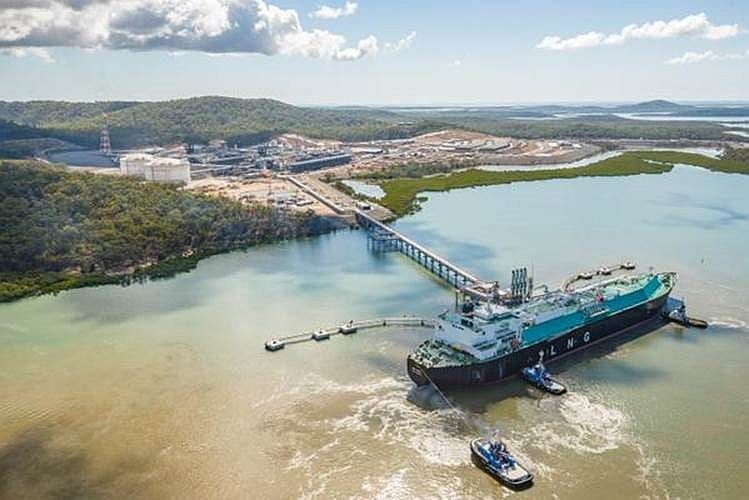
Australian gas reservation draft raises the alarm over export reliability

Signal moderateSource-grounded

What happened

Australia released a draft domestic gas reservation framework proposing that a portion of export volumes be supplied into the domestic market, prompting industry concern about export reliability. The draft’s proposed mechanics introduce potential compliance and delivery uncertainty for contracts relying on Australian-exported LNG. Watch whether consultation moves rapidly to binding rule, which would force immediate operational sourcing changes

Buyer takeaway

Do not assume export volumes are contractually guaranteed until policy enforcement mechanics are clear; map exposure and legal options

Cost / money

Direct: mandated diversion can produce rebooking and pass‑through exposure for buyers of affected cargoes

Supplier / commercial

Exporters may seek contract amendments or pass‑throughs if policy becomes binding, shifting cost risk to buyers

Safety / operations

Diversions can disrupt terminal slot coordination and sequencing; buyers must verify alternative windows

What to watch

This is a draft; monitor legislative progress for swift shifts from consultation to enforceable rule

Key facts

  • Draft would require a share of export volumes be sold domestically
  • Industry groups warn of complex compliance and export contract impacts

Source excerpts

” While explaining that the proposed framework imposes complex and opaque compliance obligations, McCulloch highlights that it also threatens existing export contracts and entrenches a structural oversupply that would mute investment signals for new domestic gas supply. As a result, it is interpreted to send a concerning signal to key trade and investment partners, including Japan, South Korea, Malaysia, and Singapore, which were assured by Prime Minister Anthony Albanese that liquefied natural gas (LNG) contra
Home Fossil Energy Australian gas reservation draft raises the alarm over export reliability May 28, 2026, by Given the growing concerns over a draft domestic gas reservation framework, Australian Energy Producers, representing Australia’s upstream oil and gas exploration and production industry, has emphasized the investment risks such a move could bring, intensifying east coast gas supply pressures
Home Fossil Energy Australian gas reservation draft raises the alarm over export reliability May 28, 2026, by Given the growing concerns over a draft domestic gas reservation framework, Australian Energy Producers, representing Australia’s upstream oil and gas exploration and production industry, has emphasized the investment risks such a move could bring, intensifying east coast gas supply pressures. Illustration; Source: Australian Energy Producers (former APPEA) After the federal government released its draf
Story 4Offshore TechnologyMay 27, 2026

Impact Oil & Gas to split Namibia and South Africa portfolios

Signal limitedSource-grounded

What happened

Impact Oil & Gas announced a corporate restructure to split its Namibian and South African portfolios, concentrating its main activities on progressing Namibian licences toward final investment decision (FID) and first oil. The move signals focused demand in Namibia alongside major partners, which could firm mobilization and local support requirements. Watch partner timetables and joint‑venture procurement triggers to align supplier engagement

Buyer takeaway

Prepare for concentrated local demand and shorter award windows for mobilisation and services in Namibia; align supplier pre‑qualification accordingly

Cost / money

Concentrated project focus can raise local rates and logistics premiums during ramp-up periods

Supplier / commercial

Local suppliers and service providers may tighten quote validity and ask for faster commit terms

Safety / operations

Increased project activity requires verification of local HSE readiness and mobilisation sequencing

What to watch

Signal is company-specific and may evolve; monitor formal JV notices and FID milestones

Key facts

  • Company refocuses main assets toward Namibian licences and FID progression
  • Assets are held alongside large partners that may accelerate project activity

Source excerpts

Impact Oil & Gas has stated it plans to concentrate on advancing the Namibian licences towards a final investment decision and first oil, working with joint venture partners TotalEnergies, QatarEnergy and NAMCOR. The reorganisation requires approval from South African authorities and relevant joint venture partners
This stake is held through its wholly owned subsidiary, Impact Oil and Gas Namibia. These blocks, located offshore Namibia, include the Venus oil field discovery
” Impact Oil & Gas’ current operations span around 15,000 km², with a primary focus in Namibia
Story 5Offshore EnergyMay 28, 2026

LNG pact enables Greek FSRU to boost Southeast Europe’s gas supply diversification

Signal moderateSource-grounded

What happened

Mercuria and Motor Oil signed an MOU to cooperate on the Dioriga FSRU project in the Saronic Gulf to reserve regas capacity and collaborate on LNG supply frameworks. The MOU frames the project as the most mature FSRU option in Greece and a pathway to boost Southeast European import capacity. Watch conversion from MOU to binding capacity contracts before relying on it operationally

Buyer takeaway

Open procurement conversations with FSRU partners to preserve capacity options and test commercial terms against current routing exposure

Cost / money

Additional regas capacity can lower reroute and short‑notice charter premiums by widening terminal options

Supplier / commercial

Terminal operators and traders involved will gain leverage on booking terms as demand tightens; early reservations help buyers

Safety / operations

FSRU mooring and terminal acceptance require procedural alignment—buyers should verify compatibility before booking

What to watch

An MOU is not a binding reservation; confirm binding terms before operational reliance

Key facts

  • MOU covers regas capacity reservation and long‑term LNG supply cooperation
  • Project identified as the most advanced/mature FSRU option in Greece

Source excerpts

Home Fossil Energy LNG pact enables Greek FSRU to boost Southeast Europe’s gas supply diversification May 28, 2026, by Mercuria, an independent energy and commodity trader, has joined forces with Motor Oil Hellas (MOH) to ensure liquefied natural gas (LNG) supply through a floating storage and regasification unit (FSRU) in Greece’s Saronic Gulf. FSRU Dioriga Gas; Source: Dioriga Gas Mercuria and Motor Oil have signed a memorandum of understanding (MOU) to establish a framework for long-term cooperation in conne
FSRU Dioriga Gas; Source: Dioriga Gas Mercuria and Motor Oil have signed a memorandum of understanding (MOU) to establish a framework for long-term cooperation in connection with the FSRU Dioriga Gas project in the Saronic Gulf
Under the MOU, the duo set its cap on step-by-step cooperation regarding regasification capacity reservation at the terminal, the long-term supply of LNG by Mercuria to MOH for delivery through the FSRU Dioriga Gas, and the joint development of the framework required to bring the project to commercial operation

VP Snapshot

Executive Risk & Action View

Australia’s draft domestic gas reservation creates a real contract-delivery risk for buyers relying on Australian-exported LNG; affected contracts may face rerouting or pass-through cost mechanics if the draft becomes binding.

Overall
74
Cost
61
Supply
25
Schedule
20
Compliance
15

Top signals

30-180dcost

Signal 1: Cost / money

Mandated domestic diversion in Australia would likely push buyers into short‑notice rebooking or rerouting for impacted cargoes and create direct pass‑through cost exposure under many LNG contracts.

Signal 2: Cost / money

A maturing FSRU option in Greece increases terminal choices and can lower near‑term charter and reroute premiums for buyers who secure early regas capacity reservations.

30-180dcommercial

Signal 3: Supplier / commercial

Suppliers that combine AI/digital tools with operations support can demand bundled contracts and milestone-based pricing, reducing buyer leverage on standalone service procurement.

Signal 4: Supplier / commercial

If Impact accelerates Namibian FID workstreams, local contractors and logistics suppliers may shorten quote validity and require faster award windows for mobilisation.

30-180dsupplier

Signal 5: Safety / operations

Digital and remote‑operations adoption shifts risk from headcount to connectivity and cyber dependencies; operations must verify uptime, remote‑control failovers, and cyber SLA enforceability in supplier contracts.

Signal 6: Safety / operations

FSRU and alternative terminal bookings require terminal-acceptance checks and mooring/loading procedural alignment to avoid late integration or berth incompatibility on arrival.

Recommended actions

ContractsDue 3d

Map contracts that depend on Australian-exported LNG and identify which contain diversion, pass‑through, or force‑majeure language.

A prioritized list of exposed LNG contracts with specific clause flags for negotiation or immediate mitigation.

CategoryDue 3d

Ask Category to open early dialogue with internal trading teams and terminal planners to check alternate routing feasibility for at‑risk cargoes.

Initial regasation routing options and a shortlist of terminals to approach for capacity reservations.

ContractsDue 21d

Have Contracts draft SLA and cyber clauses for digital/AI service procurements, including uptime, data access, and milestone payments tied to measurable delivery.

Contract clause templates that can be inserted into digital or integrated service solicitations to limit operational and cyber exposure.

CategoryDue 21d

Engage FSRU project contacts to understand the path from MOU to binding regas capacity contracts and to capture tentative commercial terms.

A record of commercial conditions and timelines from FSRU counterparties to support routing decisions.

CategoryDue 60d

Review freight and contingency sourcing strategy to include scenario plans for chokepoint disruptions and for shifting supplier leverage from bundled digital offerings.

Updated freight sourcing playbook and contingency checklist that reflect chokepoint disruption scenarios and supplier bundling risks.

Risk register

RiskTriggerMitigation
Watch whether Australia’s draft moves rapidly from consultation to binding rule—enactment would immediately change export obligations and contract performance expectations.Watch whether Australia’s draft moves rapidly from consultation to binding rule—enactment would immediately change export obligations and contract performance expectations.Confirm exposure with category, contracts, and operations before the next supplier commitment.
Watch supplier commercial behaviour as AI/digital pilots scale—expect shortened quote validity, milestone pricing, and requests for data‑sharing rights that affect negotiation posture.Watch supplier commercial behaviour as AI/digital pilots scale—expect shortened quote validity, milestone pricing, and requests for data‑sharing rights that affect negotiation posture.Confirm exposure with category, contracts, and operations before the next supplier commitment.

CM Snapshot

Category Manager Decision Detail

Today's priorities

Map contracts that depend on Australian-exported LNG and identify which contain diversion, pass‑through, or force‑majeure language.

Do this because the draft reservation could change exporters’ delivery obligations and because contract wording determines whether buyers absorb reroute costs.

Due 3d

high

CM move

Use this as the immediate supplier or contract action to move before the next sourcing gate.

Ask Category to open early dialogue with internal trading teams and terminal planners to check alternate routing feasibility for at‑risk cargoes.

Do this because Dioriga FSRU’s MOU presents an alternate entry point and because early engagement preserves booking optionality and reduces last‑minute charter premiums.

Due 3d

high

CM move

Use this as the immediate supplier or contract action to move before the next sourcing gate.

Have Contracts draft SLA and cyber clauses for digital/AI service procurements, including uptime, data access, and milestone payments tied to measurable delivery.

Do this because Rystad’s findings show suppliers will push bundled digital‑plus‑field offers and because buyers must protect uptime and data integrity before scaling procurement.

Due 21d

high

CM move

Use this as the immediate supplier or contract action to move before the next sourcing gate.

Engage FSRU project contacts to understand the path from MOU to binding regas capacity contracts and to capture tentative commercial terms.

Do this because the MOU is not a binding reservation and because capturing terms early preserves leverage on booking and service conditions.

Due 21d

high

CM move

Use this as the immediate supplier or contract action to move before the next sourcing gate.

Supplier radar

Offshore Energy

high

Observed supplier signal

Suppliers that combine AI/digital tools with operations support can demand bundled contracts and milestone-based pricing, reducing buyer leverage on standalone service procurement.

Commercial implication

Suppliers that combine AI/digital tools with operations support can demand bundled contracts and milestone-based pricing, reducing buyer leverage on standalone service procurement.

Next step: Validate the source-backed signal with incumbents and alternates before the next award or pricing decision.

Offshore Technology

high

Observed supplier signal

If Impact accelerates Namibian FID workstreams, local contractors and logistics suppliers may shorten quote validity and require faster award windows for mobilisation.

Commercial implication

If Impact accelerates Namibian FID workstreams, local contractors and logistics suppliers may shorten quote validity and require faster award windows for mobilisation.

Next step: Validate the source-backed signal with incumbents and alternates before the next award or pricing decision.

Negotiation levers

Map contracts that depend on Australian-exported LNG and identify which contain diversion, pass‑through, or force‑majeure language.

When to use: Do this because the draft reservation could change exporters’ delivery obligations and because contract wording determines whether buyers absorb reroute costs.

Expected outcome: A prioritized list of exposed LNG contracts with specific clause flags for negotiation or immediate mitigation.

Commercial mechanism to carry into the next supplier conversation

Ask Category to open early dialogue with internal trading teams and terminal planners to check alternate routing feasibility for at‑risk cargoes.

When to use: Do this because Dioriga FSRU’s MOU presents an alternate entry point and because early engagement preserves booking optionality and reduces last‑minute charter premiums.

Expected outcome: Initial regasation routing options and a shortlist of terminals to approach for capacity reservations.

Commercial mechanism to carry into the next supplier conversation

Have Contracts draft SLA and cyber clauses for digital/AI service procurements, including uptime, data access, and milestone payments tied to measurable delivery.

When to use: Do this because Rystad’s findings show suppliers will push bundled digital‑plus‑field offers and because buyers must protect uptime and data integrity before scaling procurement.

Expected outcome: Contract clause templates that can be inserted into digital or integrated service solicitations to limit operational and cyber exposure.

Commercial mechanism to carry into the next supplier conversation

Engage FSRU project contacts to understand the path from MOU to binding regas capacity contracts and to capture tentative commercial terms.

When to use: Do this because the MOU is not a binding reservation and because capturing terms early preserves leverage on booking and service conditions.

Expected outcome: A record of commercial conditions and timelines from FSRU counterparties to support routing decisions.

Commercial mechanism to carry into the next supplier conversation

Talking points

Australia’s draft domestic gas reservation creates a real contract-delivery risk for buyers relying on Australian-exported LNG; affected contracts may face rerouting or pass-through cost mechanics if the draft becomes binding.
The Mercuria–Motor Oil MOU for the Dioriga FSRU opens a credible alternative regas gateway for Southeast Europe and is worth early commercial engagement to preserve booking optionality.
Rystad’s AI/digitalization analysis signals suppliers bundling software, analytics and field services will press for value‑sharing contracts and stronger uptime/cyber SLAs—buyers should expect new commercial terms tied to delivery performance.
Wood Mackenzie’s Strait of Hormuz scenarios underline an escalated contingency risk that would push buyers toward increased short‑notice procurement and higher freight/charter exposure under severe disruptions; this is scenario-driven, not a current closure.

Supplier radar

SupplierSignalImplicationNext stepConfidence
Offshore EnergySuppliers that combine AI/digital tools with operations support can demand bundled contracts and milestone-based pricing, reducing buyer leverage on standalone service procurement.Suppliers that combine AI/digital tools with operations support can demand bundled contracts and milestone-based pricing, reducing buyer leverage on standalone service procurement.Validate the source-backed signal with incumbents and alternates before the next award or pricing decision.high
Offshore TechnologyIf Impact accelerates Namibian FID workstreams, local contractors and logistics suppliers may shorten quote validity and require faster award windows for mobilisation.If Impact accelerates Namibian FID workstreams, local contractors and logistics suppliers may shorten quote validity and require faster award windows for mobilisation.Validate the source-backed signal with incumbents and alternates before the next award or pricing decision.high

Negotiation levers

  • Map contracts that depend on Australian-exported LNG and identify which contain diversion, pass‑through, or force‑majeure language.Do this because the draft reservation could change exporters’ delivery obligations and because contract wording determines whether buyers absorb reroute costs.A prioritized list of exposed LNG contracts with specific clause flags for negotiation or immediate mitigation.

    high confidence

  • Ask Category to open early dialogue with internal trading teams and terminal planners to check alternate routing feasibility for at‑risk cargoes.Do this because Dioriga FSRU’s MOU presents an alternate entry point and because early engagement preserves booking optionality and reduces last‑minute charter premiums.Initial regasation routing options and a shortlist of terminals to approach for capacity reservations.

    high confidence

  • Have Contracts draft SLA and cyber clauses for digital/AI service procurements, including uptime, data access, and milestone payments tied to measurable delivery.Do this because Rystad’s findings show suppliers will push bundled digital‑plus‑field offers and because buyers must protect uptime and data integrity before scaling procurement.Contract clause templates that can be inserted into digital or integrated service solicitations to limit operational and cyber exposure.

    high confidence

  • Engage FSRU project contacts to understand the path from MOU to binding regas capacity contracts and to capture tentative commercial terms.Do this because the MOU is not a binding reservation and because capturing terms early preserves leverage on booking and service conditions.A record of commercial conditions and timelines from FSRU counterparties to support routing decisions.

    high confidence

What to do / What to watch

What to do now

  • Map contracts that depend on Australian-exported LNG and identify which contain diversion, pass‑through, or force‑majeure language.

    Why: Do this because the draft reservation could change exporters’ delivery obligations and because contract wording determines whether buyers absorb reroute costs.

    Owner: Contracts

    Expected outcome: A prioritized list of exposed LNG contracts with specific clause flags for negotiation or immediate mitigation.

    [3]
  • Ask Category to open early dialogue with internal trading teams and terminal planners to check alternate routing feasibility for at‑risk cargoes.

    Why: Do this because Dioriga FSRU’s MOU presents an alternate entry point and because early engagement preserves booking optionality and reduces last‑minute charter premiums.

    Owner: Category

    Expected outcome: Initial regasation routing options and a shortlist of terminals to approach for capacity reservations.

    [1]

Next few weeks

  • Have Contracts draft SLA and cyber clauses for digital/AI service procurements, including uptime, data access, and milestone payments tied to measurable delivery.

    Why: Do this because Rystad’s findings show suppliers will push bundled digital‑plus‑field offers and because buyers must protect uptime and data integrity before scaling procurement.

    Owner: Contracts

    Expected outcome: Contract clause templates that can be inserted into digital or integrated service solicitations to limit operational and cyber exposure.

    [2]
  • Engage FSRU project contacts to understand the path from MOU to binding regas capacity contracts and to capture tentative commercial terms.

    Why: Do this because the MOU is not a binding reservation and because capturing terms early preserves leverage on booking and service conditions.

    Owner: Category

    Expected outcome: A record of commercial conditions and timelines from FSRU counterparties to support routing decisions.

    [1]

Longer view

  • Review freight and contingency sourcing strategy to include scenario plans for chokepoint disruptions and for shifting supplier leverage from bundled digital offerings.

    Why: Do this because Wood Mackenzie’s Strait scenarios and growing digital supplier bundles both change freight and supplier negotiation dynamics and because a structured plan reduce...

    Owner: Category

    Expected outcome: Updated freight sourcing playbook and contingency checklist that reflect chokepoint disruption scenarios and supplier bundling risks.

    [5][2]

What to watch

  • Watch whether Australia’s draft moves rapidly from consultation to binding rule—enactment would immediately change export obligations and contract performance expectations
  • Watch supplier commercial behaviour as AI/digital pilots scale—expect shortened quote validity, milestone pricing, and requests for data‑sharing rights that affect negotiation posture
  • Watch whether Australia’s draft moves rapidly from consultation to binding rule—enactment would immediately change export obligations and contract performance expectations.: Watch whether Australia’s draft moves rapidly from consultation to binding rule—enactment would immediately change export obligations and contract performance expectations
  • Watch supplier commercial behaviour as AI/digital pilots scale—expect shortened quote validity, milestone pricing, and requests for data‑sharing rights that affect negotiation posture.: Watch supplier commercial behaviour as AI/digital pilots scale—expect shortened quote validity, milestone pricing, and requests for data‑sharing rights that affect negotiation posture
  • Australia’s draft domestic gas reservation creates a real contract-delivery risk for buyers relying on Australian-exported LNG; affected contracts may face rerouting or pass-through cost mechanics if the draft becomes binding
  • The Mercuria–Motor Oil MOU for the Dioriga FSRU opens a credible alternative regas gateway for Southeast Europe and is worth early commercial engagement to preserve booking optionality
  • Rystad’s AI/digitalization analysis signals suppliers bundling software, analytics and field services will press for value‑sharing contracts and stronger uptime/cyber SLAs—buyers should expect new commercial terms tied to delivery performance
  • Wood Mackenzie’s Strait of Hormuz scenarios underline an escalated contingency risk that would push buyers toward increased short‑notice procurement and higher freight/charter exposure under severe disruptions; this is scenario-driven, not a current closure

Market pulse

IndexLatestChangeAs of
WTI Crude (WTI)71.23 /bbl+0.00 (+0.00%)May 28, 2026, 10:05 AM
Brent Crude (BRENT)74.89 /bbl+0.00 (+0.00%)May 28, 2026, 10:05 AM
Natural Gas (NG)3.12 /MMBtu+0.00 (+0.00%)May 28, 2026, 10:05 AM
Henry Hub Gas (NG)3.12 /MMBtu+0.00 (+0.00%)May 28, 2026, 10:05 AM
Cheniere (LNG) (LNG)185 +0.00 (+0.00%)May 28, 2026, 10:05 AM
Brent Crude (BRENT)74.89 /bbl+0.00 (+0.00%)May 28, 2026, 10:05 AM
  • Cheniere (LNG): LNG price and regas capacity signals directly affect rebooking costs and pass‑through exposure for buyers
  • Dry Bulk Shipping (BDRY): Dry‑bulk and LNG shipping availability will influence freight premiums and rerouting feasibility under disruption scenarios

Sources

Inline citations jump here. Expand a source to read the excerpt, the AI interpretation, and the original link.

[1] LNG pact enables Greek FSRU to boost Southeast Europe’s gas supply diversification

offshore-energy.biz · May 28, 2026

Expand

AI reading

Mercuria and Motor Oil signed an MOU to cooperate on the Dioriga FSRU project in the Saronic Gulf to reserve regas capacity and collaborate on LNG supply frameworks. The MOU frames the project as the most mature FSRU option in Greece and a pathway to boost Southeast European import capacity. Watch conversion from MOU to binding capacity contracts before relying on it operationally

Buyer takeaway

Open procurement conversations with FSRU partners to preserve capacity options and test commercial terms against current routing exposure

Cost / money

Additional regas capacity can lower reroute and short‑notice charter premiums by widening terminal options

Supplier / commercial

Terminal operators and traders involved will gain leverage on booking terms as demand tightens; early reservations help buyers

Safety / operations

FSRU mooring and terminal acceptance require procedural alignment—buyers should verify compatibility before booking

What to watch

An MOU is not a binding reservation; confirm binding terms before operational reliance

Key facts

  • MOU covers regas capacity reservation and long‑term LNG supply cooperation
  • Project identified as the most advanced/mature FSRU option in Greece

Source excerpts

Home Fossil Energy LNG pact enables Greek FSRU to boost Southeast Europe’s gas supply diversification May 28, 2026, by Mercuria, an independent energy and commodity trader, has joined forces with Motor Oil Hellas (MOH) to ensure liquefied natural gas (LNG) supply through a floating storage and regasification unit (FSRU) in Greece’s Saronic Gulf. FSRU Dioriga Gas; Source: Dioriga Gas Mercuria and Motor Oil have signed a memorandum of understanding (MOU) to establish a framework for long-term cooperation in conne
FSRU Dioriga Gas; Source: Dioriga Gas Mercuria and Motor Oil have signed a memorandum of understanding (MOU) to establish a framework for long-term cooperation in connection with the FSRU Dioriga Gas project in the Saronic Gulf
Under the MOU, the duo set its cap on step-by-step cooperation regarding regasification capacity reservation at the terminal, the long-term supply of LNG by Mercuria to MOH for delivery through the FSRU Dioriga Gas, and the joint development of the framework required to bring the project to commercial operation

Used in this brief

  • Australia’s draft domestic gas reservation creates a real contract-delivery risk for buyers relying on Australian-exported LNG; affected contracts may face rerouting or pass-through cost mechanics if the draft becomes binding. The Mercuria–Motor Oil MOU for the Dioriga FSRU opens a credible alternative regas gateway for Southeast Europe and is worth early commercial engagement to preserve booking optionality. Rystad’s AI/digitalization analysis signals suppliers bundling software, analytics and field services will press for value‑sharing contracts and stronger uptime/cyber SLAs—buyers should expect new commercial terms tied to delivery performance. Wood Mackenzie’s Strait of Hormuz scenarios underline an escalated contingency risk that would push buyers toward increased short‑notice procurement and higher freight/charter exposure under severe disruptions; this is scenario-driven, not a current closure
  • Next 72 hours — Ask Category to open early dialogue with internal trading teams and terminal planners to check alternate routing feasibility for at‑risk cargoes.. Rationale: Do this because Dioriga FSRU’s MOU presents an alternate entry point and because early engagement preserves booking optionality and reduces last‑minute charter premiums.. Owner: Category. KPI: Initial regasation routing options and a shortlist of terminals to approach for capacity reservations
  • Next 2-4 weeks — Engage FSRU project contacts to understand the path from MOU to binding regas capacity contracts and to capture tentative commercial terms.. Rationale: Do this because the MOU is not a binding reservation and because capturing terms early preserves leverage on booking and service conditions.. Owner: Category. KPI: A record of commercial conditions and timelines from FSRU counterparties to support routing decisions
Open original source

[2] Oil & gas players unlocking $500 billion opportunity with AI and digitalization

offshore-energy.biz · May 28, 2026

Expand

AI reading

Rystad Energy published analysis estimating large upstream value capture from AI and digitalization, with operations and maintenance and subsurface workflows as major targets for efficiency gains. The report cites operator results and market spending trends, making vendor bundling of software and field services commercially relevant ahead of procurement. Watch vendor contract models and SLA expectations as pilot programs scale into procurement

Buyer takeaway

Treat AI and digital services as procurement levers that will come bundled with operational delivery—require clear SLAs and acceptance tests

Cost / money

Directional: digital-driven O&M and subsurface efficiency can reduce costs over time, but suppliers may demand premium pricing or revenue-sharing for bundled offers

Supplier / commercial

Expect integrated vendors to seek longer terms, milestone payments, and rights to operational data; plan contract posture accordingly

Safety / operations

Remote operations lower onsite exposure but increase dependency on connectivity, remote‑control integrity, and cyber protections that must be contractually enforced

What to watch

Watch for shortened quote validity or milestone-linked pricing as pilots convert into commercial offers

Key facts

  • Operator examples cited for realized AI savings
  • Market spending on digital/AI highlighted as growing materially

Source excerpts

The energy market intelligence group’s findings include traditional oilfield service (OFS) providers with domain expertise, and technology experts such as integrators or hyperscalers among the most important partners for E&P firms seeking to translate digital investment into operational returns, with a commercial model shifting from transactional service delivery towards integrated technology partnerships that can then leverage an ecosystem of players, platforms, and scalable tools. Rystad underlined: “AI is a
When it comes to newer deployments, operations and maintenance is seeing more rapid adoption, primarily through predictive maintenance and remote operations delivering double-digit cost reductions at leading operators
The firm elaborated: “Each is at a different stage of digital maturity. Historically, operators have deployed a wide range of digital tools into various workflows, especially within exploration and reservoir development

Used in this brief

  • Supplier / commercial: Suppliers that combine AI/digital tools with operations support can demand bundled contracts and milestone-based pricing, reducing buyer leverage on standalone service procurement
  • Safety / operations: Digital and remote‑operations adoption shifts risk from headcount to connectivity and cyber dependencies; operations must verify uptime, remote‑control failovers, and cyber SLA enforceability in supplier contracts
  • Next 2-4 weeks — Have Contracts draft SLA and cyber clauses for digital/AI service procurements, including uptime, data access, and milestone payments tied to measurable delivery.. Rationale: Do this because Rystad’s findings show suppliers will push bundled digital‑plus‑field offers and because buyers must protect uptime and data integrity before scaling procurement.. Owner: Contracts. KPI: Contract clause templates that can be inserted into digital or integrated service solicitations to limit operational and cyber exposure
Open original source

[3] Australian gas reservation draft raises the alarm over export reliability

offshore-energy.biz · May 28, 2026

Expand

AI reading

Australia released a draft domestic gas reservation framework proposing that a portion of export volumes be supplied into the domestic market, prompting industry concern about export reliability. The draft’s proposed mechanics introduce potential compliance and delivery uncertainty for contracts relying on Australian-exported LNG. Watch whether consultation moves rapidly to binding rule, which would force immediate operational sourcing changes

Buyer takeaway

Do not assume export volumes are contractually guaranteed until policy enforcement mechanics are clear; map exposure and legal options

Cost / money

Direct: mandated diversion can produce rebooking and pass‑through exposure for buyers of affected cargoes

Supplier / commercial

Exporters may seek contract amendments or pass‑throughs if policy becomes binding, shifting cost risk to buyers

Safety / operations

Diversions can disrupt terminal slot coordination and sequencing; buyers must verify alternative windows

What to watch

This is a draft; monitor legislative progress for swift shifts from consultation to enforceable rule

Key facts

  • Draft would require a share of export volumes be sold domestically
  • Industry groups warn of complex compliance and export contract impacts

Source excerpts

” While explaining that the proposed framework imposes complex and opaque compliance obligations, McCulloch highlights that it also threatens existing export contracts and entrenches a structural oversupply that would mute investment signals for new domestic gas supply. As a result, it is interpreted to send a concerning signal to key trade and investment partners, including Japan, South Korea, Malaysia, and Singapore, which were assured by Prime Minister Anthony Albanese that liquefied natural gas (LNG) contra
Home Fossil Energy Australian gas reservation draft raises the alarm over export reliability May 28, 2026, by Given the growing concerns over a draft domestic gas reservation framework, Australian Energy Producers, representing Australia’s upstream oil and gas exploration and production industry, has emphasized the investment risks such a move could bring, intensifying east coast gas supply pressures
Home Fossil Energy Australian gas reservation draft raises the alarm over export reliability May 28, 2026, by Given the growing concerns over a draft domestic gas reservation framework, Australian Energy Producers, representing Australia’s upstream oil and gas exploration and production industry, has emphasized the investment risks such a move could bring, intensifying east coast gas supply pressures. Illustration; Source: Australian Energy Producers (former APPEA) After the federal government released its draf

Used in this brief

  • Next 72 hours — Map contracts that depend on Australian-exported LNG and identify which contain diversion, pass‑through, or force‑majeure language.. Rationale: Do this because the draft reservation could change exporters’ delivery obligations and because contract wording determines whether buyers absorb reroute costs.. Owner: Contracts. KPI: A prioritized list of exposed LNG contracts with specific clause flags for negotiation or immediate mitigation
  • Watch whether Australia’s draft moves rapidly from consultation to binding rule—enactment would immediately change export obligations and contract performance expectations
  • Australian federal government published a draft domestic gas reservation framework that was not in last run and introduces new potential export-to-domestic diversion mechanics
Open original source

[4] Impact Oil & Gas to split Namibia and South Africa portfolios

offshore-technology.com · May 27, 2026

Expand

AI reading

Impact Oil & Gas announced a corporate restructure to split its Namibian and South African portfolios, concentrating its main activities on progressing Namibian licences toward final investment decision (FID) and first oil. The move signals focused demand in Namibia alongside major partners, which could firm mobilization and local support requirements. Watch partner timetables and joint‑venture procurement triggers to align supplier engagement

Buyer takeaway

Prepare for concentrated local demand and shorter award windows for mobilisation and services in Namibia; align supplier pre‑qualification accordingly

Cost / money

Concentrated project focus can raise local rates and logistics premiums during ramp-up periods

Supplier / commercial

Local suppliers and service providers may tighten quote validity and ask for faster commit terms

Safety / operations

Increased project activity requires verification of local HSE readiness and mobilisation sequencing

What to watch

Signal is company-specific and may evolve; monitor formal JV notices and FID milestones

Key facts

  • Company refocuses main assets toward Namibian licences and FID progression
  • Assets are held alongside large partners that may accelerate project activity

Source excerpts

Impact Oil & Gas has stated it plans to concentrate on advancing the Namibian licences towards a final investment decision and first oil, working with joint venture partners TotalEnergies, QatarEnergy and NAMCOR. The reorganisation requires approval from South African authorities and relevant joint venture partners
This stake is held through its wholly owned subsidiary, Impact Oil and Gas Namibia. These blocks, located offshore Namibia, include the Venus oil field discovery
” Impact Oil & Gas’ current operations span around 15,000 km², with a primary focus in Namibia

Used in this brief

  • Impact Oil & Gas announced a corporate restructure to split its Namibian and South African portfolios, concentrating its main activities on progressing Namibian licences toward final investment decision (FID) and first oil. The move signals focused demand in Namibia alongside major partners, which could firm mobilization and local support requirements. Watch partner timetables and joint‑venture procurement triggers to align supplier engagement
  • Buyer bottom line: Expect concentrated supplier demand and tighter mobilisation windows in Namibia as the portfolio refocuses on FID activity
  • Prepare for concentrated local demand and shorter award windows for mobilisation and services in Namibia; align supplier pre‑qualification accordingly
Open original source

[5] Strait of Hormuz closure: Tight LNG markets, oil prices could soar to $200

offshore-energy.biz · May 27, 2026

Expand

AI reading

Wood Mackenzie published scenario modelling showing a Strait of Hormuz closure would severely tighten oil and LNG markets under prolonged disruption. The firm lays out multiple scenarios ranging from quick reopening to extended disruption, with the latter implying extreme price and supply stress—this is a scenario analysis to inform contingency planning. Watch trade‑route and charter availability indicators rather than treating this as an active closure

Buyer takeaway

Treat these scenarios as planning input for contingency sourcing and charter flexibility clauses rather than as an immediate operational disruption

Cost / money

Under severe disruption, expect sharp increases in charter and short‑notice freight premiums that raise procurement costs

Supplier / commercial

Suppliers and carriers could seek stronger pass‑through and force‑majeure protections if chokepoint risk materializes

Safety / operations

Extended disruptions change voyage planning, bunkering, and port acceptance sequences and increase operational sequencing risk

What to watch

This is scenario-based risk modelling; watch actual closure indicators and shipping notices before activating contingency playbooks

Key facts

  • Scenarios range from quick re‑opening to extended disruption with widespread supply shut‑ins
  • Analysis stresses the outsized impact of a prolonged chokepoint closure on global energy flows

Source excerpts

Illustration: Source: Wood Mackenzie Wood Mackenzie’s new Horizons report highlights that a prolonged closure of the Strait of Hormuz poses the single greatest threat to global energy markets in decades, while outlining three distinct scenarios: ‘Quick Peace,’ ‘Summer Settlement,’ and ‘Extended Disruption,’ which offer a different timeline for ending the conflict and reopening the waterway, as the firm assesses the potential impact on oil and gas supply, prices, energy demand, and the broader global economy. P
Home Fossil Energy Strait of Hormuz closure: Tight LNG markets, oil prices could soar to $200 With more than 80 million tonnes per annum (mtpa) of liquefied natural gas (LNG) supply, representing around 20% of global supply, being inaccessible to global markets, the Strait of Hormuz closure has the potential to spark the biggest energy supply shock in decades, according to Wood Mackenzie, an energy intelligence group, which emphasizes that oil prices could reach $200 a barrel (bbl) in a worst-case scenario, as o
This content is available after accepting the cookies

Used in this brief

  • Next quarter — Review freight and contingency sourcing strategy to include scenario plans for chokepoint disruptions and for shifting supplier leverage from bundled digital offerings.. Rationale: Do this because Wood Mackenzie’s Strait scenarios and growing digital supplier bundles both change freight and supplier negotiation dynamics and because a structured plan reduce.... Owner: Category. KPI: Updated freight sourcing playbook and contingency checklist that reflect chokepoint disruption scenarios and supplier bundling risks
  • Wood Mackenzie published scenario modelling showing a Strait of Hormuz closure would severely tighten oil and LNG markets under prolonged disruption. The firm lays out multiple scenarios ranging from quick reopening to extended disruption, with the latter implying extreme price and supply stress—this is a scenario analysis to inform contingency planning. Watch trade‑route and charter availability indicators rather than treating this as an active closure
  • Buyer bottom line: Use the scenarios to stress-test contingency sourcing and charter plans; do not assume current routes remain available under severe geopolitical strain
Open original source

[6] Cheniere (LNG)

finance.yahoo.com · n.d.

Expand

[7] Dry Bulk Shipping (BDRY)

finance.yahoo.com · n.d.

Expand