Oil & Gas / LNG Market Dashboard · Australia (Perth)

Align Contracts and Capacity for APAC Offshore Energy Shifts

Published May 28, 2026, 6:04 AM AWSTAPACFull category signal
Ask AI
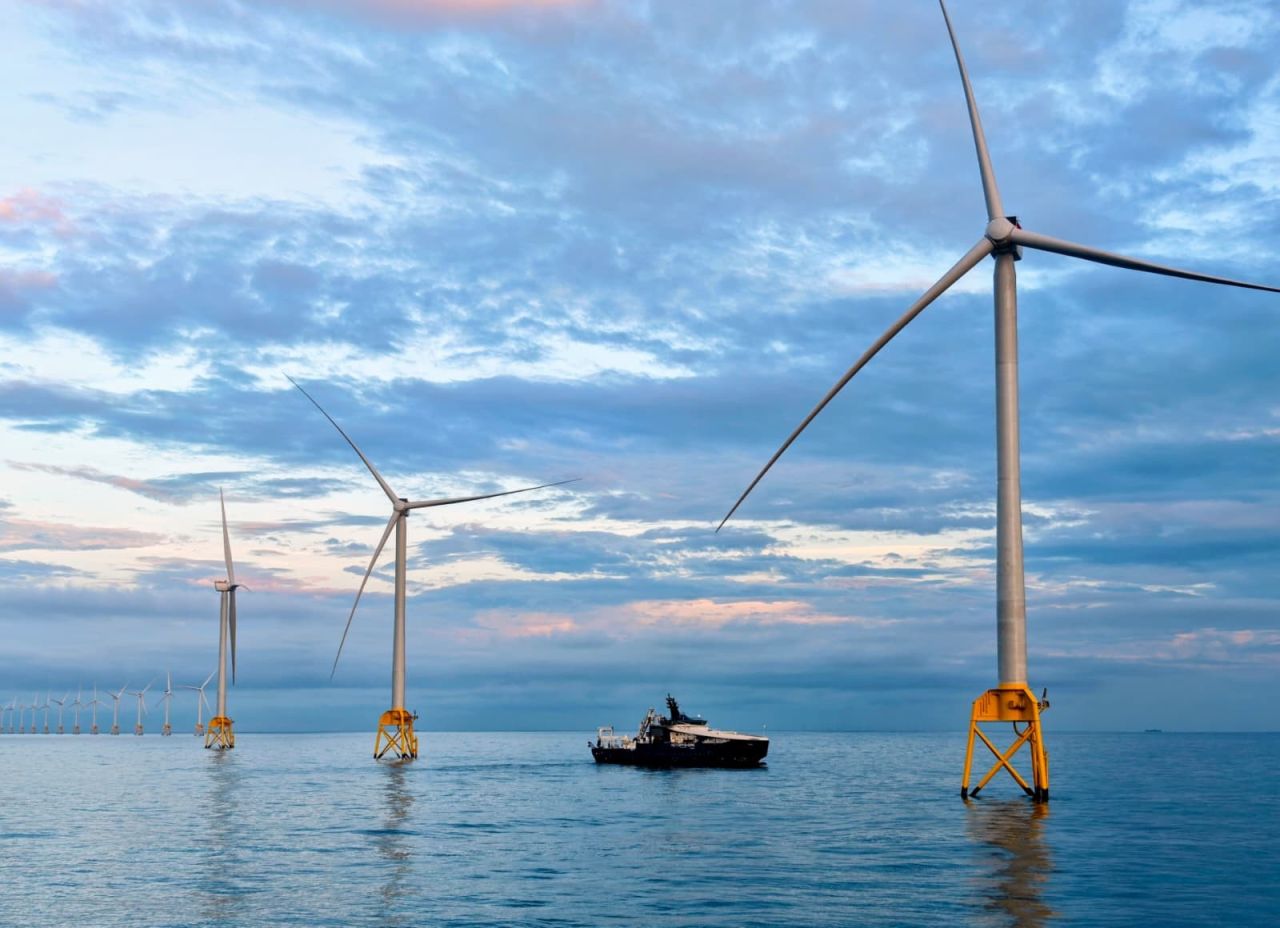
All inter-array cables at Ørsted's new offshore wind farm in Taiwan installed and energized

In 60 seconds

Top move

Wind projects in APAC are moving from construction to commissioning, shifting near-term demand toward O&M, acceptance testing, and spare parts procurement

Key takeaways

  • Wind projects in APAC are moving from construction to commissioning, shifting near-term demand toward O&M, acceptance testing, and spare parts procurement.[1]
  • Preferred supplier agreements in Korea concentrate subsea cable supply and installation capacity with a small set of vendors, reducing short-term buyer leverage on price and timing.[3]
  • Fiscal policy moves — windfall tax proposals and related debates — are an emerging commercial risk that can change supplier pricing posture and make tax pass-through clauses important in new awards.[4]
  • Global disruption scenarios (Strait of Hormuz) are directional but plausible: prolonged disruptions would push spot LNG and marine fuel premiums and complicate logistics for APAC buyers.[2]
  • Operational handovers (energised cables, turbine commissioning) create concrete contract triggers — acceptance, warranty start, final payments — buyers should verify those milestone windows now.[1]

What changed since last run

  • Added APAC renewables execution milestones: Ørsted’s inter-array cable energisation in Taiwan and Korea’s Haesong preferred supplier agreements are new operational signals since the prior brief.
  • Elevated fiscal-policy coverage with Wood Mackenzie‑flagged windfall tax attention that specifically names Australia alongside other jurisdictions.

Key facts

  • 920 MW Greater Changhua 2b and 4 offshore wind project
  • 66 Siemens Gamesa SG14‑236 turbines installed; inter‑array cables energised
  • Commissioning and grid integration in progress ahead of full operation
  • PSAs cover subsea cable supply, transportation and installation plus O&M support
  • Haesong project structured as two 504 MW phases (Haesong 1 and 3)
  • Grid interconnection agreement in place to enable 1 GW of renewable connection

Why it matters

Wind projects in APAC are moving from construction to commissioning, shifting near-term demand toward O&M, acceptance testing, and spare parts procurement. Preferred supplier agreements in Korea concentrate subsea cable supply and installation capacity with a small set of vendors, reducing short-term buyer leverage on price and timing. Fiscal policy moves — windfall tax proposals and related debates — are an emerging commercial risk that can change supplier pricing posture and make tax pass-through clauses important in new awards. Global disruption scenarios (Strait of Hormuz) are directional but plausible: prolonged disruptions would push spot LNG and marine fuel premiums and complicate logistics for APAC buyers

Cost / money

  • Commissioning completion shifts spend profile from capital procurement to O&M contracts and spare-parts inventory, creating near-term cashflow and working-capital needs for buyers.[1]
  • Preferred supplier agreements for subsea cables can firm pricing and reduce spot availability for alternate suppliers, raising negotiation costs when sourcing similar scopes in the region.[3]
  • Windfall tax proposals increase the risk that suppliers will seek price pass-throughs or higher margins to protect against fiscal changes, especially in long-term supply contracts.[4]

Supplier / commercial

  • Local PSAs (Haesong) create single‑source or preferred-source exposure that shortens alternative sourcing options and may shorten quote validity windows.[3]
  • Energisation and commissioning milestones will trigger acceptance tests and final payment schedules; suppliers may press for accelerated payment terms or revised guarantees to close out scope.[1]
  • In high‑stress global scenarios (Strait disruptions) suppliers and shippers could invoke contract renegotiations or export controls; commercial flexibility clauses and force majeure language will matter.[2]

Safety / operations

  • Live subsea cable systems and ongoing commissioning increase the need for certified HV testing, marine exclusion zones, and third‑party witnessing for energisation activities.[1]
  • Faster turnover from construction to operations compresses handover windows and increases risk if O&M crews, spares, or permits are not fully aligned before energisation.[1]
  • If maritime chokepoints or fuel supply chains are constrained under geopolitical stress, operational uptime and vessel routing could be affected — plan alternative fuel and bunkering options as a precaution.[2]

What to watch

  • Monitor whether windfall tax proposals in Australia progress to legislation or draft rules that would require contract pricing pass-throughs or retrospective liabilities.[4]
  • Watch whether Haesong PSAs convert quickly into firm purchase orders that consume manufacturing slots and push lead times for other APAC cable projects.[3]
  • Track shipping, insurance, and routing notices tied to Strait of Hormuz tensions that could change logistics premiums for LNG and fuel deliveries into APAC ports.[2]

Top stories

Story 1Offshore EnergyMay 27, 2026

All inter-array cables at Ørsted's new offshore wind farm in Taiwan installed and energized

Signal strongSource-grounded

What happened

Ørsted has installed and energised all inter‑array cables at the Greater Changhua 2b and 4 offshore wind farms, and commissioning and grid integration work is continuing ahead of full operation. The commissioning phase now drives acceptance tests, warranty starts and O&M readiness for the project’s offshore systems. Watch whether final grid handover and CPPA milestones trigger immediate spare‑parts demands and final supplier payments

Buyer takeaway

Treat energisation as a contractual handover event that likely triggers acceptance tests, warranty start dates and final payments — confirm those gates now

Cost / money

The cost profile shifts toward O&M and spare parts as the project enters operations; retention releases and parts demand will affect near‑term cashflow

Supplier / commercial

Suppliers can use acceptance and warranty triggers to press for final invoices or to limit liability; include witnessed testing and hold‑points

Safety / operations

Energised cables raise HV testing and marine exclusion requirements; ensure competent testing providers and third‑party witnessing are scheduled

What to watch

Watch for delays in grid handover or CPPA activation that can postpone warranty windows or shift liability; monitor supplier readiness for immediate O&M handover

Key facts

  • 920 MW Greater Changhua 2b and 4 offshore wind project
  • 66 Siemens Gamesa SG14‑236 turbines installed; inter‑array cables energised
  • Commissioning and grid integration in progress ahead of full operation

Source excerpts

Home Wind Farms All inter-array cables at Ørsted’s new offshore wind farm in Taiwan installed and energized May 27, 2026, by All inter-array cables at the 920 MW Greater Changhua 2b and 4 offshore wind farms in Taiwan have been installed and energized, and all 42 wind turbines at the project’s second phase, the 583 MW Greater Changhua 4, are now connected to Taipower’s grid and generating electricity. Greater Changhua 2b and 4; Photo: Ørsted via LinkedIn “We’re continuing commissioning and grid integration works
Once fully operational, which is expected in the third quarter of 2026, Greater Changhua 2b and 4 will supply renewable electricity to Taiwan Semiconductor Manufacturing Company Limited (TSMC) under a corporate power purchase agreement (CPPA) signed in 2020
The 66th and final wind turbine was installed in January this year
Story 2Offshore EnergyMay 27, 2026

Haesong Offshore Wind signs supply chain agreements with LS Cable, LS Marine Solution, KEPCO E&C

Signal moderateSource-grounded

What happened

Haesong Offshore Wind signed preferred supplier agreements with LS Cable & System, LS Marine Solution and KEPCO E&C covering subsea cable supply, transport, installation and O&M support. These PSAs create a local supply chain alignment intended to secure execution for the Haesong 1 and 3 phases. Buyers should watch whether those PSAs convert into firm POs that occupy manufacturing and vessel slots affecting regional availability

Buyer takeaway

Treat vendor PSAs as a material change to regional capacity; re‑map alternative suppliers and manufacturing lead times accordingly

Cost / money

Preferred agreements concentrate demand and can firm prices and lead times for cable and installation scopes in APAC

Supplier / commercial

Suppliers under PSAs may offer tighter delivery windows and shorter quote validity; buyers should secure schedules and hold‑points in contracts

Safety / operations

Installation and O&M scopes under PSAs should include site‑specific HSE plans and witnessed testing; validate local certification

What to watch

Watch for rapid conversion from PSA to POs that absorb manufacturing slots; confirm contractual rights to priority or substitution where needed

Key facts

  • PSAs cover subsea cable supply, transportation and installation plus O&M support
  • Haesong project structured as two 504 MW phases (Haesong 1 and 3)
  • Grid interconnection agreement in place to enable 1 GW of renewable connection

Source excerpts

Home Wind Farms Haesong Offshore Wind signs supply chain agreements with LS Cable, LS Marine Solution, KEPCO E&C May 27, 2026, by Haesong Offshore Wind has signed preferred supplier agreements (PSAs) with LS Cable & System and LS Marine Solution, alongside a tripartite memorandum of understanding (MoU) with LS Cable & System and KEPCO Engineering and Construction (KEPCO E&C), for its Haesong Offshore Wind 1 and 3 projects in South Korea. Photo source: Haesong Offshore Wind via LinkedIn According to the company
Home Wind Farms Haesong Offshore Wind signs supply chain agreements with LS Cable, LS Marine Solution, KEPCO E&C May 27, 2026, by Haesong Offshore Wind has signed preferred supplier agreements (PSAs) with LS Cable & System and LS Marine Solution, alongside a tripartite memorandum of understanding (MoU) with LS Cable & System and KEPCO Engineering and Construction (KEPCO E&C), for its Haesong Offshore Wind 1 and 3 projects in South Korea
Last year, Copenhagen Offshore Partners (COP), which is developing the Haesong project on behalf of CIP, signed a preferred supplier agreement (PSA) with LS Marine Solution for subsea cable installation work and LS Cable & System for the delivery of cables
Story 3Offshore EnergyMay 27, 2026

Strait of Hormuz closure: Tight LNG markets, oil prices could soar to $200

Signal moderateDirectional

What happened

Wood Mackenzie flagged that a prolonged closure of the Strait of Hormuz would be the single greatest threat to global energy markets, putting large volumes of oil and LNG out of global trade and creating supply shocks. The firm outlines scenarios where disruptions persist for months, which would pressure spot LNG and fuel logistics into APAC and raise freight and insurance costs. This is a scenario to include in contingency sourcing and routing plans rather than a forecasted immediate outcome

Buyer takeaway

Treat this as a directional contingency risk: model alternative routes, brokers and terminals for LNG and fuel into APAC

Cost / money

Prolonged closure would drive spot premiums and higher freight/insurance, increasing immediate procurement costs for buyers who must re‑route or replace cargoes

Supplier / commercial

Suppliers and shippers may tighten availability, shorten quote validity or demand higher premiums and mobilisation deposits under sustained stress

Safety / operations

Longer transit routes and rerouting can affect marine safety windows and crew fatigue profiles; factor into voyage planning

What to watch

Watch duration and insurance market moves; short supply spikes can become sustained if major export hubs remain offline

Key facts

  • More than 80 mtpa of LNG (about 20% of global supply) could be inaccessible in severe scenarios
  • Wood Mackenzie scenarios include both quick reopening and extended disruption through multipl
  • Analysis emphasises cascading effects on diesel, jet fuel and global inventories

Source excerpts

” LNG market in store for prolonged disruption Wood Mackenzie’s report finds that the global LNG market faces varying degrees of disruption under each of the three scenarios, with ‘Quick Peace’ pointing out that LNG markets remain tight through summer 2027, as Gulf export facilities recover gradually and construction delays slow the next wave of supply growth from the region
Under ‘Extended Disruption,’ which is the company’s most severe scenario, the Strait of Hormuz remains largely closed through the end of 2026, with recurring tensions triggering periods of renewed conflict and sustained supply disruption
Home Fossil Energy Strait of Hormuz closure: Tight LNG markets, oil prices could soar to $200 With more than 80 million tonnes per annum (mtpa) of liquefied natural gas (LNG) supply, representing around 20% of global supply, being inaccessible to global markets, the Strait of Hormuz closure has the potential to spark the biggest energy supply shock in decades, according to Wood Mackenzie, an energy intelligence group, which emphasizes that oil prices could reach $200 a barrel (bbl) in a worst-case scenario, as o
Story 4Offshore EnergyMay 27, 2026

Oil price spike spurs windfall tax proposals in Brazil, EU, US, and Australia

Signal moderateSource-grounded

What happened

Wood Mackenzie reports that recent oil price spikes have reignited windfall tax proposals across multiple jurisdictions, including Australia, and warns that fiscal policy shifts can change upstream investment and supplier pricing behaviour. The key operational detail is that legislative design and timing vary, so the commercial impact on suppliers and contracts will depend on how quickly rules are drafted and applied. Buyers should assume fiscal risk is a material negotiation topic for new long‑dated contracts

Buyer takeaway

Treat fiscal proposals as a negotiable commercial risk and require clear pass‑through or mitigation language in long‑term supplier agreements

Cost / money

Possible new taxes can lead suppliers to increase base rates or include contingency surcharges to protect margins

Supplier / commercial

Suppliers may resist unilateral pass‑throughs; prepare negotiation levers such as indexing, caps, or shared risk mechanisms

Safety / operations

Fiscal changes are not a direct safety issue but can affect investment decisions that indirectly alter contractor resourcing and maintenance spend

What to watch

Watch legal challenges and differences between jurisdictions; some measures may be temporary or contested, so contract language must be precise

Key facts

  • Wood Mackenzie’s May 2026 Fiscal Service highlights how fiscal design affects upstream invest
  • Jurisdictional responses vary; some measures face legal challenges or require months of legis

Source excerpts

Home Fossil Energy Oil price spike spurs windfall tax proposals in Brazil, EU, US, and Australia May 27, 2026, by As oil prices top $100 per barrel (bbl), Wood Mackenzie, an energy intelligence group, has pinpointed the uptick in energy prices as the reason for the revival in windfall tax debate across four continents. Illustration; Source: Wood Mackenzie With windfall tax proposals in Brazil, the European Union (EU), the United States (U
Illustration; Source: Wood Mackenzie With windfall tax proposals in Brazil, the European Union (EU), the United States (U
WoodMac’s ‘May 2026 Fiscal Service’ report, drawing on its proprietary global database and analyses of upstream fiscal changes across more than 150 jurisdictions since 2002, finds some consistent patterns, as governments with flat tax rate systems are most likely to seek new windfall levies when prices surge. On the other hand, governments with progressive fiscal systems, where the government’s revenue share moves automatically with prices, rarely need to

VP Snapshot

Executive Risk & Action View

Wind projects in APAC are moving from construction to commissioning, shifting near-term demand toward O&M, acceptance testing, and spare parts procurement.

Overall
57
Cost
79
Supply
43
Schedule
56
Compliance
15

Top signals

0-30dcost

Signal 1: Cost / money

Commissioning completion shifts spend profile from capital procurement to O&M contracts and spare-parts inventory, creating near-term cashflow and working-capital needs for buyers.

Signal 2: Cost / money

Preferred supplier agreements for subsea cables can firm pricing and reduce spot availability for alternate suppliers, raising negotiation costs when sourcing similar scopes in the region.

30-180dcost

Signal 3: Cost / money

Windfall tax proposals increase the risk that suppliers will seek price pass-throughs or higher margins to protect against fiscal changes, especially in long-term supply contracts.

30-180dcommercial

Signal 4: Supplier / commercial

Local PSAs (Haesong) create single‑source or preferred-source exposure that shortens alternative sourcing options and may shorten quote validity windows.

Signal 6: Supplier / commercial

In high‑stress global scenarios (Strait disruptions) suppliers and shippers could invoke contract renegotiations or export controls; commercial flexibility clauses and force majeure language will matter.

30-180dschedule

Signal 5: Supplier / commercial

Energisation and commissioning milestones will trigger acceptance tests and final payment schedules; suppliers may press for accelerated payment terms or revised guarantees to close out scope.

Recommended actions

ContractsDue 3d

Verify acceptance, energisation and warranty milestone dates with offshore wind contractors and suppliers for recently commissioned projects.

Updated milestone register with inspection and hold-point dates to align payments and QA checkpoints

CategoryDue 3d

Confirm immediate availability and lead times for critical cable accessories and key spares with LS Cable & System and LS Marine Solution.

Ranked supplier availability list and short gap register for critical spare parts

ContractsDue 21d

Update standard RFx and contract templates to include explicit fiscal change/pass-through and tax‑change clauses for long‑term supply agreements.

Clause library and negotiation playbook ready to insert into live RFx to reduce surprise pricing shifts

CategoryDue 21d

Run a logistics scenario sweep for fuel and LNG routes impacting APAC, identifying alternate suppliers, terminals and insurance implications.

Contingency list with alternate suppliers, terminal options and cost/risk notes to inform procurement decisions

OpsDue 60d

Negotiate O&M support SLAs and spare‑parts consignment or stock agreements for newly commissioned projects to lock response times and parts availability.

Signed SLAs and parts coverage agreements that define response times and inventory responsibilities

LegalDue 60d

Engage Legal to review and strengthen change‑in‑law, force majeure and export‑control language across strategic supply contracts.

Revised contract templates and legal playbook to manage negotiation and dispute scenarios

Risk register

RiskTriggerMitigation
Monitor whether windfall tax proposals in Australia progress to legislation or draft rules that would require contract pricing pass-throughs or retrospective liabilities.Monitor whether windfall tax proposals in Australia progress to legislation or draft rules that would require contract pricing pass-throughs or retrospective liabilities.Confirm exposure with category, contracts, and operations before the next supplier commitment.
Watch whether Haesong PSAs convert quickly into firm purchase orders that consume manufacturing slots and push lead times for other APAC cable projects.Watch whether Haesong PSAs convert quickly into firm purchase orders that consume manufacturing slots and push lead times for other APAC cable projects.Confirm exposure with category, contracts, and operations before the next supplier commitment.
Track shipping, insurance, and routing notices tied to Strait of Hormuz tensions that could change logistics premiums for LNG and fuel deliveries into APAC ports.Track shipping, insurance, and routing notices tied to Strait of Hormuz tensions that could change logistics premiums for LNG and fuel deliveries into APAC ports.Confirm exposure with category, contracts, and operations before the next supplier commitment.

CM Snapshot

Category Manager Decision Detail

Today's priorities

Verify acceptance, energisation and warranty milestone dates with offshore wind contractors and suppliers for recently commissioned projects.

Do this because Ørsted has energised inter-array cables and commissioning is underway, and those milestones trigger acceptance tests, warranty starts and final payments that aff...

Due 3d

high

CM move

Use this as the immediate supplier or contract action to move before the next sourcing gate.

Confirm immediate availability and lead times for critical cable accessories and key spares with LS Cable & System and LS Marine Solution.

Do this because Haesong’s preferred supplier agreements concentrate subsea cable supply and may limit alternate capacity for urgent replacements or parallel projects.

Due 3d

high

CM move

Use this as the immediate supplier or contract action to move before the next sourcing gate.

Update standard RFx and contract templates to include explicit fiscal change/pass-through and tax‑change clauses for long‑term supply agreements.

Do this because Wood Mackenzie and market reporting show renewed momentum behind windfall tax proposals that could change cost allocation mid‑contract.

Due 21d

high

CM move

Use this as the immediate supplier or contract action to move before the next sourcing gate.

Run a logistics scenario sweep for fuel and LNG routes impacting APAC, identifying alternate suppliers, terminals and insurance implications.

Do this because Strait of Hormuz disruption scenarios would alter routing and raise spot logistics premiums for LNG and marine fuels into APAC.

Due 21d

high

CM move

Use this as the immediate supplier or contract action to move before the next sourcing gate.

Supplier radar

Offshore Energy

high

Observed supplier signal

Local PSAs (Haesong) create single‑source or preferred-source exposure that shortens alternative sourcing options and may shorten quote validity windows.

Commercial implication

Local PSAs (Haesong) create single‑source or preferred-source exposure that shortens alternative sourcing options and may shorten quote validity windows.

Next step: Validate the source-backed signal with incumbents and alternates before the next award or pricing decision.

Offshore Energy

high

Observed supplier signal

Energisation and commissioning milestones will trigger acceptance tests and final payment schedules; suppliers may press for accelerated payment terms or revised guarantees to close out scope.

Commercial implication

Energisation and commissioning milestones will trigger acceptance tests and final payment schedules; suppliers may press for accelerated payment terms or revised guarantees to close out scope.

Next step: Validate the source-backed signal with incumbents and alternates before the next award or pricing decision.

Offshore Energy

high

Observed supplier signal

In high‑stress global scenarios (Strait disruptions) suppliers and shippers could invoke contract renegotiations or export controls; commercial flexibility clauses and force majeure language will matter.

Commercial implication

In high‑stress global scenarios (Strait disruptions) suppliers and shippers could invoke contract renegotiations or export controls; commercial flexibility clauses and force majeure language will matter.

Next step: Validate the source-backed signal with incumbents and alternates before the next award or pricing decision.

Negotiation levers

Verify acceptance, energisation and warranty milestone dates with offshore wind contractors and suppliers for recently commissioned projects.

When to use: Do this because Ørsted has energised inter-array cables and commissioning is underway, and those milestones trigger acceptance tests, warranty starts and final payments that aff...

Expected outcome: Updated milestone register with inspection and hold-point dates to align payments and QA checkpoints

Commercial mechanism to carry into the next supplier conversation

Confirm immediate availability and lead times for critical cable accessories and key spares with LS Cable & System and LS Marine Solution.

When to use: Do this because Haesong’s preferred supplier agreements concentrate subsea cable supply and may limit alternate capacity for urgent replacements or parallel projects.

Expected outcome: Ranked supplier availability list and short gap register for critical spare parts

Commercial mechanism to carry into the next supplier conversation

Update standard RFx and contract templates to include explicit fiscal change/pass-through and tax‑change clauses for long‑term supply agreements.

When to use: Do this because Wood Mackenzie and market reporting show renewed momentum behind windfall tax proposals that could change cost allocation mid‑contract.

Expected outcome: Clause library and negotiation playbook ready to insert into live RFx to reduce surprise pricing shifts

Commercial mechanism to carry into the next supplier conversation

Run a logistics scenario sweep for fuel and LNG routes impacting APAC, identifying alternate suppliers, terminals and insurance implications.

When to use: Do this because Strait of Hormuz disruption scenarios would alter routing and raise spot logistics premiums for LNG and marine fuels into APAC.

Expected outcome: Contingency list with alternate suppliers, terminal options and cost/risk notes to inform procurement decisions

Commercial mechanism to carry into the next supplier conversation

Talking points

Wind projects in APAC are moving from construction to commissioning, shifting near-term demand toward O&M, acceptance testing, and spare parts procurement.
Preferred supplier agreements in Korea concentrate subsea cable supply and installation capacity with a small set of vendors, reducing short-term buyer leverage on price and timing.
Fiscal policy moves — windfall tax proposals and related debates — are an emerging commercial risk that can change supplier pricing posture and make tax pass-through clauses important in new awards.
Global disruption scenarios (Strait of Hormuz) are directional but plausible: prolonged disruptions would push spot LNG and marine fuel premiums and complicate logistics for APAC buyers.

Supplier radar

SupplierSignalImplicationNext stepConfidence
Offshore EnergyLocal PSAs (Haesong) create single‑source or preferred-source exposure that shortens alternative sourcing options and may shorten quote validity windows.Local PSAs (Haesong) create single‑source or preferred-source exposure that shortens alternative sourcing options and may shorten quote validity windows.Validate the source-backed signal with incumbents and alternates before the next award or pricing decision.high
Offshore EnergyEnergisation and commissioning milestones will trigger acceptance tests and final payment schedules; suppliers may press for accelerated payment terms or revised guarantees to close out scope.Energisation and commissioning milestones will trigger acceptance tests and final payment schedules; suppliers may press for accelerated payment terms or revised guarantees to close out scope.Validate the source-backed signal with incumbents and alternates before the next award or pricing decision.high
Offshore EnergyIn high‑stress global scenarios (Strait disruptions) suppliers and shippers could invoke contract renegotiations or export controls; commercial flexibility clauses and force majeure language will matter.In high‑stress global scenarios (Strait disruptions) suppliers and shippers could invoke contract renegotiations or export controls; commercial flexibility clauses and force majeure language will matter.Validate the source-backed signal with incumbents and alternates before the next award or pricing decision.high

Negotiation levers

  • Verify acceptance, energisation and warranty milestone dates with offshore wind contractors and suppliers for recently commissioned projects.Do this because Ørsted has energised inter-array cables and commissioning is underway, and those milestones trigger acceptance tests, warranty starts and final payments that aff...Updated milestone register with inspection and hold-point dates to align payments and QA checkpoints

    high confidence

  • Confirm immediate availability and lead times for critical cable accessories and key spares with LS Cable & System and LS Marine Solution.Do this because Haesong’s preferred supplier agreements concentrate subsea cable supply and may limit alternate capacity for urgent replacements or parallel projects.Ranked supplier availability list and short gap register for critical spare parts

    high confidence

  • Update standard RFx and contract templates to include explicit fiscal change/pass-through and tax‑change clauses for long‑term supply agreements.Do this because Wood Mackenzie and market reporting show renewed momentum behind windfall tax proposals that could change cost allocation mid‑contract.Clause library and negotiation playbook ready to insert into live RFx to reduce surprise pricing shifts

    high confidence

  • Run a logistics scenario sweep for fuel and LNG routes impacting APAC, identifying alternate suppliers, terminals and insurance implications.Do this because Strait of Hormuz disruption scenarios would alter routing and raise spot logistics premiums for LNG and marine fuels into APAC.Contingency list with alternate suppliers, terminal options and cost/risk notes to inform procurement decisions

    high confidence

What to do / What to watch

What to do now

  • Verify acceptance, energisation and warranty milestone dates with offshore wind contractors and suppliers for recently commissioned projects.

    Why: Do this because Ørsted has energised inter-array cables and commissioning is underway, and those milestones trigger acceptance tests, warranty starts and final payments that aff...

    Owner: Contracts

    Expected outcome: Updated milestone register with inspection and hold-point dates to align payments and QA checkpoints

    [1]
  • Confirm immediate availability and lead times for critical cable accessories and key spares with LS Cable & System and LS Marine Solution.

    Why: Do this because Haesong’s preferred supplier agreements concentrate subsea cable supply and may limit alternate capacity for urgent replacements or parallel projects.

    Owner: Category

    Expected outcome: Ranked supplier availability list and short gap register for critical spare parts

    [3]

Next few weeks

  • Update standard RFx and contract templates to include explicit fiscal change/pass-through and tax‑change clauses for long‑term supply agreements.

    Why: Do this because Wood Mackenzie and market reporting show renewed momentum behind windfall tax proposals that could change cost allocation mid‑contract.

    Owner: Contracts

    Expected outcome: Clause library and negotiation playbook ready to insert into live RFx to reduce surprise pricing shifts

    [4]
  • Run a logistics scenario sweep for fuel and LNG routes impacting APAC, identifying alternate suppliers, terminals and insurance implications.

    Why: Do this because Strait of Hormuz disruption scenarios would alter routing and raise spot logistics premiums for LNG and marine fuels into APAC.

    Owner: Category

    Expected outcome: Contingency list with alternate suppliers, terminal options and cost/risk notes to inform procurement decisions

    [2]

Longer view

  • Negotiate O&M support SLAs and spare‑parts consignment or stock agreements for newly commissioned projects to lock response times and parts availability.

    Why: Do this because commissioning completion moves assets into operations and unplanned downtime without parts or service contracts raises operating risk.

    Owner: Ops

    Expected outcome: Signed SLAs and parts coverage agreements that define response times and inventory responsibilities

    [1]
  • Engage Legal to review and strengthen change‑in‑law, force majeure and export‑control language across strategic supply contracts.

    Why: Do this because both geopolitical chokepoints and evolving fiscal proposals increase the likelihood of supplier claims or the need to reallocate risk between parties.

    Owner: Legal

    Expected outcome: Revised contract templates and legal playbook to manage negotiation and dispute scenarios

    [4]

What to watch

  • Monitor whether windfall tax proposals in Australia progress to legislation or draft rules that would require contract pricing pass-throughs or retrospective liabilities
  • Watch whether Haesong PSAs convert quickly into firm purchase orders that consume manufacturing slots and push lead times for other APAC cable projects
  • Track shipping, insurance, and routing notices tied to Strait of Hormuz tensions that could change logistics premiums for LNG and fuel deliveries into APAC ports
  • Monitor whether windfall tax proposals in Australia progress to legislation or draft rules that would require contract pricing pass-throughs or retrospective liabilities.: Monitor whether windfall tax proposals in Australia progress to legislation or draft rules that would require contract pricing pass-throughs or retrospective liabilities
  • Watch whether Haesong PSAs convert quickly into firm purchase orders that consume manufacturing slots and push lead times for other APAC cable projects.: Watch whether Haesong PSAs convert quickly into firm purchase orders that consume manufacturing slots and push lead times for other APAC cable projects
  • Track shipping, insurance, and routing notices tied to Strait of Hormuz tensions that could change logistics premiums for LNG and fuel deliveries into APAC ports.: Track shipping, insurance, and routing notices tied to Strait of Hormuz tensions that could change logistics premiums for LNG and fuel deliveries into APAC ports
  • Wind projects in APAC are moving from construction to commissioning, shifting near-term demand toward O&M, acceptance testing, and spare parts procurement
  • Preferred supplier agreements in Korea concentrate subsea cable supply and installation capacity with a small set of vendors, reducing short-term buyer leverage on price and timing

Market pulse

IndexLatestChangeAs of
WTI Crude (WTI)71.23 /bbl+0.00 (+0.00%)May 27, 2026, 10:06 PM
Brent Crude (BRENT)74.89 /bbl+0.00 (+0.00%)May 27, 2026, 10:06 PM
Natural Gas (NG)3.12 /MMBtu+0.00 (+0.00%)May 27, 2026, 10:06 PM
Henry Hub Gas (NG)3.12 /MMBtu+0.00 (+0.00%)May 27, 2026, 10:06 PM
Cheniere (LNG) (LNG)185 +0.00 (+0.00%)May 27, 2026, 10:06 PM
Brent Crude (BRENT)74.89 /bbl+0.00 (+0.00%)May 27, 2026, 10:06 PM
  • Natural Gas: Natural gas price volatility increases the value of LNG logistics contingency planning for APAC buyers
  • Cheniere (LNG): LNG market tightness heightens the need for alternate supply and terminal options when rerouting is required

Sources

Inline citations jump here. Expand a source to read the excerpt, the AI interpretation, and the original link.

[1] All inter-array cables at Ørsted's new offshore wind farm in Taiwan installed and energized

offshore-energy.biz · May 27, 2026

Expand

AI reading

Ørsted has installed and energised all inter‑array cables at the Greater Changhua 2b and 4 offshore wind farms, and commissioning and grid integration work is continuing ahead of full operation. The commissioning phase now drives acceptance tests, warranty starts and O&M readiness for the project’s offshore systems. Watch whether final grid handover and CPPA milestones trigger immediate spare‑parts demands and final supplier payments

Buyer takeaway

Treat energisation as a contractual handover event that likely triggers acceptance tests, warranty start dates and final payments — confirm those gates now

Cost / money

The cost profile shifts toward O&M and spare parts as the project enters operations; retention releases and parts demand will affect near‑term cashflow

Supplier / commercial

Suppliers can use acceptance and warranty triggers to press for final invoices or to limit liability; include witnessed testing and hold‑points

Safety / operations

Energised cables raise HV testing and marine exclusion requirements; ensure competent testing providers and third‑party witnessing are scheduled

What to watch

Watch for delays in grid handover or CPPA activation that can postpone warranty windows or shift liability; monitor supplier readiness for immediate O&M handover

Key facts

  • 920 MW Greater Changhua 2b and 4 offshore wind project
  • 66 Siemens Gamesa SG14‑236 turbines installed; inter‑array cables energised
  • Commissioning and grid integration in progress ahead of full operation

Source excerpts

Home Wind Farms All inter-array cables at Ørsted’s new offshore wind farm in Taiwan installed and energized May 27, 2026, by All inter-array cables at the 920 MW Greater Changhua 2b and 4 offshore wind farms in Taiwan have been installed and energized, and all 42 wind turbines at the project’s second phase, the 583 MW Greater Changhua 4, are now connected to Taipower’s grid and generating electricity. Greater Changhua 2b and 4; Photo: Ørsted via LinkedIn “We’re continuing commissioning and grid integration works
Once fully operational, which is expected in the third quarter of 2026, Greater Changhua 2b and 4 will supply renewable electricity to Taiwan Semiconductor Manufacturing Company Limited (TSMC) under a corporate power purchase agreement (CPPA) signed in 2020
The 66th and final wind turbine was installed in January this year

Used in this brief

  • Next 72 hours — Verify acceptance, energisation and warranty milestone dates with offshore wind contractors and suppliers for recently commissioned projects.. Rationale: Do this because Ørsted has energised inter-array cables and commissioning is underway, and those milestones trigger acceptance tests, warranty starts and final payments that aff.... Owner: Contracts. KPI: Updated milestone register with inspection and hold-point dates to align payments and QA checkpoints
  • Next quarter — Negotiate O&M support SLAs and spare‑parts consignment or stock agreements for newly commissioned projects to lock response times and parts availability.. Rationale: Do this because commissioning completion moves assets into operations and unplanned downtime without parts or service contracts raises operating risk.. Owner: Ops. KPI: Signed SLAs and parts coverage agreements that define response times and inventory responsibilities
  • Ørsted has installed and energised all inter‑array cables at the Greater Changhua 2b and 4 offshore wind farms, and commissioning and grid integration work is continuing ahead of full operation. The commissioning phase now drives acceptance tests, warranty starts and O&M readiness for the project’s offshore systems. Watch whether final grid handover and CPPA milestones trigger immediate spare‑parts demands and final supplier payments
Open original source

[2] Strait of Hormuz closure: Tight LNG markets, oil prices could soar to $200

offshore-energy.biz · May 27, 2026

Expand

AI reading

Wood Mackenzie flagged that a prolonged closure of the Strait of Hormuz would be the single greatest threat to global energy markets, putting large volumes of oil and LNG out of global trade and creating supply shocks. The firm outlines scenarios where disruptions persist for months, which would pressure spot LNG and fuel logistics into APAC and raise freight and insurance costs. This is a scenario to include in contingency sourcing and routing plans rather than a forecasted immediate outcome

Buyer takeaway

Treat this as a directional contingency risk: model alternative routes, brokers and terminals for LNG and fuel into APAC

Cost / money

Prolonged closure would drive spot premiums and higher freight/insurance, increasing immediate procurement costs for buyers who must re‑route or replace cargoes

Supplier / commercial

Suppliers and shippers may tighten availability, shorten quote validity or demand higher premiums and mobilisation deposits under sustained stress

Safety / operations

Longer transit routes and rerouting can affect marine safety windows and crew fatigue profiles; factor into voyage planning

What to watch

Watch duration and insurance market moves; short supply spikes can become sustained if major export hubs remain offline

Key facts

  • More than 80 mtpa of LNG (about 20% of global supply) could be inaccessible in severe scenarios
  • Wood Mackenzie scenarios include both quick reopening and extended disruption through multipl
  • Analysis emphasises cascading effects on diesel, jet fuel and global inventories

Source excerpts

” LNG market in store for prolonged disruption Wood Mackenzie’s report finds that the global LNG market faces varying degrees of disruption under each of the three scenarios, with ‘Quick Peace’ pointing out that LNG markets remain tight through summer 2027, as Gulf export facilities recover gradually and construction delays slow the next wave of supply growth from the region
Under ‘Extended Disruption,’ which is the company’s most severe scenario, the Strait of Hormuz remains largely closed through the end of 2026, with recurring tensions triggering periods of renewed conflict and sustained supply disruption
Home Fossil Energy Strait of Hormuz closure: Tight LNG markets, oil prices could soar to $200 With more than 80 million tonnes per annum (mtpa) of liquefied natural gas (LNG) supply, representing around 20% of global supply, being inaccessible to global markets, the Strait of Hormuz closure has the potential to spark the biggest energy supply shock in decades, according to Wood Mackenzie, an energy intelligence group, which emphasizes that oil prices could reach $200 a barrel (bbl) in a worst-case scenario, as o

Used in this brief

  • Next 2-4 weeks — Run a logistics scenario sweep for fuel and LNG routes impacting APAC, identifying alternate suppliers, terminals and insurance implications.. Rationale: Do this because Strait of Hormuz disruption scenarios would alter routing and raise spot logistics premiums for LNG and marine fuels into APAC.. Owner: Category. KPI: Contingency list with alternate suppliers, terminal options and cost/risk notes to inform procurement decisions
  • Track shipping, insurance, and routing notices tied to Strait of Hormuz tensions that could change logistics premiums for LNG and fuel deliveries into APAC ports
  • Wood Mackenzie flagged that a prolonged closure of the Strait of Hormuz would be the single greatest threat to global energy markets, putting large volumes of oil and LNG out of global trade and creating supply shocks. The firm outlines scenarios where disruptions persist for months, which would pressure spot LNG and fuel logistics into APAC and raise freight and insurance costs. This is a scenario to include in contingency sourcing and routing plans rather than a forecasted immediate outcome
Open original source

[3] Haesong Offshore Wind signs supply chain agreements with LS Cable, LS Marine Solution, KEPCO E&C

offshore-energy.biz · May 27, 2026

Expand

AI reading

Haesong Offshore Wind signed preferred supplier agreements with LS Cable & System, LS Marine Solution and KEPCO E&C covering subsea cable supply, transport, installation and O&M support. These PSAs create a local supply chain alignment intended to secure execution for the Haesong 1 and 3 phases. Buyers should watch whether those PSAs convert into firm POs that occupy manufacturing and vessel slots affecting regional availability

Buyer takeaway

Treat vendor PSAs as a material change to regional capacity; re‑map alternative suppliers and manufacturing lead times accordingly

Cost / money

Preferred agreements concentrate demand and can firm prices and lead times for cable and installation scopes in APAC

Supplier / commercial

Suppliers under PSAs may offer tighter delivery windows and shorter quote validity; buyers should secure schedules and hold‑points in contracts

Safety / operations

Installation and O&M scopes under PSAs should include site‑specific HSE plans and witnessed testing; validate local certification

What to watch

Watch for rapid conversion from PSA to POs that absorb manufacturing slots; confirm contractual rights to priority or substitution where needed

Key facts

  • PSAs cover subsea cable supply, transportation and installation plus O&M support
  • Haesong project structured as two 504 MW phases (Haesong 1 and 3)
  • Grid interconnection agreement in place to enable 1 GW of renewable connection

Source excerpts

Home Wind Farms Haesong Offshore Wind signs supply chain agreements with LS Cable, LS Marine Solution, KEPCO E&C May 27, 2026, by Haesong Offshore Wind has signed preferred supplier agreements (PSAs) with LS Cable & System and LS Marine Solution, alongside a tripartite memorandum of understanding (MoU) with LS Cable & System and KEPCO Engineering and Construction (KEPCO E&C), for its Haesong Offshore Wind 1 and 3 projects in South Korea. Photo source: Haesong Offshore Wind via LinkedIn According to the company
Home Wind Farms Haesong Offshore Wind signs supply chain agreements with LS Cable, LS Marine Solution, KEPCO E&C May 27, 2026, by Haesong Offshore Wind has signed preferred supplier agreements (PSAs) with LS Cable & System and LS Marine Solution, alongside a tripartite memorandum of understanding (MoU) with LS Cable & System and KEPCO Engineering and Construction (KEPCO E&C), for its Haesong Offshore Wind 1 and 3 projects in South Korea
Last year, Copenhagen Offshore Partners (COP), which is developing the Haesong project on behalf of CIP, signed a preferred supplier agreement (PSA) with LS Marine Solution for subsea cable installation work and LS Cable & System for the delivery of cables

Used in this brief

  • Wind projects in APAC are moving from construction to commissioning, shifting near-term demand toward O&M, acceptance testing, and spare parts procurement. Preferred supplier agreements in Korea concentrate subsea cable supply and installation capacity with a small set of vendors, reducing short-term buyer leverage on price and timing. Fiscal policy moves — windfall tax proposals and related debates — are an emerging commercial risk that can change supplier pricing posture and make tax pass-through clauses important in new awards. Global disruption scenarios (Strait of Hormuz) are directional but plausible: prolonged disruptions would push spot LNG and marine fuel premiums and complicate logistics for APAC buyers
  • Next 72 hours — Confirm immediate availability and lead times for critical cable accessories and key spares with LS Cable & System and LS Marine Solution.. Rationale: Do this because Haesong’s preferred supplier agreements concentrate subsea cable supply and may limit alternate capacity for urgent replacements or parallel projects.. Owner: Category. KPI: Ranked supplier availability list and short gap register for critical spare parts
  • Watch whether Haesong PSAs convert quickly into firm purchase orders that consume manufacturing slots and push lead times for other APAC cable projects
Open original source

[4] Oil price spike spurs windfall tax proposals in Brazil, EU, US, and Australia

offshore-energy.biz · May 27, 2026

Expand

AI reading

Wood Mackenzie reports that recent oil price spikes have reignited windfall tax proposals across multiple jurisdictions, including Australia, and warns that fiscal policy shifts can change upstream investment and supplier pricing behaviour. The key operational detail is that legislative design and timing vary, so the commercial impact on suppliers and contracts will depend on how quickly rules are drafted and applied. Buyers should assume fiscal risk is a material negotiation topic for new long‑dated contracts

Buyer takeaway

Treat fiscal proposals as a negotiable commercial risk and require clear pass‑through or mitigation language in long‑term supplier agreements

Cost / money

Possible new taxes can lead suppliers to increase base rates or include contingency surcharges to protect margins

Supplier / commercial

Suppliers may resist unilateral pass‑throughs; prepare negotiation levers such as indexing, caps, or shared risk mechanisms

Safety / operations

Fiscal changes are not a direct safety issue but can affect investment decisions that indirectly alter contractor resourcing and maintenance spend

What to watch

Watch legal challenges and differences between jurisdictions; some measures may be temporary or contested, so contract language must be precise

Key facts

  • Wood Mackenzie’s May 2026 Fiscal Service highlights how fiscal design affects upstream invest
  • Jurisdictional responses vary; some measures face legal challenges or require months of legis

Source excerpts

Home Fossil Energy Oil price spike spurs windfall tax proposals in Brazil, EU, US, and Australia May 27, 2026, by As oil prices top $100 per barrel (bbl), Wood Mackenzie, an energy intelligence group, has pinpointed the uptick in energy prices as the reason for the revival in windfall tax debate across four continents. Illustration; Source: Wood Mackenzie With windfall tax proposals in Brazil, the European Union (EU), the United States (U
Illustration; Source: Wood Mackenzie With windfall tax proposals in Brazil, the European Union (EU), the United States (U
WoodMac’s ‘May 2026 Fiscal Service’ report, drawing on its proprietary global database and analyses of upstream fiscal changes across more than 150 jurisdictions since 2002, finds some consistent patterns, as governments with flat tax rate systems are most likely to seek new windfall levies when prices surge. On the other hand, governments with progressive fiscal systems, where the government’s revenue share moves automatically with prices, rarely need to

Used in this brief

  • Cost / money: Windfall tax proposals increase the risk that suppliers will seek price pass-throughs or higher margins to protect against fiscal changes, especially in long-term supply contracts
  • What to watch: Monitor whether windfall tax proposals in Australia progress to legislation or draft rules that would require contract pricing pass-throughs or retrospective liabilities
  • Next 2-4 weeks — Update standard RFx and contract templates to include explicit fiscal change/pass-through and tax‑change clauses for long‑term supply agreements.. Rationale: Do this because Wood Mackenzie and market reporting show renewed momentum behind windfall tax proposals that could change cost allocation mid‑contract.. Owner: Contracts. KPI: Clause library and negotiation playbook ready to insert into live RFx to reduce surprise pricing shifts
Open original source

[5] Natural Gas

finance.yahoo.com · n.d.

Expand

[6] Cheniere (LNG)

finance.yahoo.com · n.d.

Expand