Logistics, Marine & Aviation · Australia (Perth)

Restore FNQ Routing and Verify Air Fuel Risks for Sourcing

Published May 28, 2026, 6:09 AM AWSTAPACFull category signal
Ask AI
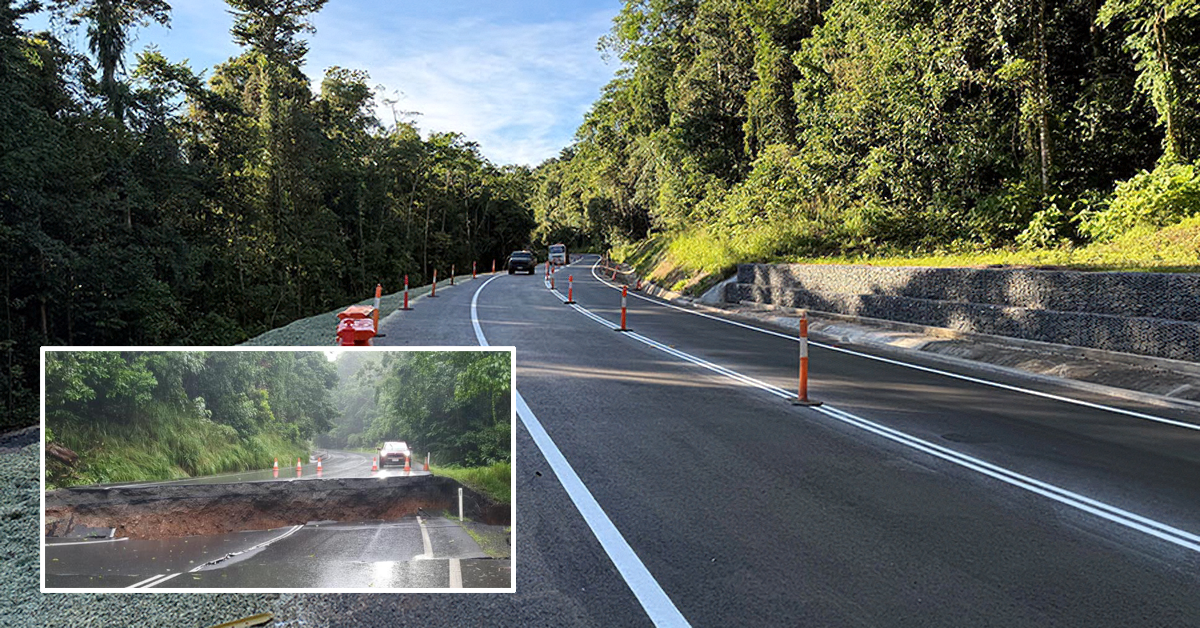
Key FNQ freight route returned to "pre-disaster" function

In 60 seconds

Top move

Palmerston Highway reconstruction reopened a primary Far North Queensland freight corridor; buyers can re-enable direct road routings but must validate heavy‑lift and permit constraints before shifting volumes back

Key takeaways

  • Palmerston Highway reconstruction reopened a primary Far North Queensland freight corridor; buyers can re-enable direct road routings but must validate heavy‑lift and permit constraints before shifting volumes back.[1]
  • Adelaide airfreight shows stronger throughput but carriers are flagging aviation fuel availability; this increases the chance of shorter quote windows or fuel surcharges for time‑sensitive shipments into Adelaide.[2]
  • A Sydney port‑adjacent operator is marketing two depots with fumigation and perishables capabilities — operationally useful as alternatives to terminal handling, but usable capacity, hours and insurance require verification before diversion.[3]
  • Industry engagement is rising (major seafarer/welfare event and towage sponsorship); use these forums to regain supplier access and test towage or harbour service commitments rather than expecting immediate contract changes.[4]
  • Net signal today is operational rather than market shock: route reopening and local handling options change routing and verification priorities, while fuel commentary affects air lane commercial terms.[1]

What changed since last run

  • Added: Palmerston Highway fully reopened to pre‑disaster function, restoring direct FNQ road routing versus the prior brief focus on port tariff and basin pricing shifts.
  • Added: Adelaide airfreight commentary that carriers are watching aviation fuel availability—new operational trigger for fuel‑surcharge and capacity verification.
  • Added: Price & Speed's two Sydney depots surfaced as a concrete port‑adjacent handling option that needs SLA and insurance checks before operational use.

Key facts

  • Route reconstruction completed and returned to pre‑disaster function
  • News Key FNQ freight route returned to "pre-disaster" function Images: Queensland Government
  • This content is for members only Create a free account with www
  • David SextonDavid Sexton is DCN’s senior journalist and has an extensive career across online
  • Nearly 25,000 tonnes of airfreight handled in 2025
  • Airfreight value cited around AUD2.3 billion

Why it matters

Palmerston Highway reconstruction reopened a primary Far North Queensland freight corridor; buyers can re-enable direct road routings but must validate heavy‑lift and permit constraints before shifting volumes back. Adelaide airfreight shows stronger throughput but carriers are flagging aviation fuel availability; this increases the chance of shorter quote windows or fuel surcharges for time‑sensitive shipments into Adelaide. A Sydney port‑adjacent operator is marketing two depots with fumigation and perishables capabilities — operationally useful as alternatives to terminal handling, but usable capacity, hours and insurance require verification before diversion. Industry engagement is rising (major seafarer/welfare event and towage sponsorship); use these forums to regain supplier access and test towage or harbour service commitments rather than expecting immediate contract changes

Cost / money

  • Reinstating the FNQ corridor reduces the need for longer detours and multimodal lifts that previously increased landed cost; buyers should re-run landed‑cost comparisons before moving volumes.[1]
  • Carrier concern about aviation fuel can translate into fuel surcharges or premium short‑notice rates for urgent air cargo into Adelaide, raising procurement exposure on time‑sensitive lanes.[2]
  • Moving handling off‑port to a private depot can lower terminal surcharges but may add drayage and bespoke handling fees; compare total landed cost including insurance implications.[3]

Supplier / commercial

  • Road hauliers and carriers servicing FNQ will need to reprice and re‑quote for the reopened route; expect shortened quote validity while carriers recalibrate capacity.[1]
  • Air carriers could prioritize passenger or higher‑yield services if fuel tightness pressures continue, reducing belly capacity and pushing demand toward higher‑cost freighter options.[2]
  • Port‑adjacent depot operators can tighten booking windows or set minimums if demand for transload or fumigation rises; treat their marketing as commercial leverage until SLAs are confirmed.[3]

Safety / operations

  • Opening the Palmerston Highway reduces convoying, extra transloads and associated handling exposures created by earlier detours, improving operational flow for regional shipments.[1]
  • Potential fuel‑driven schedule compression can increase ground‑handling pressure and turnover, raising handling‑safety risk for time‑critical and cold‑chain cargo into Adelaide.[2]
  • Using an authorised depot with fumigation and biosecurity capability can reduce on‑port quarantine risk, but only if operating hours and cold‑chain controls match cargo SOPs.[3]

What to watch

  • Confirm whether the reopened FNQ route allows full freight loads and whether axle, permit or seasonal restrictions remain, because partial reopenings can still limit heavy or oversized moves.[1]
  • Monitor carrier fuel advisories and schedule notices closely, because early carrier announcements will be the first operational sign to change routing or procurement posture for air shipments.[2]

Top stories

Story 1Thedcn

Key FNQ freight route returned to "pre-disaster" function

Signal strongSource-grounded

What happened

Reconstruction works on the Palmerston Highway have finished and the key Far North Queensland freight route is back to pre‑disaster function. The reopening restores a primary land corridor used for regional freight, making direct road routing operationally available again; verify axle, permit or seasonal limits that could still restrict heavy or oversized loads

Buyer takeaway

Treat this as an actionable routing alternative and re‑assess scheduled shipments for direct road movement rather than defaulting to detours

Cost / money

Directional benefit: lower landed‑cost drivers from reduced drayage and fewer transloads, subject to carrier pricing for the reopened route

Supplier / commercial

Expect carriers and road hauliers to reprice and tighten quote validity as they reassign equipment to the corridor

Safety / operations

Operational improvement: fewer transloads and less convoying reduces handling exposure, but confirm weight and permit rules before heavy lifts

What to watch

Confirm any remaining load or permit restrictions and whether local approvals are needed for oversized consignments

Key facts

  • Route reconstruction completed and returned to pre‑disaster function
  • News Key FNQ freight route returned to "pre-disaster" function Images: Queensland Government
  • This content is for members only Create a free account with www
  • David SextonDavid Sexton is DCN’s senior journalist and has an extensive career across online

Source excerpts

News Key FNQ freight route returned to "pre-disaster" function Images: Queensland Government Posted by David Sexton | 27 May, 2026 RECONSTRUCTION works have been completed on the Palmerston Highway, a key Far North Queensland freight route between the Atherton Tablelands and the coast
David SextonDavid Sexton is DCN’s senior journalist and has an extensive career across online and print media
This content is for members only Create a free account with www
Story 2Thedcn

ICHCA guests hear about air freight and Adelaide box port

Signal moderateSource-grounded

What happened

An ICHCA South Australia session reported stronger airfreight throughput into Adelaide while noting airlines are closely watching aviation fuel availability. The practical detail is carriers' fuel concern, which can constrain belly capacity or trigger surcharges and shorter quote windows that materially affect commercial booking terms

Buyer takeaway

Push carriers for documented positions on fuel surcharges, quote validity and priority rules to reduce booking and cost uncertainty

Cost / money

Directional risk: potential for fuel surcharges and shorter quote windows that raise short‑notice cargo costs

Supplier / commercial

Carriers may reallocate belly capacity toward higher‑yield services or require firmer commitments for freighter space

Safety / operations

Fuel issues can compress schedules and increase ground‑handling turnover, stressing cold‑chain and time‑critical handling

What to watch

Watch carrier fuel advisories and schedule notices as the earliest signals to change routing or procurement posture

Key facts

  • Nearly 25,000 tonnes of airfreight handled in 2025
  • Airfreight value cited around AUD2.3 billion
  • Airport and container projects discussed with major investment context

Source excerpts

Jonathan Cheong gave an overview of the latest developments at Adelaide Airport and the challenges to keep and attract new business in the current climate where airlines are very cognisant of the potential shortages of aviation fuel. Several airlines have returned to call at Adelaide Airport after COVID-19, or will return soon, providing passenger services to Adelaide
The keynote speakers were Jonathan Cheong’ head of aviation business development and commercial Adelaide Airport and Trent Kolbig, general manager, Flinders Adelaide Container Terminal (FACT), providing an overview of both air and container freight developments in SA. Jonathan Cheong gave an overview of the latest developments at Adelaide Airport and the challenges to keep and attract new business in the current climate where airlines are very cognisant of the potential shortages of aviation fuel
Jonathan Cheong gave an overview of the latest developments at Adelaide Airport and the challenges to keep and attract new business in the current climate where airlines are very cognisant of the potential shortages of aviation fuel
Story 3Price & Speed

Sydney Container Depot

Signal limitedDirectional

What happened

Price & Speed Containers is promoting two Sydney depots offering fumigation, out‑of‑gauge handling and services for perishables close to Sydney ports. This presents an operable alternative to terminal handling but buyers must verify hours, usable capacity and insurance before diverting project or high‑value cold‑chain cargo

Buyer takeaway

Treat depot marketing as a candidate option only after collecting SLA, insurance and cold‑chain references; do not divert cargo on marketing alone

Cost / money

Possible cost shift: lower terminal fees offset by drayage and bespoke handling charges; total landed cost must be compared

Supplier / commercial

Depot operators can set minimums, limited booking windows or premium rates for project cargo if demand increases

Safety / operations

Authorized fumigation and biosecurity services reduce on‑port quarantine risk if procedures and hours match cargo SOPs

What to watch

Verify operating hours, insurance limits and cold‑chain references; marketing claims are insufficient for operational reliance

Key facts

  • Two depots near Sydney Ports
  • Services include fumigation, OOG handling and cold‑chain support
  • Marketing notes depot open seven days

Source excerpts

+61 2 9666 6565Open 7 dayscheck our contact page for depot operating hours
We strive to provide a service that reflects our name in that all of our services and products are both cost effective and timely
Located close to Sydney Ports, Price & Speed is an authorised facility for commercial operations and biosecurity activities
Story 4Thedcn

Transport minister to speak at 2026 Seafarers Welfare lunch

Signal limitedDirectional

What happened

The NSW transport minister will speak at the Seafarers Welfare lunch, an industry gathering with broad maritime attendance and major sponsor participation including a large towage provider. The event is a practical setting to re‑engage harbour services and test supplier willingness to discuss operational or commercial pilots

Buyer takeaway

Leverage the event to obtain quick supplier market checks and request follow‑up commercial meetings rather than expecting on‑the‑spot contracting

Cost / money

Sponsorship visibility improves access to decision makers but is not a direct price signal

Supplier / commercial

Sponsors and attendees may be more open to preliminary discussions and pilot proposals following the event

Safety / operations

Welfare and industry forums can surface crew and scheduling issues that affect harbour service availability

What to watch

Treat event conversations as intelligence‑gathering; verify any operational commitments in subsequent formal engagements

Key facts

  • Seafarers Welfare lunch with broad industry attendance
  • Major towage company listed as platinum sponsor

Source excerpts

Her Excellency Margaret Beazley AC KC, governor of NSW will provide the opening address and the industry leaders behind the NSW Seafarers Welfare Fund are tipped to be sharing some good news for several maritime charities. More than 200 leaders from across the maritime sector, government and industry are expected to attend, showing the strength of industry support for the workers who keep global trade moving
NEW South Wales transport minister John Graham has been confirmed as the keynote speaker for the 2026 Seafarers Welfare Parliamentary lunch on Friday 19 June. Her Excellency Margaret Beazley AC KC, governor of NSW will provide the opening address and the industry leaders behind the NSW Seafarers Welfare Fund are tipped to be sharing some good news for several maritime charities
Early bird pricing ends on 1 June so prepare your table if you wish to have a discount on this premier industry event supporting seafarers’ welfare

VP Snapshot

Executive Risk & Action View

Palmerston Highway reconstruction reopened a primary Far North Queensland freight corridor; buyers can re-enable direct road routings but must validate heavy‑lift and permit constraints before shifting volumes back.

Overall
48
Cost
97
Supply
43
Schedule
56
Compliance
35

Top signals

180d+cost

Signal 1: Cost / money

Reinstating the FNQ corridor reduces the need for longer detours and multimodal lifts that previously increased landed cost; buyers should re-run landed‑cost comparisons before moving volumes.

30-180dcost

Signal 2: Cost / money

Carrier concern about aviation fuel can translate into fuel surcharges or premium short‑notice rates for urgent air cargo into Adelaide, raising procurement exposure on time‑sensitive lanes.

Signal 3: Cost / money

Moving handling off‑port to a private depot can lower terminal surcharges but may add drayage and bespoke handling fees; compare total landed cost including insurance implications.

Signal 5: Supplier / commercial

Air carriers could prioritize passenger or higher‑yield services if fuel tightness pressures continue, reducing belly capacity and pushing demand toward higher‑cost freighter options.

30-180dsupply

Signal 4: Supplier / commercial

Road hauliers and carriers servicing FNQ will need to reprice and re‑quote for the reopened route; expect shortened quote validity while carriers recalibrate capacity.

30-180dcommercial

Signal 6: Supplier / commercial

Port‑adjacent depot operators can tighten booking windows or set minimums if demand for transload or fumigation rises; treat their marketing as commercial leverage until SLAs are confirmed.

Recommended actions

OpsDue 3d

Inventory active and planned shipments that could move back onto the reopened FNQ corridor and flag those for routing confirmation with carriers and road operators.

Verified list of bookings eligible for FNQ routing with routing confirmations or documented constraints

ContractsDue 3d

Request capability packs from the Sydney depot operator (sample SLA, insurance certificates, operating hours and cold‑chain references) before routing any project cargo there.

Received depot capability package or documented decision not to use the depot for diversions

ContractsDue 21d

Engage primary carriers on Adelaide lanes to confirm fuel‑surcharge triggers, quote validity windows and capacity prioritization rules for time‑sensitive cargo.

Documented carrier positions on surcharges and quote validity to use in booking decisions

CategoryDue 21d

Run a targeted sourcing check for port‑adjacent transload, fumigation and cold‑chain handling in Sydney to create a vetted short list with cost comparators and SLA templates.

Shortlist of vetted depot providers with SLAs and comparative cost notes for diversion planning

CategoryDue 60d

Update lane segmentation and contract templates to include reopen FNQ routings and fuel‑surcharge clauses or short addenda to limit immediate pass‑through exposure on affected a...

Revised lane segmentation and draft contract addenda addressing routing options and surcharge mechanics

ContractsDue 60d

Use upcoming industry events (seafarers' lunch and local forums) to run targeted supplier meetings with towage and harbour service providers to test availability and commercial...

Market intelligence notes from supplier meetings and candidate providers for negotiation or contingency use

Risk register

RiskTriggerMitigation
Confirm whether the reopened FNQ route allows full freight loads and whether axle, permit or seasonal restrictions remain, because partial reopenings can still limit heavy or oversized moves.Confirm whether the reopened FNQ route allows full freight loads and whether axle, permit or seasonal restrictions remain, because partial reopenings can still limit heavy or oversized moves.Confirm exposure with category, contracts, and operations before the next supplier commitment.
Monitor carrier fuel advisories and schedule notices closely, because early carrier announcements will be the first operational sign to change routing or procurement posture for air shipments.Monitor carrier fuel advisories and schedule notices closely, because early carrier announcements will be the first operational sign to change routing or procurement posture for air shipments.Confirm exposure with category, contracts, and operations before the next supplier commitment.

CM Snapshot

Category Manager Decision Detail

Today's priorities

Inventory active and planned shipments that could move back onto the reopened FNQ corridor and flag those for routing confirmation with carriers and road operators.

because the Palmerston Highway is available again and confirming routings prevents unnecessary detours, extra handling and unplanned cost increases.

Due 3d

high

CM move

Use this as the immediate supplier or contract action to move before the next sourcing gate.

Request capability packs from the Sydney depot operator (sample SLA, insurance certificates, operating hours and cold‑chain references) before routing any project cargo there.

because depot marketing alone doesn't prove usable capacity or insurance coverage and verification prevents operational and liability surprises.

Due 3d

high

CM move

Use this as the immediate supplier or contract action to move before the next sourcing gate.

Engage primary carriers on Adelaide lanes to confirm fuel‑surcharge triggers, quote validity windows and capacity prioritization rules for time‑sensitive cargo.

because carriers have signalled concern about aviation fuel availability and documented commercial positions reduce short‑notice procurement exposure.

Due 21d

high

CM move

Use this as the immediate supplier or contract action to move before the next sourcing gate.

Run a targeted sourcing check for port‑adjacent transload, fumigation and cold‑chain handling in Sydney to create a vetted short list with cost comparators and SLA templates.

because validated depot alternatives can lower terminal dwell and provide contingency capacity if port congestion or costs rise.

Due 21d

high

CM move

Use this as the immediate supplier or contract action to move before the next sourcing gate.

Supplier radar

Thedcn

high

Observed supplier signal

Road hauliers and carriers servicing FNQ will need to reprice and re‑quote for the reopened route; expect shortened quote validity while carriers recalibrate capacity.

Commercial implication

Road hauliers and carriers servicing FNQ will need to reprice and re‑quote for the reopened route; expect shortened quote validity while carriers recalibrate capacity.

Next step: Validate the source-backed signal with incumbents and alternates before the next award or pricing decision.

Thedcn

high

Observed supplier signal

Air carriers could prioritize passenger or higher‑yield services if fuel tightness pressures continue, reducing belly capacity and pushing demand toward higher‑cost freighter options.

Commercial implication

Air carriers could prioritize passenger or higher‑yield services if fuel tightness pressures continue, reducing belly capacity and pushing demand toward higher‑cost freighter options.

Next step: Validate the source-backed signal with incumbents and alternates before the next award or pricing decision.

Price & Speed

high

Observed supplier signal

Port‑adjacent depot operators can tighten booking windows or set minimums if demand for transload or fumigation rises; treat their marketing as commercial leverage until SLAs are confirmed.

Commercial implication

Port‑adjacent depot operators can tighten booking windows or set minimums if demand for transload or fumigation rises; treat their marketing as commercial leverage until SLAs are confirmed.

Next step: Validate the source-backed signal with incumbents and alternates before the next award or pricing decision.

Negotiation levers

Inventory active and planned shipments that could move back onto the reopened FNQ corridor and flag those for routing confirmation with carriers and road operators.

When to use: because the Palmerston Highway is available again and confirming routings prevents unnecessary detours, extra handling and unplanned cost increases.

Expected outcome: Verified list of bookings eligible for FNQ routing with routing confirmations or documented constraints

Commercial mechanism to carry into the next supplier conversation

Request capability packs from the Sydney depot operator (sample SLA, insurance certificates, operating hours and cold‑chain references) before routing any project cargo there.

When to use: because depot marketing alone doesn't prove usable capacity or insurance coverage and verification prevents operational and liability surprises.

Expected outcome: Received depot capability package or documented decision not to use the depot for diversions

Commercial mechanism to carry into the next supplier conversation

Engage primary carriers on Adelaide lanes to confirm fuel‑surcharge triggers, quote validity windows and capacity prioritization rules for time‑sensitive cargo.

When to use: because carriers have signalled concern about aviation fuel availability and documented commercial positions reduce short‑notice procurement exposure.

Expected outcome: Documented carrier positions on surcharges and quote validity to use in booking decisions

Commercial mechanism to carry into the next supplier conversation

Run a targeted sourcing check for port‑adjacent transload, fumigation and cold‑chain handling in Sydney to create a vetted short list with cost comparators and SLA templates.

When to use: because validated depot alternatives can lower terminal dwell and provide contingency capacity if port congestion or costs rise.

Expected outcome: Shortlist of vetted depot providers with SLAs and comparative cost notes for diversion planning

Commercial mechanism to carry into the next supplier conversation

Talking points

Palmerston Highway reconstruction reopened a primary Far North Queensland freight corridor; buyers can re-enable direct road routings but must validate heavy‑lift and permit constraints before shifting volumes back.
Adelaide airfreight shows stronger throughput but carriers are flagging aviation fuel availability; this increases the chance of shorter quote windows or fuel surcharges for time‑sensitive shipments into Adelaide.
A Sydney port‑adjacent operator is marketing two depots with fumigation and perishables capabilities — operationally useful as alternatives to terminal handling, but usable capacity, hours and insurance require verification before diversion.
Industry engagement is rising (major seafarer/welfare event and towage sponsorship); use these forums to regain supplier access and test towage or harbour service commitments rather than expecting immediate contract changes.

Supplier radar

SupplierSignalImplicationNext stepConfidence
ThedcnRoad hauliers and carriers servicing FNQ will need to reprice and re‑quote for the reopened route; expect shortened quote validity while carriers recalibrate capacity.Road hauliers and carriers servicing FNQ will need to reprice and re‑quote for the reopened route; expect shortened quote validity while carriers recalibrate capacity.Validate the source-backed signal with incumbents and alternates before the next award or pricing decision.high
ThedcnAir carriers could prioritize passenger or higher‑yield services if fuel tightness pressures continue, reducing belly capacity and pushing demand toward higher‑cost freighter options.Air carriers could prioritize passenger or higher‑yield services if fuel tightness pressures continue, reducing belly capacity and pushing demand toward higher‑cost freighter options.Validate the source-backed signal with incumbents and alternates before the next award or pricing decision.high
Price & SpeedPort‑adjacent depot operators can tighten booking windows or set minimums if demand for transload or fumigation rises; treat their marketing as commercial leverage until SLAs are confirmed.Port‑adjacent depot operators can tighten booking windows or set minimums if demand for transload or fumigation rises; treat their marketing as commercial leverage until SLAs are confirmed.Validate the source-backed signal with incumbents and alternates before the next award or pricing decision.high

Negotiation levers

  • Inventory active and planned shipments that could move back onto the reopened FNQ corridor and flag those for routing confirmation with carriers and road operators.because the Palmerston Highway is available again and confirming routings prevents unnecessary detours, extra handling and unplanned cost increases.Verified list of bookings eligible for FNQ routing with routing confirmations or documented constraints

    high confidence

  • Request capability packs from the Sydney depot operator (sample SLA, insurance certificates, operating hours and cold‑chain references) before routing any project cargo there.because depot marketing alone doesn't prove usable capacity or insurance coverage and verification prevents operational and liability surprises.Received depot capability package or documented decision not to use the depot for diversions

    high confidence

  • Engage primary carriers on Adelaide lanes to confirm fuel‑surcharge triggers, quote validity windows and capacity prioritization rules for time‑sensitive cargo.because carriers have signalled concern about aviation fuel availability and documented commercial positions reduce short‑notice procurement exposure.Documented carrier positions on surcharges and quote validity to use in booking decisions

    high confidence

  • Run a targeted sourcing check for port‑adjacent transload, fumigation and cold‑chain handling in Sydney to create a vetted short list with cost comparators and SLA templates.because validated depot alternatives can lower terminal dwell and provide contingency capacity if port congestion or costs rise.Shortlist of vetted depot providers with SLAs and comparative cost notes for diversion planning

    high confidence

What to do / What to watch

What to do now

  • Inventory active and planned shipments that could move back onto the reopened FNQ corridor and flag those for routing confirmation with carriers and road operators.

    Why: because the Palmerston Highway is available again and confirming routings prevents unnecessary detours, extra handling and unplanned cost increases.

    Owner: Ops

    Expected outcome: Verified list of bookings eligible for FNQ routing with routing confirmations or documented constraints

    [1]
  • Request capability packs from the Sydney depot operator (sample SLA, insurance certificates, operating hours and cold‑chain references) before routing any project cargo there.

    Why: because depot marketing alone doesn't prove usable capacity or insurance coverage and verification prevents operational and liability surprises.

    Owner: Contracts

    Expected outcome: Received depot capability package or documented decision not to use the depot for diversions

    [3]

Next few weeks

  • Engage primary carriers on Adelaide lanes to confirm fuel‑surcharge triggers, quote validity windows and capacity prioritization rules for time‑sensitive cargo.

    Why: because carriers have signalled concern about aviation fuel availability and documented commercial positions reduce short‑notice procurement exposure.

    Owner: Contracts

    Expected outcome: Documented carrier positions on surcharges and quote validity to use in booking decisions

    [2]
  • Run a targeted sourcing check for port‑adjacent transload, fumigation and cold‑chain handling in Sydney to create a vetted short list with cost comparators and SLA templates.

    Why: because validated depot alternatives can lower terminal dwell and provide contingency capacity if port congestion or costs rise.

    Owner: Category

    Expected outcome: Shortlist of vetted depot providers with SLAs and comparative cost notes for diversion planning

    [3]

Longer view

  • Update lane segmentation and contract templates to include reopen FNQ routings and fuel‑surcharge clauses or short addenda to limit immediate pass‑through exposure on affected a...

    Why: because the corridor change and carrier fuel posture affect pass‑through risk and supplier leverage across lanes and should be reflected in contracting approach.

    Owner: Category

    Expected outcome: Revised lane segmentation and draft contract addenda addressing routing options and surcharge mechanics

    [1]
  • Use upcoming industry events (seafarers' lunch and local forums) to run targeted supplier meetings with towage and harbour service providers to test availability and commercial...

    Why: because increased industry engagement and sponsorship activity create low‑cost access to suppliers and can surface commercial commitments or pilot opportunities.

    Owner: Contracts

    Expected outcome: Market intelligence notes from supplier meetings and candidate providers for negotiation or contingency use

    [4]

What to watch

  • Confirm whether the reopened FNQ route allows full freight loads and whether axle, permit or seasonal restrictions remain, because partial reopenings can still limit heavy or oversized moves
  • Monitor carrier fuel advisories and schedule notices closely, because early carrier announcements will be the first operational sign to change routing or procurement posture for air shipments
  • Confirm whether the reopened FNQ route allows full freight loads and whether axle, permit or seasonal restrictions remain, because partial reopenings can still limit heavy or oversized moves.: Confirm whether the reopened FNQ route allows full freight loads and whether axle, permit or seasonal restrictions remain, because partial reopenings can still limit heavy or oversized moves
  • Monitor carrier fuel advisories and schedule notices closely, because early carrier announcements will be the first operational sign to change routing or procurement posture for air shipments.: Monitor carrier fuel advisories and schedule notices closely, because early carrier announcements will be the first operational sign to change routing or procurement posture for air shipments
  • Palmerston Highway reconstruction reopened a primary Far North Queensland freight corridor; buyers can re-enable direct road routings but must validate heavy‑lift and permit constraints before shifting volumes back
  • Adelaide airfreight shows stronger throughput but carriers are flagging aviation fuel availability; this increases the chance of shorter quote windows or fuel surcharges for time‑sensitive shipments into Adelaide
  • A Sydney port‑adjacent operator is marketing two depots with fumigation and perishables capabilities — operationally useful as alternatives to terminal handling, but usable capacity, hours and insurance require verification before diversion
  • Industry engagement is rising (major seafarer/welfare event and towage sponsorship); use these forums to regain supplier access and test towage or harbour service commitments rather than expecting immediate contract changes

Market pulse

IndexLatestChangeAs of
Dry Bulk Shipping (BDRY) (BDRY)0 +0.00 (+0.00%)May 27, 2026, 10:11 PM
WTI (Fuel) (WTI)71.23 /bbl+0.00 (+0.00%)May 27, 2026, 10:11 PM
FedEx (FDX)285 +0.00 (+0.00%)May 27, 2026, 10:11 PM
UPS (UPS)142 +0.00 (+0.00%)May 27, 2026, 10:11 PM
Maersk (MAERSK)9.5 +0.00 (+0.00%)May 27, 2026, 10:11 PM
  • WTI (Fuel): Track aviation fuel price moves—fuel volatility is a procurement exposure for air lanes and can drive surcharge activity
  • Dry Bulk Shipping (BDRY): Dry‑bulk shipping conditions are a background driver for drayage and regional equipment positioning that affect port and route costs

Sources

Inline citations jump here. Expand a source to read the excerpt, the AI interpretation, and the original link.

[1] Key FNQ freight route returned to "pre-disaster" function

thedcn.com.au · n.d.

Expand

AI reading

Reconstruction works on the Palmerston Highway have finished and the key Far North Queensland freight route is back to pre‑disaster function. The reopening restores a primary land corridor used for regional freight, making direct road routing operationally available again; verify axle, permit or seasonal limits that could still restrict heavy or oversized loads

Buyer takeaway

Treat this as an actionable routing alternative and re‑assess scheduled shipments for direct road movement rather than defaulting to detours

Cost / money

Directional benefit: lower landed‑cost drivers from reduced drayage and fewer transloads, subject to carrier pricing for the reopened route

Supplier / commercial

Expect carriers and road hauliers to reprice and tighten quote validity as they reassign equipment to the corridor

Safety / operations

Operational improvement: fewer transloads and less convoying reduces handling exposure, but confirm weight and permit rules before heavy lifts

What to watch

Confirm any remaining load or permit restrictions and whether local approvals are needed for oversized consignments

Key facts

  • Route reconstruction completed and returned to pre‑disaster function
  • News Key FNQ freight route returned to "pre-disaster" function Images: Queensland Government
  • This content is for members only Create a free account with www
  • David SextonDavid Sexton is DCN’s senior journalist and has an extensive career across online

Source excerpts

News Key FNQ freight route returned to "pre-disaster" function Images: Queensland Government Posted by David Sexton | 27 May, 2026 RECONSTRUCTION works have been completed on the Palmerston Highway, a key Far North Queensland freight route between the Atherton Tablelands and the coast
David SextonDavid Sexton is DCN’s senior journalist and has an extensive career across online and print media
This content is for members only Create a free account with www

Used in this brief

  • Next 72 hours — Inventory active and planned shipments that could move back onto the reopened FNQ corridor and flag those for routing confirmation with carriers and road operators.. Rationale: because the Palmerston Highway is available again and confirming routings prevents unnecessary detours, extra handling and unplanned cost increases.. Owner: Ops. KPI: Verified list of bookings eligible for FNQ routing with routing confirmations or documented constraints
  • Next quarter — Update lane segmentation and contract templates to include reopen FNQ routings and fuel‑surcharge clauses or short addenda to limit immediate pass‑through exposure on affected a.... Rationale: because the corridor change and carrier fuel posture affect pass‑through risk and supplier leverage across lanes and should be reflected in contracting approach.. Owner: Category. KPI: Revised lane segmentation and draft contract addenda addressing routing options and surcharge mechanics
  • Confirm whether the reopened FNQ route allows full freight loads and whether axle, permit or seasonal restrictions remain, because partial reopenings can still limit heavy or oversized moves
Open original source

[2] ICHCA guests hear about air freight and Adelaide box port

thedcn.com.au · n.d.

Expand

AI reading

An ICHCA South Australia session reported stronger airfreight throughput into Adelaide while noting airlines are closely watching aviation fuel availability. The practical detail is carriers' fuel concern, which can constrain belly capacity or trigger surcharges and shorter quote windows that materially affect commercial booking terms

Buyer takeaway

Push carriers for documented positions on fuel surcharges, quote validity and priority rules to reduce booking and cost uncertainty

Cost / money

Directional risk: potential for fuel surcharges and shorter quote windows that raise short‑notice cargo costs

Supplier / commercial

Carriers may reallocate belly capacity toward higher‑yield services or require firmer commitments for freighter space

Safety / operations

Fuel issues can compress schedules and increase ground‑handling turnover, stressing cold‑chain and time‑critical handling

What to watch

Watch carrier fuel advisories and schedule notices as the earliest signals to change routing or procurement posture

Key facts

  • Nearly 25,000 tonnes of airfreight handled in 2025
  • Airfreight value cited around AUD2.3 billion
  • Airport and container projects discussed with major investment context

Source excerpts

Jonathan Cheong gave an overview of the latest developments at Adelaide Airport and the challenges to keep and attract new business in the current climate where airlines are very cognisant of the potential shortages of aviation fuel. Several airlines have returned to call at Adelaide Airport after COVID-19, or will return soon, providing passenger services to Adelaide
The keynote speakers were Jonathan Cheong’ head of aviation business development and commercial Adelaide Airport and Trent Kolbig, general manager, Flinders Adelaide Container Terminal (FACT), providing an overview of both air and container freight developments in SA. Jonathan Cheong gave an overview of the latest developments at Adelaide Airport and the challenges to keep and attract new business in the current climate where airlines are very cognisant of the potential shortages of aviation fuel
Jonathan Cheong gave an overview of the latest developments at Adelaide Airport and the challenges to keep and attract new business in the current climate where airlines are very cognisant of the potential shortages of aviation fuel

Used in this brief

  • Next 2-4 weeks — Engage primary carriers on Adelaide lanes to confirm fuel‑surcharge triggers, quote validity windows and capacity prioritization rules for time‑sensitive cargo.. Rationale: because carriers have signalled concern about aviation fuel availability and documented commercial positions reduce short‑notice procurement exposure.. Owner: Contracts. KPI: Documented carrier positions on surcharges and quote validity to use in booking decisions
  • Monitor carrier fuel advisories and schedule notices closely, because early carrier announcements will be the first operational sign to change routing or procurement posture for air shipments
  • Added: Adelaide airfreight commentary that carriers are watching aviation fuel availability—new operational trigger for fuel‑surcharge and capacity verification
Open original source

[3] Sydney Container Depot

thedcn.com.au · n.d.

Expand

AI reading

Price & Speed Containers is promoting two Sydney depots offering fumigation, out‑of‑gauge handling and services for perishables close to Sydney ports. This presents an operable alternative to terminal handling but buyers must verify hours, usable capacity and insurance before diverting project or high‑value cold‑chain cargo

Buyer takeaway

Treat depot marketing as a candidate option only after collecting SLA, insurance and cold‑chain references; do not divert cargo on marketing alone

Cost / money

Possible cost shift: lower terminal fees offset by drayage and bespoke handling charges; total landed cost must be compared

Supplier / commercial

Depot operators can set minimums, limited booking windows or premium rates for project cargo if demand increases

Safety / operations

Authorized fumigation and biosecurity services reduce on‑port quarantine risk if procedures and hours match cargo SOPs

What to watch

Verify operating hours, insurance limits and cold‑chain references; marketing claims are insufficient for operational reliance

Key facts

  • Two depots near Sydney Ports
  • Services include fumigation, OOG handling and cold‑chain support
  • Marketing notes depot open seven days

Source excerpts

+61 2 9666 6565Open 7 dayscheck our contact page for depot operating hours
We strive to provide a service that reflects our name in that all of our services and products are both cost effective and timely
Located close to Sydney Ports, Price & Speed is an authorised facility for commercial operations and biosecurity activities

Used in this brief

  • Safety / operations: Using an authorised depot with fumigation and biosecurity capability can reduce on‑port quarantine risk, but only if operating hours and cold‑chain controls match cargo SOPs
  • Next 72 hours — Request capability packs from the Sydney depot operator (sample SLA, insurance certificates, operating hours and cold‑chain references) before routing any project cargo there.. Rationale: because depot marketing alone doesn't prove usable capacity or insurance coverage and verification prevents operational and liability surprises.. Owner: Contracts. KPI: Received depot capability package or documented decision not to use the depot for diversions
  • Next 2-4 weeks — Run a targeted sourcing check for port‑adjacent transload, fumigation and cold‑chain handling in Sydney to create a vetted short list with cost comparators and SLA templates.. Rationale: because validated depot alternatives can lower terminal dwell and provide contingency capacity if port congestion or costs rise.. Owner: Category. KPI: Shortlist of vetted depot providers with SLAs and comparative cost notes for diversion planning
Open original source

[4] Transport minister to speak at 2026 Seafarers Welfare lunch

thedcn.com.au · n.d.

Expand

AI reading

The NSW transport minister will speak at the Seafarers Welfare lunch, an industry gathering with broad maritime attendance and major sponsor participation including a large towage provider. The event is a practical setting to re‑engage harbour services and test supplier willingness to discuss operational or commercial pilots

Buyer takeaway

Leverage the event to obtain quick supplier market checks and request follow‑up commercial meetings rather than expecting on‑the‑spot contracting

Cost / money

Sponsorship visibility improves access to decision makers but is not a direct price signal

Supplier / commercial

Sponsors and attendees may be more open to preliminary discussions and pilot proposals following the event

Safety / operations

Welfare and industry forums can surface crew and scheduling issues that affect harbour service availability

What to watch

Treat event conversations as intelligence‑gathering; verify any operational commitments in subsequent formal engagements

Key facts

  • Seafarers Welfare lunch with broad industry attendance
  • Major towage company listed as platinum sponsor

Source excerpts

Her Excellency Margaret Beazley AC KC, governor of NSW will provide the opening address and the industry leaders behind the NSW Seafarers Welfare Fund are tipped to be sharing some good news for several maritime charities. More than 200 leaders from across the maritime sector, government and industry are expected to attend, showing the strength of industry support for the workers who keep global trade moving
NEW South Wales transport minister John Graham has been confirmed as the keynote speaker for the 2026 Seafarers Welfare Parliamentary lunch on Friday 19 June. Her Excellency Margaret Beazley AC KC, governor of NSW will provide the opening address and the industry leaders behind the NSW Seafarers Welfare Fund are tipped to be sharing some good news for several maritime charities
Early bird pricing ends on 1 June so prepare your table if you wish to have a discount on this premier industry event supporting seafarers’ welfare

Used in this brief

  • Next quarter — Use upcoming industry events (seafarers' lunch and local forums) to run targeted supplier meetings with towage and harbour service providers to test availability and commercial.... Rationale: because increased industry engagement and sponsorship activity create low‑cost access to suppliers and can surface commercial commitments or pilot opportunities.. Owner: Contracts. KPI: Market intelligence notes from supplier meetings and candidate providers for negotiation or contingency use
  • The NSW transport minister will speak at the Seafarers Welfare lunch, an industry gathering with broad maritime attendance and major sponsor participation including a large towage provider. The event is a practical setting to re‑engage harbour services and test supplier willingness to discuss operational or commercial pilots
  • Buyer bottom line: use the event to renew supplier engagement (not a substitute for formal negotiations) and to gather service availability and willingness-to‑pilot intelligence
Open original source

[5] WTI (Fuel)

finance.yahoo.com · n.d.

Expand

[6] Dry Bulk Shipping (BDRY)

finance.yahoo.com · n.d.

Expand