Plug & Abandonment / Decommissioning · International (Houston)

Adjust Decommissioning Sourcing for Vessel, Yard, and TCP Changes

Published May 27, 2026, 5:06 AM CSTINTERNATIONALFull category signal
Ask AI
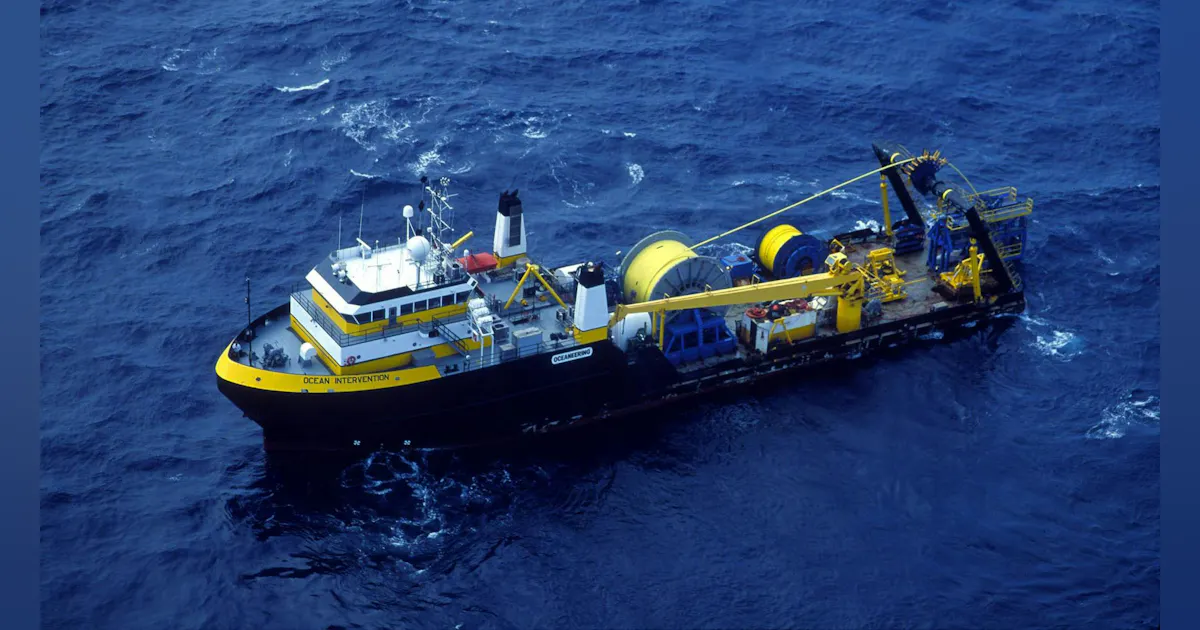
Strohm providing first TCP flowline offshore Egypt

In 60 seconds

Top move

Thermoplastic composite pipe (TCP) + horizontal‑lay offers a real option to use multi‑purpose or lighter construction vessels instead of specialist installation ships, changing which charters and vessel specs you should hold

Key takeaways

  • Thermoplastic composite pipe (TCP) + horizontal‑lay offers a real option to use multi‑purpose or lighter construction vessels instead of specialist installation ships, changing which charters and vessel specs you should hold.[1]
  • A potential second FPSO and immediate shipyard upgrade activity in the Falklands creates a localized demand node for yards, heavy‑lift and mobilization slots that can conflict with nearby P&A campaigns.[2]
  • Major farm‑ins by a national champion increase exploration and deepwater program risk in Uruguay and the Eastern Mediterranean, which is likely to firm demand for vessels, ROVs and survey capacity over time.[3]
  • Practically, buyers should treat TCP installs as a procurement lever: update vessel acceptance, insurance checks, and RFQ pass/fail criteria before accepting multi‑purpose vessel options.[1]
  • Because FPSO upgrades have fixed shipyard windows and dock activity, mobilization option clauses, staged payment terms, and explicit booking confirmations will matter more in upcoming awards.[2]

What changed since last run

  • Introduced a new installation method (TCP + horizontal‑lay) that explicitly enables replacement of specialist installation ship requirements with multi‑purpose vessel options (article 10).
  • Documented concrete shipyard activity and disconnection timing tied to a possible second FPSO, adding a near‑term yard/heavy‑lift demand node not present in the prior brief (article 6).
  • Captured a material expansion of regional exploration footprint through QatarEnergy farm‑ins that raises medium‑term vessel and survey demand in Uruguay and the Eastern Mediterranean (article 5).

Key facts

  • 2,000‑m TCP flowline replacing steel
  • Design pressure 5,000 psi and DNV‑ST‑F119 qualification
  • Water depths near 600 m and horizontal‑lay used to enable multi‑purpose vessel installation
  • Aoka Mizu being adapted for Sea Lion with an indicated production capacity
  • Disconnection activity scheduled for completion soon before shipyard upgrades
  • MOU in place for an additional FPSO that would expand project throughput and yard demand

Why it matters

Thermoplastic composite pipe (TCP) + horizontal‑lay offers a real option to use multi‑purpose or lighter construction vessels instead of specialist installation ships, changing which charters and vessel specs you should hold. A potential second FPSO and immediate shipyard upgrade activity in the Falklands creates a localized demand node for yards, heavy‑lift and mobilization slots that can conflict with nearby P&A campaigns. Major farm‑ins by a national champion increase exploration and deepwater program risk in Uruguay and the Eastern Mediterranean, which is likely to firm demand for vessels, ROVs and survey capacity over time. Practically, buyers should treat TCP installs as a procurement lever: update vessel acceptance, insurance checks, and RFQ pass/fail criteria before accepting multi‑purpose vessel options

Cost / money

  • TCP + horizontal‑lay reduces dependency on specialist installation ship charters and so can lower specialist mobilization premiums, shifting cost pressure toward multi‑purpose vessel day‑rates and integration fees.[1]
  • A second FPSO and shipyard upgrade concentration will push up local yard and heavy‑lift rates where schedules overlap, increasing the chance of mobilization pass‑throughs on P&A projects.[2]
  • New exploration programs from major farm‑ins can firm day‑rates and compress survey/fabrication lead times over the medium term, reducing pricing leverage for decommissioning packages in those basins.[3]

Supplier / commercial

  • Suppliers that can execute horizontal‑lay installations and support TCP will gain commercial leverage to bundle installation and decommissioning scopes, narrowing standalone competition.[1]
  • Shipyards and FPSO integrators engaged in upgrades may demand staged mobilization payments, fixed booking windows, and stricter cancellation terms—terms that will flow down into subcontract packages.[2]
  • Regional farm‑ins increase the premium for suppliers with global compliance and deepwater capability, shifting pre‑qualification filters toward larger international vendors.[3]

Safety / operations

  • TCP handling and horizontal‑lay change lifting, spool handling and SIMOPS profiles compared with steel flowlines, requiring revised procedures, equipment checks and insurance confirmation before acceptance.[1]
  • FPSO disconnection, shipyard upgrades and sail‑away operations raise dockside heavy‑lift and SIMOPS complexity, increasing safety oversight needs during mobilization and pre‑sail checks.[2]
  • Expanded deepwater exploration activity can compress available ROV and survey windows, increasing the chance that pre‑execution inspections are delayed and scopes repriced or deferred.[3]

What to watch

  • Watch for suppliers to shorten quote validity and prioritize vessel slots for FPSO and upgrade campaigns, which can leave decommissioning buyers exposed to late charter premiums and staged mobilization demands.[2]
  • Watch whether multi‑purpose vessel owners and subsea contractors start bundling TCP installation and P&A scopes, which would reduce standalone bids and shift leverage to bundle holders.[1]
  • Watch partner announcements and campaign timing from new farm‑ins; immediate P&A impact is limited but schedule disclosures will indicate when regional supplier pressure may materialize.[3]

Top stories

Story 1Offshore-mag

Strohm providing first TCP flowline offshore Egypt

Signal strongSource-grounded

What happened

Strohm will supply a 2,000‑meter thermoplastic composite pipe (TCP) for the WDDM project offshore Egypt and Oceaneering will install it using a horizontal‑lay spread. The method is qualified to DNV‑ST‑F119 and allows use of a multi‑purpose vessel instead of a specialist installation ship, meaning operators can materially change vessel sourcing choices. Watch whether other operators adopt TCP installs and whether multi‑purpose vessel bookings increase as a result

Buyer takeaway

Treat TCP + horizontal‑lay as a validated execution alternative to specialist ships that should be evaluated in upcoming RFQs and mobilization planning

Cost / money

Directionally reduces specialist installation charter exposure but shifts negotiation toward multi‑purpose vessel day‑rates and integration fees

Supplier / commercial

Contractors offering horizontal‑lay capability can bundle installation and P&A scopes, tightening competition for standalone awards

Safety / operations

Different lifting, handling and SIMOPS considerations require updated procedures and insurer acceptance before contract close

What to watch

Confirm insurer acceptance and multi‑purpose vessel availability; watch whether invoice pass‑throughs move from specialist charters to integration fees

Key facts

  • 2,000‑m TCP flowline replacing steel
  • Design pressure 5,000 psi and DNV‑ST‑F119 qualification
  • Water depths near 600 m and horizontal‑lay used to enable multi‑purpose vessel installation

Source excerpts

Oceaneering also will deploy a horizontal lay spread, enabling use of a multi-purpose vessel instead of a specialist installation ship. TCP, Strohm added, is lightweight and can therefore be transported and installed using light construction vessels
Oceaneering also will deploy a horizontal lay spread, enabling use of a multi-purpose vessel instead of a specialist installation ship
It is Strohm’s first contract offshore Egypt
Story 2Offshore-mag

Navitas Petroleum considers second FPSO for offshore Falklands Sea Lion project

Signal moderateSource-grounded

What happened

Navitas Petroleum is progressing disconnection and shipyard upgrade work for the Aoka Mizu FPSO and has signed an MOU for a potential second FPSO at Sea Lion. Disconnection activity is scheduled for imminent completion and the MOU signals additional yard and heavy‑lift demand tied to FPSO upgrades and mobilization. Watch dock readiness updates and shipyard booking confirmations that could indicate competition for mobilization windows

Buyer takeaway

Treat nearby FPSO upgrade and second‑FPSO planning as a sourcing constraint for yards, heavy‑lift and vessel availability when scheduling P&A campaigns

Cost / money

Expect upward pressure on yard and heavy‑lift pricing where schedules overlap and a higher likelihood of mobilization pass‑throughs

Supplier / commercial

Shipyards and integrators may require staged payments, fixed booking windows and stricter cancellation terms

Safety / operations

Disconnection and upgrade works increase SIMOPS complexity at docks and during sail‑away; plan extra pre‑mobilization checks

What to watch

Confirm shipyard schedules and early vessel bookings; these will indicate how constrained mobilization windows will become

Key facts

  • Aoka Mizu being adapted for Sea Lion with an indicated production capacity
  • Disconnection activity scheduled for completion soon before shipyard upgrades
  • MOU in place for an additional FPSO that would expand project throughput and yard demand

Source excerpts

For the project’s first two phases, Bluewater Energy Services has agreed to provide the FPSO Aoka Mizu, which has been on duty at the Lancaster oil field west of Shetland, with a production capacity of 55,000 bbl/d. Disconnection activity should be completed by the end of May, after which Aoka Mizu will sail to the shipyard for upgrade work to suit the Sea Lion project requirements
Later this year, construction of personnel accommodation will get underway along with preparatory work for the scheduled start of development drilling early next year
Disconnection activity should be completed by the end of May, after which Aoka Mizu will sail to the shipyard for upgrade work to suit the Sea Lion project requirements. According to partner Rockhopper Exploration's recent update, Navitas has now signed a memorandum of understanding for an additional FPSO, which could increase throughput at Sea Lion by a further 125,000 bbl/d
Story 3Offshore-mag

QatarEnergy farms into Uruguay offshore blocks, joins Egypt-Cyprus gas study effort

Signal limitedDirectional

What happened

QatarEnergy has farmed into multiple offshore blocks in Uruguay and joined gas study work in the Eastern Mediterranean alongside major partners. The deals expand concession footprints across shallow to deepwater areas, increasing prospective exploration activity and future demand for vessels, surveys and subsea suppliers. Watch partner campaign timetables and procurement frameworks to detect when regional supplier pressure may materialize

Buyer takeaway

Consider these farm‑ins an early indicator of increased regional campaigns; prepare to extend pre‑qualification to deeper‑water and international suppliers

Cost / money

Regional demand growth will likely firm vendor day‑rates and reduce slack in fabrication and survey lead times over time

Supplier / commercial

Partners may favor large international suppliers with deepwater capability, shifting pre‑qual filters away from small local players

Safety / operations

Deepwater programs require specialized equipment and qualifications that some local suppliers may lack

What to watch

Immediate P&A impact is limited but monitor campaign schedules and partner procurement rules for when supplier pressure will rise

Key facts

  • Farm‑ins across three Uruguay offshore blocks with varying operator/interest structures
  • Concession depths span shallow to very deepwater, increasing diverse equipment needs
  • Partnerships include Shell, APA, Chevron and QatarEnergy, signaling major‑scale programs

Source excerpts

The three parties plan to assess future growth opportunities and flexible commercial frameworks concerning Egypt’s role and facilities for supplying both domestic consumers and global markets as a potential hub for Eastern Mediterranean gas
Following the farm-ins, operatorship and working interests for the three offshore blocks entails: Block OFF-2: Shell retains a 70% operated interest, with QatarEnergy holding 30%
QatarEnergy is expanding its upstream footprint in South America and the Eastern Mediterranean through new agreements with major partners, including Shell and ExxonMobil, targeting offshore exploration acreage and potential gas monetization pathways. QatarEnergy acquires interests in blocks offshore Uruguay QatarEnergy has signed agreements to farm into three exploration blocks offshore Uruguay, all with Shell

VP Snapshot

Executive Risk & Action View

Thermoplastic composite pipe (TCP) + horizontal‑lay offers a real option to use multi‑purpose or lighter construction vessels instead of specialist installation ships, changing which charters and vessel specs you should hold.

Overall
49
Cost
79
Supply
25
Schedule
92
Compliance
35

Top signals

30-180dcost

Signal 1: Cost / money

TCP + horizontal‑lay reduces dependency on specialist installation ship charters and so can lower specialist mobilization premiums, shifting cost pressure toward multi‑purpose vessel day‑rates and integration fees.

Signal 2: Cost / money

A second FPSO and shipyard upgrade concentration will push up local yard and heavy‑lift rates where schedules overlap, increasing the chance of mobilization pass‑throughs on P&A projects.

Signal 3: Cost / money

New exploration programs from major farm‑ins can firm day‑rates and compress survey/fabrication lead times over the medium term, reducing pricing leverage for decommissioning packages in those basins.

30-180dcommercial

Signal 4: Supplier / commercial

Suppliers that can execute horizontal‑lay installations and support TCP will gain commercial leverage to bundle installation and decommissioning scopes, narrowing standalone competition.

30-180dschedule

Signal 5: Supplier / commercial

Shipyards and FPSO integrators engaged in upgrades may demand staged mobilization payments, fixed booking windows, and stricter cancellation terms—terms that will flow down into subcontract packages.

30-180dregulatory

Signal 6: Supplier / commercial

Regional farm‑ins increase the premium for suppliers with global compliance and deepwater capability, shifting pre‑qualification filters toward larger international vendors.

Recommended actions

CategoryDue 3d

Map upcoming P&A scopes to installation methods and flag which scopes could accept TCP + horizontal‑lay and multi‑purpose vessel options.

Updated scope-to-vessel matrix identifying candidate scopes that can avoid specialist installation charters.

ContractsDue 3d

Request current shipyard booking windows, disconnection dates, and mobilization/payment terms from FPSO integrators and nearby yards.

Documented mobilization windows and payment constraints to compare supplier execution risk across bids.

ContractsDue 21d

Update RFQ pre‑qualification and scoring to include multi‑purpose vessel installation experience, TCP handling capability, and insurer acceptance evidence as weighted criteria.

RFQs that surface bidders able to deliver lower‑charter‑risk installation methods and validated insurance acceptance.

CategoryDue 21d

Pre‑qualify secondary yards, heavy‑lift providers and ROV/survey suppliers in the Uruguay and Eastern Mediterranean basins to create contingency sourcing paths.

Contingency supplier panel reducing single‑supplier exposure for critical survey and fabrication scopes.

ContractsDue 60d

Negotiate optioned notice periods and caps on mobilization cost pass‑throughs into vessel and yard contracts to limit exposure to late charter premiums.

Contracts with defined notice windows and capped mobilization pass‑through exposure.

OpsDue 60d

Pilot one retrofit or decommissioning award that includes TCP acceptance criteria and insurer sign‑off clauses to validate execution, insurance and QA readiness.

Validated installation method readiness and documented insurer acceptance to inform broader procurement adoption.

Risk register

RiskTriggerMitigation
Watch for suppliers to shorten quote validity and prioritize vessel slots for FPSO and upgrade campaigns, which can leave decommissioning buyers exposed to late charter premiums and staged mobilization demands.Watch for suppliers to shorten quote validity and prioritize vessel slots for FPSO and upgrade campaigns, which can leave decommissioning buyers exposed to late charter premiums and staged mobilization demands.Confirm exposure with category, contracts, and operations before the next supplier commitment.
Watch whether multi‑purpose vessel owners and subsea contractors start bundling TCP installation and P&A scopes, which would reduce standalone bids and shift leverage to bundle holders.Watch whether multi‑purpose vessel owners and subsea contractors start bundling TCP installation and P&A scopes, which would reduce standalone bids and shift leverage to bundle holders.Confirm exposure with category, contracts, and operations before the next supplier commitment.
Watch partner announcements and campaign timing from new farm‑ins; immediate P&A impact is limited but schedule disclosures will indicate when regional supplier pressure may materialize.Watch partner announcements and campaign timing from new farm‑ins; immediate P&A impact is limited but schedule disclosures will indicate when regional supplier pressure may materialize.Confirm exposure with category, contracts, and operations before the next supplier commitment.

CM Snapshot

Category Manager Decision Detail

Today's priorities

Map upcoming P&A scopes to installation methods and flag which scopes could accept TCP + horizontal‑lay and multi‑purpose vessel options.

Act because the cited source changes the timing, capacity, or commercial assumptions behind the next sourcing decision.

Due 3d

high

CM move

Use this as the immediate supplier or contract action to move before the next sourcing gate.

Request current shipyard booking windows, disconnection dates, and mobilization/payment terms from FPSO integrators and nearby yards.

Act because the cited source changes the timing, capacity, or commercial assumptions behind the next sourcing decision.

Due 3d

high

CM move

Use this as the immediate supplier or contract action to move before the next sourcing gate.

Update RFQ pre‑qualification and scoring to include multi‑purpose vessel installation experience, TCP handling capability, and insurer acceptance evidence as weighted criteria.

Act because the cited source changes the timing, capacity, or commercial assumptions behind the next sourcing decision.

Due 21d

high

CM move

Use this as the immediate supplier or contract action to move before the next sourcing gate.

Pre‑qualify secondary yards, heavy‑lift providers and ROV/survey suppliers in the Uruguay and Eastern Mediterranean basins to create contingency sourcing paths.

Act because the cited source changes the timing, capacity, or commercial assumptions behind the next sourcing decision.

Due 21d

high

CM move

Use this as the immediate supplier or contract action to move before the next sourcing gate.

Supplier radar

Offshore-mag

high

Observed supplier signal

Suppliers that can execute horizontal‑lay installations and support TCP will gain commercial leverage to bundle installation and decommissioning scopes, narrowing standalone competition.

Commercial implication

Suppliers that can execute horizontal‑lay installations and support TCP will gain commercial leverage to bundle installation and decommissioning scopes, narrowing standalone competition.

Next step: Validate the source-backed signal with incumbents and alternates before the next award or pricing decision.

Offshore-mag

high

Observed supplier signal

Shipyards and FPSO integrators engaged in upgrades may demand staged mobilization payments, fixed booking windows, and stricter cancellation terms—terms that will flow down into subcontract packages.

Commercial implication

Shipyards and FPSO integrators engaged in upgrades may demand staged mobilization payments, fixed booking windows, and stricter cancellation terms—terms that will flow down into subcontract packages.

Next step: Validate the source-backed signal with incumbents and alternates before the next award or pricing decision.

Offshore-mag

high

Observed supplier signal

Regional farm‑ins increase the premium for suppliers with global compliance and deepwater capability, shifting pre‑qualification filters toward larger international vendors.

Commercial implication

Regional farm‑ins increase the premium for suppliers with global compliance and deepwater capability, shifting pre‑qualification filters toward larger international vendors.

Next step: Validate the source-backed signal with incumbents and alternates before the next award or pricing decision.

Negotiation levers

Map upcoming P&A scopes to installation methods and flag which scopes could accept TCP + horizontal‑lay and multi‑purpose vessel options.

When to use: Act because the cited source changes the timing, capacity, or commercial assumptions behind the next sourcing decision.

Expected outcome: Updated scope-to-vessel matrix identifying candidate scopes that can avoid specialist installation charters.

Commercial mechanism to carry into the next supplier conversation

Request current shipyard booking windows, disconnection dates, and mobilization/payment terms from FPSO integrators and nearby yards.

When to use: Act because the cited source changes the timing, capacity, or commercial assumptions behind the next sourcing decision.

Expected outcome: Documented mobilization windows and payment constraints to compare supplier execution risk across bids.

Commercial mechanism to carry into the next supplier conversation

Update RFQ pre‑qualification and scoring to include multi‑purpose vessel installation experience, TCP handling capability, and insurer acceptance evidence as weighted criteria.

When to use: Act because the cited source changes the timing, capacity, or commercial assumptions behind the next sourcing decision.

Expected outcome: RFQs that surface bidders able to deliver lower‑charter‑risk installation methods and validated insurance acceptance.

Commercial mechanism to carry into the next supplier conversation

Pre‑qualify secondary yards, heavy‑lift providers and ROV/survey suppliers in the Uruguay and Eastern Mediterranean basins to create contingency sourcing paths.

When to use: Act because the cited source changes the timing, capacity, or commercial assumptions behind the next sourcing decision.

Expected outcome: Contingency supplier panel reducing single‑supplier exposure for critical survey and fabrication scopes.

Commercial mechanism to carry into the next supplier conversation

Talking points

Thermoplastic composite pipe (TCP) + horizontal‑lay offers a real option to use multi‑purpose or lighter construction vessels instead of specialist installation ships, changing which charters and vessel specs you should hold.
A potential second FPSO and immediate shipyard upgrade activity in the Falklands creates a localized demand node for yards, heavy‑lift and mobilization slots that can conflict with nearby P&A campaigns.
Major farm‑ins by a national champion increase exploration and deepwater program risk in Uruguay and the Eastern Mediterranean, which is likely to firm demand for vessels, ROVs and survey capacity over time.
Practically, buyers should treat TCP installs as a procurement lever: update vessel acceptance, insurance checks, and RFQ pass/fail criteria before accepting multi‑purpose vessel options.

Supplier radar

SupplierSignalImplicationNext stepConfidence
Offshore-magSuppliers that can execute horizontal‑lay installations and support TCP will gain commercial leverage to bundle installation and decommissioning scopes, narrowing standalone competition.Suppliers that can execute horizontal‑lay installations and support TCP will gain commercial leverage to bundle installation and decommissioning scopes, narrowing standalone competition.Validate the source-backed signal with incumbents and alternates before the next award or pricing decision.high
Offshore-magShipyards and FPSO integrators engaged in upgrades may demand staged mobilization payments, fixed booking windows, and stricter cancellation terms—terms that will flow down into subcontract packages.Shipyards and FPSO integrators engaged in upgrades may demand staged mobilization payments, fixed booking windows, and stricter cancellation terms—terms that will flow down into subcontract packages.Validate the source-backed signal with incumbents and alternates before the next award or pricing decision.high
Offshore-magRegional farm‑ins increase the premium for suppliers with global compliance and deepwater capability, shifting pre‑qualification filters toward larger international vendors.Regional farm‑ins increase the premium for suppliers with global compliance and deepwater capability, shifting pre‑qualification filters toward larger international vendors.Validate the source-backed signal with incumbents and alternates before the next award or pricing decision.high

Negotiation levers

  • Map upcoming P&A scopes to installation methods and flag which scopes could accept TCP + horizontal‑lay and multi‑purpose vessel options.Act because the cited source changes the timing, capacity, or commercial assumptions behind the next sourcing decision.Updated scope-to-vessel matrix identifying candidate scopes that can avoid specialist installation charters.

    high confidence

  • Request current shipyard booking windows, disconnection dates, and mobilization/payment terms from FPSO integrators and nearby yards.Act because the cited source changes the timing, capacity, or commercial assumptions behind the next sourcing decision.Documented mobilization windows and payment constraints to compare supplier execution risk across bids.

    high confidence

  • Update RFQ pre‑qualification and scoring to include multi‑purpose vessel installation experience, TCP handling capability, and insurer acceptance evidence as weighted criteria.Act because the cited source changes the timing, capacity, or commercial assumptions behind the next sourcing decision.RFQs that surface bidders able to deliver lower‑charter‑risk installation methods and validated insurance acceptance.

    high confidence

  • Pre‑qualify secondary yards, heavy‑lift providers and ROV/survey suppliers in the Uruguay and Eastern Mediterranean basins to create contingency sourcing paths.Act because the cited source changes the timing, capacity, or commercial assumptions behind the next sourcing decision.Contingency supplier panel reducing single‑supplier exposure for critical survey and fabrication scopes.

    high confidence

What to do / What to watch

What to do now

  • Map upcoming P&A scopes to installation methods and flag which scopes could accept TCP + horizontal‑lay and multi‑purpose vessel options.

    Why: Act because the cited source changes the timing, capacity, or commercial assumptions behind the next sourcing decision.

    Owner: Category

    Expected outcome: Updated scope-to-vessel matrix identifying candidate scopes that can avoid specialist installation charters.

    [1]
  • Request current shipyard booking windows, disconnection dates, and mobilization/payment terms from FPSO integrators and nearby yards.

    Why: Act because the cited source changes the timing, capacity, or commercial assumptions behind the next sourcing decision.

    Owner: Contracts

    Expected outcome: Documented mobilization windows and payment constraints to compare supplier execution risk across bids.

    [2]

Next few weeks

  • Update RFQ pre‑qualification and scoring to include multi‑purpose vessel installation experience, TCP handling capability, and insurer acceptance evidence as weighted criteria.

    Why: Act because the cited source changes the timing, capacity, or commercial assumptions behind the next sourcing decision.

    Owner: Contracts

    Expected outcome: RFQs that surface bidders able to deliver lower‑charter‑risk installation methods and validated insurance acceptance.

    [1]
  • Pre‑qualify secondary yards, heavy‑lift providers and ROV/survey suppliers in the Uruguay and Eastern Mediterranean basins to create contingency sourcing paths.

    Why: Act because the cited source changes the timing, capacity, or commercial assumptions behind the next sourcing decision.

    Owner: Category

    Expected outcome: Contingency supplier panel reducing single‑supplier exposure for critical survey and fabrication scopes.

    [3]

Longer view

  • Negotiate optioned notice periods and caps on mobilization cost pass‑throughs into vessel and yard contracts to limit exposure to late charter premiums.

    Why: Act because the cited source changes the timing, capacity, or commercial assumptions behind the next sourcing decision.

    Owner: Contracts

    Expected outcome: Contracts with defined notice windows and capped mobilization pass‑through exposure.

    [2]
  • Pilot one retrofit or decommissioning award that includes TCP acceptance criteria and insurer sign‑off clauses to validate execution, insurance and QA readiness.

    Why: Act because the cited source changes the timing, capacity, or commercial assumptions behind the next sourcing decision.

    Owner: Ops

    Expected outcome: Validated installation method readiness and documented insurer acceptance to inform broader procurement adoption.

    [1]

What to watch

  • Watch for suppliers to shorten quote validity and prioritize vessel slots for FPSO and upgrade campaigns, which can leave decommissioning buyers exposed to late charter premiums and staged mobilization demands
  • Watch whether multi‑purpose vessel owners and subsea contractors start bundling TCP installation and P&A scopes, which would reduce standalone bids and shift leverage to bundle holders
  • Watch partner announcements and campaign timing from new farm‑ins; immediate P&A impact is limited but schedule disclosures will indicate when regional supplier pressure may materialize
  • Watch for suppliers to shorten quote validity and prioritize vessel slots for FPSO and upgrade campaigns, which can leave decommissioning buyers exposed to late charter premiums and staged mobilization demands.: Watch for suppliers to shorten quote validity and prioritize vessel slots for FPSO and upgrade campaigns, which can leave decommissioning buyers exposed to late charter premiums and staged mobilization demands
  • Watch whether multi‑purpose vessel owners and subsea contractors start bundling TCP installation and P&A scopes, which would reduce standalone bids and shift leverage to bundle holders.: Watch whether multi‑purpose vessel owners and subsea contractors start bundling TCP installation and P&A scopes, which would reduce standalone bids and shift leverage to bundle holders
  • Watch partner announcements and campaign timing from new farm‑ins; immediate P&A impact is limited but schedule disclosures will indicate when regional supplier pressure may materialize.: Watch partner announcements and campaign timing from new farm‑ins; immediate P&A impact is limited but schedule disclosures will indicate when regional supplier pressure may materialize
  • Thermoplastic composite pipe (TCP) + horizontal‑lay offers a real option to use multi‑purpose or lighter construction vessels instead of specialist installation ships, changing which charters and vessel specs you should hold
  • A potential second FPSO and immediate shipyard upgrade activity in the Falklands creates a localized demand node for yards, heavy‑lift and mobilization slots that can conflict with nearby P&A campaigns

Market pulse

IndexLatestChangeAs of
WTI Crude (WTI)71.23 /bbl+0.00 (+0.00%)May 27, 2026, 10:09 AM
Brent Crude (BRENT)74.89 /bbl+0.00 (+0.00%)May 27, 2026, 10:09 AM
Natural Gas (NG)3.12 /MMBtu+0.00 (+0.00%)May 27, 2026, 10:09 AM
Baltic Dry (BDI)1,245 pts+0.00 (+0.00%)May 27, 2026, 10:09 AM
  • Baltic Dry: Baltic Dry Index movement signals freight and yard transport pressure that influence yard mobilization and seabed pipeline transport costs
  • WTI Crude: WTI price trends affect operator campaign economics and therefore the pace of exploration, development and decommissioning decisions in regions covered

Sources

Inline citations jump here. Expand a source to read the excerpt, the AI interpretation, and the original link.

[1] Strohm providing first TCP flowline offshore Egypt

offshore-mag.com · n.d.

Expand

AI reading

Strohm will supply a 2,000‑meter thermoplastic composite pipe (TCP) for the WDDM project offshore Egypt and Oceaneering will install it using a horizontal‑lay spread. The method is qualified to DNV‑ST‑F119 and allows use of a multi‑purpose vessel instead of a specialist installation ship, meaning operators can materially change vessel sourcing choices. Watch whether other operators adopt TCP installs and whether multi‑purpose vessel bookings increase as a result

Buyer takeaway

Treat TCP + horizontal‑lay as a validated execution alternative to specialist ships that should be evaluated in upcoming RFQs and mobilization planning

Cost / money

Directionally reduces specialist installation charter exposure but shifts negotiation toward multi‑purpose vessel day‑rates and integration fees

Supplier / commercial

Contractors offering horizontal‑lay capability can bundle installation and P&A scopes, tightening competition for standalone awards

Safety / operations

Different lifting, handling and SIMOPS considerations require updated procedures and insurer acceptance before contract close

What to watch

Confirm insurer acceptance and multi‑purpose vessel availability; watch whether invoice pass‑throughs move from specialist charters to integration fees

Key facts

  • 2,000‑m TCP flowline replacing steel
  • Design pressure 5,000 psi and DNV‑ST‑F119 qualification
  • Water depths near 600 m and horizontal‑lay used to enable multi‑purpose vessel installation

Source excerpts

Oceaneering also will deploy a horizontal lay spread, enabling use of a multi-purpose vessel instead of a specialist installation ship. TCP, Strohm added, is lightweight and can therefore be transported and installed using light construction vessels
Oceaneering also will deploy a horizontal lay spread, enabling use of a multi-purpose vessel instead of a specialist installation ship
It is Strohm’s first contract offshore Egypt

Used in this brief

  • Thermoplastic composite pipe (TCP) + horizontal‑lay offers a real option to use multi‑purpose or lighter construction vessels instead of specialist installation ships, changing which charters and vessel specs you should hold. A potential second FPSO and immediate shipyard upgrade activity in the Falklands creates a localized demand node for yards, heavy‑lift and mobilization slots that can conflict with nearby P&A campaigns. Major farm‑ins by a national champion increase exploration and deepwater program risk in Uruguay and the Eastern Mediterranean, which is likely to firm demand for vessels, ROVs and survey capacity over time. Practically, buyers should treat TCP installs as a procurement lever: update vessel acceptance, insurance checks, and RFQ pass/fail criteria before accepting multi‑purpose vessel options
  • Cost / money: TCP + horizontal‑lay reduces dependency on specialist installation ship charters and so can lower specialist mobilization premiums, shifting cost pressure toward multi‑purpose vessel day‑rates and integration fees
  • Supplier / commercial: Suppliers that can execute horizontal‑lay installations and support TCP will gain commercial leverage to bundle installation and decommissioning scopes, narrowing standalone competition
Open original source

[2] Navitas Petroleum considers second FPSO for offshore Falklands Sea Lion project

offshore-mag.com · n.d.

Expand

AI reading

Navitas Petroleum is progressing disconnection and shipyard upgrade work for the Aoka Mizu FPSO and has signed an MOU for a potential second FPSO at Sea Lion. Disconnection activity is scheduled for imminent completion and the MOU signals additional yard and heavy‑lift demand tied to FPSO upgrades and mobilization. Watch dock readiness updates and shipyard booking confirmations that could indicate competition for mobilization windows

Buyer takeaway

Treat nearby FPSO upgrade and second‑FPSO planning as a sourcing constraint for yards, heavy‑lift and vessel availability when scheduling P&A campaigns

Cost / money

Expect upward pressure on yard and heavy‑lift pricing where schedules overlap and a higher likelihood of mobilization pass‑throughs

Supplier / commercial

Shipyards and integrators may require staged payments, fixed booking windows and stricter cancellation terms

Safety / operations

Disconnection and upgrade works increase SIMOPS complexity at docks and during sail‑away; plan extra pre‑mobilization checks

What to watch

Confirm shipyard schedules and early vessel bookings; these will indicate how constrained mobilization windows will become

Key facts

  • Aoka Mizu being adapted for Sea Lion with an indicated production capacity
  • Disconnection activity scheduled for completion soon before shipyard upgrades
  • MOU in place for an additional FPSO that would expand project throughput and yard demand

Source excerpts

For the project’s first two phases, Bluewater Energy Services has agreed to provide the FPSO Aoka Mizu, which has been on duty at the Lancaster oil field west of Shetland, with a production capacity of 55,000 bbl/d. Disconnection activity should be completed by the end of May, after which Aoka Mizu will sail to the shipyard for upgrade work to suit the Sea Lion project requirements
Later this year, construction of personnel accommodation will get underway along with preparatory work for the scheduled start of development drilling early next year
Disconnection activity should be completed by the end of May, after which Aoka Mizu will sail to the shipyard for upgrade work to suit the Sea Lion project requirements. According to partner Rockhopper Exploration's recent update, Navitas has now signed a memorandum of understanding for an additional FPSO, which could increase throughput at Sea Lion by a further 125,000 bbl/d

Used in this brief

  • Next 72 hours — Request current shipyard booking windows, disconnection dates, and mobilization/payment terms from FPSO integrators and nearby yards.. Rationale: Act because the cited source changes the timing, capacity, or commercial assumptions behind the next sourcing decision.. Owner: Contracts. KPI: Documented mobilization windows and payment constraints to compare supplier execution risk across bids
  • Next quarter — Negotiate optioned notice periods and caps on mobilization cost pass‑throughs into vessel and yard contracts to limit exposure to late charter premiums.. Rationale: Act because the cited source changes the timing, capacity, or commercial assumptions behind the next sourcing decision.. Owner: Contracts. KPI: Contracts with defined notice windows and capped mobilization pass‑through exposure
  • Watch for suppliers to shorten quote validity and prioritize vessel slots for FPSO and upgrade campaigns, which can leave decommissioning buyers exposed to late charter premiums and staged mobilization demands
Open original source

[3] QatarEnergy farms into Uruguay offshore blocks, joins Egypt-Cyprus gas study effort

offshore-mag.com · n.d.

Expand

AI reading

QatarEnergy has farmed into multiple offshore blocks in Uruguay and joined gas study work in the Eastern Mediterranean alongside major partners. The deals expand concession footprints across shallow to deepwater areas, increasing prospective exploration activity and future demand for vessels, surveys and subsea suppliers. Watch partner campaign timetables and procurement frameworks to detect when regional supplier pressure may materialize

Buyer takeaway

Consider these farm‑ins an early indicator of increased regional campaigns; prepare to extend pre‑qualification to deeper‑water and international suppliers

Cost / money

Regional demand growth will likely firm vendor day‑rates and reduce slack in fabrication and survey lead times over time

Supplier / commercial

Partners may favor large international suppliers with deepwater capability, shifting pre‑qual filters away from small local players

Safety / operations

Deepwater programs require specialized equipment and qualifications that some local suppliers may lack

What to watch

Immediate P&A impact is limited but monitor campaign schedules and partner procurement rules for when supplier pressure will rise

Key facts

  • Farm‑ins across three Uruguay offshore blocks with varying operator/interest structures
  • Concession depths span shallow to very deepwater, increasing diverse equipment needs
  • Partnerships include Shell, APA, Chevron and QatarEnergy, signaling major‑scale programs

Source excerpts

The three parties plan to assess future growth opportunities and flexible commercial frameworks concerning Egypt’s role and facilities for supplying both domestic consumers and global markets as a potential hub for Eastern Mediterranean gas
Following the farm-ins, operatorship and working interests for the three offshore blocks entails: Block OFF-2: Shell retains a 70% operated interest, with QatarEnergy holding 30%
QatarEnergy is expanding its upstream footprint in South America and the Eastern Mediterranean through new agreements with major partners, including Shell and ExxonMobil, targeting offshore exploration acreage and potential gas monetization pathways. QatarEnergy acquires interests in blocks offshore Uruguay QatarEnergy has signed agreements to farm into three exploration blocks offshore Uruguay, all with Shell

Used in this brief

  • Next 2-4 weeks — Pre‑qualify secondary yards, heavy‑lift providers and ROV/survey suppliers in the Uruguay and Eastern Mediterranean basins to create contingency sourcing paths.. Rationale: Act because the cited source changes the timing, capacity, or commercial assumptions behind the next sourcing decision.. Owner: Category. KPI: Contingency supplier panel reducing single‑supplier exposure for critical survey and fabrication scopes
  • Watch partner announcements and campaign timing from new farm‑ins; immediate P&A impact is limited but schedule disclosures will indicate when regional supplier pressure may materialize
  • Captured a material expansion of regional exploration footprint through QatarEnergy farm‑ins that raises medium‑term vessel and survey demand in Uruguay and the Eastern Mediterranean (article 5)
Open original source

[4] Baltic Dry

finance.yahoo.com · n.d.

Expand

[5] WTI Crude

finance.yahoo.com · n.d.

Expand