Wells Materials & OCTG · Australia (Perth)

Reassess OCTG Sourcing For Pipeline Fit, Mobilisation, And Controls

Published May 27, 2026, 6:08 AM AWSTAPACFull category signal
Ask AI
Why spacer systems matter in a pipeline project

In 60 seconds

Top move

Spacer system selection is an operational cost and mobilisation driver: poorly chosen spacers raise insertion forces, require bigger handling equipment, and increase on-site labour and rework risk for internal carrier installs

Key takeaways

  • Spacer system selection is an operational cost and mobilisation driver: poorly chosen spacers raise insertion forces, require bigger handling equipment, and increase on-site labour and rework risk for internal carrier installs.[1]
  • Local, full‑service suppliers with stocked inventory and mobilisation experience reduce schedule exposure compared with commodity vendors — treat continuity and breadth of supply as selection criteria, not optional preferences.[3]
  • Availability of heavy trenching fleet affects delivery tempo and OCTG handling windows: machine choice (versatile vs heavy‑duty) changes how quickly multiple, dispersed sites can be serviced and how OCTG is staged and installed.[2]
  • Process-control and RTU/SCADA product announcements reinforce the trend toward more OT hardware bundled with projects; expect procurement questions about support, licensing, and integration to reappear in RFQs.[4]
  • Signal status: normal — no acute OCTG material shortage or price shock in these reports; focus on tightening mobilisation, fit-for-purpose specs, and supplier capability checks rather than emergency sourcing.[3]

What changed since last run

  • Added equipment-level sourcing signals: spacer system choices (fit and insertion forces) and trencher fleet availability now influence mobilisation and on-site execution planning.
  • Supplier continuity examples from regional distributors (local inventory and end-to-end service) are now more prominent in supplier selection discussions.
  • Process-control product listings continue the digital/OT trend previously flagged, but no new evidence of managed-service licence pass-throughs in supplier commercial terms was found today.

Key facts

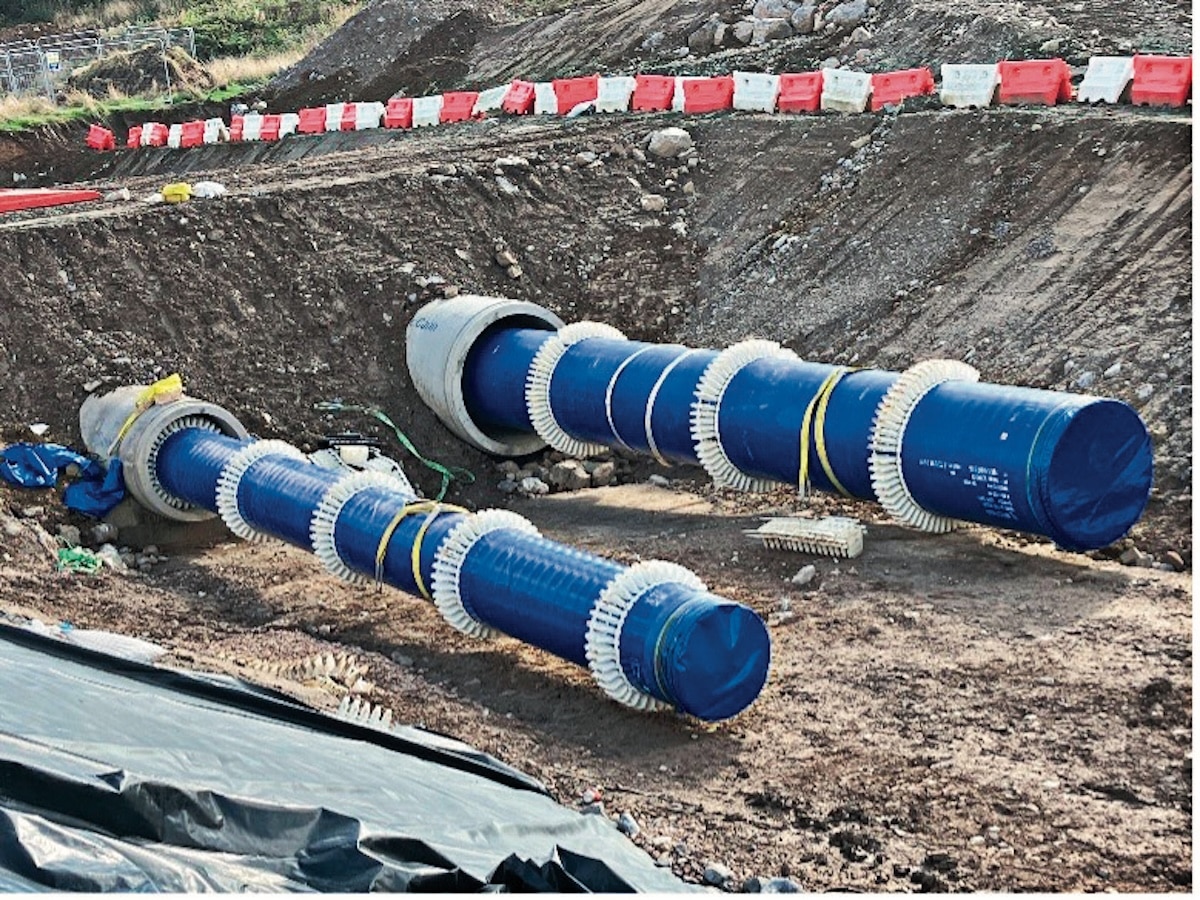
  • Proven product used on Cairns Water Security Stage 1
  • Spacer designs reduce contact and maintain consistent annular spacing
  • Vendor track record spans multiple industries and decades
  • Supplier described as end‑to‑end partner across pipes, fittings, valves and tooling
  • Reliability shown during past systemic disruptions (sector example cited)
  • Contractor operates both versatile and heavy‑duty trenchers

Why it matters

Spacer system selection is an operational cost and mobilisation driver: poorly chosen spacers raise insertion forces, require bigger handling equipment, and increase on-site labour and rework risk for internal carrier installs. Local, full‑service suppliers with stocked inventory and mobilisation experience reduce schedule exposure compared with commodity vendors — treat continuity and breadth of supply as selection criteria, not optional preferences. Availability of heavy trenching fleet affects delivery tempo and OCTG handling windows: machine choice (versatile vs heavy‑duty) changes how quickly multiple, dispersed sites can be serviced and how OCTG is staged and installed. Process-control and RTU/SCADA product announcements reinforce the trend toward more OT hardware bundled with projects; expect procurement questions about support, licensing, and integration to reappear in RFQs

Cost / money

  • Higher insertion forces from inappropriate spacer designs can increase mobilisation cost by requiring larger insertion equipment or extra crews during pull-in operations.[1]
  • Choosing suppliers with local stocks and end-to-end services reduces expedited freight and ad-hoc mobilisation premiums, shifting cost risk from emergency buys to managed inventory spending.[3]
  • Specifying heavier trenchers for hard ground may raise daily operating costs but can reduce total project days and associated site overhead; compare machine rental economics against schedule risk.[2]

Supplier / commercial

  • Suppliers who position themselves as partners (inventory + installation tooling) gain leverage on short-notice work and may shorten quote validity windows; expect tighter commercial terms on mobilisation and lead times.[3]
  • Manufacturers of niche components (proven spacer systems) can push for premium pricing on proven designs because small design differences materially affect long-term asset performance.[1]

Safety / operations

  • Poor spacer fit raises insertion friction and uneven loading, which increases mechanical strain during pull-in and heightens risk of coating damage or pipe collision events on site.[1][2]
  • Compressed site schedules driven by limited trencher availability can force overtime or rushed handovers, increasing human-error exposure unless crew rotations and competency are validated.[2][3]

What to watch

  • Process-control product rollouts mean more OT endpoints on projects — watch for suppliers to bundle hardware with cloud/managed options that could introduce recurring licence costs if not declared.[4]
  • Vendor claims of 'lightweight and fast install' spacer systems should be validated against insertion-force data and actual field conditions to avoid hidden handling costs and schedule slips.[1]

Top stories

Story 1The Australian PipelinerMay 25, 2026

Why spacer systems matter in a pipeline project

Signal strongSource-grounded

What happened

The article explains why pipeline spacer systems are critical in slip-lining and other carrier‑in‑host installs. It highlights that poor centralisation can create point loading and uneven grout or coating stress that increases insertion forces and on-site equipment needs. Watch whether suppliers provide insertion‑force data and field test reports for proposed spacer designs

Buyer takeaway

Spacer selection changes mobilisation scope; require documented insertion‑force limits and handling recommendations up front

Cost / money

Directional: higher insertion forces imply larger handling equipment and possible labour increases, raising mobilisation and short‑term execution cost

Supplier / commercial

Suppliers with proven spacer products can demand premium terms and shorter quote validity if demand for reliable fit increases

Safety / operations

Incorrect spacer fit raises mechanical strain during pull‑in and risks coating damage or pipe contact events on site

What to watch

Ask for real-world pull-in data and case studies — vendor marketing claims should be backed with measurable insertion-force evidence

Key facts

  • Proven product used on Cairns Water Security Stage 1
  • Spacer designs reduce contact and maintain consistent annular spacing
  • Vendor track record spans multiple industries and decades

Source excerpts

Poorly designed spacers can create excessive insertion forces, requiring larger equipment and increasing costs
Additionally, its spacer systems are proven on major infrastructure projects around the world
Poor centralisation or high-friction materials can cause damage during installation, stripping coatings or weakening pipe walls before the asset is even commissioned
Story 2The Australian PipelinerMay 25, 2026

Building resilient pipeline projects

Signal moderateSource-grounded

What happened

The piece profiles a regional supplier model that stresses dependable partnership, inventory, and end‑to‑end services. It makes operational reality clear: contractors rely on these partners during schedule compression or emergency work because local stock and responsiveness materially reduce disruption. Watch whether tenders favour full‑service distributors over low‑cost, single-product sellers

Buyer takeaway

Local, full‑service suppliers reduce emergency freight and mobilisation uncertainty — weight continuity in supplier evaluation

Cost / money

Having local stock reduces expedited freight and associated premiums, shifting spend to planned inventory management

Supplier / commercial

These suppliers can require longer terms or priority allocations; expect negotiation on lead times and delivery windows

Safety / operations

Familiar, local crews and consistent tooling lower handover errors and ramp-up safety risks at multiple sites

What to watch

Verify actual inventory levels and mobilisation capability rather than accepting reputation claims at face value

Key facts

  • Supplier described as end‑to‑end partner across pipes, fittings, valves and tooling
  • Reliability shown during past systemic disruptions (sector example cited)

Source excerpts

“It means recognising the customers who have been with us through every cycle and ensuring we support them with transparent communication, dependable supply, and a commitment to long term partnership. ” That ethos extends across the full spectrum of the industry, from Tier 1 contractors delivering major infrastructure programs to apprentices stepping onto site for the first time
In a sector where pressure defines both the product and the operating environment, the value of dependable partnerships can’t be overstated. When project timelines tighten, emergency work springs up, or global supply chains waver, the difference between a supplier and a partner becomes clear
Lengths of PVC pipe ready for installation
Story 3The Australian PipelinerMay 25, 2026

Machines that deliver

Signal moderateSource-grounded

What happened

The article details trenching machine types and a contractor's fleet choices used in large gathering network builds. It notes that versatile trenchers are favoured for multi‑site work while heavier units are used in demanding ground, which directly affects daily production and site cadence. Watch machine availability against planned site windows; machine mismatch can create schedule and OCTG staging pressure

Buyer takeaway

Confirm trencher class and availability against site ground profile to avoid schedule slippage and extra mobilisation

Cost / money

Heavier trenchers cost more per day but can cut overall project days; compare rental vs schedule risk in cost models

Supplier / commercial

Trencher availability and fleet composition are negotiating levers — secure allocation windows in contracts where critical

Safety / operations

Using underpowered machines in hard ground increases mechanical failures and on-site hazard exposure

What to watch

Ask bidders to tie machine selection to ground-condition surveys; avoid accepting generic machine availability claims

Key facts

  • Contractor operates both versatile and heavy‑duty trenchers
  • Machine choice tied to ground conditions and daily metre production

Source excerpts

” For operators on site, machine performance is measured in practical terms: handling, ease of operation, and daily production. Machine Operator Russell ‘Rooster’ Mackay shared his experience with the trenchers
” For operators on site, machine performance is measured in practical terms: handling, ease of operation, and daily production
Some of Australia’s largest oil and gas producers rely on MPK for its end-to-end facility solutions – from concept and development to transmission and distribution
Story 4Processonline

Process control systems :: Process Online

Signal limitedDirectional

What happened

This is a roundup of process-control and OT products including RTUs, cloud SCADA, DCS updates and edge computing hardware. The operational reality is that more control hardware and software options will be presented during procurement, sometimes bundled with managed services and cloud offers. Watch tenders for undisclosed licence or managed-service elements and require clear pass-through declarations

Buyer takeaway

Require suppliers to declare OT/cloud components and ongoing support models during tendering to avoid hidden OPEX

Cost / money

Bundled cloud or managed services can create recurring costs that need contractual limits and disclosure

Supplier / commercial

Vendors may shorten quote validity to push managed-service adoption; negotiate terms for pass-throughs and termination

Safety / operations

More OT endpoints increase cyber and OT incident exposure; demand OT acceptance gates and incident containment responsibilities

What to watch

This is a thematic product roundup — treat it as a moderate signal that OT bundling will continue rather than proof of immediate contractual change

Key facts

  • Multiple RTU, SCADA and DCS product announcements and deployments noted
  • Cloud‑based SCADA and Australian RTU tech expansion highlighted

Source excerpts

← Previous 1 2 3 4 5 6 7 8 9 … 46 47 Next →
Process control systems Siemens expands digital water solutions 06 May, 2026 | Supplied by: Siemens Ltd Siemens has expanded its digital water range with SIWA Quality Inspector and SIWA Treatment Optimizer. Fisher IC2 cryogenic top-entry control valve 04 May, 2026 | Supplied by: Emerson The Fisher IC2 cryogenic top-entry control valve is designed for cold box applications in air separation units, hydrogen liquefaction and LNG production
Cloud-based SCADA to integrate renewable energy sites 26 February, 2026 | Supplied by: Siemens Ltd Siemens has announced it will deliver one of Australia's largest cloud‍-‍based SCADA systems for renewable energy

VP Snapshot

Executive Risk & Action View

Spacer system selection is an operational cost and mobilisation driver: poorly chosen spacers raise insertion forces, require bigger handling equipment, and increase on-site labour and rework risk for internal carrier installs.

Overall
61
Cost
79
Supply
43
Schedule
38
Compliance
15

Top signals

30-180dcost

Signal 1: Cost / money

Higher insertion forces from inappropriate spacer designs can increase mobilisation cost by requiring larger insertion equipment or extra crews during pull-in operations.

Signal 2: Cost / money

Choosing suppliers with local stocks and end-to-end services reduces expedited freight and ad-hoc mobilisation premiums, shifting cost risk from emergency buys to managed inventory spending.

Signal 3: Cost / money

Specifying heavier trenchers for hard ground may raise daily operating costs but can reduce total project days and associated site overhead; compare machine rental economics against schedule risk.

30-180dcommercial

Signal 4: Supplier / commercial

Suppliers who position themselves as partners (inventory + installation tooling) gain leverage on short-notice work and may shorten quote validity windows; expect tighter commercial terms on mobilisation and lead times.

Signal 5: Supplier / commercial

Manufacturers of niche components (proven spacer systems) can push for premium pricing on proven designs because small design differences materially affect long-term asset performance.

30-180dsupplier

Signal 6: Safety / operations

Poor spacer fit raises insertion friction and uneven loading, which increases mechanical strain during pull-in and heightens risk of coating damage or pipe collision events on site.

Recommended actions

CategoryDue 3d

Add a spacer‑fit question set to immediate RFQs asking for insertion force data, recommended handling equipment, and onsite tooling needs.

RFQ responses include insertion-force specs and recommended equipment so bids can be compared on true mobilisation cost.

CategoryDue 3d

Contact primary local distributors to confirm current inventory of major OCTG sizes and availability of on-site support or tooling.

Updated mobilisation map showing which suppliers can supply stocked OCTG and on-site tooling within planned site windows.

ContractsDue 21d

Update pre-qualification questions to require evidence of spacer product performance (insertion force testing, case studies) and trenching capability statements.

PQ register flags suppliers with proven spacer performance and confirmed trencher availability for faster shortlist decisions.

ContractsDue 21d

Require suppliers to declare any OT/cloud components and ongoing licence or managed-service fees in tender responses.

Tender submissions list any recurring fees or managed-service scopes so total cost of ownership is visible during award.

OpsDue 21d

Map on-site handling and crew competency needs tied to machine choices and spacer types; include these in sourcing evaluation criteria.

Sourcing scorecards include handling and competency metrics that reduce on-site delays and safety incidents.

LegalDue 60d

Amend framework contracts to include clause for declared pass-throughs of recurring OT/subscription fees and to require supplier-supplied insertion-force verification for propri...

Frameworks that limit unexpected recurring charges and require supplier accountability for spacer performance during mobilisation.

Risk register

RiskTriggerMitigation
Process-control product rollouts mean more OT endpoints on projects — watch for suppliers to bundle hardware with cloud/managed options that could introduce recurring licence costs if not declared.Process-control product rollouts mean more OT endpoints on projects — watch for suppliers to bundle hardware with cloud/managed options that could introduce recurring licence costs if not declared.Confirm exposure with category, contracts, and operations before the next supplier commitment.
Vendor claims of 'lightweight and fast install' spacer systems should be validated against insertion-force data and actual field conditions to avoid hidden handling costs and schedule slips.Vendor claims of 'lightweight and fast install' spacer systems should be validated against insertion-force data and actual field conditions to avoid hidden handling costs and schedule slips.Confirm exposure with category, contracts, and operations before the next supplier commitment.

CM Snapshot

Category Manager Decision Detail

Today's priorities

Add a spacer‑fit question set to immediate RFQs asking for insertion force data, recommended handling equipment, and onsite tooling needs.

Do this because spacer selection materially changes mobilisation equipment and labour needs and suppliers can supply numeric fit constraints that affect mobilisation decisions.

Due 3d

high

CM move

Use this as the immediate supplier or contract action to move before the next sourcing gate.

Contact primary local distributors to confirm current inventory of major OCTG sizes and availability of on-site support or tooling.

Do this because local suppliers with stock and installation support reduce expedited freight and schedule risk when trenching or slip‑lining windows tighten.

Due 3d

high

CM move

Use this as the immediate supplier or contract action to move before the next sourcing gate.

Update pre-qualification questions to require evidence of spacer product performance (insertion force testing, case studies) and trenching capability statements.

Do this because validating product performance and machine availability during supplier pre-qualification reduces downstream rework and mobilisation changes.

Due 21d

high

CM move

Use this as the immediate supplier or contract action to move before the next sourcing gate.

Require suppliers to declare any OT/cloud components and ongoing licence or managed-service fees in tender responses.

Do this because process-control and RTU/SCADA options are appearing in project suppliers and undisclosed recurring costs create OPEX exposures.

Due 21d

high

CM move

Use this as the immediate supplier or contract action to move before the next sourcing gate.

Supplier radar

The Australian Pipeliner

high

Observed supplier signal

Suppliers who position themselves as partners (inventory + installation tooling) gain leverage on short-notice work and may shorten quote validity windows; expect tighter commercial terms on mobilisation and lead times.

Commercial implication

Suppliers who position themselves as partners (inventory + installation tooling) gain leverage on short-notice work and may shorten quote validity windows; expect tighter commercial terms on mobilisation and lead times.

Next step: Validate the source-backed signal with incumbents and alternates before the next award or pricing decision.

The Australian Pipeliner

high

Observed supplier signal

Manufacturers of niche components (proven spacer systems) can push for premium pricing on proven designs because small design differences materially affect long-term asset performance.

Commercial implication

Manufacturers of niche components (proven spacer systems) can push for premium pricing on proven designs because small design differences materially affect long-term asset performance.

Next step: Validate the source-backed signal with incumbents and alternates before the next award or pricing decision.

Negotiation levers

Add a spacer‑fit question set to immediate RFQs asking for insertion force data, recommended handling equipment, and onsite tooling needs.

When to use: Do this because spacer selection materially changes mobilisation equipment and labour needs and suppliers can supply numeric fit constraints that affect mobilisation decisions.

Expected outcome: RFQ responses include insertion-force specs and recommended equipment so bids can be compared on true mobilisation cost.

Commercial mechanism to carry into the next supplier conversation

Contact primary local distributors to confirm current inventory of major OCTG sizes and availability of on-site support or tooling.

When to use: Do this because local suppliers with stock and installation support reduce expedited freight and schedule risk when trenching or slip‑lining windows tighten.

Expected outcome: Updated mobilisation map showing which suppliers can supply stocked OCTG and on-site tooling within planned site windows.

Commercial mechanism to carry into the next supplier conversation

Update pre-qualification questions to require evidence of spacer product performance (insertion force testing, case studies) and trenching capability statements.

When to use: Do this because validating product performance and machine availability during supplier pre-qualification reduces downstream rework and mobilisation changes.

Expected outcome: PQ register flags suppliers with proven spacer performance and confirmed trencher availability for faster shortlist decisions.

Commercial mechanism to carry into the next supplier conversation

Require suppliers to declare any OT/cloud components and ongoing licence or managed-service fees in tender responses.

When to use: Do this because process-control and RTU/SCADA options are appearing in project suppliers and undisclosed recurring costs create OPEX exposures.

Expected outcome: Tender submissions list any recurring fees or managed-service scopes so total cost of ownership is visible during award.

Commercial mechanism to carry into the next supplier conversation

Talking points

Spacer system selection is an operational cost and mobilisation driver: poorly chosen spacers raise insertion forces, require bigger handling equipment, and increase on-site labour and rework risk for internal carrier installs.
Local, full‑service suppliers with stocked inventory and mobilisation experience reduce schedule exposure compared with commodity vendors — treat continuity and breadth of supply as selection criteria, not optional preferences.
Availability of heavy trenching fleet affects delivery tempo and OCTG handling windows: machine choice (versatile vs heavy‑duty) changes how quickly multiple, dispersed sites can be serviced and how OCTG is staged and installed.
Process-control and RTU/SCADA product announcements reinforce the trend toward more OT hardware bundled with projects; expect procurement questions about support, licensing, and integration to reappear in RFQs.

Supplier radar

SupplierSignalImplicationNext stepConfidence
The Australian PipelinerSuppliers who position themselves as partners (inventory + installation tooling) gain leverage on short-notice work and may shorten quote validity windows; expect tighter commercial terms on mobilisation and lead times.Suppliers who position themselves as partners (inventory + installation tooling) gain leverage on short-notice work and may shorten quote validity windows; expect tighter commercial terms on mobilisation and lead times.Validate the source-backed signal with incumbents and alternates before the next award or pricing decision.high
The Australian PipelinerManufacturers of niche components (proven spacer systems) can push for premium pricing on proven designs because small design differences materially affect long-term asset performance.Manufacturers of niche components (proven spacer systems) can push for premium pricing on proven designs because small design differences materially affect long-term asset performance.Validate the source-backed signal with incumbents and alternates before the next award or pricing decision.high

Negotiation levers

  • Add a spacer‑fit question set to immediate RFQs asking for insertion force data, recommended handling equipment, and onsite tooling needs.Do this because spacer selection materially changes mobilisation equipment and labour needs and suppliers can supply numeric fit constraints that affect mobilisation decisions.RFQ responses include insertion-force specs and recommended equipment so bids can be compared on true mobilisation cost.

    high confidence

  • Contact primary local distributors to confirm current inventory of major OCTG sizes and availability of on-site support or tooling.Do this because local suppliers with stock and installation support reduce expedited freight and schedule risk when trenching or slip‑lining windows tighten.Updated mobilisation map showing which suppliers can supply stocked OCTG and on-site tooling within planned site windows.

    high confidence

  • Update pre-qualification questions to require evidence of spacer product performance (insertion force testing, case studies) and trenching capability statements.Do this because validating product performance and machine availability during supplier pre-qualification reduces downstream rework and mobilisation changes.PQ register flags suppliers with proven spacer performance and confirmed trencher availability for faster shortlist decisions.

    high confidence

  • Require suppliers to declare any OT/cloud components and ongoing licence or managed-service fees in tender responses.Do this because process-control and RTU/SCADA options are appearing in project suppliers and undisclosed recurring costs create OPEX exposures.Tender submissions list any recurring fees or managed-service scopes so total cost of ownership is visible during award.

    high confidence

What to do / What to watch

What to do now

  • Add a spacer‑fit question set to immediate RFQs asking for insertion force data, recommended handling equipment, and onsite tooling needs.

    Why: Do this because spacer selection materially changes mobilisation equipment and labour needs and suppliers can supply numeric fit constraints that affect mobilisation decisions.

    Owner: Category

    Expected outcome: RFQ responses include insertion-force specs and recommended equipment so bids can be compared on true mobilisation cost.

    [1]
  • Contact primary local distributors to confirm current inventory of major OCTG sizes and availability of on-site support or tooling.

    Why: Do this because local suppliers with stock and installation support reduce expedited freight and schedule risk when trenching or slip‑lining windows tighten.

    Owner: Category

    Expected outcome: Updated mobilisation map showing which suppliers can supply stocked OCTG and on-site tooling within planned site windows.

    [3]

Next few weeks

  • Update pre-qualification questions to require evidence of spacer product performance (insertion force testing, case studies) and trenching capability statements.

    Why: Do this because validating product performance and machine availability during supplier pre-qualification reduces downstream rework and mobilisation changes.

    Owner: Contracts

    Expected outcome: PQ register flags suppliers with proven spacer performance and confirmed trencher availability for faster shortlist decisions.

    [1][2]
  • Require suppliers to declare any OT/cloud components and ongoing licence or managed-service fees in tender responses.

    Why: Do this because process-control and RTU/SCADA options are appearing in project suppliers and undisclosed recurring costs create OPEX exposures.

    Owner: Contracts

    Expected outcome: Tender submissions list any recurring fees or managed-service scopes so total cost of ownership is visible during award.

    [4]
  • Map on-site handling and crew competency needs tied to machine choices and spacer types; include these in sourcing evaluation criteria.

    Why: Do this because trencher selection and spacer handling change crew skill and PPE requirements and affect safety and schedule on execution.

    Owner: Ops

    Expected outcome: Sourcing scorecards include handling and competency metrics that reduce on-site delays and safety incidents.

    [2][1]

Longer view

  • Amend framework contracts to include clause for declared pass-throughs of recurring OT/subscription fees and to require supplier-supplied insertion-force verification for propri...

    Why: Do this because without explicit contract rules suppliers may bundle recurring OT costs or avoid responsibility for spacer fit performance, shifting OPEX and liability to the bu...

    Owner: Legal

    Expected outcome: Frameworks that limit unexpected recurring charges and require supplier accountability for spacer performance during mobilisation.

    [4][1]

What to watch

  • Process-control product rollouts mean more OT endpoints on projects — watch for suppliers to bundle hardware with cloud/managed options that could introduce recurring licence costs if not declared
  • Vendor claims of 'lightweight and fast install' spacer systems should be validated against insertion-force data and actual field conditions to avoid hidden handling costs and schedule slips
  • Process-control product rollouts mean more OT endpoints on projects — watch for suppliers to bundle hardware with cloud/managed options that could introduce recurring licence costs if not declared.: Process-control product rollouts mean more OT endpoints on projects — watch for suppliers to bundle hardware with cloud/managed options that could introduce recurring licence costs if not declared
  • Vendor claims of 'lightweight and fast install' spacer systems should be validated against insertion-force data and actual field conditions to avoid hidden handling costs and schedule slips.: Vendor claims of 'lightweight and fast install' spacer systems should be validated against insertion-force data and actual field conditions to avoid hidden handling costs and schedule slips
  • Spacer system selection is an operational cost and mobilisation driver: poorly chosen spacers raise insertion forces, require bigger handling equipment, and increase on-site labour and rework risk for internal carrier installs
  • Local, full‑service suppliers with stocked inventory and mobilisation experience reduce schedule exposure compared with commodity vendors — treat continuity and breadth of supply as selection criteria, not optional preferences
  • Availability of heavy trenching fleet affects delivery tempo and OCTG handling windows: machine choice (versatile vs heavy‑duty) changes how quickly multiple, dispersed sites can be serviced and how OCTG is staged and installed
  • Process-control and RTU/SCADA product announcements reinforce the trend toward more OT hardware bundled with projects; expect procurement questions about support, licensing, and integration to reappear in RFQs

Market pulse

IndexLatestChangeAs of
HRC Steel (HRC)740 /ton+0.00 (+0.00%)May 26, 2026, 10:11 PM
Copper (COPPER)3.85 /lb+0.00 (+0.00%)May 26, 2026, 10:11 PM
Iron Ore (IRON)108.5 /t+0.00 (+0.00%)May 26, 2026, 10:11 PM
Tenaris (TS)32 +0.00 (+0.00%)May 26, 2026, 10:11 PM
  • HRC Steel: HRC steel price direction affects OCTG plate and casing raw‑material cost exposure; monitor for pass-throughs in supplier quotes
  • Iron Ore: Iron ore trends signal base material availability and longer‑lead raw material pricing pressure for tubulars and trenching equipment components
  • Tenaris: Tenaris stock/market moves can indicate OCTG supplier margin pressure and potential impacts on lead times or quote firmness

Sources

Inline citations jump here. Expand a source to read the excerpt, the AI interpretation, and the original link.

[1] Why spacer systems matter in a pipeline project

pipeliner.com.au · May 25, 2026

Expand

AI reading

The article explains why pipeline spacer systems are critical in slip-lining and other carrier‑in‑host installs. It highlights that poor centralisation can create point loading and uneven grout or coating stress that increases insertion forces and on-site equipment needs. Watch whether suppliers provide insertion‑force data and field test reports for proposed spacer designs

Buyer takeaway

Spacer selection changes mobilisation scope; require documented insertion‑force limits and handling recommendations up front

Cost / money

Directional: higher insertion forces imply larger handling equipment and possible labour increases, raising mobilisation and short‑term execution cost

Supplier / commercial

Suppliers with proven spacer products can demand premium terms and shorter quote validity if demand for reliable fit increases

Safety / operations

Incorrect spacer fit raises mechanical strain during pull‑in and risks coating damage or pipe contact events on site

What to watch

Ask for real-world pull-in data and case studies — vendor marketing claims should be backed with measurable insertion-force evidence

Key facts

  • Proven product used on Cairns Water Security Stage 1
  • Spacer designs reduce contact and maintain consistent annular spacing
  • Vendor track record spans multiple industries and decades

Source excerpts

Poorly designed spacers can create excessive insertion forces, requiring larger equipment and increasing costs
Additionally, its spacer systems are proven on major infrastructure projects around the world
Poor centralisation or high-friction materials can cause damage during installation, stripping coatings or weakening pipe walls before the asset is even commissioned

Used in this brief

  • Cost / money: Higher insertion forces from inappropriate spacer designs can increase mobilisation cost by requiring larger insertion equipment or extra crews during pull-in operations
  • Supplier / commercial: Manufacturers of niche components (proven spacer systems) can push for premium pricing on proven designs because small design differences materially affect long-term asset performance
  • Safety / operations: Poor spacer fit raises insertion friction and uneven loading, which increases mechanical strain during pull-in and heightens risk of coating damage or pipe collision events on site
Open original source

[2] Machines that deliver

pipeliner.com.au · May 25, 2026

Expand

AI reading

The article details trenching machine types and a contractor's fleet choices used in large gathering network builds. It notes that versatile trenchers are favoured for multi‑site work while heavier units are used in demanding ground, which directly affects daily production and site cadence. Watch machine availability against planned site windows; machine mismatch can create schedule and OCTG staging pressure

Buyer takeaway

Confirm trencher class and availability against site ground profile to avoid schedule slippage and extra mobilisation

Cost / money

Heavier trenchers cost more per day but can cut overall project days; compare rental vs schedule risk in cost models

Supplier / commercial

Trencher availability and fleet composition are negotiating levers — secure allocation windows in contracts where critical

Safety / operations

Using underpowered machines in hard ground increases mechanical failures and on-site hazard exposure

What to watch

Ask bidders to tie machine selection to ground-condition surveys; avoid accepting generic machine availability claims

Key facts

  • Contractor operates both versatile and heavy‑duty trenchers
  • Machine choice tied to ground conditions and daily metre production

Source excerpts

” For operators on site, machine performance is measured in practical terms: handling, ease of operation, and daily production. Machine Operator Russell ‘Rooster’ Mackay shared his experience with the trenchers
” For operators on site, machine performance is measured in practical terms: handling, ease of operation, and daily production
Some of Australia’s largest oil and gas producers rely on MPK for its end-to-end facility solutions – from concept and development to transmission and distribution

Used in this brief

  • Cost / money: Specifying heavier trenchers for hard ground may raise daily operating costs but can reduce total project days and associated site overhead; compare machine rental economics against schedule risk
  • Next 2-4 weeks — Map on-site handling and crew competency needs tied to machine choices and spacer types; include these in sourcing evaluation criteria.. Rationale: Do this because trencher selection and spacer handling change crew skill and PPE requirements and affect safety and schedule on execution.. Owner: Ops. KPI: Sourcing scorecards include handling and competency metrics that reduce on-site delays and safety incidents
  • Supplier continuity examples from regional distributors (local inventory and end-to-end service) are now more prominent in supplier selection discussions
Open original source

[3] Building resilient pipeline projects

pipeliner.com.au · May 25, 2026

Expand

AI reading

The piece profiles a regional supplier model that stresses dependable partnership, inventory, and end‑to‑end services. It makes operational reality clear: contractors rely on these partners during schedule compression or emergency work because local stock and responsiveness materially reduce disruption. Watch whether tenders favour full‑service distributors over low‑cost, single-product sellers

Buyer takeaway

Local, full‑service suppliers reduce emergency freight and mobilisation uncertainty — weight continuity in supplier evaluation

Cost / money

Having local stock reduces expedited freight and associated premiums, shifting spend to planned inventory management

Supplier / commercial

These suppliers can require longer terms or priority allocations; expect negotiation on lead times and delivery windows

Safety / operations

Familiar, local crews and consistent tooling lower handover errors and ramp-up safety risks at multiple sites

What to watch

Verify actual inventory levels and mobilisation capability rather than accepting reputation claims at face value

Key facts

  • Supplier described as end‑to‑end partner across pipes, fittings, valves and tooling
  • Reliability shown during past systemic disruptions (sector example cited)

Source excerpts

“It means recognising the customers who have been with us through every cycle and ensuring we support them with transparent communication, dependable supply, and a commitment to long term partnership. ” That ethos extends across the full spectrum of the industry, from Tier 1 contractors delivering major infrastructure programs to apprentices stepping onto site for the first time
In a sector where pressure defines both the product and the operating environment, the value of dependable partnerships can’t be overstated. When project timelines tighten, emergency work springs up, or global supply chains waver, the difference between a supplier and a partner becomes clear
Lengths of PVC pipe ready for installation

Used in this brief

  • Next 72 hours — Contact primary local distributors to confirm current inventory of major OCTG sizes and availability of on-site support or tooling.. Rationale: Do this because local suppliers with stock and installation support reduce expedited freight and schedule risk when trenching or slip‑lining windows tighten.. Owner: Category. KPI: Updated mobilisation map showing which suppliers can supply stocked OCTG and on-site tooling within planned site windows
  • The piece profiles a regional supplier model that stresses dependable partnership, inventory, and end‑to‑end services. It makes operational reality clear: contractors rely on these partners during schedule compression or emergency work because local stock and responsiveness materially reduce disruption. Watch whether tenders favour full‑service distributors over low‑cost, single-product sellers
  • Buyer bottom line: prioritise suppliers that combine stocked inventory with mobilisation and installation support to reduce schedule and freight risk
Open original source

[4] Process control systems :: Process Online

processonline.com.au · n.d.

Expand

AI reading

This is a roundup of process-control and OT products including RTUs, cloud SCADA, DCS updates and edge computing hardware. The operational reality is that more control hardware and software options will be presented during procurement, sometimes bundled with managed services and cloud offers. Watch tenders for undisclosed licence or managed-service elements and require clear pass-through declarations

Buyer takeaway

Require suppliers to declare OT/cloud components and ongoing support models during tendering to avoid hidden OPEX

Cost / money

Bundled cloud or managed services can create recurring costs that need contractual limits and disclosure

Supplier / commercial

Vendors may shorten quote validity to push managed-service adoption; negotiate terms for pass-throughs and termination

Safety / operations

More OT endpoints increase cyber and OT incident exposure; demand OT acceptance gates and incident containment responsibilities

What to watch

This is a thematic product roundup — treat it as a moderate signal that OT bundling will continue rather than proof of immediate contractual change

Key facts

  • Multiple RTU, SCADA and DCS product announcements and deployments noted
  • Cloud‑based SCADA and Australian RTU tech expansion highlighted

Source excerpts

← Previous 1 2 3 4 5 6 7 8 9 … 46 47 Next →
Process control systems Siemens expands digital water solutions 06 May, 2026 | Supplied by: Siemens Ltd Siemens has expanded its digital water range with SIWA Quality Inspector and SIWA Treatment Optimizer. Fisher IC2 cryogenic top-entry control valve 04 May, 2026 | Supplied by: Emerson The Fisher IC2 cryogenic top-entry control valve is designed for cold box applications in air separation units, hydrogen liquefaction and LNG production
Cloud-based SCADA to integrate renewable energy sites 26 February, 2026 | Supplied by: Siemens Ltd Siemens has announced it will deliver one of Australia's largest cloud‍-‍based SCADA systems for renewable energy

Used in this brief

  • Next 2-4 weeks — Require suppliers to declare any OT/cloud components and ongoing licence or managed-service fees in tender responses.. Rationale: Do this because process-control and RTU/SCADA options are appearing in project suppliers and undisclosed recurring costs create OPEX exposures.. Owner: Contracts. KPI: Tender submissions list any recurring fees or managed-service scopes so total cost of ownership is visible during award
  • Next quarter — Amend framework contracts to include clause for declared pass-throughs of recurring OT/subscription fees and to require supplier-supplied insertion-force verification for propri.... Rationale: Do this because without explicit contract rules suppliers may bundle recurring OT costs or avoid responsibility for spacer fit performance, shifting OPEX and liability to the bu.... Owner: Legal. KPI: Frameworks that limit unexpected recurring charges and require supplier accountability for spacer performance during mobilisation
  • Process-control product rollouts mean more OT endpoints on projects — watch for suppliers to bundle hardware with cloud/managed options that could introduce recurring licence costs if not declared
Open original source

[5] HRC Steel

cmegroup.com · n.d.

Expand

[6] Iron Ore

finance.yahoo.com · n.d.

Expand

[7] Tenaris

finance.yahoo.com · n.d.

Expand