Operations & Maintenance Services · Australia (Perth)

Reposition O&M Suppliers for Australia's Offshore Decommissioning Surge

Published May 27, 2026, 6:04 AM AWSTAPACFull category signal
Ask AI
ABL finds work on ExxonMobil’s huge Australian offshore decom campaign

In 60 seconds

Top move

ExxonMobil’s Bass Strait decommissioning work creates a confirmed local demand window for marine‑warranty, heavy‑lift and removal services that will affect APAC mobilisation plans

Key takeaways

  • ExxonMobil’s Bass Strait decommissioning work creates a confirmed local demand window for marine‑warranty, heavy‑lift and removal services that will affect APAC mobilisation plans.[1]
  • Reach Subsea and Beacon’s MoA brings two DPII vessels with valid Australian safety cases into immediate market supply, shortening lead times for subsea survey and light intervention work.[2]
  • A lifeboat‑maintenance fatality on a Southeast Asian FSO highlights contractor competency gaps and will likely raise attention on contractor controls, insurance and retainer requests for high‑risk maintenance tasks.[3]
  • A recent FPSO shutdown delivered large man‑hours with zero injuries using flotel support — a practical execution model to consider for high‑intensity O&M or staged decommissioning activity.[4]
  • Net effect is capacity‑ and safety‑driven: expect procurement levers to be prequalification, retainer triggers, mobilisation clauses and SOW clarity rather than immediate commodity price shocks.[1]

What changed since last run

  • Added ExxonMobil Bass Strait decommissioning (ABL MWS role) as a new, confirmed APAC demand signal; not in the prior brief.
  • Added Reach Subsea + Beacon MoA noting immediately deployable DPII vessels with Australian safety cases.
  • Elevated a Southeast Asia FSO fatality to the safety watchlist; this incident was not in the previous run.

Key facts

  • Support role: marine warranty survey for Bass Strait removal campaign
  • Program includes removal of up to a dozen platforms and extensive subsea infrastructure
  • Preparations are under way with heavy‑lift campaign planning and lift vessel assignments noted
  • Partnership combines engineering offering with two DPII vessels (GO Explorer, GO Supporter)
  • Both vessels already have valid Australian Safety Cases
  • Positioned to tender, execute and scale subsea, survey and monitoring work in Australia

Why it matters

ExxonMobil’s Bass Strait decommissioning work creates a confirmed local demand window for marine‑warranty, heavy‑lift and removal services that will affect APAC mobilisation plans. Reach Subsea and Beacon’s MoA brings two DPII vessels with valid Australian safety cases into immediate market supply, shortening lead times for subsea survey and light intervention work. A lifeboat‑maintenance fatality on a Southeast Asian FSO highlights contractor competency gaps and will likely raise attention on contractor controls, insurance and retainer requests for high‑risk maintenance tasks. A recent FPSO shutdown delivered large man‑hours with zero injuries using flotel support — a practical execution model to consider for high‑intensity O&M or staged decommissioning activity

Cost / money

  • Decommissioning demand shifts short‑term spend from routine maintenance to heavy lift, removal and recycling services — buyers should expect different cost structures and potential uplift on specialised lift and disposal scopes.[1]
  • Immediate availability of two DPII vessels reduces some mobilisation premium for small subsea scopes, but could concentrate bidding around vendors that control those assets.[2]
  • Fatal contractor incidents commonly lead to higher insurance scrutiny and potential contractor pricing adjustments or retainer requests on high‑risk maintenance tasks.[3]

Supplier / commercial

  • Operators running large decommission programs are likely to favour proven MWS (marine warranty surveyor) and heavy‑lift incumbents, tightening windows for new suppliers unless pre‑qualified early.[1]
  • Reach Subsea + Beacon’s partnership creates a near‑term supplier with both engineering and vessel control — this can turn into a bundled bid threat that reduces buyer leverage on separate vessel or engineering scopes.[2]
  • Contractors exposed to higher‑risk offshore maintenance may narrow quote validity or ask for retainers to protect mobilisation economics as risk and scrutiny rise after the FSO incident.[3]

Safety / operations

  • The FSO lifeboat maintenance fatality is an immediate operational safety red flag: lifeboat and emergency system maintenance procedures, supervision and contractor competency checks need priority verification.[3]
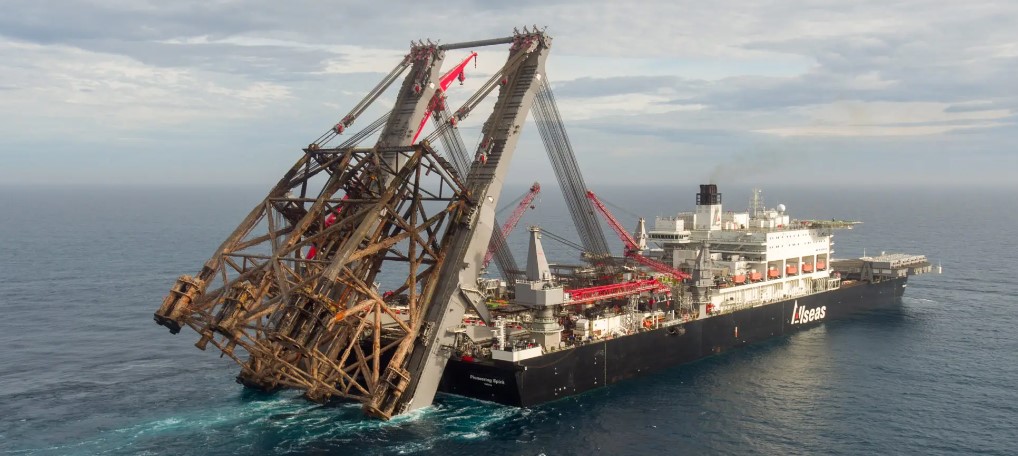
  • Large offshore removals increase lifting, marine spread and UXO (unexploded ordnance) coordination risk; planned use of heavy lifters (e.g., Pioneering Spirit) requires validated marine warranties and lift methodology approvals.[1]
  • Karoon’s FPSO shutdown shows flotel‑supported campaigns can deliver high man‑hours with strong safety performance — this is an operational model to replicate for concentrated activities if contractor and flotel arrangements are robust.[4]

What to watch

  • Watch for suppliers to tighten quote windows and seek retainers as decommissioning scopes firm up; this is an early signal that mobilisation economics will become a negotiation pressure point.[1]
  • Watch vessel scheduling conflicts between decommissioning heavy‑lift slots and increasing subsea work from new partnerships; overlapping demand can create hidden mobilisation delays.[2]

Top stories

Story 1Offshore EnergyMay 26, 2026

ABL finds work on ExxonMobil’s huge Australian offshore decom campaign

Signal strongSource-grounded

What happened

ABL has been hired to provide marine warranty survey support for ExxonMobil’s large Bass Strait decommissioning campaign in Australia. Preparations are advanced and the campaign includes removal of multiple platforms and large subsea infrastructure, with major lifting scheduled to follow preliminary approvals. Watch vessel fit, lift method approvals and recycling obligations as these will determine mobilisation windows and supplier selection

Buyer takeaway

Treat the Bass Strait campaign as a multi‑phase sourcing event that will favour pre‑qualified MWS and heavy‑lift vendors unless we qualify alternatives now

Cost / money

Decommissioning shifts spend profile to heavy lift, specialist removal and recycling scopes; expect different cost drivers than routine O&M

Supplier / commercial

Incumbents and firms already engaged for MWS or heavy‑lift work will have an advantage and can tighten bid windows or ask for retainers

Safety / operations

Large removals require validated marine warranties, lift procedures and coordination with heavy‑lift schedules to avoid safety and schedule failures

What to watch

Watch mobilisation scheduling and whether contractors start shortening quote validity or requiring retainers as scopes firm up

Key facts

  • Support role: marine warranty survey for Bass Strait removal campaign
  • Program includes removal of up to a dozen platforms and extensive subsea infrastructure
  • Preparations are under way with heavy‑lift campaign planning and lift vessel assignments noted

Source excerpts

The latest job in Australia comes shortly after ABL Energy & Marine Consultants Brasil secured the marine warranty surveyor (MWS) role to support Subsea7’s work offshore Brazil
Adam Solomons, East Coast Manager at ABL Australia, commented: “This is a landmark project for Australia’s offshore industry, involving highly complex marine operations, including offshore lifting, transportation and discharge of substantial tonnage of assets that are up to half a century old. “Our extensive track record and multi-disciplined expertise that we offer in decommissioning, alongside our deep experience in offshore Australia – makes ABL well positioned to support Esso in reducing risk and optimizin
” The Bass Strait assets comprise approximately 400 wells, six subsea facilities, more than 800 kilometers of subsea pipelines, and 19 platforms. Esso is planning to undertake the first Bass Strait decommissioning campaign after more than 50 years of delivering energy to Australia
Story 2Offshore EnergyMay 26, 2026

Reach Subsea and Beacon Offshore jointly pursuing subsea projects in Australia

Signal moderateSource-grounded

What happened

Reach Subsea and Beacon Offshore have formed a MoA to jointly pursue subsea projects in Australia, bringing two DPII offshore vessels that already hold valid Australian safety cases. The vessels can be deployed immediately, expanding local subsea capacity and offering quicker mobilisation for survey and light intervention jobs. Monitor whether this partnership competes with or complements incumbent local providers for RFx opportunities

Buyer takeaway

Use this new capacity to create competitive tension on vessel‑dependent scopes, but validate whether bids bundle vessel and engineering to limit split sourcing

Cost / money

Immediate vessel availability can reduce day‑rate premiums for some scopes but may lead to bundled commercial offers that shift leverage

Supplier / commercial

The MoA creates a single point supplier for vessel plus engineering — buyers should insist on unbundled pricing options where practical

Safety / operations

Valid Australian safety cases reduce start‑up administrative delays and support quicker execution if safety documentation is transferrable to our projects

What to watch

Watch for bundled proposals that lock vessels and engineering together, reducing ability to swap suppliers post‑award

Key facts

  • Partnership combines engineering offering with two DPII vessels (GO Explorer, GO Supporter)
  • Both vessels already have valid Australian Safety Cases
  • Positioned to tender, execute and scale subsea, survey and monitoring work in Australia

Source excerpts

According to Reach Subsea, a key element of the partnership is access to two DPII offshore vessels, GO Explorer and GO Supporter, enabling Reach Subsea to expand its operational footprint and service offering in the region. The vessels can immediately be deployed in the market as they are already equipped for subsea operations and have valid Australian Safety Cases
Source: Reach Subsea Under a memorandum of agreement (MoA), the companies will collaborate exclusively to market, tender for, and execute subsea projects in Australia, combining Reach Subsea’s engineering and technology offering with vessel capabilities provided by Beacon Offshore
Home Subsea Reach Subsea and Beacon Offshore jointly pursuing subsea projects in Australia May 26, 2026, by Norwegian Reach Subsea and Texas-based exploration and production company Beacon Offshore have established a strategic partnership to pursue subsea projects offshore Australia. Source: Reach Subsea Under a memorandum of agreement (MoA), the companies will collaborate exclusively to market, tender for, and execute subsea projects in Australia, combining Reach Subsea’s engineering and technology offering wit
Story 3Offshore EnergyMay 26, 2026

Investigation ongoing: Three dead and one injured in Southeast Asian FSO incident

Signal moderateDirectional

What happened

An FSO incident during lifeboat maintenance in Malaysian waters resulted in three deaths and one injury; investigations are ongoing with operator and authorities involved. The event occurred during contractor lifeboat maintenance work, exposing procedural and supervision risk on routine safety systems. Expect heightened scrutiny on lifeboat and emergency equipment work, contractor supervision protocols and insurance/retention requests while the probe continues

Buyer takeaway

Treat lifeboat, davit and emergency‑system maintenance as higher‑scrutiny activities — require proof of competency and supervision plans before award

Cost / money

Expect contractors to factor higher insurance and supervision costs into bids for lifesaving equipment work

Supplier / commercial

Contractors may narrow quote validity or seek retainers to protect mobilisation economics for high‑risk maintenance tasks

Safety / operations

Immediate operational action is needed to verify procedures, supervision, and permits for similar maintenance activities across the portfolio

What to watch

Investigation findings may lead to industry guidance or stricter local regulatory controls that affect how we scope and price these tasks

Key facts

  • Incident occurred during lifeboat maintenance on an FSO in Malaysian waters
  • Three contractor fatalities and one injured person evacuated and under observation
  • Investigations are ongoing with relevant authorities

Source excerpts

50 pm on May 24, 2025, during lifeboat maintenance work at the FSO Sepat, Petronas explained that four contractor personnel were involved in the tragic event, which took place in Malaysian waters
Home Fossil Energy Investigation ongoing: Three dead and one injured in Southeast Asian FSO incident May 26, 2026, by Malaysia’s state-owned oil and gas heavyweight Petronas has shed light on an offshore incident connected with a floating storage and offloading (FSO) unit, which is working at a field off the coast of East Coast Peninsular Malaysia, Southeast Asia. FSO Sepat; Source: Bumi Armada While confirming that an incident occurred at approximately 12
The immediate priority of the company is to support the well-being of those affected,” emphasized the Malaysian firm in its statement
Story 4Offshore EnergyMay 26, 2026

Brazilian oil project back in production mode after 28-day shutdown

Signal strongSource-grounded

What happened

Karoon completed a planned FPSO maintenance shutdown and flotel campaign on the Baúna field on time, within budget and executed over 130,000 man‑hours with zero injuries. The campaign included piping replacement, structural work, painting and underwater hull inspections, and is expected to materially improve FPSO uptime. This is a practical example of flotel‑supported concentrated maintenance delivering safe, timely outcomes — evaluate as an execution model for high‑intensity APAC campaigns

Buyer takeaway

Consider flotel support for concentrated shutdowns to reduce staging complexity and shore‑based logistics, but verify contractor safety performance and mobilisation economics

Cost / money

Flotel models shift some logistics costs on‑site and can reduce long‑haul transport pass‑throughs, but require careful evaluation of daily rates and accommodation pass‑throughs

Supplier / commercial

Suppliers with proven flotel experience and high man‑hour execution records gain leverage for similar concentrated campaigns

Safety / operations

The zero‑injury outcome suggests that well‑executed flotel campaigns can maintain safety during high man‑hour periods if supervision and procedures are strong

What to watch

Model relevance to APAC is limited by vessel availability, local regulations and contractor experience — validate before adopting

Key facts

  • Maintenance campaign executed over 130,000 man‑hours
  • Scope included piping replacement, system upgrades, structural work and underwater hull inspe
  • Campaign completed on time, within budget and forecasts improved FPSO uptime

Source excerpts

” The flotel-supported maintenance and revitalization campaign, which started on February 6, 2026, is progressing as planned, with the work scope being executed both during live operations and the recent 28-day shutdown, covering the replacement of more than approximately 100 tonnes of piping and structures, and the painting of approximately 20,000 square meters of infrastructure. The maintenance shutdown and flotel campaign work are expected to lead to material improvements in system stability and provide sust
This was a remarkable team effort from our employees and contractor base, and I’d like to sincerely thank everyone involved
This unit can produce 80,000 barrels of oil per day and compress 2 million cubic meters of gas a day

VP Snapshot

Executive Risk & Action View

ExxonMobil’s Bass Strait decommissioning work creates a confirmed local demand window for marine‑warranty, heavy‑lift and removal services that will affect APAC mobilisation plans.

Overall
70
Cost
79
Supply
25
Schedule
20
Compliance
15

Top signals

30-180dcost

Signal 1: Cost / money

Decommissioning demand shifts short‑term spend from routine maintenance to heavy lift, removal and recycling services — buyers should expect different cost structures and potential uplift on specialised lift and disposal scopes.

Signal 3: Cost / money

Fatal contractor incidents commonly lead to higher insurance scrutiny and potential contractor pricing adjustments or retainer requests on high‑risk maintenance tasks.

0-30dcost

Signal 2: Cost / money

Immediate availability of two DPII vessels reduces some mobilisation premium for small subsea scopes, but could concentrate bidding around vendors that control those assets.

30-180dcommercial

Signal 4: Supplier / commercial

Operators running large decommission programs are likely to favour proven MWS (marine warranty surveyor) and heavy‑lift incumbents, tightening windows for new suppliers unless pre‑qualified early.

Signal 5: Supplier / commercial

Reach Subsea + Beacon’s partnership creates a near‑term supplier with both engineering and vessel control — this can turn into a bundled bid threat that reduces buyer leverage on separate vessel or engineering scopes.

Signal 6: Supplier / commercial

Contractors exposed to higher‑risk offshore maintenance may narrow quote validity or ask for retainers to protect mobilisation economics as risk and scrutiny rise after the FSO incident.

Recommended actions

CategoryDue 3d

Add ExxonMobil Bass Strait decommissioning, ABL (MWS) and Reach Subsea/Beacon to the active supplier watchlist with mobilisation, vessel and safety‑case flags.

Updated supplier watchlist with mobilisation risk, vessel assignments and safety‑case status for upcoming RFx decisions.

OpsDue 3d

Instruct Ops to perform an immediate verification of lifeboat maintenance procedures, contractor competency records and supervision protocols for any contractors performing offs...

Safety verification report listing gaps and mandatory competency items for inclusion in SOWs and site permits.

OpsDue 21d

Ask Ops to run vessel availability and fit checks for Pioneering Spirit, DPII vessels and suitable heavy‑lift spreads to validate mobilisation windows and identify schedule conf...

Vessel fit/availability matrix and conflict map to inform RFx timing and contingency planning.

ContractsDue 21d

Ask Contracts to draft retainer, quote‑validity and mobilisation clauses tailored to decommissioning and heavy‑lift scopes for rapid insertion into SOWs.

Draft clause set for retainers, mobilisation triggers and quote validity ready for legal review and inclusion in upcoming RFx packages.

CategoryDue 60d

Run a pre‑qualification and capacity test for decommissioning, heavy‑lift and recycling vendors that includes safety case evidence, equipment lists and local workforce plans.

Pre‑qualified roster of decommissioning vendors with verified safety cases and mobilisation readiness to include in tender lists.

ContractsDue 60d

Prepare a template SOW and commercial annex that standardises allocation of mobilisation risk, pass‑throughs and recycling obligations for operator‑led removals.

SOW and annex template for decommissioning scopes that can be reused across RFx to reduce negotiation time and limit pass‑through surprises.

Risk register

RiskTriggerMitigation
Watch for suppliers to tighten quote windows and seek retainers as decommissioning scopes firm up; this is an early signal that mobilisation economics will become a negotiation pressure point.Watch for suppliers to tighten quote windows and seek retainers as decommissioning scopes firm up; this is an early signal that mobilisation economics will become a negotiation pressure point.Confirm exposure with category, contracts, and operations before the next supplier commitment.
Watch vessel scheduling conflicts between decommissioning heavy‑lift slots and increasing subsea work from new partnerships; overlapping demand can create hidden mobilisation delays.Watch vessel scheduling conflicts between decommissioning heavy‑lift slots and increasing subsea work from new partnerships; overlapping demand can create hidden mobilisation delays.Confirm exposure with category, contracts, and operations before the next supplier commitment.

CM Snapshot

Category Manager Decision Detail

Today's priorities

Add ExxonMobil Bass Strait decommissioning, ABL (MWS) and Reach Subsea/Beacon to the active supplier watchlist with mobilisation, vessel and safety‑case flags.

because the Bass Strait campaign and Reach Subsea’s DPII vessels are confirmed local capacity signals that change who can mobilise and how quickly we can award scopes.

Due 3d

high

CM move

Use this as the immediate supplier or contract action to move before the next sourcing gate.

Instruct Ops to perform an immediate verification of lifeboat maintenance procedures, contractor competency records and supervision protocols for any contractors performing offs...

because the recent FSO lifeboat fatality indicates operations and contractor controls for this workstream need confirmation before awarding similar scopes.

Due 3d

high

CM move

Use this as the immediate supplier or contract action to move before the next sourcing gate.

Ask Ops to run vessel availability and fit checks for Pioneering Spirit, DPII vessels and suitable heavy‑lift spreads to validate mobilisation windows and identify schedule conf...

because large removals and newly available DPII vessels change the realistic mobilisation calendar and could create clashes that raise prices or delay execution.

Due 21d

high

CM move

Use this as the immediate supplier or contract action to move before the next sourcing gate.

Ask Contracts to draft retainer, quote‑validity and mobilisation clauses tailored to decommissioning and heavy‑lift scopes for rapid insertion into SOWs.

because suppliers are likely to narrow quote validity or request retainers as decommissioning demand firms up, and clearer clauses reduce last‑minute premium exposure.

Due 21d

high

CM move

Use this as the immediate supplier or contract action to move before the next sourcing gate.

Supplier radar

Offshore Energy

high

Observed supplier signal

Operators running large decommission programs are likely to favour proven MWS (marine warranty surveyor) and heavy‑lift incumbents, tightening windows for new suppliers unless pre‑qualified early.

Commercial implication

Operators running large decommission programs are likely to favour proven MWS (marine warranty surveyor) and heavy‑lift incumbents, tightening windows for new suppliers unless pre‑qualified early.

Next step: Validate the source-backed signal with incumbents and alternates before the next award or pricing decision.

Offshore Energy

high

Observed supplier signal

Reach Subsea + Beacon’s partnership creates a near‑term supplier with both engineering and vessel control — this can turn into a bundled bid threat that reduces buyer leverage on separate vessel or engineering scopes.

Commercial implication

Reach Subsea + Beacon’s partnership creates a near‑term supplier with both engineering and vessel control — this can turn into a bundled bid threat that reduces buyer leverage on separate vessel or engineering scopes.

Next step: Validate the source-backed signal with incumbents and alternates before the next award or pricing decision.

Offshore Energy

high

Observed supplier signal

Contractors exposed to higher‑risk offshore maintenance may narrow quote validity or ask for retainers to protect mobilisation economics as risk and scrutiny rise after the FSO incident.

Commercial implication

Contractors exposed to higher‑risk offshore maintenance may narrow quote validity or ask for retainers to protect mobilisation economics as risk and scrutiny rise after the FSO incident.

Next step: Validate the source-backed signal with incumbents and alternates before the next award or pricing decision.

Negotiation levers

Add ExxonMobil Bass Strait decommissioning, ABL (MWS) and Reach Subsea/Beacon to the active supplier watchlist with mobilisation, vessel and safety‑case flags.

When to use: because the Bass Strait campaign and Reach Subsea’s DPII vessels are confirmed local capacity signals that change who can mobilise and how quickly we can award scopes.

Expected outcome: Updated supplier watchlist with mobilisation risk, vessel assignments and safety‑case status for upcoming RFx decisions.

Commercial mechanism to carry into the next supplier conversation

Instruct Ops to perform an immediate verification of lifeboat maintenance procedures, contractor competency records and supervision protocols for any contractors performing offs...

When to use: because the recent FSO lifeboat fatality indicates operations and contractor controls for this workstream need confirmation before awarding similar scopes.

Expected outcome: Safety verification report listing gaps and mandatory competency items for inclusion in SOWs and site permits.

Commercial mechanism to carry into the next supplier conversation

Ask Ops to run vessel availability and fit checks for Pioneering Spirit, DPII vessels and suitable heavy‑lift spreads to validate mobilisation windows and identify schedule conf...

When to use: because large removals and newly available DPII vessels change the realistic mobilisation calendar and could create clashes that raise prices or delay execution.

Expected outcome: Vessel fit/availability matrix and conflict map to inform RFx timing and contingency planning.

Commercial mechanism to carry into the next supplier conversation

Ask Contracts to draft retainer, quote‑validity and mobilisation clauses tailored to decommissioning and heavy‑lift scopes for rapid insertion into SOWs.

When to use: because suppliers are likely to narrow quote validity or request retainers as decommissioning demand firms up, and clearer clauses reduce last‑minute premium exposure.

Expected outcome: Draft clause set for retainers, mobilisation triggers and quote validity ready for legal review and inclusion in upcoming RFx packages.

Commercial mechanism to carry into the next supplier conversation

Talking points

ExxonMobil’s Bass Strait decommissioning work creates a confirmed local demand window for marine‑warranty, heavy‑lift and removal services that will affect APAC mobilisation plans.
Reach Subsea and Beacon’s MoA brings two DPII vessels with valid Australian safety cases into immediate market supply, shortening lead times for subsea survey and light intervention work.
A lifeboat‑maintenance fatality on a Southeast Asian FSO highlights contractor competency gaps and will likely raise attention on contractor controls, insurance and retainer requests for high‑risk maintenance tasks.
A recent FPSO shutdown delivered large man‑hours with zero injuries using flotel support — a practical execution model to consider for high‑intensity O&M or staged decommissioning activity.

Supplier radar

SupplierSignalImplicationNext stepConfidence
Offshore EnergyOperators running large decommission programs are likely to favour proven MWS (marine warranty surveyor) and heavy‑lift incumbents, tightening windows for new suppliers unless pre‑qualified early.Operators running large decommission programs are likely to favour proven MWS (marine warranty surveyor) and heavy‑lift incumbents, tightening windows for new suppliers unless pre‑qualified early.Validate the source-backed signal with incumbents and alternates before the next award or pricing decision.high
Offshore EnergyReach Subsea + Beacon’s partnership creates a near‑term supplier with both engineering and vessel control — this can turn into a bundled bid threat that reduces buyer leverage on separate vessel or engineering scopes.Reach Subsea + Beacon’s partnership creates a near‑term supplier with both engineering and vessel control — this can turn into a bundled bid threat that reduces buyer leverage on separate vessel or engineering scopes.Validate the source-backed signal with incumbents and alternates before the next award or pricing decision.high
Offshore EnergyContractors exposed to higher‑risk offshore maintenance may narrow quote validity or ask for retainers to protect mobilisation economics as risk and scrutiny rise after the FSO incident.Contractors exposed to higher‑risk offshore maintenance may narrow quote validity or ask for retainers to protect mobilisation economics as risk and scrutiny rise after the FSO incident.Validate the source-backed signal with incumbents and alternates before the next award or pricing decision.high

Negotiation levers

  • Add ExxonMobil Bass Strait decommissioning, ABL (MWS) and Reach Subsea/Beacon to the active supplier watchlist with mobilisation, vessel and safety‑case flags.because the Bass Strait campaign and Reach Subsea’s DPII vessels are confirmed local capacity signals that change who can mobilise and how quickly we can award scopes.Updated supplier watchlist with mobilisation risk, vessel assignments and safety‑case status for upcoming RFx decisions.

    high confidence

  • Instruct Ops to perform an immediate verification of lifeboat maintenance procedures, contractor competency records and supervision protocols for any contractors performing offs...because the recent FSO lifeboat fatality indicates operations and contractor controls for this workstream need confirmation before awarding similar scopes.Safety verification report listing gaps and mandatory competency items for inclusion in SOWs and site permits.

    high confidence

  • Ask Ops to run vessel availability and fit checks for Pioneering Spirit, DPII vessels and suitable heavy‑lift spreads to validate mobilisation windows and identify schedule conf...because large removals and newly available DPII vessels change the realistic mobilisation calendar and could create clashes that raise prices or delay execution.Vessel fit/availability matrix and conflict map to inform RFx timing and contingency planning.

    high confidence

  • Ask Contracts to draft retainer, quote‑validity and mobilisation clauses tailored to decommissioning and heavy‑lift scopes for rapid insertion into SOWs.because suppliers are likely to narrow quote validity or request retainers as decommissioning demand firms up, and clearer clauses reduce last‑minute premium exposure.Draft clause set for retainers, mobilisation triggers and quote validity ready for legal review and inclusion in upcoming RFx packages.

    high confidence

What to do / What to watch

What to do now

  • Add ExxonMobil Bass Strait decommissioning, ABL (MWS) and Reach Subsea/Beacon to the active supplier watchlist with mobilisation, vessel and safety‑case flags.

    Why: because the Bass Strait campaign and Reach Subsea’s DPII vessels are confirmed local capacity signals that change who can mobilise and how quickly we can award scopes.

    Owner: Category

    Expected outcome: Updated supplier watchlist with mobilisation risk, vessel assignments and safety‑case status for upcoming RFx decisions.

    [1]
  • Instruct Ops to perform an immediate verification of lifeboat maintenance procedures, contractor competency records and supervision protocols for any contractors performing offs...

    Why: because the recent FSO lifeboat fatality indicates operations and contractor controls for this workstream need confirmation before awarding similar scopes.

    Owner: Ops

    Expected outcome: Safety verification report listing gaps and mandatory competency items for inclusion in SOWs and site permits.

    [3]

Next few weeks

  • Ask Ops to run vessel availability and fit checks for Pioneering Spirit, DPII vessels and suitable heavy‑lift spreads to validate mobilisation windows and identify schedule conf...

    Why: because large removals and newly available DPII vessels change the realistic mobilisation calendar and could create clashes that raise prices or delay execution.

    Owner: Ops

    Expected outcome: Vessel fit/availability matrix and conflict map to inform RFx timing and contingency planning.

    [1]
  • Ask Contracts to draft retainer, quote‑validity and mobilisation clauses tailored to decommissioning and heavy‑lift scopes for rapid insertion into SOWs.

    Why: because suppliers are likely to narrow quote validity or request retainers as decommissioning demand firms up, and clearer clauses reduce last‑minute premium exposure.

    Owner: Contracts

    Expected outcome: Draft clause set for retainers, mobilisation triggers and quote validity ready for legal review and inclusion in upcoming RFx packages.

    [1]

Longer view

  • Run a pre‑qualification and capacity test for decommissioning, heavy‑lift and recycling vendors that includes safety case evidence, equipment lists and local workforce plans.

    Why: because the Bass Strait removal program will prioritise pre‑qualified suppliers and recycling capability, and early qualification preserves competition and limits price uplift.

    Owner: Category

    Expected outcome: Pre‑qualified roster of decommissioning vendors with verified safety cases and mobilisation readiness to include in tender lists.

    [1]
  • Prepare a template SOW and commercial annex that standardises allocation of mobilisation risk, pass‑throughs and recycling obligations for operator‑led removals.

    Why: because large operator decommissioning programs tend to bundle scopes and shift mobilisation exposure; standardized SOWs protect the buyer and speed procurement cycles.

    Owner: Contracts

    Expected outcome: SOW and annex template for decommissioning scopes that can be reused across RFx to reduce negotiation time and limit pass‑through surprises.

    [1]

What to watch

  • Watch for suppliers to tighten quote windows and seek retainers as decommissioning scopes firm up; this is an early signal that mobilisation economics will become a negotiation pressure point
  • Watch vessel scheduling conflicts between decommissioning heavy‑lift slots and increasing subsea work from new partnerships; overlapping demand can create hidden mobilisation delays
  • Watch for suppliers to tighten quote windows and seek retainers as decommissioning scopes firm up; this is an early signal that mobilisation economics will become a negotiation pressure point.: Watch for suppliers to tighten quote windows and seek retainers as decommissioning scopes firm up; this is an early signal that mobilisation economics will become a negotiation pressure point
  • Watch vessel scheduling conflicts between decommissioning heavy‑lift slots and increasing subsea work from new partnerships; overlapping demand can create hidden mobilisation delays.: Watch vessel scheduling conflicts between decommissioning heavy‑lift slots and increasing subsea work from new partnerships; overlapping demand can create hidden mobilisation delays
  • ExxonMobil’s Bass Strait decommissioning work creates a confirmed local demand window for marine‑warranty, heavy‑lift and removal services that will affect APAC mobilisation plans
  • Reach Subsea and Beacon’s MoA brings two DPII vessels with valid Australian safety cases into immediate market supply, shortening lead times for subsea survey and light intervention work
  • A lifeboat‑maintenance fatality on a Southeast Asian FSO highlights contractor competency gaps and will likely raise attention on contractor controls, insurance and retainer requests for high‑risk maintenance tasks
  • A recent FPSO shutdown delivered large man‑hours with zero injuries using flotel support — a practical execution model to consider for high‑intensity O&M or staged decommissioning activity

Market pulse

IndexLatestChangeAs of
WTI Crude (WTI)71.23 /bbl+0.00 (+0.00%)May 26, 2026, 10:07 PM
Brent Crude (BRENT)74.89 /bbl+0.00 (+0.00%)May 26, 2026, 10:07 PM
Natural Gas (NG)3.12 /MMBtu+0.00 (+0.00%)May 26, 2026, 10:07 PM
Johnson Controls (JCI)65 +0.00 (+0.00%)May 26, 2026, 10:07 PM
  • WTI Crude: Oil price direction affects decommissioning economics, vessel demand and heavy‑lift day rates
  • Johnson Controls: Facilities and asset services provider index as a proxy for regional O&M service demand trends

Sources

Inline citations jump here. Expand a source to read the excerpt, the AI interpretation, and the original link.

[1] ABL finds work on ExxonMobil’s huge Australian offshore decom campaign

offshore-energy.biz · May 26, 2026

Expand

AI reading

ABL has been hired to provide marine warranty survey support for ExxonMobil’s large Bass Strait decommissioning campaign in Australia. Preparations are advanced and the campaign includes removal of multiple platforms and large subsea infrastructure, with major lifting scheduled to follow preliminary approvals. Watch vessel fit, lift method approvals and recycling obligations as these will determine mobilisation windows and supplier selection

Buyer takeaway

Treat the Bass Strait campaign as a multi‑phase sourcing event that will favour pre‑qualified MWS and heavy‑lift vendors unless we qualify alternatives now

Cost / money

Decommissioning shifts spend profile to heavy lift, specialist removal and recycling scopes; expect different cost drivers than routine O&M

Supplier / commercial

Incumbents and firms already engaged for MWS or heavy‑lift work will have an advantage and can tighten bid windows or ask for retainers

Safety / operations

Large removals require validated marine warranties, lift procedures and coordination with heavy‑lift schedules to avoid safety and schedule failures

What to watch

Watch mobilisation scheduling and whether contractors start shortening quote validity or requiring retainers as scopes firm up

Key facts

  • Support role: marine warranty survey for Bass Strait removal campaign
  • Program includes removal of up to a dozen platforms and extensive subsea infrastructure
  • Preparations are under way with heavy‑lift campaign planning and lift vessel assignments noted

Source excerpts

The latest job in Australia comes shortly after ABL Energy & Marine Consultants Brasil secured the marine warranty surveyor (MWS) role to support Subsea7’s work offshore Brazil
Adam Solomons, East Coast Manager at ABL Australia, commented: “This is a landmark project for Australia’s offshore industry, involving highly complex marine operations, including offshore lifting, transportation and discharge of substantial tonnage of assets that are up to half a century old. “Our extensive track record and multi-disciplined expertise that we offer in decommissioning, alongside our deep experience in offshore Australia – makes ABL well positioned to support Esso in reducing risk and optimizin
” The Bass Strait assets comprise approximately 400 wells, six subsea facilities, more than 800 kilometers of subsea pipelines, and 19 platforms. Esso is planning to undertake the first Bass Strait decommissioning campaign after more than 50 years of delivering energy to Australia

Used in this brief

  • Supplier / commercial: Operators running large decommission programs are likely to favour proven MWS (marine warranty surveyor) and heavy‑lift incumbents, tightening windows for new suppliers unless pre‑qualified early
  • Safety / operations: Large offshore removals increase lifting, marine spread and UXO (unexploded ordnance) coordination risk; planned use of heavy lifters (e.g., Pioneering Spirit) requires validated marine warranties and lift methodology approvals
  • Next 72 hours — Add ExxonMobil Bass Strait decommissioning, ABL (MWS) and Reach Subsea/Beacon to the active supplier watchlist with mobilisation, vessel and safety‑case flags.. Rationale: because the Bass Strait campaign and Reach Subsea’s DPII vessels are confirmed local capacity signals that change who can mobilise and how quickly we can award scopes.. Owner: Category. KPI: Updated supplier watchlist with mobilisation risk, vessel assignments and safety‑case status for upcoming RFx decisions
Open original source

[2] Reach Subsea and Beacon Offshore jointly pursuing subsea projects in Australia

offshore-energy.biz · May 26, 2026

Expand

AI reading

Reach Subsea and Beacon Offshore have formed a MoA to jointly pursue subsea projects in Australia, bringing two DPII offshore vessels that already hold valid Australian safety cases. The vessels can be deployed immediately, expanding local subsea capacity and offering quicker mobilisation for survey and light intervention jobs. Monitor whether this partnership competes with or complements incumbent local providers for RFx opportunities

Buyer takeaway

Use this new capacity to create competitive tension on vessel‑dependent scopes, but validate whether bids bundle vessel and engineering to limit split sourcing

Cost / money

Immediate vessel availability can reduce day‑rate premiums for some scopes but may lead to bundled commercial offers that shift leverage

Supplier / commercial

The MoA creates a single point supplier for vessel plus engineering — buyers should insist on unbundled pricing options where practical

Safety / operations

Valid Australian safety cases reduce start‑up administrative delays and support quicker execution if safety documentation is transferrable to our projects

What to watch

Watch for bundled proposals that lock vessels and engineering together, reducing ability to swap suppliers post‑award

Key facts

  • Partnership combines engineering offering with two DPII vessels (GO Explorer, GO Supporter)
  • Both vessels already have valid Australian Safety Cases
  • Positioned to tender, execute and scale subsea, survey and monitoring work in Australia

Source excerpts

According to Reach Subsea, a key element of the partnership is access to two DPII offshore vessels, GO Explorer and GO Supporter, enabling Reach Subsea to expand its operational footprint and service offering in the region. The vessels can immediately be deployed in the market as they are already equipped for subsea operations and have valid Australian Safety Cases
Source: Reach Subsea Under a memorandum of agreement (MoA), the companies will collaborate exclusively to market, tender for, and execute subsea projects in Australia, combining Reach Subsea’s engineering and technology offering with vessel capabilities provided by Beacon Offshore
Home Subsea Reach Subsea and Beacon Offshore jointly pursuing subsea projects in Australia May 26, 2026, by Norwegian Reach Subsea and Texas-based exploration and production company Beacon Offshore have established a strategic partnership to pursue subsea projects offshore Australia. Source: Reach Subsea Under a memorandum of agreement (MoA), the companies will collaborate exclusively to market, tender for, and execute subsea projects in Australia, combining Reach Subsea’s engineering and technology offering wit

Used in this brief

  • ExxonMobil’s Bass Strait decommissioning work creates a confirmed local demand window for marine‑warranty, heavy‑lift and removal services that will affect APAC mobilisation plans. Reach Subsea and Beacon’s MoA brings two DPII vessels with valid Australian safety cases into immediate market supply, shortening lead times for subsea survey and light intervention work. A lifeboat‑maintenance fatality on a Southeast Asian FSO highlights contractor competency gaps and will likely raise attention on contractor controls, insurance and retainer requests for high‑risk maintenance tasks. A recent FPSO shutdown delivered large man‑hours with zero injuries using flotel support — a practical execution model to consider for high‑intensity O&M or staged decommissioning activity
  • Cost / money: Immediate availability of two DPII vessels reduces some mobilisation premium for small subsea scopes, but could concentrate bidding around vendors that control those assets
  • Supplier / commercial: Reach Subsea + Beacon’s partnership creates a near‑term supplier with both engineering and vessel control — this can turn into a bundled bid threat that reduces buyer leverage on separate vessel or engineering scopes
Open original source

[3] Investigation ongoing: Three dead and one injured in Southeast Asian FSO incident

offshore-energy.biz · May 26, 2026

Expand

AI reading

An FSO incident during lifeboat maintenance in Malaysian waters resulted in three deaths and one injury; investigations are ongoing with operator and authorities involved. The event occurred during contractor lifeboat maintenance work, exposing procedural and supervision risk on routine safety systems. Expect heightened scrutiny on lifeboat and emergency equipment work, contractor supervision protocols and insurance/retention requests while the probe continues

Buyer takeaway

Treat lifeboat, davit and emergency‑system maintenance as higher‑scrutiny activities — require proof of competency and supervision plans before award

Cost / money

Expect contractors to factor higher insurance and supervision costs into bids for lifesaving equipment work

Supplier / commercial

Contractors may narrow quote validity or seek retainers to protect mobilisation economics for high‑risk maintenance tasks

Safety / operations

Immediate operational action is needed to verify procedures, supervision, and permits for similar maintenance activities across the portfolio

What to watch

Investigation findings may lead to industry guidance or stricter local regulatory controls that affect how we scope and price these tasks

Key facts

  • Incident occurred during lifeboat maintenance on an FSO in Malaysian waters
  • Three contractor fatalities and one injured person evacuated and under observation
  • Investigations are ongoing with relevant authorities

Source excerpts

50 pm on May 24, 2025, during lifeboat maintenance work at the FSO Sepat, Petronas explained that four contractor personnel were involved in the tragic event, which took place in Malaysian waters
Home Fossil Energy Investigation ongoing: Three dead and one injured in Southeast Asian FSO incident May 26, 2026, by Malaysia’s state-owned oil and gas heavyweight Petronas has shed light on an offshore incident connected with a floating storage and offloading (FSO) unit, which is working at a field off the coast of East Coast Peninsular Malaysia, Southeast Asia. FSO Sepat; Source: Bumi Armada While confirming that an incident occurred at approximately 12
The immediate priority of the company is to support the well-being of those affected,” emphasized the Malaysian firm in its statement

Used in this brief

  • Safety / operations: The FSO lifeboat maintenance fatality is an immediate operational safety red flag: lifeboat and emergency system maintenance procedures, supervision and contractor competency checks need priority verification
  • Next 72 hours — Instruct Ops to perform an immediate verification of lifeboat maintenance procedures, contractor competency records and supervision protocols for any contractors performing offs.... Rationale: because the recent FSO lifeboat fatality indicates operations and contractor controls for this workstream need confirmation before awarding similar scopes.. Owner: Ops. KPI: Safety verification report listing gaps and mandatory competency items for inclusion in SOWs and site permits
  • Elevated a Southeast Asia FSO fatality to the safety watchlist; this incident was not in the previous run
Open original source

[4] Brazilian oil project back in production mode after 28-day shutdown

offshore-energy.biz · May 26, 2026

Expand

AI reading

Karoon completed a planned FPSO maintenance shutdown and flotel campaign on the Baúna field on time, within budget and executed over 130,000 man‑hours with zero injuries. The campaign included piping replacement, structural work, painting and underwater hull inspections, and is expected to materially improve FPSO uptime. This is a practical example of flotel‑supported concentrated maintenance delivering safe, timely outcomes — evaluate as an execution model for high‑intensity APAC campaigns

Buyer takeaway

Consider flotel support for concentrated shutdowns to reduce staging complexity and shore‑based logistics, but verify contractor safety performance and mobilisation economics

Cost / money

Flotel models shift some logistics costs on‑site and can reduce long‑haul transport pass‑throughs, but require careful evaluation of daily rates and accommodation pass‑throughs

Supplier / commercial

Suppliers with proven flotel experience and high man‑hour execution records gain leverage for similar concentrated campaigns

Safety / operations

The zero‑injury outcome suggests that well‑executed flotel campaigns can maintain safety during high man‑hour periods if supervision and procedures are strong

What to watch

Model relevance to APAC is limited by vessel availability, local regulations and contractor experience — validate before adopting

Key facts

  • Maintenance campaign executed over 130,000 man‑hours
  • Scope included piping replacement, system upgrades, structural work and underwater hull inspe
  • Campaign completed on time, within budget and forecasts improved FPSO uptime

Source excerpts

” The flotel-supported maintenance and revitalization campaign, which started on February 6, 2026, is progressing as planned, with the work scope being executed both during live operations and the recent 28-day shutdown, covering the replacement of more than approximately 100 tonnes of piping and structures, and the painting of approximately 20,000 square meters of infrastructure. The maintenance shutdown and flotel campaign work are expected to lead to material improvements in system stability and provide sust
This was a remarkable team effort from our employees and contractor base, and I’d like to sincerely thank everyone involved
This unit can produce 80,000 barrels of oil per day and compress 2 million cubic meters of gas a day

Used in this brief

  • Safety / operations: Karoon’s FPSO shutdown shows flotel‑supported campaigns can deliver high man‑hours with strong safety performance — this is an operational model to replicate for concentrated activities if contractor and flotel arrangements are robust
  • Karoon completed a planned FPSO maintenance shutdown and flotel campaign on the Baúna field on time, within budget and executed over 130,000 man‑hours with zero injuries. The campaign included piping replacement, structural work, painting and underwater hull inspections, and is expected to materially improve FPSO uptime. This is a practical example of flotel‑supported concentrated maintenance delivering safe, timely outcomes — evaluate as an execution model for high‑intensity APAC campaigns
  • Buyer bottom line: flotel‑supported, concentrated shutdowns can achieve high man‑hour delivery with strong safety outcomes; consider this model for compressed or high‑scope O&M windows
Open original source

[5] WTI Crude

finance.yahoo.com · n.d.

Expand

[6] Johnson Controls

finance.yahoo.com · n.d.

Expand