Completions & Intervention · Australia (Perth)

Adjust APAC completion sourcing for new local vessel capacity and tech

Published May 27, 2026, 6:00 AM AWSTAPACFull category signal
Ask AI
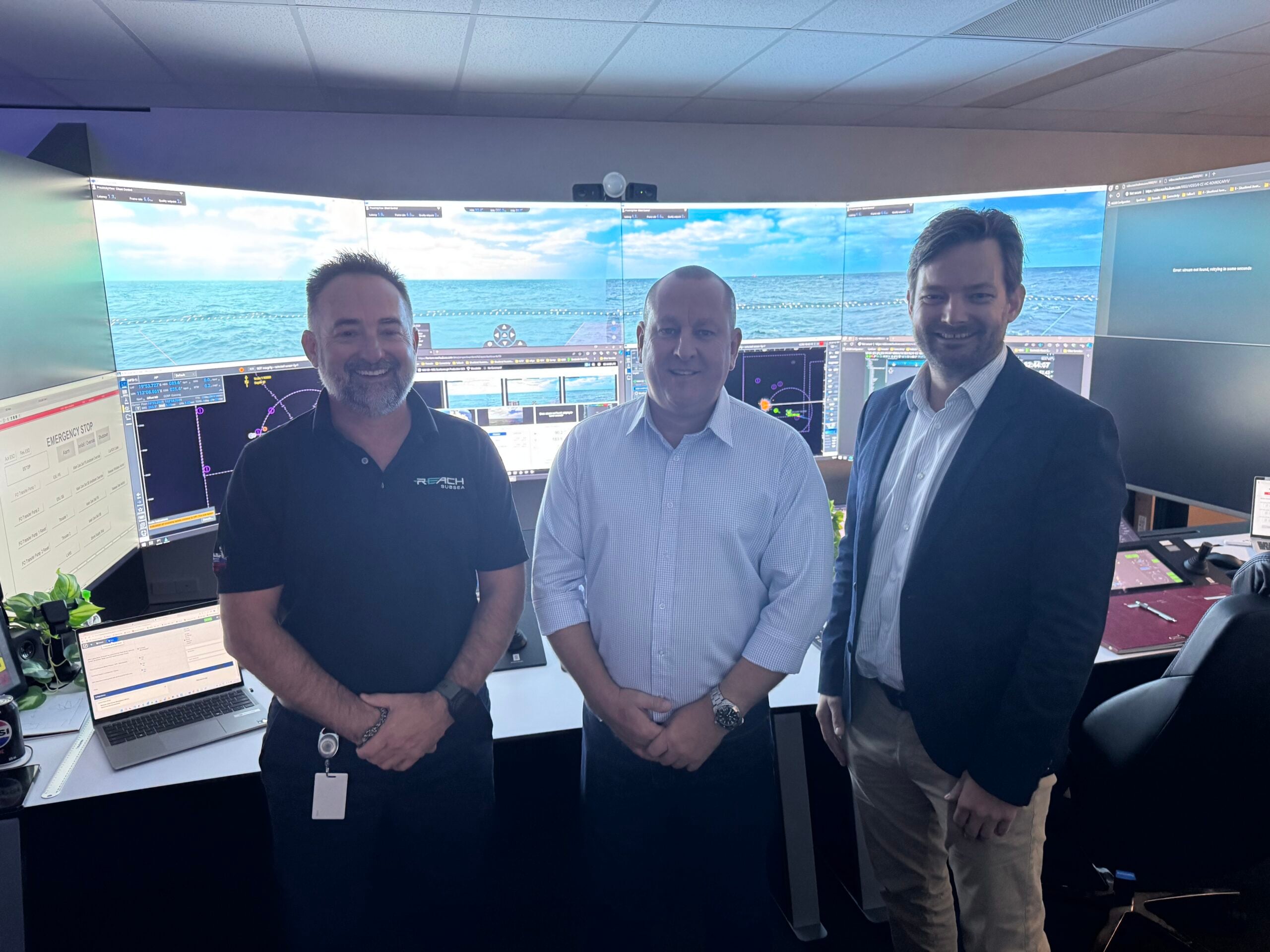
Reach Subsea and Beacon Offshore jointly pursuing subsea projects in Australia

In 60 seconds

Top move

A new Reach Subsea–Beacon Offshore partnership brings two DPII vessels with valid Australian safety cases into the local market, easing vessel access for subsea completion and intervention work in Australia

Key takeaways

  • A new Reach Subsea–Beacon Offshore partnership brings two DPII vessels with valid Australian safety cases into the local market, easing vessel access for subsea completion and intervention work in Australia.[2]
  • ABS has issued a maturity statement for SBM Offshore’s deepwater seawater intake riser cooling tech, making a topside process-efficiency retrofit more commercially viable for FPSO operators and changing OPEX and scope drivers for intervention campaigns.[1]
  • Industry moves on autonomous and simul-frac stimulation (automation, simultaneous well pumping) are shifting vendor expectations for control systems, crew skills, and uptime contracts — this is an early operational trend that could affect stimulation scopes in APAC if adopted locally.[3]
  • Long-term drilling and support contracts in Australia (Bass Strait support awards) keep local service capacity visible; stable local drilling commitments reduce the need for long-haul vessel mobilisations but keep mobilisation windows tight.[4]
  • Overall signal is normal: developments increase local execution options and introduce new tech and capability, but none require immediate contractual overhauls today — monitor supplier bids and mobilisation clauses for concrete changes.[2][1][3][4]

What changed since last run

  • Added a concrete local vessel capacity change: Reach Subsea and Beacon MoA provides immediate access to two DPII offshore vessels with Australian Safety Cases (new since the Otway tie-in focus).
  • New tech qualification: ABS statement of maturity for SBM Offshore SWIR cooling technology is now on record and changes topside retrofit feasibility vs last brief.

Key facts

  • MoA to jointly market and execute subsea projects in Australia
  • Access to two DPII offshore vessels: GO Explorer and GO Supporter
  • Vessels already equipped for subsea ops and hold Australian Safety Cases
  • ABS statement of maturity issued following prototype qualification
  • SWIR pumps seawater from ~700m depth to topsides for cooling
  • Prototype qualification included a six-month campaign witnessed by ABS, Shell, and Petrobras

Why it matters

A new Reach Subsea–Beacon Offshore partnership brings two DPII vessels with valid Australian safety cases into the local market, easing vessel access for subsea completion and intervention work in Australia. ABS has issued a maturity statement for SBM Offshore’s deepwater seawater intake riser cooling tech, making a topside process-efficiency retrofit more commercially viable for FPSO operators and changing OPEX and scope drivers for intervention campaigns. Industry moves on autonomous and simul-frac stimulation (automation, simultaneous well pumping) are shifting vendor expectations for control systems, crew skills, and uptime contracts — this is an early operational trend that could affect stimulation scopes in APAC if adopted locally. Long-term drilling and support contracts in Australia (Bass Strait support awards) keep local service capacity visible; stable local drilling commitments reduce the need for long-haul vessel mobilisations but keep mobilisation windows tight

Cost / money

  • Local vessel availability (two DPII vessels with valid Australian safety cases) can reduce short-term vessel mobilisation premiums and long-haul freight for subsea completion scopes.[2]
  • FPSO process cooling technology qualification lowers fuel-gas consumption risk on topsides and can change the OPEX case used to justify interventions or retrofits, shifting some cost drivers from fuel pass-throughs to retrofit CapEx.[1]

Supplier / commercial

  • New bilateral partnerships (Reach + Beacon) increase local supplier capacity and create an alternative to larger incumbent vessel fleets, strengthening buyer leverage on vessel-day rates and mobilisation terms.[2]
  • Technology qualification (ABS + SBM SWIR) creates a procurement path to vendor-backed design packages for FPSO upgrades, enabling bundled retrofit RFQs that suppliers may price as engineered scopes rather than adhoc services.[1]
  • Simul-frac and autonomous stage control increase vendor differentiation: providers offering integrated automation or proven simul-frac experience may command premiums or require different contract SLAs tied to uptime or equipment telemetry.[3]

Safety / operations

  • Two DPII vessels already holding Australian Safety Cases lowers regulatory friction for subsea work and reduces lead time for safety approvals compared with importing foreign tonnage.[2]
  • Automation in stimulation (autonomous pressure control for simul-fracs) shifts safety focus from manual procedure compliance toward software/controls verification and cyber/controls interfaces during interventions.[3]

What to watch

  • Watch incoming RFQs for suppliers bundling vessel, ROV, and intervention scopes to lock calendar slots — this would limit spot-day negotiation room despite higher local capacity.[2]
  • Watch for FPSO retrofit RFQs that reference SWIR or ABS maturity language; those will convert tech qualification into procurement commitments and change scope definitions for topside contractors.[1]

Top stories

Story 1Offshore EnergyMay 26, 2026

Reach Subsea and Beacon Offshore jointly pursuing subsea projects in Australia

Signal strongSource-grounded

What happened

Reach Subsea and Beacon Offshore signed a memorandum of agreement to jointly pursue subsea projects in Australia. The deal provides access to two DPII offshore vessels (GO Explorer and GO Supporter) that already hold valid Australian Safety Cases and can be marketed and tendered immediately. Watch whether those vessels are priced into local RFQs as bundled mobilisation packages or offered separately

Buyer takeaway

Treat this as a real, near-term increase in local execution capacity that reduces reliance on imported tonnage and associated mobilisation premiums

Cost / money

Directional reduction in vessel mobilisation and freight premiums is likely, but suppliers may reallocate savings into bundled day-rate or mobilisation pass-throughs

Supplier / commercial

Suppliers can use the combined offering to pursue RFQs aggressively or bundle scopes; expect tighter quote validity on competitive slots

Safety / operations

Australian Safety Cases reduce regulatory friction and speed approvals for interventions, lowering administrative lead time for mobilisation

What to watch

Watch RFQs for bundled vessel+installation pricing and short quote validity windows that preserve supplier calendar capacity

Key facts

  • MoA to jointly market and execute subsea projects in Australia
  • Access to two DPII offshore vessels: GO Explorer and GO Supporter
  • Vessels already equipped for subsea ops and hold Australian Safety Cases

Source excerpts

According to Reach Subsea, a key element of the partnership is access to two DPII offshore vessels, GO Explorer and GO Supporter, enabling Reach Subsea to expand its operational footprint and service offering in the region. The vessels can immediately be deployed in the market as they are already equipped for subsea operations and have valid Australian Safety Cases
The vessels can immediately be deployed in the market as they are already equipped for subsea operations and have valid Australian Safety Cases
By combining our engineering and technology capabilities with high-quality vessel capacity, we are well positioned to pursue a broader range of opportunities across subsea, survey and monitoring,” said Jostein Alendal, CEO of Reach Subsea
Story 2Offshore EnergyMay 26, 2026

ABS endorses SBM Offshore’s Shell-backed FPSO deepwater cooling tech

Signal strongSource-grounded

What happened

ABS issued a statement of maturity for SBM Offshore’s seawater intake riser (SWIR) cooling technology after prototype testing. The technology lifts colder water from around 700 meters for topside cooling and was validated through a multi-party prototype campaign, making it eligible for incorporation into production units. Monitor whether FPSO owners reference SWIR in upcoming retrofit RFQs or CAPEX business cases

Buyer takeaway

Qualification makes it viable to request engineered retrofit proposals rather than exploratory concept bids — change RFQ templates accordingly

Cost / money

Shifts part of the OPEX reduction case into upfront CapEx/retrofit budgeting and contractor engineering fees

Supplier / commercial

EPC and topside contractors may offer packaged retrofit solutions that include SWIR hardware and long-term maintenance, changing negotiation levers to engineered-scope tendering

Safety / operations

Introducing deepwater intake risers changes topside interfaces and inspection scopes; include additional verification milestones in intervention plans

What to watch

Watch for RFQ language that assumes SWIR maturity without specifying witness or testing criteria; require ABS reference and test evidence

Key facts

  • ABS statement of maturity issued following prototype qualification
  • SWIR pumps seawater from ~700m depth to topsides for cooling
  • Prototype qualification included a six-month campaign witnessed by ABS, Shell, and Petrobras

Source excerpts

” This seawater intake riser technology can use cold seawater for onboard process cooling and power generation, depending on process conditions and site characteristics, improving energy efficiency and reducing fuel gas consumption and greenhouse gas (GHG) emissions in offshore oil and gas production
Home Fossil Energy ABS endorses SBM Offshore’s Shell-backed FPSO deepwater cooling tech May 26, 2026, by Netherlands-based SBM Offshore, a provider of the design, construction, installation, and operation of offshore floating facilities, has received the green light for its seawater intake riser (SWIR) technology from American Bureau of Shipping (ABS), a classification society. FPSO illustration; Source: SBM Offshore Following the application of its new technology qualification (NTQ) program to evaluate the pro
Home Fossil Energy ABS endorses SBM Offshore’s Shell-backed FPSO deepwater cooling tech May 26, 2026, by Netherlands-based SBM Offshore, a provider of the design, construction, installation, and operation of offshore floating facilities, has received the green light for its seawater intake riser (SWIR) technology from American Bureau of Shipping (ABS), a classification society
Story 3Worldoil

Hydraulic Fracturing

Signal moderateDirectional

What happened

Industry discussion and reporting show growing adoption of simul-frac (simultaneous fracturing of multiple wells) and linked advances in autonomous pressure control for stimulation. U.S. experience suggests these methods improve transition efficiency and require stronger automation and controls capability from service providers. This is an early operational trend for APAC completions: watch supplier capabilities and training offerings before assuming local readiness

Buyer takeaway

Flag stimulation RFQs that lack automation or simul-frac experience; these may expose buyers to execution risk or rework

Cost / money

If simul-frac is adopted, expect different pricing dynamics: automation-capable vendors may command premiums while reducing stage-time costs

Supplier / commercial

Vendors offering autonomous controls will push for SLAs tied to uptime and telemetry access; negotiate data and performance obligations clearly

Safety / operations

Control-system reliance shifts safety verifications toward software integrity, testing, and cyber/controls interfaces during mobilisation checks

What to watch

Limited direct APAC evidence today — treat as an early-signal and confirm supplier capability before changing execution plans

Key facts

  • Simul-frac technique gaining traction in industry reporting
  • Autonomous pressure control cited as critical to simul-frac efficiency
  • Service providers (e.g., Halliburton) investing in intelligent fracturing processes

Source excerpts

News Frac chaos out, autonomous control in September 30, 2025 Why pump uptime isn’t the real measure of frac efficiency. True performance requires autonomous pressure control—especially in simul-frac operations—to optimize transitions, reduce downtime and deliver smarter, more meaningful gains
True performance requires autonomous pressure control—especially in simul-frac operations—to optimize transitions, reduce downtime and deliver smarter, more meaningful gains. News Energy Workforce publishes best practices for well stimulation, fracing September 08, 2025 The Energy Workforce & Technology Council (EWTC) has published its Well Stimulation Surface Operations Industry Guidelines, providing operators with best practices for hazard identification, risk management, and execution of surface operations
S. frac crews may be using this method
Story 4Worldoil

Drilling

Signal moderateSource-grounded

What happened

World Oil reporting notes OEG secured a long-term support contract for Bass Strait drilling operations, indicating continued local support and predictable demand for drilling-associated services. Long-term local contracts keep certain support supply lines stable, which eases scheduling for completions tied to nearby drilling activity. Watch whether contract schedules create concentrated mobilisation windows that overlap completion campaigns

Buyer takeaway

Use visibility from long-term local contracts to negotiate staged mobilisation and reduce last-minute premium purchases

Cost / money

Stable local contracts reduce the need for expensive long-haul vessel or equipment mobilisation but can concentrate demand seasonally

Supplier / commercial

Providers under long-term contracts may prioritise incumbent operator needs; expect limited slot flexibility during peak windows

Safety / operations

Predictable support schedules help align safety cases and pre-mobilisation checks for completion crews

What to watch

Confirm calendar clashes between drilling support and planned completion campaigns to avoid double-booked local assets

Key facts

  • Long-term contract extension to support Bass Strait operations
  • Includes supply and maintenance support for offshore drilling activity

Source excerpts

News OEG to support Bass Strait offshore drilling operations through 2036 May 12, 2026 OEG has secured a multi-million-dollar long-term contract extension to support offshore drilling operations in Australia’s Bass Strait, including the supply, maintenance and servicing of certified offshore cargo carrying units through the expected end of field life in 2036
Futures: at least 10 minute delayed

VP Snapshot

Executive Risk & Action View

A new Reach Subsea–Beacon Offshore partnership brings two DPII vessels with valid Australian safety cases into the local market, easing vessel access for subsea completion and intervention work in Australia.

Overall
50
Cost
79
Supply
79
Schedule
20
Compliance
35

Top signals

0-30dcost

Signal 1: Cost / money

Local vessel availability (two DPII vessels with valid Australian safety cases) can reduce short-term vessel mobilisation premiums and long-haul freight for subsea completion scopes.

30-180dcost

Signal 2: Cost / money

FPSO process cooling technology qualification lowers fuel-gas consumption risk on topsides and can change the OPEX case used to justify interventions or retrofits, shifting some cost drivers from fuel pass-throughs to retrofit CapEx.

Signal 4: Supplier / commercial

Technology qualification (ABS + SBM SWIR) creates a procurement path to vendor-backed design packages for FPSO upgrades, enabling bundled retrofit RFQs that suppliers may price as engineered scopes rather than adhoc services.

30-180dsupply

Signal 3: Supplier / commercial

New bilateral partnerships (Reach + Beacon) increase local supplier capacity and create an alternative to larger incumbent vessel fleets, strengthening buyer leverage on vessel-day rates and mobilisation terms.

Signal 6: Safety / operations

Two DPII vessels already holding Australian Safety Cases lowers regulatory friction for subsea work and reduces lead time for safety approvals compared with importing foreign tonnage.

30-180dcommercial

Signal 5: Supplier / commercial

Simul-frac and autonomous stage control increase vendor differentiation: providers offering integrated automation or proven simul-frac experience may command premiums or require different contract SLAs tied to uptime or equipment telemetry.

Recommended actions

CategoryDue 3d

Verify vessel availability and safety-case documentation for GO Explorer and GO Supporter

Confirmed vessel readiness status and candidate mobilisation windows logged for upcoming RFQs

ContractsDue 21d

Request supplier briefings on SWIR implications for topside intervention scopes and pricing

Supplier position papers that clarify scope boundaries, cost drivers (CapEx vs Opex), and contract packaging options for any FPSO cooling-related interventions

CategoryDue 21d

Update stimulation and well intervention supplier questionnaire to include simul-frac and automation capabilities

Shortlist that flags suppliers with simul-frac experience or automation toolsets to inform RFQ pre-qualification

ContractsDue 60d

Draft optional contract clauses to limit bundled mobilisation pass-throughs and require minimum quote validity for vessel+ROV packages

Clause bank entries ready for inclusion in MSAs and RFQs to cap mobilisation pass-throughs and set minimum quote validity windows

Risk register

RiskTriggerMitigation
Watch incoming RFQs for suppliers bundling vessel, ROV, and intervention scopes to lock calendar slots — this would limit spot-day negotiation room despite higher local capacity.Watch incoming RFQs for suppliers bundling vessel, ROV, and intervention scopes to lock calendar slots — this would limit spot-day negotiation room despite higher local capacity.Confirm exposure with category, contracts, and operations before the next supplier commitment.
Watch for FPSO retrofit RFQs that reference SWIR or ABS maturity language; those will convert tech qualification into procurement commitments and change scope definitions for topside contractors.Watch for FPSO retrofit RFQs that reference SWIR or ABS maturity language; those will convert tech qualification into procurement commitments and change scope definitions for topside contractors.Confirm exposure with category, contracts, and operations before the next supplier commitment.

CM Snapshot

Category Manager Decision Detail

Today's priorities

Verify vessel availability and safety-case documentation for GO Explorer and GO Supporter

Do this because the Reach Subsea–Beacon MoA states two DPII vessels with valid Australian Safety Cases are immediately deployable, and documented verification removes procuremen...

Due 3d

high

CM move

Use this as the immediate supplier or contract action to move before the next sourcing gate.

Request supplier briefings on SWIR implications for topside intervention scopes and pricing

Do this because ABS’s maturity statement for SBM’s cooling tech makes retrofit packages technically credible and suppliers will present different scope and pricing models (engin...

Due 21d

high

CM move

Use this as the immediate supplier or contract action to move before the next sourcing gate.

Update stimulation and well intervention supplier questionnaire to include simul-frac and automation capabilities

Do this because published industry movement toward simul-frac and autonomous stage control changes the technical baseline for stimulation execution and helps identify suppliers...

Due 21d

high

CM move

Use this as the immediate supplier or contract action to move before the next sourcing gate.

Draft optional contract clauses to limit bundled mobilisation pass-throughs and require minimum quote validity for vessel+ROV packages

Do this because suppliers may bundle vessel, ROV, and installation scopes to protect calendar slots despite increased local capacity; pre-approved clauses preserve buyer negotia...

Due 60d

high

CM move

Use this as the immediate supplier or contract action to move before the next sourcing gate.

Supplier radar

Offshore Energy

high

Observed supplier signal

New bilateral partnerships (Reach + Beacon) increase local supplier capacity and create an alternative to larger incumbent vessel fleets, strengthening buyer leverage on vessel-day rates and mobilisation terms.

Commercial implication

New bilateral partnerships (Reach + Beacon) increase local supplier capacity and create an alternative to larger incumbent vessel fleets, strengthening buyer leverage on vessel-day rates and mobilisation terms.

Next step: Validate the source-backed signal with incumbents and alternates before the next award or pricing decision.

Offshore Energy

high

Observed supplier signal

Technology qualification (ABS + SBM SWIR) creates a procurement path to vendor-backed design packages for FPSO upgrades, enabling bundled retrofit RFQs that suppliers may price as engineered scopes rather than adhoc services.

Commercial implication

Technology qualification (ABS + SBM SWIR) creates a procurement path to vendor-backed design packages for FPSO upgrades, enabling bundled retrofit RFQs that suppliers may price as engineered scopes rather than adhoc services.

Next step: Validate the source-backed signal with incumbents and alternates before the next award or pricing decision.

Worldoil

high

Observed supplier signal

Simul-frac and autonomous stage control increase vendor differentiation: providers offering integrated automation or proven simul-frac experience may command premiums or require different contract SLAs tied to uptime or equipment telemetry.

Commercial implication

Simul-frac and autonomous stage control increase vendor differentiation: providers offering integrated automation or proven simul-frac experience may command premiums or require different contract SLAs tied to uptime or equipment telemetry.

Next step: Validate the source-backed signal with incumbents and alternates before the next award or pricing decision.

Negotiation levers

Verify vessel availability and safety-case documentation for GO Explorer and GO Supporter

When to use: Do this because the Reach Subsea–Beacon MoA states two DPII vessels with valid Australian Safety Cases are immediately deployable, and documented verification removes procuremen...

Expected outcome: Confirmed vessel readiness status and candidate mobilisation windows logged for upcoming RFQs

Commercial mechanism to carry into the next supplier conversation

Request supplier briefings on SWIR implications for topside intervention scopes and pricing

When to use: Do this because ABS’s maturity statement for SBM’s cooling tech makes retrofit packages technically credible and suppliers will present different scope and pricing models (engin...

Expected outcome: Supplier position papers that clarify scope boundaries, cost drivers (CapEx vs Opex), and contract packaging options for any FPSO cooling-related interventions

Commercial mechanism to carry into the next supplier conversation

Update stimulation and well intervention supplier questionnaire to include simul-frac and automation capabilities

When to use: Do this because published industry movement toward simul-frac and autonomous stage control changes the technical baseline for stimulation execution and helps identify suppliers...

Expected outcome: Shortlist that flags suppliers with simul-frac experience or automation toolsets to inform RFQ pre-qualification

Commercial mechanism to carry into the next supplier conversation

Draft optional contract clauses to limit bundled mobilisation pass-throughs and require minimum quote validity for vessel+ROV packages

When to use: Do this because suppliers may bundle vessel, ROV, and installation scopes to protect calendar slots despite increased local capacity; pre-approved clauses preserve buyer negotia...

Expected outcome: Clause bank entries ready for inclusion in MSAs and RFQs to cap mobilisation pass-throughs and set minimum quote validity windows

Commercial mechanism to carry into the next supplier conversation

Talking points

A new Reach Subsea–Beacon Offshore partnership brings two DPII vessels with valid Australian safety cases into the local market, easing vessel access for subsea completion and intervention work in Australia.
ABS has issued a maturity statement for SBM Offshore’s deepwater seawater intake riser cooling tech, making a topside process-efficiency retrofit more commercially viable for FPSO operators and changing OPEX and scope drivers for intervention campaigns.
Industry moves on autonomous and simul-frac stimulation (automation, simultaneous well pumping) are shifting vendor expectations for control systems, crew skills, and uptime contracts — this is an early operational trend that could affect stimulation scopes in APAC if adopted locally.
Long-term drilling and support contracts in Australia (Bass Strait support awards) keep local service capacity visible; stable local drilling commitments reduce the need for long-haul vessel mobilisations but keep mobilisation windows tight.

Supplier radar

SupplierSignalImplicationNext stepConfidence
Offshore EnergyNew bilateral partnerships (Reach + Beacon) increase local supplier capacity and create an alternative to larger incumbent vessel fleets, strengthening buyer leverage on vessel-day rates and mobilisation terms.New bilateral partnerships (Reach + Beacon) increase local supplier capacity and create an alternative to larger incumbent vessel fleets, strengthening buyer leverage on vessel-day rates and mobilisation terms.Validate the source-backed signal with incumbents and alternates before the next award or pricing decision.high
Offshore EnergyTechnology qualification (ABS + SBM SWIR) creates a procurement path to vendor-backed design packages for FPSO upgrades, enabling bundled retrofit RFQs that suppliers may price as engineered scopes rather than adhoc services.Technology qualification (ABS + SBM SWIR) creates a procurement path to vendor-backed design packages for FPSO upgrades, enabling bundled retrofit RFQs that suppliers may price as engineered scopes rather than adhoc services.Validate the source-backed signal with incumbents and alternates before the next award or pricing decision.high
WorldoilSimul-frac and autonomous stage control increase vendor differentiation: providers offering integrated automation or proven simul-frac experience may command premiums or require different contract SLAs tied to uptime or equipment telemetry.Simul-frac and autonomous stage control increase vendor differentiation: providers offering integrated automation or proven simul-frac experience may command premiums or require different contract SLAs tied to uptime or equipment telemetry.Validate the source-backed signal with incumbents and alternates before the next award or pricing decision.high

Negotiation levers

  • Verify vessel availability and safety-case documentation for GO Explorer and GO SupporterDo this because the Reach Subsea–Beacon MoA states two DPII vessels with valid Australian Safety Cases are immediately deployable, and documented verification removes procuremen...Confirmed vessel readiness status and candidate mobilisation windows logged for upcoming RFQs

    high confidence

  • Request supplier briefings on SWIR implications for topside intervention scopes and pricingDo this because ABS’s maturity statement for SBM’s cooling tech makes retrofit packages technically credible and suppliers will present different scope and pricing models (engin...Supplier position papers that clarify scope boundaries, cost drivers (CapEx vs Opex), and contract packaging options for any FPSO cooling-related interventions

    high confidence

  • Update stimulation and well intervention supplier questionnaire to include simul-frac and automation capabilitiesDo this because published industry movement toward simul-frac and autonomous stage control changes the technical baseline for stimulation execution and helps identify suppliers...Shortlist that flags suppliers with simul-frac experience or automation toolsets to inform RFQ pre-qualification

    high confidence

  • Draft optional contract clauses to limit bundled mobilisation pass-throughs and require minimum quote validity for vessel+ROV packagesDo this because suppliers may bundle vessel, ROV, and installation scopes to protect calendar slots despite increased local capacity; pre-approved clauses preserve buyer negotia...Clause bank entries ready for inclusion in MSAs and RFQs to cap mobilisation pass-throughs and set minimum quote validity windows

    high confidence

What to do / What to watch

What to do now

  • Verify vessel availability and safety-case documentation for GO Explorer and GO Supporter

    Why: Do this because the Reach Subsea–Beacon MoA states two DPII vessels with valid Australian Safety Cases are immediately deployable, and documented verification removes procuremen...

    Owner: Category

    Expected outcome: Confirmed vessel readiness status and candidate mobilisation windows logged for upcoming RFQs

    [2]

Next few weeks

  • Request supplier briefings on SWIR implications for topside intervention scopes and pricing

    Why: Do this because ABS’s maturity statement for SBM’s cooling tech makes retrofit packages technically credible and suppliers will present different scope and pricing models (engin...

    Owner: Contracts

    Expected outcome: Supplier position papers that clarify scope boundaries, cost drivers (CapEx vs Opex), and contract packaging options for any FPSO cooling-related interventions

    [1]
  • Update stimulation and well intervention supplier questionnaire to include simul-frac and automation capabilities

    Why: Do this because published industry movement toward simul-frac and autonomous stage control changes the technical baseline for stimulation execution and helps identify suppliers...

    Owner: Category

    Expected outcome: Shortlist that flags suppliers with simul-frac experience or automation toolsets to inform RFQ pre-qualification

    [3]

Longer view

  • Draft optional contract clauses to limit bundled mobilisation pass-throughs and require minimum quote validity for vessel+ROV packages

    Why: Do this because suppliers may bundle vessel, ROV, and installation scopes to protect calendar slots despite increased local capacity; pre-approved clauses preserve buyer negotia...

    Owner: Contracts

    Expected outcome: Clause bank entries ready for inclusion in MSAs and RFQs to cap mobilisation pass-throughs and set minimum quote validity windows

    [2]

What to watch

  • Watch incoming RFQs for suppliers bundling vessel, ROV, and intervention scopes to lock calendar slots — this would limit spot-day negotiation room despite higher local capacity
  • Watch for FPSO retrofit RFQs that reference SWIR or ABS maturity language; those will convert tech qualification into procurement commitments and change scope definitions for topside contractors
  • Watch incoming RFQs for suppliers bundling vessel, ROV, and intervention scopes to lock calendar slots — this would limit spot-day negotiation room despite higher local capacity.: Watch incoming RFQs for suppliers bundling vessel, ROV, and intervention scopes to lock calendar slots — this would limit spot-day negotiation room despite higher local capacity
  • Watch for FPSO retrofit RFQs that reference SWIR or ABS maturity language; those will convert tech qualification into procurement commitments and change scope definitions for topside contractors.: Watch for FPSO retrofit RFQs that reference SWIR or ABS maturity language; those will convert tech qualification into procurement commitments and change scope definitions for topside contractors
  • A new Reach Subsea–Beacon Offshore partnership brings two DPII vessels with valid Australian safety cases into the local market, easing vessel access for subsea completion and intervention work in Australia
  • ABS has issued a maturity statement for SBM Offshore’s deepwater seawater intake riser cooling tech, making a topside process-efficiency retrofit more commercially viable for FPSO operators and changing OPEX and scope drivers for intervention campaigns
  • Industry moves on autonomous and simul-frac stimulation (automation, simultaneous well pumping) are shifting vendor expectations for control systems, crew skills, and uptime contracts — this is an early operational trend that could affect stimulation scopes in APAC if adopted locally
  • Long-term drilling and support contracts in Australia (Bass Strait support awards) keep local service capacity visible; stable local drilling commitments reduce the need for long-haul vessel mobilisations but keep mobilisation windows tight

Market pulse

IndexLatestChangeAs of
WTI Crude (WTI)71.23 /bbl+0.00 (+0.00%)May 26, 2026, 10:02 PM
Brent Crude (BRENT)74.89 /bbl+0.00 (+0.00%)May 26, 2026, 10:02 PM
Natural Gas (NG)3.12 /MMBtu+0.00 (+0.00%)May 26, 2026, 10:02 PM
Schlumberger (SLB)48 +0.00 (+0.00%)May 26, 2026, 10:02 PM
Halliburton (HAL)35 +0.00 (+0.00%)May 26, 2026, 10:02 PM
  • Schlumberger: Schlumberger stock performance can indicate broader OEM services demand and supplier pricing leverage relevant to completions equipment and controls purchases
  • Natural Gas: Natural gas price trends influence operator prioritisation of completions and intervention spend where gas uplift affects project economics

Sources

Inline citations jump here. Expand a source to read the excerpt, the AI interpretation, and the original link.

[1] ABS endorses SBM Offshore’s Shell-backed FPSO deepwater cooling tech

offshore-energy.biz · May 26, 2026

Expand

AI reading

ABS issued a statement of maturity for SBM Offshore’s seawater intake riser (SWIR) cooling technology after prototype testing. The technology lifts colder water from around 700 meters for topside cooling and was validated through a multi-party prototype campaign, making it eligible for incorporation into production units. Monitor whether FPSO owners reference SWIR in upcoming retrofit RFQs or CAPEX business cases

Buyer takeaway

Qualification makes it viable to request engineered retrofit proposals rather than exploratory concept bids — change RFQ templates accordingly

Cost / money

Shifts part of the OPEX reduction case into upfront CapEx/retrofit budgeting and contractor engineering fees

Supplier / commercial

EPC and topside contractors may offer packaged retrofit solutions that include SWIR hardware and long-term maintenance, changing negotiation levers to engineered-scope tendering

Safety / operations

Introducing deepwater intake risers changes topside interfaces and inspection scopes; include additional verification milestones in intervention plans

What to watch

Watch for RFQ language that assumes SWIR maturity without specifying witness or testing criteria; require ABS reference and test evidence

Key facts

  • ABS statement of maturity issued following prototype qualification
  • SWIR pumps seawater from ~700m depth to topsides for cooling
  • Prototype qualification included a six-month campaign witnessed by ABS, Shell, and Petrobras

Source excerpts

” This seawater intake riser technology can use cold seawater for onboard process cooling and power generation, depending on process conditions and site characteristics, improving energy efficiency and reducing fuel gas consumption and greenhouse gas (GHG) emissions in offshore oil and gas production
Home Fossil Energy ABS endorses SBM Offshore’s Shell-backed FPSO deepwater cooling tech May 26, 2026, by Netherlands-based SBM Offshore, a provider of the design, construction, installation, and operation of offshore floating facilities, has received the green light for its seawater intake riser (SWIR) technology from American Bureau of Shipping (ABS), a classification society. FPSO illustration; Source: SBM Offshore Following the application of its new technology qualification (NTQ) program to evaluate the pro
Home Fossil Energy ABS endorses SBM Offshore’s Shell-backed FPSO deepwater cooling tech May 26, 2026, by Netherlands-based SBM Offshore, a provider of the design, construction, installation, and operation of offshore floating facilities, has received the green light for its seawater intake riser (SWIR) technology from American Bureau of Shipping (ABS), a classification society

Used in this brief

  • Cost / money: FPSO process cooling technology qualification lowers fuel-gas consumption risk on topsides and can change the OPEX case used to justify interventions or retrofits, shifting some cost drivers from fuel pass-throughs to retrofit CapEx
  • Supplier / commercial: Technology qualification (ABS + SBM SWIR) creates a procurement path to vendor-backed design packages for FPSO upgrades, enabling bundled retrofit RFQs that suppliers may price as engineered scopes rather than adhoc services
  • Next 2-4 weeks — Request supplier briefings on SWIR implications for topside intervention scopes and pricing. Rationale: Do this because ABS’s maturity statement for SBM’s cooling tech makes retrofit packages technically credible and suppliers will present different scope and pricing models (engin.... Owner: Contracts. KPI: Supplier position papers that clarify scope boundaries, cost drivers (CapEx vs Opex), and contract packaging options for any FPSO cooling-related interventions
Open original source

[2] Reach Subsea and Beacon Offshore jointly pursuing subsea projects in Australia

offshore-energy.biz · May 26, 2026

Expand

AI reading

Reach Subsea and Beacon Offshore signed a memorandum of agreement to jointly pursue subsea projects in Australia. The deal provides access to two DPII offshore vessels (GO Explorer and GO Supporter) that already hold valid Australian Safety Cases and can be marketed and tendered immediately. Watch whether those vessels are priced into local RFQs as bundled mobilisation packages or offered separately

Buyer takeaway

Treat this as a real, near-term increase in local execution capacity that reduces reliance on imported tonnage and associated mobilisation premiums

Cost / money

Directional reduction in vessel mobilisation and freight premiums is likely, but suppliers may reallocate savings into bundled day-rate or mobilisation pass-throughs

Supplier / commercial

Suppliers can use the combined offering to pursue RFQs aggressively or bundle scopes; expect tighter quote validity on competitive slots

Safety / operations

Australian Safety Cases reduce regulatory friction and speed approvals for interventions, lowering administrative lead time for mobilisation

What to watch

Watch RFQs for bundled vessel+installation pricing and short quote validity windows that preserve supplier calendar capacity

Key facts

  • MoA to jointly market and execute subsea projects in Australia
  • Access to two DPII offshore vessels: GO Explorer and GO Supporter
  • Vessels already equipped for subsea ops and hold Australian Safety Cases

Source excerpts

According to Reach Subsea, a key element of the partnership is access to two DPII offshore vessels, GO Explorer and GO Supporter, enabling Reach Subsea to expand its operational footprint and service offering in the region. The vessels can immediately be deployed in the market as they are already equipped for subsea operations and have valid Australian Safety Cases
The vessels can immediately be deployed in the market as they are already equipped for subsea operations and have valid Australian Safety Cases
By combining our engineering and technology capabilities with high-quality vessel capacity, we are well positioned to pursue a broader range of opportunities across subsea, survey and monitoring,” said Jostein Alendal, CEO of Reach Subsea

Used in this brief

  • A new Reach Subsea–Beacon Offshore partnership brings two DPII vessels with valid Australian safety cases into the local market, easing vessel access for subsea completion and intervention work in Australia. ABS has issued a maturity statement for SBM Offshore’s deepwater seawater intake riser cooling tech, making a topside process-efficiency retrofit more commercially viable for FPSO operators and changing OPEX and scope drivers for intervention campaigns. Industry moves on autonomous and simul-frac stimulation (automation, simultaneous well pumping) are shifting vendor expectations for control systems, crew skills, and uptime contracts — this is an early operational trend that could affect stimulation scopes in APAC if adopted locally. Long-term drilling and support contracts in Australia (Bass Strait support awards) keep local service capacity visible; stable local drilling commitments reduce the need for long-haul vessel mobilisations but keep mobilisation windows tight
  • Cost / money: Local vessel availability (two DPII vessels with valid Australian safety cases) can reduce short-term vessel mobilisation premiums and long-haul freight for subsea completion scopes
  • Safety / operations: Two DPII vessels already holding Australian Safety Cases lowers regulatory friction for subsea work and reduces lead time for safety approvals compared with importing foreign tonnage
Open original source

[3] Hydraulic Fracturing

worldoil.com · n.d.

Expand

AI reading

Industry discussion and reporting show growing adoption of simul-frac (simultaneous fracturing of multiple wells) and linked advances in autonomous pressure control for stimulation. U.S. experience suggests these methods improve transition efficiency and require stronger automation and controls capability from service providers. This is an early operational trend for APAC completions: watch supplier capabilities and training offerings before assuming local readiness

Buyer takeaway

Flag stimulation RFQs that lack automation or simul-frac experience; these may expose buyers to execution risk or rework

Cost / money

If simul-frac is adopted, expect different pricing dynamics: automation-capable vendors may command premiums while reducing stage-time costs

Supplier / commercial

Vendors offering autonomous controls will push for SLAs tied to uptime and telemetry access; negotiate data and performance obligations clearly

Safety / operations

Control-system reliance shifts safety verifications toward software integrity, testing, and cyber/controls interfaces during mobilisation checks

What to watch

Limited direct APAC evidence today — treat as an early-signal and confirm supplier capability before changing execution plans

Key facts

  • Simul-frac technique gaining traction in industry reporting
  • Autonomous pressure control cited as critical to simul-frac efficiency
  • Service providers (e.g., Halliburton) investing in intelligent fracturing processes

Source excerpts

News Frac chaos out, autonomous control in September 30, 2025 Why pump uptime isn’t the real measure of frac efficiency. True performance requires autonomous pressure control—especially in simul-frac operations—to optimize transitions, reduce downtime and deliver smarter, more meaningful gains
True performance requires autonomous pressure control—especially in simul-frac operations—to optimize transitions, reduce downtime and deliver smarter, more meaningful gains. News Energy Workforce publishes best practices for well stimulation, fracing September 08, 2025 The Energy Workforce & Technology Council (EWTC) has published its Well Stimulation Surface Operations Industry Guidelines, providing operators with best practices for hazard identification, risk management, and execution of surface operations
S. frac crews may be using this method

Used in this brief

  • Supplier / commercial: Simul-frac and autonomous stage control increase vendor differentiation: providers offering integrated automation or proven simul-frac experience may command premiums or require different contract SLAs tied to uptime or equipment telemetry
  • Safety / operations: Automation in stimulation (autonomous pressure control for simul-fracs) shifts safety focus from manual procedure compliance toward software/controls verification and cyber/controls interfaces during interventions
  • Next 2-4 weeks — Update stimulation and well intervention supplier questionnaire to include simul-frac and automation capabilities. Rationale: Do this because published industry movement toward simul-frac and autonomous stage control changes the technical baseline for stimulation execution and helps identify suppliers.... Owner: Category. KPI: Shortlist that flags suppliers with simul-frac experience or automation toolsets to inform RFQ pre-qualification
Open original source

[4] Drilling

worldoil.com · n.d.

Expand

AI reading

World Oil reporting notes OEG secured a long-term support contract for Bass Strait drilling operations, indicating continued local support and predictable demand for drilling-associated services. Long-term local contracts keep certain support supply lines stable, which eases scheduling for completions tied to nearby drilling activity. Watch whether contract schedules create concentrated mobilisation windows that overlap completion campaigns

Buyer takeaway

Use visibility from long-term local contracts to negotiate staged mobilisation and reduce last-minute premium purchases

Cost / money

Stable local contracts reduce the need for expensive long-haul vessel or equipment mobilisation but can concentrate demand seasonally

Supplier / commercial

Providers under long-term contracts may prioritise incumbent operator needs; expect limited slot flexibility during peak windows

Safety / operations

Predictable support schedules help align safety cases and pre-mobilisation checks for completion crews

What to watch

Confirm calendar clashes between drilling support and planned completion campaigns to avoid double-booked local assets

Key facts

  • Long-term contract extension to support Bass Strait operations
  • Includes supply and maintenance support for offshore drilling activity

Source excerpts

News OEG to support Bass Strait offshore drilling operations through 2036 May 12, 2026 OEG has secured a multi-million-dollar long-term contract extension to support offshore drilling operations in Australia’s Bass Strait, including the supply, maintenance and servicing of certified offshore cargo carrying units through the expected end of field life in 2036
Futures: at least 10 minute delayed

Used in this brief

  • World Oil reporting notes OEG secured a long-term support contract for Bass Strait drilling operations, indicating continued local support and predictable demand for drilling-associated services. Long-term local contracts keep certain support supply lines stable, which eases scheduling for completions tied to nearby drilling activity. Watch whether contract schedules create concentrated mobilisation windows that overlap completion campaigns
  • Buyer bottom line: stable long-term drilling support in Bass Strait helps plan local resource allocations but can concentrate mobilisation demand during peak program periods
  • Use visibility from long-term local contracts to negotiate staged mobilisation and reduce last-minute premium purchases
Open original source

[5] Schlumberger

finance.yahoo.com · n.d.

Expand

[6] Natural Gas

finance.yahoo.com · n.d.

Expand