Subsea, SURF & Offshore · International (Houston)

Anticipate Vessel Tightness, Defer Lift Costs, Validate Digital Twins

Published May 26, 2026, 5:06 AM CSTINTERNATIONALFull category signal
Ask AI
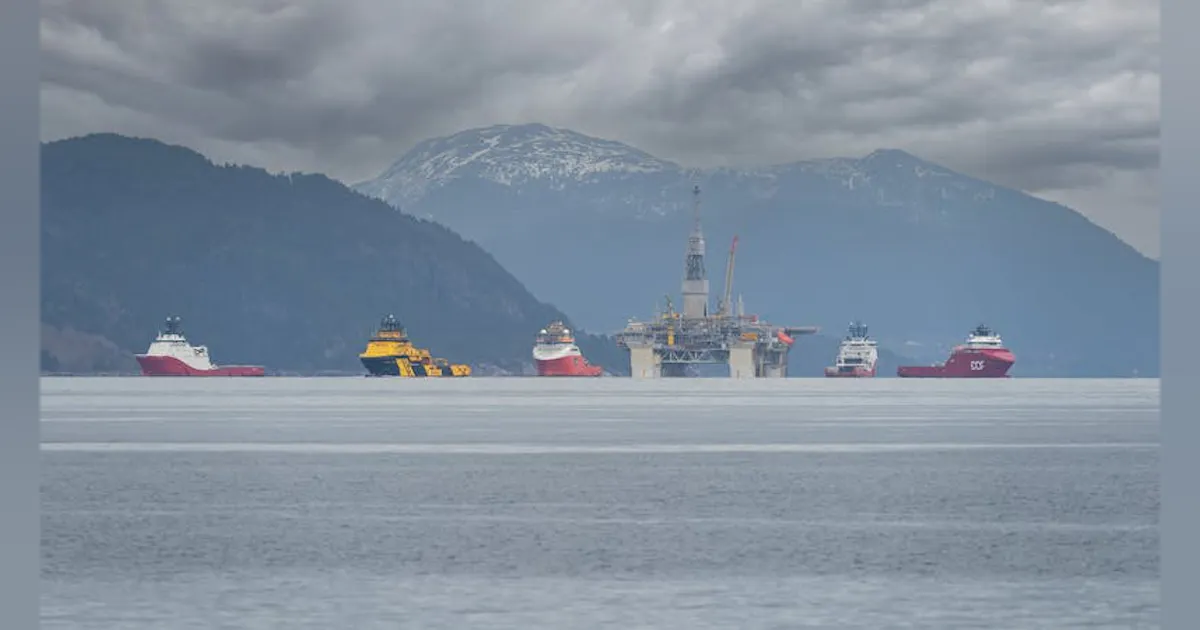
Offshore vessel fleets tighten amid sustained supply discipline

In 60 seconds

Top move

Offshore support vessel capacity is tightening due to an aging fleet and limited reactivation, raising mobilisation and spot‑hire exposure for SURF and installation scopes

Key takeaways

  • Offshore support vessel capacity is tightening due to an aging fleet and limited reactivation, raising mobilisation and spot‑hire exposure for SURF and installation scopes.[2]
  • Operators are increasingly choosing to defer artificial lift decisions to reduce upfront capital and preserve FEED flexibility; include low‑impact provisions now to avoid costly retrofit later.[1]
  • A vendor case study shows growing use of digital twins and service lifecycle management to shift supplier business models toward servitization — useful but requires clear deliverables and qualification gates.[3]
  • Combined takeaway for procurement: expect tighter vessel windows and shorter RFQ validity alongside requests for deposits or conditional mobilisation terms; treat digital twin claims as a qualification item, not a tick box.[2]
  • Program managers can reduce capital strain by specifying in‑riser access provisions in FEED and tagging long‑lead items early; these are practical scope controls that preserve optionality without full upfront capex.[1]

What changed since last run

  • Added explicit vessel‑fleet tightness as a market driver supported by Westwood analysis not called out in the prior brief (reinforces prior mobilisation concerns).
  • Introduced deferred artificial‑lift FEED controls and a digital‑twin supplier case study as additional procurement levers not covered in the prior run.

Key facts

  • Guidance to separate design intent from capital commitment during FEED
  • Deferred in‑riser options cited as materially lower capital than integrated subsea boosting
  • Recommendation to include access points/hang‑off concepts in FEED
  • More than half of operational OSV fleet aged over 15 years (fleet aging drives constrained re
  • Marketed utilization projected to rise, tightening available days for specialist vessels
  • Orderbook limited—incremental supply growth is manageable but not immediate

Why it matters

Offshore support vessel capacity is tightening due to an aging fleet and limited reactivation, raising mobilisation and spot‑hire exposure for SURF and installation scopes. Operators are increasingly choosing to defer artificial lift decisions to reduce upfront capital and preserve FEED flexibility; include low‑impact provisions now to avoid costly retrofit later. A vendor case study shows growing use of digital twins and service lifecycle management to shift supplier business models toward servitization — useful but requires clear deliverables and qualification gates. Combined takeaway for procurement: expect tighter vessel windows and shorter RFQ validity alongside requests for deposits or conditional mobilisation terms; treat digital twin claims as a qualification item, not a tick box

Cost / money

  • Mobilisation and vessel slot continuity risk can translate into higher fixed mobilisation fees or conditional invoicing in supplier bids, shifting cost from day rates to mobilization pass‑throughs.[2]
  • Deferring artificial lift reduces upfront capex pressure and preserves sanction flexibility, but may shift spend later into retrofit or intervention budgets if not contractually planned.[1]

Supplier / commercial

  • Suppliers may shorten RFQ validity windows, ask for deposits, and tighten commitment clauses as vessel availability tightens — expect more conditional commercial terms in bids.[2]
  • Digital twin and servitization offerings allow suppliers to propose outcome‑based services; without clear deliverables and acceptance tests, these models can create single‑source leverage.[3]
  • FEED scope choices (e.g., fit‑for‑future access points for in‑riser lift) become negotiation levers: buyers can avoid full equipment purchase while preserving supplier scope options.[1]

Safety / operations

  • Higher OSV and specialist vessel utilization increases scheduling pressure for SIMOPS and handovers; compressed windows raise rework and readiness risk if acceptance gates are weak.[2]
  • Deferring lift equipment into later intervention phases requires clear operational readiness provisions and proven retrofit procedures to avoid unplanned downtime.[1]

What to watch

  • Watch for RFQs that shorten validity, request deposits, or add conditional mobilisation invoicing — early indicator that vessel and heavy‑lift availability will constrain award timing.[2]
  • Be skeptical of broad digital‑twin claims without contractually defined deliverables, witnessed factory/sea trials, and cyber/connectivity acceptance tests; this is an early qualification risk.[3]

Top stories

Story 1Offshore-mag

Deferred artificial lift can improve capital efficiency

Signal strongSource-grounded

What happened

Operators and FEED teams are increasingly choosing to defer artificial lift to reduce upfront capex and preserve flexibility. The article highlights in‑riser retrofit options and recommends including low‑impact access points during FEED to avoid costly retrofits. Watch whether projects adopt retrofit‑ready hang‑offs as standard FEED deliverables

Buyer takeaway

Treat deferred lift as a FEED and contract design choice that preserves optionality; require retrofit readiness rather than full upfront equipment purchases

Cost / money

Deferral reduces immediate capex pressure but shifts potential intervention or retrofit spend to later phases unless FEED provisions are in place

Supplier / commercial

Suppliers may offer retrofit solutions or intervention campaigns as optional priced items; use this to retain competitive tension instead of single‑source procurement

Safety / operations

If lift is deferred, retrofit interventions need verified procedures and acceptance tests to avoid unplanned downtime or riser instability

What to watch

Limited evidence of industry adoption rates; treat this as a pragmatic options approach and verify supplier retrofit experience in PQQs

Key facts

  • Guidance to separate design intent from capital commitment during FEED
  • Deferred in‑riser options cited as materially lower capital than integrated subsea boosting
  • Recommendation to include access points/hang‑off concepts in FEED

Source excerpts

Offshore energy industry news, trends, insights and outlooksSeparating design intent from capital commitment can reduce exposure to idle infrastructure and preserve flexibility. Key Highlights Upfront capex pressures are prompting operators to defer artificial lift decisions and maintain flexibility in deepwater projects
Key Highlights Upfront capex pressures are prompting operators to defer artificial lift decisions and maintain flexibility in deepwater projects
By incorporating low-impact provisions during FEED—such as access points or hang-off concepts—future in-riser artificial lift capability can be preserved without installing full systems upfront
Story 2Offshore-mag

Offshore vessel fleets tighten amid sustained supply discipline

Signal strongSource-grounded

What happened

Westwood analysis shows the offshore support vessel (OSV) market is tightening due to an aging operational fleet and constrained reactivation. The piece points to rising marketed utilization and shorter available days for pipelay, ROV support and saturation dive vessels, making mobilisation windows scarcer. Watch tender responses for shortened RFQ validity, deposit requests or conditional mobilisation clauses as confirmation

Buyer takeaway

Treat vessel availability as a primary procurement constraint; require visibility on vessel calendars and mobilisation conditions before awards

Cost / money

Higher utilisation and constrained supply increase the likelihood of mobilisation pass‑throughs and premium spot hires

Supplier / commercial

Expect suppliers to shorten bid validity, request deposits or add blackout clauses tied to vessel slots

Safety / operations

Tighter windows compress SIMOPS and handovers, raising rework risk unless acceptance gates and witnessed tests are defined

What to watch

Confirmed market signal; watch RFQ terms and supplier deposit clauses as early indicators of tightening

Key facts

  • More than half of operational OSV fleet aged over 15 years (fleet aging drives constrained re
  • Marketed utilization projected to rise, tightening available days for specialist vessels
  • Orderbook limited—incremental supply growth is manageable but not immediate

Source excerpts

Offshore support vessels: Maturing fleet, improving balance The global offshore support vessel (OSV) market posted modest but meaningful improvement in 2025
As part of the company's consulting services, he brings extensive experience across commercial studies, asset benchmarking, and strategic advisory projects, working with a diverse client base that includes vessel contractors, offshore construction companies and E&Ps. Wei also served in a corporate strategy role at a Fortune 500 company, where he translated long‑term strategic plans into actionable commercial and operational objectives
Key takeaways: The global offshore support vessel fleet is aging, with over half of the operational fleet exceeding 15 years, yet demand-driven utilization is improving due to limited reactivation and newbuilds. Offshore service vessels, including pipelay, ROV support and saturation dive vessels, are experiencing high utilization levels, driven by ongoing offshore projects and wind development, with limited newbuild activity constraining capacity
Story 3Offshore-mag

Case Study: Optime Subsea Innovates 3km Underwater with Siemens PLM & SLM

Signal moderateDirectional

What happened

A vendor case study describes using Siemens PLM and digital twin workflows to standardize product development and deliver subsea services with faster time‑to‑market. The example shows servitization and lifecycle management can turn hardware vendors into outcomes providers, but it requires tightly defined deliverables and witnessing regimes. Watch contractual definitions of digital‑twin outputs and cyber/connectivity acceptance tests in supplier proposals

Buyer takeaway

Require explicit deliverables, witnessable tests and cyber/connectivity acceptance for any digital‑twin or service‑led proposals

Cost / money

Servitization may shift costs from CAPEX to OPEX or payments tied to outcomes; clarify pricing mechanics and pass‑throughs

Supplier / commercial

Suppliers offering lifecycle services can gain leverage if deliverables, interfaces and data ownership are unclear

Safety / operations

Digital twins introduce connectivity and cyber dependencies; acceptance tests and redundancy must be defined to avoid operational exposure

What to watch

Article is a supplier case study and somewhat promotional; treat as indicative and require source‑grounded qualification evidence

Key facts

  • Case study of subsea supplier using PLM and SLM to enable service‑led revenue
  • Focus on faster time‑to‑market and standardized quality through digital tooling
  • Highlights servitization — supplier proposes lifecycle services instead of one‑off sales

Source excerpts

This case study reveals how they transformed a risk-averse industry by establishing a profitable servitization business model, achieving faster time-to-market, and turning challenges into opportunities with a robust digital twin and Service Lifecycle Management (SLM) process
April 23, 2026Explore how Optime Subsea, a leader in subsea oil and gas solutions, leverages Siemens Teamcenter and NX to standardize innovation and deliver fail-proof product quality in extreme deep-sea environments. This case study reveals how they transformed a risk-averse industry by establishing a profitable servitization business model, achieving faster time-to-market, and turning challenges into opportunities with a robust digital twin and Service Lifecycle Management (SLM) process
This case study reveals how they transformed a risk-averse industry by establishing a profitable servitization business model, achieving faster time-to-market, and turning challenges into opportunities with a robust digital twin and Service Lifecycle Management (SLM) process. Read the Full Story: Discover How Optime Subsea Achieved Subsea Excellence!

VP Snapshot

Executive Risk & Action View

Offshore support vessel capacity is tightening due to an aging fleet and limited reactivation, raising mobilisation and spot‑hire exposure for SURF and installation scopes.

Overall
64
Cost
61
Supply
61
Schedule
20
Compliance
15

Top signals

30-180dcost

Signal 1: Cost / money

Mobilisation and vessel slot continuity risk can translate into higher fixed mobilisation fees or conditional invoicing in supplier bids, shifting cost from day rates to mobilization pass‑throughs.

Signal 2: Cost / money

Deferring artificial lift reduces upfront capex pressure and preserves sanction flexibility, but may shift spend later into retrofit or intervention budgets if not contractually planned.

0-30dsupply

Signal 3: Supplier / commercial

Suppliers may shorten RFQ validity windows, ask for deposits, and tighten commitment clauses as vessel availability tightens — expect more conditional commercial terms in bids.

30-180dcommercial

Signal 4: Supplier / commercial

Digital twin and servitization offerings allow suppliers to propose outcome‑based services; without clear deliverables and acceptance tests, these models can create single‑source leverage.

Signal 5: Supplier / commercial

FEED scope choices (e.g., fit‑for‑future access points for in‑riser lift) become negotiation levers: buyers can avoid full equipment purchase while preserving supplier scope options.

30-180dsupplier

Signal 6: Safety / operations

Higher OSV and specialist vessel utilization increases scheduling pressure for SIMOPS and handovers; compressed windows raise rework and readiness risk if acceptance gates are weak.

Recommended actions

ContractsDue 3d

Request an updated vessel availability and blackout calendar from shortlisted installation and heavy‑lift contractors.

Updated availability matrix and flagged mobilisation conflicts to inform award sequencing.

CategoryDue 3d

Tag active tenders to identify and mark any long‑lead lift items and retrofit access requirements in the bid packages.

Tender addendum listing long‑lead items and FEED access provisions for supplier responses.

ContractsDue 21d

Insert explicit deliverables, acceptance tests, and witnessed FAT/WIT slots for digital‑twin, lifecycle‑service or remote‑monitoring claims into RFQ and PQQ documents.

Tenders return with clear deliverables, acceptance criteria and proposed witness schedules.

LegalDue 21d

Require suppliers to declare RFQ validity, deposit requirements and mobilisation pass‑through triggers in commercial submissions.

Comparable commercial bids with disclosed deposit and mobilisation conditions for objective evaluation.

CategoryDue 60d

Run a capacity and contingency review of OSVs, pipelay and specialist installation vessels and establish preferred alternates or conditional call‑offs.

Contingency register with preferred alternates, mobilisation levers and decision triggers for award teams.

OpsDue 60d

Update FEED guidance to include low‑impact in‑riser access provisions and hang‑off concepts so artificial lift can be deferred without structural rework.

Revised FEED checklist with explicit retrofit access provisions that reduce future retrofit scope and schedule risk.

Risk register

RiskTriggerMitigation
Watch for RFQs that shorten validity, request deposits, or add conditional mobilisation invoicing — early indicator that vessel and heavy‑lift availability will constrain award timing.Watch for RFQs that shorten validity, request deposits, or add conditional mobilisation invoicing — early indicator that vessel and heavy‑lift availability will constrain award timing.Confirm exposure with category, contracts, and operations before the next supplier commitment.
Be skeptical of broad digital‑twin claims without contractually defined deliverables, witnessed factory/sea trials, and cyber/connectivity acceptance tests; this is an early qualification risk.Be skeptical of broad digital‑twin claims without contractually defined deliverables, witnessed factory/sea trials, and cyber/connectivity acceptance tests; this is an early qualification risk.Confirm exposure with category, contracts, and operations before the next supplier commitment.

CM Snapshot

Category Manager Decision Detail

Today's priorities

Request an updated vessel availability and blackout calendar from shortlisted installation and heavy‑lift contractors.

Do this because the offshore support vessel market is tightening and knowing slot conflicts early reduces forced re‑sequencing or premium spot hires.

Due 3d

high

CM move

Use this as the immediate supplier or contract action to move before the next sourcing gate.

Tag active tenders to identify and mark any long‑lead lift items and retrofit access requirements in the bid packages.

Do this because deferred artificial lift is being used as a capital control and early identification prevents scope gaps later in execution.

Due 3d

high

CM move

Use this as the immediate supplier or contract action to move before the next sourcing gate.

Insert explicit deliverables, acceptance tests, and witnessed FAT/WIT slots for digital‑twin, lifecycle‑service or remote‑monitoring claims into RFQ and PQQ documents.

Do this because vendors are shifting toward servitization and digital twins; contractual gates and witnessed tests reduce single‑source and qualification risk.

Due 21d

high

CM move

Use this as the immediate supplier or contract action to move before the next sourcing gate.

Require suppliers to declare RFQ validity, deposit requirements and mobilisation pass‑through triggers in commercial submissions.

Do this because shorter validity and deposit clauses are emerging as standard responses to vessel tightness and will affect award comparability.

Due 21d

high

CM move

Use this as the immediate supplier or contract action to move before the next sourcing gate.

Supplier radar

Offshore-mag

high

Observed supplier signal

Suppliers may shorten RFQ validity windows, ask for deposits, and tighten commitment clauses as vessel availability tightens — expect more conditional commercial terms in bids.

Commercial implication

Suppliers may shorten RFQ validity windows, ask for deposits, and tighten commitment clauses as vessel availability tightens — expect more conditional commercial terms in bids.

Next step: Validate the source-backed signal with incumbents and alternates before the next award or pricing decision.

Offshore-mag

high

Observed supplier signal

Digital twin and servitization offerings allow suppliers to propose outcome‑based services; without clear deliverables and acceptance tests, these models can create single‑source leverage.

Commercial implication

Digital twin and servitization offerings allow suppliers to propose outcome‑based services; without clear deliverables and acceptance tests, these models can create single‑source leverage.

Next step: Validate the source-backed signal with incumbents and alternates before the next award or pricing decision.

Offshore-mag

high

Observed supplier signal

FEED scope choices (e.g., fit‑for‑future access points for in‑riser lift) become negotiation levers: buyers can avoid full equipment purchase while preserving supplier scope options.

Commercial implication

FEED scope choices (e.g., fit‑for‑future access points for in‑riser lift) become negotiation levers: buyers can avoid full equipment purchase while preserving supplier scope options.

Next step: Validate the source-backed signal with incumbents and alternates before the next award or pricing decision.

Negotiation levers

Request an updated vessel availability and blackout calendar from shortlisted installation and heavy‑lift contractors.

When to use: Do this because the offshore support vessel market is tightening and knowing slot conflicts early reduces forced re‑sequencing or premium spot hires.

Expected outcome: Updated availability matrix and flagged mobilisation conflicts to inform award sequencing.

Commercial mechanism to carry into the next supplier conversation

Tag active tenders to identify and mark any long‑lead lift items and retrofit access requirements in the bid packages.

When to use: Do this because deferred artificial lift is being used as a capital control and early identification prevents scope gaps later in execution.

Expected outcome: Tender addendum listing long‑lead items and FEED access provisions for supplier responses.

Commercial mechanism to carry into the next supplier conversation

Insert explicit deliverables, acceptance tests, and witnessed FAT/WIT slots for digital‑twin, lifecycle‑service or remote‑monitoring claims into RFQ and PQQ documents.

When to use: Do this because vendors are shifting toward servitization and digital twins; contractual gates and witnessed tests reduce single‑source and qualification risk.

Expected outcome: Tenders return with clear deliverables, acceptance criteria and proposed witness schedules.

Commercial mechanism to carry into the next supplier conversation

Require suppliers to declare RFQ validity, deposit requirements and mobilisation pass‑through triggers in commercial submissions.

When to use: Do this because shorter validity and deposit clauses are emerging as standard responses to vessel tightness and will affect award comparability.

Expected outcome: Comparable commercial bids with disclosed deposit and mobilisation conditions for objective evaluation.

Commercial mechanism to carry into the next supplier conversation

Talking points

Offshore support vessel capacity is tightening due to an aging fleet and limited reactivation, raising mobilisation and spot‑hire exposure for SURF and installation scopes.
Operators are increasingly choosing to defer artificial lift decisions to reduce upfront capital and preserve FEED flexibility; include low‑impact provisions now to avoid costly retrofit later.
A vendor case study shows growing use of digital twins and service lifecycle management to shift supplier business models toward servitization — useful but requires clear deliverables and qualification gates.
Combined takeaway for procurement: expect tighter vessel windows and shorter RFQ validity alongside requests for deposits or conditional mobilisation terms; treat digital twin claims as a qualification item, not a tick box.

Supplier radar

SupplierSignalImplicationNext stepConfidence
Offshore-magSuppliers may shorten RFQ validity windows, ask for deposits, and tighten commitment clauses as vessel availability tightens — expect more conditional commercial terms in bids.Suppliers may shorten RFQ validity windows, ask for deposits, and tighten commitment clauses as vessel availability tightens — expect more conditional commercial terms in bids.Validate the source-backed signal with incumbents and alternates before the next award or pricing decision.high
Offshore-magDigital twin and servitization offerings allow suppliers to propose outcome‑based services; without clear deliverables and acceptance tests, these models can create single‑source leverage.Digital twin and servitization offerings allow suppliers to propose outcome‑based services; without clear deliverables and acceptance tests, these models can create single‑source leverage.Validate the source-backed signal with incumbents and alternates before the next award or pricing decision.high
Offshore-magFEED scope choices (e.g., fit‑for‑future access points for in‑riser lift) become negotiation levers: buyers can avoid full equipment purchase while preserving supplier scope options.FEED scope choices (e.g., fit‑for‑future access points for in‑riser lift) become negotiation levers: buyers can avoid full equipment purchase while preserving supplier scope options.Validate the source-backed signal with incumbents and alternates before the next award or pricing decision.high

Negotiation levers

  • Request an updated vessel availability and blackout calendar from shortlisted installation and heavy‑lift contractors.Do this because the offshore support vessel market is tightening and knowing slot conflicts early reduces forced re‑sequencing or premium spot hires.Updated availability matrix and flagged mobilisation conflicts to inform award sequencing.

    high confidence

  • Tag active tenders to identify and mark any long‑lead lift items and retrofit access requirements in the bid packages.Do this because deferred artificial lift is being used as a capital control and early identification prevents scope gaps later in execution.Tender addendum listing long‑lead items and FEED access provisions for supplier responses.

    high confidence

  • Insert explicit deliverables, acceptance tests, and witnessed FAT/WIT slots for digital‑twin, lifecycle‑service or remote‑monitoring claims into RFQ and PQQ documents.Do this because vendors are shifting toward servitization and digital twins; contractual gates and witnessed tests reduce single‑source and qualification risk.Tenders return with clear deliverables, acceptance criteria and proposed witness schedules.

    high confidence

  • Require suppliers to declare RFQ validity, deposit requirements and mobilisation pass‑through triggers in commercial submissions.Do this because shorter validity and deposit clauses are emerging as standard responses to vessel tightness and will affect award comparability.Comparable commercial bids with disclosed deposit and mobilisation conditions for objective evaluation.

    high confidence

What to do / What to watch

What to do now

  • Request an updated vessel availability and blackout calendar from shortlisted installation and heavy‑lift contractors.

    Why: Do this because the offshore support vessel market is tightening and knowing slot conflicts early reduces forced re‑sequencing or premium spot hires.

    Owner: Contracts

    Expected outcome: Updated availability matrix and flagged mobilisation conflicts to inform award sequencing.

    [2]
  • Tag active tenders to identify and mark any long‑lead lift items and retrofit access requirements in the bid packages.

    Why: Do this because deferred artificial lift is being used as a capital control and early identification prevents scope gaps later in execution.

    Owner: Category

    Expected outcome: Tender addendum listing long‑lead items and FEED access provisions for supplier responses.

    [1]

Next few weeks

  • Insert explicit deliverables, acceptance tests, and witnessed FAT/WIT slots for digital‑twin, lifecycle‑service or remote‑monitoring claims into RFQ and PQQ documents.

    Why: Do this because vendors are shifting toward servitization and digital twins; contractual gates and witnessed tests reduce single‑source and qualification risk.

    Owner: Contracts

    Expected outcome: Tenders return with clear deliverables, acceptance criteria and proposed witness schedules.

    [3]
  • Require suppliers to declare RFQ validity, deposit requirements and mobilisation pass‑through triggers in commercial submissions.

    Why: Do this because shorter validity and deposit clauses are emerging as standard responses to vessel tightness and will affect award comparability.

    Owner: Legal

    Expected outcome: Comparable commercial bids with disclosed deposit and mobilisation conditions for objective evaluation.

    [2]

Longer view

  • Run a capacity and contingency review of OSVs, pipelay and specialist installation vessels and establish preferred alternates or conditional call‑offs.

    Why: Do this because fleet aging and limited reactivation are tightening marketed utilization and contingency planning reduces premium spot hire exposure.

    Owner: Category

    Expected outcome: Contingency register with preferred alternates, mobilisation levers and decision triggers for award teams.

    [2]
  • Update FEED guidance to include low‑impact in‑riser access provisions and hang‑off concepts so artificial lift can be deferred without structural rework.

    Why: Do this because specifying access now preserves retrofit options and reduces the chance of costly intervention later.

    Owner: Ops

    Expected outcome: Revised FEED checklist with explicit retrofit access provisions that reduce future retrofit scope and schedule risk.

    [1]

What to watch

  • Watch for RFQs that shorten validity, request deposits, or add conditional mobilisation invoicing — early indicator that vessel and heavy‑lift availability will constrain award timing
  • Be skeptical of broad digital‑twin claims without contractually defined deliverables, witnessed factory/sea trials, and cyber/connectivity acceptance tests; this is an early qualification risk
  • Watch for RFQs that shorten validity, request deposits, or add conditional mobilisation invoicing — early indicator that vessel and heavy‑lift availability will constrain award timing.: Watch for RFQs that shorten validity, request deposits, or add conditional mobilisation invoicing — early indicator that vessel and heavy‑lift availability will constrain award timing
  • Be skeptical of broad digital‑twin claims without contractually defined deliverables, witnessed factory/sea trials, and cyber/connectivity acceptance tests; this is an early qualification risk.: Be skeptical of broad digital‑twin claims without contractually defined deliverables, witnessed factory/sea trials, and cyber/connectivity acceptance tests; this is an early qualification risk
  • Offshore support vessel capacity is tightening due to an aging fleet and limited reactivation, raising mobilisation and spot‑hire exposure for SURF and installation scopes
  • Operators are increasingly choosing to defer artificial lift decisions to reduce upfront capital and preserve FEED flexibility; include low‑impact provisions now to avoid costly retrofit later
  • A vendor case study shows growing use of digital twins and service lifecycle management to shift supplier business models toward servitization — useful but requires clear deliverables and qualification gates
  • Combined takeaway for procurement: expect tighter vessel windows and shorter RFQ validity alongside requests for deposits or conditional mobilisation terms; treat digital twin claims as a qualification item, not a tick box

Market pulse

IndexLatestChangeAs of
WTI Crude (WTI)71.23 /bbl+0.00 (+0.00%)May 26, 2026, 10:07 AM
Brent Crude (BRENT)74.89 /bbl+0.00 (+0.00%)May 26, 2026, 10:07 AM
Natural Gas (NG)3.12 /MMBtu+0.00 (+0.00%)May 26, 2026, 10:07 AM
Dry Bulk Shipping (BDRY) (BDRY)0 +0.00 (+0.00%)May 26, 2026, 10:07 AM
WTI (Fuel) (WTI)71.23 /bbl+0.00 (+0.00%)May 26, 2026, 10:07 AM
TechnipFMC (FTI)22 +0.00 (+0.00%)May 26, 2026, 10:07 AM
  • Dry Bulk Shipping (BDRY): Rising dry bulk shipping rates support the vessel tightness narrative and increase logistics/mobilisation pressure
  • WTI Crude: Fuel price moves affect vessel day‑rate pass‑throughs and mobilisation cost calculations

Sources

Inline citations jump here. Expand a source to read the excerpt, the AI interpretation, and the original link.

[1] Deferred artificial lift can improve capital efficiency

offshore-mag.com · n.d.

Expand

AI reading

Operators and FEED teams are increasingly choosing to defer artificial lift to reduce upfront capex and preserve flexibility. The article highlights in‑riser retrofit options and recommends including low‑impact access points during FEED to avoid costly retrofits. Watch whether projects adopt retrofit‑ready hang‑offs as standard FEED deliverables

Buyer takeaway

Treat deferred lift as a FEED and contract design choice that preserves optionality; require retrofit readiness rather than full upfront equipment purchases

Cost / money

Deferral reduces immediate capex pressure but shifts potential intervention or retrofit spend to later phases unless FEED provisions are in place

Supplier / commercial

Suppliers may offer retrofit solutions or intervention campaigns as optional priced items; use this to retain competitive tension instead of single‑source procurement

Safety / operations

If lift is deferred, retrofit interventions need verified procedures and acceptance tests to avoid unplanned downtime or riser instability

What to watch

Limited evidence of industry adoption rates; treat this as a pragmatic options approach and verify supplier retrofit experience in PQQs

Key facts

  • Guidance to separate design intent from capital commitment during FEED
  • Deferred in‑riser options cited as materially lower capital than integrated subsea boosting
  • Recommendation to include access points/hang‑off concepts in FEED

Source excerpts

Offshore energy industry news, trends, insights and outlooksSeparating design intent from capital commitment can reduce exposure to idle infrastructure and preserve flexibility. Key Highlights Upfront capex pressures are prompting operators to defer artificial lift decisions and maintain flexibility in deepwater projects
Key Highlights Upfront capex pressures are prompting operators to defer artificial lift decisions and maintain flexibility in deepwater projects
By incorporating low-impact provisions during FEED—such as access points or hang-off concepts—future in-riser artificial lift capability can be preserved without installing full systems upfront

Used in this brief

  • Offshore support vessel capacity is tightening due to an aging fleet and limited reactivation, raising mobilisation and spot‑hire exposure for SURF and installation scopes. Operators are increasingly choosing to defer artificial lift decisions to reduce upfront capital and preserve FEED flexibility; include low‑impact provisions now to avoid costly retrofit later. A vendor case study shows growing use of digital twins and service lifecycle management to shift supplier business models toward servitization — useful but requires clear deliverables and qualification gates. Combined takeaway for procurement: expect tighter vessel windows and shorter RFQ validity alongside requests for deposits or conditional mobilisation terms; treat digital twin claims as a qualification item, not a tick box
  • Cost / money: Deferring artificial lift reduces upfront capex pressure and preserves sanction flexibility, but may shift spend later into retrofit or intervention budgets if not contractually planned
  • Supplier / commercial: FEED scope choices (e.g., fit‑for‑future access points for in‑riser lift) become negotiation levers: buyers can avoid full equipment purchase while preserving supplier scope options
Open original source

[2] Offshore vessel fleets tighten amid sustained supply discipline

offshore-mag.com · n.d.

Expand

AI reading

Westwood analysis shows the offshore support vessel (OSV) market is tightening due to an aging operational fleet and constrained reactivation. The piece points to rising marketed utilization and shorter available days for pipelay, ROV support and saturation dive vessels, making mobilisation windows scarcer. Watch tender responses for shortened RFQ validity, deposit requests or conditional mobilisation clauses as confirmation

Buyer takeaway

Treat vessel availability as a primary procurement constraint; require visibility on vessel calendars and mobilisation conditions before awards

Cost / money

Higher utilisation and constrained supply increase the likelihood of mobilisation pass‑throughs and premium spot hires

Supplier / commercial

Expect suppliers to shorten bid validity, request deposits or add blackout clauses tied to vessel slots

Safety / operations

Tighter windows compress SIMOPS and handovers, raising rework risk unless acceptance gates and witnessed tests are defined

What to watch

Confirmed market signal; watch RFQ terms and supplier deposit clauses as early indicators of tightening

Key facts

  • More than half of operational OSV fleet aged over 15 years (fleet aging drives constrained re
  • Marketed utilization projected to rise, tightening available days for specialist vessels
  • Orderbook limited—incremental supply growth is manageable but not immediate

Source excerpts

Offshore support vessels: Maturing fleet, improving balance The global offshore support vessel (OSV) market posted modest but meaningful improvement in 2025
As part of the company's consulting services, he brings extensive experience across commercial studies, asset benchmarking, and strategic advisory projects, working with a diverse client base that includes vessel contractors, offshore construction companies and E&Ps. Wei also served in a corporate strategy role at a Fortune 500 company, where he translated long‑term strategic plans into actionable commercial and operational objectives
Key takeaways: The global offshore support vessel fleet is aging, with over half of the operational fleet exceeding 15 years, yet demand-driven utilization is improving due to limited reactivation and newbuilds. Offshore service vessels, including pipelay, ROV support and saturation dive vessels, are experiencing high utilization levels, driven by ongoing offshore projects and wind development, with limited newbuild activity constraining capacity

Used in this brief

  • Next 72 hours — Request an updated vessel availability and blackout calendar from shortlisted installation and heavy‑lift contractors.. Rationale: Do this because the offshore support vessel market is tightening and knowing slot conflicts early reduces forced re‑sequencing or premium spot hires.. Owner: Contracts. KPI: Updated availability matrix and flagged mobilisation conflicts to inform award sequencing
  • Next 2-4 weeks — Require suppliers to declare RFQ validity, deposit requirements and mobilisation pass‑through triggers in commercial submissions.. Rationale: Do this because shorter validity and deposit clauses are emerging as standard responses to vessel tightness and will affect award comparability.. Owner: Legal. KPI: Comparable commercial bids with disclosed deposit and mobilisation conditions for objective evaluation
  • Next quarter — Run a capacity and contingency review of OSVs, pipelay and specialist installation vessels and establish preferred alternates or conditional call‑offs.. Rationale: Do this because fleet aging and limited reactivation are tightening marketed utilization and contingency planning reduces premium spot hire exposure.. Owner: Category. KPI: Contingency register with preferred alternates, mobilisation levers and decision triggers for award teams
Open original source

[3] Case Study: Optime Subsea Innovates 3km Underwater with Siemens PLM & SLM

offshore-mag.com · n.d.

Expand

AI reading

A vendor case study describes using Siemens PLM and digital twin workflows to standardize product development and deliver subsea services with faster time‑to‑market. The example shows servitization and lifecycle management can turn hardware vendors into outcomes providers, but it requires tightly defined deliverables and witnessing regimes. Watch contractual definitions of digital‑twin outputs and cyber/connectivity acceptance tests in supplier proposals

Buyer takeaway

Require explicit deliverables, witnessable tests and cyber/connectivity acceptance for any digital‑twin or service‑led proposals

Cost / money

Servitization may shift costs from CAPEX to OPEX or payments tied to outcomes; clarify pricing mechanics and pass‑throughs

Supplier / commercial

Suppliers offering lifecycle services can gain leverage if deliverables, interfaces and data ownership are unclear

Safety / operations

Digital twins introduce connectivity and cyber dependencies; acceptance tests and redundancy must be defined to avoid operational exposure

What to watch

Article is a supplier case study and somewhat promotional; treat as indicative and require source‑grounded qualification evidence

Key facts

  • Case study of subsea supplier using PLM and SLM to enable service‑led revenue
  • Focus on faster time‑to‑market and standardized quality through digital tooling
  • Highlights servitization — supplier proposes lifecycle services instead of one‑off sales

Source excerpts

This case study reveals how they transformed a risk-averse industry by establishing a profitable servitization business model, achieving faster time-to-market, and turning challenges into opportunities with a robust digital twin and Service Lifecycle Management (SLM) process
April 23, 2026Explore how Optime Subsea, a leader in subsea oil and gas solutions, leverages Siemens Teamcenter and NX to standardize innovation and deliver fail-proof product quality in extreme deep-sea environments. This case study reveals how they transformed a risk-averse industry by establishing a profitable servitization business model, achieving faster time-to-market, and turning challenges into opportunities with a robust digital twin and Service Lifecycle Management (SLM) process
This case study reveals how they transformed a risk-averse industry by establishing a profitable servitization business model, achieving faster time-to-market, and turning challenges into opportunities with a robust digital twin and Service Lifecycle Management (SLM) process. Read the Full Story: Discover How Optime Subsea Achieved Subsea Excellence!

Used in this brief

  • Next 2-4 weeks — Insert explicit deliverables, acceptance tests, and witnessed FAT/WIT slots for digital‑twin, lifecycle‑service or remote‑monitoring claims into RFQ and PQQ documents.. Rationale: Do this because vendors are shifting toward servitization and digital twins; contractual gates and witnessed tests reduce single‑source and qualification risk.. Owner: Contracts. KPI: Tenders return with clear deliverables, acceptance criteria and proposed witness schedules
  • Be skeptical of broad digital‑twin claims without contractually defined deliverables, witnessed factory/sea trials, and cyber/connectivity acceptance tests; this is an early qualification risk
  • A vendor case study describes using Siemens PLM and digital twin workflows to standardize product development and deliver subsea services with faster time‑to‑market. The example shows servitization and lifecycle management can turn hardware vendors into outcomes providers, but it requires tightly defined deliverables and witnessing regimes. Watch contractual definitions of digital‑twin outputs and cyber/connectivity acceptance tests in supplier proposals
Open original source

[4] Dry Bulk Shipping (BDRY)

finance.yahoo.com · n.d.

Expand

[5] WTI Crude

finance.yahoo.com · n.d.

Expand