Logistics, Marine & Aviation · International (Houston)

Reprioritize Routing, Engine Supply, and Port-connection Risk contract

Published May 26, 2026, 5:08 AM CSTINTERNATIONALFull category signal
Ask AI
The Maritime Executive: Maritime News Marine News

In 60 seconds

Top move

Wärtsilä’s announced engine capacity increase signals a real shift in supplier capacity that can relieve some lead-time pressure over time but won’t instantly reset tight quote windows; buyers should expect a phased effect on availability and pricing

Key takeaways

  • Wärtsilä’s announced engine capacity increase signals a real shift in supplier capacity that can relieve some lead-time pressure over time but won’t instantly reset tight quote windows; buyers should expect a phased effect on availability and pricing.[2]
  • New scheduled Seattle–London passenger services are already functioning as cargo lift, creating an actionable alternative for time-sensitive airfreight and a chance to test lower-cost, scheduled space instead of ad-hoc charters.[1]
  • A data-backed decline in direct North American port calls, plus recent local port incidents, increases transshipment dependency and makes on-time performance and inland lead times more fragile for affected lanes.[3]
  • Operationally, the Wärtsilä expansion is meaningful because it specifically targets engine production at an existing facility, which changes where and how buyers should track lead times and testing windows for propulsion deliveries.[2]
  • Airline schedule-based cargo capacity is available now but is still proving its reliability and seasonal allocation; treat new services as a routing experiment to be validated with actual uplift and slot behavior.[1]

What changed since last run

  • Added supplier-capacity news: Wärtsilä publicly announced another factory capacity increase, altering engine-supply assumptions versus prior run.
  • Added commercial-lift development: Alaska Airlines introduced daily Seattle–London passenger service that immediately opened scheduled cargo routing through SEA.
  • Added connectivity evidence: A new study and recent port incidents emphasize fewer direct North American port calls and higher transshipment dependence.

Key facts

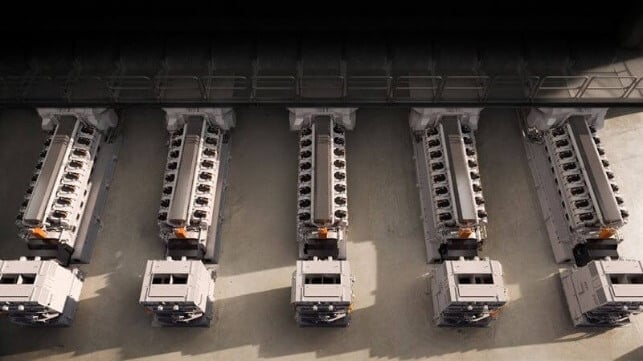
  • Business Wärtsilä Expands Engine Production Capacity by Another 30 Percent Demand for diesel
  • Bulk Cargo Ship Arrives in Cuba Carrying Aid from China Published May 25, 2026 5:19 PM by The
  • In the latest development, a Chinese-owned cargo ship arrived in Havana carrying what is repo
  • The bulk cargo ship Sunny Hong (33,847 dwt) was received in Havana by a government delegation
  • Daily Seattle (SEA)–London Heathrow (LHR) passenger service began on 21 May
  • Already used for seafood, auto parts, and production equipment; SEA–Rome started in April

Why it matters

Wärtsilä’s announced engine capacity increase signals a real shift in supplier capacity that can relieve some lead-time pressure over time but won’t instantly reset tight quote windows; buyers should expect a phased effect on availability and pricing. New scheduled Seattle–London passenger services are already functioning as cargo lift, creating an actionable alternative for time-sensitive airfreight and a chance to test lower-cost, scheduled space instead of ad-hoc charters. A data-backed decline in direct North American port calls, plus recent local port incidents, increases transshipment dependency and makes on-time performance and inland lead times more fragile for affected lanes. Operationally, the Wärtsilä expansion is meaningful because it specifically targets engine production at an existing facility, which changes where and how buyers should track lead times and testing windows for propulsion deliveries

Cost / money

  • Engine capacity expansion is likely to moderate some pricing pressure over the medium term, but near-term orders still face tight market pricing and potential premium pass-throughs from suppliers.[2]
  • New scheduled airlift via SEA–LHR creates potential downward pressure on emergency air rates for specific time-sensitive SKUs if capacity is secured as scheduled space rather than ad-hoc charters.[1]
  • Reduced direct port calls increase landed-cost variability through added handling and transshipment charges on affected lanes, which can push procurement to reprice transport and inventory coverage assumptions.[3]

Supplier / commercial

  • Capacity announcements (Wärtsilä) change the negotiation frame: buyers can start revising lead-time expectations and request longer quote validity, but suppliers may still press for milestone payments while backlog clears.[2]
  • Forwarders and 3PLs handling the new SEA hub route may seek short-term commercial leverage by packaging slot commitments; expect commercial pilots and promotional pricing followed by reallocation risk.[1]

Safety / operations

  • Port-level incidents (cargo fire in Hamburg, collisions in Nigerian waters) are operational reminders that local disruptions can cascade into multi-day schedule and equipment shortfalls; verify contingency capacity for critical lanes.[3]
  • A production ramp at engine factories raises testing and QA dependencies — buyers should confirm factory acceptance-test (FAT) and commissioning timelines to avoid acceptance disputes during mobilization.[2]

What to watch

  • Watch whether Wärtsilä’s capacity increase covers the same engine models you buy; an announced percentage increase can be narrow in scope and leave some product lines still constrained.[2]
  • Early-signal: track actual uplift and slot stability on the SEA–LHR service; published schedules don’t guarantee sustained cargo allocation and carriers may reassign capacity seasonally.[1]

Top stories

Story 1Maritime-executive

The Maritime Executive: Maritime News Marine News

Signal strongSource-grounded

What happened

The Maritime Executive reports Wärtsilä will expand engine production capacity at its Vaasa factory, adding to earlier investments that bring total pledged capacity increases for the year. The concrete detail is a stated 30 percent incremental expansion stacked on prior commitments, which makes the announcement operationally real for buyers tracking engine lead times and factory testing. Watch whether the increase applies to the specific engine lines and models your programs require and how quickly production ramps into validated FAT windows

Buyer takeaway

Treat the expansion as a material supplier-supply signal that justifies reconciling open orders, FAT dates, and mobilization timelines with suppliers

Cost / money

Directionally moderates long-run pricing pressure but does not immediately eliminate existing premium pricing or change-order exposure while backlog is worked down

Supplier / commercial

Suppliers may still insist on milestone payments and shortened quote validity during the ramp; buyers should use updated lead-time commitments to regain leverage

Safety / operations

Ramped production can compress FAT and QA windows; buyers should confirm testing and commissioning timelines to avoid acceptance disputes

What to watch

Verify which engine models and assembly lines are covered by the expansion; a headline percentage can be narrow in scope and leave critical models constrained

Key facts

  • Business Wärtsilä Expands Engine Production Capacity by Another 30 Percent Demand for diesel
  • Bulk Cargo Ship Arrives in Cuba Carrying Aid from China Published May 25, 2026 5:19 PM by The
  • In the latest development, a Chinese-owned cargo ship arrived in Havana carrying what is repo
  • The bulk cargo ship Sunny Hong (33,847 dwt) was received in Havana by a government delegation

Source excerpts

Business Wärtsilä Expands Engine Production Capacity by Another 30 Percent Demand for diesel engines is growing so quickly that technology group Wärtsilä is planning to expand production capacity by another 30 percent at its factory in Vaasa, Finland, and it will boost output in its global supply chain as well
Business Wärtsilä Expands Engine Production Capacity by Another 30 Percent Demand for diesel engines is growing so quickly that technology group Wärtsilä is planning to expand production capacity by another 30 percent at its factory in Vaasa, Finland, and it will boost output in its global supply chain as well. The announcement builds on a previous investment unveiled in February, and it brings the total capacity-hike pledge for the year to 65 percent
Study: North American Ports are Getting Fewer Direct Connections Published May 25, 2026 3:54 PM by The Maritime Executive Ongoing shifts in global shipping network could be reducing Canadian ports’ connectivity, according to a recent analysis by the Bank of Canada
Story 2Air Cargo News - Airfreight updates, insights and newsMay 26, 2026

Alaska Air Cargo expands European reach

Signal strongSource-grounded

What happened

Air Cargo News reports Alaska Air Cargo has begun daily passenger services between Seattle and London Heathrow that are being used for scheduled cargo, opening new routings for time-sensitive goods. The service started in late May and is already moving seafood, auto parts, and film production equipment, making it operationally relevant for buyers looking to reduce reliance on charters. Watch actual uplift and slot stability over the next few booking cycles to judge whether this becomes a dependable route for recurring shipments

Buyer takeaway

Treat the route as an available scheduled option and run controlled volume tests before scaling to replace charter activity

Cost / money

Can reduce emergency airfreight premiums on specific lanes if consistent space allocation is secured, though initial promotional pricing may not persist

Supplier / commercial

Forwarders and GSSAs may push packaged slot commitments; buyers should capture temporary rates in short-term contracts or trial agreements

Safety / operations

Operational readiness at origin/destination for perishables and oversized freight matters; verify handling capability and temperature control procedures

What to watch

Monitor actual cargo uplift and whether capacity is reallocated seasonally or to other markets; published schedules don’t guarantee long-term cargo allocation

Key facts

  • Daily Seattle (SEA)–London Heathrow (LHR) passenger service began on 21 May
  • Already used for seafood, auto parts, and production equipment; SEA–Rome started in April

Source excerpts

Just a few weeks into the SEA-FCO service, interest in cargo capacity has been ramping up
Alaska Air Cargo has extended its European reach through Alaska Airlines’ new daily passenger service between Seattle (SEA) in the US and London Heathrow (LHR) in the UK
Alaska Air Cargo has extended its European reach through Alaska Airlines’ new daily passenger service between Seattle (SEA) in the US and London Heathrow (LHR) in the UK. The service began on 21 May and is expected to move a wide variety of time-critical products — from the wild seafood that the Pacific Northwest is renowned for, to auto parts and motorbikes, as well as products in the health and wellness industries
Story 3Maritime-executive

Port News - The Maritime Executive

Signal moderateSource-grounded

What happened

Read More >> Belfast Outlines Ambitious 25-Year Growth Plan with $1. 75B Investment Published May 20, 2026 7:17 PM by The Maritime Executive Northern Ireland’s premier port, Belfast, has launched an ambitious 25?

Buyer takeaway

This study is a signal to reassess route dependency and transshipment exposure for priority SKUs and lanes

Cost / money

Fewer direct calls tend to increase landed-cost volatility through extra handling and schedule risk, which can pressure inventory and freight budgets

Supplier / commercial

Carriers and hub operators may have greater leverage on routing choices and minimum volumes; buyers should expect narrower practical alternatives on some lanes

Safety / operations

Recent local incidents underscore the need for verified contingency plans and evidence of port response capability for critical shipments

What to watch

Limited mapping: the study is systemic, so buyers must verify its implications at the lane level to know which specific port calls affect their supply chain

Key facts

  • Examples cited alongside the study: a collision obstructing Nigerian ports and a cargo-ship f
  • Read More >> Belfast Outlines Ambitious 25-Year Growth Plan with $1
  • 75B Investment Published May 20, 2026 7:17 PM by The Maritime Executive Northern Ireland’s pr
  • Eight Injured During Cargo Ship Fire in Hamburg Published May 25, 2026 6:15 PM by The Maritim

Source excerpts

Read More >> ICTSI Challenges Costa Rica’s Port Concession Awarded to Maersk and Hapag Published May 14, 2026 5:31 PM by The Maritime Executive The long-running efforts to select a new concession operator for Costa Rica’s main port and to modernize the operations have hit a... Read More >> CMA CGM Pledges $800 Million Funding to Kenya’s Mombasa Port Published May 12, 2026 5:41 PM by The Maritime Executive CMA CGM has announced an investment of $800 million in Kenya’s Mombasa Port
Read More >> Study: North American Ports are Getting Fewer Direct Connections Published May 25, 2026 3:54 PM by The Maritime Executive Ongoing shifts in global shipping network could be reducing Canadian ports’ connectivity, according to a recent analysis by the Ba
Read More >> Belfast Outlines Ambitious 25-Year Growth Plan with $1. 75B Investment Published May 20, 2026 7:17 PM by The Maritime Executive Northern Ireland’s premier port, Belfast, has launched an ambitious 25?

VP Snapshot

Executive Risk & Action View

Wärtsilä’s announced engine capacity increase signals a real shift in supplier capacity that can relieve some lead-time pressure over time but won’t instantly reset tight quote windows; buyers should expect a phased effect on availability and pricing.

Overall
41
Cost
79
Supply
100
Schedule
38
Compliance
15

Top signals

0-30dcost

Signal 1: Cost / money

Engine capacity expansion is likely to moderate some pricing pressure over the medium term, but near-term orders still face tight market pricing and potential premium pass-throughs from suppliers.

30-180dcost

Signal 2: Cost / money

New scheduled airlift via SEA–LHR creates potential downward pressure on emergency air rates for specific time-sensitive SKUs if capacity is secured as scheduled space rather than ad-hoc charters.

Signal 3: Cost / money

Reduced direct port calls increase landed-cost variability through added handling and transshipment charges on affected lanes, which can push procurement to reprice transport and inventory coverage assumptions.

180d+supply

Signal 4: Supplier / commercial

Capacity announcements (Wärtsilä) change the negotiation frame: buyers can start revising lead-time expectations and request longer quote validity, but suppliers may still press for milestone payments while backlog clears.

30-180dsupply

Signal 5: Supplier / commercial

Forwarders and 3PLs handling the new SEA hub route may seek short-term commercial leverage by packaging slot commitments; expect commercial pilots and promotional pricing followed by reallocation risk.

Signal 6: Safety / operations

Port-level incidents (cargo fire in Hamburg, collisions in Nigerian waters) are operational reminders that local disruptions can cascade into multi-day schedule and equipment shortfalls; verify contingency capacity for critical lanes.

Recommended actions

ContractsDue 3d

Run a short inventory of active propulsion, auxiliary engine, and critical-spare orders to flag any incomplete FAT or acceptance clauses.

Annotated list of engine-related contracts showing FAT status, acceptance gaps, and recommended clause changes for Legal review.

OpsDue 3d

Map priority lanes that rely on direct port calls and identify immediate alternate hub routes or airlift options for each.

Operational lane plan listing alternates for at-risk ports and recommended immediate contingencies.

CategoryDue 21d

Pilot bookings with forwarders on the new SEA–LHR service for a sample of time-critical SKUs to measure price, transit time, and schedule reliability.

Pilot results showing sample rate comparisons, transit-time variance, and a recommendation to scale routed volumes if stable.

ContractsDue 21d

Update RFQ and PO templates to require explicit lead-time commitments, quote validity periods, and FAT acceptance gates for engine and critical-equipment suppliers.

Revised procurement templates ready for deployment on upcoming engine and retrofit procurements.

CategoryDue 60d

Run a supplier and route concentration review that ranks ports, carriers, and engine suppliers by execution risk and commercial leverage, and recommend sourcing levers (mileston...

Supplier risk map with prioritized mitigation actions and suggested contractual levers for negotiations.

Risk register

RiskTriggerMitigation
Watch whether Wärtsilä’s capacity increase covers the same engine models you buy; an announced percentage increase can be narrow in scope and leave some product lines still constrained.Watch whether Wärtsilä’s capacity increase covers the same engine models you buy; an announced percentage increase can be narrow in scope and leave some product lines still constrained.Confirm exposure with category, contracts, and operations before the next supplier commitment.
Early-signal: track actual uplift and slot stability on the SEA–LHR service; published schedules don’t guarantee sustained cargo allocation and carriers may reassign capacity seasonally.Early-signal: track actual uplift and slot stability on the SEA–LHR service; published schedules don’t guarantee sustained cargo allocation and carriers may reassign capacity seasonally.Confirm exposure with category, contracts, and operations before the next supplier commitment.

CM Snapshot

Category Manager Decision Detail

Today's priorities

Run a short inventory of active propulsion, auxiliary engine, and critical-spare orders to flag any incomplete FAT or acceptance clauses.

Do this because Wärtsilä’s announced capacity change makes lead-time and acceptance clauses operational levers buyers can use now to avoid being on the wrong side of post-delive...

Due 3d

high

CM move

Use this as the immediate supplier or contract action to move before the next sourcing gate.

Map priority lanes that rely on direct port calls and identify immediate alternate hub routes or airlift options for each.

Do this because the port-connectivity study and recent port incidents increase transshipment and schedule fragility; an up-to-date lane map informs tactical reroutes and invento...

Due 3d

high

CM move

Use this as the immediate supplier or contract action to move before the next sourcing gate.

Pilot bookings with forwarders on the new SEA–LHR service for a sample of time-critical SKUs to measure price, transit time, and schedule reliability.

Do this because Alaska Air Cargo’s daily SEA–LHR flights are live and testing real volumes will show whether scheduled space materially reduces charter spend or simply shifts ro...

Due 21d

high

CM move

Use this as the immediate supplier or contract action to move before the next sourcing gate.

Update RFQ and PO templates to require explicit lead-time commitments, quote validity periods, and FAT acceptance gates for engine and critical-equipment suppliers.

Do this because supplier capacity swings and backlog dynamics can lead to shortened quote windows and change orders; tighter contract terms protect buyers from sudden pass-throu...

Due 21d

high

CM move

Use this as the immediate supplier or contract action to move before the next sourcing gate.

Supplier radar

Maritime-executive

high

Observed supplier signal

Capacity announcements (Wärtsilä) change the negotiation frame: buyers can start revising lead-time expectations and request longer quote validity, but suppliers may still press for milestone payments while backlog clears.

Commercial implication

Capacity announcements (Wärtsilä) change the negotiation frame: buyers can start revising lead-time expectations and request longer quote validity, but suppliers may still press for milestone payments while backlog clears.

Next step: Validate the source-backed signal with incumbents and alternates before the next award or pricing decision.

Source-linked supplier set

high

Observed supplier signal

Forwarders and 3PLs handling the new SEA hub route may seek short-term commercial leverage by packaging slot commitments; expect commercial pilots and promotional pricing followed by reallocation risk.

Commercial implication

Forwarders and 3PLs handling the new SEA hub route may seek short-term commercial leverage by packaging slot commitments; expect commercial pilots and promotional pricing followed by reallocation risk.

Next step: Validate the source-backed signal with incumbents and alternates before the next award or pricing decision.

Negotiation levers

Run a short inventory of active propulsion, auxiliary engine, and critical-spare orders to flag any incomplete FAT or acceptance clauses.

When to use: Do this because Wärtsilä’s announced capacity change makes lead-time and acceptance clauses operational levers buyers can use now to avoid being on the wrong side of post-delive...

Expected outcome: Annotated list of engine-related contracts showing FAT status, acceptance gaps, and recommended clause changes for Legal review.

Commercial mechanism to carry into the next supplier conversation

Map priority lanes that rely on direct port calls and identify immediate alternate hub routes or airlift options for each.

When to use: Do this because the port-connectivity study and recent port incidents increase transshipment and schedule fragility; an up-to-date lane map informs tactical reroutes and invento...

Expected outcome: Operational lane plan listing alternates for at-risk ports and recommended immediate contingencies.

Commercial mechanism to carry into the next supplier conversation

Pilot bookings with forwarders on the new SEA–LHR service for a sample of time-critical SKUs to measure price, transit time, and schedule reliability.

When to use: Do this because Alaska Air Cargo’s daily SEA–LHR flights are live and testing real volumes will show whether scheduled space materially reduces charter spend or simply shifts ro...

Expected outcome: Pilot results showing sample rate comparisons, transit-time variance, and a recommendation to scale routed volumes if stable.

Commercial mechanism to carry into the next supplier conversation

Update RFQ and PO templates to require explicit lead-time commitments, quote validity periods, and FAT acceptance gates for engine and critical-equipment suppliers.

When to use: Do this because supplier capacity swings and backlog dynamics can lead to shortened quote windows and change orders; tighter contract terms protect buyers from sudden pass-throu...

Expected outcome: Revised procurement templates ready for deployment on upcoming engine and retrofit procurements.

Commercial mechanism to carry into the next supplier conversation

Talking points

Wärtsilä’s announced engine capacity increase signals a real shift in supplier capacity that can relieve some lead-time pressure over time but won’t instantly reset tight quote windows; buyers should expect a phased effect on availability and pricing.
New scheduled Seattle–London passenger services are already functioning as cargo lift, creating an actionable alternative for time-sensitive airfreight and a chance to test lower-cost, scheduled space instead of ad-hoc charters.
A data-backed decline in direct North American port calls, plus recent local port incidents, increases transshipment dependency and makes on-time performance and inland lead times more fragile for affected lanes.
Operationally, the Wärtsilä expansion is meaningful because it specifically targets engine production at an existing facility, which changes where and how buyers should track lead times and testing windows for propulsion deliveries.

Supplier radar

SupplierSignalImplicationNext stepConfidence
Maritime-executiveCapacity announcements (Wärtsilä) change the negotiation frame: buyers can start revising lead-time expectations and request longer quote validity, but suppliers may still press for milestone payments while backlog clears.Capacity announcements (Wärtsilä) change the negotiation frame: buyers can start revising lead-time expectations and request longer quote validity, but suppliers may still press for milestone payments while backlog clears.Validate the source-backed signal with incumbents and alternates before the next award or pricing decision.high
Source-linked supplier setForwarders and 3PLs handling the new SEA hub route may seek short-term commercial leverage by packaging slot commitments; expect commercial pilots and promotional pricing followed by reallocation risk.Forwarders and 3PLs handling the new SEA hub route may seek short-term commercial leverage by packaging slot commitments; expect commercial pilots and promotional pricing followed by reallocation risk.Validate the source-backed signal with incumbents and alternates before the next award or pricing decision.high

Negotiation levers

  • Run a short inventory of active propulsion, auxiliary engine, and critical-spare orders to flag any incomplete FAT or acceptance clauses.Do this because Wärtsilä’s announced capacity change makes lead-time and acceptance clauses operational levers buyers can use now to avoid being on the wrong side of post-delive...Annotated list of engine-related contracts showing FAT status, acceptance gaps, and recommended clause changes for Legal review.

    high confidence

  • Map priority lanes that rely on direct port calls and identify immediate alternate hub routes or airlift options for each.Do this because the port-connectivity study and recent port incidents increase transshipment and schedule fragility; an up-to-date lane map informs tactical reroutes and invento...Operational lane plan listing alternates for at-risk ports and recommended immediate contingencies.

    high confidence

  • Pilot bookings with forwarders on the new SEA–LHR service for a sample of time-critical SKUs to measure price, transit time, and schedule reliability.Do this because Alaska Air Cargo’s daily SEA–LHR flights are live and testing real volumes will show whether scheduled space materially reduces charter spend or simply shifts ro...Pilot results showing sample rate comparisons, transit-time variance, and a recommendation to scale routed volumes if stable.

    high confidence

  • Update RFQ and PO templates to require explicit lead-time commitments, quote validity periods, and FAT acceptance gates for engine and critical-equipment suppliers.Do this because supplier capacity swings and backlog dynamics can lead to shortened quote windows and change orders; tighter contract terms protect buyers from sudden pass-throu...Revised procurement templates ready for deployment on upcoming engine and retrofit procurements.

    high confidence

What to do / What to watch

What to do now

  • Run a short inventory of active propulsion, auxiliary engine, and critical-spare orders to flag any incomplete FAT or acceptance clauses.

    Why: Do this because Wärtsilä’s announced capacity change makes lead-time and acceptance clauses operational levers buyers can use now to avoid being on the wrong side of post-delive...

    Owner: Contracts

    Expected outcome: Annotated list of engine-related contracts showing FAT status, acceptance gaps, and recommended clause changes for Legal review.

    [2]
  • Map priority lanes that rely on direct port calls and identify immediate alternate hub routes or airlift options for each.

    Why: Do this because the port-connectivity study and recent port incidents increase transshipment and schedule fragility; an up-to-date lane map informs tactical reroutes and invento...

    Owner: Ops

    Expected outcome: Operational lane plan listing alternates for at-risk ports and recommended immediate contingencies.

    [3]

Next few weeks

  • Pilot bookings with forwarders on the new SEA–LHR service for a sample of time-critical SKUs to measure price, transit time, and schedule reliability.

    Why: Do this because Alaska Air Cargo’s daily SEA–LHR flights are live and testing real volumes will show whether scheduled space materially reduces charter spend or simply shifts ro...

    Owner: Category

    Expected outcome: Pilot results showing sample rate comparisons, transit-time variance, and a recommendation to scale routed volumes if stable.

    [1]
  • Update RFQ and PO templates to require explicit lead-time commitments, quote validity periods, and FAT acceptance gates for engine and critical-equipment suppliers.

    Why: Do this because supplier capacity swings and backlog dynamics can lead to shortened quote windows and change orders; tighter contract terms protect buyers from sudden pass-throu...

    Owner: Contracts

    Expected outcome: Revised procurement templates ready for deployment on upcoming engine and retrofit procurements.

    [2]

Longer view

  • Run a supplier and route concentration review that ranks ports, carriers, and engine suppliers by execution risk and commercial leverage, and recommend sourcing levers (mileston...

    Why: Do this because declining direct port connectivity and uneven supplier capacity increase execution dependency and supplier bargaining power, and a targeted review lets procureme...

    Owner: Category

    Expected outcome: Supplier risk map with prioritized mitigation actions and suggested contractual levers for negotiations.

    [3]

What to watch

  • Watch whether Wärtsilä’s capacity increase covers the same engine models you buy; an announced percentage increase can be narrow in scope and leave some product lines still constrained
  • Early-signal: track actual uplift and slot stability on the SEA–LHR service; published schedules don’t guarantee sustained cargo allocation and carriers may reassign capacity seasonally
  • Watch whether Wärtsilä’s capacity increase covers the same engine models you buy; an announced percentage increase can be narrow in scope and leave some product lines still constrained.: Watch whether Wärtsilä’s capacity increase covers the same engine models you buy; an announced percentage increase can be narrow in scope and leave some product lines still constrained
  • Early-signal: track actual uplift and slot stability on the SEA–LHR service; published schedules don’t guarantee sustained cargo allocation and carriers may reassign capacity seasonally.: Early-signal: track actual uplift and slot stability on the SEA–LHR service; published schedules don’t guarantee sustained cargo allocation and carriers may reassign capacity seasonally
  • Wärtsilä’s announced engine capacity increase signals a real shift in supplier capacity that can relieve some lead-time pressure over time but won’t instantly reset tight quote windows; buyers should expect a phased effect on availability and pricing
  • New scheduled Seattle–London passenger services are already functioning as cargo lift, creating an actionable alternative for time-sensitive airfreight and a chance to test lower-cost, scheduled space instead of ad-hoc charters
  • A data-backed decline in direct North American port calls, plus recent local port incidents, increases transshipment dependency and makes on-time performance and inland lead times more fragile for affected lanes
  • Operationally, the Wärtsilä expansion is meaningful because it specifically targets engine production at an existing facility, which changes where and how buyers should track lead times and testing windows for propulsion deliveries

Market pulse

IndexLatestChangeAs of
Dry Bulk Shipping (BDRY) (BDRY)0 +0.00 (+0.00%)May 26, 2026, 10:10 AM
WTI (Fuel) (WTI)71.23 /bbl+0.00 (+0.00%)May 26, 2026, 10:10 AM
FedEx (FDX)285 +0.00 (+0.00%)May 26, 2026, 10:10 AM
UPS (UPS)142 +0.00 (+0.00%)May 26, 2026, 10:10 AM
Maersk (MAERSK)9.5 +0.00 (+0.00%)May 26, 2026, 10:10 AM
  • Dry Bulk Shipping (BDRY): Dry-bulk shipping trends matter for inland connectivity and port congestion that interact with direct-call declines
  • WTI (Fuel): Fuel price direction affects routing economics and the comparative cost of airlift versus longer sea-transit plus trucking
  • Maersk: Operator posture at global carriers can amplify the commercial leverage created by fewer direct port calls

Sources

Inline citations jump here. Expand a source to read the excerpt, the AI interpretation, and the original link.

[1] Alaska Air Cargo expands European reach

aircargonews.net · May 26, 2026

Expand

AI reading

Air Cargo News reports Alaska Air Cargo has begun daily passenger services between Seattle and London Heathrow that are being used for scheduled cargo, opening new routings for time-sensitive goods. The service started in late May and is already moving seafood, auto parts, and film production equipment, making it operationally relevant for buyers looking to reduce reliance on charters. Watch actual uplift and slot stability over the next few booking cycles to judge whether this becomes a dependable route for recurring shipments

Buyer takeaway

Treat the route as an available scheduled option and run controlled volume tests before scaling to replace charter activity

Cost / money

Can reduce emergency airfreight premiums on specific lanes if consistent space allocation is secured, though initial promotional pricing may not persist

Supplier / commercial

Forwarders and GSSAs may push packaged slot commitments; buyers should capture temporary rates in short-term contracts or trial agreements

Safety / operations

Operational readiness at origin/destination for perishables and oversized freight matters; verify handling capability and temperature control procedures

What to watch

Monitor actual cargo uplift and whether capacity is reallocated seasonally or to other markets; published schedules don’t guarantee long-term cargo allocation

Key facts

  • Daily Seattle (SEA)–London Heathrow (LHR) passenger service began on 21 May
  • Already used for seafood, auto parts, and production equipment; SEA–Rome started in April

Source excerpts

Just a few weeks into the SEA-FCO service, interest in cargo capacity has been ramping up
Alaska Air Cargo has extended its European reach through Alaska Airlines’ new daily passenger service between Seattle (SEA) in the US and London Heathrow (LHR) in the UK
Alaska Air Cargo has extended its European reach through Alaska Airlines’ new daily passenger service between Seattle (SEA) in the US and London Heathrow (LHR) in the UK. The service began on 21 May and is expected to move a wide variety of time-critical products — from the wild seafood that the Pacific Northwest is renowned for, to auto parts and motorbikes, as well as products in the health and wellness industries

Used in this brief

  • What to watch: Early-signal: track actual uplift and slot stability on the SEA–LHR service; published schedules don’t guarantee sustained cargo allocation and carriers may reassign capacity seasonally
  • Next 2-4 weeks — Pilot bookings with forwarders on the new SEA–LHR service for a sample of time-critical SKUs to measure price, transit time, and schedule reliability.. Rationale: Do this because Alaska Air Cargo’s daily SEA–LHR flights are live and testing real volumes will show whether scheduled space materially reduces charter spend or simply shifts ro.... Owner: Category. KPI: Pilot results showing sample rate comparisons, transit-time variance, and a recommendation to scale routed volumes if stable
  • Early-signal: track actual uplift and slot stability on the SEA–LHR service; published schedules don’t guarantee sustained cargo allocation and carriers may reassign capacity seasonally
Open original source

[2] The Maritime Executive: Maritime News Marine News

maritime-executive.com · n.d.

Expand

AI reading

The Maritime Executive reports Wärtsilä will expand engine production capacity at its Vaasa factory, adding to earlier investments that bring total pledged capacity increases for the year. The concrete detail is a stated 30 percent incremental expansion stacked on prior commitments, which makes the announcement operationally real for buyers tracking engine lead times and factory testing. Watch whether the increase applies to the specific engine lines and models your programs require and how quickly production ramps into validated FAT windows

Buyer takeaway

Treat the expansion as a material supplier-supply signal that justifies reconciling open orders, FAT dates, and mobilization timelines with suppliers

Cost / money

Directionally moderates long-run pricing pressure but does not immediately eliminate existing premium pricing or change-order exposure while backlog is worked down

Supplier / commercial

Suppliers may still insist on milestone payments and shortened quote validity during the ramp; buyers should use updated lead-time commitments to regain leverage

Safety / operations

Ramped production can compress FAT and QA windows; buyers should confirm testing and commissioning timelines to avoid acceptance disputes

What to watch

Verify which engine models and assembly lines are covered by the expansion; a headline percentage can be narrow in scope and leave critical models constrained

Key facts

  • Business Wärtsilä Expands Engine Production Capacity by Another 30 Percent Demand for diesel
  • Bulk Cargo Ship Arrives in Cuba Carrying Aid from China Published May 25, 2026 5:19 PM by The
  • In the latest development, a Chinese-owned cargo ship arrived in Havana carrying what is repo
  • The bulk cargo ship Sunny Hong (33,847 dwt) was received in Havana by a government delegation

Source excerpts

Business Wärtsilä Expands Engine Production Capacity by Another 30 Percent Demand for diesel engines is growing so quickly that technology group Wärtsilä is planning to expand production capacity by another 30 percent at its factory in Vaasa, Finland, and it will boost output in its global supply chain as well
Business Wärtsilä Expands Engine Production Capacity by Another 30 Percent Demand for diesel engines is growing so quickly that technology group Wärtsilä is planning to expand production capacity by another 30 percent at its factory in Vaasa, Finland, and it will boost output in its global supply chain as well. The announcement builds on a previous investment unveiled in February, and it brings the total capacity-hike pledge for the year to 65 percent
Study: North American Ports are Getting Fewer Direct Connections Published May 25, 2026 3:54 PM by The Maritime Executive Ongoing shifts in global shipping network could be reducing Canadian ports’ connectivity, according to a recent analysis by the Bank of Canada

Used in this brief

  • Next 72 hours — Run a short inventory of active propulsion, auxiliary engine, and critical-spare orders to flag any incomplete FAT or acceptance clauses.. Rationale: Do this because Wärtsilä’s announced capacity change makes lead-time and acceptance clauses operational levers buyers can use now to avoid being on the wrong side of post-delive.... Owner: Contracts. KPI: Annotated list of engine-related contracts showing FAT status, acceptance gaps, and recommended clause changes for Legal review
  • Next 2-4 weeks — Update RFQ and PO templates to require explicit lead-time commitments, quote validity periods, and FAT acceptance gates for engine and critical-equipment suppliers.. Rationale: Do this because supplier capacity swings and backlog dynamics can lead to shortened quote windows and change orders; tighter contract terms protect buyers from sudden pass-throu.... Owner: Contracts. KPI: Revised procurement templates ready for deployment on upcoming engine and retrofit procurements
  • Watch whether Wärtsilä’s capacity increase covers the same engine models you buy; an announced percentage increase can be narrow in scope and leave some product lines still constrained
Open original source

[3] Port News - The Maritime Executive

maritime-executive.com · n.d.

Expand

AI reading

Read More >> Belfast Outlines Ambitious 25-Year Growth Plan with $1. 75B Investment Published May 20, 2026 7:17 PM by The Maritime Executive Northern Ireland’s premier port, Belfast, has launched an ambitious 25?

Buyer takeaway

This study is a signal to reassess route dependency and transshipment exposure for priority SKUs and lanes

Cost / money

Fewer direct calls tend to increase landed-cost volatility through extra handling and schedule risk, which can pressure inventory and freight budgets

Supplier / commercial

Carriers and hub operators may have greater leverage on routing choices and minimum volumes; buyers should expect narrower practical alternatives on some lanes

Safety / operations

Recent local incidents underscore the need for verified contingency plans and evidence of port response capability for critical shipments

What to watch

Limited mapping: the study is systemic, so buyers must verify its implications at the lane level to know which specific port calls affect their supply chain

Key facts

  • Examples cited alongside the study: a collision obstructing Nigerian ports and a cargo-ship f
  • Read More >> Belfast Outlines Ambitious 25-Year Growth Plan with $1
  • 75B Investment Published May 20, 2026 7:17 PM by The Maritime Executive Northern Ireland’s pr
  • Eight Injured During Cargo Ship Fire in Hamburg Published May 25, 2026 6:15 PM by The Maritim

Source excerpts

Read More >> ICTSI Challenges Costa Rica’s Port Concession Awarded to Maersk and Hapag Published May 14, 2026 5:31 PM by The Maritime Executive The long-running efforts to select a new concession operator for Costa Rica’s main port and to modernize the operations have hit a... Read More >> CMA CGM Pledges $800 Million Funding to Kenya’s Mombasa Port Published May 12, 2026 5:41 PM by The Maritime Executive CMA CGM has announced an investment of $800 million in Kenya’s Mombasa Port
Read More >> Study: North American Ports are Getting Fewer Direct Connections Published May 25, 2026 3:54 PM by The Maritime Executive Ongoing shifts in global shipping network could be reducing Canadian ports’ connectivity, according to a recent analysis by the Ba
Read More >> Belfast Outlines Ambitious 25-Year Growth Plan with $1. 75B Investment Published May 20, 2026 7:17 PM by The Maritime Executive Northern Ireland’s premier port, Belfast, has launched an ambitious 25?

Used in this brief

  • Next 72 hours — Map priority lanes that rely on direct port calls and identify immediate alternate hub routes or airlift options for each.. Rationale: Do this because the port-connectivity study and recent port incidents increase transshipment and schedule fragility; an up-to-date lane map informs tactical reroutes and invento.... Owner: Ops. KPI: Operational lane plan listing alternates for at-risk ports and recommended immediate contingencies
  • Next quarter — Run a supplier and route concentration review that ranks ports, carriers, and engine suppliers by execution risk and commercial leverage, and recommend sourcing levers (mileston.... Rationale: Do this because declining direct port connectivity and uneven supplier capacity increase execution dependency and supplier bargaining power, and a targeted review lets procureme.... Owner: Category. KPI: Supplier risk map with prioritized mitigation actions and suggested contractual levers for negotiations
  • Read More >> Belfast Outlines Ambitious 25-Year Growth Plan with $1. 75B Investment Published May 20, 2026 7:17 PM by The Maritime Executive Northern Ireland’s premier port, Belfast, has launched an ambitious 25?
Open original source

[4] Dry Bulk Shipping (BDRY)

finance.yahoo.com · n.d.

Expand

[5] WTI (Fuel)

finance.yahoo.com · n.d.

Expand

[6] Maersk

finance.yahoo.com · n.d.

Expand