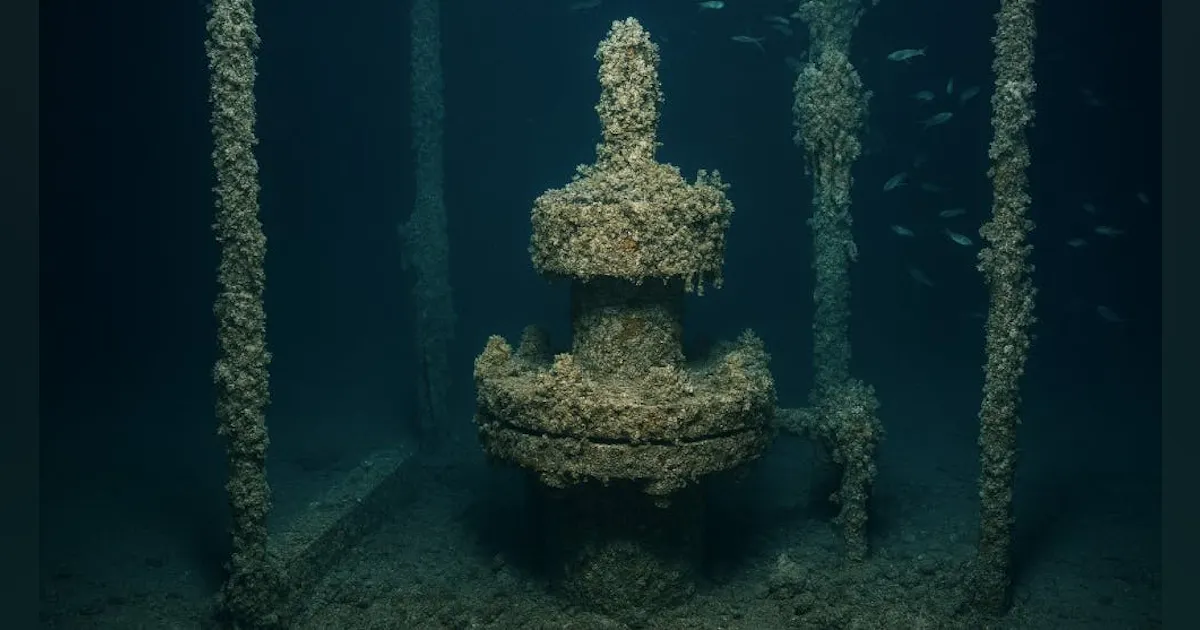
Innovative P&A techniques can overcome structural constraints of older offshore wells
What happened
Offshore reporting describes engineering techniques—BOP tethering, intervention risers and custom retrofit frames—that let teams perform P&A on wells with weak or corroded head equipment. The piece gives operational detail about how tethering increases allowable vessel offset and why ROV surveys are required to confirm conductor condition. Watch whether operators revise technical acceptance lists and buyers add retrofit capability to procurement pass/fail criteria
Buyer takeaway
Treat retrofit and tethering as real alternatives and include them in technical scoring and supplier shortlists because they change execution footprints and vendor capability needs
Cost / money
Cost drivers move from rig day-rates to engineering, fabrication and specialist mobilization; budgeting should reflect fabrication lead times and transport for custom frames
Supplier / commercial
Vendors supplying tethering systems and retrofit hardware gain leverage; buyers should pre-qualify multiple sources or specify fabrication options to retain competition
Safety / operations
When implemented with proper ROV inspection and controls, these techniques reduce structural loads and improve safety margins on marginal wells
What to watch
Watch for ROV backlog, long lead fabrication for custom frames, and suppliers shortening quote validity for retrofit packages
Key facts
- BOP tethering materially increases allowable vessel offset in tested feasibility examples
- Intervention risers reduce load and fatigue versus full drilling risers
- ROV surveys required where conductor size or damage is unknown
Source excerpts
Using intervention risers instead of full drilling risers reduces load and fatigue, making P&A feasible in wells with structural limitations. Custom retrofit hardware, like support frames, is essential for wells with damaged or corroded components, ensuring safe BOP landing and operation
Offshore energy industry news, trends, insights and outlooksBOP tethering, alternate intervention packages, and retrofit hardware solutions can help successfully overcome common P&A challenges
Using a reactive flexible joint (RFJ) to provide a restoring bending moment to counter riser loads and reduce wellhead bending loads improved fatigue life by 30%