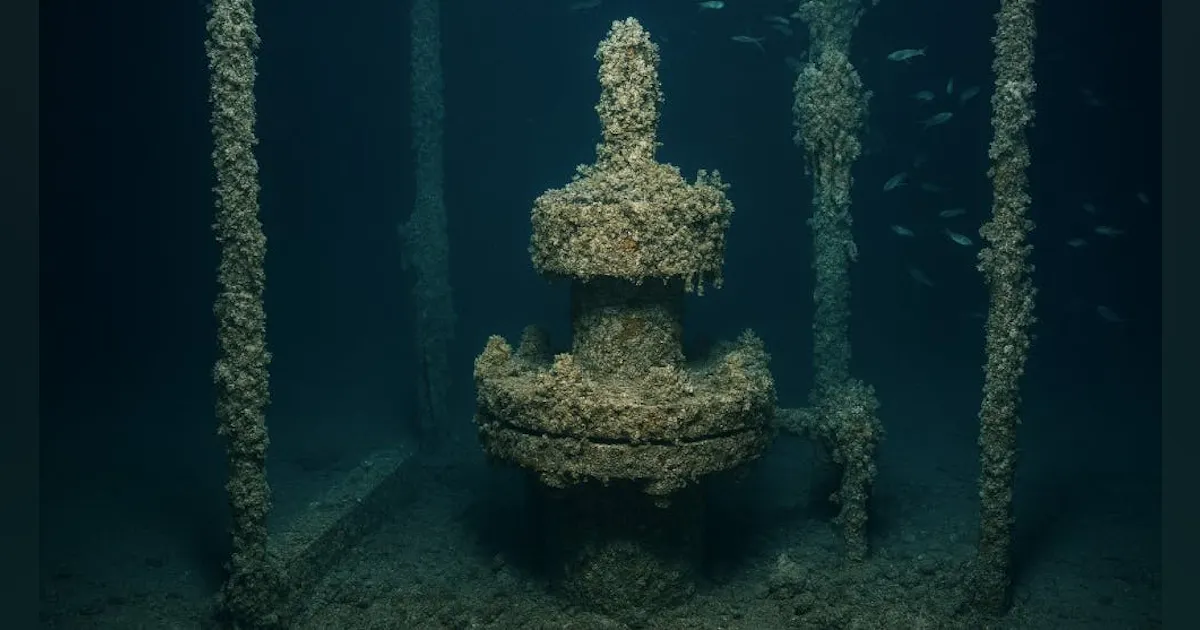
Innovative P&A techniques can overcome structural constraints of older offshore wells
What happened
Article explains that BOP tethering, alternate intervention risers and custom retrofit hardware can enable P&A on legacy wells that would otherwise need full drilling risers. It provides operational examples showing conductor and vessel offset limits and how tethering expands allowable operations. Watch whether operators adopt these retrofit packages at scale and how suppliers price engineered tooling and witnessed acceptance
Buyer takeaway
Treat retrofit and rigless P&A as distinct procurement routes that must be backed by engineering acceptance gates and witnessed trials before award
Cost / money
Reduces vessel‑day spend but shifts cost into specialised tooling, engineering and witnessed acceptance activities
Supplier / commercial
Suppliers with retrofit capability can demand premium pricing, longer lead commitments or exclusivity on tooling unless equivalency is specified
Safety / operations
Techniques lower structural loads and can improve safety margins, but they require verified engineering and proven emergency disconnect procedures
What to watch
Limited evidence on market adoption rate — scale uptake is unconfirmed until RFQs or awards show repeated use
Key facts
- Case examples comparing allowable vessel offset with and without BOP tethering
- Use cases where intervention risers reduce loads on legacy wellheads
Source excerpts
BOP tethering systems can significantly reduce loads on wellheads, enabling safer intervention from floating rigs in challenging conditions
Steven holds a Bachelor of Engineering degree in Mechanical Engineering and a Master of Applied Science degree in Oil and Gas Engineering from Memorial University of Newfoundland
The result is a recurring mismatch between legacy well equipment and modern intervention demand, which typically presents itself in three ways: The well’s structural capacity is exceeded due to higher loads imposed by the BOP and extreme vessel offsets. Instability of the well conductor while supporting the heavy intervention equipment