Subsea, SURF & Offshore · International (Houston)

Prioritize Vessel Availability and Defer Subsea Capex to Preserve Flexibility

Published May 23, 2026, 5:06 AM CSTINTERNATIONALFull category signal
Ask AI
Offshore vessel fleets tighten amid sustained supply discipline

In 60 seconds

Top move

Offshore support vessel availability is tightening and will raise mobilisation risk and day‑rate exposure for SURF, pipelay and heavy‑lift scopes

Key takeaways

  • Offshore support vessel availability is tightening and will raise mobilisation risk and day‑rate exposure for SURF, pipelay and heavy‑lift scopes.[1]
  • Deferring in‑riser or subsea artificial‑lift commitments at FEED keeps capex optionality and lowers the chance of paying for idle lift infrastructure later.[2]
  • Supplier digital capability (PLM / digital twin / verified deliverables) is a practical differentiator: buyers should formalise data handover and acceptance to avoid commissioning disputes.[3]
  • The OSV market update is operationally real: marketed utilization has improved and a large share of the fleet is ageing, which reduces spare capacity for short‑notice mobilisations.[1]
  • The Optime case is company‑level and illustrative rather than industry‑wide; treat it as a model for digital requirements rather than proof of universal supplier readiness.[3]

What changed since last run

  • Added direct vessel‑supply tightening signal from Westwood (Article 4) to complement prior heavy‑lift mobilisation concerns.
  • Added FEED‑level guidance to preserve retrofit options for artificial lift (Article 1); prior brief flagged heavy‑lift and mobilisation risk but did not cover lift deferral mechanics.
  • Added Optime Subsea case (Article 6) as a concrete example of supplier digital capability; prior brief recommended digital clauses but lacked a vendor case study.

Key facts

  • Marketed utilization improved to about 76%
  • More than half of the operational OSV fleet is older than 15 years
  • OSV orderbook limited (mostly AHTS and PSVs)
  • Deferred in‑riser interventions often represent a fraction of the capex of full subsea boosting
  • FEED is the critical point to separate design intent from capital commitment
  • Case focuses on deep‑sea capability (3 km) combined with Siemens PLM and NX

Why it matters

Offshore support vessel availability is tightening and will raise mobilisation risk and day‑rate exposure for SURF, pipelay and heavy‑lift scopes. Deferring in‑riser or subsea artificial‑lift commitments at FEED keeps capex optionality and lowers the chance of paying for idle lift infrastructure later. Supplier digital capability (PLM / digital twin / verified deliverables) is a practical differentiator: buyers should formalise data handover and acceptance to avoid commissioning disputes. The OSV market update is operationally real: marketed utilization has improved and a large share of the fleet is ageing, which reduces spare capacity for short‑notice mobilisations

Cost / money

  • Higher OSV utilisation and an ageing fleet increase the probability of premium day‑rates or mobilisation surcharges when demand spikes for SURF and heavy‑lift scopes.[1]
  • Deferring artificial lift reduces initial capital outlay and preserves sanction robustness, but shifts retrofit cost risk into later execution budgets if not contractually managed.[2]

Supplier / commercial

  • Vessel owners gain short‑term leverage on availability windows and RFQ validity as optional spare capacity declines; expect tighter booking terms from AHTS, PSV and multipurpose units.[1]
  • Suppliers that can deliver integrated digital twins or PLM‑backed deliverables can commercialise service models and may push for premium pricing on packages that include digital support.[3]

Safety / operations

  • Compressed mobilisation windows and higher utilisation increase the operational risk of rushed mobilisations; this raises the need for witnessed FAT/WIT and pre‑mobilisation readiness checks.[1][2]
  • Deferring lift installation reduces early offshore work scope and personnel exposure, but increases dependency on later retrofit procedures and proven intervention tooling when lifing becomes necessary.[2]

What to watch

  • Watch for suppliers to narrow availability windows or shorten RFQ validity for critical vessels and tooling as utilisation tightens; this would force tighter sequencing and potential deposit demands.[1]
  • Watch FEED documents: if access points or hang‑offs for future lift are not specified now, retrofit costs and schedule risk can escalate during later intervention campaigns.[2]

Top stories

Story 1Offshore-mag

Offshore vessel fleets tighten amid sustained supply discipline

Signal strongSource-grounded

What happened

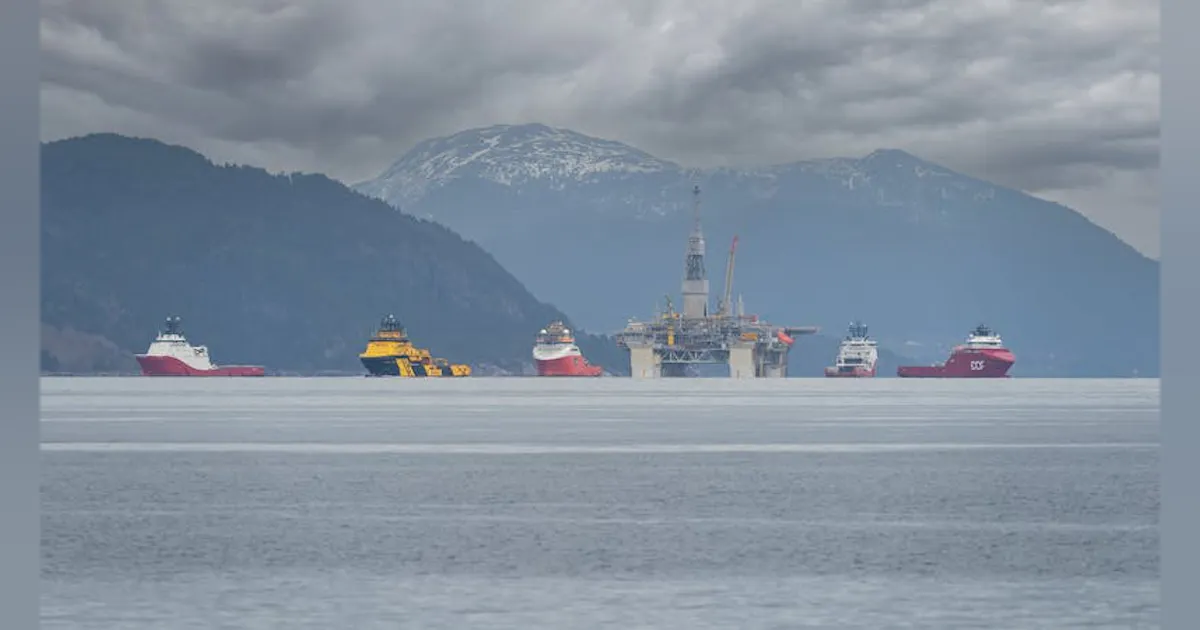
Westwood reports the global offshore support vessel (OSV) market is tightening as utilization improves and reactivation is limited. The report points to higher marketed utilization and a large share of the fleet being older than 15 years, which reduces spare capacity for pipelay, ROV support and saturation dive vessels. Procurement should watch vessel availability windows and booking terms ahead of SURF and heavy‑lift awards

Buyer takeaway

Treat vessel availability as a near‑term procurement constraint: confirm windows and include mobilisation triggers in contracts

Cost / money

Tighter utilization implies higher probability of mobilisation surcharges and premium day‑rates for short‑notice hires

Supplier / commercial

Vessel owners can narrow booking windows or push deposit/staged payment terms where spare capacity is low

Safety / operations

Higher utilisation raises the risk of rushed mobilisations and compressed readiness checks—enforce witnessed FAT/WIT and pre‑mobilisation acceptance

What to watch

Monitor RFQ validity and booking terms from AHTS/PSV/multipurpose providers for shortened windows or deposits

Key facts

  • Marketed utilization improved to about 76%
  • More than half of the operational OSV fleet is older than 15 years
  • OSV orderbook limited (mostly AHTS and PSVs)

Source excerpts

This has preserved optionality within the supply side but at the cost of higher average fleet age
These figures underscore a steadily tightening market, particularly when viewed against the backdrop of a maturing fleet. More than half of the operational OSV fleet is now over 15 years old
comSubsea7’s pipelay and heavy-lift vessel Seven Borealis is shown operating offshore Limassol, Cyprus, in March 2016. In 2025, marketed utilization averaged 73% for pipelay vessels, while ROV support vessels (ROVSVs) and saturation dive support vessels (Sat DSVs) recorded 75% and 73%, respectively
Story 2Offshore-mag

Deferred artificial lift can improve capital efficiency

Signal moderateSource-grounded

What happened

The piece argues operators increasingly defer artificial lift decisions to reduce upfront capex and preserve flexibility. It highlights that retrofit in‑riser solutions can cost a fraction of fully integrated subsea boosting and recommends adding access points during FEED to avoid locking in irreversible equipment spend. Watch FEED scopes to ensure retrofit interfaces are specified now if lift remains a contingency

Buyer takeaway

Make lift optionality contractual and technical in FEED to avoid rebuilding scope and budget pressure later

Cost / money

Avoiding early lift installation reduces upfront capex; retrofit costs move to a later budget with more information on reservoir behaviour

Supplier / commercial

Vendors offering retrofit or intervention solutions may seek different commercial models (call‑offs, mobilization windows) compared with full integrated systems

Safety / operations

Deferral reduces early offshore scope but increases reliance on later intervention procedures and qualified tooling for retrofit campaigns

What to watch

Verify FEED deliverables include physical access points and clear install interfaces; absence of these will materially increase retrofit cost and schedule risk

Key facts

  • Deferred in‑riser interventions often represent a fraction of the capex of full subsea boosting
  • FEED is the critical point to separate design intent from capital commitment

Source excerpts

In broad terms, the capital required to retrofit in-riser artificial lift is often an order of magnitude lower than that associated with fully integrated subsea lift or boosting systems
In broad terms, the capital required to retrofit in-riser artificial lift is often an order of magnitude lower than that associated with fully integrated subsea lift or boosting systems. While exact costs are highly project-specific, the ability to defer multi-tens or even hundreds of millions of dollars in upfront investment can materially improve sanction robustness for developments where artificial lift remains a contingency rather than a certainty
When lift systems are installed early as a contingency, they introduce additional subsea construction scope, interfaces, and long-term integrity obligations. More importantly, early commitment reduces flexibility later in field life, when actual production behavior diverges from early forecasts
Story 3Offshore-mag

Case Study: Optime Subsea Innovates 3km Underwater with Siemens PLM & SLM

Signal limitedDirectional

What happened

Optime Subsea published a case study showing use of Siemens PLM and NX to standardize product development, quality and service models for deep‑sea operations. The case emphasises digital twins and PLM as enablers of faster time‑to‑market and servicisation of subsea equipment, offering an example of how digital deliverables can be commercialised. Buyers should treat this as an actionable supplier example and consider requiring defined digital handover gates in RFQs

Buyer takeaway

Use the case as a template to require specific digital deliverables, formats and acceptance tests in tenders

Cost / money

Digital deliverables can lower rework and commissioning cost, but buyers must enforce acceptance criteria to realize savings

Supplier / commercial

Vendors proficient in PLM/digital twins may charge premiums for integrated data services or service contracts

Safety / operations

Verified digital models improve clash detection and reduce offshore rework risk if suppliers commit to usable formats

What to watch

This is a single‑vendor case study; confirm supplier scale and interoperability before treating it as industry standard

Key facts

  • Case focuses on deep‑sea capability (3 km) combined with Siemens PLM and NX
  • Highlights faster time‑to‑market through standardized digital processes

Source excerpts

This case study reveals how they transformed a risk-averse industry by establishing a profitable servitization business model, achieving faster time-to-market, and turning challenges into opportunities with a robust digital twin and Service Lifecycle Management (SLM) process
This case study reveals how they transformed a risk-averse industry by establishing a profitable servitization business model, achieving faster time-to-market, and turning challenges into opportunities with a robust digital twin and Service Lifecycle Management (SLM) process. Read the Full Story: Discover How Optime Subsea Achieved Subsea Excellence!
April 23, 2026Explore how Optime Subsea, a leader in subsea oil and gas solutions, leverages Siemens Teamcenter and NX to standardize innovation and deliver fail-proof product quality in extreme deep-sea environments. This case study reveals how they transformed a risk-averse industry by establishing a profitable servitization business model, achieving faster time-to-market, and turning challenges into opportunities with a robust digital twin and Service Lifecycle Management (SLM) process

VP Snapshot

Executive Risk & Action View

Offshore support vessel availability is tightening and will raise mobilisation risk and day‑rate exposure for SURF, pipelay and heavy‑lift scopes.

Overall
60
Cost
61
Supply
61
Schedule
38
Compliance
15

Top signals

30-180dcost

Signal 1: Cost / money

Higher OSV utilisation and an ageing fleet increase the probability of premium day‑rates or mobilisation surcharges when demand spikes for SURF and heavy‑lift scopes.

Signal 2: Cost / money

Deferring artificial lift reduces initial capital outlay and preserves sanction robustness, but shifts retrofit cost risk into later execution budgets if not contractually managed.

0-30dsupply

Signal 3: Supplier / commercial

Vessel owners gain short‑term leverage on availability windows and RFQ validity as optional spare capacity declines; expect tighter booking terms from AHTS, PSV and multipurpose units.

30-180dcommercial

Signal 4: Supplier / commercial

Suppliers that can deliver integrated digital twins or PLM‑backed deliverables can commercialise service models and may push for premium pricing on packages that include digital support.

30-180dsupplier

Signal 5: Safety / operations

Compressed mobilisation windows and higher utilisation increase the operational risk of rushed mobilisations; this raises the need for witnessed FAT/WIT and pre‑mobilisation readiness checks.

Signal 6: Safety / operations

Deferring lift installation reduces early offshore work scope and personnel exposure, but increases dependency on later retrofit procedures and proven intervention tooling when lifing becomes necessary.

Recommended actions

ContractsDue 3d

Ask incumbent and shortlisted OSV, pipelay and ROV providers to confirm firm availability windows, blackout dates and mobilisation lead times.

Updated supplier availability matrix and flagged mobilisation constraints to inform upcoming RFQs.

CategoryDue 21d

Insert low‑impact FEED provisions (access points/hang‑offs and install interfaces) that enable deferred in‑riser artificial lift retrofit without committing full lift capex now.

FEED scope and tender templates include retrofit‑ready requirements to preserve optionality.

LegalDue 21d

Update RFQ templates to require supplier digital deliverables, defined formats and acceptance tests (digital handover gates similar to FAT/WIT).

RFQs include mandatory digital deliverables and pass/fail acceptance criteria to reduce commissioning disputes.

CategoryDue 60d

Run a capacity and contingency review for heavy‑lift, pipelay and specialized dive/ROV vessels; identify alternates, mobilisation split‑scopes and trigger points for confirmed b...

Contingency register with preferred alternates and mobilisation triggers to reduce premium hiring risk during awards.

ContractsDue 60d

Draft contract options for staged equipment commitment (option to install, staged payments or conditional call‑offs) for long‑lead subsea lift and boosting systems.

Clause bank enabling deferred capex options and staged commitment commercial models for use in SURF packages.

Risk register

RiskTriggerMitigation
Watch for suppliers to narrow availability windows or shorten RFQ validity for critical vessels and tooling as utilisation tightens; this would force tighter sequencing and potential deposit demands.Watch for suppliers to narrow availability windows or shorten RFQ validity for critical vessels and tooling as utilisation tightens; this would force tighter sequencing and potential deposit demands.Confirm exposure with category, contracts, and operations before the next supplier commitment.
Watch FEED documents: if access points or hang‑offs for future lift are not specified now, retrofit costs and schedule risk can escalate during later intervention campaigns.Watch FEED documents: if access points or hang‑offs for future lift are not specified now, retrofit costs and schedule risk can escalate during later intervention campaigns.Confirm exposure with category, contracts, and operations before the next supplier commitment.

CM Snapshot

Category Manager Decision Detail

Today's priorities

Ask incumbent and shortlisted OSV, pipelay and ROV providers to confirm firm availability windows, blackout dates and mobilisation lead times.

Act because the market shows rising marketed utilisation and an ageing fleet that reduces spare capacity, and confirmations reveal whether providers will shorten booking windows...

Due 3d

high

CM move

Use this as the immediate supplier or contract action to move before the next sourcing gate.

Insert low‑impact FEED provisions (access points/hang‑offs and install interfaces) that enable deferred in‑riser artificial lift retrofit without committing full lift capex now.

Act because deferring lift at FEED preserves capital and avoids installing equipment that may become idle, and design provisions materially reduce retrofit cost and schedule ris...

Due 21d

high

CM move

Use this as the immediate supplier or contract action to move before the next sourcing gate.

Update RFQ templates to require supplier digital deliverables, defined formats and acceptance tests (digital handover gates similar to FAT/WIT).

Act because suppliers demonstrating PLM/digital twin capabilities can reduce commissioning rework, and explicit acceptance criteria limit commercial disputes over digital delive...

Due 21d

high

CM move

Use this as the immediate supplier or contract action to move before the next sourcing gate.

Run a capacity and contingency review for heavy‑lift, pipelay and specialized dive/ROV vessels; identify alternates, mobilisation split‑scopes and trigger points for confirmed b...

Act because sustained supply discipline and limited newbuilds increase the chance of constrained availability for critical scopes, and a contingency register reduces last‑minute...

Due 60d

high

CM move

Use this as the immediate supplier or contract action to move before the next sourcing gate.

Supplier radar

Offshore-mag

high

Observed supplier signal

Vessel owners gain short‑term leverage on availability windows and RFQ validity as optional spare capacity declines; expect tighter booking terms from AHTS, PSV and multipurpose units.

Commercial implication

Vessel owners gain short‑term leverage on availability windows and RFQ validity as optional spare capacity declines; expect tighter booking terms from AHTS, PSV and multipurpose units.

Next step: Validate the source-backed signal with incumbents and alternates before the next award or pricing decision.

Offshore-mag

high

Observed supplier signal

Suppliers that can deliver integrated digital twins or PLM‑backed deliverables can commercialise service models and may push for premium pricing on packages that include digital support.

Commercial implication

Suppliers that can deliver integrated digital twins or PLM‑backed deliverables can commercialise service models and may push for premium pricing on packages that include digital support.

Next step: Validate the source-backed signal with incumbents and alternates before the next award or pricing decision.

Negotiation levers

Ask incumbent and shortlisted OSV, pipelay and ROV providers to confirm firm availability windows, blackout dates and mobilisation lead times.

When to use: Act because the market shows rising marketed utilisation and an ageing fleet that reduces spare capacity, and confirmations reveal whether providers will shorten booking windows...

Expected outcome: Updated supplier availability matrix and flagged mobilisation constraints to inform upcoming RFQs.

Commercial mechanism to carry into the next supplier conversation

Insert low‑impact FEED provisions (access points/hang‑offs and install interfaces) that enable deferred in‑riser artificial lift retrofit without committing full lift capex now.

When to use: Act because deferring lift at FEED preserves capital and avoids installing equipment that may become idle, and design provisions materially reduce retrofit cost and schedule ris...

Expected outcome: FEED scope and tender templates include retrofit‑ready requirements to preserve optionality.

Commercial mechanism to carry into the next supplier conversation

Update RFQ templates to require supplier digital deliverables, defined formats and acceptance tests (digital handover gates similar to FAT/WIT).

When to use: Act because suppliers demonstrating PLM/digital twin capabilities can reduce commissioning rework, and explicit acceptance criteria limit commercial disputes over digital delive...

Expected outcome: RFQs include mandatory digital deliverables and pass/fail acceptance criteria to reduce commissioning disputes.

Commercial mechanism to carry into the next supplier conversation

Run a capacity and contingency review for heavy‑lift, pipelay and specialized dive/ROV vessels; identify alternates, mobilisation split‑scopes and trigger points for confirmed b...

When to use: Act because sustained supply discipline and limited newbuilds increase the chance of constrained availability for critical scopes, and a contingency register reduces last‑minute...

Expected outcome: Contingency register with preferred alternates and mobilisation triggers to reduce premium hiring risk during awards.

Commercial mechanism to carry into the next supplier conversation

Talking points

Offshore support vessel availability is tightening and will raise mobilisation risk and day‑rate exposure for SURF, pipelay and heavy‑lift scopes.
Deferring in‑riser or subsea artificial‑lift commitments at FEED keeps capex optionality and lowers the chance of paying for idle lift infrastructure later.
Supplier digital capability (PLM / digital twin / verified deliverables) is a practical differentiator: buyers should formalise data handover and acceptance to avoid commissioning disputes.
The OSV market update is operationally real: marketed utilization has improved and a large share of the fleet is ageing, which reduces spare capacity for short‑notice mobilisations.

Supplier radar

SupplierSignalImplicationNext stepConfidence
Offshore-magVessel owners gain short‑term leverage on availability windows and RFQ validity as optional spare capacity declines; expect tighter booking terms from AHTS, PSV and multipurpose units.Vessel owners gain short‑term leverage on availability windows and RFQ validity as optional spare capacity declines; expect tighter booking terms from AHTS, PSV and multipurpose units.Validate the source-backed signal with incumbents and alternates before the next award or pricing decision.high
Offshore-magSuppliers that can deliver integrated digital twins or PLM‑backed deliverables can commercialise service models and may push for premium pricing on packages that include digital support.Suppliers that can deliver integrated digital twins or PLM‑backed deliverables can commercialise service models and may push for premium pricing on packages that include digital support.Validate the source-backed signal with incumbents and alternates before the next award or pricing decision.high

Negotiation levers

  • Ask incumbent and shortlisted OSV, pipelay and ROV providers to confirm firm availability windows, blackout dates and mobilisation lead times.Act because the market shows rising marketed utilisation and an ageing fleet that reduces spare capacity, and confirmations reveal whether providers will shorten booking windows...Updated supplier availability matrix and flagged mobilisation constraints to inform upcoming RFQs.

    high confidence

  • Insert low‑impact FEED provisions (access points/hang‑offs and install interfaces) that enable deferred in‑riser artificial lift retrofit without committing full lift capex now.Act because deferring lift at FEED preserves capital and avoids installing equipment that may become idle, and design provisions materially reduce retrofit cost and schedule ris...FEED scope and tender templates include retrofit‑ready requirements to preserve optionality.

    high confidence

  • Update RFQ templates to require supplier digital deliverables, defined formats and acceptance tests (digital handover gates similar to FAT/WIT).Act because suppliers demonstrating PLM/digital twin capabilities can reduce commissioning rework, and explicit acceptance criteria limit commercial disputes over digital delive...RFQs include mandatory digital deliverables and pass/fail acceptance criteria to reduce commissioning disputes.

    high confidence

  • Run a capacity and contingency review for heavy‑lift, pipelay and specialized dive/ROV vessels; identify alternates, mobilisation split‑scopes and trigger points for confirmed b...Act because sustained supply discipline and limited newbuilds increase the chance of constrained availability for critical scopes, and a contingency register reduces last‑minute...Contingency register with preferred alternates and mobilisation triggers to reduce premium hiring risk during awards.

    high confidence

What to do / What to watch

What to do now

  • Ask incumbent and shortlisted OSV, pipelay and ROV providers to confirm firm availability windows, blackout dates and mobilisation lead times.

    Why: Act because the market shows rising marketed utilisation and an ageing fleet that reduces spare capacity, and confirmations reveal whether providers will shorten booking windows...

    Owner: Contracts

    Expected outcome: Updated supplier availability matrix and flagged mobilisation constraints to inform upcoming RFQs.

    [1]

Next few weeks

  • Insert low‑impact FEED provisions (access points/hang‑offs and install interfaces) that enable deferred in‑riser artificial lift retrofit without committing full lift capex now.

    Why: Act because deferring lift at FEED preserves capital and avoids installing equipment that may become idle, and design provisions materially reduce retrofit cost and schedule ris...

    Owner: Category

    Expected outcome: FEED scope and tender templates include retrofit‑ready requirements to preserve optionality.

    [2]
  • Update RFQ templates to require supplier digital deliverables, defined formats and acceptance tests (digital handover gates similar to FAT/WIT).

    Why: Act because suppliers demonstrating PLM/digital twin capabilities can reduce commissioning rework, and explicit acceptance criteria limit commercial disputes over digital delive...

    Owner: Legal

    Expected outcome: RFQs include mandatory digital deliverables and pass/fail acceptance criteria to reduce commissioning disputes.

    [3]

Longer view

  • Run a capacity and contingency review for heavy‑lift, pipelay and specialized dive/ROV vessels; identify alternates, mobilisation split‑scopes and trigger points for confirmed b...

    Why: Act because sustained supply discipline and limited newbuilds increase the chance of constrained availability for critical scopes, and a contingency register reduces last‑minute...

    Owner: Category

    Expected outcome: Contingency register with preferred alternates and mobilisation triggers to reduce premium hiring risk during awards.

    [1]
  • Draft contract options for staged equipment commitment (option to install, staged payments or conditional call‑offs) for long‑lead subsea lift and boosting systems.

    Why: Act because deferring capital commitments lowers immediate capex exposure but requires contractual mechanisms to secure future installation rights and price posture.

    Owner: Contracts

    Expected outcome: Clause bank enabling deferred capex options and staged commitment commercial models for use in SURF packages.

    [2]

What to watch

  • Watch for suppliers to narrow availability windows or shorten RFQ validity for critical vessels and tooling as utilisation tightens; this would force tighter sequencing and potential deposit demands
  • Watch FEED documents: if access points or hang‑offs for future lift are not specified now, retrofit costs and schedule risk can escalate during later intervention campaigns
  • Watch for suppliers to narrow availability windows or shorten RFQ validity for critical vessels and tooling as utilisation tightens; this would force tighter sequencing and potential deposit demands.: Watch for suppliers to narrow availability windows or shorten RFQ validity for critical vessels and tooling as utilisation tightens; this would force tighter sequencing and potential deposit demands
  • Watch FEED documents: if access points or hang‑offs for future lift are not specified now, retrofit costs and schedule risk can escalate during later intervention campaigns.: Watch FEED documents: if access points or hang‑offs for future lift are not specified now, retrofit costs and schedule risk can escalate during later intervention campaigns
  • Offshore support vessel availability is tightening and will raise mobilisation risk and day‑rate exposure for SURF, pipelay and heavy‑lift scopes
  • Deferring in‑riser or subsea artificial‑lift commitments at FEED keeps capex optionality and lowers the chance of paying for idle lift infrastructure later
  • Supplier digital capability (PLM / digital twin / verified deliverables) is a practical differentiator: buyers should formalise data handover and acceptance to avoid commissioning disputes
  • The OSV market update is operationally real: marketed utilization has improved and a large share of the fleet is ageing, which reduces spare capacity for short‑notice mobilisations

Market pulse

IndexLatestChangeAs of
WTI Crude (WTI)71.23 /bbl+0.00 (+0.00%)May 23, 2026, 10:07 AM
Brent Crude (BRENT)74.89 /bbl+0.00 (+0.00%)May 23, 2026, 10:07 AM
Natural Gas (NG)3.12 /MMBtu+0.00 (+0.00%)May 23, 2026, 10:07 AM
Dry Bulk Shipping (BDRY) (BDRY)0 +0.00 (+0.00%)May 23, 2026, 10:07 AM
WTI (Fuel) (WTI)71.23 /bbl+0.00 (+0.00%)May 23, 2026, 10:07 AM
TechnipFMC (FTI)22 +0.00 (+0.00%)May 23, 2026, 10:07 AM
  • Dry Bulk Shipping (BDRY): Tighter shipping and vessel markets increase mobilisation and transit cost risk for SURF campaigns; watch bunker and availability premiums
  • WTI Crude: Fuel price direction affects OSV day‑rate economics and the cost tradeoff between longer mobilisations versus multiple short charters

Sources

Inline citations jump here. Expand a source to read the excerpt, the AI interpretation, and the original link.

[1] Offshore vessel fleets tighten amid sustained supply discipline

offshore-mag.com · n.d.

Expand

AI reading

Westwood reports the global offshore support vessel (OSV) market is tightening as utilization improves and reactivation is limited. The report points to higher marketed utilization and a large share of the fleet being older than 15 years, which reduces spare capacity for pipelay, ROV support and saturation dive vessels. Procurement should watch vessel availability windows and booking terms ahead of SURF and heavy‑lift awards

Buyer takeaway

Treat vessel availability as a near‑term procurement constraint: confirm windows and include mobilisation triggers in contracts

Cost / money

Tighter utilization implies higher probability of mobilisation surcharges and premium day‑rates for short‑notice hires

Supplier / commercial

Vessel owners can narrow booking windows or push deposit/staged payment terms where spare capacity is low

Safety / operations

Higher utilisation raises the risk of rushed mobilisations and compressed readiness checks—enforce witnessed FAT/WIT and pre‑mobilisation acceptance

What to watch

Monitor RFQ validity and booking terms from AHTS/PSV/multipurpose providers for shortened windows or deposits

Key facts

  • Marketed utilization improved to about 76%
  • More than half of the operational OSV fleet is older than 15 years
  • OSV orderbook limited (mostly AHTS and PSVs)

Source excerpts

This has preserved optionality within the supply side but at the cost of higher average fleet age
These figures underscore a steadily tightening market, particularly when viewed against the backdrop of a maturing fleet. More than half of the operational OSV fleet is now over 15 years old
comSubsea7’s pipelay and heavy-lift vessel Seven Borealis is shown operating offshore Limassol, Cyprus, in March 2016. In 2025, marketed utilization averaged 73% for pipelay vessels, while ROV support vessels (ROVSVs) and saturation dive support vessels (Sat DSVs) recorded 75% and 73%, respectively

Used in this brief

  • Cost / money: Higher OSV utilisation and an ageing fleet increase the probability of premium day‑rates or mobilisation surcharges when demand spikes for SURF and heavy‑lift scopes
  • Next 72 hours — Ask incumbent and shortlisted OSV, pipelay and ROV providers to confirm firm availability windows, blackout dates and mobilisation lead times.. Rationale: Act because the market shows rising marketed utilisation and an ageing fleet that reduces spare capacity, and confirmations reveal whether providers will shorten booking windows.... Owner: Contracts. KPI: Updated supplier availability matrix and flagged mobilisation constraints to inform upcoming RFQs
  • Next quarter — Run a capacity and contingency review for heavy‑lift, pipelay and specialized dive/ROV vessels; identify alternates, mobilisation split‑scopes and trigger points for confirmed b.... Rationale: Act because sustained supply discipline and limited newbuilds increase the chance of constrained availability for critical scopes, and a contingency register reduces last‑minute.... Owner: Category. KPI: Contingency register with preferred alternates and mobilisation triggers to reduce premium hiring risk during awards
Open original source

[2] Deferred artificial lift can improve capital efficiency

offshore-mag.com · n.d.

Expand

AI reading

The piece argues operators increasingly defer artificial lift decisions to reduce upfront capex and preserve flexibility. It highlights that retrofit in‑riser solutions can cost a fraction of fully integrated subsea boosting and recommends adding access points during FEED to avoid locking in irreversible equipment spend. Watch FEED scopes to ensure retrofit interfaces are specified now if lift remains a contingency

Buyer takeaway

Make lift optionality contractual and technical in FEED to avoid rebuilding scope and budget pressure later

Cost / money

Avoiding early lift installation reduces upfront capex; retrofit costs move to a later budget with more information on reservoir behaviour

Supplier / commercial

Vendors offering retrofit or intervention solutions may seek different commercial models (call‑offs, mobilization windows) compared with full integrated systems

Safety / operations

Deferral reduces early offshore scope but increases reliance on later intervention procedures and qualified tooling for retrofit campaigns

What to watch

Verify FEED deliverables include physical access points and clear install interfaces; absence of these will materially increase retrofit cost and schedule risk

Key facts

  • Deferred in‑riser interventions often represent a fraction of the capex of full subsea boosting
  • FEED is the critical point to separate design intent from capital commitment

Source excerpts

In broad terms, the capital required to retrofit in-riser artificial lift is often an order of magnitude lower than that associated with fully integrated subsea lift or boosting systems
In broad terms, the capital required to retrofit in-riser artificial lift is often an order of magnitude lower than that associated with fully integrated subsea lift or boosting systems. While exact costs are highly project-specific, the ability to defer multi-tens or even hundreds of millions of dollars in upfront investment can materially improve sanction robustness for developments where artificial lift remains a contingency rather than a certainty
When lift systems are installed early as a contingency, they introduce additional subsea construction scope, interfaces, and long-term integrity obligations. More importantly, early commitment reduces flexibility later in field life, when actual production behavior diverges from early forecasts

Used in this brief

  • Offshore support vessel availability is tightening and will raise mobilisation risk and day‑rate exposure for SURF, pipelay and heavy‑lift scopes. Deferring in‑riser or subsea artificial‑lift commitments at FEED keeps capex optionality and lowers the chance of paying for idle lift infrastructure later. Supplier digital capability (PLM / digital twin / verified deliverables) is a practical differentiator: buyers should formalise data handover and acceptance to avoid commissioning disputes. The OSV market update is operationally real: marketed utilization has improved and a large share of the fleet is ageing, which reduces spare capacity for short‑notice mobilisations
  • Cost / money: Deferring artificial lift reduces initial capital outlay and preserves sanction robustness, but shifts retrofit cost risk into later execution budgets if not contractually managed
  • Safety / operations: Deferring lift installation reduces early offshore work scope and personnel exposure, but increases dependency on later retrofit procedures and proven intervention tooling when lifing becomes necessary
Open original source

[3] Case Study: Optime Subsea Innovates 3km Underwater with Siemens PLM & SLM

offshore-mag.com · n.d.

Expand

AI reading

Optime Subsea published a case study showing use of Siemens PLM and NX to standardize product development, quality and service models for deep‑sea operations. The case emphasises digital twins and PLM as enablers of faster time‑to‑market and servicisation of subsea equipment, offering an example of how digital deliverables can be commercialised. Buyers should treat this as an actionable supplier example and consider requiring defined digital handover gates in RFQs

Buyer takeaway

Use the case as a template to require specific digital deliverables, formats and acceptance tests in tenders

Cost / money

Digital deliverables can lower rework and commissioning cost, but buyers must enforce acceptance criteria to realize savings

Supplier / commercial

Vendors proficient in PLM/digital twins may charge premiums for integrated data services or service contracts

Safety / operations

Verified digital models improve clash detection and reduce offshore rework risk if suppliers commit to usable formats

What to watch

This is a single‑vendor case study; confirm supplier scale and interoperability before treating it as industry standard

Key facts

  • Case focuses on deep‑sea capability (3 km) combined with Siemens PLM and NX
  • Highlights faster time‑to‑market through standardized digital processes

Source excerpts

This case study reveals how they transformed a risk-averse industry by establishing a profitable servitization business model, achieving faster time-to-market, and turning challenges into opportunities with a robust digital twin and Service Lifecycle Management (SLM) process
This case study reveals how they transformed a risk-averse industry by establishing a profitable servitization business model, achieving faster time-to-market, and turning challenges into opportunities with a robust digital twin and Service Lifecycle Management (SLM) process. Read the Full Story: Discover How Optime Subsea Achieved Subsea Excellence!
April 23, 2026Explore how Optime Subsea, a leader in subsea oil and gas solutions, leverages Siemens Teamcenter and NX to standardize innovation and deliver fail-proof product quality in extreme deep-sea environments. This case study reveals how they transformed a risk-averse industry by establishing a profitable servitization business model, achieving faster time-to-market, and turning challenges into opportunities with a robust digital twin and Service Lifecycle Management (SLM) process

Used in this brief

  • Next 2-4 weeks — Update RFQ templates to require supplier digital deliverables, defined formats and acceptance tests (digital handover gates similar to FAT/WIT).. Rationale: Act because suppliers demonstrating PLM/digital twin capabilities can reduce commissioning rework, and explicit acceptance criteria limit commercial disputes over digital delive.... Owner: Legal. KPI: RFQs include mandatory digital deliverables and pass/fail acceptance criteria to reduce commissioning disputes
  • Added Optime Subsea case (Article 6) as a concrete example of supplier digital capability; prior brief recommended digital clauses but lacked a vendor case study
  • Optime Subsea published a case study showing use of Siemens PLM and NX to standardize product development, quality and service models for deep‑sea operations. The case emphasises digital twins and PLM as enablers of faster time‑to‑market and servicisation of subsea equipment, offering an example of how digital deliverables can be commercialised. Buyers should treat this as an actionable supplier example and consider requiring defined digital handover gates in RFQs
Open original source

[4] Dry Bulk Shipping (BDRY)

finance.yahoo.com · n.d.

Expand

[5] WTI Crude

finance.yahoo.com · n.d.

Expand