Plug & Abandonment / Decommissioning · International (Houston)

Lock Vessel Availability and Verify Subsea Supplier Capabilities Now

Published May 23, 2026, 5:08 AM CSTINTERNATIONALFull category signal
Ask AI
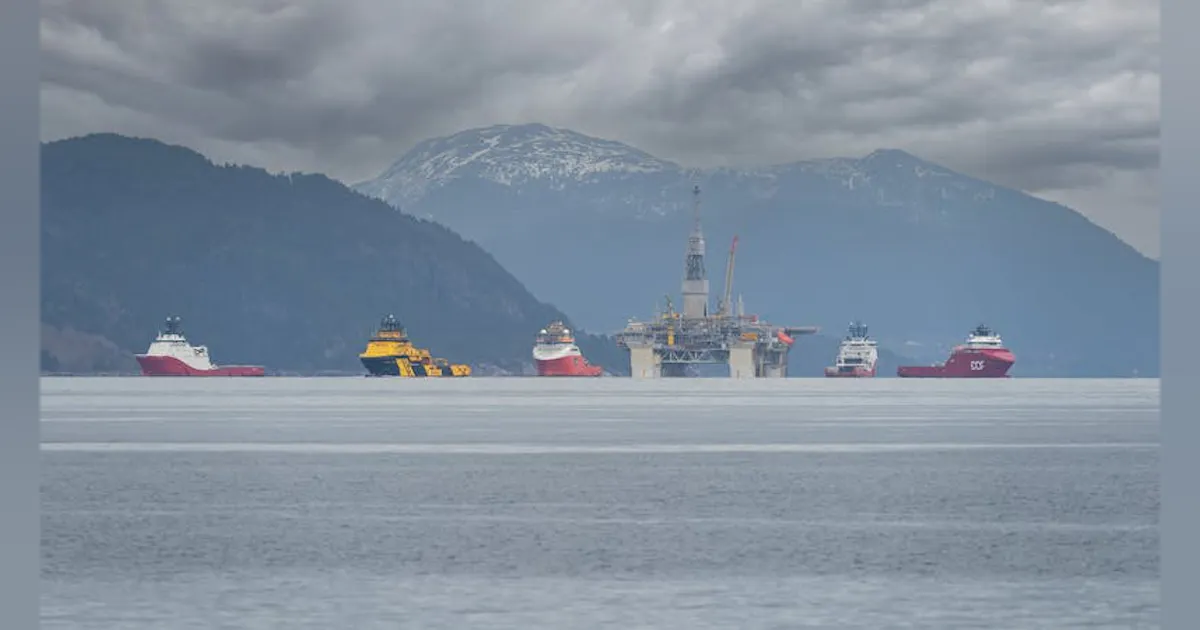
Offshore vessel fleets tighten amid sustained supply discipline

In 60 seconds

Top move

Offshore support vessel (OSV) availability is tightening and marketed utilization is rising, which increases the risk that P&A campaigns will face higher mobilization cost and fewer flexible slot options; prioritize mobilization rights and optioned days in upcoming awards

Key takeaways

  • Offshore support vessel (OSV) availability is tightening and marketed utilization is rising, which increases the risk that P&A campaigns will face higher mobilization cost and fewer flexible slot options; prioritize mobilization rights and optioned days in upcoming awards.[1]
  • Subsea service suppliers are adopting digital lifecycle and qualification tools that reduce execution risk but shift evaluation toward documented capability rather than price alone; add digital deliverables and lifecycle records to pre-qualification.[2]
  • Operators are signaling a broader tendency to defer non‑essential capex (like early artificial lift), which means buyers can avoid locking retrofit choices that reduce later flexibility — capture FEED interface points instead of committing to irreversible installations.[4]
  • Active subsea pipeline and tieback projects are competing for ROV, cable-lay and installation support tonnage in key regions; expect scheduling friction between installation projects and decommissioning scopes unless mobilization is secured early.[3]
  • Fleet aging plus limited newbuild deliveries preserves optionality but increases maintenance and reliability exposure for older vessels — factor asset age and reactivation risk into technical acceptability and uptime guarantees.[1]

What changed since last run

  • New market analysis (Westwood) concretely confirms OSV fleet tightening and higher marketed utilization versus prior watchlist assumptions, strengthening the case to secure vessel option days (article 5).
  • A vendor case study (Optime Subsea + Siemens) newly surfaces supplier digital-lifecycle capability as a procurement differentiator worth adding to pre-qualification and contract deliverables (article 10).

Key facts

  • Marketed utilization improving across OSV segments
  • Operational fleet skewed toward older tonnage with muted demolition activity
  • Orderbook limited to modest incremental supply
  • Use of Siemens Teamcenter and NX to standardize lifecycle management
  • Case study cites faster time-to-market through digital workflows
  • Applied to deep-sea service delivery and product quality control

Why it matters

Offshore support vessel (OSV) availability is tightening and marketed utilization is rising, which increases the risk that P&A campaigns will face higher mobilization cost and fewer flexible slot options; prioritize mobilization rights and optioned days in upcoming awards. Subsea service suppliers are adopting digital lifecycle and qualification tools that reduce execution risk but shift evaluation toward documented capability rather than price alone; add digital deliverables and lifecycle records to pre-qualification. Operators are signaling a broader tendency to defer non‑essential capex (like early artificial lift), which means buyers can avoid locking retrofit choices that reduce later flexibility — capture FEED interface points instead of committing to irreversible installations. Active subsea pipeline and tieback projects are competing for ROV, cable-lay and installation support tonnage in key regions; expect scheduling friction between installation projects and decommissioning scopes unless mobilization is secured early

Cost / money

  • Tighter OSV utilization lifts mobilization premium risk and shortens quote validity windows, which can push overall campaign cost above baseline day-rate estimates.[1]
  • Requiring supplier digital-lifecycle outputs (digital twins, service lifecycle records) adds scope that suppliers will price or use to limit liability — expect trade-offs between price and reduced rework/inspection costs.[2]

Supplier / commercial

  • Suppliers with multi-campaign pipelines or integrated installation roles can prioritize higher-margin installation work over spot P&A bids, reducing competition for standalone P&A services and narrowing leverage for buyers.[3]
  • Aging fleets and constrained reactivation mean suppliers may shorten quote validity or require tiered mobilization payments; include pass-through clauses and clear mobilization rights to manage this leverage shift.[1]

Safety / operations

  • Increased SIMOPS probability when decommissioning lifts run near active pipelay or tieback campaigns requires earlier interface planning and explicit marine coordination in scopes of work.[3]
  • Relying on older vessels can raise maintenance-related downtime and reliability risk; demand documented maintenance and class status as part of technical acceptability to protect execution windows.[1]

What to watch

  • Watch for suppliers to narrow availability windows or shorten quote validity for certified retrofit/intervention packages, which could force compressed award timelines or premium terms.[1]
  • Vendor digital‑tool claims can look strong in case studies but may be proprietary; verify interoperability and data handover commitments before accepting digital deliverables as a risk reduction.[2]

Top stories

Story 1Offshore-mag

Offshore vessel fleets tighten amid sustained supply discipline

Signal strongSource-grounded

What happened

Westwood Global reports the global offshore support vessel fleet is tightening due to an aging operational fleet, limited reactivation and a modest orderbook. The analysis shows marketed utilization rising and a smaller laid-up fleet, which makes vessel availability and mobilization rights operationally real for P&A campaigns. Watch whether utilization keeps increasing and how demolition or newbuild activity changes optionality

Buyer takeaway

Prioritize mobilization rights and option days in vessel and heavy-lift contracts because tightening utilization raises mobilization and slot risk

Cost / money

Directional upward pressure on mobilization premiums and shorter quote validity windows; expect suppliers to price option rights or require higher advance payments

Supplier / commercial

Suppliers gain leverage to shorten quote windows and prefer multi-campaign clients; include pass-through and cancellation terms to limit exposure

Safety / operations

Older vessels can mean more maintenance-related downtime; require class and recent maintenance logs to protect schedule integrity

What to watch

Watch for suppliers to reduce spot availability and shorten quote validity; this can force faster awards or premium mobilization terms

Key facts

  • Marketed utilization improving across OSV segments
  • Operational fleet skewed toward older tonnage with muted demolition activity
  • Orderbook limited to modest incremental supply

Source excerpts

Key takeaways: The global offshore support vessel fleet is aging, with over half of the operational fleet exceeding 15 years, yet demand-driven utilization is improving due to limited reactivation and newbuilds. Offshore service vessels, including pipelay, ROV support and saturation dive vessels, are experiencing high utilization levels, driven by ongoing offshore projects and wind development, with limited newbuild activity constraining capacity
Key takeaways: The global offshore support vessel fleet is aging, with over half of the operational fleet exceeding 15 years, yet demand-driven utilization is improving due to limited reactivation and newbuilds
In 2025, a greater share of heavy-lift vessel activity was driven by offshore wind projects relative to 2024
Story 2Offshore-mag

Case Study: Optime Subsea Innovates 3km Underwater with Siemens PLM & SLM

Signal moderateSource-grounded

What happened

Optime Subsea’s case study shows the company using Siemens PLM and digital twins to standardize product quality and accelerate service delivery for deep subsea work. The concrete detail is that a structured digital-lifecycle approach allowed faster time-to-market and better configuration control, which can materially reduce subsea execution uncertainty. Buyers should test vendor digital outputs for interoperability and data-handover commitments next

Buyer takeaway

Treat supplier digital-lifecycle capability as a scored qualification item because it reduces configuration errors and post-award disputes

Cost / money

Requiring digital deliverables adds scope that suppliers will price, but can lower total execution risk and rework costs

Supplier / commercial

Digital-capable suppliers may command a premium and can be selective about campaign timing; use panels to retain leverage

Safety / operations

Better digital configuration control improves barrier verification and lowers subsea failure likelihood, improving overall campaign safety

What to watch

Verify interoperability, exportable data formats and handover commitments to avoid vendor lock-in or unusable deliverables

Key facts

  • Use of Siemens Teamcenter and NX to standardize lifecycle management
  • Case study cites faster time-to-market through digital workflows
  • Applied to deep-sea service delivery and product quality control

Source excerpts

This case study reveals how they transformed a risk-averse industry by establishing a profitable servitization business model, achieving faster time-to-market, and turning challenges into opportunities with a robust digital twin and Service Lifecycle Management (SLM) process. Read the Full Story: Discover How Optime Subsea Achieved Subsea Excellence!
This case study reveals how they transformed a risk-averse industry by establishing a profitable servitization business model, achieving faster time-to-market, and turning challenges into opportunities with a robust digital twin and Service Lifecycle Management (SLM) process
April 23, 2026Explore how Optime Subsea, a leader in subsea oil and gas solutions, leverages Siemens Teamcenter and NX to standardize innovation and deliver fail-proof product quality in extreme deep-sea environments. This case study reveals how they transformed a risk-averse industry by establishing a profitable servitization business model, achieving faster time-to-market, and turning challenges into opportunities with a robust digital twin and Service Lifecycle Management (SLM) process
Story 3Offshore-mag

comVesselsCable vessels CTVs and subsea support tonnage expand across offshore energy market

Signal moderateDirectional

What happened

coverage highlights ongoing pipeline and tieback projects and multiple awarded subsea installation contracts, showing continued demand for pipelay, cable-lay and ROV support. The operational detail is that these activities compete directly for the same installation and support tonnage P&A campaigns need, so scheduling conflicts are likely if mobilization is not secured

Buyer takeaway

Align P&A windows with installation schedules and demand hotspots because subsea installation campaigns can absorb critical resources needed for decommissioning

Cost / money

Competition for the same assets can create pass-through surcharges or premium mobilization charges during overlapping campaigns

Supplier / commercial

Integrated contractors may prioritize multi-campaign work over spot P&A contracts, shrinking the competitive field for standalone services

Safety / operations

Concurrent subsea activities raise SIMOPS and marine coordination risks; require explicit SIMOPS planning in scopes of work

What to watch

Monitor project schedules for tiebacks and pipeline installs that may shift and create new clashes with decommissioning windows

Key facts

  • Active subsea installation awards and tieback activity in multiple regions
  • Persistent demand for cable vessels, CTVs and ROV support tonnage
  • contractors expanding installation capacity

Source excerpts

comVesselsCable vessels, CTVs and subsea support tonnage expand across offshore energy marketsMay 19, 2026Courtesy MISCSubseaABL overseeing Mero 3 and 4 subsea installations offshore BrazilMay 15, 2026Courtesy DeepOceanSubseaEvotec, DeepOcean deploy remote ROV launch and recovery system offshoreMay 14, 2026Courtesy OneSubseaSubseaSubsea strategies shift toward tiebacks, standardization and all‑electric systemsMay 14, 2026Courtesy JDR Cable SystemsSubseaAmplitude Energy commissions JDR for umbilicals for Australi
WhitepapersEvents Contact About UsSubscribeNewslettersAdvertiseContact UsPrivacy PolicyTerms & Conditions Affiliated Brands OIL & GAS JOURNALENERGYTECHMAPSEARCHSUBSEA TIEBACK FORUM & EXHIBITIONDEEPWATER OPERATIONS CONFERENCE & EXHIBITION Follow us on https://www
Offshore energy industry news, trends, insights and outlooksGeosciencesDrilling & CompletionField DevelopmentSubseaProduction Sections GeosciencesDrilling & CompletionField DevelopmentSubseaProductionPipelinesVesselsRenewable EnergyRegional Reports Special Exclusive ContentVideosMagazineWebcastsMaps & PostersWhat Is...?
Story 4Offshore-mag

Deferred artificial lift can improve capital efficiency

Signal moderateSource-grounded

What happened

An Offshore piece recommends deferring artificial lift decisions to preserve capital and flexibility, arguing FEED-stage commitments can lock long-term costs. The concrete procurement implication is to capture FEED interface points or access features rather than buying full systems up front, so retrofit options remain available later

Buyer takeaway

Use FEED provisions to preserve future retrofit access rather than committing to full artificial lift installations now

Cost / money

Deferring capital can avoid large upfront expenditures and maintain budget flexibility for decommissioning choices

Supplier / commercial

Suppliers offering retrofit packages may charge a premium and shorten availability windows; include option pricing if retrofit is plausible

Safety / operations

Delaying lift installations requires confirmation that late-life well-control and intervention plans remain robust without early lift hardware

What to watch

Check FEED for unintentional design lock-in that would force unnecessary retrofits; require clear interface points

Key facts

  • Advice to separate design intent from capital commitment
  • Recommendation to preserve in-riser access points and hang-off concepts
  • Deferred retrofit options cost materially less than full integrated systems

Source excerpts

Offshore energy industry news, trends, insights and outlooksSeparating design intent from capital commitment can reduce exposure to idle infrastructure and preserve flexibility. Key Highlights Upfront capex pressures are prompting operators to defer artificial lift decisions and maintain flexibility in deepwater projects
By incorporating low-impact provisions during FEED—such as access points or hang-off concepts—future in-riser artificial lift capability can be preserved without installing full systems upfront
A lifecycle viewViewed through a lifecycle lens, deferred artificial lift can improve capital efficiency, reduce exposure to idle infrastructure, and preserve flexibility as production conditions evolve

VP Snapshot

Executive Risk & Action View

Offshore support vessel (OSV) availability is tightening and marketed utilization is rising, which increases the risk that P&A campaigns will face higher mobilization cost and fewer flexible slot options; prioritize mobilization rights and optioned days in upcoming awards.

Overall
61
Cost
79
Supply
43
Schedule
38
Compliance
15

Top signals

30-180dcost

Signal 1: Cost / money

Tighter OSV utilization lifts mobilization premium risk and shortens quote validity windows, which can push overall campaign cost above baseline day-rate estimates.

Signal 2: Cost / money

Requiring supplier digital-lifecycle outputs (digital twins, service lifecycle records) adds scope that suppliers will price or use to limit liability — expect trade-offs between price and reduced rework/inspection costs.

Signal 3: Supplier / commercial

Suppliers with multi-campaign pipelines or integrated installation roles can prioritize higher-margin installation work over spot P&A bids, reducing competition for standalone P&A services and narrowing leverage for buyers.

30-180dschedule

Signal 4: Supplier / commercial

Aging fleets and constrained reactivation mean suppliers may shorten quote validity or require tiered mobilization payments; include pass-through clauses and clear mobilization rights to manage this leverage shift.

30-180dsupplier

Signal 5: Safety / operations

Increased SIMOPS probability when decommissioning lifts run near active pipelay or tieback campaigns requires earlier interface planning and explicit marine coordination in scopes of work.

Signal 6: Safety / operations

Relying on older vessels can raise maintenance-related downtime and reliability risk; demand documented maintenance and class status as part of technical acceptability to protect execution windows.

Recommended actions

CategoryDue 3d

Map all upcoming P&A scopes against regional OSV, ROV and pipelay schedules and flag any overlap with known installation campaigns.

Prioritized schedule showing which scopes require early vessel or specialist bookings.

ContractsDue 3d

Request current maintenance, class status and recent uptime records from shortlisted vessel and ROV providers as a minimum technical pass/fail.

Supplier technical pack that feeds award decisions and reduces execution downtime risk.

ContractsDue 21d

Add digital-lifecycle deliverables (digital twin handover, configuration control logs, lifecycle maintenance records) to qualification and contract templates for subsea vendors.

Contract templates that enable objective scoring of digital capability and reduce post-award scope disputes.

CategoryDue 21d

Issue an RFQ addendum that scores mobilization rights, option days, and defined notice periods alongside day rates for vessel and heavy-lift bids.

RFQ responses that allow direct comparison of bundled mobilization rights and day-rate-only offers.

ContractsDue 60d

Negotiate optioned mobilization and notice-period clauses into preferred supplier contracts and develop a vetted panel of digital-capable subsea vendors with standard deliverables.

Contracts that lock mobilization windows, clarify notice terms, and provide a pre-approved supplier list for rapid scope awards.

Risk register

RiskTriggerMitigation
Watch for suppliers to narrow availability windows or shorten quote validity for certified retrofit/intervention packages, which could force compressed award timelines or premium terms.Watch for suppliers to narrow availability windows or shorten quote validity for certified retrofit/intervention packages, which could force compressed award timelines or premium terms.Confirm exposure with category, contracts, and operations before the next supplier commitment.
Vendor digital‑tool claims can look strong in case studies but may be proprietary; verify interoperability and data handover commitments before accepting digital deliverables as a risk reduction.Vendor digital‑tool claims can look strong in case studies but may be proprietary; verify interoperability and data handover commitments before accepting digital deliverables as a risk reduction.Confirm exposure with category, contracts, and operations before the next supplier commitment.

CM Snapshot

Category Manager Decision Detail

Today's priorities

Map all upcoming P&A scopes against regional OSV, ROV and pipelay schedules and flag any overlap with known installation campaigns.

Do this because fleet utilization and active subsea projects are already tightening support-tonnage availability and can create mobilization conflicts if not flagged early.

Due 3d

high

CM move

Use this as the immediate supplier or contract action to move before the next sourcing gate.

Request current maintenance, class status and recent uptime records from shortlisted vessel and ROV providers as a minimum technical pass/fail.

Do this because an aging operational fleet increases maintenance risk and documented uptime reduces unexpected schedule slippage during P&A execution.

Due 3d

high

CM move

Use this as the immediate supplier or contract action to move before the next sourcing gate.

Add digital-lifecycle deliverables (digital twin handover, configuration control logs, lifecycle maintenance records) to qualification and contract templates for subsea vendors.

Do this because suppliers demonstrating documented digital and lifecycle capabilities reduce rework and unknowns during subsea disconnect and shallow-water intervention scopes.

Due 21d

high

CM move

Use this as the immediate supplier or contract action to move before the next sourcing gate.

Issue an RFQ addendum that scores mobilization rights, option days, and defined notice periods alongside day rates for vessel and heavy-lift bids.

Do this because constrained vessel supply and rising utilization mean optioned mobilization rights and clear notice terms materially reduce slot risk and pass-through premium ex...

Due 21d

high

CM move

Use this as the immediate supplier or contract action to move before the next sourcing gate.

Supplier radar

Offshore-mag

high

Observed supplier signal

Suppliers with multi-campaign pipelines or integrated installation roles can prioritize higher-margin installation work over spot P&A bids, reducing competition for standalone P&A services and narrowing leverage for buyers.

Commercial implication

Suppliers with multi-campaign pipelines or integrated installation roles can prioritize higher-margin installation work over spot P&A bids, reducing competition for standalone P&A services and narrowing leverage for buyers.

Next step: Validate the source-backed signal with incumbents and alternates before the next award or pricing decision.

Offshore-mag

high

Observed supplier signal

Aging fleets and constrained reactivation mean suppliers may shorten quote validity or require tiered mobilization payments; include pass-through clauses and clear mobilization rights to manage this leverage shift.

Commercial implication

Aging fleets and constrained reactivation mean suppliers may shorten quote validity or require tiered mobilization payments; include pass-through clauses and clear mobilization rights to manage this leverage shift.

Next step: Validate the source-backed signal with incumbents and alternates before the next award or pricing decision.

Negotiation levers

Map all upcoming P&A scopes against regional OSV, ROV and pipelay schedules and flag any overlap with known installation campaigns.

When to use: Do this because fleet utilization and active subsea projects are already tightening support-tonnage availability and can create mobilization conflicts if not flagged early.

Expected outcome: Prioritized schedule showing which scopes require early vessel or specialist bookings.

Commercial mechanism to carry into the next supplier conversation

Request current maintenance, class status and recent uptime records from shortlisted vessel and ROV providers as a minimum technical pass/fail.

When to use: Do this because an aging operational fleet increases maintenance risk and documented uptime reduces unexpected schedule slippage during P&A execution.

Expected outcome: Supplier technical pack that feeds award decisions and reduces execution downtime risk.

Commercial mechanism to carry into the next supplier conversation

Add digital-lifecycle deliverables (digital twin handover, configuration control logs, lifecycle maintenance records) to qualification and contract templates for subsea vendors.

When to use: Do this because suppliers demonstrating documented digital and lifecycle capabilities reduce rework and unknowns during subsea disconnect and shallow-water intervention scopes.

Expected outcome: Contract templates that enable objective scoring of digital capability and reduce post-award scope disputes.

Commercial mechanism to carry into the next supplier conversation

Issue an RFQ addendum that scores mobilization rights, option days, and defined notice periods alongside day rates for vessel and heavy-lift bids.

When to use: Do this because constrained vessel supply and rising utilization mean optioned mobilization rights and clear notice terms materially reduce slot risk and pass-through premium ex...

Expected outcome: RFQ responses that allow direct comparison of bundled mobilization rights and day-rate-only offers.

Commercial mechanism to carry into the next supplier conversation

Talking points

Offshore support vessel (OSV) availability is tightening and marketed utilization is rising, which increases the risk that P&A campaigns will face higher mobilization cost and fewer flexible slot options; prioritize mobilization rights and optioned days in upcoming awards.
Subsea service suppliers are adopting digital lifecycle and qualification tools that reduce execution risk but shift evaluation toward documented capability rather than price alone; add digital deliverables and lifecycle records to pre-qualification.
Operators are signaling a broader tendency to defer non‑essential capex (like early artificial lift), which means buyers can avoid locking retrofit choices that reduce later flexibility — capture FEED interface points instead of committing to irreversible installations.
Active subsea pipeline and tieback projects are competing for ROV, cable-lay and installation support tonnage in key regions; expect scheduling friction between installation projects and decommissioning scopes unless mobilization is secured early.

Supplier radar

SupplierSignalImplicationNext stepConfidence
Offshore-magSuppliers with multi-campaign pipelines or integrated installation roles can prioritize higher-margin installation work over spot P&A bids, reducing competition for standalone P&A services and narrowing leverage for buyers.Suppliers with multi-campaign pipelines or integrated installation roles can prioritize higher-margin installation work over spot P&A bids, reducing competition for standalone P&A services and narrowing leverage for buyers.Validate the source-backed signal with incumbents and alternates before the next award or pricing decision.high
Offshore-magAging fleets and constrained reactivation mean suppliers may shorten quote validity or require tiered mobilization payments; include pass-through clauses and clear mobilization rights to manage this leverage shift.Aging fleets and constrained reactivation mean suppliers may shorten quote validity or require tiered mobilization payments; include pass-through clauses and clear mobilization rights to manage this leverage shift.Validate the source-backed signal with incumbents and alternates before the next award or pricing decision.high

Negotiation levers

  • Map all upcoming P&A scopes against regional OSV, ROV and pipelay schedules and flag any overlap with known installation campaigns.Do this because fleet utilization and active subsea projects are already tightening support-tonnage availability and can create mobilization conflicts if not flagged early.Prioritized schedule showing which scopes require early vessel or specialist bookings.

    high confidence

  • Request current maintenance, class status and recent uptime records from shortlisted vessel and ROV providers as a minimum technical pass/fail.Do this because an aging operational fleet increases maintenance risk and documented uptime reduces unexpected schedule slippage during P&A execution.Supplier technical pack that feeds award decisions and reduces execution downtime risk.

    high confidence

  • Add digital-lifecycle deliverables (digital twin handover, configuration control logs, lifecycle maintenance records) to qualification and contract templates for subsea vendors.Do this because suppliers demonstrating documented digital and lifecycle capabilities reduce rework and unknowns during subsea disconnect and shallow-water intervention scopes.Contract templates that enable objective scoring of digital capability and reduce post-award scope disputes.

    high confidence

  • Issue an RFQ addendum that scores mobilization rights, option days, and defined notice periods alongside day rates for vessel and heavy-lift bids.Do this because constrained vessel supply and rising utilization mean optioned mobilization rights and clear notice terms materially reduce slot risk and pass-through premium ex...RFQ responses that allow direct comparison of bundled mobilization rights and day-rate-only offers.

    high confidence

What to do / What to watch

What to do now

  • Map all upcoming P&A scopes against regional OSV, ROV and pipelay schedules and flag any overlap with known installation campaigns.

    Why: Do this because fleet utilization and active subsea projects are already tightening support-tonnage availability and can create mobilization conflicts if not flagged early.

    Owner: Category

    Expected outcome: Prioritized schedule showing which scopes require early vessel or specialist bookings.

    [1][3]
  • Request current maintenance, class status and recent uptime records from shortlisted vessel and ROV providers as a minimum technical pass/fail.

    Why: Do this because an aging operational fleet increases maintenance risk and documented uptime reduces unexpected schedule slippage during P&A execution.

    Owner: Contracts

    Expected outcome: Supplier technical pack that feeds award decisions and reduces execution downtime risk.

    [1]

Next few weeks

  • Add digital-lifecycle deliverables (digital twin handover, configuration control logs, lifecycle maintenance records) to qualification and contract templates for subsea vendors.

    Why: Do this because suppliers demonstrating documented digital and lifecycle capabilities reduce rework and unknowns during subsea disconnect and shallow-water intervention scopes.

    Owner: Contracts

    Expected outcome: Contract templates that enable objective scoring of digital capability and reduce post-award scope disputes.

    [2]
  • Issue an RFQ addendum that scores mobilization rights, option days, and defined notice periods alongside day rates for vessel and heavy-lift bids.

    Why: Do this because constrained vessel supply and rising utilization mean optioned mobilization rights and clear notice terms materially reduce slot risk and pass-through premium ex...

    Owner: Category

    Expected outcome: RFQ responses that allow direct comparison of bundled mobilization rights and day-rate-only offers.

    [1]

Longer view

  • Negotiate optioned mobilization and notice-period clauses into preferred supplier contracts and develop a vetted panel of digital-capable subsea vendors with standard deliverables.

    Why: Do this because confirmed tightening of support fleets and the strategic value of supplier digital maturity make optioned access and pre‑qualified panels the best way to secure...

    Owner: Contracts

    Expected outcome: Contracts that lock mobilization windows, clarify notice terms, and provide a pre-approved supplier list for rapid scope awards.

    [1][2]

What to watch

  • Watch for suppliers to narrow availability windows or shorten quote validity for certified retrofit/intervention packages, which could force compressed award timelines or premium terms
  • Vendor digital‑tool claims can look strong in case studies but may be proprietary; verify interoperability and data handover commitments before accepting digital deliverables as a risk reduction
  • Watch for suppliers to narrow availability windows or shorten quote validity for certified retrofit/intervention packages, which could force compressed award timelines or premium terms.: Watch for suppliers to narrow availability windows or shorten quote validity for certified retrofit/intervention packages, which could force compressed award timelines or premium terms
  • Vendor digital‑tool claims can look strong in case studies but may be proprietary; verify interoperability and data handover commitments before accepting digital deliverables as a risk reduction.: Vendor digital‑tool claims can look strong in case studies but may be proprietary; verify interoperability and data handover commitments before accepting digital deliverables as a risk reduction
  • Offshore support vessel (OSV) availability is tightening and marketed utilization is rising, which increases the risk that P&A campaigns will face higher mobilization cost and fewer flexible slot options; prioritize mobilization rights and optioned days in upcoming awards
  • Subsea service suppliers are adopting digital lifecycle and qualification tools that reduce execution risk but shift evaluation toward documented capability rather than price alone; add digital deliverables and lifecycle records to pre-qualification
  • Operators are signaling a broader tendency to defer non‑essential capex (like early artificial lift), which means buyers can avoid locking retrofit choices that reduce later flexibility — capture FEED interface points instead of committing to irreversible installations
  • Active subsea pipeline and tieback projects are competing for ROV, cable-lay and installation support tonnage in key regions; expect scheduling friction between installation projects and decommissioning scopes unless mobilization is secured early

Market pulse

IndexLatestChangeAs of
WTI Crude (WTI)71.23 /bbl+0.00 (+0.00%)May 23, 2026, 10:09 AM
Brent Crude (BRENT)74.89 /bbl+0.00 (+0.00%)May 23, 2026, 10:09 AM
Natural Gas (NG)3.12 /MMBtu+0.00 (+0.00%)May 23, 2026, 10:09 AM
Baltic Dry (BDI)1,245 pts+0.00 (+0.00%)May 23, 2026, 10:09 AM
  • Baltic Dry: Rising OSV utilization implies tighter demand for shipping and marine support days, increasing mobilization risk and potential charter cost pressure
  • WTI Crude: Oil price direction can influence campaign sanctioning and vessel demand; monitor for support to regional activity that would further tighten service fleets

Sources

Inline citations jump here. Expand a source to read the excerpt, the AI interpretation, and the original link.

[1] Offshore vessel fleets tighten amid sustained supply discipline

offshore-mag.com · n.d.

Expand

AI reading

Westwood Global reports the global offshore support vessel fleet is tightening due to an aging operational fleet, limited reactivation and a modest orderbook. The analysis shows marketed utilization rising and a smaller laid-up fleet, which makes vessel availability and mobilization rights operationally real for P&A campaigns. Watch whether utilization keeps increasing and how demolition or newbuild activity changes optionality

Buyer takeaway

Prioritize mobilization rights and option days in vessel and heavy-lift contracts because tightening utilization raises mobilization and slot risk

Cost / money

Directional upward pressure on mobilization premiums and shorter quote validity windows; expect suppliers to price option rights or require higher advance payments

Supplier / commercial

Suppliers gain leverage to shorten quote windows and prefer multi-campaign clients; include pass-through and cancellation terms to limit exposure

Safety / operations

Older vessels can mean more maintenance-related downtime; require class and recent maintenance logs to protect schedule integrity

What to watch

Watch for suppliers to reduce spot availability and shorten quote validity; this can force faster awards or premium mobilization terms

Key facts

  • Marketed utilization improving across OSV segments
  • Operational fleet skewed toward older tonnage with muted demolition activity
  • Orderbook limited to modest incremental supply

Source excerpts

Key takeaways: The global offshore support vessel fleet is aging, with over half of the operational fleet exceeding 15 years, yet demand-driven utilization is improving due to limited reactivation and newbuilds. Offshore service vessels, including pipelay, ROV support and saturation dive vessels, are experiencing high utilization levels, driven by ongoing offshore projects and wind development, with limited newbuild activity constraining capacity
Key takeaways: The global offshore support vessel fleet is aging, with over half of the operational fleet exceeding 15 years, yet demand-driven utilization is improving due to limited reactivation and newbuilds
In 2025, a greater share of heavy-lift vessel activity was driven by offshore wind projects relative to 2024

Used in this brief

  • Next 72 hours — Map all upcoming P&A scopes against regional OSV, ROV and pipelay schedules and flag any overlap with known installation campaigns.. Rationale: Do this because fleet utilization and active subsea projects are already tightening support-tonnage availability and can create mobilization conflicts if not flagged early.. Owner: Category. KPI: Prioritized schedule showing which scopes require early vessel or specialist bookings
  • Next 72 hours — Request current maintenance, class status and recent uptime records from shortlisted vessel and ROV providers as a minimum technical pass/fail.. Rationale: Do this because an aging operational fleet increases maintenance risk and documented uptime reduces unexpected schedule slippage during P&A execution.. Owner: Contracts. KPI: Supplier technical pack that feeds award decisions and reduces execution downtime risk
  • Next 2-4 weeks — Issue an RFQ addendum that scores mobilization rights, option days, and defined notice periods alongside day rates for vessel and heavy-lift bids.. Rationale: Do this because constrained vessel supply and rising utilization mean optioned mobilization rights and clear notice terms materially reduce slot risk and pass-through premium ex.... Owner: Category. KPI: RFQ responses that allow direct comparison of bundled mobilization rights and day-rate-only offers
Open original source

[2] Case Study: Optime Subsea Innovates 3km Underwater with Siemens PLM & SLM

offshore-mag.com · n.d.

Expand

AI reading

Optime Subsea’s case study shows the company using Siemens PLM and digital twins to standardize product quality and accelerate service delivery for deep subsea work. The concrete detail is that a structured digital-lifecycle approach allowed faster time-to-market and better configuration control, which can materially reduce subsea execution uncertainty. Buyers should test vendor digital outputs for interoperability and data-handover commitments next

Buyer takeaway

Treat supplier digital-lifecycle capability as a scored qualification item because it reduces configuration errors and post-award disputes

Cost / money

Requiring digital deliverables adds scope that suppliers will price, but can lower total execution risk and rework costs

Supplier / commercial

Digital-capable suppliers may command a premium and can be selective about campaign timing; use panels to retain leverage

Safety / operations

Better digital configuration control improves barrier verification and lowers subsea failure likelihood, improving overall campaign safety

What to watch

Verify interoperability, exportable data formats and handover commitments to avoid vendor lock-in or unusable deliverables

Key facts

  • Use of Siemens Teamcenter and NX to standardize lifecycle management
  • Case study cites faster time-to-market through digital workflows
  • Applied to deep-sea service delivery and product quality control

Source excerpts

This case study reveals how they transformed a risk-averse industry by establishing a profitable servitization business model, achieving faster time-to-market, and turning challenges into opportunities with a robust digital twin and Service Lifecycle Management (SLM) process. Read the Full Story: Discover How Optime Subsea Achieved Subsea Excellence!
This case study reveals how they transformed a risk-averse industry by establishing a profitable servitization business model, achieving faster time-to-market, and turning challenges into opportunities with a robust digital twin and Service Lifecycle Management (SLM) process
April 23, 2026Explore how Optime Subsea, a leader in subsea oil and gas solutions, leverages Siemens Teamcenter and NX to standardize innovation and deliver fail-proof product quality in extreme deep-sea environments. This case study reveals how they transformed a risk-averse industry by establishing a profitable servitization business model, achieving faster time-to-market, and turning challenges into opportunities with a robust digital twin and Service Lifecycle Management (SLM) process

Used in this brief

  • Next 2-4 weeks — Add digital-lifecycle deliverables (digital twin handover, configuration control logs, lifecycle maintenance records) to qualification and contract templates for subsea vendors.. Rationale: Do this because suppliers demonstrating documented digital and lifecycle capabilities reduce rework and unknowns during subsea disconnect and shallow-water intervention scopes.. Owner: Contracts. KPI: Contract templates that enable objective scoring of digital capability and reduce post-award scope disputes
  • Vendor digital‑tool claims can look strong in case studies but may be proprietary; verify interoperability and data handover commitments before accepting digital deliverables as a risk reduction
  • A vendor case study (Optime Subsea + Siemens) newly surfaces supplier digital-lifecycle capability as a procurement differentiator worth adding to pre-qualification and contract deliverables (article 10)
Open original source

[3] comVesselsCable vessels CTVs and subsea support tonnage expand across offshore energy market

offshore-mag.com · n.d.

Expand

AI reading

coverage highlights ongoing pipeline and tieback projects and multiple awarded subsea installation contracts, showing continued demand for pipelay, cable-lay and ROV support. The operational detail is that these activities compete directly for the same installation and support tonnage P&A campaigns need, so scheduling conflicts are likely if mobilization is not secured

Buyer takeaway

Align P&A windows with installation schedules and demand hotspots because subsea installation campaigns can absorb critical resources needed for decommissioning

Cost / money

Competition for the same assets can create pass-through surcharges or premium mobilization charges during overlapping campaigns

Supplier / commercial

Integrated contractors may prioritize multi-campaign work over spot P&A contracts, shrinking the competitive field for standalone services

Safety / operations

Concurrent subsea activities raise SIMOPS and marine coordination risks; require explicit SIMOPS planning in scopes of work

What to watch

Monitor project schedules for tiebacks and pipeline installs that may shift and create new clashes with decommissioning windows

Key facts

  • Active subsea installation awards and tieback activity in multiple regions
  • Persistent demand for cable vessels, CTVs and ROV support tonnage
  • contractors expanding installation capacity

Source excerpts

comVesselsCable vessels, CTVs and subsea support tonnage expand across offshore energy marketsMay 19, 2026Courtesy MISCSubseaABL overseeing Mero 3 and 4 subsea installations offshore BrazilMay 15, 2026Courtesy DeepOceanSubseaEvotec, DeepOcean deploy remote ROV launch and recovery system offshoreMay 14, 2026Courtesy OneSubseaSubseaSubsea strategies shift toward tiebacks, standardization and all‑electric systemsMay 14, 2026Courtesy JDR Cable SystemsSubseaAmplitude Energy commissions JDR for umbilicals for Australi
WhitepapersEvents Contact About UsSubscribeNewslettersAdvertiseContact UsPrivacy PolicyTerms & Conditions Affiliated Brands OIL & GAS JOURNALENERGYTECHMAPSEARCHSUBSEA TIEBACK FORUM & EXHIBITIONDEEPWATER OPERATIONS CONFERENCE & EXHIBITION Follow us on https://www
Offshore energy industry news, trends, insights and outlooksGeosciencesDrilling & CompletionField DevelopmentSubseaProduction Sections GeosciencesDrilling & CompletionField DevelopmentSubseaProductionPipelinesVesselsRenewable EnergyRegional Reports Special Exclusive ContentVideosMagazineWebcastsMaps & PostersWhat Is...?

Used in this brief

  • coverage highlights ongoing pipeline and tieback projects and multiple awarded subsea installation contracts, showing continued demand for pipelay, cable-lay and ROV support. The operational detail is that these activities compete directly for the same installation and support tonnage P&A campaigns need, so scheduling conflicts are likely if mobilization is not secured
  • Buyer bottom line: pipeline and tieback activity competes with decommissioning for the same specialist tonnage—coordinate schedules and contractual priorities
  • Align P&A windows with installation schedules and demand hotspots because subsea installation campaigns can absorb critical resources needed for decommissioning
Open original source

[4] Deferred artificial lift can improve capital efficiency

offshore-mag.com · n.d.

Expand

AI reading

An Offshore piece recommends deferring artificial lift decisions to preserve capital and flexibility, arguing FEED-stage commitments can lock long-term costs. The concrete procurement implication is to capture FEED interface points or access features rather than buying full systems up front, so retrofit options remain available later

Buyer takeaway

Use FEED provisions to preserve future retrofit access rather than committing to full artificial lift installations now

Cost / money

Deferring capital can avoid large upfront expenditures and maintain budget flexibility for decommissioning choices

Supplier / commercial

Suppliers offering retrofit packages may charge a premium and shorten availability windows; include option pricing if retrofit is plausible

Safety / operations

Delaying lift installations requires confirmation that late-life well-control and intervention plans remain robust without early lift hardware

What to watch

Check FEED for unintentional design lock-in that would force unnecessary retrofits; require clear interface points

Key facts

  • Advice to separate design intent from capital commitment
  • Recommendation to preserve in-riser access points and hang-off concepts
  • Deferred retrofit options cost materially less than full integrated systems

Source excerpts

Offshore energy industry news, trends, insights and outlooksSeparating design intent from capital commitment can reduce exposure to idle infrastructure and preserve flexibility. Key Highlights Upfront capex pressures are prompting operators to defer artificial lift decisions and maintain flexibility in deepwater projects
By incorporating low-impact provisions during FEED—such as access points or hang-off concepts—future in-riser artificial lift capability can be preserved without installing full systems upfront
A lifecycle viewViewed through a lifecycle lens, deferred artificial lift can improve capital efficiency, reduce exposure to idle infrastructure, and preserve flexibility as production conditions evolve

Used in this brief

  • Offshore support vessel (OSV) availability is tightening and marketed utilization is rising, which increases the risk that P&A campaigns will face higher mobilization cost and fewer flexible slot options; prioritize mobilization rights and optioned days in upcoming awards. Subsea service suppliers are adopting digital lifecycle and qualification tools that reduce execution risk but shift evaluation toward documented capability rather than price alone; add digital deliverables and lifecycle records to pre-qualification. Operators are signaling a broader tendency to defer non‑essential capex (like early artificial lift), which means buyers can avoid locking retrofit choices that reduce later flexibility — capture FEED interface points instead of committing to irreversible installations. Active subsea pipeline and tieback projects are competing for ROV, cable-lay and installation support tonnage in key regions; expect scheduling friction between installation projects and decommissioning scopes unless mobilization is secured early
  • An Offshore piece recommends deferring artificial lift decisions to preserve capital and flexibility, arguing FEED-stage commitments can lock long-term costs. The concrete procurement implication is to capture FEED interface points or access features rather than buying full systems up front, so retrofit options remain available later
  • Buyer bottom line: avoid early capital lock-in that can increase total lifecycle costs and limit retrofit options relevant to P&A decisions
Open original source

[5] Baltic Dry

finance.yahoo.com · n.d.

Expand

[6] WTI Crude

finance.yahoo.com · n.d.

Expand