Oil & Gas / LNG Market Dashboard · Australia (Perth)

Recalibrate APAC LNG, Subsea and Safety Requirements Now

Published May 23, 2026, 6:05 AM AWSTAPACFull category signal
Ask AI
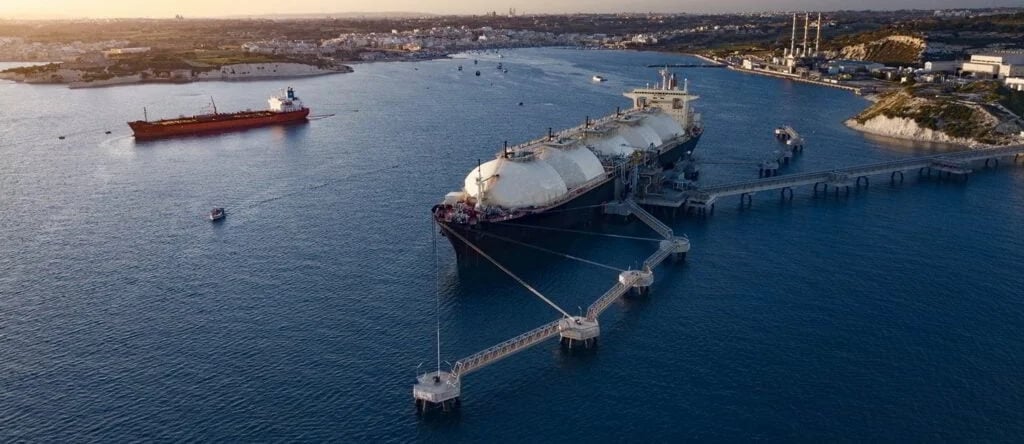
Eni pulls off LNG offtake hat trick in Southeast Asia

In 60 seconds

Top move

Eni’s signed LNG offtakes tied to existing Indonesian train reactivation creates an operational procurement need for plant recommissioning services and shipping/regas arrangements rather than new liquefaction builds

Key takeaways

  • Eni’s signed LNG offtakes tied to existing Indonesian train reactivation creates an operational procurement need for plant recommissioning services and shipping/regas arrangements rather than new liquefaction builds.[3]
  • Subsea7’s awarded EPCI pipeline and tie‑in work signals continued demand for offshore pipeline fabrication and installation packages that will compete for regional engineering and vessel resources.[1]
  • Archer’s planned acquisition of isol8 consolidates alloy barrier and rigless plug‑and‑abandonment capability under a larger supplier — buyers should expect shifts in acceptance testing, spare‑parts posture and commercial terms.[4]
  • BP/ExxonMobil progressing a subsea pump FID makes subsea boosting technology a credible alternative to new wells and creates procurement pressure on subsea equipment, specialised engineering and install schedules.[2]
  • VR safety tooling is a useful, early operational tool to improve training and HAZOP follow‑through, but current commentary is thematic and needs buyer validation before changing contractor QA or training contracts.[5]

What changed since last run

  • Added Eni’s Indonesia LNG offtakes tied to Bontang train reactivation as a concrete downstream procurement demand signal (article 3).
  • Added Subsea7’s awarded EPCI pipeline contract in Norway as an operational example that sustains demand for pipeline fabrication and installation scopes (article 2).
  • Added Archer’s acquisition of isol8 which consolidates P&A alloy‑barrier capability and will affect FAT, warranty and spare‑parts negotiation posture (article 4).

Key facts

  • Final investment decision taken for a subsea pump project
  • Operator positions pump as alternative to drilling new wells
  • First production delivery planned on a multi‑year schedule
  • EPCI contract includes a 12.7‑kilometre uninsulated carbon steel export pipeline
  • Scope includes associated subsea infrastructure and tie‑in work
  • Offshore operations scheduled in the near‑term installation window

Why it matters

Eni’s signed LNG offtakes tied to existing Indonesian train reactivation creates an operational procurement need for plant recommissioning services and shipping/regas arrangements rather than new liquefaction builds. Subsea7’s awarded EPCI pipeline and tie‑in work signals continued demand for offshore pipeline fabrication and installation packages that will compete for regional engineering and vessel resources. Archer’s planned acquisition of isol8 consolidates alloy barrier and rigless plug‑and‑abandonment capability under a larger supplier — buyers should expect shifts in acceptance testing, spare‑parts posture and commercial terms. BP/ExxonMobil progressing a subsea pump FID makes subsea boosting technology a credible alternative to new wells and creates procurement pressure on subsea equipment, specialised engineering and install schedules

Cost / money

  • Reactivation-focused LNG volumes shift spend from greenfield CAPEX toward plant recommissioning, long‑lead spares and specialist services that are typically billed as O&M or one‑off reactivation packages.[3]
  • Offshore pipeline EPCI awards increase demand for fabrication yards and vessel day‑rates in the supply chain, which can raise quote levels for nearby APAC packages when schedules collide.[1]
  • Supplier consolidation on P&A tech can compress supplier options and allow larger vendors to push firmer mobilisation milestones and tighter quote validity, increasing buyer commercial exposure if not controlled.[4]

Supplier / commercial

  • Suppliers to reactivated LNG trains and shipowners can press for pass‑through clauses covering reactivation costs, fuel and transport inputs unless contracts specify fixed scopes and price treatment.[3]
  • EPCI contractors winning pipeline work demonstrate buyer appetite for integrated delivery; expect bidders to offer integrated scopes that bundle engineering, procurement and installation and to insist on mobilisation milestones.[1]
  • Archer rolling isol8 tech into its portfolio creates an incentive for the combined supplier to standardise commercial terms and promote longer‑term service or warranty packages.[4]

Safety / operations

  • Subsea pump and boosting projects change operational handover risk: buyers must lock FAT, test acceptance and spares lists to avoid startup delays when subsea equipment transitions to production duty.[2]
  • Immersive VR training can reduce human‑error risk and improve HAZOP outcomes, but it is a supplementary tool that requires integration into existing training and emergency response protocols before being contractually enforced.[5]

What to watch

  • Watch contract language on LNG train reactivation for clauses that shift reactivation or transport pass‑through risk to buyers; those clauses materially change supplier pricing posture.[3]
  • Watch how Archer revises acceptance testing and warranty terms as isol8 tech is commercialised — changes could alter scope of supplier liabilities and spare‑parts obligations.[4]

Top stories

Story 1Offshore EnergyMay 22, 2026

BP, ExxonMobil set on ramping up production at US Gulf oil & gas platform

Signal strongSource-grounded

What happened

BP and ExxonMobil have taken FID for a subsea pump project intended to boost production from a major Gulf platform. The pump is being promoted as a cost‑efficient alternative to drilling new wells and is scheduled to deliver first oil on a multi‑year timeline. Procurement should watch subsea equipment lead times, integration testing needs, and installation vessel scheduling as the project moves into execution

Buyer takeaway

Treat the FID as an actionable signal to lock FAT and spares requirements because subsea pumps introduce integration and spare‑parts dependencies different from standard subsea trees

Cost / money

Shifts some capital from well drilling to subsea equipment and installation packages; suppliers may price integration and testing work as premium items

Supplier / commercial

Specialist subsea equipment vendors and installation contractors can demand firmer mobilisation and shorter quote validity once FID is announced

Safety / operations

Subsea boosting changes operational handover risk and requires updated commissioning, test regimes and contingency spares to preserve well integrity

What to watch

Watch vessel and specialised tool availability for subsea installation windows — shortages will compress schedules and raise premiums

Key facts

  • Final investment decision taken for a subsea pump project
  • Operator positions pump as alternative to drilling new wells
  • First production delivery planned on a multi‑year schedule

Source excerpts

“A subsea pump is installed on the seafloor as part of a subsea production system
BP claims that the subsea pump, seen as being cost-efficient by design, is expected to deliver production comparable to that of drilling up to two new wells, while reducing pressure across existing wells and helping position Thunder Horse to produce for longer
Subsea pumps are one example, supporting sustained and increased production over the life of our fields. “A subsea pump is installed on the seafloor as part of a subsea production system
Story 2Offshore EnergyMay 22, 2026

Subsea7 clinches multimillion-dollar deal for Norwegian gas export project

Signal strongSource-grounded

What happened

Subsea7 has won a substantial EPCI contract to build a 12.7‑kilometre export pipeline and tie‑ins for a Barents Sea gas export project. Engineering, procurement and installation work starts immediately with offshore operations slated in coming years. Buyers should note the scope mix (pipeline, subsea infrastructure) and anticipate competition for fabrication yards and heavy‑lift vessel time

Buyer takeaway

Treat this award as evidence of continued demand for integrated pipeline EPCI delivery and use it to validate vendor lead times and vessel planning assumptions

Cost / money

Fabrication and vessel demand can increase pricing pressure on similar APAC packages when schedules overlap

Supplier / commercial

Contractors offering integrated scopes may insist on mobilisation milestones and bundled commercial terms to manage risk across disciplines

Safety / operations

Pipeline installation and tie‑ins require coordinated marine safety management and contractor interface controls to avoid offshore incidents

What to watch

Watch yard and heavy‑lift vessel slot pressure since competing projects can cause schedule slippage or premium pricing

Key facts

  • EPCI contract includes a 12.7‑kilometre uninsulated carbon steel export pipeline
  • Scope includes associated subsea infrastructure and tie‑in work
  • Offshore operations scheduled in the near‑term installation window

Source excerpts

Luxembourg-domiciled firm’s scope of work encompasses engineering, procurement, construction, and installation (EPCI) of a 12. 7-kilometer 10‑inch uninsulated carbon steel pipeline, along with the installation of associated subsea infrastructure required to safely and reliably tie in the gas export system
Luxembourg-domiciled firm’s scope of work encompasses engineering, procurement, construction, and installation (EPCI) of a 12
This development will enable the export of gas from the Goliat field to the Hammerfest LNG plant on the island of Melkøya through the existing Snøhvit pipeline system. Luxembourg-domiciled firm’s scope of work encompasses engineering, procurement, construction, and installation (EPCI) of a 12
Story 3Offshore EnergyMay 22, 2026

Eni pulls off LNG offtake hat trick in Southeast Asia

Signal strongSource-grounded

What happened

Eni signed three long‑term LNG supply agreements tied to its operated projects in Indonesia and plans to route volumes via existing Bontang LNG facilities, including reactivating an idle train. The deals shift demand into re‑commissioning, shipping and regas service packages rather than new liquefaction builds. Monitor reactivation milestones, contractual allocation of reactivation costs, and shipping commitments that will dictate procurement packaging

Buyer takeaway

Treat these offtakes as an imminent downstream demand signal because they tie volumes to an existing train and therefore require defined reactivation scopes

Cost / money

Shifts procurement spend toward reactivation O&M, contractor services and shipping/regas arrangements rather than greenfield train construction

Supplier / commercial

Train operators and shipowners could press for pass‑throughs or mobilisation premiums unless contracts set fixed treatments for reactivation costs

Safety / operations

Recommissioning an idle train requires detailed FAT, commissioning sequences and spares provisioning to avoid start‑up issues

What to watch

Watch commercial clauses that allocate reactivation and transport costs — they will determine whether buyers assume pass‑through risk

Key facts

  • Three long‑term LNG supply agreements for Kutei Basin projects
  • Cumulative volumes routed via existing Bontang LNG facilities
  • Reactivation of an idle train to maximise existing infrastructure

Source excerpts

” The company underlines that LNG will be supplied through the existing Bontang LNG facilities in East Kalimantan, including through the reactivation of one train that has been idle for several years, thereby maximizing the utilization of Indonesia’s existing energy infrastructure
The long-term deals, which relate to LNG volumes coming from Eni’s operated gas development projects in the Kutei Basin, have cumulative volumes of approximately 2 million tons per year (mtpa)
Home Fossil Energy Eni pulls off LNG offtake hat trick in Southeast Asia May 22, 2026, by Italy’s energy giant Eni has lined up three new long-term liquefied natural gas (LNG) supply agreements for its gas project duo in Indonesia, Southeast Asia
Story 4Offshore EnergyMay 22, 2026

Archer acquires Scottish firm to expand subsea and rigless P&A capabilities

Signal strongSource-grounded

What happened

Archer announced acquisition of isol8 to expand alloy barrier and rigless plug‑and‑abandonment (P&A) capabilities, with completion expected subject to approvals. The deal will scale isol8’s tech across Archer’s customer base and change how P&A services are packaged. Buyers should re‑set acceptance, FAT and spare‑parts expectations for future P&A awards

Buyer takeaway

Treat the acquisition as supplier consolidation that warrants revisiting FAT and warranty expectations for P&A scopes

Cost / money

Consolidation may reduce some price variability but can increase supplier leverage on commercial terms and mobilization windows

Supplier / commercial

Combined supplier may push standardised, longer‑term service agreements and tighter acceptance criteria

Safety / operations

New alloy barrier systems require updated testing protocols and operator competence checks to maintain well integrity

What to watch

Watch for changes to commercial or warranty language as the technology is rolled out at scale

Key facts

  • Acquisition of isol8 to expand alloy barrier and P&A capabilities
  • Transaction expected to complete subject to regulatory approvals
  • Intended to scale isol8’s technology via Archer’s global reach

Source excerpts

“Archer’s global reach and established customer base create a strong platform to scale deployment of isol8’s technologies across the entire well lifecycle. Together, we have the opportunity to expand adoption of our existing alloy barrier products and accelerate the commercialisation of our emerging metal element technology,” Andrew Louden, Founder and CEO of isol8, noted
According to Archer CEO Dag Skindlo, the acquisition brings valuable technologies and talent into Archer, with isol8’s solutions to strengthen and expand the company’s plug portfolio and advance subsea and rigless P&A offering. “Archer’s global reach and established customer base create a strong platform to scale deployment of isol8’s technologies across the entire well lifecycle
Home Subsea Archer acquires Scottish firm to expand subsea and rigless P&A capabilities May 22, 2026, by Oslo Stock Exchange-listed oil services company Archer is set to acquire isol8, a Scottish well technology company focused on alloy-based barrier solutions and advanced materials for use in well completions, intervention, and plug and abandonment (P&A)
Story 5Offshore TechnologyMay 21, 2026

From HAZOP to immersive risk simulation: how VR will improve safety in oil and gas - Offshore Technology

Signal limitedDirectional

What happened

An industry opinion piece describes how virtual reality (VR) can improve safety training by making HAZOP scenarios immersive rather than purely document‑based. The piece highlights integration opportunities with AI, digital twins and consequence modelling, but it is thematic and not an operational case study. Buyers should test VR pilots before embedding requirements into contracts or QA frameworks

Buyer takeaway

Treat VR as a candidate technology for pilot trials to validate training outcomes before requiring it in contractor pre‑mobilisation checks

Cost / money

Investment in VR pilots is incremental but can reduce longer‑term training and incident costs if validated

Supplier / commercial

Vendors may offer bundled training and simulation services that could be specified as part of competency requirements

Safety / operations

When integrated properly, VR can improve practical HAZOP understanding and emergency response readiness

What to watch

Thematic coverage means evidence of operational impact is limited; buyers should require measurable pilot outcomes before contracting

Key facts

  • VR enables 3D simulation of gas dispersion, fire and evacuation scenarios
  • Works best when integrated with AI HAZOP tools, digital twins and process data
  • Author positions VR as an enhancement to, not a replacement for, standard safety frameworks

Source excerpts

Insights gleaned from virtual experience can then support training, design review and emergency preparedness strategies, supporting safer work environments and stakeholder confidence. For oil and gas operators, VR can provide repeated exposure to rare but serious events, while for health, safety and environmental teams, it makes emergency response training more realistic
This creates a stronger link between risk assessment, design review, training and operational readiness
VR’s potential increases when used alongside AI-assisted HAZOP tools, consequence modelling outputs, digital twins, process data, scenario libraries, 3D plant models and training analytics. A future workflow may start with HAZOP data, which can be connected to a 3D plant model, to apply consequence or QRA modelling

VP Snapshot

Executive Risk & Action View

Eni’s signed LNG offtakes tied to existing Indonesian train reactivation creates an operational procurement need for plant recommissioning services and shipping/regas arrangements rather than new liquefaction builds.

Overall
62
Cost
97
Supply
25
Schedule
38
Compliance
15

Top signals

30-180dcost

Signal 1: Cost / money

Reactivation-focused LNG volumes shift spend from greenfield CAPEX toward plant recommissioning, long‑lead spares and specialist services that are typically billed as O&M or one‑off reactivation packages.

Signal 2: Cost / money

Offshore pipeline EPCI awards increase demand for fabrication yards and vessel day‑rates in the supply chain, which can raise quote levels for nearby APAC packages when schedules collide.

Signal 3: Cost / money

Supplier consolidation on P&A tech can compress supplier options and allow larger vendors to push firmer mobilisation milestones and tighter quote validity, increasing buyer commercial exposure if not controlled.

Signal 4: Supplier / commercial

Suppliers to reactivated LNG trains and shipowners can press for pass‑through clauses covering reactivation costs, fuel and transport inputs unless contracts specify fixed scopes and price treatment.

30-180dschedule

Signal 5: Supplier / commercial

EPCI contractors winning pipeline work demonstrate buyer appetite for integrated delivery; expect bidders to offer integrated scopes that bundle engineering, procurement and installation and to insist on mobilisation milestones.

180d+commercial

Signal 6: Supplier / commercial

Archer rolling isol8 tech into its portfolio creates an incentive for the combined supplier to standardise commercial terms and promote longer‑term service or warranty packages.

Recommended actions

CategoryDue 3d

Request confirmation from Eni’s Indonesia team on whether Bontang reactivation will require contractor‑led FAT, specific spares lists, and shipping commitments.

Clarified scope of reactivation services, preliminary spares list and identification of shipping/regas dependencies for upcoming tenders.

CategoryDue 21d

Run a vendor readiness sweep for pipeline EPCI and heavy lift vessel availability in the APAC procurement window and flag mobilisation lead times.

Ranked supplier availability register and mobilisation risk flags to inform bid timetables and contract clauses.

ContractsDue 21d

Update contracting templates to tighten mobilisation milestones and limit pass‑through exposure for reactivation and subsea equipment scopes.

Revised clause set ready for inclusion in RFPs that protects schedule and cost exposure.

OpsDue 60d

Plan FAT, handover and spare‑parts protocols for alloy barrier P&A services reflecting Archer–isol8 integration, and schedule supplier competency audits.

FAT checklist, handover protocol and supplier competency register aligned with procurement and award terms.

OpsDue 60d

Pilot integration of VR‑based HAZOP training modules into contractor pre‑mobilisation checks for high‑risk scopes and evaluate impact on readiness.

Pilot training results and recommendations for contracting language or certification prerequisites for bidders.

Risk register

RiskTriggerMitigation
Watch contract language on LNG train reactivation for clauses that shift reactivation or transport pass‑through risk to buyers; those clauses materially change supplier pricing posture.Watch contract language on LNG train reactivation for clauses that shift reactivation or transport pass‑through risk to buyers; those clauses materially change supplier pricing posture.Confirm exposure with category, contracts, and operations before the next supplier commitment.
Watch how Archer revises acceptance testing and warranty terms as isol8 tech is commercialised — changes could alter scope of supplier liabilities and spare‑parts obligations.Watch how Archer revises acceptance testing and warranty terms as isol8 tech is commercialised — changes could alter scope of supplier liabilities and spare‑parts obligations.Confirm exposure with category, contracts, and operations before the next supplier commitment.

CM Snapshot

Category Manager Decision Detail

Today's priorities

Request confirmation from Eni’s Indonesia team on whether Bontang reactivation will require contractor‑led FAT, specific spares lists, and shipping commitments.

Do this because volume routing to an existing train creates concrete service and shipping dependencies that determine which suppliers must be mobilised and which costs may be pa...

Due 3d

high

CM move

Use this as the immediate supplier or contract action to move before the next sourcing gate.

Run a vendor readiness sweep for pipeline EPCI and heavy lift vessel availability in the APAC procurement window and flag mobilisation lead times.

Do this because Subsea7’s awarded pipeline work shows continued competition for fabrication and vessels and availability constraints will affect scheduling and pricing.

Due 21d

high

CM move

Use this as the immediate supplier or contract action to move before the next sourcing gate.

Update contracting templates to tighten mobilisation milestones and limit pass‑through exposure for reactivation and subsea equipment scopes.

Do this because reactivation and subsea booster projects give suppliers leverage on timing and cost terms unless contract scope and pass‑through language are specified up front.

Due 21d

high

CM move

Use this as the immediate supplier or contract action to move before the next sourcing gate.

Plan FAT, handover and spare‑parts protocols for alloy barrier P&A services reflecting Archer–isol8 integration, and schedule supplier competency audits.

Do this because the acquisition consolidates new P&A technology under a single supplier and acceptance criteria, training and spare‑parts must be agreed before field deployment...

Due 60d

high

CM move

Use this as the immediate supplier or contract action to move before the next sourcing gate.

Supplier radar

Offshore Energy

high

Observed supplier signal

Suppliers to reactivated LNG trains and shipowners can press for pass‑through clauses covering reactivation costs, fuel and transport inputs unless contracts specify fixed scopes and price treatment.

Commercial implication

Suppliers to reactivated LNG trains and shipowners can press for pass‑through clauses covering reactivation costs, fuel and transport inputs unless contracts specify fixed scopes and price treatment.

Next step: Validate the source-backed signal with incumbents and alternates before the next award or pricing decision.

Offshore Energy

high

Observed supplier signal

EPCI contractors winning pipeline work demonstrate buyer appetite for integrated delivery; expect bidders to offer integrated scopes that bundle engineering, procurement and installation and to insist on mobilisation milestones.

Commercial implication

EPCI contractors winning pipeline work demonstrate buyer appetite for integrated delivery; expect bidders to offer integrated scopes that bundle engineering, procurement and installation and to insist on mobilisation milestones.

Next step: Validate the source-backed signal with incumbents and alternates before the next award or pricing decision.

Offshore Energy

high

Observed supplier signal

Archer rolling isol8 tech into its portfolio creates an incentive for the combined supplier to standardise commercial terms and promote longer‑term service or warranty packages.

Commercial implication

Archer rolling isol8 tech into its portfolio creates an incentive for the combined supplier to standardise commercial terms and promote longer‑term service or warranty packages.

Next step: Validate the source-backed signal with incumbents and alternates before the next award or pricing decision.

Negotiation levers

Request confirmation from Eni’s Indonesia team on whether Bontang reactivation will require contractor‑led FAT, specific spares lists, and shipping commitments.

When to use: Do this because volume routing to an existing train creates concrete service and shipping dependencies that determine which suppliers must be mobilised and which costs may be pa...

Expected outcome: Clarified scope of reactivation services, preliminary spares list and identification of shipping/regas dependencies for upcoming tenders.

Commercial mechanism to carry into the next supplier conversation

Run a vendor readiness sweep for pipeline EPCI and heavy lift vessel availability in the APAC procurement window and flag mobilisation lead times.

When to use: Do this because Subsea7’s awarded pipeline work shows continued competition for fabrication and vessels and availability constraints will affect scheduling and pricing.

Expected outcome: Ranked supplier availability register and mobilisation risk flags to inform bid timetables and contract clauses.

Commercial mechanism to carry into the next supplier conversation

Update contracting templates to tighten mobilisation milestones and limit pass‑through exposure for reactivation and subsea equipment scopes.

When to use: Do this because reactivation and subsea booster projects give suppliers leverage on timing and cost terms unless contract scope and pass‑through language are specified up front.

Expected outcome: Revised clause set ready for inclusion in RFPs that protects schedule and cost exposure.

Commercial mechanism to carry into the next supplier conversation

Plan FAT, handover and spare‑parts protocols for alloy barrier P&A services reflecting Archer–isol8 integration, and schedule supplier competency audits.

When to use: Do this because the acquisition consolidates new P&A technology under a single supplier and acceptance criteria, training and spare‑parts must be agreed before field deployment...

Expected outcome: FAT checklist, handover protocol and supplier competency register aligned with procurement and award terms.

Commercial mechanism to carry into the next supplier conversation

Talking points

Eni’s signed LNG offtakes tied to existing Indonesian train reactivation creates an operational procurement need for plant recommissioning services and shipping/regas arrangements rather than new liquefaction builds.
Subsea7’s awarded EPCI pipeline and tie‑in work signals continued demand for offshore pipeline fabrication and installation packages that will compete for regional engineering and vessel resources.
Archer’s planned acquisition of isol8 consolidates alloy barrier and rigless plug‑and‑abandonment capability under a larger supplier — buyers should expect shifts in acceptance testing, spare‑parts posture and commercial terms.
BP/ExxonMobil progressing a subsea pump FID makes subsea boosting technology a credible alternative to new wells and creates procurement pressure on subsea equipment, specialised engineering and install schedules.

Supplier radar

SupplierSignalImplicationNext stepConfidence
Offshore EnergySuppliers to reactivated LNG trains and shipowners can press for pass‑through clauses covering reactivation costs, fuel and transport inputs unless contracts specify fixed scopes and price treatment.Suppliers to reactivated LNG trains and shipowners can press for pass‑through clauses covering reactivation costs, fuel and transport inputs unless contracts specify fixed scopes and price treatment.Validate the source-backed signal with incumbents and alternates before the next award or pricing decision.high
Offshore EnergyEPCI contractors winning pipeline work demonstrate buyer appetite for integrated delivery; expect bidders to offer integrated scopes that bundle engineering, procurement and installation and to insist on mobilisation milestones.EPCI contractors winning pipeline work demonstrate buyer appetite for integrated delivery; expect bidders to offer integrated scopes that bundle engineering, procurement and installation and to insist on mobilisation milestones.Validate the source-backed signal with incumbents and alternates before the next award or pricing decision.high
Offshore EnergyArcher rolling isol8 tech into its portfolio creates an incentive for the combined supplier to standardise commercial terms and promote longer‑term service or warranty packages.Archer rolling isol8 tech into its portfolio creates an incentive for the combined supplier to standardise commercial terms and promote longer‑term service or warranty packages.Validate the source-backed signal with incumbents and alternates before the next award or pricing decision.high

Negotiation levers

  • Request confirmation from Eni’s Indonesia team on whether Bontang reactivation will require contractor‑led FAT, specific spares lists, and shipping commitments.Do this because volume routing to an existing train creates concrete service and shipping dependencies that determine which suppliers must be mobilised and which costs may be pa...Clarified scope of reactivation services, preliminary spares list and identification of shipping/regas dependencies for upcoming tenders.

    high confidence

  • Run a vendor readiness sweep for pipeline EPCI and heavy lift vessel availability in the APAC procurement window and flag mobilisation lead times.Do this because Subsea7’s awarded pipeline work shows continued competition for fabrication and vessels and availability constraints will affect scheduling and pricing.Ranked supplier availability register and mobilisation risk flags to inform bid timetables and contract clauses.

    high confidence

  • Update contracting templates to tighten mobilisation milestones and limit pass‑through exposure for reactivation and subsea equipment scopes.Do this because reactivation and subsea booster projects give suppliers leverage on timing and cost terms unless contract scope and pass‑through language are specified up front.Revised clause set ready for inclusion in RFPs that protects schedule and cost exposure.

    high confidence

  • Plan FAT, handover and spare‑parts protocols for alloy barrier P&A services reflecting Archer–isol8 integration, and schedule supplier competency audits.Do this because the acquisition consolidates new P&A technology under a single supplier and acceptance criteria, training and spare‑parts must be agreed before field deployment...FAT checklist, handover protocol and supplier competency register aligned with procurement and award terms.

    high confidence

What to do / What to watch

What to do now

  • Request confirmation from Eni’s Indonesia team on whether Bontang reactivation will require contractor‑led FAT, specific spares lists, and shipping commitments.

    Why: Do this because volume routing to an existing train creates concrete service and shipping dependencies that determine which suppliers must be mobilised and which costs may be pa...

    Owner: Category

    Expected outcome: Clarified scope of reactivation services, preliminary spares list and identification of shipping/regas dependencies for upcoming tenders.

    [3]

Next few weeks

  • Run a vendor readiness sweep for pipeline EPCI and heavy lift vessel availability in the APAC procurement window and flag mobilisation lead times.

    Why: Do this because Subsea7’s awarded pipeline work shows continued competition for fabrication and vessels and availability constraints will affect scheduling and pricing.

    Owner: Category

    Expected outcome: Ranked supplier availability register and mobilisation risk flags to inform bid timetables and contract clauses.

    [1]
  • Update contracting templates to tighten mobilisation milestones and limit pass‑through exposure for reactivation and subsea equipment scopes.

    Why: Do this because reactivation and subsea booster projects give suppliers leverage on timing and cost terms unless contract scope and pass‑through language are specified up front.

    Owner: Contracts

    Expected outcome: Revised clause set ready for inclusion in RFPs that protects schedule and cost exposure.

    [2][3]

Longer view

  • Plan FAT, handover and spare‑parts protocols for alloy barrier P&A services reflecting Archer–isol8 integration, and schedule supplier competency audits.

    Why: Do this because the acquisition consolidates new P&A technology under a single supplier and acceptance criteria, training and spare‑parts must be agreed before field deployment...

    Owner: Ops

    Expected outcome: FAT checklist, handover protocol and supplier competency register aligned with procurement and award terms.

    [4]
  • Pilot integration of VR‑based HAZOP training modules into contractor pre‑mobilisation checks for high‑risk scopes and evaluate impact on readiness.

    Why: Do this because immersive VR can improve practical HAZOP outcomes and training retention, and testing it in pilots lets buyers validate performance before changing contractual Q...

    Owner: Ops

    Expected outcome: Pilot training results and recommendations for contracting language or certification prerequisites for bidders.

    [5]

What to watch

  • Watch contract language on LNG train reactivation for clauses that shift reactivation or transport pass‑through risk to buyers; those clauses materially change supplier pricing posture
  • Watch how Archer revises acceptance testing and warranty terms as isol8 tech is commercialised — changes could alter scope of supplier liabilities and spare‑parts obligations
  • Watch contract language on LNG train reactivation for clauses that shift reactivation or transport pass‑through risk to buyers; those clauses materially change supplier pricing posture.: Watch contract language on LNG train reactivation for clauses that shift reactivation or transport pass‑through risk to buyers; those clauses materially change supplier pricing posture
  • Watch how Archer revises acceptance testing and warranty terms as isol8 tech is commercialised — changes could alter scope of supplier liabilities and spare‑parts obligations.: Watch how Archer revises acceptance testing and warranty terms as isol8 tech is commercialised — changes could alter scope of supplier liabilities and spare‑parts obligations
  • Eni’s signed LNG offtakes tied to existing Indonesian train reactivation creates an operational procurement need for plant recommissioning services and shipping/regas arrangements rather than new liquefaction builds
  • Subsea7’s awarded EPCI pipeline and tie‑in work signals continued demand for offshore pipeline fabrication and installation packages that will compete for regional engineering and vessel resources
  • Archer’s planned acquisition of isol8 consolidates alloy barrier and rigless plug‑and‑abandonment capability under a larger supplier — buyers should expect shifts in acceptance testing, spare‑parts posture and commercial terms
  • BP/ExxonMobil progressing a subsea pump FID makes subsea boosting technology a credible alternative to new wells and creates procurement pressure on subsea equipment, specialised engineering and install schedules

Market pulse

IndexLatestChangeAs of
WTI Crude (WTI)71.23 /bbl+0.00 (+0.00%)May 22, 2026, 10:07 PM
Brent Crude (BRENT)74.89 /bbl+0.00 (+0.00%)May 22, 2026, 10:07 PM
Natural Gas (NG)3.12 /MMBtu+0.00 (+0.00%)May 22, 2026, 10:07 PM
Henry Hub Gas (NG)3.12 /MMBtu+0.00 (+0.00%)May 22, 2026, 10:07 PM
Cheniere (LNG) (LNG)185 +0.00 (+0.00%)May 22, 2026, 10:07 PM
Brent Crude (BRENT)74.89 /bbl+0.00 (+0.00%)May 22, 2026, 10:07 PM
  • Cheniere (LNG): Confirmed LNG contracts point to increased demand for shipping/regas and plant reactivation services in APAC procurement pipelines
  • Dry Bulk Shipping (BDRY): Sustained pipeline and subsea EPCI activity will maintain pressure on fabrication yards and heavy‑lift vessel availability

Sources

Inline citations jump here. Expand a source to read the excerpt, the AI interpretation, and the original link.

[1] Subsea7 clinches multimillion-dollar deal for Norwegian gas export project

offshore-energy.biz · May 22, 2026

Expand

AI reading

Subsea7 has won a substantial EPCI contract to build a 12.7‑kilometre export pipeline and tie‑ins for a Barents Sea gas export project. Engineering, procurement and installation work starts immediately with offshore operations slated in coming years. Buyers should note the scope mix (pipeline, subsea infrastructure) and anticipate competition for fabrication yards and heavy‑lift vessel time

Buyer takeaway

Treat this award as evidence of continued demand for integrated pipeline EPCI delivery and use it to validate vendor lead times and vessel planning assumptions

Cost / money

Fabrication and vessel demand can increase pricing pressure on similar APAC packages when schedules overlap

Supplier / commercial

Contractors offering integrated scopes may insist on mobilisation milestones and bundled commercial terms to manage risk across disciplines

Safety / operations

Pipeline installation and tie‑ins require coordinated marine safety management and contractor interface controls to avoid offshore incidents

What to watch

Watch yard and heavy‑lift vessel slot pressure since competing projects can cause schedule slippage or premium pricing

Key facts

  • EPCI contract includes a 12.7‑kilometre uninsulated carbon steel export pipeline
  • Scope includes associated subsea infrastructure and tie‑in work
  • Offshore operations scheduled in the near‑term installation window

Source excerpts

Luxembourg-domiciled firm’s scope of work encompasses engineering, procurement, construction, and installation (EPCI) of a 12. 7-kilometer 10‑inch uninsulated carbon steel pipeline, along with the installation of associated subsea infrastructure required to safely and reliably tie in the gas export system
Luxembourg-domiciled firm’s scope of work encompasses engineering, procurement, construction, and installation (EPCI) of a 12
This development will enable the export of gas from the Goliat field to the Hammerfest LNG plant on the island of Melkøya through the existing Snøhvit pipeline system. Luxembourg-domiciled firm’s scope of work encompasses engineering, procurement, construction, and installation (EPCI) of a 12

Used in this brief

  • Eni’s signed LNG offtakes tied to existing Indonesian train reactivation creates an operational procurement need for plant recommissioning services and shipping/regas arrangements rather than new liquefaction builds. Subsea7’s awarded EPCI pipeline and tie‑in work signals continued demand for offshore pipeline fabrication and installation packages that will compete for regional engineering and vessel resources. Archer’s planned acquisition of isol8 consolidates alloy barrier and rigless plug‑and‑abandonment capability under a larger supplier — buyers should expect shifts in acceptance testing, spare‑parts posture and commercial terms. BP/ExxonMobil progressing a subsea pump FID makes subsea boosting technology a credible alternative to new wells and creates procurement pressure on subsea equipment, specialised engineering and install schedules
  • Supplier / commercial: EPCI contractors winning pipeline work demonstrate buyer appetite for integrated delivery; expect bidders to offer integrated scopes that bundle engineering, procurement and installation and to insist on mobilisation milestones
  • Next 2-4 weeks — Run a vendor readiness sweep for pipeline EPCI and heavy lift vessel availability in the APAC procurement window and flag mobilisation lead times.. Rationale: Do this because Subsea7’s awarded pipeline work shows continued competition for fabrication and vessels and availability constraints will affect scheduling and pricing.. Owner: Category. KPI: Ranked supplier availability register and mobilisation risk flags to inform bid timetables and contract clauses
Open original source

[2] BP, ExxonMobil set on ramping up production at US Gulf oil & gas platform

offshore-energy.biz · May 22, 2026

Expand

AI reading

BP and ExxonMobil have taken FID for a subsea pump project intended to boost production from a major Gulf platform. The pump is being promoted as a cost‑efficient alternative to drilling new wells and is scheduled to deliver first oil on a multi‑year timeline. Procurement should watch subsea equipment lead times, integration testing needs, and installation vessel scheduling as the project moves into execution

Buyer takeaway

Treat the FID as an actionable signal to lock FAT and spares requirements because subsea pumps introduce integration and spare‑parts dependencies different from standard subsea trees

Cost / money

Shifts some capital from well drilling to subsea equipment and installation packages; suppliers may price integration and testing work as premium items

Supplier / commercial

Specialist subsea equipment vendors and installation contractors can demand firmer mobilisation and shorter quote validity once FID is announced

Safety / operations

Subsea boosting changes operational handover risk and requires updated commissioning, test regimes and contingency spares to preserve well integrity

What to watch

Watch vessel and specialised tool availability for subsea installation windows — shortages will compress schedules and raise premiums

Key facts

  • Final investment decision taken for a subsea pump project
  • Operator positions pump as alternative to drilling new wells
  • First production delivery planned on a multi‑year schedule

Source excerpts

“A subsea pump is installed on the seafloor as part of a subsea production system
BP claims that the subsea pump, seen as being cost-efficient by design, is expected to deliver production comparable to that of drilling up to two new wells, while reducing pressure across existing wells and helping position Thunder Horse to produce for longer
Subsea pumps are one example, supporting sustained and increased production over the life of our fields. “A subsea pump is installed on the seafloor as part of a subsea production system

Used in this brief

  • Safety / operations: Subsea pump and boosting projects change operational handover risk: buyers must lock FAT, test acceptance and spares lists to avoid startup delays when subsea equipment transitions to production duty
  • Next 2-4 weeks — Update contracting templates to tighten mobilisation milestones and limit pass‑through exposure for reactivation and subsea equipment scopes.. Rationale: Do this because reactivation and subsea booster projects give suppliers leverage on timing and cost terms unless contract scope and pass‑through language are specified up front.. Owner: Contracts. KPI: Revised clause set ready for inclusion in RFPs that protects schedule and cost exposure
  • BP and ExxonMobil have taken FID for a subsea pump project intended to boost production from a major Gulf platform. The pump is being promoted as a cost‑efficient alternative to drilling new wells and is scheduled to deliver first oil on a multi‑year timeline. Procurement should watch subsea equipment lead times, integration testing needs, and installation vessel scheduling as the project moves into execution
Open original source

[3] Eni pulls off LNG offtake hat trick in Southeast Asia

offshore-energy.biz · May 22, 2026

Expand

AI reading

Eni signed three long‑term LNG supply agreements tied to its operated projects in Indonesia and plans to route volumes via existing Bontang LNG facilities, including reactivating an idle train. The deals shift demand into re‑commissioning, shipping and regas service packages rather than new liquefaction builds. Monitor reactivation milestones, contractual allocation of reactivation costs, and shipping commitments that will dictate procurement packaging

Buyer takeaway

Treat these offtakes as an imminent downstream demand signal because they tie volumes to an existing train and therefore require defined reactivation scopes

Cost / money

Shifts procurement spend toward reactivation O&M, contractor services and shipping/regas arrangements rather than greenfield train construction

Supplier / commercial

Train operators and shipowners could press for pass‑throughs or mobilisation premiums unless contracts set fixed treatments for reactivation costs

Safety / operations

Recommissioning an idle train requires detailed FAT, commissioning sequences and spares provisioning to avoid start‑up issues

What to watch

Watch commercial clauses that allocate reactivation and transport costs — they will determine whether buyers assume pass‑through risk

Key facts

  • Three long‑term LNG supply agreements for Kutei Basin projects
  • Cumulative volumes routed via existing Bontang LNG facilities
  • Reactivation of an idle train to maximise existing infrastructure

Source excerpts

” The company underlines that LNG will be supplied through the existing Bontang LNG facilities in East Kalimantan, including through the reactivation of one train that has been idle for several years, thereby maximizing the utilization of Indonesia’s existing energy infrastructure
The long-term deals, which relate to LNG volumes coming from Eni’s operated gas development projects in the Kutei Basin, have cumulative volumes of approximately 2 million tons per year (mtpa)
Home Fossil Energy Eni pulls off LNG offtake hat trick in Southeast Asia May 22, 2026, by Italy’s energy giant Eni has lined up three new long-term liquefied natural gas (LNG) supply agreements for its gas project duo in Indonesia, Southeast Asia

Used in this brief

  • What to watch: Watch contract language on LNG train reactivation for clauses that shift reactivation or transport pass‑through risk to buyers; those clauses materially change supplier pricing posture
  • Next 72 hours — Request confirmation from Eni’s Indonesia team on whether Bontang reactivation will require contractor‑led FAT, specific spares lists, and shipping commitments.. Rationale: Do this because volume routing to an existing train creates concrete service and shipping dependencies that determine which suppliers must be mobilised and which costs may be pa.... Owner: Category. KPI: Clarified scope of reactivation services, preliminary spares list and identification of shipping/regas dependencies for upcoming tenders
  • Watch contract language on LNG train reactivation for clauses that shift reactivation or transport pass‑through risk to buyers; those clauses materially change supplier pricing posture
Open original source

[4] Archer acquires Scottish firm to expand subsea and rigless P&A capabilities

offshore-energy.biz · May 22, 2026

Expand

AI reading

Archer announced acquisition of isol8 to expand alloy barrier and rigless plug‑and‑abandonment (P&A) capabilities, with completion expected subject to approvals. The deal will scale isol8’s tech across Archer’s customer base and change how P&A services are packaged. Buyers should re‑set acceptance, FAT and spare‑parts expectations for future P&A awards

Buyer takeaway

Treat the acquisition as supplier consolidation that warrants revisiting FAT and warranty expectations for P&A scopes

Cost / money

Consolidation may reduce some price variability but can increase supplier leverage on commercial terms and mobilization windows

Supplier / commercial

Combined supplier may push standardised, longer‑term service agreements and tighter acceptance criteria

Safety / operations

New alloy barrier systems require updated testing protocols and operator competence checks to maintain well integrity

What to watch

Watch for changes to commercial or warranty language as the technology is rolled out at scale

Key facts

  • Acquisition of isol8 to expand alloy barrier and P&A capabilities
  • Transaction expected to complete subject to regulatory approvals
  • Intended to scale isol8’s technology via Archer’s global reach

Source excerpts

“Archer’s global reach and established customer base create a strong platform to scale deployment of isol8’s technologies across the entire well lifecycle. Together, we have the opportunity to expand adoption of our existing alloy barrier products and accelerate the commercialisation of our emerging metal element technology,” Andrew Louden, Founder and CEO of isol8, noted
According to Archer CEO Dag Skindlo, the acquisition brings valuable technologies and talent into Archer, with isol8’s solutions to strengthen and expand the company’s plug portfolio and advance subsea and rigless P&A offering. “Archer’s global reach and established customer base create a strong platform to scale deployment of isol8’s technologies across the entire well lifecycle
Home Subsea Archer acquires Scottish firm to expand subsea and rigless P&A capabilities May 22, 2026, by Oslo Stock Exchange-listed oil services company Archer is set to acquire isol8, a Scottish well technology company focused on alloy-based barrier solutions and advanced materials for use in well completions, intervention, and plug and abandonment (P&A)

Used in this brief

  • Next quarter — Plan FAT, handover and spare‑parts protocols for alloy barrier P&A services reflecting Archer–isol8 integration, and schedule supplier competency audits.. Rationale: Do this because the acquisition consolidates new P&A technology under a single supplier and acceptance criteria, training and spare‑parts must be agreed before field deployment.... Owner: Ops. KPI: FAT checklist, handover protocol and supplier competency register aligned with procurement and award terms
  • Watch how Archer revises acceptance testing and warranty terms as isol8 tech is commercialised — changes could alter scope of supplier liabilities and spare‑parts obligations
  • Added Archer’s acquisition of isol8 which consolidates P&A alloy‑barrier capability and will affect FAT, warranty and spare‑parts negotiation posture (article 4)
Open original source

[5] From HAZOP to immersive risk simulation: how VR will improve safety in oil and gas - Offshore Technology

offshore-technology.com · May 21, 2026

Expand

AI reading

An industry opinion piece describes how virtual reality (VR) can improve safety training by making HAZOP scenarios immersive rather than purely document‑based. The piece highlights integration opportunities with AI, digital twins and consequence modelling, but it is thematic and not an operational case study. Buyers should test VR pilots before embedding requirements into contracts or QA frameworks

Buyer takeaway

Treat VR as a candidate technology for pilot trials to validate training outcomes before requiring it in contractor pre‑mobilisation checks

Cost / money

Investment in VR pilots is incremental but can reduce longer‑term training and incident costs if validated

Supplier / commercial

Vendors may offer bundled training and simulation services that could be specified as part of competency requirements

Safety / operations

When integrated properly, VR can improve practical HAZOP understanding and emergency response readiness

What to watch

Thematic coverage means evidence of operational impact is limited; buyers should require measurable pilot outcomes before contracting

Key facts

  • VR enables 3D simulation of gas dispersion, fire and evacuation scenarios
  • Works best when integrated with AI HAZOP tools, digital twins and process data
  • Author positions VR as an enhancement to, not a replacement for, standard safety frameworks

Source excerpts

Insights gleaned from virtual experience can then support training, design review and emergency preparedness strategies, supporting safer work environments and stakeholder confidence. For oil and gas operators, VR can provide repeated exposure to rare but serious events, while for health, safety and environmental teams, it makes emergency response training more realistic
This creates a stronger link between risk assessment, design review, training and operational readiness
VR’s potential increases when used alongside AI-assisted HAZOP tools, consequence modelling outputs, digital twins, process data, scenario libraries, 3D plant models and training analytics. A future workflow may start with HAZOP data, which can be connected to a 3D plant model, to apply consequence or QRA modelling

Used in this brief

  • Safety / operations: Immersive VR training can reduce human‑error risk and improve HAZOP outcomes, but it is a supplementary tool that requires integration into existing training and emergency response protocols before being contractually enforced
  • Next quarter — Pilot integration of VR‑based HAZOP training modules into contractor pre‑mobilisation checks for high‑risk scopes and evaluate impact on readiness.. Rationale: Do this because immersive VR can improve practical HAZOP outcomes and training retention, and testing it in pilots lets buyers validate performance before changing contractual Q.... Owner: Ops. KPI: Pilot training results and recommendations for contracting language or certification prerequisites for bidders
  • An industry opinion piece describes how virtual reality (VR) can improve safety training by making HAZOP scenarios immersive rather than purely document‑based. The piece highlights integration opportunities with AI, digital twins and consequence modelling, but it is thematic and not an operational case study. Buyers should test VR pilots before embedding requirements into contracts or QA frameworks
Open original source

[6] Cheniere (LNG)

finance.yahoo.com · n.d.

Expand

[7] Dry Bulk Shipping (BDRY)

finance.yahoo.com · n.d.

Expand