BP, Inpex, CNOOC, and LNG Japan enrich oil & gas arsenal with new Southeast Asian blocks
What happened
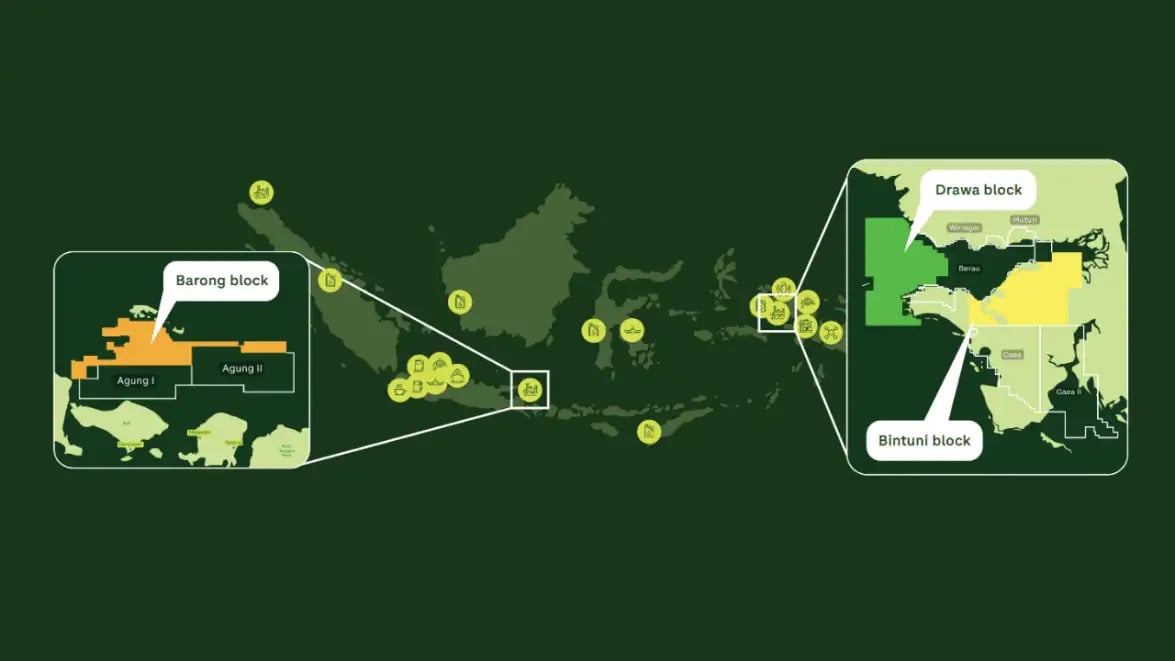
BP and partners signed three production sharing contracts for offshore Indonesian blocks near the Tangguh LNG hub. Two blocks are close enough to existing infrastructure that successful exploration could enable short‑cycle development and local tie‑ins. Watch whether appraisal or fast‑track FEED decisions are timed to use nearby facilities and contractors
Buyer takeaway
Treat these PSCs as a credible demand signal because proximity to Tangguh makes short‑cycle development operationally feasible and likely to call local contractors quickly
Cost / money
Expect directional upward pressure on mobilization and short‑lead fabrication costs where suppliers are asked to support near‑field tie‑ins with limited notice
Supplier / commercial
Regional contractors can narrow quote validity and request booking deposits if they anticipate clustered, short‑cycle work packages
Safety / operations
Faster project cadence can compress permit sequencing and testing windows; Ops must validate readiness for tie‑ins to existing infrastructure
What to watch
Watch for rapid appraisal-to‑FEED moves that shorten procurement lead times and reduce negotiation room
Key facts
- Three PSCs awarded in Indonesia
- Two blocks located adjacent to existing Tangguh LNG infrastructure
Source excerpts
“This year marks BP’s 60th in Indonesia and, through our dedicated regional team and continuous focus on safety and operational performance, we look forward to working with the government and our partners to continue supporting the country’s energy resilience and development objectives for years to come
The Japanese player and its partner anticipate an early transition to development and production if exploration activities are successful
Two of the latest PSCs are for the Bintuni and Drawa exploration blocks, which are located near the existing BP-operated Tangguh LNG in Papua Barat, creating potential for short-cycle development