MRO & Site Consumables · Australia (Perth)

Integrate Event Cameras and Skills Retention into MRO Strategy

Published May 22, 2026, 6:04 AM AWSTAPACFull category signal
Ask AI
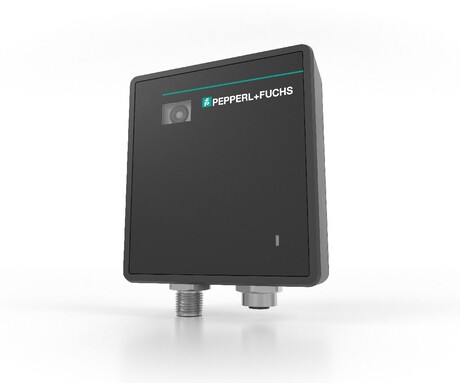
Pepperl+Fuchs VOC industrial event camera

In 60 seconds

Top move

New industrial event cameras deliver long pre/post‑trigger recordings that make diagnostics and root‑cause evidence materially easier to collect on site, changing what you should ask suppliers to provide with critical spares and sensors

Key takeaways

  • New industrial event cameras deliver long pre/post‑trigger recordings that make diagnostics and root‑cause evidence materially easier to collect on site, changing what you should ask suppliers to provide with critical spares and sensors.
  • Practical troubleshooting skills remain the primary on‑call safety and uptime control; AI tools help with documentation and code snippets but do not replace expert field response for live incidents.[2]
  • Combine device-level connectivity (API/UDP triggers) and longer video buffers with existing telemetry plans to reduce time to repair, but that increases dependency on integrated connectivity and vendor software support.
  • This is a normal‑signal update for APAC MRO: a new product introduction plus a practitioner view on skills — neither demands immediate contract rewrites but both change priority checks for upcoming RFx and panel criteria.[2]
  • Expect modest supplier commercial leverage where vendors bundle analytics, APIs or managed recording features; procurement should treat these as scope items rather than optional extras.

What changed since last run

  • Added a new product-level signal: Pepperl+Fuchs VOC event camera published (product details and API triggers) that supports adding video diagnostics and integration requirements to RFx templates.

Key facts

  • Stores up to 900 seconds before and after a trigger (1,800s total clip)
  • Full HD video plus 12 Mp images with timestamp overlays
  • Supports API/UDP triggers and human detection; IP65, wide temperature range
  • AI used for PLC code snippets, documentation and idea generation
  • Practitioners remain the first call for on‑site incident troubleshooting

Why it matters

New industrial event cameras deliver long pre/post‑trigger recordings that make diagnostics and root‑cause evidence materially easier to collect on site, changing what you should ask suppliers to provide with critical spares and sensors. Practical troubleshooting skills remain the primary on‑call safety and uptime control; AI tools help with documentation and code snippets but do not replace expert field response for live incidents. Combine device-level connectivity (API/UDP triggers) and longer video buffers with existing telemetry plans to reduce time to repair, but that increases dependency on integrated connectivity and vendor software support. This is a normal‑signal update for APAC MRO: a new product introduction plus a practitioner view on skills — neither demands immediate contract rewrites but both change priority checks for upcoming RFx and panel criteria

Cost / money

  • Bundled analytics, edge storage and API integration on event cameras create pass‑through costs or managed‑service options that will move some spend from one‑off consumables to recurring support or licence fees.
  • Stronger evidence requirements for diagnostics (timestamped video, error overlays) increase the need to specify compatible spares and cabling in POs, which can raise unit‑order complexity and sourcing lead times.

Supplier / commercial

  • Vendors offering event cameras with APIs or UDP overlays may push managed‑service contracts for storage, analytics or remote access — creating scope that procurement must either include or explicitly exclude in panel agreements.
  • Suppliers that support human‑detection and high‑res footage can command preference on safety projects; that creates leverage for them on pricing and lead times unless buyers lock terms in framework contracts.
  • Engineer‑led sourcing choices remain important: the practitioner view on keeping hands‑on troubleshooting skills reduces appetite for fully outsourced 'black‑box' support models that hide spare lists and failure modes.[2]

Safety / operations

  • Event cameras provide richer evidence for incident review and can speed corrective actions when integrated with PLC/SCADA triggers, improving mean time to diagnose if integration is tested in advance.[2]
  • Relying on connected cameras increases uptime dependency on site connectivity and device health; loss of feeds during an incident removes the new diagnostic benefit unless fallbacks are defined.
  • Retaining and training on practical troubleshooting skills remains a safety control: human experts are still the first responders during live control failures and should be part of incident playbooks.[2]

What to watch

  • Early‑signal: vendors may advertise ‘plug‑and‑play’ event analytics that understate integration work (mounting, trigger mapping, timestamp synchronisation) — validate with a small site pilot before wider rollout.
  • Early‑signal: managed storage or analytics priced as optional extras could become de facto required items for full diagnostic value; watch quote validity and bundling terms in supplier responses.

Top stories

Story 1Processonline

Pepperl+Fuchs VOC industrial event camera

Signal strongSource-grounded

What happened

Pepperl+Fuchs introduced the VOC Industrial Event Camera that records up to 900 seconds before and after a trigger, producing an 1800‑second clip for diagnostics. It supports API/UDP triggers, human detection in the Performance model, and is built for harsh environments (IP65, wide temperature range). Watch whether suppliers bundle storage/analytics or push managed access, which would convert one‑off device buys into recurring costs

Buyer takeaway

Treat the camera as a systems component — its value depends on trigger mapping, storage and access rights, so buyers should force disclosure of integration work and ongoing costs

Cost / money

Directional increase in recurring spend is possible if vendors bundle cloud storage or analytics as chargeable services rather than leaving them as optional features

Supplier / commercial

Suppliers that own analytics or storage stack gain leverage; lock scope and lead times into panels to preserve negotiating position

Safety / operations

Provides clearer incident evidence that can shorten diagnosis if connectivity and triggers are validated; absence of those increases false assurance

What to watch

Watch for vendors positioning managed storage/analytics as necessary for full function and for underestimated integration effort (mounting, trigger sync)

Key facts

  • Stores up to 900 seconds before and after a trigger (1,800s total clip)
  • Full HD video plus 12 Mp images with timestamp overlays
  • Supports API/UDP triggers and human detection; IP65, wide temperature range

Source excerpts

The Pepperl+Fuchs VOC Industrial Event Camera is designed to provide event-driven video intelligence to support rapid diagnostics and minimise costly downtime. Engineered for continuous operation, the camera provides 24/7 monitoring via an intelligent ring buffer that stores up to 900 seconds of footage
Additional context such as error codes or system messages can be integrated into recordings via UDP text overlays, enabling faster identification of root causes and improved process transparency. Designed for flexibility, the VOC Industrial Event Camera supports a wide range of trigger options, including digital input, REST API, and motion or brightness detection in advanced versions
When a predefined trigger event occurs, it automatically saves the 900 seconds before and after the incident — delivering a complete 1800-second recording for analysis of the situation
Story 2Processonline

Why practical skills matter more than ever

Signal moderateDirectional

What happened

An experienced practitioner argues that AI tools are useful for code snippets and documentation but cannot replace hands‑on troubleshooting in live plant incidents. The practical takeaway is that operator and engineer skill retention matters for safety and uptime even as digital aids increase

Buyer takeaway

Preserve in‑house troubleshooting skills through training and contract clauses that require supplier transparency and supervised remote support

Cost / money

Training and retention are a controllable cost versus potentially higher emergency supplier call‑outs or managed support charges if local competency is reduced

Supplier / commercial

Vendors promoting remote‑only support may seek higher margins; use procurement levers to require onsite handover or joint troubleshooting drills as part of supplier scope

Safety / operations

Field experts remain essential for live safety responses; overreliance on probabilistic AI outputs can increase incident response time if used as primary diagnostics

What to watch

Limited relevance as a market signal but important operational control — treat as a governance priority rather than vendor trend proof

Key facts

  • AI used for PLC code snippets, documentation and idea generation
  • Practitioners remain the first call for on‑site incident troubleshooting

Source excerpts

They call the troubleshooting expert. AI tools are based on probability, suggesting the next word in a sentence, for instance
They call the troubleshooting expert
AI can be a useful adviser — a ‘chum on the side’. What it can’t do is smell hot insulation, hear pump cavitation, spot the subtle change to the vibration in an actuator, or feel the increasing heat on a terminal strip that’s about to become tomorrow’s incident report

VP Snapshot

Executive Risk & Action View

New industrial event cameras deliver long pre/post‑trigger recordings that make diagnostics and root‑cause evidence materially easier to collect on site, changing what you should ask suppliers to provide with critical spares and sensors.

Overall
74
Cost
61
Supply
25
Schedule
20
Compliance
15

Top signals

30-180dcost

Signal 1: Cost / money

Bundled analytics, edge storage and API integration on event cameras create pass‑through costs or managed‑service options that will move some spend from one‑off consumables to recurring support or licence fees.

Signal 2: Cost / money

Stronger evidence requirements for diagnostics (timestamped video, error overlays) increase the need to specify compatible spares and cabling in POs, which can raise unit‑order complexity and sourcing lead times.

30-180dcommercial

Signal 3: Supplier / commercial

Vendors offering event cameras with APIs or UDP overlays may push managed‑service contracts for storage, analytics or remote access — creating scope that procurement must either include or explicitly exclude in panel agreements.

Signal 5: Supplier / commercial

Engineer‑led sourcing choices remain important: the practitioner view on keeping hands‑on troubleshooting skills reduces appetite for fully outsourced 'black‑box' support models that hide spare lists and failure modes.

180d+commercial

Signal 4: Supplier / commercial

Suppliers that support human‑detection and high‑res footage can command preference on safety projects; that creates leverage for them on pricing and lead times unless buyers lock terms in framework contracts.

30-180dsupplier

Signal 6: Safety / operations

Event cameras provide richer evidence for incident review and can speed corrective actions when integrated with PLC/SCADA triggers, improving mean time to diagnose if integration is tested in advance.

Recommended actions

OpsDue 3d

Inventory candidate sites where event cameras would add diagnostic value and flag current connectivity, storage and spare‑power arrangements.

Prioritised site list with connectivity and power gaps to feed RFx scope

ContractsDue 21d

Update RFx and PO templates to require declared integration capabilities (API/UDP trigger support), storage options, and a spare parts list for cameras and ingress protection re...

Revised RFx/PO templates that capture integration, spares and managed‑service opt‑ins

CategoryDue 21d

Run a supplier qualification exercise to shortlist camera and analytics suppliers who will commit to tested trigger integrations and defined lead times for critical spares.

Shortlist of qualified suppliers with proposed panel terms and spare commitments

LegalDue 60d

Design a blended readiness program that pairs site troubleshooting training with remote diagnostic tools contractual clauses (acceptance tests, access, and response SLAs).

Contract language and training plan that tie supplier access and diagnostics to local competency and SLA performance

Risk register

RiskTriggerMitigation
Early‑signal: vendors may advertise ‘plug‑and‑play’ event analytics that understate integration work (mounting, trigger mapping, timestamp synchronisation) — validate with a small site pilot before wider rollout.Early‑signal: vendors may advertise ‘plug‑and‑play’ event analytics that understate integration work (mounting, trigger mapping, timestamp synchronisation) — validate with a small site pilot before wider rollout.Confirm exposure with category, contracts, and operations before the next supplier commitment.
Early‑signal: managed storage or analytics priced as optional extras could become de facto required items for full diagnostic value; watch quote validity and bundling terms in supplier responses.Early‑signal: managed storage or analytics priced as optional extras could become de facto required items for full diagnostic value; watch quote validity and bundling terms in supplier responses.Confirm exposure with category, contracts, and operations before the next supplier commitment.

CM Snapshot

Category Manager Decision Detail

Today's priorities

Inventory candidate sites where event cameras would add diagnostic value and flag current connectivity, storage and spare‑power arrangements.

because the event camera depends on API/UDP triggers and continuous buffering to deliver value, and you need a baseline to decide whether to buy devices, licences, or managed st...

Due 3d

high

CM move

Use this as the immediate supplier or contract action to move before the next sourcing gate.

Update RFx and PO templates to require declared integration capabilities (API/UDP trigger support), storage options, and a spare parts list for cameras and ingress protection re...

because suppliers are offering bundled analytics and managed options that change scope and cost, and procurement must force transparency on what is included and what is chargeable.

Due 21d

high

CM move

Use this as the immediate supplier or contract action to move before the next sourcing gate.

Run a supplier qualification exercise to shortlist camera and analytics suppliers who will commit to tested trigger integrations and defined lead times for critical spares.

because locking supplier commitment on integration and spares reduces emergency premium spend and speeds diagnostics when incidents occur.

Due 21d

high

CM move

Use this as the immediate supplier or contract action to move before the next sourcing gate.

Design a blended readiness program that pairs site troubleshooting training with remote diagnostic tools contractual clauses (acceptance tests, access, and response SLAs).

because practical skills remain the first line of response and pairing them contractually with remote diagnostic capabilities reduces downtime and reliance on emergency vendor d...

Due 60d

high

CM move

Use this as the immediate supplier or contract action to move before the next sourcing gate.

Supplier radar

Processonline

high

Observed supplier signal

Vendors offering event cameras with APIs or UDP overlays may push managed‑service contracts for storage, analytics or remote access — creating scope that procurement must either include or explicitly exclude in panel agreements.

Commercial implication

Vendors offering event cameras with APIs or UDP overlays may push managed‑service contracts for storage, analytics or remote access — creating scope that procurement must either include or explicitly exclude in panel agreements.

Next step: Validate the source-backed signal with incumbents and alternates before the next award or pricing decision.

Processonline

high

Observed supplier signal

Suppliers that support human‑detection and high‑res footage can command preference on safety projects; that creates leverage for them on pricing and lead times unless buyers lock terms in framework contracts.

Commercial implication

Suppliers that support human‑detection and high‑res footage can command preference on safety projects; that creates leverage for them on pricing and lead times unless buyers lock terms in framework contracts.

Next step: Validate the source-backed signal with incumbents and alternates before the next award or pricing decision.

Processonline

high

Observed supplier signal

Engineer‑led sourcing choices remain important: the practitioner view on keeping hands‑on troubleshooting skills reduces appetite for fully outsourced 'black‑box' support models that hide spare lists and failure modes.

Commercial implication

Engineer‑led sourcing choices remain important: the practitioner view on keeping hands‑on troubleshooting skills reduces appetite for fully outsourced 'black‑box' support models that hide spare lists and failure modes.

Next step: Validate the source-backed signal with incumbents and alternates before the next award or pricing decision.

Negotiation levers

Inventory candidate sites where event cameras would add diagnostic value and flag current connectivity, storage and spare‑power arrangements.

When to use: because the event camera depends on API/UDP triggers and continuous buffering to deliver value, and you need a baseline to decide whether to buy devices, licences, or managed st...

Expected outcome: Prioritised site list with connectivity and power gaps to feed RFx scope

Commercial mechanism to carry into the next supplier conversation

Update RFx and PO templates to require declared integration capabilities (API/UDP trigger support), storage options, and a spare parts list for cameras and ingress protection re...

When to use: because suppliers are offering bundled analytics and managed options that change scope and cost, and procurement must force transparency on what is included and what is chargeable.

Expected outcome: Revised RFx/PO templates that capture integration, spares and managed‑service opt‑ins

Commercial mechanism to carry into the next supplier conversation

Run a supplier qualification exercise to shortlist camera and analytics suppliers who will commit to tested trigger integrations and defined lead times for critical spares.

When to use: because locking supplier commitment on integration and spares reduces emergency premium spend and speeds diagnostics when incidents occur.

Expected outcome: Shortlist of qualified suppliers with proposed panel terms and spare commitments

Commercial mechanism to carry into the next supplier conversation

Design a blended readiness program that pairs site troubleshooting training with remote diagnostic tools contractual clauses (acceptance tests, access, and response SLAs).

When to use: because practical skills remain the first line of response and pairing them contractually with remote diagnostic capabilities reduces downtime and reliance on emergency vendor d...

Expected outcome: Contract language and training plan that tie supplier access and diagnostics to local competency and SLA performance

Commercial mechanism to carry into the next supplier conversation

Talking points

New industrial event cameras deliver long pre/post‑trigger recordings that make diagnostics and root‑cause evidence materially easier to collect on site, changing what you should ask suppliers to provide with critical spares and sensors.
Practical troubleshooting skills remain the primary on‑call safety and uptime control; AI tools help with documentation and code snippets but do not replace expert field response for live incidents.
Combine device-level connectivity (API/UDP triggers) and longer video buffers with existing telemetry plans to reduce time to repair, but that increases dependency on integrated connectivity and vendor software support.
This is a normal‑signal update for APAC MRO: a new product introduction plus a practitioner view on skills — neither demands immediate contract rewrites but both change priority checks for upcoming RFx and panel criteria.

Supplier radar

SupplierSignalImplicationNext stepConfidence
ProcessonlineVendors offering event cameras with APIs or UDP overlays may push managed‑service contracts for storage, analytics or remote access — creating scope that procurement must either include or explicitly exclude in panel agreements.Vendors offering event cameras with APIs or UDP overlays may push managed‑service contracts for storage, analytics or remote access — creating scope that procurement must either include or explicitly exclude in panel agreements.Validate the source-backed signal with incumbents and alternates before the next award or pricing decision.high
ProcessonlineSuppliers that support human‑detection and high‑res footage can command preference on safety projects; that creates leverage for them on pricing and lead times unless buyers lock terms in framework contracts.Suppliers that support human‑detection and high‑res footage can command preference on safety projects; that creates leverage for them on pricing and lead times unless buyers lock terms in framework contracts.Validate the source-backed signal with incumbents and alternates before the next award or pricing decision.high
ProcessonlineEngineer‑led sourcing choices remain important: the practitioner view on keeping hands‑on troubleshooting skills reduces appetite for fully outsourced 'black‑box' support models that hide spare lists and failure modes.Engineer‑led sourcing choices remain important: the practitioner view on keeping hands‑on troubleshooting skills reduces appetite for fully outsourced 'black‑box' support models that hide spare lists and failure modes.Validate the source-backed signal with incumbents and alternates before the next award or pricing decision.high

Negotiation levers

  • Inventory candidate sites where event cameras would add diagnostic value and flag current connectivity, storage and spare‑power arrangements.because the event camera depends on API/UDP triggers and continuous buffering to deliver value, and you need a baseline to decide whether to buy devices, licences, or managed st...Prioritised site list with connectivity and power gaps to feed RFx scope

    high confidence

  • Update RFx and PO templates to require declared integration capabilities (API/UDP trigger support), storage options, and a spare parts list for cameras and ingress protection re...because suppliers are offering bundled analytics and managed options that change scope and cost, and procurement must force transparency on what is included and what is chargeable.Revised RFx/PO templates that capture integration, spares and managed‑service opt‑ins

    high confidence

  • Run a supplier qualification exercise to shortlist camera and analytics suppliers who will commit to tested trigger integrations and defined lead times for critical spares.because locking supplier commitment on integration and spares reduces emergency premium spend and speeds diagnostics when incidents occur.Shortlist of qualified suppliers with proposed panel terms and spare commitments

    high confidence

  • Design a blended readiness program that pairs site troubleshooting training with remote diagnostic tools contractual clauses (acceptance tests, access, and response SLAs).because practical skills remain the first line of response and pairing them contractually with remote diagnostic capabilities reduces downtime and reliance on emergency vendor d...Contract language and training plan that tie supplier access and diagnostics to local competency and SLA performance

    high confidence

What to do / What to watch

What to do now

  • Inventory candidate sites where event cameras would add diagnostic value and flag current connectivity, storage and spare‑power arrangements.

    Why: because the event camera depends on API/UDP triggers and continuous buffering to deliver value, and you need a baseline to decide whether to buy devices, licences, or managed st...

    Owner: Ops

    Expected outcome: Prioritised site list with connectivity and power gaps to feed RFx scope

Next few weeks

  • Update RFx and PO templates to require declared integration capabilities (API/UDP trigger support), storage options, and a spare parts list for cameras and ingress protection re...

    Why: because suppliers are offering bundled analytics and managed options that change scope and cost, and procurement must force transparency on what is included and what is chargeable.

    Owner: Contracts

    Expected outcome: Revised RFx/PO templates that capture integration, spares and managed‑service opt‑ins

  • Run a supplier qualification exercise to shortlist camera and analytics suppliers who will commit to tested trigger integrations and defined lead times for critical spares.

    Why: because locking supplier commitment on integration and spares reduces emergency premium spend and speeds diagnostics when incidents occur.

    Owner: Category

    Expected outcome: Shortlist of qualified suppliers with proposed panel terms and spare commitments

Longer view

  • Design a blended readiness program that pairs site troubleshooting training with remote diagnostic tools contractual clauses (acceptance tests, access, and response SLAs).

    Why: because practical skills remain the first line of response and pairing them contractually with remote diagnostic capabilities reduces downtime and reliance on emergency vendor d...

    Owner: Legal

    Expected outcome: Contract language and training plan that tie supplier access and diagnostics to local competency and SLA performance

    [2]

What to watch

  • Early‑signal: vendors may advertise ‘plug‑and‑play’ event analytics that understate integration work (mounting, trigger mapping, timestamp synchronisation) — validate with a small site pilot before wider rollout
  • Early‑signal: managed storage or analytics priced as optional extras could become de facto required items for full diagnostic value; watch quote validity and bundling terms in supplier responses
  • Early‑signal: vendors may advertise ‘plug‑and‑play’ event analytics that understate integration work (mounting, trigger mapping, timestamp synchronisation) — validate with a small site pilot before wider rollout.: Early‑signal: vendors may advertise ‘plug‑and‑play’ event analytics that understate integration work (mounting, trigger mapping, timestamp synchronisation) — validate with a small site pilot before wider rollout
  • Early‑signal: managed storage or analytics priced as optional extras could become de facto required items for full diagnostic value; watch quote validity and bundling terms in supplier responses.: Early‑signal: managed storage or analytics priced as optional extras could become de facto required items for full diagnostic value; watch quote validity and bundling terms in supplier responses
  • New industrial event cameras deliver long pre/post‑trigger recordings that make diagnostics and root‑cause evidence materially easier to collect on site, changing what you should ask suppliers to provide with critical spares and sensors
  • Practical troubleshooting skills remain the primary on‑call safety and uptime control; AI tools help with documentation and code snippets but do not replace expert field response for live incidents
  • Combine device-level connectivity (API/UDP triggers) and longer video buffers with existing telemetry plans to reduce time to repair, but that increases dependency on integrated connectivity and vendor software support
  • This is a normal‑signal update for APAC MRO: a new product introduction plus a practitioner view on skills — neither demands immediate contract rewrites but both change priority checks for upcoming RFx and panel criteria

Market pulse

IndexLatestChangeAs of
HRC Steel (HRC)740 /ton+0.00 (+0.00%)May 21, 2026, 10:06 PM
Copper (COPPER)3.85 /lb+0.00 (+0.00%)May 21, 2026, 10:06 PM
Iron Ore (IRON)108.5 /t+0.00 (+0.00%)May 21, 2026, 10:06 PM
Grainger (GWW)920 +0.00 (+0.00%)May 21, 2026, 10:06 PM
Fastenal (FAST)68 +0.00 (+0.00%)May 21, 2026, 10:06 PM
  • Grainger: Supplier availability and lead‑time trends at industrial distributors affect panel pricing and emergency replenishment costs for camera mounts, cables and spares
  • Fastenal: Fastenal distribution and inventory shifts influence local availability for consumable installation items and rapid spare replacement in APAC sites

Sources

Inline citations jump here. Expand a source to read the excerpt, the AI interpretation, and the original link.

[1] Pepperl+Fuchs VOC industrial event camera

processonline.com.au · n.d.

Expand

AI reading

Pepperl+Fuchs introduced the VOC Industrial Event Camera that records up to 900 seconds before and after a trigger, producing an 1800‑second clip for diagnostics. It supports API/UDP triggers, human detection in the Performance model, and is built for harsh environments (IP65, wide temperature range). Watch whether suppliers bundle storage/analytics or push managed access, which would convert one‑off device buys into recurring costs

Buyer takeaway

Treat the camera as a systems component — its value depends on trigger mapping, storage and access rights, so buyers should force disclosure of integration work and ongoing costs

Cost / money

Directional increase in recurring spend is possible if vendors bundle cloud storage or analytics as chargeable services rather than leaving them as optional features

Supplier / commercial

Suppliers that own analytics or storage stack gain leverage; lock scope and lead times into panels to preserve negotiating position

Safety / operations

Provides clearer incident evidence that can shorten diagnosis if connectivity and triggers are validated; absence of those increases false assurance

What to watch

Watch for vendors positioning managed storage/analytics as necessary for full function and for underestimated integration effort (mounting, trigger sync)

Key facts

  • Stores up to 900 seconds before and after a trigger (1,800s total clip)
  • Full HD video plus 12 Mp images with timestamp overlays
  • Supports API/UDP triggers and human detection; IP65, wide temperature range

Source excerpts

The Pepperl+Fuchs VOC Industrial Event Camera is designed to provide event-driven video intelligence to support rapid diagnostics and minimise costly downtime. Engineered for continuous operation, the camera provides 24/7 monitoring via an intelligent ring buffer that stores up to 900 seconds of footage
Additional context such as error codes or system messages can be integrated into recordings via UDP text overlays, enabling faster identification of root causes and improved process transparency. Designed for flexibility, the VOC Industrial Event Camera supports a wide range of trigger options, including digital input, REST API, and motion or brightness detection in advanced versions
When a predefined trigger event occurs, it automatically saves the 900 seconds before and after the incident — delivering a complete 1800-second recording for analysis of the situation

Used in this brief

  • Next 72 hours — Inventory candidate sites where event cameras would add diagnostic value and flag current connectivity, storage and spare‑power arrangements.. Rationale: because the event camera depends on API/UDP triggers and continuous buffering to deliver value, and you need a baseline to decide whether to buy devices, licences, or managed st.... Owner: Ops. KPI: Prioritised site list with connectivity and power gaps to feed RFx scope
  • Next 2-4 weeks — Update RFx and PO templates to require declared integration capabilities (API/UDP trigger support), storage options, and a spare parts list for cameras and ingress protection re.... Rationale: because suppliers are offering bundled analytics and managed options that change scope and cost, and procurement must force transparency on what is included and what is chargeable.. Owner: Contracts. KPI: Revised RFx/PO templates that capture integration, spares and managed‑service opt‑ins
  • Next 2-4 weeks — Run a supplier qualification exercise to shortlist camera and analytics suppliers who will commit to tested trigger integrations and defined lead times for critical spares.. Rationale: because locking supplier commitment on integration and spares reduces emergency premium spend and speeds diagnostics when incidents occur.. Owner: Category. KPI: Shortlist of qualified suppliers with proposed panel terms and spare commitments
Open original source

[2] Why practical skills matter more than ever

processonline.com.au · n.d.

Expand

AI reading

An experienced practitioner argues that AI tools are useful for code snippets and documentation but cannot replace hands‑on troubleshooting in live plant incidents. The practical takeaway is that operator and engineer skill retention matters for safety and uptime even as digital aids increase

Buyer takeaway

Preserve in‑house troubleshooting skills through training and contract clauses that require supplier transparency and supervised remote support

Cost / money

Training and retention are a controllable cost versus potentially higher emergency supplier call‑outs or managed support charges if local competency is reduced

Supplier / commercial

Vendors promoting remote‑only support may seek higher margins; use procurement levers to require onsite handover or joint troubleshooting drills as part of supplier scope

Safety / operations

Field experts remain essential for live safety responses; overreliance on probabilistic AI outputs can increase incident response time if used as primary diagnostics

What to watch

Limited relevance as a market signal but important operational control — treat as a governance priority rather than vendor trend proof

Key facts

  • AI used for PLC code snippets, documentation and idea generation
  • Practitioners remain the first call for on‑site incident troubleshooting

Source excerpts

They call the troubleshooting expert. AI tools are based on probability, suggesting the next word in a sentence, for instance
They call the troubleshooting expert
AI can be a useful adviser — a ‘chum on the side’. What it can’t do is smell hot insulation, hear pump cavitation, spot the subtle change to the vibration in an actuator, or feel the increasing heat on a terminal strip that’s about to become tomorrow’s incident report

Used in this brief

  • Next quarter — Design a blended readiness program that pairs site troubleshooting training with remote diagnostic tools contractual clauses (acceptance tests, access, and response SLAs).. Rationale: because practical skills remain the first line of response and pairing them contractually with remote diagnostic capabilities reduces downtime and reliance on emergency vendor d.... Owner: Legal. KPI: Contract language and training plan that tie supplier access and diagnostics to local competency and SLA performance
  • An experienced practitioner argues that AI tools are useful for code snippets and documentation but cannot replace hands‑on troubleshooting in live plant incidents. The practical takeaway is that operator and engineer skill retention matters for safety and uptime even as digital aids increase
  • Buyer bottom line: keep practical troubleshooting and local expertise as a procurement control — avoid contracting models that offload first‑line diagnosis away from in‑house capability
Open original source

[3] Grainger

finance.yahoo.com · n.d.

Expand

[4] Fastenal

finance.yahoo.com · n.d.

Expand