Oil & Gas / LNG Market Dashboard · Australia (Perth)

Strengthen sourcing posture for yard-led vessel and FPSO work

Published May 21, 2026, 6:03 AM AWSTAPACFull category signal
Ask AI
Yinson Production sets up shop in China to bolster project execution

In 60 seconds

Top move

Yinson opened a Shanghai office to deepen ties with Chinese shipyards, making China-based fabrication and engineering a clearer execution dependency for offshore projects in APAC

Key takeaways

  • Yinson opened a Shanghai office to deepen ties with Chinese shipyards, making China-based fabrication and engineering a clearer execution dependency for offshore projects in APAC.[2]
  • Newbuild activity continues: a newly named LNG carrier at Samsung confirms ongoing yard demand and long‑term chartering behaviour in the LNG shipping market.[1]
  • China-built specialist tonnage for carbon transport (LCO2 carriers) is moving from prototype to fleet delivery, signalling yard capacity is being allocated to niche, technically demanding vessels as well as conventional gas carriers.[3]
  • Operationally this shifts procurement risk toward long‑lead fabrication, yard scheduling and cross-border coordination — buyers should expect mobilisation and QA/inspection levers to matter more at award.[2]
  • These are execution and supplier posture signals rather than a sudden APAC market shock; the immediate procurement impact is about confirming slots, contract scope, and inspection plans.[1]

What changed since last run

  • Added supplier execution signal: Yinson’s Shanghai office increases direct engagement with Chinese yards and onshore fabrication partners versus the prior brief’s focus on terminal and storage construction.
  • Added shipbuilding confirmation: a newly named LNG carrier and christened LCO2 carrier provide fresh evidence that yard capacity is being consumed by both LNG and specialised CO2 tonnage, tightening long‑lead shipbuil...

Key facts

  • Shanghai office opening to deepen China yard engagement
  • Company cites decade‑long collaboration with multiple Chinese yards
  • Contract backlog described in the article underlines ongoing project flow through 2050
  • 174,000 cubic meter membrane‑type LNG carrier named
  • Vessel slated to support the LNG Canada project under a long‑term charter
  • Charter described as the first long‑term contract for a newly built LNG vessel for the owner

Why it matters

Yinson opened a Shanghai office to deepen ties with Chinese shipyards, making China-based fabrication and engineering a clearer execution dependency for offshore projects in APAC. Newbuild activity continues: a newly named LNG carrier at Samsung confirms ongoing yard demand and long‑term chartering behaviour in the LNG shipping market. China-built specialist tonnage for carbon transport (LCO2 carriers) is moving from prototype to fleet delivery, signalling yard capacity is being allocated to niche, technically demanding vessels as well as conventional gas carriers. Operationally this shifts procurement risk toward long‑lead fabrication, yard scheduling and cross-border coordination — buyers should expect mobilisation and QA/inspection levers to matter more at award

Cost / money

  • Yinson’s deeper China yard ties make fabrication, module work and engineering services a more direct cost driver for APAC offshore projects because more scopes will flow through Chinese supply chains with their own pricing dynamics.[2]
  • Newbuild LNG carriers under long‑term charter reduce spot shipping availability and can shift freight pass‑through or time‑charter exposure back to buyers negotiating supply contracts.[1]

Supplier / commercial

  • Chinese yards and long‑term shipowners gain negotiating leverage on scope, schedule and mobilisation terms as they fill production slots; expect shorter quote validity and firmer mobilisation milestones.[2]
  • Long‑term charter activity signals that some buyers are locking shipping capacity ahead of market needs, which can limit spot options and raise the premium for late procurement requests.[1]

Safety / operations

  • Specialist LCO2 carrier designs and LNG carrier dual‑fuel systems create new verification needs — QA/QC, factory acceptance tests and operator training will be required before handover to avoid start‑up delays.[3]
  • Greater reliance on distant yards increases uptime and execution dependency: transport, heavy‑lift and integration windows must be aligned with yard delivery schedules to avoid costly lay-up or rework.[2]

What to watch

  • Early-signal: Watch for longer lead times or compressed slot availability at Chinese yards as they take on LNG, FPSO modules and niche CO2 vessels; delayed visibility on yard schedules will raise mobilisation risk.[2]
  • Early-signal: Watch contract terms from shipowners and yards for mobilisation pass‑throughs, stricter acceptance testing and limited warranty language tied to factory performance and dual‑fuel/novel systems.[1]

Top stories

Story 1Offshore EnergyMay 20, 2026

Yinson Production sets up shop in China to bolster project execution

Signal strongSource-grounded

What happened

Yinson Production opened a Shanghai office to strengthen its engagement with Chinese shipyards and engineering partners. The move formalises a decade of yard collaboration and positions Yinson to route more fabrication and module work through China. Watch whether this translates into more APAC project scopes being tendered directly to Chinese yards and whether mobilisation and inspection requirements change

Buyer takeaway

Treat Yinson’s China office as an operational signal that more fabrication and module scopes will route through Chinese yards, increasing the need for yard‑level checks and schedule confirmation

Cost / money

Directional cost exposure: shifting scopes to China can change unit pricing and logistics pass‑throughs; buyers should not assume lower total landed cost without factoring inspection and transport

Supplier / commercial

Suppliers and yards with closer ties to Yinson may secure priority slots and demand firmer mobilisation terms or shorter quote validity windows

Safety / operations

Reliance on distant yards increases execution and integration dependencies; rigorous FAT, QA and logistics planning are required to avoid handover delays

What to watch

Watch for compressed yard schedules, shorter quote windows, and changes to mobilisation language in supplier proposals

Key facts

  • Shanghai office opening to deepen China yard engagement
  • Company cites decade‑long collaboration with multiple Chinese yards
  • Contract backlog described in the article underlines ongoing project flow through 2050

Source excerpts

Home Fossil Energy Yinson Production sets up shop in China to bolster project execution May 20, 2026, by Singapore’s Yinson Production, a subsidiary of Kuala Lumpur-based energy infrastructure and technology company Yinson, has opened the doors of its new office in Shanghai to fortify and support closer collaboration with shipyards, suppliers, fabrication partners, and technology providers in China, while enhancing execution capabilities and responsiveness to serve clients in key energy markets. Yinson Producti
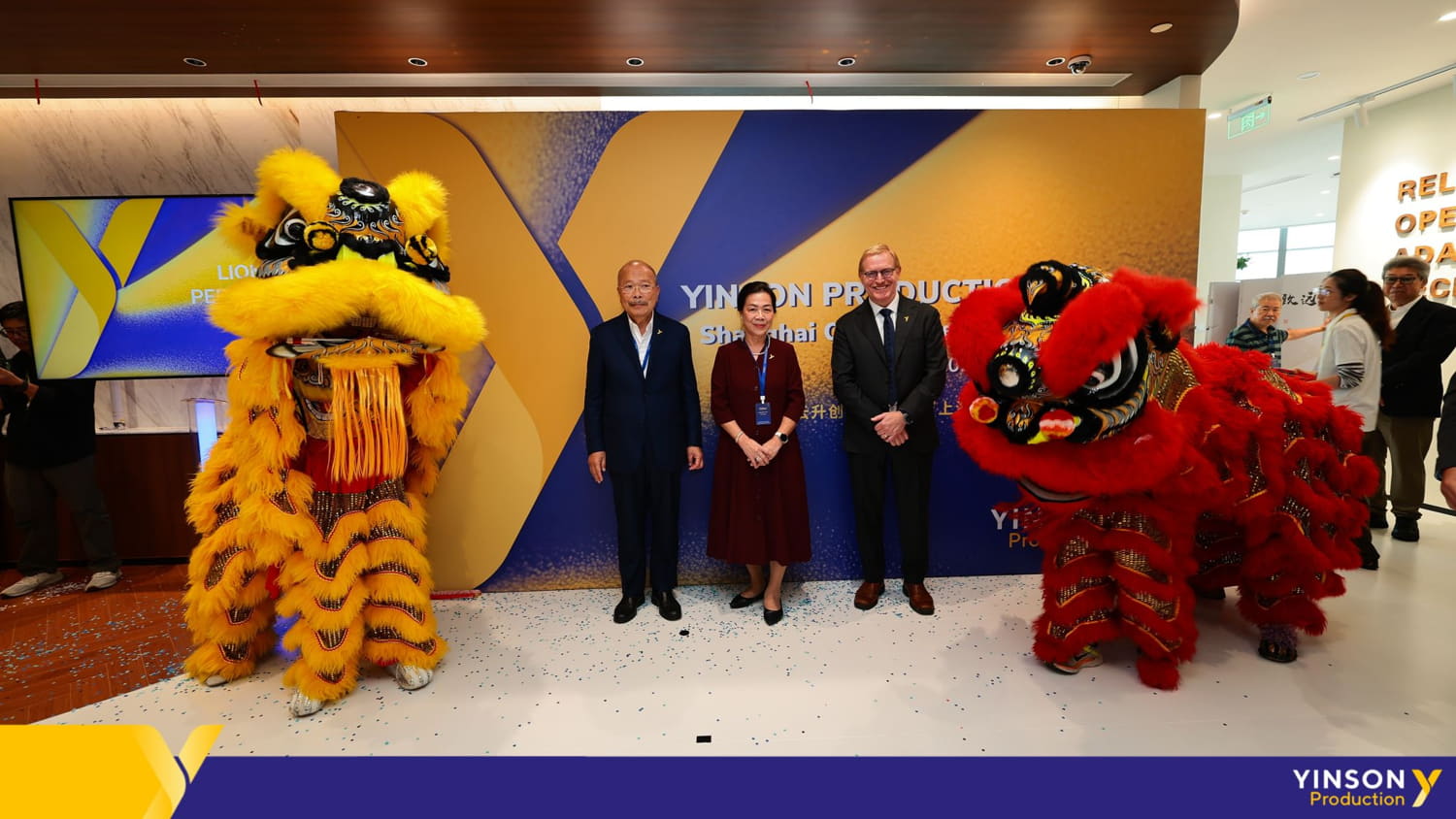
Yinson Production has officially opened its Shanghai office in China; Source: Yinson Production The opening of the Shanghai office is expected to strengthen Yinson Production’s presence within one of the world’s leading offshore engineering and fabrication hubs, supporting the company’s projects and operations globally. The firm’s engagement with the China shipyard ecosystem dates back more than a decade, including partial work and support linked to the FPSO John Agyekum Kufuor from around 2014
Clients today expect safe and reliable execution, lower emissions, greater efficiency, stronger digital integration and faster delivery timelines
Story 2Offshore EnergyMay 20, 2026

LNG Canada-bound vessel gets its name at Samsung Heavy Industries’ yard

Signal strongSource-grounded

What happened

A new 174,000 cbm membrane LNG vessel was named at Samsung Heavy Industries and will be used at the LNG Canada project under a long‑term charter. The naming and charter arrangements show continued appetite for newbuild LNG tonnage under long contracts rather than spot-only exposure. Watch whether similar long‑term charters reduce available spot capacity for APAC buyers who still rely on short‑term freight

Buyer takeaway

Long‑term vessel charters are a structural signal that shipping capacity is being committed ahead of spot needs; buyers should re‑check freight strategy for upcoming procurement rounds

Cost / money

Freight cost exposure may shift from spot volatility to longer‑term time‑charter premiums and pass‑through clauses

Supplier / commercial

Shipowners with long‑term charters gain bargaining power on rates and contract scope for future voyages

Safety / operations

Newbuilds require clear acceptance testing and certification clauses to ensure safe handover and operational reliability

What to watch

Watch for fewer spot options and for charter clauses that push more cost or scheduling risk back to cargo owners

Key facts

  • 174,000 cubic meter membrane‑type LNG carrier named
  • Vessel slated to support the LNG Canada project under a long‑term charter
  • Charter described as the first long‑term contract for a newly built LNG vessel for the owner

Source excerpts

The charter party between DGE and K Line is said to represent the first long-term charter contract for a newly built LNG vessel, which is expected to play an important role in supporting the global energy supply chain through the safe and efficient seaborne transportation of LNG amid the continued increase in global energy demand
K Line claims that it will continue to respond to the diverse needs of its customers to expand its long-term contracts and accommodate the growing energy demand
The Japanese player positioned the LNG business as a top priority area in future investments in its medium-term management plan published in May 2022. K Line claims that it will continue to respond to the diverse needs of its customers to expand its long-term contracts and accommodate the growing energy demand
Story 3Offshore EnergyMay 20, 2026

Bernhard Schulte's first LCO2 carrier step closer to Northern Lights

Signal moderateSource-grounded

What happened

Bernhard Schulte’s fourth LCO2 carrier, Northern Purpose, was christened after being built in China for the Northern Lights CO2 transport and storage project. The vessel is a sister design with pressure tanks for CO2 and includes low‑emission propulsion features, making it a specialised newbuild. Watch factory acceptance testing, dual‑fuel system commissioning and operator training plans to avoid operational handover issues

Buyer takeaway

Specialist CO2 tonnage is now moving from pilot to operational fleet, so buyers should treat these deliveries as potential yard‑capacity competitors with LNG and FPSO scopes

Cost / money

Specialist builds carry cost and inspection premiums tied to pressure‑tank fabrication and novel propulsion systems

Supplier / commercial

Shipbuilders and managers that can deliver specialist tanks and dual‑fuel systems will be able to command stricter contract terms and schedule commitments

Safety / operations

CO2 carriers and dual‑fuel systems require updated O&M, emergency response and crew competency clauses to manage operational safety

What to watch

Watch FAT schedules, certification milestones and operator training packages to avoid handover delays and warranty disputes

Key facts

  • Fourth LCO2 carrier christened for Northern Lights project
  • Cargo capacity described as 7,500 m3 across two pressure tanks
  • Vessel built at a Chinese yard with LNG dual‑fuel propulsion and emissions‑reduction features

Source excerpts

Home Clean Fuel Bernhard Schulte’s first LCO2 carrier step closer to Northern Lights May 20, 2026, by The fourth liquefied carbon dioxide (LCO2) carrier destined for the Northern Lights CO2 project in Norway has been christened in China
The vessel is managed by Bernhard Schulte Shipmanagement (BSM). To remind, Equinor, Shell and TotalEnergies injected and stored the first CO2 volumes as part of the Northern Lights project in August 2025, marking the start of operations of what is said to be the world’s first third-party CO2 transport and storage facility
Home Clean Fuel Bernhard Schulte’s first LCO2 carrier step closer to Northern Lights May 20, 2026, by The fourth liquefied carbon dioxide (LCO2) carrier destined for the Northern Lights CO2 project in Norway has been christened in China. Source: Schulte Group Northern Purpose has been custom-designed to transport liquefied CO2 as part of the world’s first cross-border CO2 transport and storage infrastructure

VP Snapshot

Executive Risk & Action View

Yinson opened a Shanghai office to deepen ties with Chinese shipyards, making China-based fabrication and engineering a clearer execution dependency for offshore projects in APAC.

Overall
56
Cost
61
Supply
61
Schedule
56
Compliance
15

Top signals

30-180dcost

Signal 1: Cost / money

Yinson’s deeper China yard ties make fabrication, module work and engineering services a more direct cost driver for APAC offshore projects because more scopes will flow through Chinese supply chains with their own pricing dynamics.

0-30dcost

Signal 2: Cost / money

Newbuild LNG carriers under long‑term charter reduce spot shipping availability and can shift freight pass‑through or time‑charter exposure back to buyers negotiating supply contracts.

30-180dschedule

Signal 3: Supplier / commercial

Chinese yards and long‑term shipowners gain negotiating leverage on scope, schedule and mobilisation terms as they fill production slots; expect shorter quote validity and firmer mobilisation milestones.

Signal 6: Safety / operations

Greater reliance on distant yards increases uptime and execution dependency: transport, heavy‑lift and integration windows must be aligned with yard delivery schedules to avoid costly lay-up or rework.

30-180dsupply

Signal 4: Supplier / commercial

Long‑term charter activity signals that some buyers are locking shipping capacity ahead of market needs, which can limit spot options and raise the premium for late procurement requests.

30-180dsupplier

Signal 5: Safety / operations

Specialist LCO2 carrier designs and LNG carrier dual‑fuel systems create new verification needs — QA/QC, factory acceptance tests and operator training will be required before handover to avoid start‑up delays.

Recommended actions

CategoryDue 3d

Request updated fabrication and delivery slot confirmations from primary Chinese yard partners and key shipbuilders.

Updated supplier slot register and a short list of at‑risk procurements based on yard commitments

ContractsDue 21d

Issue standard contract amendments that add clearer mobilisation milestone definitions, inspection and FAT (factory acceptance test) points, and pass‑through limits for transpor...

Revised clause templates for mobilisation, FAT and limited pass‑throughs ready for inclusion in upcoming RFPs

CategoryDue 21d

Open a short vendor qualification sweep focused on Chinese yards that will handle FPSO modules, LNG hulls or specialised CO2 tanks (include QA records, workforce availability, a...

Ranked yard shortlist with QA flags and logistics constraints to inform award decisions

OpsDue 60d

Run supplier readiness and mobilisation audits for awarded yards and long‑term shipowners, including inspection plans, operator training timelines and spare‑parts delivery strat...

Supplier readiness matrix with remediation items and owner sign‑offs to support award‑to‑start scheduling

OpsDue 60d

Model sourcing scenarios for charter vs. spot shipping and for alternative fabrication routes (e.g., split fabrication across yards) to decide which procurements merit long‑term...

Sourcing scenario outputs with recommended procurement posture and identified critical supplier dependencies

Risk register

RiskTriggerMitigation
Early-signal: Watch for longer lead times or compressed slot availability at Chinese yards as they take on LNG, FPSO modules and niche CO2 vessels; delayed visibility on yard schedules will raise mobilisation risk.Early-signal: Watch for longer lead times or compressed slot availability at Chinese yards as they take on LNG, FPSO modules and niche CO2 vessels; delayed visibility on yard schedules will raise mobilisation risk.Confirm exposure with category, contracts, and operations before the next supplier commitment.
Early-signal: Watch contract terms from shipowners and yards for mobilisation pass‑throughs, stricter acceptance testing and limited warranty language tied to factory performance and dual‑fuel/novel systems.Early-signal: Watch contract terms from shipowners and yards for mobilisation pass‑throughs, stricter acceptance testing and limited warranty language tied to factory performance and dual‑fuel/novel systems.Confirm exposure with category, contracts, and operations before the next supplier commitment.

CM Snapshot

Category Manager Decision Detail

Today's priorities

Request updated fabrication and delivery slot confirmations from primary Chinese yard partners and key shipbuilders.

Do this because Yinson’s Shanghai office and recent newbuilds show yard schedules are a direct execution dependency, and because confirmed slots let Category map which tenders f...

Due 3d

high

CM move

Use this as the immediate supplier or contract action to move before the next sourcing gate.

Issue standard contract amendments that add clearer mobilisation milestone definitions, inspection and FAT (factory acceptance test) points, and pass‑through limits for transpor...

Do this because recent long‑term charters and yard deliveries increase the chance suppliers will seek mobilisation pass‑throughs and because tighter milestone language reduces d...

Due 21d

high

CM move

Use this as the immediate supplier or contract action to move before the next sourcing gate.

Open a short vendor qualification sweep focused on Chinese yards that will handle FPSO modules, LNG hulls or specialised CO2 tanks (include QA records, workforce availability, a...

Do this because onshore fabrication and yard QA are now execution dependencies and because early qualification avoids selecting yards with hidden capacity or QA gaps.

Due 21d

high

CM move

Use this as the immediate supplier or contract action to move before the next sourcing gate.

Run supplier readiness and mobilisation audits for awarded yards and long‑term shipowners, including inspection plans, operator training timelines and spare‑parts delivery strat...

Do this because specialist vessel designs and cross‑border fabrication increase start‑up risk and because audits reduce rework and schedule slippage during integration and commi...

Due 60d

high

CM move

Use this as the immediate supplier or contract action to move before the next sourcing gate.

Supplier radar

Offshore Energy

high

Observed supplier signal

Chinese yards and long‑term shipowners gain negotiating leverage on scope, schedule and mobilisation terms as they fill production slots; expect shorter quote validity and firmer mobilisation milestones.

Commercial implication

Chinese yards and long‑term shipowners gain negotiating leverage on scope, schedule and mobilisation terms as they fill production slots; expect shorter quote validity and firmer mobilisation milestones.

Next step: Validate the source-backed signal with incumbents and alternates before the next award or pricing decision.

Offshore Energy

high

Observed supplier signal

Long‑term charter activity signals that some buyers are locking shipping capacity ahead of market needs, which can limit spot options and raise the premium for late procurement requests.

Commercial implication

Long‑term charter activity signals that some buyers are locking shipping capacity ahead of market needs, which can limit spot options and raise the premium for late procurement requests.

Next step: Validate the source-backed signal with incumbents and alternates before the next award or pricing decision.

Negotiation levers

Request updated fabrication and delivery slot confirmations from primary Chinese yard partners and key shipbuilders.

When to use: Do this because Yinson’s Shanghai office and recent newbuilds show yard schedules are a direct execution dependency, and because confirmed slots let Category map which tenders f...

Expected outcome: Updated supplier slot register and a short list of at‑risk procurements based on yard commitments

Commercial mechanism to carry into the next supplier conversation

Issue standard contract amendments that add clearer mobilisation milestone definitions, inspection and FAT (factory acceptance test) points, and pass‑through limits for transpor...

When to use: Do this because recent long‑term charters and yard deliveries increase the chance suppliers will seek mobilisation pass‑throughs and because tighter milestone language reduces d...

Expected outcome: Revised clause templates for mobilisation, FAT and limited pass‑throughs ready for inclusion in upcoming RFPs

Commercial mechanism to carry into the next supplier conversation

Open a short vendor qualification sweep focused on Chinese yards that will handle FPSO modules, LNG hulls or specialised CO2 tanks (include QA records, workforce availability, a...

When to use: Do this because onshore fabrication and yard QA are now execution dependencies and because early qualification avoids selecting yards with hidden capacity or QA gaps.

Expected outcome: Ranked yard shortlist with QA flags and logistics constraints to inform award decisions

Commercial mechanism to carry into the next supplier conversation

Run supplier readiness and mobilisation audits for awarded yards and long‑term shipowners, including inspection plans, operator training timelines and spare‑parts delivery strat...

When to use: Do this because specialist vessel designs and cross‑border fabrication increase start‑up risk and because audits reduce rework and schedule slippage during integration and commi...

Expected outcome: Supplier readiness matrix with remediation items and owner sign‑offs to support award‑to‑start scheduling

Commercial mechanism to carry into the next supplier conversation

Talking points

Yinson opened a Shanghai office to deepen ties with Chinese shipyards, making China-based fabrication and engineering a clearer execution dependency for offshore projects in APAC.
Newbuild activity continues: a newly named LNG carrier at Samsung confirms ongoing yard demand and long‑term chartering behaviour in the LNG shipping market.
China-built specialist tonnage for carbon transport (LCO2 carriers) is moving from prototype to fleet delivery, signalling yard capacity is being allocated to niche, technically demanding vessels as well as conventional gas carriers.
Operationally this shifts procurement risk toward long‑lead fabrication, yard scheduling and cross-border coordination — buyers should expect mobilisation and QA/inspection levers to matter more at award.

Supplier radar

SupplierSignalImplicationNext stepConfidence
Offshore EnergyChinese yards and long‑term shipowners gain negotiating leverage on scope, schedule and mobilisation terms as they fill production slots; expect shorter quote validity and firmer mobilisation milestones.Chinese yards and long‑term shipowners gain negotiating leverage on scope, schedule and mobilisation terms as they fill production slots; expect shorter quote validity and firmer mobilisation milestones.Validate the source-backed signal with incumbents and alternates before the next award or pricing decision.high
Offshore EnergyLong‑term charter activity signals that some buyers are locking shipping capacity ahead of market needs, which can limit spot options and raise the premium for late procurement requests.Long‑term charter activity signals that some buyers are locking shipping capacity ahead of market needs, which can limit spot options and raise the premium for late procurement requests.Validate the source-backed signal with incumbents and alternates before the next award or pricing decision.high

Negotiation levers

  • Request updated fabrication and delivery slot confirmations from primary Chinese yard partners and key shipbuilders.Do this because Yinson’s Shanghai office and recent newbuilds show yard schedules are a direct execution dependency, and because confirmed slots let Category map which tenders f...Updated supplier slot register and a short list of at‑risk procurements based on yard commitments

    high confidence

  • Issue standard contract amendments that add clearer mobilisation milestone definitions, inspection and FAT (factory acceptance test) points, and pass‑through limits for transpor...Do this because recent long‑term charters and yard deliveries increase the chance suppliers will seek mobilisation pass‑throughs and because tighter milestone language reduces d...Revised clause templates for mobilisation, FAT and limited pass‑throughs ready for inclusion in upcoming RFPs

    high confidence

  • Open a short vendor qualification sweep focused on Chinese yards that will handle FPSO modules, LNG hulls or specialised CO2 tanks (include QA records, workforce availability, a...Do this because onshore fabrication and yard QA are now execution dependencies and because early qualification avoids selecting yards with hidden capacity or QA gaps.Ranked yard shortlist with QA flags and logistics constraints to inform award decisions

    high confidence

  • Run supplier readiness and mobilisation audits for awarded yards and long‑term shipowners, including inspection plans, operator training timelines and spare‑parts delivery strat...Do this because specialist vessel designs and cross‑border fabrication increase start‑up risk and because audits reduce rework and schedule slippage during integration and commi...Supplier readiness matrix with remediation items and owner sign‑offs to support award‑to‑start scheduling

    high confidence

What to do / What to watch

What to do now

  • Request updated fabrication and delivery slot confirmations from primary Chinese yard partners and key shipbuilders.

    Why: Do this because Yinson’s Shanghai office and recent newbuilds show yard schedules are a direct execution dependency, and because confirmed slots let Category map which tenders f...

    Owner: Category

    Expected outcome: Updated supplier slot register and a short list of at‑risk procurements based on yard commitments

    [2]

Next few weeks

  • Issue standard contract amendments that add clearer mobilisation milestone definitions, inspection and FAT (factory acceptance test) points, and pass‑through limits for transpor...

    Why: Do this because recent long‑term charters and yard deliveries increase the chance suppliers will seek mobilisation pass‑throughs and because tighter milestone language reduces d...

    Owner: Contracts

    Expected outcome: Revised clause templates for mobilisation, FAT and limited pass‑throughs ready for inclusion in upcoming RFPs

    [1]
  • Open a short vendor qualification sweep focused on Chinese yards that will handle FPSO modules, LNG hulls or specialised CO2 tanks (include QA records, workforce availability, a...

    Why: Do this because onshore fabrication and yard QA are now execution dependencies and because early qualification avoids selecting yards with hidden capacity or QA gaps.

    Owner: Category

    Expected outcome: Ranked yard shortlist with QA flags and logistics constraints to inform award decisions

    [2]

Longer view

  • Run supplier readiness and mobilisation audits for awarded yards and long‑term shipowners, including inspection plans, operator training timelines and spare‑parts delivery strat...

    Why: Do this because specialist vessel designs and cross‑border fabrication increase start‑up risk and because audits reduce rework and schedule slippage during integration and commi...

    Owner: Ops

    Expected outcome: Supplier readiness matrix with remediation items and owner sign‑offs to support award‑to‑start scheduling

    [3]
  • Model sourcing scenarios for charter vs. spot shipping and for alternative fabrication routes (e.g., split fabrication across yards) to decide which procurements merit long‑term...

    Why: Do this because ongoing long‑term charters and yard slot consumption change freight and fabrication availability, and because scenario outputs inform whether to prioritise term...

    Owner: Ops

    Expected outcome: Sourcing scenario outputs with recommended procurement posture and identified critical supplier dependencies

    [1]

What to watch

  • Early-signal: Watch for longer lead times or compressed slot availability at Chinese yards as they take on LNG, FPSO modules and niche CO2 vessels; delayed visibility on yard schedules will raise mobilisation risk
  • Early-signal: Watch contract terms from shipowners and yards for mobilisation pass‑throughs, stricter acceptance testing and limited warranty language tied to factory performance and dual‑fuel/novel systems
  • Early-signal: Watch for longer lead times or compressed slot availability at Chinese yards as they take on LNG, FPSO modules and niche CO2 vessels; delayed visibility on yard schedules will raise mobilisation risk.: Early-signal: Watch for longer lead times or compressed slot availability at Chinese yards as they take on LNG, FPSO modules and niche CO2 vessels; delayed visibility on yard schedules will raise mobilisation risk
  • Early-signal: Watch contract terms from shipowners and yards for mobilisation pass‑throughs, stricter acceptance testing and limited warranty language tied to factory performance and dual‑fuel/novel systems.: Early-signal: Watch contract terms from shipowners and yards for mobilisation pass‑throughs, stricter acceptance testing and limited warranty language tied to factory performance and dual‑fuel/novel systems
  • Yinson opened a Shanghai office to deepen ties with Chinese shipyards, making China-based fabrication and engineering a clearer execution dependency for offshore projects in APAC
  • Newbuild activity continues: a newly named LNG carrier at Samsung confirms ongoing yard demand and long‑term chartering behaviour in the LNG shipping market
  • China-built specialist tonnage for carbon transport (LCO2 carriers) is moving from prototype to fleet delivery, signalling yard capacity is being allocated to niche, technically demanding vessels as well as conventional gas carriers
  • Operationally this shifts procurement risk toward long‑lead fabrication, yard scheduling and cross-border coordination — buyers should expect mobilisation and QA/inspection levers to matter more at award

Market pulse

IndexLatestChangeAs of
WTI Crude (WTI)71.23 /bbl+0.00 (+0.00%)May 20, 2026, 10:05 PM
Brent Crude (BRENT)74.89 /bbl+0.00 (+0.00%)May 20, 2026, 10:05 PM
Natural Gas (NG)3.12 /MMBtu+0.00 (+0.00%)May 20, 2026, 10:05 PM
Henry Hub Gas (NG)3.12 /MMBtu+0.00 (+0.00%)May 20, 2026, 10:05 PM
Cheniere (LNG) (LNG)185 +0.00 (+0.00%)May 20, 2026, 10:05 PM
Brent Crude (BRENT)74.89 /bbl+0.00 (+0.00%)May 20, 2026, 10:05 PM
  • Cheniere (LNG): Long‑term vessel charters and newbuilds affect APAC LNG freight availability and time‑charter negotiation posture
  • Dry Bulk Shipping (BDRY): Yard and module logistics increase reliance on dry‑bulk and heavy‑lift shipping; monitor bulk shipping tightness for mobilisation cost exposure

Sources

Inline citations jump here. Expand a source to read the excerpt, the AI interpretation, and the original link.

[1] LNG Canada-bound vessel gets its name at Samsung Heavy Industries’ yard

offshore-energy.biz · May 20, 2026

Expand

AI reading

A new 174,000 cbm membrane LNG vessel was named at Samsung Heavy Industries and will be used at the LNG Canada project under a long‑term charter. The naming and charter arrangements show continued appetite for newbuild LNG tonnage under long contracts rather than spot-only exposure. Watch whether similar long‑term charters reduce available spot capacity for APAC buyers who still rely on short‑term freight

Buyer takeaway

Long‑term vessel charters are a structural signal that shipping capacity is being committed ahead of spot needs; buyers should re‑check freight strategy for upcoming procurement rounds

Cost / money

Freight cost exposure may shift from spot volatility to longer‑term time‑charter premiums and pass‑through clauses

Supplier / commercial

Shipowners with long‑term charters gain bargaining power on rates and contract scope for future voyages

Safety / operations

Newbuilds require clear acceptance testing and certification clauses to ensure safe handover and operational reliability

What to watch

Watch for fewer spot options and for charter clauses that push more cost or scheduling risk back to cargo owners

Key facts

  • 174,000 cubic meter membrane‑type LNG carrier named
  • Vessel slated to support the LNG Canada project under a long‑term charter
  • Charter described as the first long‑term contract for a newly built LNG vessel for the owner

Source excerpts

The charter party between DGE and K Line is said to represent the first long-term charter contract for a newly built LNG vessel, which is expected to play an important role in supporting the global energy supply chain through the safe and efficient seaborne transportation of LNG amid the continued increase in global energy demand
K Line claims that it will continue to respond to the diverse needs of its customers to expand its long-term contracts and accommodate the growing energy demand
The Japanese player positioned the LNG business as a top priority area in future investments in its medium-term management plan published in May 2022. K Line claims that it will continue to respond to the diverse needs of its customers to expand its long-term contracts and accommodate the growing energy demand

Used in this brief

  • Cost / money: Newbuild LNG carriers under long‑term charter reduce spot shipping availability and can shift freight pass‑through or time‑charter exposure back to buyers negotiating supply contracts
  • Next 2-4 weeks — Issue standard contract amendments that add clearer mobilisation milestone definitions, inspection and FAT (factory acceptance test) points, and pass‑through limits for transpor.... Rationale: Do this because recent long‑term charters and yard deliveries increase the chance suppliers will seek mobilisation pass‑throughs and because tighter milestone language reduces d.... Owner: Contracts. KPI: Revised clause templates for mobilisation, FAT and limited pass‑throughs ready for inclusion in upcoming RFPs
  • Next quarter — Model sourcing scenarios for charter vs. spot shipping and for alternative fabrication routes (e.g., split fabrication across yards) to decide which procurements merit long‑term.... Rationale: Do this because ongoing long‑term charters and yard slot consumption change freight and fabrication availability, and because scenario outputs inform whether to prioritise term.... Owner: Ops. KPI: Sourcing scenario outputs with recommended procurement posture and identified critical supplier dependencies
Open original source

[2] Yinson Production sets up shop in China to bolster project execution

offshore-energy.biz · May 20, 2026

Expand

AI reading

Yinson Production opened a Shanghai office to strengthen its engagement with Chinese shipyards and engineering partners. The move formalises a decade of yard collaboration and positions Yinson to route more fabrication and module work through China. Watch whether this translates into more APAC project scopes being tendered directly to Chinese yards and whether mobilisation and inspection requirements change

Buyer takeaway

Treat Yinson’s China office as an operational signal that more fabrication and module scopes will route through Chinese yards, increasing the need for yard‑level checks and schedule confirmation

Cost / money

Directional cost exposure: shifting scopes to China can change unit pricing and logistics pass‑throughs; buyers should not assume lower total landed cost without factoring inspection and transport

Supplier / commercial

Suppliers and yards with closer ties to Yinson may secure priority slots and demand firmer mobilisation terms or shorter quote validity windows

Safety / operations

Reliance on distant yards increases execution and integration dependencies; rigorous FAT, QA and logistics planning are required to avoid handover delays

What to watch

Watch for compressed yard schedules, shorter quote windows, and changes to mobilisation language in supplier proposals

Key facts

  • Shanghai office opening to deepen China yard engagement
  • Company cites decade‑long collaboration with multiple Chinese yards
  • Contract backlog described in the article underlines ongoing project flow through 2050

Source excerpts

Home Fossil Energy Yinson Production sets up shop in China to bolster project execution May 20, 2026, by Singapore’s Yinson Production, a subsidiary of Kuala Lumpur-based energy infrastructure and technology company Yinson, has opened the doors of its new office in Shanghai to fortify and support closer collaboration with shipyards, suppliers, fabrication partners, and technology providers in China, while enhancing execution capabilities and responsiveness to serve clients in key energy markets. Yinson Producti
Yinson Production has officially opened its Shanghai office in China; Source: Yinson Production The opening of the Shanghai office is expected to strengthen Yinson Production’s presence within one of the world’s leading offshore engineering and fabrication hubs, supporting the company’s projects and operations globally. The firm’s engagement with the China shipyard ecosystem dates back more than a decade, including partial work and support linked to the FPSO John Agyekum Kufuor from around 2014
Clients today expect safe and reliable execution, lower emissions, greater efficiency, stronger digital integration and faster delivery timelines

Used in this brief

  • Yinson opened a Shanghai office to deepen ties with Chinese shipyards, making China-based fabrication and engineering a clearer execution dependency for offshore projects in APAC. Newbuild activity continues: a newly named LNG carrier at Samsung confirms ongoing yard demand and long‑term chartering behaviour in the LNG shipping market. China-built specialist tonnage for carbon transport (LCO2 carriers) is moving from prototype to fleet delivery, signalling yard capacity is being allocated to niche, technically demanding vessels as well as conventional gas carriers. Operationally this shifts procurement risk toward long‑lead fabrication, yard scheduling and cross-border coordination — buyers should expect mobilisation and QA/inspection levers to matter more at award
  • Cost / money: Yinson’s deeper China yard ties make fabrication, module work and engineering services a more direct cost driver for APAC offshore projects because more scopes will flow through Chinese supply chains with their own pricing dynamics
  • Safety / operations: Greater reliance on distant yards increases uptime and execution dependency: transport, heavy‑lift and integration windows must be aligned with yard delivery schedules to avoid costly lay-up or rework
Open original source

[3] Bernhard Schulte's first LCO2 carrier step closer to Northern Lights

offshore-energy.biz · May 20, 2026

Expand

AI reading

Bernhard Schulte’s fourth LCO2 carrier, Northern Purpose, was christened after being built in China for the Northern Lights CO2 transport and storage project. The vessel is a sister design with pressure tanks for CO2 and includes low‑emission propulsion features, making it a specialised newbuild. Watch factory acceptance testing, dual‑fuel system commissioning and operator training plans to avoid operational handover issues

Buyer takeaway

Specialist CO2 tonnage is now moving from pilot to operational fleet, so buyers should treat these deliveries as potential yard‑capacity competitors with LNG and FPSO scopes

Cost / money

Specialist builds carry cost and inspection premiums tied to pressure‑tank fabrication and novel propulsion systems

Supplier / commercial

Shipbuilders and managers that can deliver specialist tanks and dual‑fuel systems will be able to command stricter contract terms and schedule commitments

Safety / operations

CO2 carriers and dual‑fuel systems require updated O&M, emergency response and crew competency clauses to manage operational safety

What to watch

Watch FAT schedules, certification milestones and operator training packages to avoid handover delays and warranty disputes

Key facts

  • Fourth LCO2 carrier christened for Northern Lights project
  • Cargo capacity described as 7,500 m3 across two pressure tanks
  • Vessel built at a Chinese yard with LNG dual‑fuel propulsion and emissions‑reduction features

Source excerpts

Home Clean Fuel Bernhard Schulte’s first LCO2 carrier step closer to Northern Lights May 20, 2026, by The fourth liquefied carbon dioxide (LCO2) carrier destined for the Northern Lights CO2 project in Norway has been christened in China
The vessel is managed by Bernhard Schulte Shipmanagement (BSM). To remind, Equinor, Shell and TotalEnergies injected and stored the first CO2 volumes as part of the Northern Lights project in August 2025, marking the start of operations of what is said to be the world’s first third-party CO2 transport and storage facility
Home Clean Fuel Bernhard Schulte’s first LCO2 carrier step closer to Northern Lights May 20, 2026, by The fourth liquefied carbon dioxide (LCO2) carrier destined for the Northern Lights CO2 project in Norway has been christened in China. Source: Schulte Group Northern Purpose has been custom-designed to transport liquefied CO2 as part of the world’s first cross-border CO2 transport and storage infrastructure

Used in this brief

  • Safety / operations: Specialist LCO2 carrier designs and LNG carrier dual‑fuel systems create new verification needs — QA/QC, factory acceptance tests and operator training will be required before handover to avoid start‑up delays
  • Next quarter — Run supplier readiness and mobilisation audits for awarded yards and long‑term shipowners, including inspection plans, operator training timelines and spare‑parts delivery strat.... Rationale: Do this because specialist vessel designs and cross‑border fabrication increase start‑up risk and because audits reduce rework and schedule slippage during integration and commi.... Owner: Ops. KPI: Supplier readiness matrix with remediation items and owner sign‑offs to support award‑to‑start scheduling
  • Bernhard Schulte’s fourth LCO2 carrier, Northern Purpose, was christened after being built in China for the Northern Lights CO2 transport and storage project. The vessel is a sister design with pressure tanks for CO2 and includes low‑emission propulsion features, making it a specialised newbuild. Watch factory acceptance testing, dual‑fuel system commissioning and operator training plans to avoid operational handover issues
Open original source

[4] Cheniere (LNG)

finance.yahoo.com · n.d.

Expand

[5] Dry Bulk Shipping (BDRY)

finance.yahoo.com · n.d.

Expand