Subsea, SURF & Offshore · International (Houston)

Reassess Vessel Capacity, Cable Capacity and Remote-ROV Procurement Posture

Published May 20, 2026, 5:06 AM CSTINTERNATIONALFull category signal
Ask AI
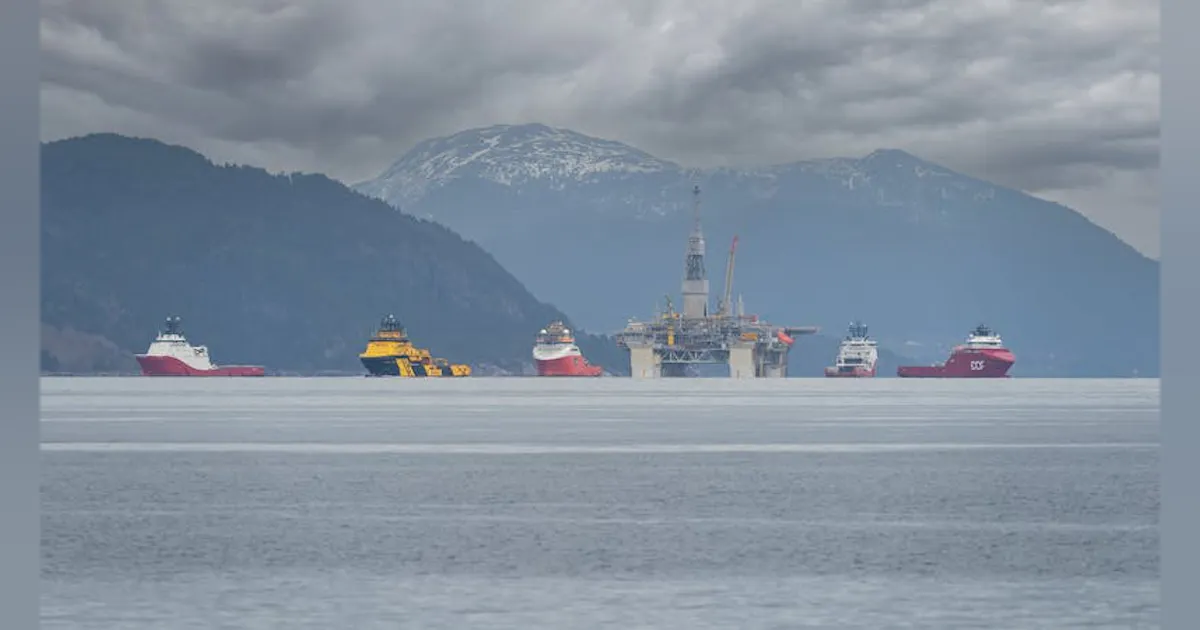
Offshore vessel fleets tighten amid sustained supply discipline

In 60 seconds

Top move

Offshore support vessel supply is tightening with an aging fleet and rising utilization, which raises mobilisation risk and upward pressure on dayrates for SURF and subsea execution

Key takeaways

  • Offshore support vessel supply is tightening with an aging fleet and rising utilization, which raises mobilisation risk and upward pressure on dayrates for SURF and subsea execution.[3]
  • New high-capacity cable‑lay and specialised subsea support tonnage are entering the market but remain long‑lead and purpose-built, shifting scheduling risk toward buyers who need electrification or long-distance cable installs.[2]
  • Suppliers are deploying remote ROV launch/recovery systems and other remote launch tooling that change offshore staffing needs and acceptance mechanics — this alters mobilisation scopes and vendor service models.[1]
  • The fleet age and limited reactivation keep optionality but increase maintenance, inspection and HSE dependencies that buyers must cover in contracts and mobilisation plans.[3]
  • Offshore magazine content is a mix of hard contract signals and thematic industry reporting; some items are program-level news while others are product/technology announcements with limited immediate procurement impact.[1]

What changed since last run

  • Added explicit vessel‑fleet tightness data from Westwood (article 5) that provides stronger mobilisation and dayrate signals not present in the prior brief.
  • Added specialised cable‑lay vessel capacity and tooling developments (article 3) as a new supply-side long‑lead factor for electrification and long‑distance cable scopes.
  • Added vendor remote‑ROV launch/recovery deployments (article 1) as a technology and staffing change to monitor; no change to prior FPSO prepayment signal posture.

Key facts

  • Deployment examples of remote ROV launch and recovery systems
  • Multiple subsea installation program mentions across regions
  • Boskalis planning a CLV with two 12,000‑t carousels (planned entry 2029 noted by source)
  • Nexans Electra features combined cable capacity of 13,500 t and multi‑cable bundle‑lay capabi
  • More than half of the operational OSV fleet exceeds 15 years in age
  • Marketed utilisation reported in the mid‑70s with forecast upward movement

Why it matters

Offshore support vessel supply is tightening with an aging fleet and rising utilization, which raises mobilisation risk and upward pressure on dayrates for SURF and subsea execution. New high-capacity cable‑lay and specialised subsea support tonnage are entering the market but remain long‑lead and purpose-built, shifting scheduling risk toward buyers who need electrification or long-distance cable installs. Suppliers are deploying remote ROV launch/recovery systems and other remote launch tooling that change offshore staffing needs and acceptance mechanics — this alters mobilisation scopes and vendor service models. The fleet age and limited reactivation keep optionality but increase maintenance, inspection and HSE dependencies that buyers must cover in contracts and mobilisation plans

Cost / money

  • Tighter OSV utilisation materially raises the risk of mobilisation premiums and compressed tender windows for SURF scopes, increasing short-term procurement cost exposure.[3]
  • Specialised cable‑lay vessels and tooling reduce lifecycle joint risk but create a long‑lead, premium cost bucket that buyers must budget into electrification and export cable scopes.[2]
  • Adoption of remote ROV launch/recovery systems shifts some OPEX from crew transfers to capex/service fees and longer vendor support contracts; this changes where costs show up on tenders.[1]

Supplier / commercial

  • Vessel owners and yards gain leverage to shorten RFQ validity, push deposits or tighten mobilisation terms when utilization is high and lay‑up pools are thin.[3]
  • Builders of CLVs and specialised subsea tonnage control long‑lead equipment slots (carousels, turntables, burial tooling), strengthening their negotiating position on scheduling and pass‑throughs.[2]
  • Vendors offering remote launch systems are likely to propose recurring service contracts, staged payments or witnessed acceptance obligations rather than one‑off deliverables.[1]

Safety / operations

  • An older OSV fleet increases maintenance and failure‑of‑readiness risk, which can delay operations and heighten HSE exposure if spare capacity is limited.[3]
  • Remote ROV launch/recovery reduces crew transfer and offshore personnel exposure but increases operational dependency on vendor hardware, control systems and proven FAT/WIT (factory/test) evidence.[1]
  • Bundle‑lay capability and improved burial tooling reduce subsea joint count and rework, improving long‑term integrity but requiring crew and QC processes that match the new tooling.[2]

What to watch

  • Watch RFQs that shorten vessel availability windows, tighten mobilisation timing, or demand deposits — early indicators of capacity stress in the OSV market.[3]
  • Watch CLV lead‑time disclosures and builder delivery schedules for electrification projects; delayed CLV availability can force scope replanning or higher charter premiums.[2]
  • Watch proposals that replace witnessed FAT/WIT with remote evidence for remote‑LARS and ROV systems — this is a weaker signal today but can shift acceptance risk if adopted broadly.[1]

Top stories

Story 1Offshore-mag

May 19 2026Courtesy MISCSubseaABL overseeing Mero 3 and 4 subsea installations offshore

Signal moderateDirectional

What happened

Offshore magazine lists multiple subsea updates including vendors deploying remote ROV launch and recovery systems. These are active deployments rather than concept pieces and change mobilisation and crewing needs because remote LARS shifts offshore staff and acceptance mechanics. Watch for vendor FAT/WIT records and whether buyers accept remote evidence in lieu of witnessed tests

Buyer takeaway

Remote launch systems are moving from trials into operational use; include FAT/WIT evidence and service continuity in supplier qualification to avoid acceptance disputes

Cost / money

Shifts some cost from crew transfer OPEX to vendor capex/service fees and longer support contracts, changing how tenders should account for lifecycle costs

Supplier / commercial

Vendors will likely package remote LARS with recurring support and staged acceptance terms; buyers can negotiate witnessed acceptance or performance bonds

Safety / operations

Reduces offshore personnel transfer exposure but increases dependency on vendor systems and tested remote operation procedures

What to watch

Verify whether remote acceptance is being proposed in place of witnessed tests; limited reporting today makes broad adoption an early signal to monitor

Key facts

  • Deployment examples of remote ROV launch and recovery systems
  • Multiple subsea installation program mentions across regions

Source excerpts

May 19, 2026Courtesy MISCSubseaABL overseeing Mero 3 and 4 subsea installations offshore BrazilMay 15, 2026Courtesy DeepOceanSubseaEvotec, DeepOcean deploy remote ROV launch and recovery system offshoreMay 14, 2026Courtesy OneSubseaSubseaSubsea strategies shift toward tiebacks, standardization and all‑electric systemsMay 14, 2026Courtesy JDR Cable SystemsSubseaAmplitude Energy commissions JDR for umbilicals for Australia’s East Coast Supply ProjectMay 8, 2026ID 155728952 © Hyotographics | Dreamstime
comVesselsCable vessels, CTVs and subsea support tonnage expand across offshore energy marketsNewbuild cable layers, crew transfer vessels (CTVs) and multipurpose support tonnage point to sustained offshore wind growth alongside ongoing North Sea subsea, P&A and safety... May 19, 2026Courtesy MISCSubseaABL overseeing Mero 3 and 4 subsea installations offshore BrazilMay 15, 2026Courtesy DeepOceanSubseaEvotec, DeepOcean deploy remote ROV launch and recovery system offshoreMay 14, 2026Courtesy OneSubseaSubseaSubsea
comVesselsCable vessels, CTVs and subsea support tonnage expand across offshore energy marketsNewbuild cable layers, crew transfer vessels (CTVs) and multipurpose support tonnage point to sustained offshore wind growth alongside ongoing North Sea subsea, P&A and safety
Story 2Offshore-mag

Cable vessels, CTVs and subsea support tonnage expand across offshore energy markets

Signal strongSource-grounded

What happened

Offshore reports new and upgraded cable‑lay vessels and expanded crew transfer and subsea support tonnage, including high‑capacity carousels and bundle‑lay tooling. The Nexans Electra handover and Boskalis planning for a CLV show these are programmatic fleet moves with long lead times and specialized capability. Watch builder delivery schedules and tooling availability for project sequencing and contract scope decisions

Buyer takeaway

Specialised CLVs and tooling are becoming more common but are long‑lead and purpose built; align RFQ timing and charter strategy accordingly

Cost / money

High‑capacity vessels reduce lifecycle intervention risk but create a premium procurement bucket for long‑lead vessels and tools that must be budgeted

Supplier / commercial

Builders and owners of CLVs control scarce slots and will press on schedule commitments, RFQ validity and potential deposits for major cable projects

Safety / operations

Enhanced bundle‑lay and burial tooling lowers rework risk but requires trained crews and revised QC acceptance procedures for integrity

What to watch

Watch announced CLV delivery timelines and tooling handovers — they are direct inputs to project mobilization planning and supplier negotiation leverage

Key facts

  • Boskalis planning a CLV with two 12,000‑t carousels (planned entry 2029 noted by source)
  • Nexans Electra features combined cable capacity of 13,500 t and multi‑cable bundle‑lay capabi

Source excerpts

In this compilation of offshore vessel news, recent developments, including high-capacity cable-lay vessels (CLVs), next-generation crew transfer vessels (CTVs), subsea survey campaigns and North Sea support contracts, underscore tightening vessel demand and the expanding role of specialized tonnage in offshore wind, decommissioning and infrastructure support. Cable & electrification vessels:Boskalis plans high-capacity cable-lay vessel additionCourtesy Boskalis The vessel will be launched for long-distance cab
Cable & electrification vessels:Boskalis plans high-capacity cable-lay vessel additionCourtesy Boskalis The vessel will be launched for long-distance cable installation in the interconnector and offshore wind markets, particularly for high-voltage direct current cables
Operations should be completed by the third quarter
Story 3Offshore-mag

Offshore vessel fleets tighten amid sustained supply discipline

Signal strongSource-grounded

What happened

Westwood/Offshore coverage shows the offshore support vessel market tightening with a maturing, aging fleet and improving utilisation across support segments. The report cites higher marketed utilisation and a reduced laid‑up fleet, which makes mobilisation windows tighter and uplifts supplier leverage in charters and RFQs. Watch for shortened RFQ validity, higher dayrate expectations, and constrained reactivation options

Buyer takeaway

Treat vessel availability as a leading constraint for SURF scheduling; proactively lock charters or identify alternates to avoid premium mobilisation costs

Cost / money

Higher utilisation and limited reactivation raise the probability of dayrate and mobilisation premiums being passed through in contracts

Supplier / commercial

Vessel owners can shorten RFQ validity, request deposits or push conditional mobilisation terms when optionality is limited

Safety / operations

An aging fleet increases maintenance and readiness risk, which can translate into schedule delay and HSE exposure if spare capacity is thin

What to watch

Watch for tender clauses that shorten validity windows or require deposits for vessel availability — these are early indicators of capacity stress

Key facts

  • More than half of the operational OSV fleet exceeds 15 years in age
  • Marketed utilisation reported in the mid‑70s with forecast upward movement
  • OSV orderbook remains limited, keeping incremental supply manageable

Source excerpts

Offshore support vessels: Maturing fleet, improving balance The global offshore support vessel (OSV) market posted modest but meaningful improvement in 2025
Installation volumes in 2026 are expected to nearly double year over year, while cumulative installed offshore wind capacity is forecast to exceed 236 GW by 2030. Although the near-term project pipeline has softened marginally, the medium to long-term outlook remains structurally robust, underpinned by continued capacity expansion and policy support
The market is moving toward utilization optimization, fleet renewal and strategic positioning, as macroeconomic risks persist but fundamental supply-demand dynamics tighten

VP Snapshot

Executive Risk & Action View

Offshore support vessel supply is tightening with an aging fleet and rising utilization, which raises mobilisation risk and upward pressure on dayrates for SURF and subsea execution.

Overall
45
Cost
79
Supply
100
Schedule
20
Compliance
15

Top signals

30-180dcost

Signal 1: Cost / money

Tighter OSV utilisation materially raises the risk of mobilisation premiums and compressed tender windows for SURF scopes, increasing short-term procurement cost exposure.

Signal 2: Cost / money

Specialised cable‑lay vessels and tooling reduce lifecycle joint risk but create a long‑lead, premium cost bucket that buyers must budget into electrification and export cable scopes.

180d+cost

Signal 3: Cost / money

Adoption of remote ROV launch/recovery systems shifts some OPEX from crew transfers to capex/service fees and longer vendor support contracts; this changes where costs show up on tenders.

30-180dcommercial

Signal 4: Supplier / commercial

Vessel owners and yards gain leverage to shorten RFQ validity, push deposits or tighten mobilisation terms when utilization is high and lay‑up pools are thin.

Signal 5: Supplier / commercial

Builders of CLVs and specialised subsea tonnage control long‑lead equipment slots (carousels, turntables, burial tooling), strengthening their negotiating position on scheduling and pass‑throughs.

Signal 6: Supplier / commercial

Vendors offering remote launch systems are likely to propose recurring service contracts, staged payments or witnessed acceptance obligations rather than one‑off deliverables.

Recommended actions

OpsDue 3d

Confirm vessel availability and key attributes (DP class, HVO/biodiesel capability, cable‑lay capability) for near-term SURF and electrification windows.

Updated availability register and mobilisation risk flags to feed tender sequencing and charter negotiation strategy.

ContractsDue 21d

Issue targeted RFIs to CLV, cable‑lay tool vendors and OSV owners requesting lead times, RFQ validity windows, deposit requirements and staged payment proposals.

Supplier lead‑time and commercial posture matrix to inform RFQ schedules and contract standard clauses.

CategoryDue 21d

Request FAT/WIT records and service‑level proposals from vendors supplying remote ROV launch/recovery systems and require witnessed acceptance options in procurement evaluations.

Qualification dossier with FAT evidence and recommended acceptance language to include in RFQs/MSAs.

CategoryDue 60d

Run a capacity and contingency review across yards, CLV builders and OSV providers to identify alternates, potential split‑scope approaches and contract triggers for mobilisation.

Capacity register and contingency plan with preferred alternates and suggested contractual split‑scope triggers to limit mobilisation and pass‑through risk.

Risk register

RiskTriggerMitigation
Watch RFQs that shorten vessel availability windows, tighten mobilisation timing, or demand deposits — early indicators of capacity stress in the OSV market.Watch RFQs that shorten vessel availability windows, tighten mobilisation timing, or demand deposits — early indicators of capacity stress in the OSV market.Confirm exposure with category, contracts, and operations before the next supplier commitment.
Watch CLV lead‑time disclosures and builder delivery schedules for electrification projects; delayed CLV availability can force scope replanning or higher charter premiums.Watch CLV lead‑time disclosures and builder delivery schedules for electrification projects; delayed CLV availability can force scope replanning or higher charter premiums.Confirm exposure with category, contracts, and operations before the next supplier commitment.
Watch proposals that replace witnessed FAT/WIT with remote evidence for remote‑LARS and ROV systems — this is a weaker signal today but can shift acceptance risk if adopted broadly.Watch proposals that replace witnessed FAT/WIT with remote evidence for remote‑LARS and ROV systems — this is a weaker signal today but can shift acceptance risk if adopted broadly.Confirm exposure with category, contracts, and operations before the next supplier commitment.

CM Snapshot

Category Manager Decision Detail

Today's priorities

Confirm vessel availability and key attributes (DP class, HVO/biodiesel capability, cable‑lay capability) for near-term SURF and electrification windows.

because the OSV market is tightening and vessel attributes (fuel type, DP, cable‑handling) materially affect mobilisation options and pass‑through exposure.

Due 3d

high

CM move

Use this as the immediate supplier or contract action to move before the next sourcing gate.

Issue targeted RFIs to CLV, cable‑lay tool vendors and OSV owners requesting lead times, RFQ validity windows, deposit requirements and staged payment proposals.

because specialised cable and vessel vendors are reporting long‑lead builds and stronger commercial posture that will influence tender timing and contract terms.

Due 21d

high

CM move

Use this as the immediate supplier or contract action to move before the next sourcing gate.

Request FAT/WIT records and service‑level proposals from vendors supplying remote ROV launch/recovery systems and require witnessed acceptance options in procurement evaluations.

because remote LARS increases dependency on vendor systems and unverified remote acceptance mechanics can transfer operational risk to the buyer.

Due 21d

high

CM move

Use this as the immediate supplier or contract action to move before the next sourcing gate.

Run a capacity and contingency review across yards, CLV builders and OSV providers to identify alternates, potential split‑scope approaches and contract triggers for mobilisation.

because fleet tightness, long‑lead specialised tonnage and builder leverage increase schedule and commercial risk during execution and predefined alternates reduce exposure.

Due 60d

high

CM move

Use this as the immediate supplier or contract action to move before the next sourcing gate.

Supplier radar

Offshore-mag

high

Observed supplier signal

Vessel owners and yards gain leverage to shorten RFQ validity, push deposits or tighten mobilisation terms when utilization is high and lay‑up pools are thin.

Commercial implication

Vessel owners and yards gain leverage to shorten RFQ validity, push deposits or tighten mobilisation terms when utilization is high and lay‑up pools are thin.

Next step: Validate the source-backed signal with incumbents and alternates before the next award or pricing decision.

Offshore-mag

high

Observed supplier signal

Builders of CLVs and specialised subsea tonnage control long‑lead equipment slots (carousels, turntables, burial tooling), strengthening their negotiating position on scheduling and pass‑throughs.

Commercial implication

Builders of CLVs and specialised subsea tonnage control long‑lead equipment slots (carousels, turntables, burial tooling), strengthening their negotiating position on scheduling and pass‑throughs.

Next step: Validate the source-backed signal with incumbents and alternates before the next award or pricing decision.

Offshore-mag

high

Observed supplier signal

Vendors offering remote launch systems are likely to propose recurring service contracts, staged payments or witnessed acceptance obligations rather than one‑off deliverables.

Commercial implication

Vendors offering remote launch systems are likely to propose recurring service contracts, staged payments or witnessed acceptance obligations rather than one‑off deliverables.

Next step: Validate the source-backed signal with incumbents and alternates before the next award or pricing decision.

Negotiation levers

Confirm vessel availability and key attributes (DP class, HVO/biodiesel capability, cable‑lay capability) for near-term SURF and electrification windows.

When to use: because the OSV market is tightening and vessel attributes (fuel type, DP, cable‑handling) materially affect mobilisation options and pass‑through exposure.

Expected outcome: Updated availability register and mobilisation risk flags to feed tender sequencing and charter negotiation strategy.

Commercial mechanism to carry into the next supplier conversation

Issue targeted RFIs to CLV, cable‑lay tool vendors and OSV owners requesting lead times, RFQ validity windows, deposit requirements and staged payment proposals.

When to use: because specialised cable and vessel vendors are reporting long‑lead builds and stronger commercial posture that will influence tender timing and contract terms.

Expected outcome: Supplier lead‑time and commercial posture matrix to inform RFQ schedules and contract standard clauses.

Commercial mechanism to carry into the next supplier conversation

Request FAT/WIT records and service‑level proposals from vendors supplying remote ROV launch/recovery systems and require witnessed acceptance options in procurement evaluations.

When to use: because remote LARS increases dependency on vendor systems and unverified remote acceptance mechanics can transfer operational risk to the buyer.

Expected outcome: Qualification dossier with FAT evidence and recommended acceptance language to include in RFQs/MSAs.

Commercial mechanism to carry into the next supplier conversation

Run a capacity and contingency review across yards, CLV builders and OSV providers to identify alternates, potential split‑scope approaches and contract triggers for mobilisation.

When to use: because fleet tightness, long‑lead specialised tonnage and builder leverage increase schedule and commercial risk during execution and predefined alternates reduce exposure.

Expected outcome: Capacity register and contingency plan with preferred alternates and suggested contractual split‑scope triggers to limit mobilisation and pass‑through risk.

Commercial mechanism to carry into the next supplier conversation

Talking points

Offshore support vessel supply is tightening with an aging fleet and rising utilization, which raises mobilisation risk and upward pressure on dayrates for SURF and subsea execution.
New high-capacity cable‑lay and specialised subsea support tonnage are entering the market but remain long‑lead and purpose-built, shifting scheduling risk toward buyers who need electrification or long-distance cable installs.
Suppliers are deploying remote ROV launch/recovery systems and other remote launch tooling that change offshore staffing needs and acceptance mechanics — this alters mobilisation scopes and vendor service models.
The fleet age and limited reactivation keep optionality but increase maintenance, inspection and HSE dependencies that buyers must cover in contracts and mobilisation plans.

Supplier radar

SupplierSignalImplicationNext stepConfidence
Offshore-magVessel owners and yards gain leverage to shorten RFQ validity, push deposits or tighten mobilisation terms when utilization is high and lay‑up pools are thin.Vessel owners and yards gain leverage to shorten RFQ validity, push deposits or tighten mobilisation terms when utilization is high and lay‑up pools are thin.Validate the source-backed signal with incumbents and alternates before the next award or pricing decision.high
Offshore-magBuilders of CLVs and specialised subsea tonnage control long‑lead equipment slots (carousels, turntables, burial tooling), strengthening their negotiating position on scheduling and pass‑throughs.Builders of CLVs and specialised subsea tonnage control long‑lead equipment slots (carousels, turntables, burial tooling), strengthening their negotiating position on scheduling and pass‑throughs.Validate the source-backed signal with incumbents and alternates before the next award or pricing decision.high
Offshore-magVendors offering remote launch systems are likely to propose recurring service contracts, staged payments or witnessed acceptance obligations rather than one‑off deliverables.Vendors offering remote launch systems are likely to propose recurring service contracts, staged payments or witnessed acceptance obligations rather than one‑off deliverables.Validate the source-backed signal with incumbents and alternates before the next award or pricing decision.high

Negotiation levers

  • Confirm vessel availability and key attributes (DP class, HVO/biodiesel capability, cable‑lay capability) for near-term SURF and electrification windows.because the OSV market is tightening and vessel attributes (fuel type, DP, cable‑handling) materially affect mobilisation options and pass‑through exposure.Updated availability register and mobilisation risk flags to feed tender sequencing and charter negotiation strategy.

    high confidence

  • Issue targeted RFIs to CLV, cable‑lay tool vendors and OSV owners requesting lead times, RFQ validity windows, deposit requirements and staged payment proposals.because specialised cable and vessel vendors are reporting long‑lead builds and stronger commercial posture that will influence tender timing and contract terms.Supplier lead‑time and commercial posture matrix to inform RFQ schedules and contract standard clauses.

    high confidence

  • Request FAT/WIT records and service‑level proposals from vendors supplying remote ROV launch/recovery systems and require witnessed acceptance options in procurement evaluations.because remote LARS increases dependency on vendor systems and unverified remote acceptance mechanics can transfer operational risk to the buyer.Qualification dossier with FAT evidence and recommended acceptance language to include in RFQs/MSAs.

    high confidence

  • Run a capacity and contingency review across yards, CLV builders and OSV providers to identify alternates, potential split‑scope approaches and contract triggers for mobilisation.because fleet tightness, long‑lead specialised tonnage and builder leverage increase schedule and commercial risk during execution and predefined alternates reduce exposure.Capacity register and contingency plan with preferred alternates and suggested contractual split‑scope triggers to limit mobilisation and pass‑through risk.

    high confidence

What to do / What to watch

What to do now

  • Confirm vessel availability and key attributes (DP class, HVO/biodiesel capability, cable‑lay capability) for near-term SURF and electrification windows.

    Why: because the OSV market is tightening and vessel attributes (fuel type, DP, cable‑handling) materially affect mobilisation options and pass‑through exposure.

    Owner: Ops

    Expected outcome: Updated availability register and mobilisation risk flags to feed tender sequencing and charter negotiation strategy.

    [3]

Next few weeks

  • Issue targeted RFIs to CLV, cable‑lay tool vendors and OSV owners requesting lead times, RFQ validity windows, deposit requirements and staged payment proposals.

    Why: because specialised cable and vessel vendors are reporting long‑lead builds and stronger commercial posture that will influence tender timing and contract terms.

    Owner: Contracts

    Expected outcome: Supplier lead‑time and commercial posture matrix to inform RFQ schedules and contract standard clauses.

    [2]
  • Request FAT/WIT records and service‑level proposals from vendors supplying remote ROV launch/recovery systems and require witnessed acceptance options in procurement evaluations.

    Why: because remote LARS increases dependency on vendor systems and unverified remote acceptance mechanics can transfer operational risk to the buyer.

    Owner: Category

    Expected outcome: Qualification dossier with FAT evidence and recommended acceptance language to include in RFQs/MSAs.

    [1]

Longer view

  • Run a capacity and contingency review across yards, CLV builders and OSV providers to identify alternates, potential split‑scope approaches and contract triggers for mobilisation.

    Why: because fleet tightness, long‑lead specialised tonnage and builder leverage increase schedule and commercial risk during execution and predefined alternates reduce exposure.

    Owner: Category

    Expected outcome: Capacity register and contingency plan with preferred alternates and suggested contractual split‑scope triggers to limit mobilisation and pass‑through risk.

    [3][2]

What to watch

  • Watch RFQs that shorten vessel availability windows, tighten mobilisation timing, or demand deposits — early indicators of capacity stress in the OSV market
  • Watch CLV lead‑time disclosures and builder delivery schedules for electrification projects; delayed CLV availability can force scope replanning or higher charter premiums
  • Watch proposals that replace witnessed FAT/WIT with remote evidence for remote‑LARS and ROV systems — this is a weaker signal today but can shift acceptance risk if adopted broadly
  • Watch RFQs that shorten vessel availability windows, tighten mobilisation timing, or demand deposits — early indicators of capacity stress in the OSV market.: Watch RFQs that shorten vessel availability windows, tighten mobilisation timing, or demand deposits — early indicators of capacity stress in the OSV market
  • Watch CLV lead‑time disclosures and builder delivery schedules for electrification projects; delayed CLV availability can force scope replanning or higher charter premiums.: Watch CLV lead‑time disclosures and builder delivery schedules for electrification projects; delayed CLV availability can force scope replanning or higher charter premiums
  • Watch proposals that replace witnessed FAT/WIT with remote evidence for remote‑LARS and ROV systems — this is a weaker signal today but can shift acceptance risk if adopted broadly.: Watch proposals that replace witnessed FAT/WIT with remote evidence for remote‑LARS and ROV systems — this is a weaker signal today but can shift acceptance risk if adopted broadly
  • Offshore support vessel supply is tightening with an aging fleet and rising utilization, which raises mobilisation risk and upward pressure on dayrates for SURF and subsea execution
  • New high-capacity cable‑lay and specialised subsea support tonnage are entering the market but remain long‑lead and purpose-built, shifting scheduling risk toward buyers who need electrification or long-distance cable installs

Market pulse

IndexLatestChangeAs of
WTI Crude (WTI)71.23 /bbl+0.00 (+0.00%)May 20, 2026, 10:07 AM
Brent Crude (BRENT)74.89 /bbl+0.00 (+0.00%)May 20, 2026, 10:07 AM
Natural Gas (NG)3.12 /MMBtu+0.00 (+0.00%)May 20, 2026, 10:07 AM
Dry Bulk Shipping (BDRY) (BDRY)0 +0.00 (+0.00%)May 20, 2026, 10:07 AM
WTI (Fuel) (WTI)71.23 /bbl+0.00 (+0.00%)May 20, 2026, 10:07 AM
TechnipFMC (FTI)22 +0.00 (+0.00%)May 20, 2026, 10:07 AM
  • Dry Bulk Shipping (BDRY): Dry bulk shipping tightness increases transit and mobilisation cost risk for heavy subsea equipment movement; use as a cross‑check on vessel charter premiums
  • WTI Crude: Fuel and oil price direction are inputs to OSV dayrate and pass‑through calculations; monitor for upward pressure on charter-related fuel pass‑through clauses

Sources

Inline citations jump here. Expand a source to read the excerpt, the AI interpretation, and the original link.

[1] May 19 2026Courtesy MISCSubseaABL overseeing Mero 3 and 4 subsea installations offshore

offshore-mag.com · n.d.

Expand

AI reading

Offshore magazine lists multiple subsea updates including vendors deploying remote ROV launch and recovery systems. These are active deployments rather than concept pieces and change mobilisation and crewing needs because remote LARS shifts offshore staff and acceptance mechanics. Watch for vendor FAT/WIT records and whether buyers accept remote evidence in lieu of witnessed tests

Buyer takeaway

Remote launch systems are moving from trials into operational use; include FAT/WIT evidence and service continuity in supplier qualification to avoid acceptance disputes

Cost / money

Shifts some cost from crew transfer OPEX to vendor capex/service fees and longer support contracts, changing how tenders should account for lifecycle costs

Supplier / commercial

Vendors will likely package remote LARS with recurring support and staged acceptance terms; buyers can negotiate witnessed acceptance or performance bonds

Safety / operations

Reduces offshore personnel transfer exposure but increases dependency on vendor systems and tested remote operation procedures

What to watch

Verify whether remote acceptance is being proposed in place of witnessed tests; limited reporting today makes broad adoption an early signal to monitor

Key facts

  • Deployment examples of remote ROV launch and recovery systems
  • Multiple subsea installation program mentions across regions

Source excerpts

May 19, 2026Courtesy MISCSubseaABL overseeing Mero 3 and 4 subsea installations offshore BrazilMay 15, 2026Courtesy DeepOceanSubseaEvotec, DeepOcean deploy remote ROV launch and recovery system offshoreMay 14, 2026Courtesy OneSubseaSubseaSubsea strategies shift toward tiebacks, standardization and all‑electric systemsMay 14, 2026Courtesy JDR Cable SystemsSubseaAmplitude Energy commissions JDR for umbilicals for Australia’s East Coast Supply ProjectMay 8, 2026ID 155728952 © Hyotographics | Dreamstime
comVesselsCable vessels, CTVs and subsea support tonnage expand across offshore energy marketsNewbuild cable layers, crew transfer vessels (CTVs) and multipurpose support tonnage point to sustained offshore wind growth alongside ongoing North Sea subsea, P&A and safety... May 19, 2026Courtesy MISCSubseaABL overseeing Mero 3 and 4 subsea installations offshore BrazilMay 15, 2026Courtesy DeepOceanSubseaEvotec, DeepOcean deploy remote ROV launch and recovery system offshoreMay 14, 2026Courtesy OneSubseaSubseaSubsea
comVesselsCable vessels, CTVs and subsea support tonnage expand across offshore energy marketsNewbuild cable layers, crew transfer vessels (CTVs) and multipurpose support tonnage point to sustained offshore wind growth alongside ongoing North Sea subsea, P&A and safety

Used in this brief

  • Next 2-4 weeks — Request FAT/WIT records and service‑level proposals from vendors supplying remote ROV launch/recovery systems and require witnessed acceptance options in procurement evaluations.. Rationale: because remote LARS increases dependency on vendor systems and unverified remote acceptance mechanics can transfer operational risk to the buyer.. Owner: Category. KPI: Qualification dossier with FAT evidence and recommended acceptance language to include in RFQs/MSAs
  • Watch proposals that replace witnessed FAT/WIT with remote evidence for remote‑LARS and ROV systems — this is a weaker signal today but can shift acceptance risk if adopted broadly
  • Offshore magazine lists multiple subsea updates including vendors deploying remote ROV launch and recovery systems. These are active deployments rather than concept pieces and change mobilisation and crewing needs because remote LARS shifts offshore staff and acceptance mechanics. Watch for vendor FAT/WIT records and whether buyers accept remote evidence in lieu of witnessed tests
Open original source

[2] Cable vessels, CTVs and subsea support tonnage expand across offshore energy markets

offshore-mag.com · n.d.

Expand

AI reading

Offshore reports new and upgraded cable‑lay vessels and expanded crew transfer and subsea support tonnage, including high‑capacity carousels and bundle‑lay tooling. The Nexans Electra handover and Boskalis planning for a CLV show these are programmatic fleet moves with long lead times and specialized capability. Watch builder delivery schedules and tooling availability for project sequencing and contract scope decisions

Buyer takeaway

Specialised CLVs and tooling are becoming more common but are long‑lead and purpose built; align RFQ timing and charter strategy accordingly

Cost / money

High‑capacity vessels reduce lifecycle intervention risk but create a premium procurement bucket for long‑lead vessels and tools that must be budgeted

Supplier / commercial

Builders and owners of CLVs control scarce slots and will press on schedule commitments, RFQ validity and potential deposits for major cable projects

Safety / operations

Enhanced bundle‑lay and burial tooling lowers rework risk but requires trained crews and revised QC acceptance procedures for integrity

What to watch

Watch announced CLV delivery timelines and tooling handovers — they are direct inputs to project mobilization planning and supplier negotiation leverage

Key facts

  • Boskalis planning a CLV with two 12,000‑t carousels (planned entry 2029 noted by source)
  • Nexans Electra features combined cable capacity of 13,500 t and multi‑cable bundle‑lay capabi

Source excerpts

In this compilation of offshore vessel news, recent developments, including high-capacity cable-lay vessels (CLVs), next-generation crew transfer vessels (CTVs), subsea survey campaigns and North Sea support contracts, underscore tightening vessel demand and the expanding role of specialized tonnage in offshore wind, decommissioning and infrastructure support. Cable & electrification vessels:Boskalis plans high-capacity cable-lay vessel additionCourtesy Boskalis The vessel will be launched for long-distance cab
Cable & electrification vessels:Boskalis plans high-capacity cable-lay vessel additionCourtesy Boskalis The vessel will be launched for long-distance cable installation in the interconnector and offshore wind markets, particularly for high-voltage direct current cables
Operations should be completed by the third quarter

Used in this brief

  • Offshore support vessel supply is tightening with an aging fleet and rising utilization, which raises mobilisation risk and upward pressure on dayrates for SURF and subsea execution. New high-capacity cable‑lay and specialised subsea support tonnage are entering the market but remain long‑lead and purpose-built, shifting scheduling risk toward buyers who need electrification or long-distance cable installs. Suppliers are deploying remote ROV launch/recovery systems and other remote launch tooling that change offshore staffing needs and acceptance mechanics — this alters mobilisation scopes and vendor service models. The fleet age and limited reactivation keep optionality but increase maintenance, inspection and HSE dependencies that buyers must cover in contracts and mobilisation plans
  • Cost / money: Specialised cable‑lay vessels and tooling reduce lifecycle joint risk but create a long‑lead, premium cost bucket that buyers must budget into electrification and export cable scopes
  • Safety / operations: An older OSV fleet increases maintenance and failure‑of‑readiness risk, which can delay operations and heighten HSE exposure if spare capacity is limited
Open original source

[3] Offshore vessel fleets tighten amid sustained supply discipline

offshore-mag.com · n.d.

Expand

AI reading

Westwood/Offshore coverage shows the offshore support vessel market tightening with a maturing, aging fleet and improving utilisation across support segments. The report cites higher marketed utilisation and a reduced laid‑up fleet, which makes mobilisation windows tighter and uplifts supplier leverage in charters and RFQs. Watch for shortened RFQ validity, higher dayrate expectations, and constrained reactivation options

Buyer takeaway

Treat vessel availability as a leading constraint for SURF scheduling; proactively lock charters or identify alternates to avoid premium mobilisation costs

Cost / money

Higher utilisation and limited reactivation raise the probability of dayrate and mobilisation premiums being passed through in contracts

Supplier / commercial

Vessel owners can shorten RFQ validity, request deposits or push conditional mobilisation terms when optionality is limited

Safety / operations

An aging fleet increases maintenance and readiness risk, which can translate into schedule delay and HSE exposure if spare capacity is thin

What to watch

Watch for tender clauses that shorten validity windows or require deposits for vessel availability — these are early indicators of capacity stress

Key facts

  • More than half of the operational OSV fleet exceeds 15 years in age
  • Marketed utilisation reported in the mid‑70s with forecast upward movement
  • OSV orderbook remains limited, keeping incremental supply manageable

Source excerpts

Offshore support vessels: Maturing fleet, improving balance The global offshore support vessel (OSV) market posted modest but meaningful improvement in 2025
Installation volumes in 2026 are expected to nearly double year over year, while cumulative installed offshore wind capacity is forecast to exceed 236 GW by 2030. Although the near-term project pipeline has softened marginally, the medium to long-term outlook remains structurally robust, underpinned by continued capacity expansion and policy support
The market is moving toward utilization optimization, fleet renewal and strategic positioning, as macroeconomic risks persist but fundamental supply-demand dynamics tighten

Used in this brief

  • Next 72 hours — Confirm vessel availability and key attributes (DP class, HVO/biodiesel capability, cable‑lay capability) for near-term SURF and electrification windows.. Rationale: because the OSV market is tightening and vessel attributes (fuel type, DP, cable‑handling) materially affect mobilisation options and pass‑through exposure.. Owner: Ops. KPI: Updated availability register and mobilisation risk flags to feed tender sequencing and charter negotiation strategy
  • Next quarter — Run a capacity and contingency review across yards, CLV builders and OSV providers to identify alternates, potential split‑scope approaches and contract triggers for mobilisation.. Rationale: because fleet tightness, long‑lead specialised tonnage and builder leverage increase schedule and commercial risk during execution and predefined alternates reduce exposure.. Owner: Category. KPI: Capacity register and contingency plan with preferred alternates and suggested contractual split‑scope triggers to limit mobilisation and pass‑through risk
  • Watch RFQs that shorten vessel availability windows, tighten mobilisation timing, or demand deposits — early indicators of capacity stress in the OSV market
Open original source

[4] Dry Bulk Shipping (BDRY)

finance.yahoo.com · n.d.

Expand

[5] WTI Crude

finance.yahoo.com · n.d.

Expand