Plug & Abandonment / Decommissioning · International (Houston)

Protect Mobilization Windows and Contract Terms for P&A Campaigns

Published May 20, 2026, 5:06 AM CSTINTERNATIONALFull category signal
Ask AI
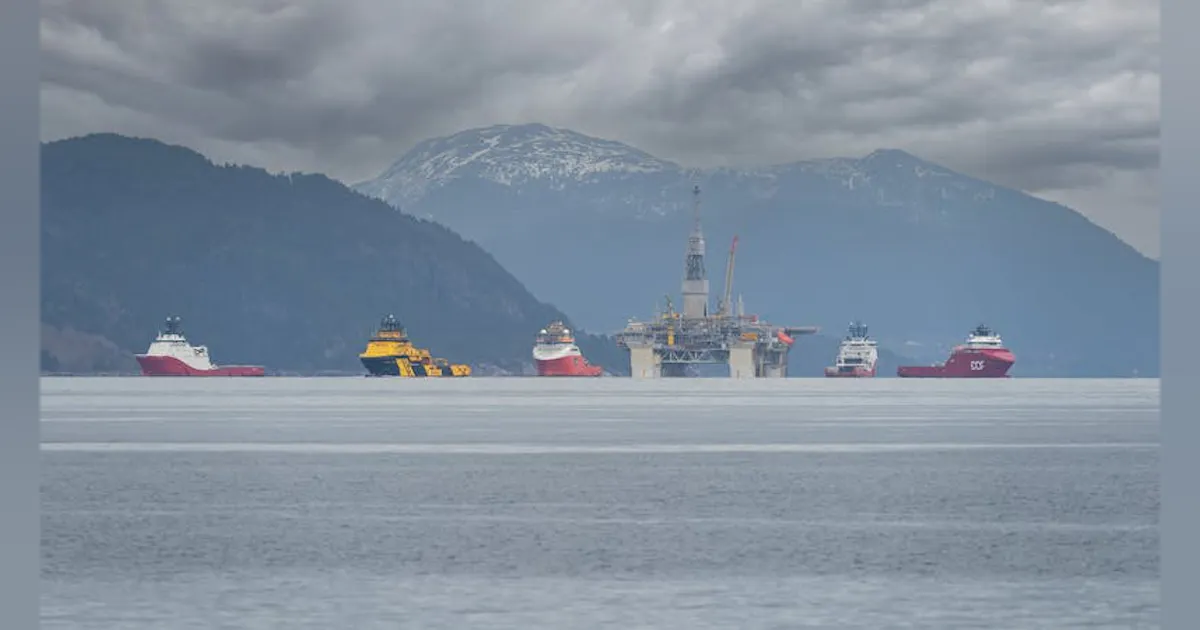
Offshore vessel fleets tighten amid sustained supply discipline

In 60 seconds

Top move

Offshore support vessel supply is tightening and marketed utilization is up, which raises day‑rate and mobilization premium risk for plug‑and‑abandonment (P&A) work

Key takeaways

  • Offshore support vessel supply is tightening and marketed utilization is up, which raises day‑rate and mobilization premium risk for plug‑and‑abandonment (P&A) work.[2]
  • New specialist newbuilds for cable‑laying and next‑generation crew transfer vessels are redirecting yard capacity and skilled crews toward renewables and interconnector projects, increasing cross‑sector competition for niche tonnage.[1]
  • FPSO digitalization and integrated asset data stacks are creating execution dependencies (data access, uptime, cyber resilience) that contracts should explicitly address before mobilization.[3]
  • A regional multi‑client ocean‑bottom node (OBN) seismic program in the North Sea adds sustained survey vessel demand and longer planning timelines that can affect yard slots and survey availability near P&A zones.[4]
  • Net effect for buyers: not a market crisis but a tighter, more directional environment—prepare to trade schedule certainty for price or to use contract levers to hold slots.[2]

What changed since last run

  • Westwood (article 3) now reports higher marketed utilization and a materially smaller idle fleet versus prior cycles, tightening short‑term vessel availability compared with our prior read.
  • Offshore newbuild activity announced for high‑capacity cable layers and next‑gen CTVs (article 1) is a concrete reallocation of yard and crew capacity toward renewables that can compete with P&A support roles.
  • A large dense OBN multi‑client survey announced in the Frigg area (article 5) creates a regional, multi‑season demand profile for survey vessels and processing resources that buyers should map against P&A windows.

Key facts

  • New high‑capacity cable‑lay vessels ordered and launched
  • Next‑generation CTVs and multipurpose support tonnage entering service
  • Marketed utilization increased versus prior cycles
  • Large portion of operational fleet older than typical reactivation ages
  • Newbuild orderbook limited and focused on a narrow set of vessel types
  • Integrated 3D/BIM models applied across the FPSO lifecycle

Why it matters

Offshore support vessel supply is tightening and marketed utilization is up, which raises day‑rate and mobilization premium risk for plug‑and‑abandonment (P&A) work. New specialist newbuilds for cable‑laying and next‑generation crew transfer vessels are redirecting yard capacity and skilled crews toward renewables and interconnector projects, increasing cross‑sector competition for niche tonnage. FPSO digitalization and integrated asset data stacks are creating execution dependencies (data access, uptime, cyber resilience) that contracts should explicitly address before mobilization. A regional multi‑client ocean‑bottom node (OBN) seismic program in the North Sea adds sustained survey vessel demand and longer planning timelines that can affect yard slots and survey availability near P&A zones

Cost / money

  • Tighter OSV fundamentals increase the risk of higher day rates and mobilization premiums for vessel‑dependent P&A scopes.[2]
  • Specialist newbuilds and renewables contracts shift higher‑margin work to other sectors, which can shorten quote validity and push deposit or prepayment requests onto buyers.[1]

Supplier / commercial

  • Vessel owners with constrained fleets can demand conditional availability, slot‑holds or bundled campaign contracts; buyers may need to trade earlier commitments for schedule certainty.[2]
  • Suppliers offering digital asset services may seek to bundle recurring Opex contracts with execution scopes, changing how procurement scopes work and long‑term spend.[3]

Safety / operations

  • Higher utilization compresses maintenance and crew‑rotation windows; unless enforced, shortened readiness time increases HSE exposure during P&A mobilizations.[2]
  • Growing dependence on integrated FPSO data and remote operations introduces uptime and cyber dependencies that can become operational safety issues if fallback procedures are not contractually assured.[3]

What to watch

  • Watch for supplier behaviors that precede slot competition: shortening quote validity, deposit requests, and conditional‑availability clauses from vessel and specialist contractors.[2]
  • Watch yard handover schedules and early charter announcements for new cable‑lay and CTV tonnage — these are leading indicators that skilled crews and dock time are being reallocated.[1]

Top stories

Story 1Offshore-mag

Cable vessels, CTVs and subsea support tonnage expand across offshore energy markets

Signal moderateSource-grounded

What happened

Publishers report newbuild orders and handovers for cable layers, crew transfer vessels and multipurpose support tonnage aimed at offshore wind and interconnector work. The operational detail is specific high‑capacity CLVs and next‑generation CTVs entering service, which reroutes yard capacity and skilled crews toward renewables. Watch early charter announcements and handover schedules to see whether those assets begin to displace historic P&A support availability

Buyer takeaway

Treat these newbuilds as a reallocation risk for specialist crews and yard slots; factor them into vessel planning for P&A

Cost / money

Expect directional upward pressure on specialist day rates and mobilization premiums where renewables tonnage competes with P&A work

Supplier / commercial

Vessel owners prioritizing renewables will tighten availability windows and may require deposits or short quote validity for legacy P&A customers

Safety / operations

New vessel types require validated competence transfers and updated HSE checks when integrated into P&A campaigns

What to watch

Watch handover dates and early chartering for signs of capacity being committed away from P&A windows

Key facts

  • New high‑capacity cable‑lay vessels ordered and launched
  • Next‑generation CTVs and multipurpose support tonnage entering service

Source excerpts

In this compilation of offshore vessel news, recent developments, including high-capacity cable-lay vessels (CLVs), next-generation crew transfer vessels (CTVs), subsea survey campaigns and North Sea support contracts, underscore tightening vessel demand and the expanding role of specialized tonnage in offshore wind, decommissioning and infrastructure support
In this compilation of offshore vessel news, recent developments, including high-capacity cable-lay vessels (CLVs), next-generation crew transfer vessels (CTVs), subsea survey campaigns and North Sea support contracts, underscore tightening vessel demand and the expanding role of specialized tonnage in offshore wind, decommissioning and infrastructure support. Cable & electrification vessels:Boskalis plans high-capacity cable-lay vessel additionCourtesy Boskalis The vessel will be launched for long-distance cab
Royal Boskalis plans to order a new high-capacity cable-lay vessel in response to the growing need for long-distance cable installations for offshore wind and interconnector projects
Story 2Offshore-mag

Offshore vessel fleets tighten amid sustained supply discipline

Signal strongSource-grounded

What happened

Westwood reports an aging global offshore support vessel fleet with improving utilization and limited reactivation, tightening available capacity for offshore support roles. The operational detail is higher marketed utilization and a reduced laid‑up fleet, which increases the chance of premium day rates and shortened availability windows for P&A mobilizations. Buyers should monitor regional utilization shifts to decide where to seek provisional holds or campaign bundling

Buyer takeaway

Assume less spare capacity; prioritize availability checks and consider provisional holds, MSAs or campaign bundling to limit spot‑market premiums

Cost / money

Tighter utilization reduces negotiating room on day rates, mobilization and cancellation terms

Supplier / commercial

Operators with available OSVs can demand deposits, shorter quote validity or premium terms; consider longer MSAs to regain leverage

Safety / operations

Higher utilization compresses maintenance and crew‑rotation windows; enforce pre‑mobilization readiness checkpoints

What to watch

Watch supplier quote validity and deposit requests as early signals of constrained availability

Key facts

  • Marketed utilization increased versus prior cycles
  • Large portion of operational fleet older than typical reactivation ages
  • Newbuild orderbook limited and focused on a narrow set of vessel types

Source excerpts

Offshore energy industry news, trends, insights and outlooksThe offshore support vessel market is tightening as supply discipline, aging fleets and constrained reactivation reshape utilization trends, according to Westwood Global Energy Group. Key takeaways: The global offshore support vessel fleet is aging, with over half of the operational fleet exceeding 15 years, yet demand-driven utilization is improving due to limited reactivation and newbuilds
The net reactivation of only two vessels highlights a key theme: utilization is improving not because of aggressive reactivation or scrapping cycles, but because accessible and commercially viable supply is increasingly limited. Regionally, demand remains concentrated in the Middle East, Latin America and Southeast Asia, together accounting for close to half of global OSV demand days
As part of the company's consulting services, he brings extensive experience across commercial studies, asset benchmarking, and strategic advisory projects, working with a diverse client base that includes vessel contractors, offshore construction companies and E&Ps
Story 3Offshore-mag

Digital technologies reshaping FPSO operations and offshore asset management

Signal moderateSource-grounded

What happened

Coverage highlights expanding use of integrated digital models, automation and analytics across FPSO operations to improve maintenance and decision‑making. The concrete detail is use of unified 3D/BIM models and condition‑based maintenance on brownfield FPSOs, which increases dependence on data quality, uptime, and cyber resilience. Contractually capture data access, uptime SLAs and fallback procedures before mobilization and watch for supplier proposals that bundle proprietary platforms

Buyer takeaway

Treat digital capability, data access and uptime as procurement variables and include them in scope and SLAs

Cost / money

Buying integrated digital services can shift spend into recurring Opex and change procurement approval paths

Supplier / commercial

Vendors may bundle digital services with execution scopes; negotiate data ownership, portability and exit terms to avoid lock‑in

Safety / operations

Automation and remote operations improve safety if uptime and fallback systems are assured; otherwise they create single‑point dependencies

What to watch

Watch for proprietary platforms without clear data portability or termination provisions

Key facts

  • Integrated 3D/BIM models applied across the FPSO lifecycle
  • Condition‑based maintenance and analytics used on critical equipment

Source excerpts

A notable trend is the growing use of automation, robotic systems and remote operations to perform inspection, monitoring and routine operational tasks, which Siqueira said reduces offshore exposure and improves consistency. Combined with digital twins and remote operations centers, these capabilities are helping lay the groundwork for more autonomous offshore assets
Data integration drives predictive maintenanceBeyond design, digitalization is increasingly focused on integrating operational, maintenance and inspection data into unified environments to provide better visibility into equipment health and performance, he explained, supporting real-time decision-making. This integration underpins asset performance management strategies, where analytics tools identify patterns in large volumes of data
Digital platforms that integrate operational and maintenance data are improving coordination across FPSOs, while drilling operations are increasingly adopting condition monitoring of critical equipment to enable condition-based maintenance and improve reliability
Story 4Offshore-mag

Viridien launches dense OBN survey to enhance imaging across North Sea Frigg area

Signal moderateSource-grounded

What happened

Viridien has started a dense ocean‑bottom node survey across the Frigg area in UK/Norwegian waters to improve imaging in complex geology. The operational detail is a large‑area OBN program with long processing timelines, which sustains survey vessel demand and processing capacity in the region. Buyers should map this program against P&A planning windows because survey campaigns and processing resources compete with vessel and yard availability

Buyer takeaway

Include multi‑client survey schedules in regional availability maps; they can tie up survey and support tonnage for extended periods

Cost / money

Sustained survey programs can push day rates for survey and geophysical support vessels during overlapping windows

Supplier / commercial

Multi‑client campaigns may secure vessel time early, reducing ad‑hoc availability for single‑buyer P&A tasks

Safety / operations

Long running OBN campaigns require consistent crew rotations and maintenance; overlaps with P&A could strain local logistics

What to watch

Watch the survey’s mobilization and node‑deployment dates to see if local support tonnage is committed during P&A windows

Key facts

  • Dense OBN survey covering 645 sq km across UK and Norwegian sectors
  • Final processed deliverables expected in a multi‑season timeline

Source excerpts

Courtesy Viridien Earth DataThe map highlights the location of the new Frigg OBN survey project. Viridien has embarked on a new dense multi-client ocean-bottom node (OBN) survey in the central North Sea
Viridien has embarked on a new dense multi-client ocean-bottom node (OBN) survey in the central North Sea. This will cover 645 sq km in a region in the Frigg area, overlapping the UK and Norwegian sectors
Viridien has embarked on a new dense multi-client ocean-bottom node (OBN) survey in the central North Sea

VP Snapshot

Executive Risk & Action View

Offshore support vessel supply is tightening and marketed utilization is up, which raises day‑rate and mobilization premium risk for plug‑and‑abandonment (P&A) work.

Overall
59
Cost
61
Supply
79
Schedule
20
Compliance
15

Top signals

30-180dcost

Signal 1: Cost / money

Tighter OSV fundamentals increase the risk of higher day rates and mobilization premiums for vessel‑dependent P&A scopes.

Signal 2: Cost / money

Specialist newbuilds and renewables contracts shift higher‑margin work to other sectors, which can shorten quote validity and push deposit or prepayment requests onto buyers.

0-30dsupply

Signal 3: Supplier / commercial

Vessel owners with constrained fleets can demand conditional availability, slot‑holds or bundled campaign contracts; buyers may need to trade earlier commitments for schedule certainty.

30-180dcommercial

Signal 4: Supplier / commercial

Suppliers offering digital asset services may seek to bundle recurring Opex contracts with execution scopes, changing how procurement scopes work and long‑term spend.

30-180dsupply

Signal 5: Safety / operations

Higher utilization compresses maintenance and crew‑rotation windows; unless enforced, shortened readiness time increases HSE exposure during P&A mobilizations.

30-180dsupplier

Signal 6: Safety / operations

Growing dependence on integrated FPSO data and remote operations introduces uptime and cyber dependencies that can become operational safety issues if fallback procedures are not contractually assured.

Recommended actions

OpsDue 3d

Map prioritized P&A scopes against confirmed regional vessel schedules and announced survey/cable programs.

A regional schedule matrix showing potential slot conflicts and the P&A scopes at highest risk of vessel or survey displacement.

CategoryDue 3d

Request written availability statements and current quote validity from core vessel, ROV and specialist suppliers for prioritized campaigns.

Supplier availability register capturing validity windows, conditional terms, and deposit mechanics to support commercial decisions.

ContractsDue 21d

Engage Contracts to add clauses covering mobilization notice periods, conditional‑availability remedies, data‑access rights and cyber fallback obligations to RFQs/MSAs.

Updated clause bank that standardizes mobilization triggers, cancellation remedies and data/uplink obligations across P&A contracts.

CategoryDue 21d

Issue an RFQ addendum requesting purpose‑adapted, right‑sized vessel options and fuel strategy (where applicable) as evaluated trade‑offs for inspection and light P&A scopes.

Supplier responses that quantify availability, cost, and operational tradeoffs for right‑sized versus standard vessel options.

CategoryDue 60d

Pilot provisional slot‑hold MOUs or conditional booking agreements with preferred vessel suppliers for high‑priority P&A campaigns.

A small set of provisional MOUs that preserve candidate mobilization windows and reduce exposure to last‑minute premium pricing.

Risk register

RiskTriggerMitigation
Watch for supplier behaviors that precede slot competition: shortening quote validity, deposit requests, and conditional‑availability clauses from vessel and specialist contractors.Watch for supplier behaviors that precede slot competition: shortening quote validity, deposit requests, and conditional‑availability clauses from vessel and specialist contractors.Confirm exposure with category, contracts, and operations before the next supplier commitment.
Watch yard handover schedules and early charter announcements for new cable‑lay and CTV tonnage — these are leading indicators that skilled crews and dock time are being reallocated.Watch yard handover schedules and early charter announcements for new cable‑lay and CTV tonnage — these are leading indicators that skilled crews and dock time are being reallocated.Confirm exposure with category, contracts, and operations before the next supplier commitment.

CM Snapshot

Category Manager Decision Detail

Today's priorities

Map prioritized P&A scopes against confirmed regional vessel schedules and announced survey/cable programs.

Do this because Westwood’s utilization update and the Frigg OBN program make slot conflicts and survey interference identifiable and mappable today, letting procurement rank whi...

Due 3d

high

CM move

Use this as the immediate supplier or contract action to move before the next sourcing gate.

Request written availability statements and current quote validity from core vessel, ROV and specialist suppliers for prioritized campaigns.

Do this because suppliers are likely to shorten quote windows or ask for deposits as specialist demand firms up, and documented availability turns informal signals into negotiab...

Due 3d

high

CM move

Use this as the immediate supplier or contract action to move before the next sourcing gate.

Engage Contracts to add clauses covering mobilization notice periods, conditional‑availability remedies, data‑access rights and cyber fallback obligations to RFQs/MSAs.

Do this because increasing FPSO digital dependency and tighter vessel markets shift execution risk into mobilization and data availability that contracts must allocate before aw...

Due 21d

high

CM move

Use this as the immediate supplier or contract action to move before the next sourcing gate.

Issue an RFQ addendum requesting purpose‑adapted, right‑sized vessel options and fuel strategy (where applicable) as evaluated trade‑offs for inspection and light P&A scopes.

Do this because new vessel models and right‑sized campaigns can reduce mobilization and fuel exposure versus larger platforms, and RFQ data will reveal commercial tradeoffs.

Due 21d

high

CM move

Use this as the immediate supplier or contract action to move before the next sourcing gate.

Supplier radar

Offshore-mag

high

Observed supplier signal

Vessel owners with constrained fleets can demand conditional availability, slot‑holds or bundled campaign contracts; buyers may need to trade earlier commitments for schedule certainty.

Commercial implication

Vessel owners with constrained fleets can demand conditional availability, slot‑holds or bundled campaign contracts; buyers may need to trade earlier commitments for schedule certainty.

Next step: Validate the source-backed signal with incumbents and alternates before the next award or pricing decision.

Offshore-mag

high

Observed supplier signal

Suppliers offering digital asset services may seek to bundle recurring Opex contracts with execution scopes, changing how procurement scopes work and long‑term spend.

Commercial implication

Suppliers offering digital asset services may seek to bundle recurring Opex contracts with execution scopes, changing how procurement scopes work and long‑term spend.

Next step: Validate the source-backed signal with incumbents and alternates before the next award or pricing decision.

Negotiation levers

Map prioritized P&A scopes against confirmed regional vessel schedules and announced survey/cable programs.

When to use: Do this because Westwood’s utilization update and the Frigg OBN program make slot conflicts and survey interference identifiable and mappable today, letting procurement rank whi...

Expected outcome: A regional schedule matrix showing potential slot conflicts and the P&A scopes at highest risk of vessel or survey displacement.

Commercial mechanism to carry into the next supplier conversation

Request written availability statements and current quote validity from core vessel, ROV and specialist suppliers for prioritized campaigns.

When to use: Do this because suppliers are likely to shorten quote windows or ask for deposits as specialist demand firms up, and documented availability turns informal signals into negotiab...

Expected outcome: Supplier availability register capturing validity windows, conditional terms, and deposit mechanics to support commercial decisions.

Commercial mechanism to carry into the next supplier conversation

Engage Contracts to add clauses covering mobilization notice periods, conditional‑availability remedies, data‑access rights and cyber fallback obligations to RFQs/MSAs.

When to use: Do this because increasing FPSO digital dependency and tighter vessel markets shift execution risk into mobilization and data availability that contracts must allocate before aw...

Expected outcome: Updated clause bank that standardizes mobilization triggers, cancellation remedies and data/uplink obligations across P&A contracts.

Commercial mechanism to carry into the next supplier conversation

Issue an RFQ addendum requesting purpose‑adapted, right‑sized vessel options and fuel strategy (where applicable) as evaluated trade‑offs for inspection and light P&A scopes.

When to use: Do this because new vessel models and right‑sized campaigns can reduce mobilization and fuel exposure versus larger platforms, and RFQ data will reveal commercial tradeoffs.

Expected outcome: Supplier responses that quantify availability, cost, and operational tradeoffs for right‑sized versus standard vessel options.

Commercial mechanism to carry into the next supplier conversation

Talking points

Offshore support vessel supply is tightening and marketed utilization is up, which raises day‑rate and mobilization premium risk for plug‑and‑abandonment (P&A) work.
New specialist newbuilds for cable‑laying and next‑generation crew transfer vessels are redirecting yard capacity and skilled crews toward renewables and interconnector projects, increasing cross‑sector competition for niche tonnage.
FPSO digitalization and integrated asset data stacks are creating execution dependencies (data access, uptime, cyber resilience) that contracts should explicitly address before mobilization.
A regional multi‑client ocean‑bottom node (OBN) seismic program in the North Sea adds sustained survey vessel demand and longer planning timelines that can affect yard slots and survey availability near P&A zones.

Supplier radar

SupplierSignalImplicationNext stepConfidence
Offshore-magVessel owners with constrained fleets can demand conditional availability, slot‑holds or bundled campaign contracts; buyers may need to trade earlier commitments for schedule certainty.Vessel owners with constrained fleets can demand conditional availability, slot‑holds or bundled campaign contracts; buyers may need to trade earlier commitments for schedule certainty.Validate the source-backed signal with incumbents and alternates before the next award or pricing decision.high
Offshore-magSuppliers offering digital asset services may seek to bundle recurring Opex contracts with execution scopes, changing how procurement scopes work and long‑term spend.Suppliers offering digital asset services may seek to bundle recurring Opex contracts with execution scopes, changing how procurement scopes work and long‑term spend.Validate the source-backed signal with incumbents and alternates before the next award or pricing decision.high

Negotiation levers

  • Map prioritized P&A scopes against confirmed regional vessel schedules and announced survey/cable programs.Do this because Westwood’s utilization update and the Frigg OBN program make slot conflicts and survey interference identifiable and mappable today, letting procurement rank whi...A regional schedule matrix showing potential slot conflicts and the P&A scopes at highest risk of vessel or survey displacement.

    high confidence

  • Request written availability statements and current quote validity from core vessel, ROV and specialist suppliers for prioritized campaigns.Do this because suppliers are likely to shorten quote windows or ask for deposits as specialist demand firms up, and documented availability turns informal signals into negotiab...Supplier availability register capturing validity windows, conditional terms, and deposit mechanics to support commercial decisions.

    high confidence

  • Engage Contracts to add clauses covering mobilization notice periods, conditional‑availability remedies, data‑access rights and cyber fallback obligations to RFQs/MSAs.Do this because increasing FPSO digital dependency and tighter vessel markets shift execution risk into mobilization and data availability that contracts must allocate before aw...Updated clause bank that standardizes mobilization triggers, cancellation remedies and data/uplink obligations across P&A contracts.

    high confidence

  • Issue an RFQ addendum requesting purpose‑adapted, right‑sized vessel options and fuel strategy (where applicable) as evaluated trade‑offs for inspection and light P&A scopes.Do this because new vessel models and right‑sized campaigns can reduce mobilization and fuel exposure versus larger platforms, and RFQ data will reveal commercial tradeoffs.Supplier responses that quantify availability, cost, and operational tradeoffs for right‑sized versus standard vessel options.

    high confidence

What to do / What to watch

What to do now

  • Map prioritized P&A scopes against confirmed regional vessel schedules and announced survey/cable programs.

    Why: Do this because Westwood’s utilization update and the Frigg OBN program make slot conflicts and survey interference identifiable and mappable today, letting procurement rank whi...

    Owner: Ops

    Expected outcome: A regional schedule matrix showing potential slot conflicts and the P&A scopes at highest risk of vessel or survey displacement.

    [2]
  • Request written availability statements and current quote validity from core vessel, ROV and specialist suppliers for prioritized campaigns.

    Why: Do this because suppliers are likely to shorten quote windows or ask for deposits as specialist demand firms up, and documented availability turns informal signals into negotiab...

    Owner: Category

    Expected outcome: Supplier availability register capturing validity windows, conditional terms, and deposit mechanics to support commercial decisions.

    [1]

Next few weeks

  • Engage Contracts to add clauses covering mobilization notice periods, conditional‑availability remedies, data‑access rights and cyber fallback obligations to RFQs/MSAs.

    Why: Do this because increasing FPSO digital dependency and tighter vessel markets shift execution risk into mobilization and data availability that contracts must allocate before aw...

    Owner: Contracts

    Expected outcome: Updated clause bank that standardizes mobilization triggers, cancellation remedies and data/uplink obligations across P&A contracts.

    [3]
  • Issue an RFQ addendum requesting purpose‑adapted, right‑sized vessel options and fuel strategy (where applicable) as evaluated trade‑offs for inspection and light P&A scopes.

    Why: Do this because new vessel models and right‑sized campaigns can reduce mobilization and fuel exposure versus larger platforms, and RFQ data will reveal commercial tradeoffs.

    Owner: Category

    Expected outcome: Supplier responses that quantify availability, cost, and operational tradeoffs for right‑sized versus standard vessel options.

    [1][4]

Longer view

  • Pilot provisional slot‑hold MOUs or conditional booking agreements with preferred vessel suppliers for high‑priority P&A campaigns.

    Why: Do this because tightening OSV fundamentals and specialist newbuild demand can reallocate capacity quickly, and provisional holds convert schedule certainty into a manageable co...

    Owner: Category

    Expected outcome: A small set of provisional MOUs that preserve candidate mobilization windows and reduce exposure to last‑minute premium pricing.

    [2][1]

What to watch

  • Watch for supplier behaviors that precede slot competition: shortening quote validity, deposit requests, and conditional‑availability clauses from vessel and specialist contractors
  • Watch yard handover schedules and early charter announcements for new cable‑lay and CTV tonnage — these are leading indicators that skilled crews and dock time are being reallocated
  • Watch for supplier behaviors that precede slot competition: shortening quote validity, deposit requests, and conditional‑availability clauses from vessel and specialist contractors.: Watch for supplier behaviors that precede slot competition: shortening quote validity, deposit requests, and conditional‑availability clauses from vessel and specialist contractors
  • Watch yard handover schedules and early charter announcements for new cable‑lay and CTV tonnage — these are leading indicators that skilled crews and dock time are being reallocated.: Watch yard handover schedules and early charter announcements for new cable‑lay and CTV tonnage — these are leading indicators that skilled crews and dock time are being reallocated
  • Offshore support vessel supply is tightening and marketed utilization is up, which raises day‑rate and mobilization premium risk for plug‑and‑abandonment (P&A) work
  • New specialist newbuilds for cable‑laying and next‑generation crew transfer vessels are redirecting yard capacity and skilled crews toward renewables and interconnector projects, increasing cross‑sector competition for niche tonnage
  • FPSO digitalization and integrated asset data stacks are creating execution dependencies (data access, uptime, cyber resilience) that contracts should explicitly address before mobilization
  • A regional multi‑client ocean‑bottom node (OBN) seismic program in the North Sea adds sustained survey vessel demand and longer planning timelines that can affect yard slots and survey availability near P&A zones

Market pulse

IndexLatestChangeAs of
WTI Crude (WTI)71.23 /bbl+0.00 (+0.00%)May 20, 2026, 10:08 AM
Brent Crude (BRENT)74.89 /bbl+0.00 (+0.00%)May 20, 2026, 10:08 AM
Natural Gas (NG)3.12 /MMBtu+0.00 (+0.00%)May 20, 2026, 10:08 AM
Baltic Dry (BDI)1,245 pts+0.00 (+0.00%)May 20, 2026, 10:08 AM
  • Baltic Dry: Dry bulk shipping tightness signals higher transit and mobilization cost exposure for heavy removal gear and transported equipment
  • WTI Crude: Oil price direction influences FPSO restart and redeployment activity, which cascades into regional vessel demand for P&A support

Sources

Inline citations jump here. Expand a source to read the excerpt, the AI interpretation, and the original link.

[1] Cable vessels, CTVs and subsea support tonnage expand across offshore energy markets

offshore-mag.com · n.d.

Expand

AI reading

Publishers report newbuild orders and handovers for cable layers, crew transfer vessels and multipurpose support tonnage aimed at offshore wind and interconnector work. The operational detail is specific high‑capacity CLVs and next‑generation CTVs entering service, which reroutes yard capacity and skilled crews toward renewables. Watch early charter announcements and handover schedules to see whether those assets begin to displace historic P&A support availability

Buyer takeaway

Treat these newbuilds as a reallocation risk for specialist crews and yard slots; factor them into vessel planning for P&A

Cost / money

Expect directional upward pressure on specialist day rates and mobilization premiums where renewables tonnage competes with P&A work

Supplier / commercial

Vessel owners prioritizing renewables will tighten availability windows and may require deposits or short quote validity for legacy P&A customers

Safety / operations

New vessel types require validated competence transfers and updated HSE checks when integrated into P&A campaigns

What to watch

Watch handover dates and early chartering for signs of capacity being committed away from P&A windows

Key facts

  • New high‑capacity cable‑lay vessels ordered and launched
  • Next‑generation CTVs and multipurpose support tonnage entering service

Source excerpts

In this compilation of offshore vessel news, recent developments, including high-capacity cable-lay vessels (CLVs), next-generation crew transfer vessels (CTVs), subsea survey campaigns and North Sea support contracts, underscore tightening vessel demand and the expanding role of specialized tonnage in offshore wind, decommissioning and infrastructure support
In this compilation of offshore vessel news, recent developments, including high-capacity cable-lay vessels (CLVs), next-generation crew transfer vessels (CTVs), subsea survey campaigns and North Sea support contracts, underscore tightening vessel demand and the expanding role of specialized tonnage in offshore wind, decommissioning and infrastructure support. Cable & electrification vessels:Boskalis plans high-capacity cable-lay vessel additionCourtesy Boskalis The vessel will be launched for long-distance cab
Royal Boskalis plans to order a new high-capacity cable-lay vessel in response to the growing need for long-distance cable installations for offshore wind and interconnector projects

Used in this brief

  • Offshore support vessel supply is tightening and marketed utilization is up, which raises day‑rate and mobilization premium risk for plug‑and‑abandonment (P&A) work. New specialist newbuilds for cable‑laying and next‑generation crew transfer vessels are redirecting yard capacity and skilled crews toward renewables and interconnector projects, increasing cross‑sector competition for niche tonnage. FPSO digitalization and integrated asset data stacks are creating execution dependencies (data access, uptime, cyber resilience) that contracts should explicitly address before mobilization. A regional multi‑client ocean‑bottom node (OBN) seismic program in the North Sea adds sustained survey vessel demand and longer planning timelines that can affect yard slots and survey availability near P&A zones
  • Next 72 hours — Request written availability statements and current quote validity from core vessel, ROV and specialist suppliers for prioritized campaigns.. Rationale: Do this because suppliers are likely to shorten quote windows or ask for deposits as specialist demand firms up, and documented availability turns informal signals into negotiab.... Owner: Category. KPI: Supplier availability register capturing validity windows, conditional terms, and deposit mechanics to support commercial decisions
  • Next 2-4 weeks — Issue an RFQ addendum requesting purpose‑adapted, right‑sized vessel options and fuel strategy (where applicable) as evaluated trade‑offs for inspection and light P&A scopes.. Rationale: Do this because new vessel models and right‑sized campaigns can reduce mobilization and fuel exposure versus larger platforms, and RFQ data will reveal commercial tradeoffs.. Owner: Category. KPI: Supplier responses that quantify availability, cost, and operational tradeoffs for right‑sized versus standard vessel options
Open original source

[2] Offshore vessel fleets tighten amid sustained supply discipline

offshore-mag.com · n.d.

Expand

AI reading

Westwood reports an aging global offshore support vessel fleet with improving utilization and limited reactivation, tightening available capacity for offshore support roles. The operational detail is higher marketed utilization and a reduced laid‑up fleet, which increases the chance of premium day rates and shortened availability windows for P&A mobilizations. Buyers should monitor regional utilization shifts to decide where to seek provisional holds or campaign bundling

Buyer takeaway

Assume less spare capacity; prioritize availability checks and consider provisional holds, MSAs or campaign bundling to limit spot‑market premiums

Cost / money

Tighter utilization reduces negotiating room on day rates, mobilization and cancellation terms

Supplier / commercial

Operators with available OSVs can demand deposits, shorter quote validity or premium terms; consider longer MSAs to regain leverage

Safety / operations

Higher utilization compresses maintenance and crew‑rotation windows; enforce pre‑mobilization readiness checkpoints

What to watch

Watch supplier quote validity and deposit requests as early signals of constrained availability

Key facts

  • Marketed utilization increased versus prior cycles
  • Large portion of operational fleet older than typical reactivation ages
  • Newbuild orderbook limited and focused on a narrow set of vessel types

Source excerpts

Offshore energy industry news, trends, insights and outlooksThe offshore support vessel market is tightening as supply discipline, aging fleets and constrained reactivation reshape utilization trends, according to Westwood Global Energy Group. Key takeaways: The global offshore support vessel fleet is aging, with over half of the operational fleet exceeding 15 years, yet demand-driven utilization is improving due to limited reactivation and newbuilds
The net reactivation of only two vessels highlights a key theme: utilization is improving not because of aggressive reactivation or scrapping cycles, but because accessible and commercially viable supply is increasingly limited. Regionally, demand remains concentrated in the Middle East, Latin America and Southeast Asia, together accounting for close to half of global OSV demand days
As part of the company's consulting services, he brings extensive experience across commercial studies, asset benchmarking, and strategic advisory projects, working with a diverse client base that includes vessel contractors, offshore construction companies and E&Ps

Used in this brief

  • Next 72 hours — Map prioritized P&A scopes against confirmed regional vessel schedules and announced survey/cable programs.. Rationale: Do this because Westwood’s utilization update and the Frigg OBN program make slot conflicts and survey interference identifiable and mappable today, letting procurement rank whi.... Owner: Ops. KPI: A regional schedule matrix showing potential slot conflicts and the P&A scopes at highest risk of vessel or survey displacement
  • Next quarter — Pilot provisional slot‑hold MOUs or conditional booking agreements with preferred vessel suppliers for high‑priority P&A campaigns.. Rationale: Do this because tightening OSV fundamentals and specialist newbuild demand can reallocate capacity quickly, and provisional holds convert schedule certainty into a manageable co.... Owner: Category. KPI: A small set of provisional MOUs that preserve candidate mobilization windows and reduce exposure to last‑minute premium pricing
  • Watch for supplier behaviors that precede slot competition: shortening quote validity, deposit requests, and conditional‑availability clauses from vessel and specialist contractors
Open original source

[3] Digital technologies reshaping FPSO operations and offshore asset management

offshore-mag.com · n.d.

Expand

AI reading

Coverage highlights expanding use of integrated digital models, automation and analytics across FPSO operations to improve maintenance and decision‑making. The concrete detail is use of unified 3D/BIM models and condition‑based maintenance on brownfield FPSOs, which increases dependence on data quality, uptime, and cyber resilience. Contractually capture data access, uptime SLAs and fallback procedures before mobilization and watch for supplier proposals that bundle proprietary platforms

Buyer takeaway

Treat digital capability, data access and uptime as procurement variables and include them in scope and SLAs

Cost / money

Buying integrated digital services can shift spend into recurring Opex and change procurement approval paths

Supplier / commercial

Vendors may bundle digital services with execution scopes; negotiate data ownership, portability and exit terms to avoid lock‑in

Safety / operations

Automation and remote operations improve safety if uptime and fallback systems are assured; otherwise they create single‑point dependencies

What to watch

Watch for proprietary platforms without clear data portability or termination provisions

Key facts

  • Integrated 3D/BIM models applied across the FPSO lifecycle
  • Condition‑based maintenance and analytics used on critical equipment

Source excerpts

A notable trend is the growing use of automation, robotic systems and remote operations to perform inspection, monitoring and routine operational tasks, which Siqueira said reduces offshore exposure and improves consistency. Combined with digital twins and remote operations centers, these capabilities are helping lay the groundwork for more autonomous offshore assets
Data integration drives predictive maintenanceBeyond design, digitalization is increasingly focused on integrating operational, maintenance and inspection data into unified environments to provide better visibility into equipment health and performance, he explained, supporting real-time decision-making. This integration underpins asset performance management strategies, where analytics tools identify patterns in large volumes of data
Digital platforms that integrate operational and maintenance data are improving coordination across FPSOs, while drilling operations are increasingly adopting condition monitoring of critical equipment to enable condition-based maintenance and improve reliability

Used in this brief

  • Safety / operations: Growing dependence on integrated FPSO data and remote operations introduces uptime and cyber dependencies that can become operational safety issues if fallback procedures are not contractually assured
  • Next 2-4 weeks — Engage Contracts to add clauses covering mobilization notice periods, conditional‑availability remedies, data‑access rights and cyber fallback obligations to RFQs/MSAs.. Rationale: Do this because increasing FPSO digital dependency and tighter vessel markets shift execution risk into mobilization and data availability that contracts must allocate before aw.... Owner: Contracts. KPI: Updated clause bank that standardizes mobilization triggers, cancellation remedies and data/uplink obligations across P&A contracts
  • Coverage highlights expanding use of integrated digital models, automation and analytics across FPSO operations to improve maintenance and decision‑making. The concrete detail is use of unified 3D/BIM models and condition‑based maintenance on brownfield FPSOs, which increases dependence on data quality, uptime, and cyber resilience. Contractually capture data access, uptime SLAs and fallback procedures before mobilization and watch for supplier proposals that bundle proprietary platforms
Open original source

[4] Viridien launches dense OBN survey to enhance imaging across North Sea Frigg area

offshore-mag.com · n.d.

Expand

AI reading

Viridien has started a dense ocean‑bottom node survey across the Frigg area in UK/Norwegian waters to improve imaging in complex geology. The operational detail is a large‑area OBN program with long processing timelines, which sustains survey vessel demand and processing capacity in the region. Buyers should map this program against P&A planning windows because survey campaigns and processing resources compete with vessel and yard availability

Buyer takeaway

Include multi‑client survey schedules in regional availability maps; they can tie up survey and support tonnage for extended periods

Cost / money

Sustained survey programs can push day rates for survey and geophysical support vessels during overlapping windows

Supplier / commercial

Multi‑client campaigns may secure vessel time early, reducing ad‑hoc availability for single‑buyer P&A tasks

Safety / operations

Long running OBN campaigns require consistent crew rotations and maintenance; overlaps with P&A could strain local logistics

What to watch

Watch the survey’s mobilization and node‑deployment dates to see if local support tonnage is committed during P&A windows

Key facts

  • Dense OBN survey covering 645 sq km across UK and Norwegian sectors
  • Final processed deliverables expected in a multi‑season timeline

Source excerpts

Courtesy Viridien Earth DataThe map highlights the location of the new Frigg OBN survey project. Viridien has embarked on a new dense multi-client ocean-bottom node (OBN) survey in the central North Sea
Viridien has embarked on a new dense multi-client ocean-bottom node (OBN) survey in the central North Sea. This will cover 645 sq km in a region in the Frigg area, overlapping the UK and Norwegian sectors
Viridien has embarked on a new dense multi-client ocean-bottom node (OBN) survey in the central North Sea

Used in this brief

  • A large dense OBN multi‑client survey announced in the Frigg area (article 5) creates a regional, multi‑season demand profile for survey vessels and processing resources that buyers should map against P&A windows
  • Viridien has started a dense ocean‑bottom node survey across the Frigg area in UK/Norwegian waters to improve imaging in complex geology. The operational detail is a large‑area OBN program with long processing timelines, which sustains survey vessel demand and processing capacity in the region. Buyers should map this program against P&A planning windows because survey campaigns and processing resources compete with vessel and yard availability
  • Buyer bottom line: large multi‑client OBN surveys create a sustained regional demand profile for survey vessels and processing capacity that can intersect with P&A scheduling
Open original source

[5] Baltic Dry

finance.yahoo.com · n.d.

Expand

[6] WTI Crude

finance.yahoo.com · n.d.

Expand