Oil & Gas / LNG Market Dashboard · International (Houston)

Manage mobilization risk as offshore projects move to execution

Published May 20, 2026, 5:01 AM CSTINTERNATIONALFull category signal
Ask AI
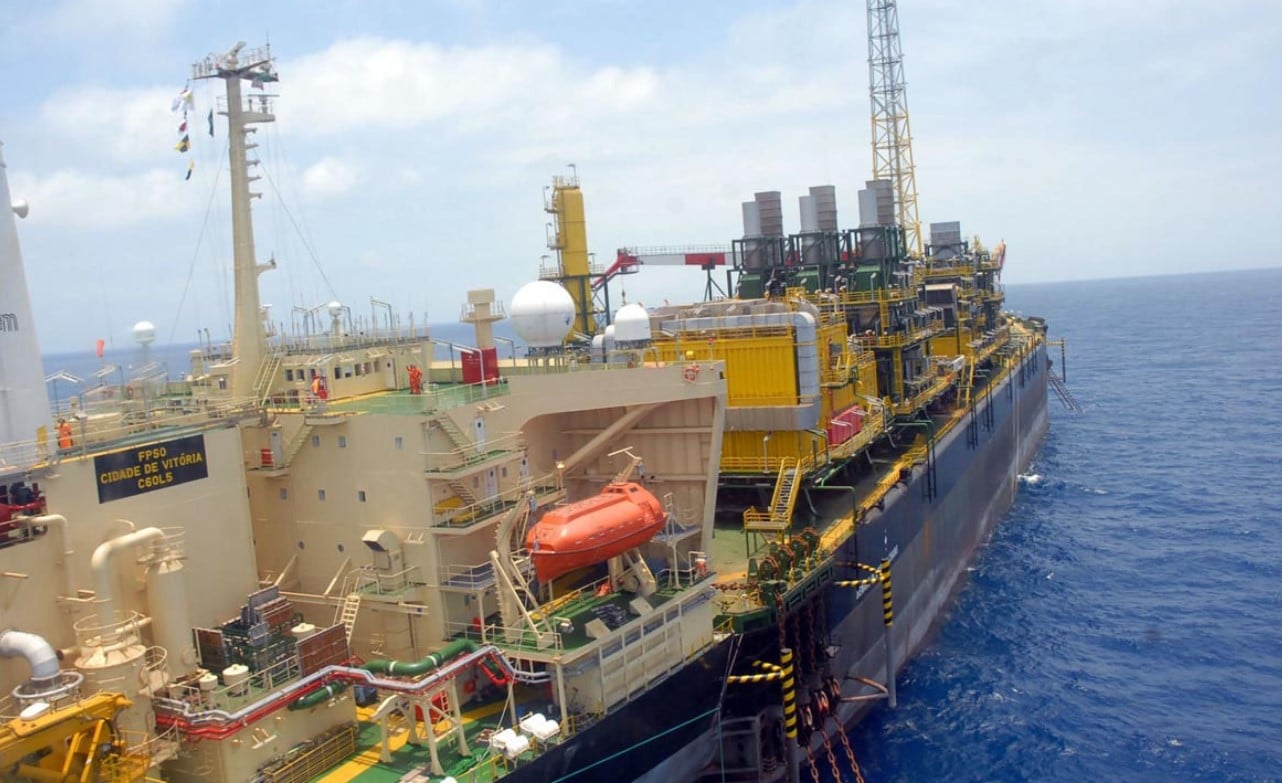
Oil boost on the horizon with go-ahead for project off Gabon and infill wells in Brazil

In 60 seconds

Top move

BW Energy’s Bourdon final investment decision and Golfinho infill campaign convert optional planning into firm execution steps that compress mobilization windows and require earlier supplier commitments

Key takeaways

  • BW Energy’s Bourdon final investment decision and Golfinho infill campaign convert optional planning into firm execution steps that compress mobilization windows and require earlier supplier commitments.[1]
  • ExxonMobil’s new line‑pipe orders and Vallourec’s coating‑plant upgrade concentrate finishing capacity risk: coated and insulated pipe is now a potential procurement gating item for subsea installation schedules.[2]
  • Gaz‑System’s FSRU has moved from primary fabrication to outfitting and systems integration, shifting procurement focus to vendor acceptance tests, shore‑power interfaces and integration milestones instead of hull delivery.[3]
  • Topside fabrication starting for the Black Sea floating production unit (FPU) makes heavy lifts, module integration and marine transport windows visible earlier — this changes logistics and heavy‑lift sourcing priorities.[5]
  • An EU‑funded offshore vessel charging pilot is entering live trials; this is an early signal for potential changes to vessel idling contracts, shore‑power specs and fuel pass‑through mechanics but commercial scaling is unproven.[4]

What changed since last run

  • Added BW Energy Bourdon FID and Golfinho infill campaign as new, firm upstream execution items (Article 1).
  • Added ExxonMobil’s additional coated/insulated line‑pipe orders and Vallourec’s coating‑plant upgrade as a concrete supplier capacity move (Article 11).
  • Added Gaz‑System’s FSRU launch advancing the project into outfitting and systems integration phases (Article 4).

Key facts

  • Platform conversion includes a 12‑slot wellbay
  • Bourdon Phase 1 targets first oil (operator disclosed schedule)
  • Pre‑first‑oil platform capex supported by a lease term sheet
  • Combined scope includes over 145 km of coated line pipe
  • Approximately 90 km of that pipe will be insulated (article detail)
  • Vallourec to upgrade coating plant in Serra, Espírito Santo, Brazil

Why it matters

BW Energy’s Bourdon final investment decision and Golfinho infill campaign convert optional planning into firm execution steps that compress mobilization windows and require earlier supplier commitments. ExxonMobil’s new line‑pipe orders and Vallourec’s coating‑plant upgrade concentrate finishing capacity risk: coated and insulated pipe is now a potential procurement gating item for subsea installation schedules. Gaz‑System’s FSRU has moved from primary fabrication to outfitting and systems integration, shifting procurement focus to vendor acceptance tests, shore‑power interfaces and integration milestones instead of hull delivery. Topside fabrication starting for the Black Sea floating production unit (FPU) makes heavy lifts, module integration and marine transport windows visible earlier — this changes logistics and heavy‑lift sourcing priorities

Cost / money

  • Lease term‑sheets and pre‑first‑oil financing in the Bourdon deal shift capex timing and can create earlier cash or mobilization pass‑through exposure for buyers.[1]
  • Concentrated demand for finished, coated line pipe and supplier plant investment reduces room to time purchases for better pricing and raises the likelihood of lead‑time premiums or pass‑throughs.[2]

Supplier / commercial

  • Suppliers involved in rig conversion, platform conversion and drilling support are likely to shorten quote validity and demand firmer booking terms as multi‑well sequencing becomes real.[1]
  • Vallourec’s reinforced scope on Guyana line pipe increases single‑vendor exposure and gives that supplier negotiating leverage on delivery windows, escalation mechanics and cancellation terms.[2]

Safety / operations

  • FSRU outfitting and integration introduces coordinated vendor acceptance tests (power, membrane installation, shore‑connectivity) that operations must schedule and resource to avoid commissioning delays.[3]
  • Topside fabrication and planned module lifts for the Black Sea FPU create concentrated heavy‑lift and marine transport dependencies that require early HSE planning and logistics alignment.[5]

What to watch

  • Watch for localized bottlenecks in coatings, insulated‑pipe finishing, heavy‑lift availability and specialist crew supply as several fabrication and pipe programs overlap — this is an early signal of cross‑project congestion.[1][2][5]
  • Monitor commercial terms that front mobilization financing and sale‑and‑leaseback arrangements to confirm which party bears hold, cancellation and testing cost exposure before mobilization.[1][2]

Top stories

Story 1Offshore EnergyMay 20, 2026

Oil boost on the horizon with go-ahead for project off Gabon and infill wells in Brazil

Signal strongSource-grounded

What happened

BW Energy took a final investment decision for the Bourdon offshore development in Gabon and announced an infill well campaign in Brazil’s Golfinho licence. Bourdon includes converting a rig into a 12‑slot wellhead platform, initial production from three wells and a lease term sheet covering pre‑first‑oil platform capex, which makes mobilization and supplier commitments immediate. Watch whether follow‑on well timing and supplier commitment windows tighten further

Buyer takeaway

Treat the FID as an operational demand signal that requires early mobilization planning because a lease term sheet fronts platform capex and signals firm execution intent

Cost / money

Directional increase in mobilization and early‑execution costs due to rig conversion and pre‑financed platform capex reducing buyer leverage on timing and hold costs

Supplier / commercial

Expect suppliers for rig conversion, drilling support and platform works to shorten quote validity and require firmer booking terms as mobilization dates crystallize

Safety / operations

Compressed readiness windows for crews, certifications and spare parts increase operational risk if resources are not pre‑qualified ahead of mobilization

What to watch

Watch whether follow‑on wells follow the same cadence and whether suppliers begin demanding non‑refundable mobilization deposits or shorter acceptance windows

Key facts

  • Platform conversion includes a 12‑slot wellbay
  • Bourdon Phase 1 targets first oil (operator disclosed schedule)
  • Pre‑first‑oil platform capex supported by a lease term sheet

Source excerpts

The firm has revealed a net capex of $300 million, with the pre-first-oil spend of about $100 million supported by a recent sale-and-leaseback agreement with Minsheng. BW Energy confirms that a term sheet was signed for a long-term lease, expected to cover 100% of wellhead platform capex before first oil
The project entails the conversion of the Akoum rig, formerly Jasmine Alpha, to a new wellhead platform with a 12-slot wellbay
“Through the repurposing of existing energy assets and a phased approach, BW Energy has optimised the development solutions supported by low-cost infrastructure-backed financing
Story 2Offshore EnergyMay 20, 2026

ExxonMobil orders more line pipe from Vallourec

Signal strongSource-grounded

What happened

ExxonMobil ordered additional coated and insulated line pipe from Vallourec for Guyana projects and the supplier will upgrade a Brazil coating plant to meet demand. The scope covers over 145 kilometers of coated line pipe including anticorrosion coatings and corrosion‑resistant alloy overlay, making finishing capacity and coating timelines an operational constraint. Buyers should track finishing schedules and delivery sequencing to protect subsea installation windows

Buyer takeaway

Treat finished, coated line pipe as a long‑lead procurement item and verify supplier finishing capacity and sequencing early

Cost / money

Expect reduced negotiation bandwidth on lead‑time premiums and finishing costs while supplier plant upgrades indicate near‑term high demand

Supplier / commercial

Vallourec’s reinforced position increases its leverage on delivery terms, escalation mechanics and cancellation liabilities for finished pipe

Safety / operations

Delayed pipe deliveries can push subsea installation windows and increase vessel hire, stand‑by costs and contractual exposure for buyers

What to watch

Watch for schedule slippage in finishing yards, tightened hold‑periods and shortened cancellation windows as capacity gets booked

Key facts

  • Combined scope includes over 145 km of coated line pipe
  • Approximately 90 km of that pipe will be insulated (article detail)
  • Vallourec to upgrade coating plant in Serra, Espírito Santo, Brazil

Source excerpts

Home Subsea ExxonMobil orders more line pipe from Vallourec May 20, 2026, by French provider of tubular solutions Vallourec has secured two additional line pipe orders from ExxonMobil Guyana Limited (EMGL) for delivery to the Stabroek Block, under the long-term agreement the companies signed in 2021. Illustration; Source: Vallourec The combined scope includes the supply of over 145 kilometers of coated line pipe for EMGL’s deepwater Hammerhead and Longtail projects, representing approximately 40,000 metric tons
“These new contracts further reinforce Vallourec’s strategic positioning as a key supplier to ExxonMobil Guyana Limited,” said Philippe Guillemot, Chairman of the Board of Directors and Chief Executive Officer of Vallourec. “Leveraging our industrial footprint in Brazil, these projects highlight not only the operational excellence of our teams but also the strength of our fully integrated industrial value chain—from production to premium finishing and coating capabilities
Home Subsea ExxonMobil orders more line pipe from Vallourec May 20, 2026, by French provider of tubular solutions Vallourec has secured two additional line pipe orders from ExxonMobil Guyana Limited (EMGL) for delivery to the Stabroek Block, under the long-term agreement the companies signed in 2021
Story 3Offshore EnergyMay 19, 2026

FSRU launch bringing Europe’s next terminal closer to completion

Signal moderateSource-grounded

What happened

Gaz‑System launched a new FSRU at a South Korean shipyard and the vessel is entering outfitting and systems integration before arriving in the Gulf of Gdańsk. The outfitting work includes membrane system installation, shore‑power connection and generator commissioning, shifting the procurement focus to integration milestones and vendor acceptance tests before commissioning. Procurement should align VAT schedules and shore‑interface contracts to the integration timeline

Buyer takeaway

Treat the launch as a transition to integration; prioritize VAT, shore‑interface contracts and acceptance criteria because these gate commercial start‑up

Cost / money

Delays or scope changes during outfitting and integration can increase pass‑through and testing costs and shift penalties into buyer timelines

Supplier / commercial

Vendors supplying membrane systems, power generation and shore connectors gain negotiating leverage during final integration when schedule pressure is high

Safety / operations

Integration phases require coordinated safety and commissioning tests; misaligned acceptance will create operational hold points and potential rework

What to watch

Watch membrane installation and shore‑connection sign‑offs as key milestones that can slip and trigger cost exposure

Key facts

  • Vessel launch marks completion of main structural work at shipyard
  • FSRU tanks will hold substantial LNG volume and regas capacity planned
  • Arrival at Gulf of Gdańsk scheduled ahead of integration and commissioning

Source excerpts

The Polish TSO elaborates that the coming months will involve the start-up and integration of the vessel’s systems, including connection to shore power, the commencement of generators and boilers, and tests of the vessel’s power systems, which will be followed by testing at sea and gas to confirm the correct operation of the propulsion system, safety systems and regasification plants under operational conditions. The completed FSRU will arrive at the Gulf of Gdańsk at the end of 2027, and the beginning of rega
Poland-bound FSRU; Source: Gaz-System Gaz-System has confirmed that a new FSRU vessel, which was launched at the HD Hyundai Heavy Industries shipyard in South Korea, will arrive at the Gulf of Gdańsk by the end of 2027 to work at Poland’s first FSRU terminal. The launch is described as one of the most symbolic moments in the shipbuilding process, which marks the completion of the main structural work and the transition to the next phase of the project
Poland-bound FSRU; Source: Gaz-System Gaz-System has confirmed that a new FSRU vessel, which was launched at the HD Hyundai Heavy Industries shipyard in South Korea, will arrive at the Gulf of Gdańsk by the end of 2027 to work at Poland’s first FSRU terminal
Story 4Offshore EnergyMay 19, 2026

Chinese firm kicks off topside fabrication for Black Sea bound-FPU

Signal strongSource-grounded

What happened

Wison New Energies began topside fabrication for an FPU destined for the Black Sea Sakarya Phase 3 project, with main modules scheduled to complete lifting next year. The FPU will integrate gas processing, compression and export systems and feed multiple wells via a new trunkline, making module completion and heavy‑lift readiness operationally material. Procurement should confirm heavy‑lift, transport and integration slots early to avoid marine logistics bottlenecks

Buyer takeaway

Treat topside fabrication start as a concrete signal to lock marine transport, heavy‑lift contractors and integration scopes because module completion creates narrow installation windows

Cost / money

Late allocation of heavy‑lift and transport capacity can drive premium pricing and increased mobilization costs

Supplier / commercial

Fabricators and marine logistics vendors gain leverage as module readiness dates solidify and transport slots become scarce

Safety / operations

Module lifts and marine transit introduce elevated HSE requirements; insufficient HSE planning or crew pre‑qualification risks rework and delays

What to watch

Watch module lift dates and marine transit slots for slippage that would cascade into offshore installation windows

Key facts

  • Topside fabrication initiated with main module lifts scheduled in the supplier schedule
  • FPU designed to support gas processing and export for the Sakarya field Phase 3
  • Project tied to multiple wells and a new trunkline to onshore facilities

Source excerpts

Home Fossil Energy Chinese firm kicks off topside fabrication for Black Sea bound-FPU May 19, 2026, by China-based provider of clean energy services Wison New Energies (WNE) has initiated the construction of topside fabrication for a floating production unit (FPU) destined to be deployed at Türkiye’s largest natural gas field
FPU for Sakarya gas field; Source: Wison New Energies Wison New Energies has begun topsides fabrication for an FPU, which will work on the Sakarya gas field development project (Phase 3) in the Black Sea, operated by Türkiye Petrolleri A
The deal TPAO handed out to Wison New Energies comes months after Saipem got the engineering, procurement, construction, and installation (EPCI) of three additional pipelines for the project as part of a contract with Turkish Petroleum Offshore Technology Center (TP-OTC)
Story 5Offshore EnergyMay 19, 2026

Offshore vessel charging pilot launches this June in Denmark

Signal limitedDirectional

What happened

An EU‑funded consortium led by Stillstrom will start an offshore vessel charging pilot in June to test supplying shore power to anchored ships, initially supporting a single connection. The pilot will run multiple years and evaluate technical, commercial and regulatory pathways; commercial scalability and cost impacts for vessel contracts remain unproven. Procurement should treat outcomes as a directional input for future port and vessel contract language rather than an immediate change to sourcing

Buyer takeaway

Treat the pilot as a test case for shore‑power commercial terms and technical specs because early standards will shape future port and vessel contracts

Cost / money

If scaled, shore‑power options could reduce fuel pass‑through and idling costs, but initial commercial viability is still unproven

Supplier / commercial

Vendors supplying charging interfaces and connectivity could win early reference projects and influence pricing if the model proves replicable

Safety / operations

At‑sea electrical connections introduce new mooring and electrical interface risks that operations must qualify before adoption

What to watch

Watch pilot outcomes on pricing, regulatory clarity and interoperability as early indicators for adoption and contract language changes

Key facts

  • Pilot funded with €5 million from Horizon Europe
  • Initial deployment supports a single ship connection and runs over a multi‑year timeline
  • Consortium includes port operators, shipowners and technical institutes

Source excerpts

Home Green Marine Offshore vessel charging pilot launches this June in Denmark May 19, 2026, by An international consortium led by Stillstrom, part of A
By hosting this pilot Offshore Power Zone, we are helping to demonstrate how collaborative innovation can directly reduce emissions from idling vessels and support the industry’s transition to cleaner operation
Source: Stillstrom The three-year SPARK project brings together eight partners across five countries to deploy and test a pilot offshore power zone solution in Skagen, described as one of Northern Europe’s busiest anchorage hubs, targeting greenhouse gas (GHG) emissions generated by idling ships between operations. The offshore power zone will enable vessels to plug into an at-sea power point with electricity provided via the nearby Port of Skagen

VP Snapshot

Executive Risk & Action View

BW Energy’s Bourdon final investment decision and Golfinho infill campaign convert optional planning into firm execution steps that compress mobilization windows and require earlier supplier commitments.

Overall
57
Cost
79
Supply
43
Schedule
56
Compliance
15

Top signals

30-180dcost

Signal 1: Cost / money

Lease term‑sheets and pre‑first‑oil financing in the Bourdon deal shift capex timing and can create earlier cash or mobilization pass‑through exposure for buyers.

Signal 2: Cost / money

Concentrated demand for finished, coated line pipe and supplier plant investment reduces room to time purchases for better pricing and raises the likelihood of lead‑time premiums or pass‑throughs.

30-180dcommercial

Signal 3: Supplier / commercial

Suppliers involved in rig conversion, platform conversion and drilling support are likely to shorten quote validity and demand firmer booking terms as multi‑well sequencing becomes real.

30-180dschedule

Signal 4: Supplier / commercial

Vallourec’s reinforced scope on Guyana line pipe increases single‑vendor exposure and gives that supplier negotiating leverage on delivery windows, escalation mechanics and cancellation terms.

Signal 5: Safety / operations

FSRU outfitting and integration introduces coordinated vendor acceptance tests (power, membrane installation, shore‑connectivity) that operations must schedule and resource to avoid commissioning delays.

30-180dsupplier

Signal 6: Safety / operations

Topside fabrication and planned module lifts for the Black Sea FPU create concentrated heavy‑lift and marine transport dependencies that require early HSE planning and logistics alignment.

Recommended actions

CategoryDue 3d

Inventory and prioritize upcoming mobilization windows and long‑lead deliveries tied to new FIDs and major fabrication starts.

Consolidated mobilization calendar and prioritized list of at‑risk deliveries to inform sourcing and contingency decisions.

ContractsDue 3d

Request firm lead‑time, capacity and hold‑period confirmations from coated/insulated pipe and coating suppliers.

Verified supplier lead‑time statements and short list of items requiring contractual delivery protections or alternate suppliers.

ContractsDue 21d

Update contract templates to include clear mobilization, cancellation and pass‑through clauses for rigs, vessels and major fabrications.

Standard clause set ready for imminent awards that limits open‑ended pass‑through exposure and clarifies cancellation liabilities.

OpsDue 21d

Engage Ops and Safety to map vendor acceptance test (VAT) requirements and shore‑interface responsibilities for the FSRU and upcoming FPUs.

Operational acceptance checklist, VAT timetable and responsibility matrix aligned to contractual milestones.

CategoryDue 60d

Run targeted market checks and set contingency sourcing for coatings, insulated line pipe, heavy‑lift contractors and specialist installation crews.

Market availability report with recommended contingency suppliers and procurement trigger points for constrained service types.

Risk register

RiskTriggerMitigation
Watch for localized bottlenecks in coatings, insulated‑pipe finishing, heavy‑lift availability and specialist crew supply as several fabrication and pipe programs overlap — this is an early signal of cross‑project congestion.Watch for localized bottlenecks in coatings, insulated‑pipe finishing, heavy‑lift availability and specialist crew supply as several fabrication and pipe programs overlap — this is an early signal of cross‑project congestion.Confirm exposure with category, contracts, and operations before the next supplier commitment.
Monitor commercial terms that front mobilization financing and sale‑and‑leaseback arrangements to confirm which party bears hold, cancellation and testing cost exposure before mobilization.Monitor commercial terms that front mobilization financing and sale‑and‑leaseback arrangements to confirm which party bears hold, cancellation and testing cost exposure before mobilization.Confirm exposure with category, contracts, and operations before the next supplier commitment.

CM Snapshot

Category Manager Decision Detail

Today's priorities

Inventory and prioritize upcoming mobilization windows and long‑lead deliveries tied to new FIDs and major fabrication starts.

Do this because BW Energy’s FID and ongoing topside/pipe fabrication make mobilization dates and finishing capacity immediate triggers for scheduling and cost exposure.

Due 3d

high

CM move

Use this as the immediate supplier or contract action to move before the next sourcing gate.

Request firm lead‑time, capacity and hold‑period confirmations from coated/insulated pipe and coating suppliers.

Do this because ExxonMobil’s expanded orders and Vallourec’s plant upgrade indicate high finishing demand and buyers need verified delivery windows to avoid installation delays.

Due 3d

high

CM move

Use this as the immediate supplier or contract action to move before the next sourcing gate.

Update contract templates to include clear mobilization, cancellation and pass‑through clauses for rigs, vessels and major fabrications.

Do this because firm project sanctioning and supplier leverage increase the risk that short‑notice premiums, hold costs or pass‑through charges will be imposed on buyers during...

Due 21d

high

CM move

Use this as the immediate supplier or contract action to move before the next sourcing gate.

Engage Ops and Safety to map vendor acceptance test (VAT) requirements and shore‑interface responsibilities for the FSRU and upcoming FPUs.

Do this because the FSRU and FPU fabrication have moved into integration phases where misaligned VAT schedules or unclear shore‑power responsibilities can delay commissioning an...

Due 21d

high

CM move

Use this as the immediate supplier or contract action to move before the next sourcing gate.

Supplier radar

Offshore Energy

high

Observed supplier signal

Suppliers involved in rig conversion, platform conversion and drilling support are likely to shorten quote validity and demand firmer booking terms as multi‑well sequencing becomes real.

Commercial implication

Suppliers involved in rig conversion, platform conversion and drilling support are likely to shorten quote validity and demand firmer booking terms as multi‑well sequencing becomes real.

Next step: Validate the source-backed signal with incumbents and alternates before the next award or pricing decision.

Offshore Energy

high

Observed supplier signal

Vallourec’s reinforced scope on Guyana line pipe increases single‑vendor exposure and gives that supplier negotiating leverage on delivery windows, escalation mechanics and cancellation terms.

Commercial implication

Vallourec’s reinforced scope on Guyana line pipe increases single‑vendor exposure and gives that supplier negotiating leverage on delivery windows, escalation mechanics and cancellation terms.

Next step: Validate the source-backed signal with incumbents and alternates before the next award or pricing decision.

Negotiation levers

Inventory and prioritize upcoming mobilization windows and long‑lead deliveries tied to new FIDs and major fabrication starts.

When to use: Do this because BW Energy’s FID and ongoing topside/pipe fabrication make mobilization dates and finishing capacity immediate triggers for scheduling and cost exposure.

Expected outcome: Consolidated mobilization calendar and prioritized list of at‑risk deliveries to inform sourcing and contingency decisions.

Commercial mechanism to carry into the next supplier conversation

Request firm lead‑time, capacity and hold‑period confirmations from coated/insulated pipe and coating suppliers.

When to use: Do this because ExxonMobil’s expanded orders and Vallourec’s plant upgrade indicate high finishing demand and buyers need verified delivery windows to avoid installation delays.

Expected outcome: Verified supplier lead‑time statements and short list of items requiring contractual delivery protections or alternate suppliers.

Commercial mechanism to carry into the next supplier conversation

Update contract templates to include clear mobilization, cancellation and pass‑through clauses for rigs, vessels and major fabrications.

When to use: Do this because firm project sanctioning and supplier leverage increase the risk that short‑notice premiums, hold costs or pass‑through charges will be imposed on buyers during...

Expected outcome: Standard clause set ready for imminent awards that limits open‑ended pass‑through exposure and clarifies cancellation liabilities.

Commercial mechanism to carry into the next supplier conversation

Engage Ops and Safety to map vendor acceptance test (VAT) requirements and shore‑interface responsibilities for the FSRU and upcoming FPUs.

When to use: Do this because the FSRU and FPU fabrication have moved into integration phases where misaligned VAT schedules or unclear shore‑power responsibilities can delay commissioning an...

Expected outcome: Operational acceptance checklist, VAT timetable and responsibility matrix aligned to contractual milestones.

Commercial mechanism to carry into the next supplier conversation

Talking points

BW Energy’s Bourdon final investment decision and Golfinho infill campaign convert optional planning into firm execution steps that compress mobilization windows and require earlier supplier commitments.
ExxonMobil’s new line‑pipe orders and Vallourec’s coating‑plant upgrade concentrate finishing capacity risk: coated and insulated pipe is now a potential procurement gating item for subsea installation schedules.
Gaz‑System’s FSRU has moved from primary fabrication to outfitting and systems integration, shifting procurement focus to vendor acceptance tests, shore‑power interfaces and integration milestones instead of hull delivery.
Topside fabrication starting for the Black Sea floating production unit (FPU) makes heavy lifts, module integration and marine transport windows visible earlier — this changes logistics and heavy‑lift sourcing priorities.

Supplier radar

SupplierSignalImplicationNext stepConfidence
Offshore EnergySuppliers involved in rig conversion, platform conversion and drilling support are likely to shorten quote validity and demand firmer booking terms as multi‑well sequencing becomes real.Suppliers involved in rig conversion, platform conversion and drilling support are likely to shorten quote validity and demand firmer booking terms as multi‑well sequencing becomes real.Validate the source-backed signal with incumbents and alternates before the next award or pricing decision.high
Offshore EnergyVallourec’s reinforced scope on Guyana line pipe increases single‑vendor exposure and gives that supplier negotiating leverage on delivery windows, escalation mechanics and cancellation terms.Vallourec’s reinforced scope on Guyana line pipe increases single‑vendor exposure and gives that supplier negotiating leverage on delivery windows, escalation mechanics and cancellation terms.Validate the source-backed signal with incumbents and alternates before the next award or pricing decision.high

Negotiation levers

  • Inventory and prioritize upcoming mobilization windows and long‑lead deliveries tied to new FIDs and major fabrication starts.Do this because BW Energy’s FID and ongoing topside/pipe fabrication make mobilization dates and finishing capacity immediate triggers for scheduling and cost exposure.Consolidated mobilization calendar and prioritized list of at‑risk deliveries to inform sourcing and contingency decisions.

    high confidence

  • Request firm lead‑time, capacity and hold‑period confirmations from coated/insulated pipe and coating suppliers.Do this because ExxonMobil’s expanded orders and Vallourec’s plant upgrade indicate high finishing demand and buyers need verified delivery windows to avoid installation delays.Verified supplier lead‑time statements and short list of items requiring contractual delivery protections or alternate suppliers.

    high confidence

  • Update contract templates to include clear mobilization, cancellation and pass‑through clauses for rigs, vessels and major fabrications.Do this because firm project sanctioning and supplier leverage increase the risk that short‑notice premiums, hold costs or pass‑through charges will be imposed on buyers during...Standard clause set ready for imminent awards that limits open‑ended pass‑through exposure and clarifies cancellation liabilities.

    high confidence

  • Engage Ops and Safety to map vendor acceptance test (VAT) requirements and shore‑interface responsibilities for the FSRU and upcoming FPUs.Do this because the FSRU and FPU fabrication have moved into integration phases where misaligned VAT schedules or unclear shore‑power responsibilities can delay commissioning an...Operational acceptance checklist, VAT timetable and responsibility matrix aligned to contractual milestones.

    high confidence

What to do / What to watch

What to do now

  • Inventory and prioritize upcoming mobilization windows and long‑lead deliveries tied to new FIDs and major fabrication starts.

    Why: Do this because BW Energy’s FID and ongoing topside/pipe fabrication make mobilization dates and finishing capacity immediate triggers for scheduling and cost exposure.

    Owner: Category

    Expected outcome: Consolidated mobilization calendar and prioritized list of at‑risk deliveries to inform sourcing and contingency decisions.

    [1][5]
  • Request firm lead‑time, capacity and hold‑period confirmations from coated/insulated pipe and coating suppliers.

    Why: Do this because ExxonMobil’s expanded orders and Vallourec’s plant upgrade indicate high finishing demand and buyers need verified delivery windows to avoid installation delays.

    Owner: Contracts

    Expected outcome: Verified supplier lead‑time statements and short list of items requiring contractual delivery protections or alternate suppliers.

    [2]

Next few weeks

  • Update contract templates to include clear mobilization, cancellation and pass‑through clauses for rigs, vessels and major fabrications.

    Why: Do this because firm project sanctioning and supplier leverage increase the risk that short‑notice premiums, hold costs or pass‑through charges will be imposed on buyers during...

    Owner: Contracts

    Expected outcome: Standard clause set ready for imminent awards that limits open‑ended pass‑through exposure and clarifies cancellation liabilities.

    [1][2][3]
  • Engage Ops and Safety to map vendor acceptance test (VAT) requirements and shore‑interface responsibilities for the FSRU and upcoming FPUs.

    Why: Do this because the FSRU and FPU fabrication have moved into integration phases where misaligned VAT schedules or unclear shore‑power responsibilities can delay commissioning an...

    Owner: Ops

    Expected outcome: Operational acceptance checklist, VAT timetable and responsibility matrix aligned to contractual milestones.

    [3][5]

Longer view

  • Run targeted market checks and set contingency sourcing for coatings, insulated line pipe, heavy‑lift contractors and specialist installation crews.

    Why: Do this because multiple large fabrication and pipe programs increase the chance of supplier capacity tightness and short‑notice premiums, and contingency options reduce schedul...

    Owner: Category

    Expected outcome: Market availability report with recommended contingency suppliers and procurement trigger points for constrained service types.

    [2][5][1]

What to watch

  • Watch for localized bottlenecks in coatings, insulated‑pipe finishing, heavy‑lift availability and specialist crew supply as several fabrication and pipe programs overlap — this is an early signal of cross‑project congestion
  • Monitor commercial terms that front mobilization financing and sale‑and‑leaseback arrangements to confirm which party bears hold, cancellation and testing cost exposure before mobilization
  • Watch for localized bottlenecks in coatings, insulated‑pipe finishing, heavy‑lift availability and specialist crew supply as several fabrication and pipe programs overlap — this is an early signal of cross‑project congestion.: Watch for localized bottlenecks in coatings, insulated‑pipe finishing, heavy‑lift availability and specialist crew supply as several fabrication and pipe programs overlap — this is an early signal of cross‑project congestion
  • Monitor commercial terms that front mobilization financing and sale‑and‑leaseback arrangements to confirm which party bears hold, cancellation and testing cost exposure before mobilization.: Monitor commercial terms that front mobilization financing and sale‑and‑leaseback arrangements to confirm which party bears hold, cancellation and testing cost exposure before mobilization
  • BW Energy’s Bourdon final investment decision and Golfinho infill campaign convert optional planning into firm execution steps that compress mobilization windows and require earlier supplier commitments
  • ExxonMobil’s new line‑pipe orders and Vallourec’s coating‑plant upgrade concentrate finishing capacity risk: coated and insulated pipe is now a potential procurement gating item for subsea installation schedules
  • Gaz‑System’s FSRU has moved from primary fabrication to outfitting and systems integration, shifting procurement focus to vendor acceptance tests, shore‑power interfaces and integration milestones instead of hull delivery
  • Topside fabrication starting for the Black Sea floating production unit (FPU) makes heavy lifts, module integration and marine transport windows visible earlier — this changes logistics and heavy‑lift sourcing priorities

Market pulse

IndexLatestChangeAs of
WTI Crude (WTI)71.23 /bbl+0.00 (+0.00%)May 20, 2026, 10:04 AM
Brent Crude (BRENT)74.89 /bbl+0.00 (+0.00%)May 20, 2026, 10:04 AM
Natural Gas (NG)3.12 /MMBtu+0.00 (+0.00%)May 20, 2026, 10:04 AM
Henry Hub Gas (NG)3.12 /MMBtu+0.00 (+0.00%)May 20, 2026, 10:04 AM
Cheniere (LNG) (LNG)185 +0.00 (+0.00%)May 20, 2026, 10:04 AM
Brent Crude (BRENT)74.89 /bbl+0.00 (+0.00%)May 20, 2026, 10:04 AM
  • Brent Crude: Brent price direction affects sanction economics and IRR assumptions, which in turn influence timing of FIDs and mobilization commitments
  • Dry Bulk Shipping (BDRY): Dry‑bulk/shipping tightness can amplify mobilization, heavy‑lift and installation premiums — monitor shipping capacity for module and pipe transport windows

Sources

Inline citations jump here. Expand a source to read the excerpt, the AI interpretation, and the original link.

[1] Oil boost on the horizon with go-ahead for project off Gabon and infill wells in Brazil

offshore-energy.biz · May 20, 2026

Expand

AI reading

BW Energy took a final investment decision for the Bourdon offshore development in Gabon and announced an infill well campaign in Brazil’s Golfinho licence. Bourdon includes converting a rig into a 12‑slot wellhead platform, initial production from three wells and a lease term sheet covering pre‑first‑oil platform capex, which makes mobilization and supplier commitments immediate. Watch whether follow‑on well timing and supplier commitment windows tighten further

Buyer takeaway

Treat the FID as an operational demand signal that requires early mobilization planning because a lease term sheet fronts platform capex and signals firm execution intent

Cost / money

Directional increase in mobilization and early‑execution costs due to rig conversion and pre‑financed platform capex reducing buyer leverage on timing and hold costs

Supplier / commercial

Expect suppliers for rig conversion, drilling support and platform works to shorten quote validity and require firmer booking terms as mobilization dates crystallize

Safety / operations

Compressed readiness windows for crews, certifications and spare parts increase operational risk if resources are not pre‑qualified ahead of mobilization

What to watch

Watch whether follow‑on wells follow the same cadence and whether suppliers begin demanding non‑refundable mobilization deposits or shorter acceptance windows

Key facts

  • Platform conversion includes a 12‑slot wellbay
  • Bourdon Phase 1 targets first oil (operator disclosed schedule)
  • Pre‑first‑oil platform capex supported by a lease term sheet

Source excerpts

The firm has revealed a net capex of $300 million, with the pre-first-oil spend of about $100 million supported by a recent sale-and-leaseback agreement with Minsheng. BW Energy confirms that a term sheet was signed for a long-term lease, expected to cover 100% of wellhead platform capex before first oil
The project entails the conversion of the Akoum rig, formerly Jasmine Alpha, to a new wellhead platform with a 12-slot wellbay
“Through the repurposing of existing energy assets and a phased approach, BW Energy has optimised the development solutions supported by low-cost infrastructure-backed financing

Used in this brief

  • Cost / money: Lease term‑sheets and pre‑first‑oil financing in the Bourdon deal shift capex timing and can create earlier cash or mobilization pass‑through exposure for buyers
  • Supplier / commercial: Suppliers involved in rig conversion, platform conversion and drilling support are likely to shorten quote validity and demand firmer booking terms as multi‑well sequencing becomes real
  • Next 72 hours — Inventory and prioritize upcoming mobilization windows and long‑lead deliveries tied to new FIDs and major fabrication starts.. Rationale: Do this because BW Energy’s FID and ongoing topside/pipe fabrication make mobilization dates and finishing capacity immediate triggers for scheduling and cost exposure.. Owner: Category. KPI: Consolidated mobilization calendar and prioritized list of at‑risk deliveries to inform sourcing and contingency decisions
Open original source

[2] ExxonMobil orders more line pipe from Vallourec

offshore-energy.biz · May 20, 2026

Expand

AI reading

ExxonMobil ordered additional coated and insulated line pipe from Vallourec for Guyana projects and the supplier will upgrade a Brazil coating plant to meet demand. The scope covers over 145 kilometers of coated line pipe including anticorrosion coatings and corrosion‑resistant alloy overlay, making finishing capacity and coating timelines an operational constraint. Buyers should track finishing schedules and delivery sequencing to protect subsea installation windows

Buyer takeaway

Treat finished, coated line pipe as a long‑lead procurement item and verify supplier finishing capacity and sequencing early

Cost / money

Expect reduced negotiation bandwidth on lead‑time premiums and finishing costs while supplier plant upgrades indicate near‑term high demand

Supplier / commercial

Vallourec’s reinforced position increases its leverage on delivery terms, escalation mechanics and cancellation liabilities for finished pipe

Safety / operations

Delayed pipe deliveries can push subsea installation windows and increase vessel hire, stand‑by costs and contractual exposure for buyers

What to watch

Watch for schedule slippage in finishing yards, tightened hold‑periods and shortened cancellation windows as capacity gets booked

Key facts

  • Combined scope includes over 145 km of coated line pipe
  • Approximately 90 km of that pipe will be insulated (article detail)
  • Vallourec to upgrade coating plant in Serra, Espírito Santo, Brazil

Source excerpts

Home Subsea ExxonMobil orders more line pipe from Vallourec May 20, 2026, by French provider of tubular solutions Vallourec has secured two additional line pipe orders from ExxonMobil Guyana Limited (EMGL) for delivery to the Stabroek Block, under the long-term agreement the companies signed in 2021. Illustration; Source: Vallourec The combined scope includes the supply of over 145 kilometers of coated line pipe for EMGL’s deepwater Hammerhead and Longtail projects, representing approximately 40,000 metric tons
“These new contracts further reinforce Vallourec’s strategic positioning as a key supplier to ExxonMobil Guyana Limited,” said Philippe Guillemot, Chairman of the Board of Directors and Chief Executive Officer of Vallourec. “Leveraging our industrial footprint in Brazil, these projects highlight not only the operational excellence of our teams but also the strength of our fully integrated industrial value chain—from production to premium finishing and coating capabilities
Home Subsea ExxonMobil orders more line pipe from Vallourec May 20, 2026, by French provider of tubular solutions Vallourec has secured two additional line pipe orders from ExxonMobil Guyana Limited (EMGL) for delivery to the Stabroek Block, under the long-term agreement the companies signed in 2021

Used in this brief

  • Supplier / commercial: Vallourec’s reinforced scope on Guyana line pipe increases single‑vendor exposure and gives that supplier negotiating leverage on delivery windows, escalation mechanics and cancellation terms
  • Next 72 hours — Request firm lead‑time, capacity and hold‑period confirmations from coated/insulated pipe and coating suppliers.. Rationale: Do this because ExxonMobil’s expanded orders and Vallourec’s plant upgrade indicate high finishing demand and buyers need verified delivery windows to avoid installation delays.. Owner: Contracts. KPI: Verified supplier lead‑time statements and short list of items requiring contractual delivery protections or alternate suppliers
  • Next quarter — Run targeted market checks and set contingency sourcing for coatings, insulated line pipe, heavy‑lift contractors and specialist installation crews.. Rationale: Do this because multiple large fabrication and pipe programs increase the chance of supplier capacity tightness and short‑notice premiums, and contingency options reduce schedul.... Owner: Category. KPI: Market availability report with recommended contingency suppliers and procurement trigger points for constrained service types
Open original source

[3] FSRU launch bringing Europe’s next terminal closer to completion

offshore-energy.biz · May 19, 2026

Expand

AI reading

Gaz‑System launched a new FSRU at a South Korean shipyard and the vessel is entering outfitting and systems integration before arriving in the Gulf of Gdańsk. The outfitting work includes membrane system installation, shore‑power connection and generator commissioning, shifting the procurement focus to integration milestones and vendor acceptance tests before commissioning. Procurement should align VAT schedules and shore‑interface contracts to the integration timeline

Buyer takeaway

Treat the launch as a transition to integration; prioritize VAT, shore‑interface contracts and acceptance criteria because these gate commercial start‑up

Cost / money

Delays or scope changes during outfitting and integration can increase pass‑through and testing costs and shift penalties into buyer timelines

Supplier / commercial

Vendors supplying membrane systems, power generation and shore connectors gain negotiating leverage during final integration when schedule pressure is high

Safety / operations

Integration phases require coordinated safety and commissioning tests; misaligned acceptance will create operational hold points and potential rework

What to watch

Watch membrane installation and shore‑connection sign‑offs as key milestones that can slip and trigger cost exposure

Key facts

  • Vessel launch marks completion of main structural work at shipyard
  • FSRU tanks will hold substantial LNG volume and regas capacity planned
  • Arrival at Gulf of Gdańsk scheduled ahead of integration and commissioning

Source excerpts

The Polish TSO elaborates that the coming months will involve the start-up and integration of the vessel’s systems, including connection to shore power, the commencement of generators and boilers, and tests of the vessel’s power systems, which will be followed by testing at sea and gas to confirm the correct operation of the propulsion system, safety systems and regasification plants under operational conditions. The completed FSRU will arrive at the Gulf of Gdańsk at the end of 2027, and the beginning of rega
Poland-bound FSRU; Source: Gaz-System Gaz-System has confirmed that a new FSRU vessel, which was launched at the HD Hyundai Heavy Industries shipyard in South Korea, will arrive at the Gulf of Gdańsk by the end of 2027 to work at Poland’s first FSRU terminal. The launch is described as one of the most symbolic moments in the shipbuilding process, which marks the completion of the main structural work and the transition to the next phase of the project
Poland-bound FSRU; Source: Gaz-System Gaz-System has confirmed that a new FSRU vessel, which was launched at the HD Hyundai Heavy Industries shipyard in South Korea, will arrive at the Gulf of Gdańsk by the end of 2027 to work at Poland’s first FSRU terminal

Used in this brief

  • Next 2-4 weeks — Engage Ops and Safety to map vendor acceptance test (VAT) requirements and shore‑interface responsibilities for the FSRU and upcoming FPUs.. Rationale: Do this because the FSRU and FPU fabrication have moved into integration phases where misaligned VAT schedules or unclear shore‑power responsibilities can delay commissioning an.... Owner: Ops. KPI: Operational acceptance checklist, VAT timetable and responsibility matrix aligned to contractual milestones
  • Added Gaz‑System’s FSRU launch advancing the project into outfitting and systems integration phases (Article 4)
  • Gaz‑System launched a new FSRU at a South Korean shipyard and the vessel is entering outfitting and systems integration before arriving in the Gulf of Gdańsk. The outfitting work includes membrane system installation, shore‑power connection and generator commissioning, shifting the procurement focus to integration milestones and vendor acceptance tests before commissioning. Procurement should align VAT schedules and shore‑interface contracts to the integration timeline
Open original source

[4] Offshore vessel charging pilot launches this June in Denmark

offshore-energy.biz · May 19, 2026

Expand

AI reading

An EU‑funded consortium led by Stillstrom will start an offshore vessel charging pilot in June to test supplying shore power to anchored ships, initially supporting a single connection. The pilot will run multiple years and evaluate technical, commercial and regulatory pathways; commercial scalability and cost impacts for vessel contracts remain unproven. Procurement should treat outcomes as a directional input for future port and vessel contract language rather than an immediate change to sourcing

Buyer takeaway

Treat the pilot as a test case for shore‑power commercial terms and technical specs because early standards will shape future port and vessel contracts

Cost / money

If scaled, shore‑power options could reduce fuel pass‑through and idling costs, but initial commercial viability is still unproven

Supplier / commercial

Vendors supplying charging interfaces and connectivity could win early reference projects and influence pricing if the model proves replicable

Safety / operations

At‑sea electrical connections introduce new mooring and electrical interface risks that operations must qualify before adoption

What to watch

Watch pilot outcomes on pricing, regulatory clarity and interoperability as early indicators for adoption and contract language changes

Key facts

  • Pilot funded with €5 million from Horizon Europe
  • Initial deployment supports a single ship connection and runs over a multi‑year timeline
  • Consortium includes port operators, shipowners and technical institutes

Source excerpts

Home Green Marine Offshore vessel charging pilot launches this June in Denmark May 19, 2026, by An international consortium led by Stillstrom, part of A
By hosting this pilot Offshore Power Zone, we are helping to demonstrate how collaborative innovation can directly reduce emissions from idling vessels and support the industry’s transition to cleaner operation
Source: Stillstrom The three-year SPARK project brings together eight partners across five countries to deploy and test a pilot offshore power zone solution in Skagen, described as one of Northern Europe’s busiest anchorage hubs, targeting greenhouse gas (GHG) emissions generated by idling ships between operations. The offshore power zone will enable vessels to plug into an at-sea power point with electricity provided via the nearby Port of Skagen

Used in this brief

  • An EU‑funded consortium led by Stillstrom will start an offshore vessel charging pilot in June to test supplying shore power to anchored ships, initially supporting a single connection. The pilot will run multiple years and evaluate technical, commercial and regulatory pathways; commercial scalability and cost impacts for vessel contracts remain unproven. Procurement should treat outcomes as a directional input for future port and vessel contract language rather than an immediate change to sourcing
  • Buyer bottom line: pilot results could influence future vessel idling contracts and shore‑power specifications, but commercial viability and scaling remain limited evidence at this stage
  • Treat the pilot as a test case for shore‑power commercial terms and technical specs because early standards will shape future port and vessel contracts
Open original source

[5] Chinese firm kicks off topside fabrication for Black Sea bound-FPU

offshore-energy.biz · May 19, 2026

Expand

AI reading

Wison New Energies began topside fabrication for an FPU destined for the Black Sea Sakarya Phase 3 project, with main modules scheduled to complete lifting next year. The FPU will integrate gas processing, compression and export systems and feed multiple wells via a new trunkline, making module completion and heavy‑lift readiness operationally material. Procurement should confirm heavy‑lift, transport and integration slots early to avoid marine logistics bottlenecks

Buyer takeaway

Treat topside fabrication start as a concrete signal to lock marine transport, heavy‑lift contractors and integration scopes because module completion creates narrow installation windows

Cost / money

Late allocation of heavy‑lift and transport capacity can drive premium pricing and increased mobilization costs

Supplier / commercial

Fabricators and marine logistics vendors gain leverage as module readiness dates solidify and transport slots become scarce

Safety / operations

Module lifts and marine transit introduce elevated HSE requirements; insufficient HSE planning or crew pre‑qualification risks rework and delays

What to watch

Watch module lift dates and marine transit slots for slippage that would cascade into offshore installation windows

Key facts

  • Topside fabrication initiated with main module lifts scheduled in the supplier schedule
  • FPU designed to support gas processing and export for the Sakarya field Phase 3
  • Project tied to multiple wells and a new trunkline to onshore facilities

Source excerpts

Home Fossil Energy Chinese firm kicks off topside fabrication for Black Sea bound-FPU May 19, 2026, by China-based provider of clean energy services Wison New Energies (WNE) has initiated the construction of topside fabrication for a floating production unit (FPU) destined to be deployed at Türkiye’s largest natural gas field
FPU for Sakarya gas field; Source: Wison New Energies Wison New Energies has begun topsides fabrication for an FPU, which will work on the Sakarya gas field development project (Phase 3) in the Black Sea, operated by Türkiye Petrolleri A
The deal TPAO handed out to Wison New Energies comes months after Saipem got the engineering, procurement, construction, and installation (EPCI) of three additional pipelines for the project as part of a contract with Turkish Petroleum Offshore Technology Center (TP-OTC)

Used in this brief

  • BW Energy’s Bourdon final investment decision and Golfinho infill campaign convert optional planning into firm execution steps that compress mobilization windows and require earlier supplier commitments. ExxonMobil’s new line‑pipe orders and Vallourec’s coating‑plant upgrade concentrate finishing capacity risk: coated and insulated pipe is now a potential procurement gating item for subsea installation schedules. Gaz‑System’s FSRU has moved from primary fabrication to outfitting and systems integration, shifting procurement focus to vendor acceptance tests, shore‑power interfaces and integration milestones instead of hull delivery. Topside fabrication starting for the Black Sea floating production unit (FPU) makes heavy lifts, module integration and marine transport windows visible earlier — this changes logistics and heavy‑lift sourcing priorities
  • Safety / operations: Topside fabrication and planned module lifts for the Black Sea FPU create concentrated heavy‑lift and marine transport dependencies that require early HSE planning and logistics alignment
  • Wison New Energies began topside fabrication for an FPU destined for the Black Sea Sakarya Phase 3 project, with main modules scheduled to complete lifting next year. The FPU will integrate gas processing, compression and export systems and feed multiple wells via a new trunkline, making module completion and heavy‑lift readiness operationally material. Procurement should confirm heavy‑lift, transport and integration slots early to avoid marine logistics bottlenecks
Open original source

[6] Brent Crude

finance.yahoo.com · n.d.

Expand

[7] Dry Bulk Shipping (BDRY)

finance.yahoo.com · n.d.

Expand