Subsea, SURF & Offshore · Australia (Perth)

Adjust sourcing posture for rising APAC LNG and offshore fabrication demand

Published May 20, 2026, 6:06 AM AWSTAPACFull category signal
Ask AI
$2.3 billion LNG project breaks ground in Southeast Asia

In 60 seconds

Top move

Vietnam's Quynh Lap LNG complex broke ground, creating a multi‑year demand horizon for LNG terminal construction, storage and associated offshore works; treat this as a material APAC pipeline project to include in capacity planning

Key takeaways

  • Vietnam's Quynh Lap LNG complex broke ground, creating a multi‑year demand horizon for LNG terminal construction, storage and associated offshore works; treat this as a material APAC pipeline project to include in capacity planning.[1]
  • Korean shipyard activity continues to deliver gas‑handling tonnage: a new FSRU has launched and will require months of outfitting and system integration before sea trials — this keeps large yard slots and specialist outfitting teams busy for APAC buyers sourcing similar units.[2]
  • Topside fabrication started for a Black Sea floating production unit (FPU) at a Chinese yard, showing continued Asian fabrication capacity for complex topsides that could be bid into APAC programmes or compete for yard labour and specialist suppliers.[5]
  • Offshore decarbonisation pilots are moving from concept to field: an offshore vessel charging pilot in Denmark is funded and will run as a live demonstration, signalling growing commercial and regulatory workstreams buyers should track for vessel on‑shore/off‑shore power options.[4]
  • Strategic LNG and storage partnerships (UAE–India) point to continued global LNG trade shaping regional flows; for APAC category managers, this is directional — expect shifting term supply and storage options rather than immediate contract changes.[3]

What changed since last run

  • Added a confirmed APAC landmark project: Quynh Lap LNG groundbreaking introduces a large local LNG terminal and power plant into the APAC procurement pipeline (Article 6).
  • Noted a Korean yard FSRU launch that will occupy major outfitting and integration capacity relevant to APAC buyers of FSRUs or regas vessels (Article 5).
  • Observed live decarbonisation infrastructure pilots (offshore vessel charging) entering demonstration phase, which was not in the prior run and raises new port/infrastructure questions (Article 9).

Key facts

  • Topside fabrication started for Black Sea FPU
  • Main module lifts scheduled through June 2027
  • FPU integrates gas processing, compression and export functions
  • FSRU launched at HD Hyundai Heavy Industries
  • Vessel to arrive at Gulf of Gdańsk by end of 2027
  • Tank capacity and regasification integration remain to be completed

Why it matters

Vietnam's Quynh Lap LNG complex broke ground, creating a multi‑year demand horizon for LNG terminal construction, storage and associated offshore works; treat this as a material APAC pipeline project to include in capacity planning. Korean shipyard activity continues to deliver gas‑handling tonnage: a new FSRU has launched and will require months of outfitting and system integration before sea trials — this keeps large yard slots and specialist outfitting teams busy for APAC buyers sourcing similar units. Topside fabrication started for a Black Sea floating production unit (FPU) at a Chinese yard, showing continued Asian fabrication capacity for complex topsides that could be bid into APAC programmes or compete for yard labour and specialist suppliers. Offshore decarbonisation pilots are moving from concept to field: an offshore vessel charging pilot in Denmark is funded and will run as a live demonstration, signalling growing commercial and regulatory workstreams buyers should track for vessel on‑shore/off‑shore power options

Cost / money

  • Large APAC LNG projects and terminals typically push demand for heavy fabrication, marine spreads and specialist installers — expect upward pressure on mobilisation pass‑throughs and premium quotes as buyers compete for yard and vessel slots.[1]
  • FSRU outfitting and integration work ties up skilled labour and specialist suppliers (membrane tank systems, regas skid integration), which can compress bidder capacity and maintain dayrate or margin premiums for high‑complexity suppliers.[2]
  • Chinese topside fabrication starts indicate available fabrication capacity but also competition for module lifts and transport assets; depending on schedules, this can either relieve or reallocate cost pressure across APAC yards.[5]

Supplier / commercial

  • Suppliers with LNG terminal, FSRU or floating power experience will gain leverage on schedule certainty and mobilisation terms; expect tighter quote validity windows and more conditional pricing around vessel slots or integration milestones.[2]
  • Local and regional fabricators that can execute topside modules or storage tanks may push for early letter‑of‑intent commitments to secure yard capacity and subcontractor chains.[5]
  • Strategic upstream and trading partnerships (UAE–India) suggest buyers should recheck fuel and feedstock contract pass‑through language, as shifting long‑term supply ties can change counterparty risk and commercial fallback positions.[3]

Safety / operations

  • FSRU final outfitting, membrane installation and system integration phases are high‑risk for commissioning delays and interface issues; plan for extended vendor FAT (factory acceptance test) witness and shore‑power connection checks.[2][1]
  • Topside module lifts and offshore transport (for FPUs) create concentrated lifting and marine transit risk windows; ensure contractors’ method statements, crane plans and weather windows are aligned before lock‑in.[5]
  • Offshore charging pilots introduce new electrical interface and berth‑power procedures; contractors and vessel crews will need documented shore‑to‑vessel electrical safety checks and permit updates before use.[4]

What to watch

  • Watch for suppliers shortening quote validity and adding mobilisation surcharges as they prioritise large terminal or FPU work over smaller APAC jobs — verify in RFQs whether bidders hold slots or are contingent on other contracts.[1]
  • Watch yard capacity allocations at major Korean and Chinese shipyards: launches and new fabrication starts consume heavy lift and integration windows that can cascade into longer lead times for membrane systems and specialist subcontractors.[2][5]
  • Watch evolving commercial models for floating power and FSRU rentals versus full‑build procurement; modular, leasing or powership options may shift negotiation leverage and cost pass‑through points.[2]

Top stories

Story 1Offshore EnergyMay 19, 2026

Chinese firm kicks off topside fabrication for Black Sea bound-FPU

Signal moderateSource-grounded

What happened

Wison New Energies has started topside fabrication for a Black Sea floating production unit (FPU) destined for the Sakarya gas project. The yard reports module lifting scheduled through June 2027, making this an active fabrication programme that will occupy heavy‑lift and integration capacity. Watch yard progress on module completion and heavy‑lift scheduling to see if that capacity shifts regional availability for similar APAC projects

Buyer takeaway

Treat this as a clear fabrication capacity commitment in Asia that can reallocate heavy‑lift and specialist subcontractor availability relevant to APAC projects

Cost / money

Directional upward pressure on mobilisation and heavy‑lift pass‑throughs if yards prioritise FPU modules over other projects

Supplier / commercial

Yards and main contractors may require early LOIs or deposits to secure module fabrication and lift windows; expect conditional bids tied to schedule confirmation

Safety / operations

Module lifting and transport create concentrated lifting risk windows and require validated method statements and weather contingency plans

What to watch

Watch for knock‑on effects: subcontractor reallocation, longer lead times for specialist skids, and conditional pricing on heavy lifts

Key facts

  • Topside fabrication started for Black Sea FPU
  • Main module lifts scheduled through June 2027
  • FPU integrates gas processing, compression and export functions

Source excerpts

Home Fossil Energy Chinese firm kicks off topside fabrication for Black Sea bound-FPU May 19, 2026, by China-based provider of clean energy services Wison New Energies (WNE) has initiated the construction of topside fabrication for a floating production unit (FPU) destined to be deployed at Türkiye’s largest natural gas field. FPU for Sakarya gas field; Source: Wison New Energies Wison New Energies has begun topsides fabrication for an FPU, which will work on the Sakarya gas field development project (Phase 3)
Home Fossil Energy Chinese firm kicks off topside fabrication for Black Sea bound-FPU May 19, 2026, by China-based provider of clean energy services Wison New Energies (WNE) has initiated the construction of topside fabrication for a floating production unit (FPU) destined to be deployed at Türkiye’s largest natural gas field
Following the first steel cutting in February 2026, the project has achieved another key milestone, according to the Chinese firm, which explains that the main functional modules are scheduled to complete lifting in June 2027
Story 2Offshore EnergyMay 19, 2026

FSRU launch bringing Europe’s next terminal closer to completion

Signal strongSource-grounded

What happened

Gaz‑System has launched a new FSRU at HD Hyundai, and the vessel will head to the Gulf of Gdańsk with outfitting and integration work ahead of arrival. The vessel’s tanks and regas systems will require significant commissioning and shore‑power and process integration tests before regas services start

Buyer takeaway

Factor significant yard outfitting and commissioning resource needs into procurement timelines when seeking FSRU or regas units

Cost / money

Outfitting and integration phases are high‑cost and can invite premium specialist pricing and mobilisation surcharges

Supplier / commercial

Shipyards and specialist vendors will push for clarified scope and milestone payments tied to integration and testing acceptance

Safety / operations

Commissioning and membrane installation are high‑risk activities that require staged FATs and documented interface acceptance plans

What to watch

Verify vendor definitions for 'ready for integration' and who bears delay costs during system commissioning

Key facts

  • FSRU launched at HD Hyundai Heavy Industries
  • Vessel to arrive at Gulf of Gdańsk by end of 2027
  • Tank capacity and regasification integration remain to be completed

Source excerpts

Gas-System claims that he contractors still have a lot of complex work to perform that is related to the outfitting and integration of the process systems, with one of the most important stages being the installation of the membrane system in the LNG tanks, responsible for the safe storage of liquefied natural gas, and the installation of the regasification module, enabling the conversion of LNG back into a gaseous state. Sławomir Hinc, President of Gaz-System, emphasized: “The launch of the FSRU vessel is one
The Polish TSO elaborates that the coming months will involve the start-up and integration of the vessel’s systems, including connection to shore power, the commencement of generators and boilers, and tests of the vessel’s power systems, which will be followed by testing at sea and gas to confirm the correct operation of the propulsion system, safety systems and regasification plants under operational conditions
Poland-bound FSRU; Source: Gaz-System Gaz-System has confirmed that a new FSRU vessel, which was launched at the HD Hyundai Heavy Industries shipyard in South Korea, will arrive at the Gulf of Gdańsk by the end of 2027 to work at Poland’s first FSRU terminal. The launch is described as one of the most symbolic moments in the shipbuilding process, which marks the completion of the main structural work and the transition to the next phase of the project
Story 3Offshore EnergyMay 19, 2026

$2.3 billion LNG project breaks ground in Southeast Asia

Signal strongSource-grounded

What happened

SK Innovation, PetroVietnam Power and partners held a groundbreaking for the Quynh Lap LNG project in Vietnam, covering an LNG power plant and terminal. The project is a large, locally sited infrastructure programme that will create sustained regional demand for terminal construction, storage tanks and associated marine works

Buyer takeaway

Include Quynh Lap explicitly in APAC sourcing forecasts and capacity plans for terminal and offshore works

Cost / money

Large local projects often push premium pricing for specialist scopes and marine spreads during peak construction windows

Supplier / commercial

Expect suppliers to demand clearer mobilisation guarantees and to condition bids on shore‑works and marine interface timing

Safety / operations

Terminal and storage tank construction brings commissioning and high‑hazard permit requirements that must be staged into procurement and HSE plans

What to watch

Verify local regulatory, land‑use and permitting milestones that could shift contractor mobilisation dates

Key facts

  • Quynh Lap LNG project groundbreaking in Nghe An Province, Vietnam
  • Includes an LNG terminal, storage tanks and a combined‑cycle power plant
  • Project is positioned as a key regional energy security asset

Source excerpts

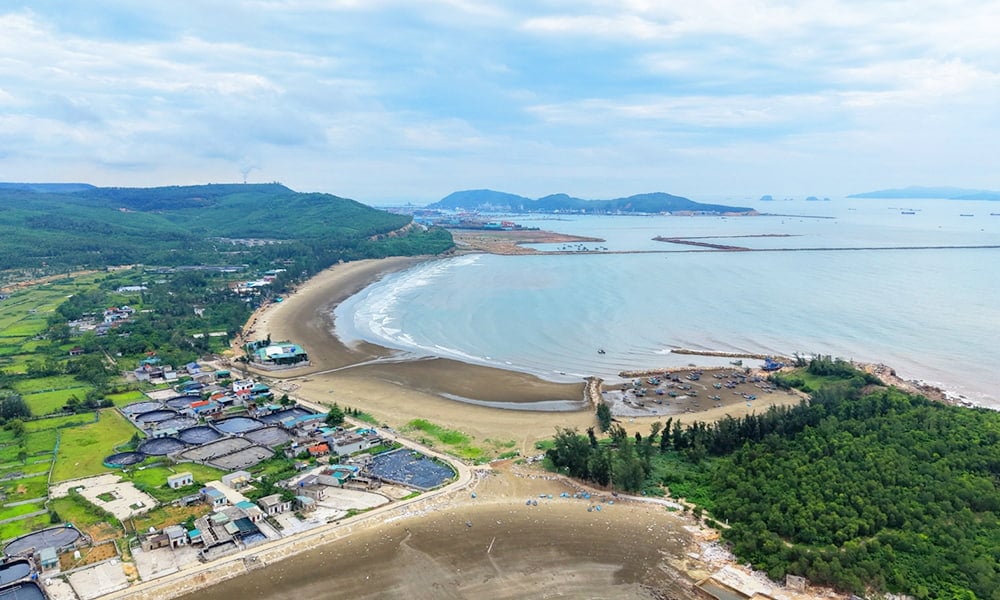
Bird’s-eye view of the Quynh Lap project site in Nghe An Province, Vietnam, where the LNG power plant, LNG terminal, and LNG storage tanks will be constructed; Source: SK Innovation SK Innovation, PetroVietnam Power, and NASU held the Quynh Lap LNG project launch and infrastructure groundbreaking ceremony on May 18, 2026, in Nghe An Province, Vietnam
” The Quynh Lap LNG project is described as a large-scale energy infrastructure project that will develop a 1. 5 GW LNG combined-cycle power plant and LNG terminal in Nghe An Province, approximately 220 kilometers south of Hanoi
Bird’s-eye view of the Quynh Lap project site in Nghe An Province, Vietnam, where the LNG power plant, LNG terminal, and LNG storage tanks will be constructed; Source: SK Innovation SK Innovation, PetroVietnam Power, and NASU held the Quynh Lap LNG project launch and infrastructure groundbreaking ceremony on May 18, 2026, in Nghe An Province, Vietnam. The event, which took place in the Tan Mai area of Quynh Lap District, was attended by approximately 300 guests, including Choo Hyeong-Wook, President and CEO of
Story 4Offshore EnergyMay 19, 2026

Offshore vessel charging pilot launches this June in Denmark

Signal moderateDirectional

What happened

An international consortium will start an offshore vessel charging pilot in Denmark, funded by the EU Horizon program, to test an at‑sea power point for vessels at anchor. The pilot will initially prove concept with a single ship connection and run as a live operational demonstration over the project term

Buyer takeaway

Track pilot outcomes; early engagement with ports and owners will clarify commercial and regulatory pathways for shore/at‑sea power adoption in APAC

Cost / money

If adopted, at‑anchor charging can reduce fuel costs but may add infrastructure capex or port service fees that should be priced in tendering

Supplier / commercial

Vessel owners and ports may seek commercial support or cost‑sharing models for charging infrastructure trials and rollouts

Safety / operations

Electrical interface at anchor adds new lockout/tagout and berthing safety procedures that must be included in contractor method statements

What to watch

Monitor pilot results for technical limitations and regulatory treatment that will determine commercial scalability in APAC

Key facts

  • EU‑funded offshore charging pilot to begin in June
  • Pilot supports a single ship connection as a real‑world demonstration
  • Three‑year project assessing technical and commercial viability

Source excerpts

The offshore power zone will enable vessels to plug into an at-sea power point with electricity provided via the nearby Port of Skagen
It also brings opportunities for local employment and skills development as new infrastructure is deployed and tested in the port environment
The offshore power zone will enable vessels to plug into an at-sea power point with electricity provided via the nearby Port of Skagen. The pilot will initially support a single ship connection to prove the concept in a live operational environment, with the goal of expanding the solution globally
Story 5Offshore EnergyMay 19, 2026

UAE and India deepen energy ties with oil, LNG, LPG and storage deals

Signal limitedDirectional

What happened

ADNOC signed strategic collaboration agreements with Indian partners covering crude, LNG, LPG and storage options, signalling deeper trade and storage ties between the UAE and India. The deals focus on securing supplies and exploring storage opportunities that will influence regional LNG and LPG flows

Buyer takeaway

Watch shifting long‑term supply and storage options; procurement should reassess counterparty and storage risk exposure

Cost / money

Expanded storage options can moderate short‑term spot volatility but may shift commercial terms in supply contracts

Supplier / commercial

Trading houses and long‑term suppliers may reweight term structures; buyers should check pass‑through language and allocation rights

Safety / operations

No direct immediate operational safety impact, but storage projects carry conventional HSE and permitting needs if pursued locally

What to watch

This is directional for APAC supply flows; monitor concrete term contracts or storage bookings that affect local availability

Key facts

  • Strategic collaboration agreements on crude, LNG, LPG and storage
  • Includes exploration of crude storage in Fujairah and LNG/LPG storage in India
  • Builds on existing ADNOC trade relationships

Source excerpts

“These agreements reinforce supply security, deepen our strategic ties, and underscore ADNOC’s role as a dependable and reliable partner in powering India’s long-term economic growth
The company sealed a strategic collaboration agreement with Indian Strategic Petroleum Reserves to explore a range of opportunities spanning crude oil, LNG, and LPG storage as well as strategic reserves, including a potential increase in the UAE firm’s crude oil storage in India up to 30 million barrels, encompassing existing storage at Mangalore and potential new storage opportunities at Vishakhapatnam and Chandikol. In addition, the agreement explores potential crude storage in Fujairah as part of India’s st
Illustration; Source: ADNOC ADNOC has secured two strategic collaboration agreements, which are perceived to build on the UAE player’s expanding partnerships with Indian companies across crude, LNG, and LPG supply, as well as energy storage opportunities, supporting India’s growing energy demand and long-term economic growth

VP Snapshot

Executive Risk & Action View

Vietnam's Quynh Lap LNG complex broke ground, creating a multi‑year demand horizon for LNG terminal construction, storage and associated offshore works; treat this as a material APAC pipeline project to include in capacity planning.

Overall
38
Cost
97
Supply
79
Schedule
56
Compliance
35

Top signals

30-180dcost

Signal 1: Cost / money

Large APAC LNG projects and terminals typically push demand for heavy fabrication, marine spreads and specialist installers — expect upward pressure on mobilisation pass‑throughs and premium quotes as buyers compete for yard and vessel slots.

Signal 2: Cost / money

FSRU outfitting and integration work ties up skilled labour and specialist suppliers (membrane tank systems, regas skid integration), which can compress bidder capacity and maintain dayrate or margin premiums for high‑complexity suppliers.

Signal 3: Cost / money

Chinese topside fabrication starts indicate available fabrication capacity but also competition for module lifts and transport assets; depending on schedules, this can either relieve or reallocate cost pressure across APAC yards.

30-180dschedule

Signal 4: Supplier / commercial

Suppliers with LNG terminal, FSRU or floating power experience will gain leverage on schedule certainty and mobilisation terms; expect tighter quote validity windows and more conditional pricing around vessel slots or integration milestones.

30-180dsupply

Signal 5: Supplier / commercial

Local and regional fabricators that can execute topside modules or storage tanks may push for early letter‑of‑intent commitments to secure yard capacity and subcontractor chains.

180d+supply

Signal 6: Supplier / commercial

Strategic upstream and trading partnerships (UAE–India) suggest buyers should recheck fuel and feedstock contract pass‑through language, as shifting long‑term supply ties can change counterparty risk and commercial fallback positions.

Recommended actions

CategoryDue 3d

Update the APAC project pipeline to include Quynh Lap and any nearby LNG terminal projects, flagging interfaces for offshore works and terminal outfitting.

Current APAC pipeline includes Quynh Lap and identifies touchpoints for SURF/subsea and vessel sourcing

ContractsDue 3d

Query shortlisted yards and major suppliers for current capacity windows for membrane tank installation, topside module lifts and FSRU integration slots.

Supplier responses show realistic availability windows and any conditional pricing clauses

ContractsDue 21d

Issue an RFQ addendum requiring bidders to declare any concurrent major contracts (FSRU, FPU, LNG terminal) that may affect their availability and to state quote validity and mo...

RFQ returns with transparent availability statements, conditional pricing items and mobilisation clauses

CategoryDue 21d

Start supplier engagement on offshore electrification and shore‑power options with ports and vessel owners to assess commercial and permitting paths for at‑anchor charging or sh...

Preliminary commercial assessment of shore/at‑sea power options and regulatory touchpoints for APAC ports

CategoryDue 60d

Adjust long‑list and preferred supplier panels to include yards and contractors with recent FSRU, LNG terminal or large topside delivery experience, and update contractual terms...

Panel updated with validated capability profiles and standard contract clauses for mobilisation and pass‑throughs

LegalDue 60d

Work with Legal to review contract templates for FSRU and LNG terminal packages to add clearer risk transfer language on outfitting delays, integration testing hold points, and...

Revised contract clauses that define supplier responsibilities for integration milestones and allowable pass‑throughs

Risk register

RiskTriggerMitigation
Watch for suppliers shortening quote validity and adding mobilisation surcharges as they prioritise large terminal or FPU work over smaller APAC jobs — verify in RFQs whether bidders hold slots or are contingent on other contracts.Watch for suppliers shortening quote validity and adding mobilisation surcharges as they prioritise large terminal or FPU work over smaller APAC jobs — verify in RFQs whether bidders hold slots or are contingent on other contracts.Confirm exposure with category, contracts, and operations before the next supplier commitment.
Watch yard capacity allocations at major Korean and Chinese shipyards: launches and new fabrication starts consume heavy lift and integration windows that can cascade into longer lead times for membrane systems and specialist subcontractors.Watch yard capacity allocations at major Korean and Chinese shipyards: launches and new fabrication starts consume heavy lift and integration windows that can cascade into longer lead times for membrane systems and specialist subcontractors.Confirm exposure with category, contracts, and operations before the next supplier commitment.
Watch evolving commercial models for floating power and FSRU rentals versus full‑build procurement; modular, leasing or powership options may shift negotiation leverage and cost pass‑through points.Watch evolving commercial models for floating power and FSRU rentals versus full‑build procurement; modular, leasing or powership options may shift negotiation leverage and cost pass‑through points.Confirm exposure with category, contracts, and operations before the next supplier commitment.

CM Snapshot

Category Manager Decision Detail

Today's priorities

Update the APAC project pipeline to include Quynh Lap and any nearby LNG terminal projects, flagging interfaces for offshore works and terminal outfitting.

Act because the cited source changes the timing, capacity, or commercial assumptions behind the next sourcing decision.

Due 3d

high

CM move

Use this as the immediate supplier or contract action to move before the next sourcing gate.

Query shortlisted yards and major suppliers for current capacity windows for membrane tank installation, topside module lifts and FSRU integration slots.

Act because the cited source changes the timing, capacity, or commercial assumptions behind the next sourcing decision.

Due 3d

high

CM move

Use this as the immediate supplier or contract action to move before the next sourcing gate.

Issue an RFQ addendum requiring bidders to declare any concurrent major contracts (FSRU, FPU, LNG terminal) that may affect their availability and to state quote validity and mo...

Act because the cited source changes the timing, capacity, or commercial assumptions behind the next sourcing decision.

Due 21d

high

CM move

Use this as the immediate supplier or contract action to move before the next sourcing gate.

Start supplier engagement on offshore electrification and shore‑power options with ports and vessel owners to assess commercial and permitting paths for at‑anchor charging or sh...

Act because the cited source changes the timing, capacity, or commercial assumptions behind the next sourcing decision.

Due 21d

high

CM move

Use this as the immediate supplier or contract action to move before the next sourcing gate.

Supplier radar

Offshore Energy

high

Observed supplier signal

Suppliers with LNG terminal, FSRU or floating power experience will gain leverage on schedule certainty and mobilisation terms; expect tighter quote validity windows and more conditional pricing around vessel slots or integration milestones.

Commercial implication

Suppliers with LNG terminal, FSRU or floating power experience will gain leverage on schedule certainty and mobilisation terms; expect tighter quote validity windows and more conditional pricing around vessel slots or integration milestones.

Next step: Validate the source-backed signal with incumbents and alternates before the next award or pricing decision.

Offshore Energy

high

Observed supplier signal

Local and regional fabricators that can execute topside modules or storage tanks may push for early letter‑of‑intent commitments to secure yard capacity and subcontractor chains.

Commercial implication

Local and regional fabricators that can execute topside modules or storage tanks may push for early letter‑of‑intent commitments to secure yard capacity and subcontractor chains.

Next step: Validate the source-backed signal with incumbents and alternates before the next award or pricing decision.

Offshore Energy

high

Observed supplier signal

Strategic upstream and trading partnerships (UAE–India) suggest buyers should recheck fuel and feedstock contract pass‑through language, as shifting long‑term supply ties can change counterparty risk and commercial fallback positions.

Commercial implication

Strategic upstream and trading partnerships (UAE–India) suggest buyers should recheck fuel and feedstock contract pass‑through language, as shifting long‑term supply ties can change counterparty risk and commercial fallback positions.

Next step: Validate the source-backed signal with incumbents and alternates before the next award or pricing decision.

Negotiation levers

Update the APAC project pipeline to include Quynh Lap and any nearby LNG terminal projects, flagging interfaces for offshore works and terminal outfitting.

When to use: Act because the cited source changes the timing, capacity, or commercial assumptions behind the next sourcing decision.

Expected outcome: Current APAC pipeline includes Quynh Lap and identifies touchpoints for SURF/subsea and vessel sourcing

Commercial mechanism to carry into the next supplier conversation

Query shortlisted yards and major suppliers for current capacity windows for membrane tank installation, topside module lifts and FSRU integration slots.

When to use: Act because the cited source changes the timing, capacity, or commercial assumptions behind the next sourcing decision.

Expected outcome: Supplier responses show realistic availability windows and any conditional pricing clauses

Commercial mechanism to carry into the next supplier conversation

Issue an RFQ addendum requiring bidders to declare any concurrent major contracts (FSRU, FPU, LNG terminal) that may affect their availability and to state quote validity and mo...

When to use: Act because the cited source changes the timing, capacity, or commercial assumptions behind the next sourcing decision.

Expected outcome: RFQ returns with transparent availability statements, conditional pricing items and mobilisation clauses

Commercial mechanism to carry into the next supplier conversation

Start supplier engagement on offshore electrification and shore‑power options with ports and vessel owners to assess commercial and permitting paths for at‑anchor charging or sh...

When to use: Act because the cited source changes the timing, capacity, or commercial assumptions behind the next sourcing decision.

Expected outcome: Preliminary commercial assessment of shore/at‑sea power options and regulatory touchpoints for APAC ports

Commercial mechanism to carry into the next supplier conversation

Talking points

Vietnam's Quynh Lap LNG complex broke ground, creating a multi‑year demand horizon for LNG terminal construction, storage and associated offshore works; treat this as a material APAC pipeline project to include in capacity planning.
Korean shipyard activity continues to deliver gas‑handling tonnage: a new FSRU has launched and will require months of outfitting and system integration before sea trials — this keeps large yard slots and specialist outfitting teams busy for APAC buyers sourcing similar units.
Topside fabrication started for a Black Sea floating production unit (FPU) at a Chinese yard, showing continued Asian fabrication capacity for complex topsides that could be bid into APAC programmes or compete for yard labour and specialist suppliers.
Offshore decarbonisation pilots are moving from concept to field: an offshore vessel charging pilot in Denmark is funded and will run as a live demonstration, signalling growing commercial and regulatory workstreams buyers should track for vessel on‑shore/off‑shore power options.

Supplier radar

SupplierSignalImplicationNext stepConfidence
Offshore EnergySuppliers with LNG terminal, FSRU or floating power experience will gain leverage on schedule certainty and mobilisation terms; expect tighter quote validity windows and more conditional pricing around vessel slots or integration milestones.Suppliers with LNG terminal, FSRU or floating power experience will gain leverage on schedule certainty and mobilisation terms; expect tighter quote validity windows and more conditional pricing around vessel slots or integration milestones.Validate the source-backed signal with incumbents and alternates before the next award or pricing decision.high
Offshore EnergyLocal and regional fabricators that can execute topside modules or storage tanks may push for early letter‑of‑intent commitments to secure yard capacity and subcontractor chains.Local and regional fabricators that can execute topside modules or storage tanks may push for early letter‑of‑intent commitments to secure yard capacity and subcontractor chains.Validate the source-backed signal with incumbents and alternates before the next award or pricing decision.high
Offshore EnergyStrategic upstream and trading partnerships (UAE–India) suggest buyers should recheck fuel and feedstock contract pass‑through language, as shifting long‑term supply ties can change counterparty risk and commercial fallback positions.Strategic upstream and trading partnerships (UAE–India) suggest buyers should recheck fuel and feedstock contract pass‑through language, as shifting long‑term supply ties can change counterparty risk and commercial fallback positions.Validate the source-backed signal with incumbents and alternates before the next award or pricing decision.high

Negotiation levers

  • Update the APAC project pipeline to include Quynh Lap and any nearby LNG terminal projects, flagging interfaces for offshore works and terminal outfitting.Act because the cited source changes the timing, capacity, or commercial assumptions behind the next sourcing decision.Current APAC pipeline includes Quynh Lap and identifies touchpoints for SURF/subsea and vessel sourcing

    high confidence

  • Query shortlisted yards and major suppliers for current capacity windows for membrane tank installation, topside module lifts and FSRU integration slots.Act because the cited source changes the timing, capacity, or commercial assumptions behind the next sourcing decision.Supplier responses show realistic availability windows and any conditional pricing clauses

    high confidence

  • Issue an RFQ addendum requiring bidders to declare any concurrent major contracts (FSRU, FPU, LNG terminal) that may affect their availability and to state quote validity and mo...Act because the cited source changes the timing, capacity, or commercial assumptions behind the next sourcing decision.RFQ returns with transparent availability statements, conditional pricing items and mobilisation clauses

    high confidence

  • Start supplier engagement on offshore electrification and shore‑power options with ports and vessel owners to assess commercial and permitting paths for at‑anchor charging or sh...Act because the cited source changes the timing, capacity, or commercial assumptions behind the next sourcing decision.Preliminary commercial assessment of shore/at‑sea power options and regulatory touchpoints for APAC ports

    high confidence

What to do / What to watch

What to do now

  • Update the APAC project pipeline to include Quynh Lap and any nearby LNG terminal projects, flagging interfaces for offshore works and terminal outfitting.

    Why: Act because the cited source changes the timing, capacity, or commercial assumptions behind the next sourcing decision.

    Owner: Category

    Expected outcome: Current APAC pipeline includes Quynh Lap and identifies touchpoints for SURF/subsea and vessel sourcing

    [1]
  • Query shortlisted yards and major suppliers for current capacity windows for membrane tank installation, topside module lifts and FSRU integration slots.

    Why: Act because the cited source changes the timing, capacity, or commercial assumptions behind the next sourcing decision.

    Owner: Contracts

    Expected outcome: Supplier responses show realistic availability windows and any conditional pricing clauses

    [2][5]

Next few weeks

  • Issue an RFQ addendum requiring bidders to declare any concurrent major contracts (FSRU, FPU, LNG terminal) that may affect their availability and to state quote validity and mo...

    Why: Act because the cited source changes the timing, capacity, or commercial assumptions behind the next sourcing decision.

    Owner: Contracts

    Expected outcome: RFQ returns with transparent availability statements, conditional pricing items and mobilisation clauses

    [2][5][1]
  • Start supplier engagement on offshore electrification and shore‑power options with ports and vessel owners to assess commercial and permitting paths for at‑anchor charging or sh...

    Why: Act because the cited source changes the timing, capacity, or commercial assumptions behind the next sourcing decision.

    Owner: Category

    Expected outcome: Preliminary commercial assessment of shore/at‑sea power options and regulatory touchpoints for APAC ports

    [4]

Longer view

  • Adjust long‑list and preferred supplier panels to include yards and contractors with recent FSRU, LNG terminal or large topside delivery experience, and update contractual terms...

    Why: Act because the cited source changes the timing, capacity, or commercial assumptions behind the next sourcing decision.

    Owner: Category

    Expected outcome: Panel updated with validated capability profiles and standard contract clauses for mobilisation and pass‑throughs

    [2][5][1]
  • Work with Legal to review contract templates for FSRU and LNG terminal packages to add clearer risk transfer language on outfitting delays, integration testing hold points, and...

    Why: Act because the cited source changes the timing, capacity, or commercial assumptions behind the next sourcing decision.

    Owner: Legal

    Expected outcome: Revised contract clauses that define supplier responsibilities for integration milestones and allowable pass‑throughs

    [2]

What to watch

  • Watch for suppliers shortening quote validity and adding mobilisation surcharges as they prioritise large terminal or FPU work over smaller APAC jobs — verify in RFQs whether bidders hold slots or are contingent on other contracts
  • Watch yard capacity allocations at major Korean and Chinese shipyards: launches and new fabrication starts consume heavy lift and integration windows that can cascade into longer lead times for membrane systems and specialist subcontractors
  • Watch evolving commercial models for floating power and FSRU rentals versus full‑build procurement; modular, leasing or powership options may shift negotiation leverage and cost pass‑through points
  • Watch for suppliers shortening quote validity and adding mobilisation surcharges as they prioritise large terminal or FPU work over smaller APAC jobs — verify in RFQs whether bidders hold slots or are contingent on other contracts.: Watch for suppliers shortening quote validity and adding mobilisation surcharges as they prioritise large terminal or FPU work over smaller APAC jobs — verify in RFQs whether bidders hold slots or are contingent on other contracts
  • Watch yard capacity allocations at major Korean and Chinese shipyards: launches and new fabrication starts consume heavy lift and integration windows that can cascade into longer lead times for membrane systems and specialist subcontractors.: Watch yard capacity allocations at major Korean and Chinese shipyards: launches and new fabrication starts consume heavy lift and integration windows that can cascade into longer lead times for membrane systems and specialist subcontractors
  • Watch evolving commercial models for floating power and FSRU rentals versus full‑build procurement; modular, leasing or powership options may shift negotiation leverage and cost pass‑through points.: Watch evolving commercial models for floating power and FSRU rentals versus full‑build procurement; modular, leasing or powership options may shift negotiation leverage and cost pass‑through points
  • Vietnam's Quynh Lap LNG complex broke ground, creating a multi‑year demand horizon for LNG terminal construction, storage and associated offshore works; treat this as a material APAC pipeline project to include in capacity planning
  • Korean shipyard activity continues to deliver gas‑handling tonnage: a new FSRU has launched and will require months of outfitting and system integration before sea trials — this keeps large yard slots and specialist outfitting teams busy for APAC buyers sourcing similar units

Market pulse

IndexLatestChangeAs of
WTI Crude (WTI)71.23 /bbl+0.00 (+0.00%)May 19, 2026, 10:08 PM
Brent Crude (BRENT)74.89 /bbl+0.00 (+0.00%)May 19, 2026, 10:08 PM
Natural Gas (NG)3.12 /MMBtu+0.00 (+0.00%)May 19, 2026, 10:08 PM
Dry Bulk Shipping (BDRY) (BDRY)0 +0.00 (+0.00%)May 19, 2026, 10:08 PM
WTI (Fuel) (WTI)71.23 /bbl+0.00 (+0.00%)May 19, 2026, 10:08 PM
TechnipFMC (FTI)22 +0.00 (+0.00%)May 19, 2026, 10:08 PM
  • Natural Gas: Natural gas project activity in APAC may change LNG feedstock procurement and terminal utilisation profiles
  • Dry Bulk Shipping (BDRY): Dry bulk and heavy‑lift shipping capacity will influence transport windows for large modules and tank components

Sources

Inline citations jump here. Expand a source to read the excerpt, the AI interpretation, and the original link.

[1] $2.3 billion LNG project breaks ground in Southeast Asia

offshore-energy.biz · May 19, 2026

Expand

AI reading

SK Innovation, PetroVietnam Power and partners held a groundbreaking for the Quynh Lap LNG project in Vietnam, covering an LNG power plant and terminal. The project is a large, locally sited infrastructure programme that will create sustained regional demand for terminal construction, storage tanks and associated marine works

Buyer takeaway

Include Quynh Lap explicitly in APAC sourcing forecasts and capacity plans for terminal and offshore works

Cost / money

Large local projects often push premium pricing for specialist scopes and marine spreads during peak construction windows

Supplier / commercial

Expect suppliers to demand clearer mobilisation guarantees and to condition bids on shore‑works and marine interface timing

Safety / operations

Terminal and storage tank construction brings commissioning and high‑hazard permit requirements that must be staged into procurement and HSE plans

What to watch

Verify local regulatory, land‑use and permitting milestones that could shift contractor mobilisation dates

Key facts

  • Quynh Lap LNG project groundbreaking in Nghe An Province, Vietnam
  • Includes an LNG terminal, storage tanks and a combined‑cycle power plant
  • Project is positioned as a key regional energy security asset

Source excerpts

Bird’s-eye view of the Quynh Lap project site in Nghe An Province, Vietnam, where the LNG power plant, LNG terminal, and LNG storage tanks will be constructed; Source: SK Innovation SK Innovation, PetroVietnam Power, and NASU held the Quynh Lap LNG project launch and infrastructure groundbreaking ceremony on May 18, 2026, in Nghe An Province, Vietnam
” The Quynh Lap LNG project is described as a large-scale energy infrastructure project that will develop a 1. 5 GW LNG combined-cycle power plant and LNG terminal in Nghe An Province, approximately 220 kilometers south of Hanoi
Bird’s-eye view of the Quynh Lap project site in Nghe An Province, Vietnam, where the LNG power plant, LNG terminal, and LNG storage tanks will be constructed; Source: SK Innovation SK Innovation, PetroVietnam Power, and NASU held the Quynh Lap LNG project launch and infrastructure groundbreaking ceremony on May 18, 2026, in Nghe An Province, Vietnam. The event, which took place in the Tan Mai area of Quynh Lap District, was attended by approximately 300 guests, including Choo Hyeong-Wook, President and CEO of

Used in this brief

  • Next 72 hours — Update the APAC project pipeline to include Quynh Lap and any nearby LNG terminal projects, flagging interfaces for offshore works and terminal outfitting.. Rationale: Act because the cited source changes the timing, capacity, or commercial assumptions behind the next sourcing decision.. Owner: Category. KPI: Current APAC pipeline includes Quynh Lap and identifies touchpoints for SURF/subsea and vessel sourcing
  • Watch for suppliers shortening quote validity and adding mobilisation surcharges as they prioritise large terminal or FPU work over smaller APAC jobs — verify in RFQs whether bidders hold slots or are contingent on other contracts
  • Added a confirmed APAC landmark project: Quynh Lap LNG groundbreaking introduces a large local LNG terminal and power plant into the APAC procurement pipeline (Article 6)
Open original source

[2] FSRU launch bringing Europe’s next terminal closer to completion

offshore-energy.biz · May 19, 2026

Expand

AI reading

Gaz‑System has launched a new FSRU at HD Hyundai, and the vessel will head to the Gulf of Gdańsk with outfitting and integration work ahead of arrival. The vessel’s tanks and regas systems will require significant commissioning and shore‑power and process integration tests before regas services start

Buyer takeaway

Factor significant yard outfitting and commissioning resource needs into procurement timelines when seeking FSRU or regas units

Cost / money

Outfitting and integration phases are high‑cost and can invite premium specialist pricing and mobilisation surcharges

Supplier / commercial

Shipyards and specialist vendors will push for clarified scope and milestone payments tied to integration and testing acceptance

Safety / operations

Commissioning and membrane installation are high‑risk activities that require staged FATs and documented interface acceptance plans

What to watch

Verify vendor definitions for 'ready for integration' and who bears delay costs during system commissioning

Key facts

  • FSRU launched at HD Hyundai Heavy Industries
  • Vessel to arrive at Gulf of Gdańsk by end of 2027
  • Tank capacity and regasification integration remain to be completed

Source excerpts

Gas-System claims that he contractors still have a lot of complex work to perform that is related to the outfitting and integration of the process systems, with one of the most important stages being the installation of the membrane system in the LNG tanks, responsible for the safe storage of liquefied natural gas, and the installation of the regasification module, enabling the conversion of LNG back into a gaseous state. Sławomir Hinc, President of Gaz-System, emphasized: “The launch of the FSRU vessel is one
The Polish TSO elaborates that the coming months will involve the start-up and integration of the vessel’s systems, including connection to shore power, the commencement of generators and boilers, and tests of the vessel’s power systems, which will be followed by testing at sea and gas to confirm the correct operation of the propulsion system, safety systems and regasification plants under operational conditions
Poland-bound FSRU; Source: Gaz-System Gaz-System has confirmed that a new FSRU vessel, which was launched at the HD Hyundai Heavy Industries shipyard in South Korea, will arrive at the Gulf of Gdańsk by the end of 2027 to work at Poland’s first FSRU terminal. The launch is described as one of the most symbolic moments in the shipbuilding process, which marks the completion of the main structural work and the transition to the next phase of the project

Used in this brief

  • Safety / operations: FSRU final outfitting, membrane installation and system integration phases are high‑risk for commissioning delays and interface issues; plan for extended vendor FAT (factory acceptance test) witness and shore‑power connection checks
  • Safety / operations: Offshore charging pilots introduce new electrical interface and berth‑power procedures; contractors and vessel crews will need documented shore‑to‑vessel electrical safety checks and permit updates before use
  • Next 72 hours — Query shortlisted yards and major suppliers for current capacity windows for membrane tank installation, topside module lifts and FSRU integration slots.. Rationale: Act because the cited source changes the timing, capacity, or commercial assumptions behind the next sourcing decision.. Owner: Contracts. KPI: Supplier responses show realistic availability windows and any conditional pricing clauses
Open original source

[3] UAE and India deepen energy ties with oil, LNG, LPG and storage deals

offshore-energy.biz · May 19, 2026

Expand

AI reading

ADNOC signed strategic collaboration agreements with Indian partners covering crude, LNG, LPG and storage options, signalling deeper trade and storage ties between the UAE and India. The deals focus on securing supplies and exploring storage opportunities that will influence regional LNG and LPG flows

Buyer takeaway

Watch shifting long‑term supply and storage options; procurement should reassess counterparty and storage risk exposure

Cost / money

Expanded storage options can moderate short‑term spot volatility but may shift commercial terms in supply contracts

Supplier / commercial

Trading houses and long‑term suppliers may reweight term structures; buyers should check pass‑through language and allocation rights

Safety / operations

No direct immediate operational safety impact, but storage projects carry conventional HSE and permitting needs if pursued locally

What to watch

This is directional for APAC supply flows; monitor concrete term contracts or storage bookings that affect local availability

Key facts

  • Strategic collaboration agreements on crude, LNG, LPG and storage
  • Includes exploration of crude storage in Fujairah and LNG/LPG storage in India
  • Builds on existing ADNOC trade relationships

Source excerpts

“These agreements reinforce supply security, deepen our strategic ties, and underscore ADNOC’s role as a dependable and reliable partner in powering India’s long-term economic growth
The company sealed a strategic collaboration agreement with Indian Strategic Petroleum Reserves to explore a range of opportunities spanning crude oil, LNG, and LPG storage as well as strategic reserves, including a potential increase in the UAE firm’s crude oil storage in India up to 30 million barrels, encompassing existing storage at Mangalore and potential new storage opportunities at Vishakhapatnam and Chandikol. In addition, the agreement explores potential crude storage in Fujairah as part of India’s st
Illustration; Source: ADNOC ADNOC has secured two strategic collaboration agreements, which are perceived to build on the UAE player’s expanding partnerships with Indian companies across crude, LNG, and LPG supply, as well as energy storage opportunities, supporting India’s growing energy demand and long-term economic growth

Used in this brief

  • Supplier / commercial: Strategic upstream and trading partnerships (UAE–India) suggest buyers should recheck fuel and feedstock contract pass‑through language, as shifting long‑term supply ties can change counterparty risk and commercial fallback positions
  • ADNOC signed strategic collaboration agreements with Indian partners covering crude, LNG, LPG and storage options, signalling deeper trade and storage ties between the UAE and India. The deals focus on securing supplies and exploring storage opportunities that will influence regional LNG and LPG flows
  • Buyer bottom line: large upstream/trader partnerships can change term supply options and storage availability that influence LNG routing and commercial fallback positions for APAC buyers
Open original source

[4] Offshore vessel charging pilot launches this June in Denmark

offshore-energy.biz · May 19, 2026

Expand

AI reading

An international consortium will start an offshore vessel charging pilot in Denmark, funded by the EU Horizon program, to test an at‑sea power point for vessels at anchor. The pilot will initially prove concept with a single ship connection and run as a live operational demonstration over the project term

Buyer takeaway

Track pilot outcomes; early engagement with ports and owners will clarify commercial and regulatory pathways for shore/at‑sea power adoption in APAC

Cost / money

If adopted, at‑anchor charging can reduce fuel costs but may add infrastructure capex or port service fees that should be priced in tendering

Supplier / commercial

Vessel owners and ports may seek commercial support or cost‑sharing models for charging infrastructure trials and rollouts

Safety / operations

Electrical interface at anchor adds new lockout/tagout and berthing safety procedures that must be included in contractor method statements

What to watch

Monitor pilot results for technical limitations and regulatory treatment that will determine commercial scalability in APAC

Key facts

  • EU‑funded offshore charging pilot to begin in June
  • Pilot supports a single ship connection as a real‑world demonstration
  • Three‑year project assessing technical and commercial viability

Source excerpts

The offshore power zone will enable vessels to plug into an at-sea power point with electricity provided via the nearby Port of Skagen
It also brings opportunities for local employment and skills development as new infrastructure is deployed and tested in the port environment
The offshore power zone will enable vessels to plug into an at-sea power point with electricity provided via the nearby Port of Skagen. The pilot will initially support a single ship connection to prove the concept in a live operational environment, with the goal of expanding the solution globally

Used in this brief

  • Next 2-4 weeks — Start supplier engagement on offshore electrification and shore‑power options with ports and vessel owners to assess commercial and permitting paths for at‑anchor charging or sh.... Rationale: Act because the cited source changes the timing, capacity, or commercial assumptions behind the next sourcing decision.. Owner: Category. KPI: Preliminary commercial assessment of shore/at‑sea power options and regulatory touchpoints for APAC ports
  • Observed live decarbonisation infrastructure pilots (offshore vessel charging) entering demonstration phase, which was not in the prior run and raises new port/infrastructure questions (Article 9)
  • An international consortium will start an offshore vessel charging pilot in Denmark, funded by the EU Horizon program, to test an at‑sea power point for vessels at anchor. The pilot will initially prove concept with a single ship connection and run as a live operational demonstration over the project term
Open original source

[5] Chinese firm kicks off topside fabrication for Black Sea bound-FPU

offshore-energy.biz · May 19, 2026

Expand

AI reading

Wison New Energies has started topside fabrication for a Black Sea floating production unit (FPU) destined for the Sakarya gas project. The yard reports module lifting scheduled through June 2027, making this an active fabrication programme that will occupy heavy‑lift and integration capacity. Watch yard progress on module completion and heavy‑lift scheduling to see if that capacity shifts regional availability for similar APAC projects

Buyer takeaway

Treat this as a clear fabrication capacity commitment in Asia that can reallocate heavy‑lift and specialist subcontractor availability relevant to APAC projects

Cost / money

Directional upward pressure on mobilisation and heavy‑lift pass‑throughs if yards prioritise FPU modules over other projects

Supplier / commercial

Yards and main contractors may require early LOIs or deposits to secure module fabrication and lift windows; expect conditional bids tied to schedule confirmation

Safety / operations

Module lifting and transport create concentrated lifting risk windows and require validated method statements and weather contingency plans

What to watch

Watch for knock‑on effects: subcontractor reallocation, longer lead times for specialist skids, and conditional pricing on heavy lifts

Key facts

  • Topside fabrication started for Black Sea FPU
  • Main module lifts scheduled through June 2027
  • FPU integrates gas processing, compression and export functions

Source excerpts

Home Fossil Energy Chinese firm kicks off topside fabrication for Black Sea bound-FPU May 19, 2026, by China-based provider of clean energy services Wison New Energies (WNE) has initiated the construction of topside fabrication for a floating production unit (FPU) destined to be deployed at Türkiye’s largest natural gas field. FPU for Sakarya gas field; Source: Wison New Energies Wison New Energies has begun topsides fabrication for an FPU, which will work on the Sakarya gas field development project (Phase 3)
Home Fossil Energy Chinese firm kicks off topside fabrication for Black Sea bound-FPU May 19, 2026, by China-based provider of clean energy services Wison New Energies (WNE) has initiated the construction of topside fabrication for a floating production unit (FPU) destined to be deployed at Türkiye’s largest natural gas field
Following the first steel cutting in February 2026, the project has achieved another key milestone, according to the Chinese firm, which explains that the main functional modules are scheduled to complete lifting in June 2027

Used in this brief

  • Vietnam's Quynh Lap LNG complex broke ground, creating a multi‑year demand horizon for LNG terminal construction, storage and associated offshore works; treat this as a material APAC pipeline project to include in capacity planning. Korean shipyard activity continues to deliver gas‑handling tonnage: a new FSRU has launched and will require months of outfitting and system integration before sea trials — this keeps large yard slots and specialist outfitting teams busy for APAC buyers sourcing similar units. Topside fabrication started for a Black Sea floating production unit (FPU) at a Chinese yard, showing continued Asian fabrication capacity for complex topsides that could be bid into APAC programmes or compete for yard labour and specialist suppliers. Offshore decarbonisation pilots are moving from concept to field: an offshore vessel charging pilot in Denmark is funded and will run as a live demonstration, signalling growing commercial and regulatory workstreams buyers should track for vessel on‑shore/off‑shore power options
  • Wison New Energies has started topside fabrication for a Black Sea floating production unit (FPU) destined for the Sakarya gas project. The yard reports module lifting scheduled through June 2027, making this an active fabrication programme that will occupy heavy‑lift and integration capacity. Watch yard progress on module completion and heavy‑lift scheduling to see if that capacity shifts regional availability for similar APAC projects
  • Buyer bottom line: active topside programmes in Asian yards tie up heavy‑lift and integration capacity that APAC SURF and topside projects may need to compete for
Open original source

[6] Natural Gas

finance.yahoo.com · n.d.

Expand

[7] Dry Bulk Shipping (BDRY)

finance.yahoo.com · n.d.

Expand