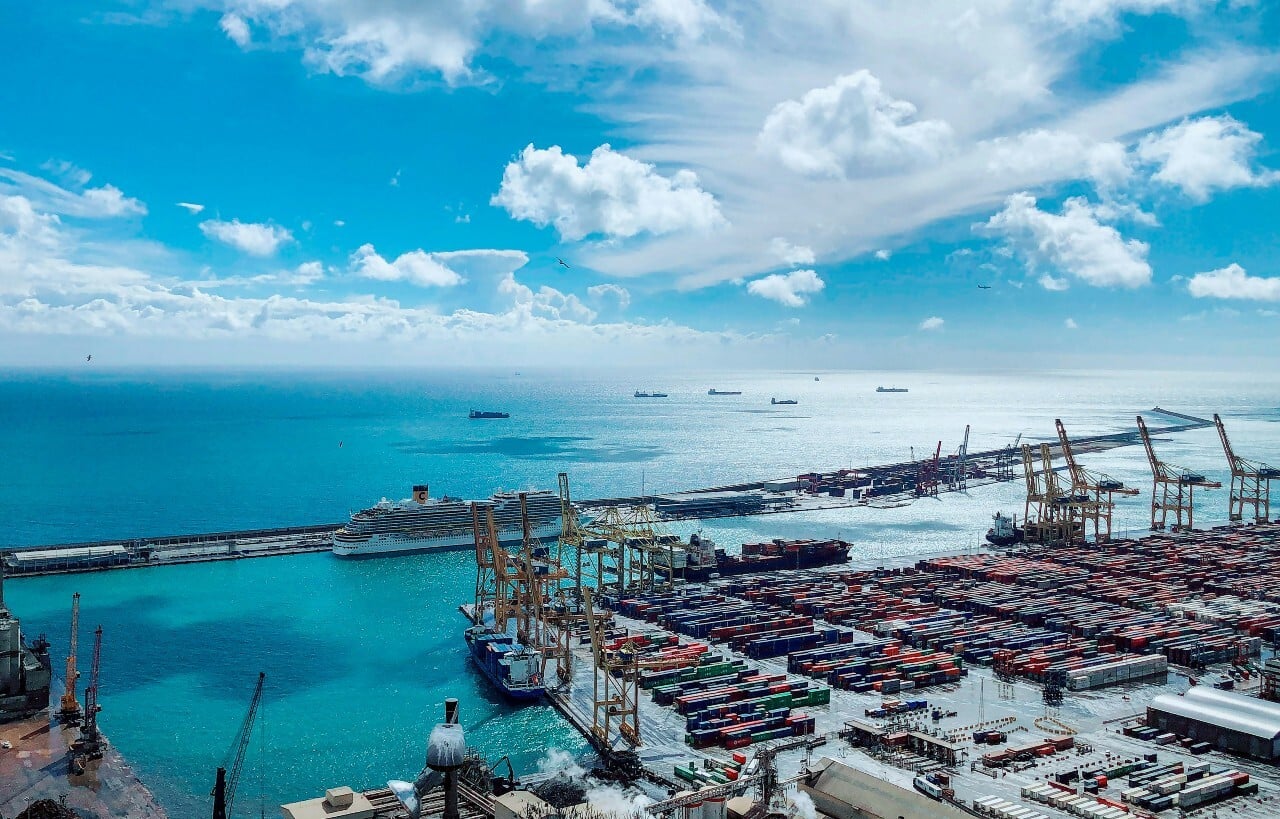
OPINION: Should shipping lines own and control the terminals?
What happened
The article reports that major shipping lines are being allowed to bid for ownership and control of container terminals, with Brazil’s Port of Santos singled out as a recent example. The key operational detail is that carrier bids are being accepted despite earlier competition concerns, and the move is framed as prioritizing infrastructure delivery and capacity increases. Watch for formal bid notices and regulatory approvals that would convert this debate into binding commercial changes at ports
Buyer takeaway
This is an operationally meaningful signal: if carriers win terminals, buyers face different access and contractual dynamics and should plan to protect access and cost pass-through terms
Cost / money
Directional increase in buyer exposure to pass-through or prioritization fees is possible because carriers controlling terminals can monetize access and prioritization
Supplier / commercial
Carriers could bundle terminal services with freight, shorten quote validity, and demand different contracting terms, shifting negotiation power toward owners
Safety / operations
Operational controls (gate hours, handling rules) may tighten or change, requiring adjustments to vessel schedules, trucker windows, and pre-mobilisation checks
What to watch
Watch for bid invitations, concession agreements, or policy statements from regulators—those are the concrete triggers that change procurement posture
Key facts
- Government reopened bidding that allows major carriers to bid for terminals
- Santos terminal expected to materially increase capacity; cited as priority over competition
Source excerpts
What’s becoming increasingly clear is that container lines are no longer just focusing on moving cargo from Port A to Port B. They’re pushing further into terminals, infrastructure and supply chain control
In Brazil, the government has effectively reopened the door for major shipping lines like MSC and Maersk to bid for a massive new container terminal at the Port of Santos, despite earlier concerns around competition and market dominance. In simple terms, the debate has been whether shipping lines should also be allowed to own and control the terminals their vessels call at
The proposed Santos terminal is expected to increase capacity at Latin America’s largest port by around 50% at a time when the port is already close to saturation