Completions & Intervention · Australia (Perth)

Lock Supplier Readiness as Bass Strait Drilling Extends

Published May 20, 2026, 6:00 AM AWSTAPACFull category signal
Ask AI
Drilling

In 60 seconds

Top move

A long-term contract extension supporting Bass Strait drilling operations signals sustained completions demand in Australia; buyers should treat baseline mobilisation needs as fixed rather than ad hoc

Key takeaways

  • A long-term contract extension supporting Bass Strait drilling operations signals sustained completions demand in Australia; buyers should treat baseline mobilisation needs as fixed rather than ad hoc.[3]
  • An EU-funded offshore vessel charging pilot is moving to live trials, which begins shifting how vessel idling, fuel use, and at-anchor power are contracted and measured for offshore service fleets.[1]
  • Topsides fabrication activity ramping at Chinese yards for the Black Sea FPU removes yard capacity from the global market and can tighten availability windows for large offshore fabrication slots relevant to completions support.[2]
  • Operationally, the Bass Strait extension makes mobilisation windows and long-duration support packages more likely to appear in APAC RFQs, strengthening supplier bargaining power on deposits and narrow quote validity.[3]
  • The vessel-charging pilot is a confirmed demonstration but limited in scale today; its procurement effects (contracts, port connectivity, vessel retrofits) are directional and worth monitoring rather than immediate reprocurement.[1]

What changed since last run

  • Added concrete Australian onshore/offshore signal: OEG extended long-term drilling support in Bass Strait, creating a real multi-year demand footprint in APAC (article 3).
  • New operational decarbonisation pilot: EU-backed offshore vessel charging moves to a live, funded trial beginning in June, introducing a nascent commercial model for at-anchor power (article 11).
  • Observed increased global yard utilisation as Wison New Energies starts topside fabrication for a large FPU, implying less spare fabrication capacity that could affect APAC topside/tie-in scheduling (article 5).

Key facts

  • Contract extends support for Bass Strait drilling operations
  • Covers supply, maintenance and drilling support roles
  • Committed capacity indicated through 2036
  • €5 million EU Horizon Europe funding for pilot
  • Initial single-ship connection to be demonstrated starting in June
  • Pilot duration expected to be 36 months

Why it matters

A long-term contract extension supporting Bass Strait drilling operations signals sustained completions demand in Australia; buyers should treat baseline mobilisation needs as fixed rather than ad hoc. An EU-funded offshore vessel charging pilot is moving to live trials, which begins shifting how vessel idling, fuel use, and at-anchor power are contracted and measured for offshore service fleets. Topsides fabrication activity ramping at Chinese yards for the Black Sea FPU removes yard capacity from the global market and can tighten availability windows for large offshore fabrication slots relevant to completions support. Operationally, the Bass Strait extension makes mobilisation windows and long-duration support packages more likely to appear in APAC RFQs, strengthening supplier bargaining power on deposits and narrow quote validity

Cost / money

  • Sustained Bass Strait support contracts push mobilisation cost risk onto buyers unless mobilisation caps or pass-through limits are enforced in APAC contracts.[3]
  • Vessel charging pilots can reduce fuel spend at anchor over time but introduce near-term retrofit or connectivity costs that may shift capital or O&M budget lines for service vessels.[1]
  • Active topside builds at major yards can reduce competitive pressure on fabrication pricing and drive longer lead times for heavy-lift or integration work, increasing contingency cost for schedule slips.[2]

Supplier / commercial

  • Local suppliers supporting Bass Strait operations gain leverage to tighten quote-validity windows and ask for mobilisation deposits to protect allocated slots.[3]
  • Shipyards and EPC suppliers with committed FPU work may reprioritise capacity, limiting buyers' ability to reallocate fabrication or integration scope inside the APAC region.[2]
  • Vessel owners participating in the charging pilot could begin to advertise nearshore low-emission capability as commercial differentiation, affecting selection criteria in tenders.[1]

Safety / operations

  • Longer, steadier drilling-support programs compress mobilisation and readiness cycles; without tightened competence checks, pressured timelines can raise execution and safety risk.[3][2]
  • New at-anchor power arrangements change vessel electrical interfaces and emergency procedures; Ops must verify safe isolation and shore-power failover before approving commercial use.[1]

What to watch

  • Watch for mobilisation-deposit and short quote-validity clauses surfacing in APAC RFQs as suppliers protect multi-year schedules; this can quickly shift cost and timing risk onto buyers.[3]
  • Watch whether vessel charging pilots publish interoperability or regulatory guidance; limited early standards could create fragmented commercial requirements for vessel operators.[1]
  • Watch yard capacity reallocation: monitor whether topside work for large FPUs reduces availability for regional completion tie-ins or late-stage intervention scopes.[2]

Top stories

Story 1Worldoil

Drilling

Signal strongSource-grounded

What happened

OEG secured a long-term contract extension to support offshore drilling operations in Australia’s Bass Strait. The contract covers ongoing supply and maintenance roles for drilling support and explicitly ties capacity into regional operations through 2036. Treat this as an operational demand anchor for local completions and intervention planning—watch for RFQs that reflect secured supplier windows

Buyer takeaway

This is a solid APAC demand signal; plan for longer-run supplier commitments and protect mobilisation liability in contracts

Cost / money

Directional increase in mobilisation and continuity costs is likely if contracts lack caps or pass-through limits because suppliers will protect allocated slots over the contract term

Supplier / commercial

Suppliers with contracted Bass Strait roles can shorten quote-validity windows or request deposits to defend schedules because their capacity is tied to the long-term program

Safety / operations

Extended support schedules compress turnaround windows for pre-mobilisation checks and spare provisioning; Ops must confirm competence and spares availability before mobilisation

What to watch

Watch for mobilisation-deposit and short-validity language on APAC RFQs as suppliers protect long-term slots

Key facts

  • Contract extends support for Bass Strait drilling operations
  • Covers supply, maintenance and drilling support roles
  • Committed capacity indicated through 2036

Source excerpts

News OEG to support Bass Strait offshore drilling operations through 2036 May 12, 2026 OEG has secured a multi-million-dollar long-term contract extension to support offshore drilling operations in Australia’s Bass Strait, including the supply, maintenance and servicing of certified offshore cargo carrying units through the expected end of field life in 2036
S. panel exempts Gulf drilling from endangered species rules March 31, 2026 A federal panel has approved an exemption allowing oil and gas drilling in the Gulf of America/Gulf of Mexico to proceed without certain endangered species protections, citing national security concerns in a rare decision that could accelerate offshore activity and reshape regulatory oversight
Story 2Offshore EnergyMay 19, 2026

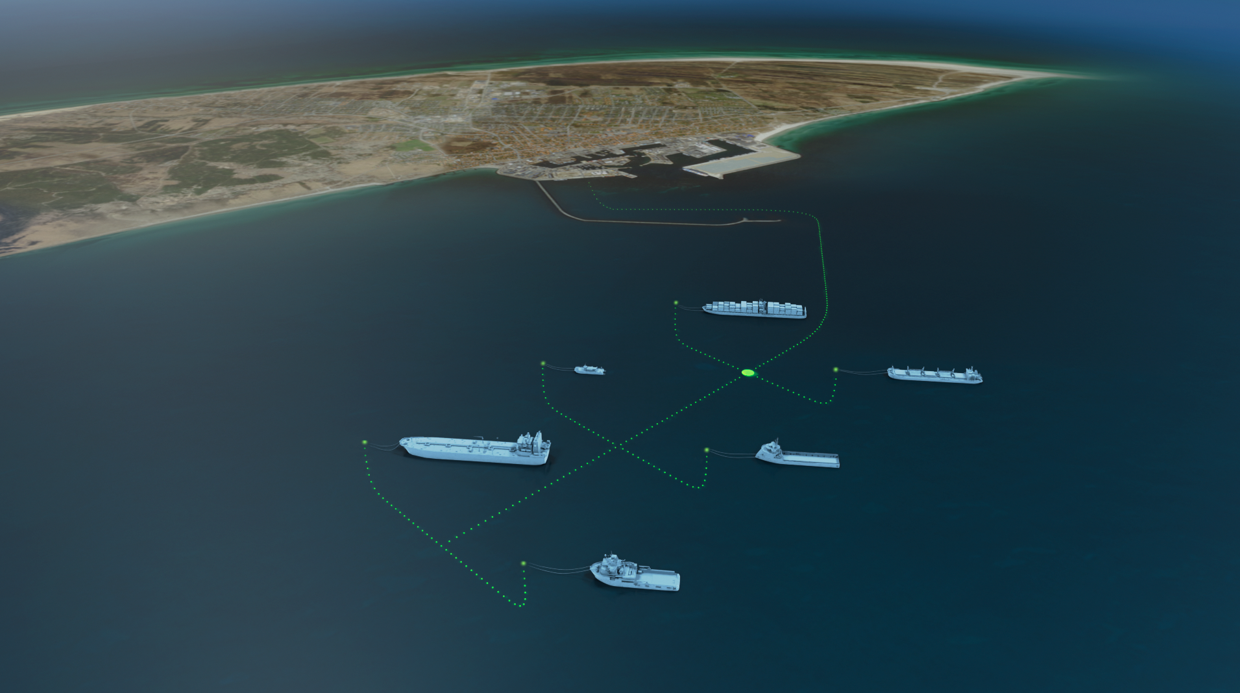
Offshore vessel charging pilot launches this June in Denmark

Signal moderateDirectional

What happened

A multi-partner EU-funded pilot will trial offshore vessel charging in Skagen, starting in June, with initial funding and a single-ship connection to prove the concept. The project aims to test technical, commercial, and regulatory pathways over a 36-month pilot period, but current scope is limited and focused on demonstration

Buyer takeaway

Treat this as an early operational change: it will affect vessel selection and port connectivity planning once commercialised, but impacts are limited in the near term

Cost / money

Potential near-term capital or retrofit costs for vessel owners and ports because at-anchor charging will require electrical interfaces and certified connections

Supplier / commercial

Vessel owners involved in trials may use participation as a commercial differentiator, which could change selection criteria in future tenders

Safety / operations

New electrical connections at sea introduce different isolation and failover needs; Ops must define safe-handling and emergency power procedures before adoption

What to watch

Limited scale of the pilot means standards and interoperability could remain fragmented; watch for early procedural guidance that may not be globally applicable

Key facts

  • €5 million EU Horizon Europe funding for pilot
  • Initial single-ship connection to be demonstrated starting in June
  • Pilot duration expected to be 36 months

Source excerpts

Home Green Marine Offshore vessel charging pilot launches this June in Denmark May 19, 2026, by An international consortium led by Stillstrom, part of A
The pilot will initially support a single ship connection to prove the concept in a live operational environment, with the goal of expanding the solution globally. Besides technical delivery, the project will assess commercial viability and regulatory pathways to support wider adoption across the maritime industry
” Integrated vessel charging technology firm Stillstrom is leading the project with partners being Aalborg University, DNV, Maersk, MARIN, Port of Malta, Port of Skagen and University College London
Story 3Offshore EnergyMay 19, 2026

Chinese firm kicks off topside fabrication for Black Sea bound-FPU

Signal moderateDirectional

What happened

Wison New Energies has started topside fabrication for a Black Sea floating production unit destined for the Sakarya gas field, following first steel cutting earlier in the year. Main functional modules are scheduled for lift-out in mid-2027, and the FPU is designed to support gas processing, compression, and export for a multi-well development

Buyer takeaway

Yard capacity is becoming constrained; buyers should assume longer lead times for heavy fabrication and seek alternate yards or early bookings

Cost / money

Fabrication slot scarcity can lift prices for heavy integration work because major yards allocate capacity to committed, large-value projects

Supplier / commercial

EPC and yard partners may prioritise large FPU work over smaller completion tie-ins, changing negotiation leverage for buyers seeking late-stage scopes

Safety / operations

Complex topside builds increase the need for integrated testing windows and coordination; late changes can cascade into test and commissioning delays

What to watch

Monitor whether primary yards start to issue longer lead times or limited tender call windows as modules are committed

Key facts

  • Topside fabrication initiated for Black Sea FPU
  • Main functional modules scheduled to complete lifting in June 2027
  • FPU integrates processing, compression, and export for a multi-well field

Source excerpts

Home Fossil Energy Chinese firm kicks off topside fabrication for Black Sea bound-FPU May 19, 2026, by China-based provider of clean energy services Wison New Energies (WNE) has initiated the construction of topside fabrication for a floating production unit (FPU) destined to be deployed at Türkiye’s largest natural gas field
Home Fossil Energy Chinese firm kicks off topside fabrication for Black Sea bound-FPU May 19, 2026, by China-based provider of clean energy services Wison New Energies (WNE) has initiated the construction of topside fabrication for a floating production unit (FPU) destined to be deployed at Türkiye’s largest natural gas field. FPU for Sakarya gas field; Source: Wison New Energies Wison New Energies has begun topsides fabrication for an FPU, which will work on the Sakarya gas field development project (Phase 3)
Following the first steel cutting in February 2026, the project has achieved another key milestone, according to the Chinese firm, which explains that the main functional modules are scheduled to complete lifting in June 2027

VP Snapshot

Executive Risk & Action View

A long-term contract extension supporting Bass Strait drilling operations signals sustained completions demand in Australia; buyers should treat baseline mobilisation needs as fixed rather than ad hoc.

Overall
56
Cost
97
Supply
61
Schedule
20
Compliance
15

Top signals

30-180dcost

Signal 1: Cost / money

Sustained Bass Strait support contracts push mobilisation cost risk onto buyers unless mobilisation caps or pass-through limits are enforced in APAC contracts.

0-30dcost

Signal 2: Cost / money

Vessel charging pilots can reduce fuel spend at anchor over time but introduce near-term retrofit or connectivity costs that may shift capital or O&M budget lines for service vessels.

180d+cost

Signal 3: Cost / money

Active topside builds at major yards can reduce competitive pressure on fabrication pricing and drive longer lead times for heavy-lift or integration work, increasing contingency cost for schedule slips.

30-180dcommercial

Signal 4: Supplier / commercial

Local suppliers supporting Bass Strait operations gain leverage to tighten quote-validity windows and ask for mobilisation deposits to protect allocated slots.

Signal 6: Supplier / commercial

Vessel owners participating in the charging pilot could begin to advertise nearshore low-emission capability as commercial differentiation, affecting selection criteria in tenders.

30-180dsupply

Signal 5: Supplier / commercial

Shipyards and EPC suppliers with committed FPU work may reprioritise capacity, limiting buyers' ability to reallocate fabrication or integration scope inside the APAC region.

Recommended actions

ContractsDue 3d

Inventory active APAC RFQs and MSA templates for mobilisation deposit, short quote-validity, and pass-through clauses.

List of agreements/RFQs flagged for clause edits or immediate negotiation points.

CategoryDue 3d

Flag primary vessel providers used in APAC completions for retrofit or connectivity exposure related to at-anchor charging trials.

Short list of vessels/providers with potential retrofit or interface gaps for tender evaluation.

CategoryDue 21d

Issue a targeted capability questionnaire to drilling‑support and topside integration suppliers about guaranteed mobilisation windows, deposit policy, and fabrication availability.

Supplier dossiers with declared mobilisation lead times, deposit policies, and yard availability flags to inform upcoming tenders.

OpsDue 21d

Task Ops to draft an at-anchor power checklist covering electrical interface, isolation, emergency power, and certificate requirements for vessels and ports.

Go/no-go checklist ready to attach to vessel selection and mobilisation plans.

ContractsDue 60d

Update RFQ and MSA clause bank to cap mobilisation deposits, set minimum quote-validity expectations, and add pre‑mobilisation competence and electrical interface verification l...

Clause bank and redlines available for insertion in APAC tenders and master agreements.

CategoryDue 60d

Develop a supplier diversion plan that identifies alternate fabrication yards and heavy‑lift integrators outside committed Chinese yards.

Ranked list of alternate yards and conditional procurement routes for late-stage fabrication needs.

Risk register

RiskTriggerMitigation
Watch for mobilisation-deposit and short quote-validity clauses surfacing in APAC RFQs as suppliers protect multi-year schedules; this can quickly shift cost and timing risk onto buyers.Watch for mobilisation-deposit and short quote-validity clauses surfacing in APAC RFQs as suppliers protect multi-year schedules; this can quickly shift cost and timing risk onto buyers.Confirm exposure with category, contracts, and operations before the next supplier commitment.
Watch whether vessel charging pilots publish interoperability or regulatory guidance; limited early standards could create fragmented commercial requirements for vessel operators.Watch whether vessel charging pilots publish interoperability or regulatory guidance; limited early standards could create fragmented commercial requirements for vessel operators.Confirm exposure with category, contracts, and operations before the next supplier commitment.
Watch yard capacity reallocation: monitor whether topside work for large FPUs reduces availability for regional completion tie-ins or late-stage intervention scopes.Watch yard capacity reallocation: monitor whether topside work for large FPUs reduces availability for regional completion tie-ins or late-stage intervention scopes.Confirm exposure with category, contracts, and operations before the next supplier commitment.

CM Snapshot

Category Manager Decision Detail

Today's priorities

Inventory active APAC RFQs and MSA templates for mobilisation deposit, short quote-validity, and pass-through clauses.

because the Bass Strait contract shows suppliers are protecting long-run slots and may push mobilisation cash or narrow validity into regional RFQs, and early detection lets Con...

Due 3d

high

CM move

Use this as the immediate supplier or contract action to move before the next sourcing gate.

Flag primary vessel providers used in APAC completions for retrofit or connectivity exposure related to at-anchor charging trials.

because the EU-funded pilot is testing live vessel charging interfaces and providers may need retrofits or shore-power compatibility notes for future tenders.

Due 3d

high

CM move

Use this as the immediate supplier or contract action to move before the next sourcing gate.

Issue a targeted capability questionnaire to drilling‑support and topside integration suppliers about guaranteed mobilisation windows, deposit policy, and fabrication availability.

because ongoing Bass Strait support and active topside fabrication projects can tighten supplier availability and commercial posture, and declared commitments let planning teams...

Due 21d

high

CM move

Use this as the immediate supplier or contract action to move before the next sourcing gate.

Task Ops to draft an at-anchor power checklist covering electrical interface, isolation, emergency power, and certificate requirements for vessels and ports.

because the vessel-charging pilot introduces new electrical connections and Ops must verify safe procedures before approving commercial use or including charging in scope.

Due 21d

high

CM move

Use this as the immediate supplier or contract action to move before the next sourcing gate.

Supplier radar

Worldoil

high

Observed supplier signal

Local suppliers supporting Bass Strait operations gain leverage to tighten quote-validity windows and ask for mobilisation deposits to protect allocated slots.

Commercial implication

Local suppliers supporting Bass Strait operations gain leverage to tighten quote-validity windows and ask for mobilisation deposits to protect allocated slots.

Next step: Validate the source-backed signal with incumbents and alternates before the next award or pricing decision.

Offshore Energy

high

Observed supplier signal

Shipyards and EPC suppliers with committed FPU work may reprioritise capacity, limiting buyers' ability to reallocate fabrication or integration scope inside the APAC region.

Commercial implication

Shipyards and EPC suppliers with committed FPU work may reprioritise capacity, limiting buyers' ability to reallocate fabrication or integration scope inside the APAC region.

Next step: Validate the source-backed signal with incumbents and alternates before the next award or pricing decision.

Offshore Energy

high

Observed supplier signal

Vessel owners participating in the charging pilot could begin to advertise nearshore low-emission capability as commercial differentiation, affecting selection criteria in tenders.

Commercial implication

Vessel owners participating in the charging pilot could begin to advertise nearshore low-emission capability as commercial differentiation, affecting selection criteria in tenders.

Next step: Validate the source-backed signal with incumbents and alternates before the next award or pricing decision.

Negotiation levers

Inventory active APAC RFQs and MSA templates for mobilisation deposit, short quote-validity, and pass-through clauses.

When to use: because the Bass Strait contract shows suppliers are protecting long-run slots and may push mobilisation cash or narrow validity into regional RFQs, and early detection lets Con...

Expected outcome: List of agreements/RFQs flagged for clause edits or immediate negotiation points.

Commercial mechanism to carry into the next supplier conversation

Flag primary vessel providers used in APAC completions for retrofit or connectivity exposure related to at-anchor charging trials.

When to use: because the EU-funded pilot is testing live vessel charging interfaces and providers may need retrofits or shore-power compatibility notes for future tenders.

Expected outcome: Short list of vessels/providers with potential retrofit or interface gaps for tender evaluation.

Commercial mechanism to carry into the next supplier conversation

Issue a targeted capability questionnaire to drilling‑support and topside integration suppliers about guaranteed mobilisation windows, deposit policy, and fabrication availability.

When to use: because ongoing Bass Strait support and active topside fabrication projects can tighten supplier availability and commercial posture, and declared commitments let planning teams...

Expected outcome: Supplier dossiers with declared mobilisation lead times, deposit policies, and yard availability flags to inform upcoming tenders.

Commercial mechanism to carry into the next supplier conversation

Task Ops to draft an at-anchor power checklist covering electrical interface, isolation, emergency power, and certificate requirements for vessels and ports.

When to use: because the vessel-charging pilot introduces new electrical connections and Ops must verify safe procedures before approving commercial use or including charging in scope.

Expected outcome: Go/no-go checklist ready to attach to vessel selection and mobilisation plans.

Commercial mechanism to carry into the next supplier conversation

Talking points

A long-term contract extension supporting Bass Strait drilling operations signals sustained completions demand in Australia; buyers should treat baseline mobilisation needs as fixed rather than ad hoc.
An EU-funded offshore vessel charging pilot is moving to live trials, which begins shifting how vessel idling, fuel use, and at-anchor power are contracted and measured for offshore service fleets.
Topsides fabrication activity ramping at Chinese yards for the Black Sea FPU removes yard capacity from the global market and can tighten availability windows for large offshore fabrication slots relevant to completions support.
Operationally, the Bass Strait extension makes mobilisation windows and long-duration support packages more likely to appear in APAC RFQs, strengthening supplier bargaining power on deposits and narrow quote validity.

Supplier radar

SupplierSignalImplicationNext stepConfidence
WorldoilLocal suppliers supporting Bass Strait operations gain leverage to tighten quote-validity windows and ask for mobilisation deposits to protect allocated slots.Local suppliers supporting Bass Strait operations gain leverage to tighten quote-validity windows and ask for mobilisation deposits to protect allocated slots.Validate the source-backed signal with incumbents and alternates before the next award or pricing decision.high
Offshore EnergyShipyards and EPC suppliers with committed FPU work may reprioritise capacity, limiting buyers' ability to reallocate fabrication or integration scope inside the APAC region.Shipyards and EPC suppliers with committed FPU work may reprioritise capacity, limiting buyers' ability to reallocate fabrication or integration scope inside the APAC region.Validate the source-backed signal with incumbents and alternates before the next award or pricing decision.high
Offshore EnergyVessel owners participating in the charging pilot could begin to advertise nearshore low-emission capability as commercial differentiation, affecting selection criteria in tenders.Vessel owners participating in the charging pilot could begin to advertise nearshore low-emission capability as commercial differentiation, affecting selection criteria in tenders.Validate the source-backed signal with incumbents and alternates before the next award or pricing decision.high

Negotiation levers

  • Inventory active APAC RFQs and MSA templates for mobilisation deposit, short quote-validity, and pass-through clauses.because the Bass Strait contract shows suppliers are protecting long-run slots and may push mobilisation cash or narrow validity into regional RFQs, and early detection lets Con...List of agreements/RFQs flagged for clause edits or immediate negotiation points.

    high confidence

  • Flag primary vessel providers used in APAC completions for retrofit or connectivity exposure related to at-anchor charging trials.because the EU-funded pilot is testing live vessel charging interfaces and providers may need retrofits or shore-power compatibility notes for future tenders.Short list of vessels/providers with potential retrofit or interface gaps for tender evaluation.

    high confidence

  • Issue a targeted capability questionnaire to drilling‑support and topside integration suppliers about guaranteed mobilisation windows, deposit policy, and fabrication availability.because ongoing Bass Strait support and active topside fabrication projects can tighten supplier availability and commercial posture, and declared commitments let planning teams...Supplier dossiers with declared mobilisation lead times, deposit policies, and yard availability flags to inform upcoming tenders.

    high confidence

  • Task Ops to draft an at-anchor power checklist covering electrical interface, isolation, emergency power, and certificate requirements for vessels and ports.because the vessel-charging pilot introduces new electrical connections and Ops must verify safe procedures before approving commercial use or including charging in scope.Go/no-go checklist ready to attach to vessel selection and mobilisation plans.

    high confidence

What to do / What to watch

What to do now

  • Inventory active APAC RFQs and MSA templates for mobilisation deposit, short quote-validity, and pass-through clauses.

    Why: because the Bass Strait contract shows suppliers are protecting long-run slots and may push mobilisation cash or narrow validity into regional RFQs, and early detection lets Con...

    Owner: Contracts

    Expected outcome: List of agreements/RFQs flagged for clause edits or immediate negotiation points.

    [3]
  • Flag primary vessel providers used in APAC completions for retrofit or connectivity exposure related to at-anchor charging trials.

    Why: because the EU-funded pilot is testing live vessel charging interfaces and providers may need retrofits or shore-power compatibility notes for future tenders.

    Owner: Category

    Expected outcome: Short list of vessels/providers with potential retrofit or interface gaps for tender evaluation.

    [1]

Next few weeks

  • Issue a targeted capability questionnaire to drilling‑support and topside integration suppliers about guaranteed mobilisation windows, deposit policy, and fabrication availability.

    Why: because ongoing Bass Strait support and active topside fabrication projects can tighten supplier availability and commercial posture, and declared commitments let planning teams...

    Owner: Category

    Expected outcome: Supplier dossiers with declared mobilisation lead times, deposit policies, and yard availability flags to inform upcoming tenders.

    [3][2]
  • Task Ops to draft an at-anchor power checklist covering electrical interface, isolation, emergency power, and certificate requirements for vessels and ports.

    Why: because the vessel-charging pilot introduces new electrical connections and Ops must verify safe procedures before approving commercial use or including charging in scope.

    Owner: Ops

    Expected outcome: Go/no-go checklist ready to attach to vessel selection and mobilisation plans.

    [1]

Longer view

  • Update RFQ and MSA clause bank to cap mobilisation deposits, set minimum quote-validity expectations, and add pre‑mobilisation competence and electrical interface verification l...

    Why: because sustained drilling support in Bass Strait and emerging vessel charging practices increase commercial and safety exposure; updated clauses protect timing, cashflow, and o...

    Owner: Contracts

    Expected outcome: Clause bank and redlines available for insertion in APAC tenders and master agreements.

    [3][1]
  • Develop a supplier diversion plan that identifies alternate fabrication yards and heavy‑lift integrators outside committed Chinese yards.

    Why: because topside work in major yards can occupy capacity and create schedule risk for completion tie-ins; pre-identifying alternates preserves execution options.

    Owner: Category

    Expected outcome: Ranked list of alternate yards and conditional procurement routes for late-stage fabrication needs.

    [2]

What to watch

  • Watch for mobilisation-deposit and short quote-validity clauses surfacing in APAC RFQs as suppliers protect multi-year schedules; this can quickly shift cost and timing risk onto buyers
  • Watch whether vessel charging pilots publish interoperability or regulatory guidance; limited early standards could create fragmented commercial requirements for vessel operators
  • Watch yard capacity reallocation: monitor whether topside work for large FPUs reduces availability for regional completion tie-ins or late-stage intervention scopes
  • Watch for mobilisation-deposit and short quote-validity clauses surfacing in APAC RFQs as suppliers protect multi-year schedules; this can quickly shift cost and timing risk onto buyers.: Watch for mobilisation-deposit and short quote-validity clauses surfacing in APAC RFQs as suppliers protect multi-year schedules; this can quickly shift cost and timing risk onto buyers
  • Watch whether vessel charging pilots publish interoperability or regulatory guidance; limited early standards could create fragmented commercial requirements for vessel operators.: Watch whether vessel charging pilots publish interoperability or regulatory guidance; limited early standards could create fragmented commercial requirements for vessel operators
  • Watch yard capacity reallocation: monitor whether topside work for large FPUs reduces availability for regional completion tie-ins or late-stage intervention scopes.: Watch yard capacity reallocation: monitor whether topside work for large FPUs reduces availability for regional completion tie-ins or late-stage intervention scopes
  • A long-term contract extension supporting Bass Strait drilling operations signals sustained completions demand in Australia; buyers should treat baseline mobilisation needs as fixed rather than ad hoc
  • An EU-funded offshore vessel charging pilot is moving to live trials, which begins shifting how vessel idling, fuel use, and at-anchor power are contracted and measured for offshore service fleets

Market pulse

IndexLatestChangeAs of
WTI Crude (WTI)71.23 /bbl+0.00 (+0.00%)May 19, 2026, 10:02 PM
Brent Crude (BRENT)74.89 /bbl+0.00 (+0.00%)May 19, 2026, 10:02 PM
Natural Gas (NG)3.12 /MMBtu+0.00 (+0.00%)May 19, 2026, 10:02 PM
Schlumberger (SLB)48 +0.00 (+0.00%)May 19, 2026, 10:02 PM
Halliburton (HAL)35 +0.00 (+0.00%)May 19, 2026, 10:02 PM
  • Schlumberger: Operator and service-provider stock moves can reflect tightening service demand in regions with multi-year drilling support
  • WTI Crude: Oil price direction influences completion scheduling and supplier mobilisation appetite; monitor dayrates and deposit demands accordingly

Sources

Inline citations jump here. Expand a source to read the excerpt, the AI interpretation, and the original link.

[1] Offshore vessel charging pilot launches this June in Denmark

offshore-energy.biz · May 19, 2026

Expand

AI reading

A multi-partner EU-funded pilot will trial offshore vessel charging in Skagen, starting in June, with initial funding and a single-ship connection to prove the concept. The project aims to test technical, commercial, and regulatory pathways over a 36-month pilot period, but current scope is limited and focused on demonstration

Buyer takeaway

Treat this as an early operational change: it will affect vessel selection and port connectivity planning once commercialised, but impacts are limited in the near term

Cost / money

Potential near-term capital or retrofit costs for vessel owners and ports because at-anchor charging will require electrical interfaces and certified connections

Supplier / commercial

Vessel owners involved in trials may use participation as a commercial differentiator, which could change selection criteria in future tenders

Safety / operations

New electrical connections at sea introduce different isolation and failover needs; Ops must define safe-handling and emergency power procedures before adoption

What to watch

Limited scale of the pilot means standards and interoperability could remain fragmented; watch for early procedural guidance that may not be globally applicable

Key facts

  • €5 million EU Horizon Europe funding for pilot
  • Initial single-ship connection to be demonstrated starting in June
  • Pilot duration expected to be 36 months

Source excerpts

Home Green Marine Offshore vessel charging pilot launches this June in Denmark May 19, 2026, by An international consortium led by Stillstrom, part of A
The pilot will initially support a single ship connection to prove the concept in a live operational environment, with the goal of expanding the solution globally. Besides technical delivery, the project will assess commercial viability and regulatory pathways to support wider adoption across the maritime industry
” Integrated vessel charging technology firm Stillstrom is leading the project with partners being Aalborg University, DNV, Maersk, MARIN, Port of Malta, Port of Skagen and University College London

Used in this brief

  • Next 72 hours — Flag primary vessel providers used in APAC completions for retrofit or connectivity exposure related to at-anchor charging trials.. Rationale: because the EU-funded pilot is testing live vessel charging interfaces and providers may need retrofits or shore-power compatibility notes for future tenders.. Owner: Category. KPI: Short list of vessels/providers with potential retrofit or interface gaps for tender evaluation
  • Next 2-4 weeks — Task Ops to draft an at-anchor power checklist covering electrical interface, isolation, emergency power, and certificate requirements for vessels and ports.. Rationale: because the vessel-charging pilot introduces new electrical connections and Ops must verify safe procedures before approving commercial use or including charging in scope.. Owner: Ops. KPI: Go/no-go checklist ready to attach to vessel selection and mobilisation plans
  • Watch whether vessel charging pilots publish interoperability or regulatory guidance; limited early standards could create fragmented commercial requirements for vessel operators
Open original source

[2] Chinese firm kicks off topside fabrication for Black Sea bound-FPU

offshore-energy.biz · May 19, 2026

Expand

AI reading

Wison New Energies has started topside fabrication for a Black Sea floating production unit destined for the Sakarya gas field, following first steel cutting earlier in the year. Main functional modules are scheduled for lift-out in mid-2027, and the FPU is designed to support gas processing, compression, and export for a multi-well development

Buyer takeaway

Yard capacity is becoming constrained; buyers should assume longer lead times for heavy fabrication and seek alternate yards or early bookings

Cost / money

Fabrication slot scarcity can lift prices for heavy integration work because major yards allocate capacity to committed, large-value projects

Supplier / commercial

EPC and yard partners may prioritise large FPU work over smaller completion tie-ins, changing negotiation leverage for buyers seeking late-stage scopes

Safety / operations

Complex topside builds increase the need for integrated testing windows and coordination; late changes can cascade into test and commissioning delays

What to watch

Monitor whether primary yards start to issue longer lead times or limited tender call windows as modules are committed

Key facts

  • Topside fabrication initiated for Black Sea FPU
  • Main functional modules scheduled to complete lifting in June 2027
  • FPU integrates processing, compression, and export for a multi-well field

Source excerpts

Home Fossil Energy Chinese firm kicks off topside fabrication for Black Sea bound-FPU May 19, 2026, by China-based provider of clean energy services Wison New Energies (WNE) has initiated the construction of topside fabrication for a floating production unit (FPU) destined to be deployed at Türkiye’s largest natural gas field
Home Fossil Energy Chinese firm kicks off topside fabrication for Black Sea bound-FPU May 19, 2026, by China-based provider of clean energy services Wison New Energies (WNE) has initiated the construction of topside fabrication for a floating production unit (FPU) destined to be deployed at Türkiye’s largest natural gas field. FPU for Sakarya gas field; Source: Wison New Energies Wison New Energies has begun topsides fabrication for an FPU, which will work on the Sakarya gas field development project (Phase 3)
Following the first steel cutting in February 2026, the project has achieved another key milestone, according to the Chinese firm, which explains that the main functional modules are scheduled to complete lifting in June 2027

Used in this brief

  • Next quarter — Develop a supplier diversion plan that identifies alternate fabrication yards and heavy‑lift integrators outside committed Chinese yards.. Rationale: because topside work in major yards can occupy capacity and create schedule risk for completion tie-ins; pre-identifying alternates preserves execution options.. Owner: Category. KPI: Ranked list of alternate yards and conditional procurement routes for late-stage fabrication needs
  • Watch yard capacity reallocation: monitor whether topside work for large FPUs reduces availability for regional completion tie-ins or late-stage intervention scopes
  • Observed increased global yard utilisation as Wison New Energies starts topside fabrication for a large FPU, implying less spare fabrication capacity that could affect APAC topside/tie-in scheduling (article 5)
Open original source

[3] Drilling

worldoil.com · n.d.

Expand

AI reading

OEG secured a long-term contract extension to support offshore drilling operations in Australia’s Bass Strait. The contract covers ongoing supply and maintenance roles for drilling support and explicitly ties capacity into regional operations through 2036. Treat this as an operational demand anchor for local completions and intervention planning—watch for RFQs that reflect secured supplier windows

Buyer takeaway

This is a solid APAC demand signal; plan for longer-run supplier commitments and protect mobilisation liability in contracts

Cost / money

Directional increase in mobilisation and continuity costs is likely if contracts lack caps or pass-through limits because suppliers will protect allocated slots over the contract term

Supplier / commercial

Suppliers with contracted Bass Strait roles can shorten quote-validity windows or request deposits to defend schedules because their capacity is tied to the long-term program

Safety / operations

Extended support schedules compress turnaround windows for pre-mobilisation checks and spare provisioning; Ops must confirm competence and spares availability before mobilisation

What to watch

Watch for mobilisation-deposit and short-validity language on APAC RFQs as suppliers protect long-term slots

Key facts

  • Contract extends support for Bass Strait drilling operations
  • Covers supply, maintenance and drilling support roles
  • Committed capacity indicated through 2036

Source excerpts

News OEG to support Bass Strait offshore drilling operations through 2036 May 12, 2026 OEG has secured a multi-million-dollar long-term contract extension to support offshore drilling operations in Australia’s Bass Strait, including the supply, maintenance and servicing of certified offshore cargo carrying units through the expected end of field life in 2036
S. panel exempts Gulf drilling from endangered species rules March 31, 2026 A federal panel has approved an exemption allowing oil and gas drilling in the Gulf of America/Gulf of Mexico to proceed without certain endangered species protections, citing national security concerns in a rare decision that could accelerate offshore activity and reshape regulatory oversight

Used in this brief

  • A long-term contract extension supporting Bass Strait drilling operations signals sustained completions demand in Australia; buyers should treat baseline mobilisation needs as fixed rather than ad hoc. An EU-funded offshore vessel charging pilot is moving to live trials, which begins shifting how vessel idling, fuel use, and at-anchor power are contracted and measured for offshore service fleets. Topsides fabrication activity ramping at Chinese yards for the Black Sea FPU removes yard capacity from the global market and can tighten availability windows for large offshore fabrication slots relevant to completions support. Operationally, the Bass Strait extension makes mobilisation windows and long-duration support packages more likely to appear in APAC RFQs, strengthening supplier bargaining power on deposits and narrow quote validity
  • Next 72 hours — Inventory active APAC RFQs and MSA templates for mobilisation deposit, short quote-validity, and pass-through clauses.. Rationale: because the Bass Strait contract shows suppliers are protecting long-run slots and may push mobilisation cash or narrow validity into regional RFQs, and early detection lets Con.... Owner: Contracts. KPI: List of agreements/RFQs flagged for clause edits or immediate negotiation points
  • Next 2-4 weeks — Issue a targeted capability questionnaire to drilling‑support and topside integration suppliers about guaranteed mobilisation windows, deposit policy, and fabrication availability.. Rationale: because ongoing Bass Strait support and active topside fabrication projects can tighten supplier availability and commercial posture, and declared commitments let planning teams.... Owner: Category. KPI: Supplier dossiers with declared mobilisation lead times, deposit policies, and yard availability flags to inform upcoming tenders
Open original source

[4] Schlumberger

finance.yahoo.com · n.d.

Expand

[5] WTI Crude

finance.yahoo.com · n.d.

Expand