Wells Materials & OCTG · Australia (Perth)

Secure mobilisation and inspection readiness for APAC wells and pipelines

Published May 19, 2026, 6:08 AM AWSTAPACFull category signal
Ask AI
Is your pipeline ready for ILI?

In 60 seconds

Top move

Poor pipeline preparation for inline inspection (ILI) is a measurable cost and schedule risk: insufficient pigging or debris returns commonly force re‑cleans and reruns that increase contractor days and delay handovers

Key takeaways

  • Poor pipeline preparation for inline inspection (ILI) is a measurable cost and schedule risk: insufficient pigging or debris returns commonly force re‑cleans and reruns that increase contractor days and delay handovers.[2]
  • Owned heavy‑plant fleets and specialised handlers (e.g., VacLift) change mobilisation leverage — vendors with equipment can shorten quote validity, prioritise slots, and push mobilisation pass‑throughs into awards.[4]
  • Regulatory debate around giving AEMO intervention/investment powers is shifting counterparty incentives for long foundation contracts and can extend negotiation timelines and pricing expectations.[3]
  • New fusion machines with integrated datalogging make machine‑generated joint records likely to become acceptance evidence — buyers should set format and ownership expectations up front.[1]
  • Inspection data integrity and calibration are active procurement factors for ILI and handover acceptance; require documented calibration and data deliverables as part of scopes.[2]

What changed since last run

  • Added supplier capacity signal from Pipeline Plant Hire (VacLift and attachment fleet) that changes mobilisation leverage versus prior assumptions (new source: Article 2).
  • Flagged regulatory risk from the AEMO LT RSA debate as a new vector that could change supplier willingness on long tenors (new source: Article 3).
  • Noted pre‑orders for fusion machines with integrated datalogging that raise acceptance evidence requirements beyond inspection preparedness (new source: Article 7).

Key facts

  • Pigging debris volume is the primary field indicator of readiness
  • Inspection tools must operate within defined speed ranges to collect accurate data
  • Poor prep commonly forces re‑cleans and reruns
  • National equipment fleet and more than 200 pieces of machinery reported
  • VacLift handles heavy pipe in‑situ and reduces ground‑crew need
  • VacLift cycle time per pipe joint is materially shorter than conventional manual methods

Why it matters

Poor pipeline preparation for inline inspection (ILI) is a measurable cost and schedule risk: insufficient pigging or debris returns commonly force re‑cleans and reruns that increase contractor days and delay handovers. Owned heavy‑plant fleets and specialised handlers (e.g., VacLift) change mobilisation leverage — vendors with equipment can shorten quote validity, prioritise slots, and push mobilisation pass‑throughs into awards. Regulatory debate around giving AEMO intervention/investment powers is shifting counterparty incentives for long foundation contracts and can extend negotiation timelines and pricing expectations. New fusion machines with integrated datalogging make machine‑generated joint records likely to become acceptance evidence — buyers should set format and ownership expectations up front

Cost / money

  • ILI reruns and re‑cleans are direct cost drivers: poor pipeline prep translates into extra contractor days and unplanned cleaning budgets that erode contingency.[2]
  • Owned heavy‑plant suppliers can embed mobilisation and short‑notice allocation premiums into day‑rates or add pass‑throughs for escorts and route surveys, lifting bid baselines.[4]
  • Policy moves that increase regulatory intervention risk can raise suppliers’ cost of capital and encourage higher pricing or longer negotiation windows for multi‑year contracts.[3]

Supplier / commercial

  • Vendors offering integrated fusion machines or datalogging can commercialise traceable joint records and position them as gating acceptance deliverables.[1]
  • Inspection contractors may tighten quote validity and stage deliveries to protect scarce ILI slots; this shifts negotiation leverage toward capacity‑rich providers.[2]
  • Owned fleet vendors can demand staged delivery clauses or shorter validity windows to lock allocation for large regional programmes.[4]

Safety / operations

  • Incomplete pigging increases onsite handling, cleaning tasks and confined‑space exposure — first‑pass ILI success reduces rework and associated safety risk.[2]
  • Mechanised handlers like VacLift reduce ground‑crew exposure but require certified operators and clear maintenance/inspection regimes; using them without competency verification adds new failure modes.[4]
  • Dependence on machine‑generated fusion records creates operational risk if data ownership, retention or verification are unclear; specify these in handover to avoid operational gaps.[1]

What to watch

  • Watch for suppliers shortening quote validity or adding staged‑delivery clauses to protect allocation — these affect award scoring and contingency exposure.[4]
  • Monitor pigging return volumes and tool speed windows as immediate readiness signals; persistent debris on pig runs is a reliable trigger for cleaning reruns and budget uplift.[2]
  • Track LT RSA consultation milestones: early policy movement could alter supplier willingness to sign long foundation contracts and change commercial posture.[3]

Top stories

Story 1The Australian PipelinerApr 27, 2026

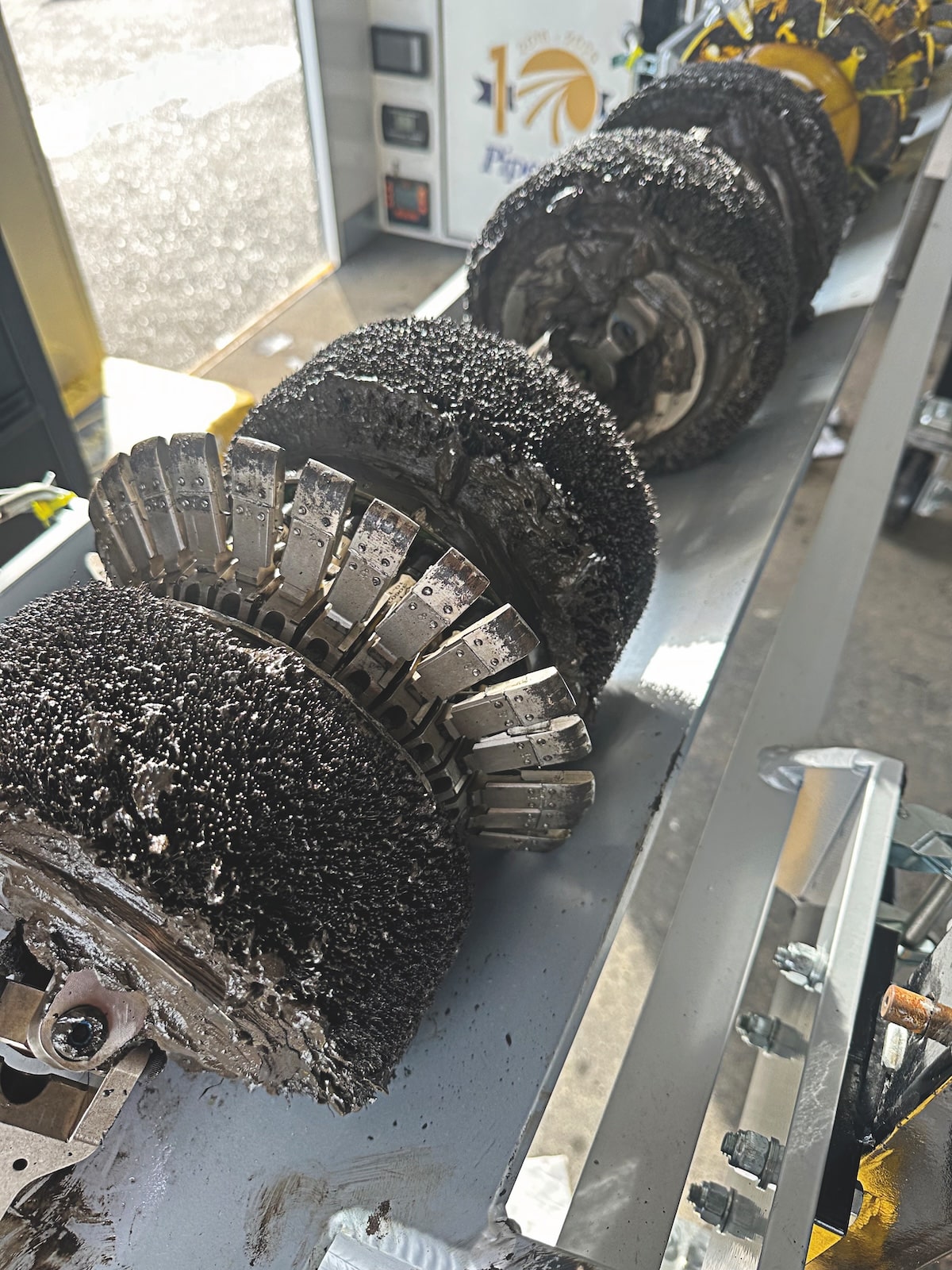
Is your pipeline ready for ILI?

Signal strongSource-grounded

What happened

Pipe Tek explains that accurate inline inspection depends on thorough pipeline preparation and that inadequate cleaning commonly leads to reruns and delays. The article highlights pigging debris volumes and required tool speed windows as concrete readiness checks; insist on pigging logs and debris metrics before tool mobilisation

Buyer takeaway

Require pigging reports, debris thresholds and speed‑window confirmation as pre‑mobilisation deliverables to reduce rerun risk

Cost / money

Directional: insufficient cleaning directly increases contractor days and rework budgets due to reruns

Supplier / commercial

Inspectors may push staged acceptance and shorten quote validity if demand for tools rises; capture readiness as a contractual gating item

Safety / operations

Incomplete cleaning increases onsite handling tasks and confined‑space exposure; require safe cleaning methods and certification

What to watch

Watch pigging return logs and insist on defined speed windows and debris thresholds in the SOW; absence is a red flag for reruns

Key facts

  • Pigging debris volume is the primary field indicator of readiness
  • Inspection tools must operate within defined speed ranges to collect accurate data
  • Poor prep commonly forces re‑cleans and reruns

Source excerpts

These conditions not only increase operational risk but can also affect tool performance and data resolution
“Consistent speed during preparation runs is one of the strongest indicators of inspection readiness. ” Pressure fluctuations during pigging are often a result of partial blockages or debris in front of the tool
“If cleaning pigs can’t travel smoothly, an ILI tool is unlikely to perform optimally,” said Brannelly. “Consistent speed during preparation runs is one of the strongest indicators of inspection readiness
Story 2The Australian PipelinerApr 27, 2026

Laying it on the line

Signal moderateDirectional

What happened

Pipeline Plant Hire (PPH) describes a national fleet and specialised handlers (VacLift) that speed pipe assembly and reduce ground‑crew exposure. The article emphasises scale and cycle‑time benefits which make owned‑plant suppliers operationally decisive; verify availability and operator competency before awarding mobilisation contracts

Buyer takeaway

Score for proven fleet capacity, declared attachments and operator competence when evaluating mobilisation bids

Cost / money

Owned plant can reduce onsite labour but introduce premiums for mobilisation and short‑notice allocation

Supplier / commercial

Vendors with large fleets may shorten quote validity and add staged delivery clauses to protect slots

Safety / operations

Mechanised handlers reduce manual handling risks but demand certified operators and maintenance regimes

What to watch

Request declared mobilisation lead times, attachment lists and operator competency evidence to avoid last‑minute pass‑through claims

Key facts

  • National equipment fleet and more than 200 pieces of machinery reported
  • VacLift handles heavy pipe in‑situ and reduces ground‑crew need
  • VacLift cycle time per pipe joint is materially shorter than conventional manual methods

Source excerpts

Pipeline Plant Hire’s Director, Gerard O’Brien said vacuum pipe handling equipment creates distance between workers and the pipe itself, reducing the risk of injury and dramatically reducing the cycle time for each pipe movement. “VacLift achieves three times the output of other pipeline lifting methods, giving the operator complete control of the pipe’s movement,” he said
” Raising lengths of polyethylene or steel pipe weighing up to 15 tonnes, VacLift enables the assembly of pipes in-situ through use of a guidance system that makes the presence of ground crew unnecessary
Pipeline Plant Hire machinery is designed to be simple, serviceable, and robust
Story 3The Australian PipelinerApr 27, 2026

The regulatory avalanche

Signal moderateDirectional

What happened

Industry commentary warns the LT RSA proposal to let AEMO intervene or invest in gas infrastructure could change investment incentives and reduce appetite for long foundation contracts. The piece argues regulatory uncertainty can raise risk premiums and slow contracting; monitor consultation activity for shifts in supplier willingness to commit long term

Buyer takeaway

Treat regulatory consultation as a factor in long‑term contracting strategy; avoid locking into overly rigid terms if policy change is plausible

Cost / money

Regulatory uncertainty can be priced into bids via higher cost of capital assumptions

Supplier / commercial

Shippers and developers may delay or weaken foundation contracts in expectation of alternative AEMO‑backed options

Safety / operations

Not directly operational, but policy shifts can change programme sequencing or funding for resilience works

What to watch

Monitor consultation timelines and industry responses; preliminary policy moves can reshape bid behaviour

Key facts

  • Policy discussion centres on the Long‑Term Reliability and Supply Adequacy Tool (LT RSA)
  • Commentary links the proposal to higher risk premiums and longer negotiation cycles
  • Regulatory change is framed as able to reshape foundation contract willingness

Source excerpts

This increases the cost of capital and reduces FID likelihood – exactly the opposite of the intended effect. The cost of getting it wrong Australia’s gas infrastructure has been built through private investment responding to market signals – a model that has delivered world-class reliability at competitive cost
The result is predictable: higher risk premiums, increased cost of capital, and reduced appetite for investment
Its mere existence will materially alter commercial behaviour in predictable ways. First, shippers may delay or weaken foundation contracts in anticipation of AEMO support that could enhance their commercial position
Story 4The Australian PipelinerMay 11, 2026

Pre-orders now open for Acrobat iSeries

Signal moderateDirectional

What happened

McElroy opened pre‑orders for the Acrobat iSeries fusion machine, which includes FusionGuide operator assistance and an integrated DataLogger to capture joint records. The machine makes machine‑generated acceptance evidence easier to demand; specify acceptable data formats, retention and ownership to avoid vendor lock‑in or access disputes

Buyer takeaway

Require defined data deliverables, formats and ownership for fusion records in RFQs to avoid disputes and subscription surprises

Cost / money

Machine‑captured evidence may reduce inspection labour but can become a gating commercial requirement vendors use for premium pricing

Supplier / commercial

Vendors offering datalogging can bundle support or subscription services; clarify pass‑throughs and access rights

Safety / operations

Operator guidance features can reduce human error but create dependency on vendor software and data integrity

What to watch

Specify retention, format and ownership of datalog records in RFQs to prevent surprise subscription or access costs

Key facts

  • Acrobat iSeries includes integrated DataLogger and FusionGuide operator assistance
  • Machine records fusion steps and joint data for traceability
  • Pre‑orders indicate vendor intent to push datalogged acceptance workflows

Source excerpts

Integrated tools allow operators, managers, owners, and inspectors to have confidence that every joint is in adherence to industry standards and fused correctly before the line goes into service – with the documentation to back it up. FusionGuide™ control system Integrated software guides the user through every step of the fusion – offering three levels of machine control – from manual to fully automatic fusion
Why choose the new Acrobat iSeries?
Pre-orders are now open for McElroy’s new Acrobat iSeries fusion machine

VP Snapshot

Executive Risk & Action View

Poor pipeline preparation for inline inspection (ILI) is a measurable cost and schedule risk: insufficient pigging or debris returns commonly force re‑cleans and reruns that increase contractor days and delay handovers.

Overall
42
Cost
97
Supply
79
Schedule
38
Compliance
35

Top signals

30-180dcost

Signal 1: Cost / money

ILI reruns and re‑cleans are direct cost drivers: poor pipeline prep translates into extra contractor days and unplanned cleaning budgets that erode contingency.

Signal 2: Cost / money

Owned heavy‑plant suppliers can embed mobilisation and short‑notice allocation premiums into day‑rates or add pass‑throughs for escorts and route surveys, lifting bid baselines.

180d+cost

Signal 3: Cost / money

Policy moves that increase regulatory intervention risk can raise suppliers’ cost of capital and encourage higher pricing or longer negotiation windows for multi‑year contracts.

30-180dcommercial

Signal 4: Supplier / commercial

Vendors offering integrated fusion machines or datalogging can commercialise traceable joint records and position them as gating acceptance deliverables.

30-180dsupply

Signal 5: Supplier / commercial

Inspection contractors may tighten quote validity and stage deliveries to protect scarce ILI slots; this shifts negotiation leverage toward capacity‑rich providers.

Signal 6: Supplier / commercial

Owned fleet vendors can demand staged delivery clauses or shorter validity windows to lock allocation for large regional programmes.

Recommended actions

CategoryDue 3d

Ask shortlisted inspection suppliers for written cleaning acceptance criteria, pigging‑debris thresholds and expected tool speed windows.

Supplier register with documented cleaning acceptance criteria and a shortlist of vendors meeting readiness standards

CategoryDue 3d

Request declared equipment lists, operator competency evidence and mobilisation lead times from key plant hire vendors (including VacLift capabilities) before finalising mobilis...

Updated mobilisation plan showing declared equipment availability and typical lead windows for scoring and contingency planning

ContractsDue 21d

Direct Contracts to add minimum quote‑validity periods and explicit caps or approval steps for mobilisation pass‑throughs into RFQs and draft contracts.

Revised RFQ/contract template that limits surprise mobilisation charges and enables fair scoring on quote validity

OpsDue 21d

Ops to publish an ILI readiness checklist (pigging logs, debris metrics, speed windows, and cleaning acceptance evidence) and require it as a pre‑mobilisation deliverable.

Commercially enforceable ILI readiness checklist required before tool mobilisation, reducing rework and unexpected cleaning spend

CategoryDue 60d

Run a supplier allocation and capability mapping exercise focused on owned heavy plant, fusion machines with datalogging, and ILI tool access to inform framework agreements or c...

Capability matrix and shortlist of suppliers with verified owned plant or datalogging capability and proposed framework terms for mobilisation and data delivery

LegalDue 60d

Have Legal review long‑form foundation contract clauses and termination/assignment terms to assess exposure to regulatory intervention and add contingency language for policy sh...

Updated contract playbook with fallback clauses addressing regulatory intervention risk and guidance for negotiating longer‑term commitments

Risk register

RiskTriggerMitigation
Watch for suppliers shortening quote validity or adding staged‑delivery clauses to protect allocation — these affect award scoring and contingency exposure.Watch for suppliers shortening quote validity or adding staged‑delivery clauses to protect allocation — these affect award scoring and contingency exposure.Confirm exposure with category, contracts, and operations before the next supplier commitment.
Monitor pigging return volumes and tool speed windows as immediate readiness signals; persistent debris on pig runs is a reliable trigger for cleaning reruns and budget uplift.Monitor pigging return volumes and tool speed windows as immediate readiness signals; persistent debris on pig runs is a reliable trigger for cleaning reruns and budget uplift.Confirm exposure with category, contracts, and operations before the next supplier commitment.
Track LT RSA consultation milestones: early policy movement could alter supplier willingness to sign long foundation contracts and change commercial posture.Track LT RSA consultation milestones: early policy movement could alter supplier willingness to sign long foundation contracts and change commercial posture.Confirm exposure with category, contracts, and operations before the next supplier commitment.

CM Snapshot

Category Manager Decision Detail

Today's priorities

Ask shortlisted inspection suppliers for written cleaning acceptance criteria, pigging‑debris thresholds and expected tool speed windows.

Act because the cited source changes the timing, capacity, or commercial assumptions behind the next sourcing decision.

Due 3d

high

CM move

Use this as the immediate supplier or contract action to move before the next sourcing gate.

Request declared equipment lists, operator competency evidence and mobilisation lead times from key plant hire vendors (including VacLift capabilities) before finalising mobilis...

because Article 2 indicates owned fleets create allocation pressure, documented availability prevents schedule surprises and limits pass‑through exposure.

Due 3d

high

CM move

Use this as the immediate supplier or contract action to move before the next sourcing gate.

Direct Contracts to add minimum quote‑validity periods and explicit caps or approval steps for mobilisation pass‑throughs into RFQs and draft contracts.

Act because the cited source changes the timing, capacity, or commercial assumptions behind the next sourcing decision.

Due 21d

high

CM move

Use this as the immediate supplier or contract action to move before the next sourcing gate.

Ops to publish an ILI readiness checklist (pigging logs, debris metrics, speed windows, and cleaning acceptance evidence) and require it as a pre‑mobilisation deliverable.

Act because the cited source changes the timing, capacity, or commercial assumptions behind the next sourcing decision.

Due 21d

high

CM move

Use this as the immediate supplier or contract action to move before the next sourcing gate.

Supplier radar

The Australian Pipeliner

high

Observed supplier signal

Vendors offering integrated fusion machines or datalogging can commercialise traceable joint records and position them as gating acceptance deliverables.

Commercial implication

Vendors offering integrated fusion machines or datalogging can commercialise traceable joint records and position them as gating acceptance deliverables.

Next step: Validate the source-backed signal with incumbents and alternates before the next award or pricing decision.

The Australian Pipeliner

high

Observed supplier signal

Inspection contractors may tighten quote validity and stage deliveries to protect scarce ILI slots; this shifts negotiation leverage toward capacity‑rich providers.

Commercial implication

Inspection contractors may tighten quote validity and stage deliveries to protect scarce ILI slots; this shifts negotiation leverage toward capacity‑rich providers.

Next step: Validate the source-backed signal with incumbents and alternates before the next award or pricing decision.

The Australian Pipeliner

high

Observed supplier signal

Owned fleet vendors can demand staged delivery clauses or shorter validity windows to lock allocation for large regional programmes.

Commercial implication

Owned fleet vendors can demand staged delivery clauses or shorter validity windows to lock allocation for large regional programmes.

Next step: Validate the source-backed signal with incumbents and alternates before the next award or pricing decision.

Negotiation levers

Ask shortlisted inspection suppliers for written cleaning acceptance criteria, pigging‑debris thresholds and expected tool speed windows.

When to use: Act because the cited source changes the timing, capacity, or commercial assumptions behind the next sourcing decision.

Expected outcome: Supplier register with documented cleaning acceptance criteria and a shortlist of vendors meeting readiness standards

Commercial mechanism to carry into the next supplier conversation

Request declared equipment lists, operator competency evidence and mobilisation lead times from key plant hire vendors (including VacLift capabilities) before finalising mobilis...

When to use: because Article 2 indicates owned fleets create allocation pressure, documented availability prevents schedule surprises and limits pass‑through exposure.

Expected outcome: Updated mobilisation plan showing declared equipment availability and typical lead windows for scoring and contingency planning

Commercial mechanism to carry into the next supplier conversation

Direct Contracts to add minimum quote‑validity periods and explicit caps or approval steps for mobilisation pass‑throughs into RFQs and draft contracts.

When to use: Act because the cited source changes the timing, capacity, or commercial assumptions behind the next sourcing decision.

Expected outcome: Revised RFQ/contract template that limits surprise mobilisation charges and enables fair scoring on quote validity

Commercial mechanism to carry into the next supplier conversation

Ops to publish an ILI readiness checklist (pigging logs, debris metrics, speed windows, and cleaning acceptance evidence) and require it as a pre‑mobilisation deliverable.

When to use: Act because the cited source changes the timing, capacity, or commercial assumptions behind the next sourcing decision.

Expected outcome: Commercially enforceable ILI readiness checklist required before tool mobilisation, reducing rework and unexpected cleaning spend

Commercial mechanism to carry into the next supplier conversation

Talking points

Poor pipeline preparation for inline inspection (ILI) is a measurable cost and schedule risk: insufficient pigging or debris returns commonly force re‑cleans and reruns that increase contractor days and delay handovers.
Owned heavy‑plant fleets and specialised handlers (e.g., VacLift) change mobilisation leverage — vendors with equipment can shorten quote validity, prioritise slots, and push mobilisation pass‑throughs into awards.
Regulatory debate around giving AEMO intervention/investment powers is shifting counterparty incentives for long foundation contracts and can extend negotiation timelines and pricing expectations.
New fusion machines with integrated datalogging make machine‑generated joint records likely to become acceptance evidence — buyers should set format and ownership expectations up front.

Supplier radar

SupplierSignalImplicationNext stepConfidence
The Australian PipelinerVendors offering integrated fusion machines or datalogging can commercialise traceable joint records and position them as gating acceptance deliverables.Vendors offering integrated fusion machines or datalogging can commercialise traceable joint records and position them as gating acceptance deliverables.Validate the source-backed signal with incumbents and alternates before the next award or pricing decision.high
The Australian PipelinerInspection contractors may tighten quote validity and stage deliveries to protect scarce ILI slots; this shifts negotiation leverage toward capacity‑rich providers.Inspection contractors may tighten quote validity and stage deliveries to protect scarce ILI slots; this shifts negotiation leverage toward capacity‑rich providers.Validate the source-backed signal with incumbents and alternates before the next award or pricing decision.high
The Australian PipelinerOwned fleet vendors can demand staged delivery clauses or shorter validity windows to lock allocation for large regional programmes.Owned fleet vendors can demand staged delivery clauses or shorter validity windows to lock allocation for large regional programmes.Validate the source-backed signal with incumbents and alternates before the next award or pricing decision.high

Negotiation levers

  • Ask shortlisted inspection suppliers for written cleaning acceptance criteria, pigging‑debris thresholds and expected tool speed windows.Act because the cited source changes the timing, capacity, or commercial assumptions behind the next sourcing decision.Supplier register with documented cleaning acceptance criteria and a shortlist of vendors meeting readiness standards

    high confidence

  • Request declared equipment lists, operator competency evidence and mobilisation lead times from key plant hire vendors (including VacLift capabilities) before finalising mobilis...because Article 2 indicates owned fleets create allocation pressure, documented availability prevents schedule surprises and limits pass‑through exposure.Updated mobilisation plan showing declared equipment availability and typical lead windows for scoring and contingency planning

    high confidence

  • Direct Contracts to add minimum quote‑validity periods and explicit caps or approval steps for mobilisation pass‑throughs into RFQs and draft contracts.Act because the cited source changes the timing, capacity, or commercial assumptions behind the next sourcing decision.Revised RFQ/contract template that limits surprise mobilisation charges and enables fair scoring on quote validity

    high confidence

  • Ops to publish an ILI readiness checklist (pigging logs, debris metrics, speed windows, and cleaning acceptance evidence) and require it as a pre‑mobilisation deliverable.Act because the cited source changes the timing, capacity, or commercial assumptions behind the next sourcing decision.Commercially enforceable ILI readiness checklist required before tool mobilisation, reducing rework and unexpected cleaning spend

    high confidence

What to do / What to watch

What to do now

  • Ask shortlisted inspection suppliers for written cleaning acceptance criteria, pigging‑debris thresholds and expected tool speed windows.

    Why: Act because the cited source changes the timing, capacity, or commercial assumptions behind the next sourcing decision.

    Owner: Category

    Expected outcome: Supplier register with documented cleaning acceptance criteria and a shortlist of vendors meeting readiness standards

    [2]
  • Request declared equipment lists, operator competency evidence and mobilisation lead times from key plant hire vendors (including VacLift capabilities) before finalising mobilis...

    Why: because Article 2 indicates owned fleets create allocation pressure, documented availability prevents schedule surprises and limits pass‑through exposure.

    Owner: Category

    Expected outcome: Updated mobilisation plan showing declared equipment availability and typical lead windows for scoring and contingency planning

    [4]

Next few weeks

  • Direct Contracts to add minimum quote‑validity periods and explicit caps or approval steps for mobilisation pass‑throughs into RFQs and draft contracts.

    Why: Act because the cited source changes the timing, capacity, or commercial assumptions behind the next sourcing decision.

    Owner: Contracts

    Expected outcome: Revised RFQ/contract template that limits surprise mobilisation charges and enables fair scoring on quote validity

    [4][2]
  • Ops to publish an ILI readiness checklist (pigging logs, debris metrics, speed windows, and cleaning acceptance evidence) and require it as a pre‑mobilisation deliverable.

    Why: Act because the cited source changes the timing, capacity, or commercial assumptions behind the next sourcing decision.

    Owner: Ops

    Expected outcome: Commercially enforceable ILI readiness checklist required before tool mobilisation, reducing rework and unexpected cleaning spend

    [2]

Longer view

  • Run a supplier allocation and capability mapping exercise focused on owned heavy plant, fusion machines with datalogging, and ILI tool access to inform framework agreements or c...

    Why: Act because the cited source changes the timing, capacity, or commercial assumptions behind the next sourcing decision.

    Owner: Category

    Expected outcome: Capability matrix and shortlist of suppliers with verified owned plant or datalogging capability and proposed framework terms for mobilisation and data delivery

    [4][1]
  • Have Legal review long‑form foundation contract clauses and termination/assignment terms to assess exposure to regulatory intervention and add contingency language for policy sh...

    Why: Act because the cited source changes the timing, capacity, or commercial assumptions behind the next sourcing decision.

    Owner: Legal

    Expected outcome: Updated contract playbook with fallback clauses addressing regulatory intervention risk and guidance for negotiating longer‑term commitments

    [3]

What to watch

  • Watch for suppliers shortening quote validity or adding staged‑delivery clauses to protect allocation — these affect award scoring and contingency exposure
  • Monitor pigging return volumes and tool speed windows as immediate readiness signals; persistent debris on pig runs is a reliable trigger for cleaning reruns and budget uplift
  • Track LT RSA consultation milestones: early policy movement could alter supplier willingness to sign long foundation contracts and change commercial posture
  • Watch for suppliers shortening quote validity or adding staged‑delivery clauses to protect allocation — these affect award scoring and contingency exposure.: Watch for suppliers shortening quote validity or adding staged‑delivery clauses to protect allocation — these affect award scoring and contingency exposure
  • Monitor pigging return volumes and tool speed windows as immediate readiness signals; persistent debris on pig runs is a reliable trigger for cleaning reruns and budget uplift.: Monitor pigging return volumes and tool speed windows as immediate readiness signals; persistent debris on pig runs is a reliable trigger for cleaning reruns and budget uplift
  • Track LT RSA consultation milestones: early policy movement could alter supplier willingness to sign long foundation contracts and change commercial posture.: Track LT RSA consultation milestones: early policy movement could alter supplier willingness to sign long foundation contracts and change commercial posture
  • Poor pipeline preparation for inline inspection (ILI) is a measurable cost and schedule risk: insufficient pigging or debris returns commonly force re‑cleans and reruns that increase contractor days and delay handovers
  • Owned heavy‑plant fleets and specialised handlers (e.g., VacLift) change mobilisation leverage — vendors with equipment can shorten quote validity, prioritise slots, and push mobilisation pass‑throughs into awards

Market pulse

IndexLatestChangeAs of
HRC Steel (HRC)740 /ton+0.00 (+0.00%)May 18, 2026, 10:11 PM
Copper (COPPER)3.85 /lb+0.00 (+0.00%)May 18, 2026, 10:11 PM
Iron Ore (IRON)108.5 /t+0.00 (+0.00%)May 18, 2026, 10:11 PM
Tenaris (TS)32 +0.00 (+0.00%)May 18, 2026, 10:11 PM
  • HRC Steel: HRC steel movements influence OCTG coil and plate supply cost and availability — relevant when negotiating mobilisation pass‑throughs for fabrication and heavy plant works
  • Tenaris: Tenaris (OCTG supplier index) sentiment affects supplier pricing posture for tubular goods and long‑lead items used in wells and pipeline programmes

Sources

Inline citations jump here. Expand a source to read the excerpt, the AI interpretation, and the original link.

[1] Pre-orders now open for Acrobat iSeries

pipeliner.com.au · May 11, 2026

Expand

AI reading

McElroy opened pre‑orders for the Acrobat iSeries fusion machine, which includes FusionGuide operator assistance and an integrated DataLogger to capture joint records. The machine makes machine‑generated acceptance evidence easier to demand; specify acceptable data formats, retention and ownership to avoid vendor lock‑in or access disputes

Buyer takeaway

Require defined data deliverables, formats and ownership for fusion records in RFQs to avoid disputes and subscription surprises

Cost / money

Machine‑captured evidence may reduce inspection labour but can become a gating commercial requirement vendors use for premium pricing

Supplier / commercial

Vendors offering datalogging can bundle support or subscription services; clarify pass‑throughs and access rights

Safety / operations

Operator guidance features can reduce human error but create dependency on vendor software and data integrity

What to watch

Specify retention, format and ownership of datalog records in RFQs to prevent surprise subscription or access costs

Key facts

  • Acrobat iSeries includes integrated DataLogger and FusionGuide operator assistance
  • Machine records fusion steps and joint data for traceability
  • Pre‑orders indicate vendor intent to push datalogged acceptance workflows

Source excerpts

Integrated tools allow operators, managers, owners, and inspectors to have confidence that every joint is in adherence to industry standards and fused correctly before the line goes into service – with the documentation to back it up. FusionGuide™ control system Integrated software guides the user through every step of the fusion – offering three levels of machine control – from manual to fully automatic fusion
Why choose the new Acrobat iSeries?
Pre-orders are now open for McElroy’s new Acrobat iSeries fusion machine

Used in this brief

  • Supplier / commercial: Vendors offering integrated fusion machines or datalogging can commercialise traceable joint records and position them as gating acceptance deliverables
  • Flagged regulatory risk from the AEMO LT RSA debate as a new vector that could change supplier willingness on long tenors (new source: Article 3)
  • Noted pre‑orders for fusion machines with integrated datalogging that raise acceptance evidence requirements beyond inspection preparedness (new source: Article 7)
Open original source

[2] Is your pipeline ready for ILI?

pipeliner.com.au · Apr 27, 2026

Expand

AI reading

Pipe Tek explains that accurate inline inspection depends on thorough pipeline preparation and that inadequate cleaning commonly leads to reruns and delays. The article highlights pigging debris volumes and required tool speed windows as concrete readiness checks; insist on pigging logs and debris metrics before tool mobilisation

Buyer takeaway

Require pigging reports, debris thresholds and speed‑window confirmation as pre‑mobilisation deliverables to reduce rerun risk

Cost / money

Directional: insufficient cleaning directly increases contractor days and rework budgets due to reruns

Supplier / commercial

Inspectors may push staged acceptance and shorten quote validity if demand for tools rises; capture readiness as a contractual gating item

Safety / operations

Incomplete cleaning increases onsite handling tasks and confined‑space exposure; require safe cleaning methods and certification

What to watch

Watch pigging return logs and insist on defined speed windows and debris thresholds in the SOW; absence is a red flag for reruns

Key facts

  • Pigging debris volume is the primary field indicator of readiness
  • Inspection tools must operate within defined speed ranges to collect accurate data
  • Poor prep commonly forces re‑cleans and reruns

Source excerpts

These conditions not only increase operational risk but can also affect tool performance and data resolution
“Consistent speed during preparation runs is one of the strongest indicators of inspection readiness. ” Pressure fluctuations during pigging are often a result of partial blockages or debris in front of the tool
“If cleaning pigs can’t travel smoothly, an ILI tool is unlikely to perform optimally,” said Brannelly. “Consistent speed during preparation runs is one of the strongest indicators of inspection readiness

Used in this brief

  • Safety / operations: Dependence on machine‑generated fusion records creates operational risk if data ownership, retention or verification are unclear; specify these in handover to avoid operational gaps
  • What to watch: Monitor pigging return volumes and tool speed windows as immediate readiness signals; persistent debris on pig runs is a reliable trigger for cleaning reruns and budget uplift
  • Next 72 hours — Ask shortlisted inspection suppliers for written cleaning acceptance criteria, pigging‑debris thresholds and expected tool speed windows.. Rationale: Act because the cited source changes the timing, capacity, or commercial assumptions behind the next sourcing decision.. Owner: Category. KPI: Supplier register with documented cleaning acceptance criteria and a shortlist of vendors meeting readiness standards
Open original source

[3] The regulatory avalanche

pipeliner.com.au · Apr 27, 2026

Expand

AI reading

Industry commentary warns the LT RSA proposal to let AEMO intervene or invest in gas infrastructure could change investment incentives and reduce appetite for long foundation contracts. The piece argues regulatory uncertainty can raise risk premiums and slow contracting; monitor consultation activity for shifts in supplier willingness to commit long term

Buyer takeaway

Treat regulatory consultation as a factor in long‑term contracting strategy; avoid locking into overly rigid terms if policy change is plausible

Cost / money

Regulatory uncertainty can be priced into bids via higher cost of capital assumptions

Supplier / commercial

Shippers and developers may delay or weaken foundation contracts in expectation of alternative AEMO‑backed options

Safety / operations

Not directly operational, but policy shifts can change programme sequencing or funding for resilience works

What to watch

Monitor consultation timelines and industry responses; preliminary policy moves can reshape bid behaviour

Key facts

  • Policy discussion centres on the Long‑Term Reliability and Supply Adequacy Tool (LT RSA)
  • Commentary links the proposal to higher risk premiums and longer negotiation cycles
  • Regulatory change is framed as able to reshape foundation contract willingness

Source excerpts

This increases the cost of capital and reduces FID likelihood – exactly the opposite of the intended effect. The cost of getting it wrong Australia’s gas infrastructure has been built through private investment responding to market signals – a model that has delivered world-class reliability at competitive cost
The result is predictable: higher risk premiums, increased cost of capital, and reduced appetite for investment
Its mere existence will materially alter commercial behaviour in predictable ways. First, shippers may delay or weaken foundation contracts in anticipation of AEMO support that could enhance their commercial position

Used in this brief

  • Cost / money: ILI reruns and re‑cleans are direct cost drivers: poor pipeline prep translates into extra contractor days and unplanned cleaning budgets that erode contingency
  • Cost / money: Policy moves that increase regulatory intervention risk can raise suppliers’ cost of capital and encourage higher pricing or longer negotiation windows for multi‑year contracts
  • What to watch: Track LT RSA consultation milestones: early policy movement could alter supplier willingness to sign long foundation contracts and change commercial posture
Open original source

[4] Laying it on the line

pipeliner.com.au · Apr 27, 2026

Expand

AI reading

Pipeline Plant Hire (PPH) describes a national fleet and specialised handlers (VacLift) that speed pipe assembly and reduce ground‑crew exposure. The article emphasises scale and cycle‑time benefits which make owned‑plant suppliers operationally decisive; verify availability and operator competency before awarding mobilisation contracts

Buyer takeaway

Score for proven fleet capacity, declared attachments and operator competence when evaluating mobilisation bids

Cost / money

Owned plant can reduce onsite labour but introduce premiums for mobilisation and short‑notice allocation

Supplier / commercial

Vendors with large fleets may shorten quote validity and add staged delivery clauses to protect slots

Safety / operations

Mechanised handlers reduce manual handling risks but demand certified operators and maintenance regimes

What to watch

Request declared mobilisation lead times, attachment lists and operator competency evidence to avoid last‑minute pass‑through claims

Key facts

  • National equipment fleet and more than 200 pieces of machinery reported
  • VacLift handles heavy pipe in‑situ and reduces ground‑crew need
  • VacLift cycle time per pipe joint is materially shorter than conventional manual methods

Source excerpts

Pipeline Plant Hire’s Director, Gerard O’Brien said vacuum pipe handling equipment creates distance between workers and the pipe itself, reducing the risk of injury and dramatically reducing the cycle time for each pipe movement. “VacLift achieves three times the output of other pipeline lifting methods, giving the operator complete control of the pipe’s movement,” he said
” Raising lengths of polyethylene or steel pipe weighing up to 15 tonnes, VacLift enables the assembly of pipes in-situ through use of a guidance system that makes the presence of ground crew unnecessary
Pipeline Plant Hire machinery is designed to be simple, serviceable, and robust

Used in this brief

  • Next 72 hours — Request declared equipment lists, operator competency evidence and mobilisation lead times from key plant hire vendors (including VacLift capabilities) before finalising mobilis.... Rationale: because Article 2 indicates owned fleets create allocation pressure, documented availability prevents schedule surprises and limits pass‑through exposure.. Owner: Category. KPI: Updated mobilisation plan showing declared equipment availability and typical lead windows for scoring and contingency planning
  • Next 2-4 weeks — Direct Contracts to add minimum quote‑validity periods and explicit caps or approval steps for mobilisation pass‑throughs into RFQs and draft contracts.. Rationale: Act because the cited source changes the timing, capacity, or commercial assumptions behind the next sourcing decision.. Owner: Contracts. KPI: Revised RFQ/contract template that limits surprise mobilisation charges and enables fair scoring on quote validity
  • Next quarter — Run a supplier allocation and capability mapping exercise focused on owned heavy plant, fusion machines with datalogging, and ILI tool access to inform framework agreements or c.... Rationale: Act because the cited source changes the timing, capacity, or commercial assumptions behind the next sourcing decision.. Owner: Category. KPI: Capability matrix and shortlist of suppliers with verified owned plant or datalogging capability and proposed framework terms for mobilisation and data delivery
Open original source

[5] HRC Steel

cmegroup.com · n.d.

Expand

[6] Tenaris

finance.yahoo.com · n.d.

Expand