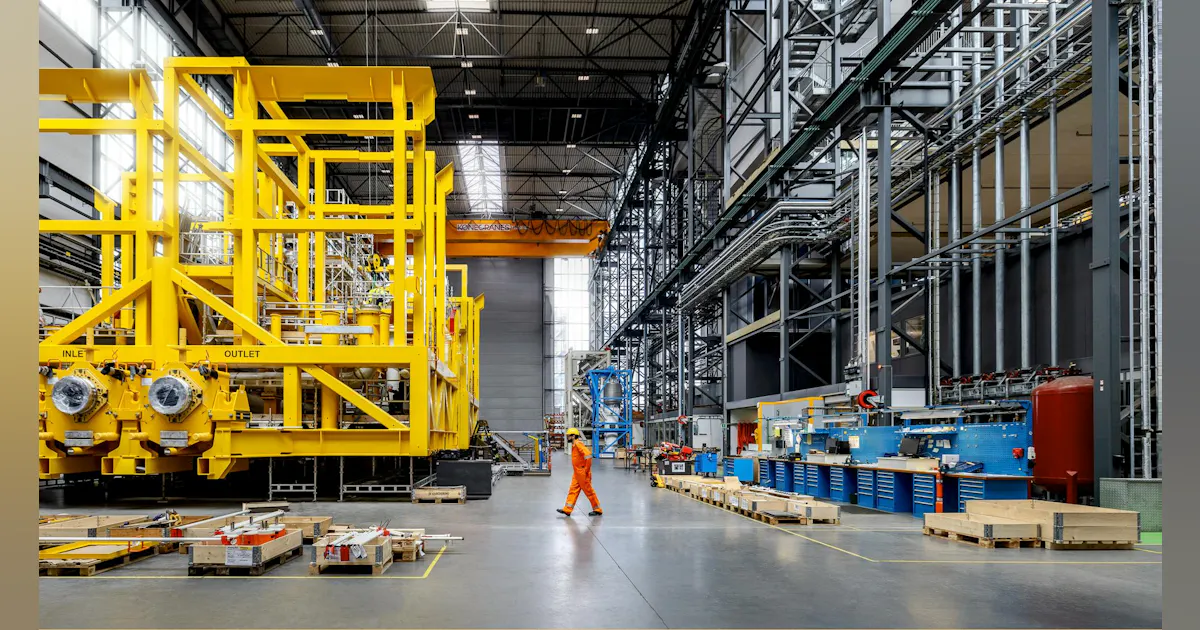
Subsea strategies shift toward tiebacks, standardization and all‑electric systems
What happened
Operators are shifting subsea project sanctioning toward campaign-style tiebacks, standardized configurable solutions and earlier contractor engagement. The article highlights that standardization and new contracting models reduce cost and speed delivery and that all‑electric architectures and digital tools are gaining traction. Watch supplier qualification and contracting models as repeatable tieback sequences firm up
Buyer takeaway
Treat tieback campaigns as sustained demand that will harden supplier scheduling and narrow quote windows; pre‑qualify module suppliers now
Cost / money
Cost reductions from standardization are real but expect spend to shift into qualification, FAT and staged delivery terms rather than pure fabrication discounts
Supplier / commercial
Suppliers that offer standard modules and repeatable delivery will gain schedule leverage and may push for shorter RFQ validity and staged payments
Safety / operations
All‑electric and standardized systems can reduce some failure modes but increase reliance on vendor FAT and data integrity; witnessed acceptance becomes critical
What to watch
Watch whether suppliers begin issuing narrow availability windows or require staged payments as campaigns are scheduled
Key facts
- Campaign-style tiebacks replacing many large greenfield scopes
- Standardized, configurable subsea solutions prioritized to reduce cost and speed
- All‑electric and hybrid subsea architectures gaining commercial interest
Source excerpts
All-electric and hybrid subsea architectures are gaining momentum
That in turn requires better data than many legacy systems were originally designed to provide, which is why we are seeing more emphasis on improving digital records and building a clearer picture of asset performance over time
In this exclusive Q&A with Offshore, OneSubsea CEO Mads Hjelmeland outlines how project sanctioning is shifting toward campaign-based tiebacks, where standardization and new contracting models are driving cost reductions, and why all-electric architectures, targeted digitalization and subsea processing are gaining traction