Operations & Maintenance Services · Australia (Perth)

Reposition O&M sourcing for new offshore partner and charter models

Published May 16, 2026, 6:04 AM AWSTAPACFull category signal
Ask AI
Inpex coming aboard Australia’s huge multibillion-dollar gas project

In 60 seconds

Top move

Inpex moving to acquire a large Browse stake changes who you’ll contract with and likely preserves long-term O&M demand on Western Australia offshore assets; expect counterparties and commercial terms to shift as approvals proceed

Key takeaways

  • Inpex moving to acquire a large Browse stake changes who you’ll contract with and likely preserves long-term O&M demand on Western Australia offshore assets; expect counterparties and commercial terms to shift as approvals proceed.[4]
  • Lease-and-operate financing for an FSO in Southeast Asia reinforces demand for long‑tenor charter support rather than capital sales — this favors suppliers that can offer crew, spare‑parts packages, and stable service-level contracts.[1]
  • An asset-light jack-up charter in Malaysia signals growing use of third‑party/chartered rigs and optional well programming, which raises the need for tighter mobilisation annexes, flexible labour plans, and clearer cancellation/pass‑through clauses in RFx documents.[2]
  • A large African gas FEED and development plan implies continued global fabrication and vessel demand that can compete for APAC suppliers and fabrication slots; relevance to local Australian O&M is indirect but material for global vessel and crew availability.[5]
  • Regulatory consent for a managed harsh‑environment semi‑submersible shows continued demand for managed rig services and heavy-lift vessel support — a reminder to check mobilisation and standby exposure on non‑owned rigs.[3]

What changed since last run

  • New counterparty movement: Inpex SPA on the Browse position creates a potential new joint‑venture partner in Australia that was not in the prior brief and may change operator approvals and O&M contracting paths (artic...
  • Different contracting model observed: Yinson/PTSC’s long‑tenor, lease‑and‑operate FSO financing introduces a finance-backed charter model to the region that shifts procurement focus from upfront capital purchase to lo...
  • Charter structure shift: Velesto’s asset‑light third‑party jack‑up charter shows increased use of charters over owned rigs in SE Asia, altering mobilisation and scheduling risk compared with prior emphasis on direct j...

Key facts

  • Semi‑submersible Deepsea Yantai (GM4D harsh environment)
  • Operating on Norwegian Continental Shelf assignments
  • Used by multiple operators for production drilling
  • Jack‑up provided under a charter arrangement
  • Scope includes plug‑and‑abandonment wells plus an exploration well and optional locations
  • Operations scheduled to start in May

Why it matters

Inpex moving to acquire a large Browse stake changes who you’ll contract with and likely preserves long-term O&M demand on Western Australia offshore assets; expect counterparties and commercial terms to shift as approvals proceed. Lease-and-operate financing for an FSO in Southeast Asia reinforces demand for long‑tenor charter support rather than capital sales — this favors suppliers that can offer crew, spare‑parts packages, and stable service-level contracts. An asset-light jack-up charter in Malaysia signals growing use of third‑party/chartered rigs and optional well programming, which raises the need for tighter mobilisation annexes, flexible labour plans, and clearer cancellation/pass‑through clauses in RFx documents. A large African gas FEED and development plan implies continued global fabrication and vessel demand that can compete for APAC suppliers and fabrication slots; relevance to local Australian O&M is indirect but material for global vessel and crew availability

Cost / money

  • Long‑tenor FSO financing reduces upfront capex for operators but can increase total lifecycle service pass‑throughs (crew, maintenance, spares) — buyers must budget ongoing service pass‑through exposure rather than one‑off vessel purchase costs.[1]
  • Third‑party/chartered rig usage tends to shorten quote validity and raise mobilisation premiums; expect suppliers to include mobilisation and cancellation annexes that shift near‑term cashflow to buyers if not negotiated.[2]

Supplier / commercial

  • A new major JV partner (Inpex) changes supplier engagement channels and approvals — contracts and preferred‑supplier lists may need updating to reflect new counterparty commercial and local‑content expectations.[4]
  • Long finance tenors for leased FSOs strengthen the commercial position of lease‑and‑operate vendors who can offer integrated crew and maintenance packages; this increases supplier leverage on multi‑year service scopes.[1]

Safety / operations

  • Managed harsh‑environment rigs continue to require robust HSE and logistics planning; when rigs are managed by third parties, clarity over HSE responsibilities, crew rotations, and shore support becomes operationally critical.[3]
  • Asset‑light contracts that include optional wells compress execution windows for mobilisation and local support teams; ensure Ops verifies crew fatigue mitigation and spare‑parts staging when optional work may be exercised.[2]

What to watch

  • Watch for changed approval conditions and local‑content obligations from new JV partners that can delay supplier onboarding or require re‑qualification of local vendors.[4]
  • Watch whether lease‑and‑operate FSO tenders include long pass‑through clauses or single‑supplier maintenance packages that lock buyers into specific global spares chains.[1]

Top stories

Story 1Offshore EnergyMay 15, 2026

DNO in the clear for drilling ops with Odfjell Drilling-managed rig

Signal moderateSource-grounded

What happened

Norway’s regulator approved DNO to use the Deepsea Yantai semi‑submersible for drilling at Marulk. The rig is a harsh‑environment GM4D unit managed by Odfjell and working with multiple operators, making it operationally real for managed‑rig logistics and heavy support needs. Watch for any mobilization or HSE handover requirements when non‑owned rigs enter multi‑operator schedules

Buyer takeaway

Treat non‑owned managed rigs as supply chains: confirm who carries mobilisation, standby, and HSE responsibilities before awarding related scopes

Cost / money

Managed rig use can shift cost exposure into mobilisation and shore‑support pass‑throughs if contracts leave those items vague

Supplier / commercial

Rig managers with multi‑operator schedules can demand tighter cancellation and mobilisation terms; they may provide less flexibility on last‑minute changes

Safety / operations

HSE handover and fatigue management are critical when crews rotate under different commercial managers; Ops must verify handover plans

What to watch

Verify contractual clarity on who supplies shore‑support, medevac, and heavy‑lift crane services for non‑owned rigs

Key facts

  • Semi‑submersible Deepsea Yantai (GM4D harsh environment)
  • Operating on Norwegian Continental Shelf assignments
  • Used by multiple operators for production drilling

Source excerpts

The 2019-built Deepsea Yantai GM4D harsh environment semi-submersible rig is owned by China’s CIMC and managed by Odfjell Drilling
The rig is working on the Norwegian Continental Shelf (NCS) on drilling assignments with DNO, Wellesley Petroleum, and Well Expertise. The 2019-built Deepsea Yantai GM4D harsh environment semi-submersible rig is owned by China’s CIMC and managed by Odfjell Drilling
Home Fossil Energy DNO in the clear for drilling ops with Odfjell Drilling-managed rig May 15, 2026, by Norway’s oil and gas player DNO has received the go-ahead from the country’s authorities for drilling activities in the Norwegian Sea with a semi-submersible rig managed by Odfjell Drilling, an offshore drilling contractor
Story 2Offshore EnergyMay 15, 2026

Velesto lines up multi-well offshore rig job in Southeast Asia

Signal strongSource-grounded

What happened

Velesto secured an asset‑light jack‑up charter for a Malaysian drilling campaign that includes multiple plug‑and‑abandonment wells and optional locations. Operations begin in May and the arrangement uses a third‑party rig under charter, which operationally tightens mobilisation windows and introduces optionality on scope. Watch whether option exercises force short‑notice mobilisation or shorten vendor quote validity

Buyer takeaway

Expect tighter mobilisation timelines and optional‑exercise risk with asset‑light charters; source mobilisation protections now

Cost / money

Charters can reduce operator capex but raise mobilisation premiums and short‑notice costs for service suppliers

Supplier / commercial

Vendors may shorten quote validity and add mobilisation/cancellation annexes when rigs are third‑party chartered

Safety / operations

Optional wells can compress crew rotation and maintenance windows—Ops must insist on fatigue and spare‑parts plans

What to watch

Confirm who pays for remobilisation if options are exercised and ensure cancellation windows are explicit in any charter‑backed RFx

Key facts

  • Jack‑up provided under a charter arrangement
  • Scope includes plug‑and‑abandonment wells plus an exploration well and optional locations
  • Operations scheduled to start in May

Source excerpts

” The Malaysian drilling player explains that operations are scheduled to begin in May 2026 across PM3 CAA and, if the optional wells are exercised, North Sabah, offshore Malaysia
Illustration; Source: Velesto Energy A new contract, which Velesto Energy secured with Hibiscus Oil & Gas through its wholly-owned subsidiary, Velesto Drilling, is said to mark the firm’s first contract utilizing a third-party jack-up rig under a charter arrangement. The deal enables the company to provide a jack-up rig for Hibiscus’ 2026 offshore drilling campaign in Malaysia, with the firm scope of work covering the drilling services of eight plug and abandonment (P&A) wells and one exploration well, alongsi
Home Fossil Energy Velesto lines up multi-well offshore rig job in Southeast Asia May 15, 2026, by Malaysia’s Velesto Energy, owner of premium jack-up rigs, has been hired to supply a jack-up rig for a drilling campaign off the coast of Malaysia, Southeast Asia. Illustration; Source: Velesto Energy A new contract, which Velesto Energy secured with Hibiscus Oil & Gas through its wholly-owned subsidiary, Velesto Drilling, is said to mark the firm’s first contract utilizing a third-party jack-up rig under a charte
Story 3Offshore EnergyMay 15, 2026

$7.5 billion gas project on Senegal’s development agenda

Signal limitedDirectional

What happened

Senegal’s state oil company outlined a multibillion‑dollar development plan for an offshore gas field and is advancing FEED activity. The plan signals sizeable upcoming demand in fabrication, FPSO/transport, and long‑lead SURF items. For APAC buyers this is an indirect supply‑pressure signal: global vessel and fabrication capacity could be drawn into new African projects, affecting availability and pricing

Buyer takeaway

Treat large non‑APAC projects as potential demand sinks for shared global services; check long‑lead vendor availability

Cost / money

Global CAPEX projects can push up day‑rates and fabrication premiums that cascade into O&M mobilisation costs

Supplier / commercial

Fabricators and vessel owners may reallocate capacity toward higher‑value FEED/execution work, shortening availability for lower‑priority bids

Safety / operations

Large FEED timelines can concentrate T&I windows; ensure HSE plans scale with contractor and vessel workload

What to watch

Monitor whether suppliers reassign scheduled vessels or fabrication slots to higher‑value projects, creating local schedule slips

Key facts

  • State‑led development moving into FEED
  • Significant investment required for field development
  • Project positioned to reduce import dependence for the host country

Source excerpts

5 billion gas project on Senegal’s development agenda May 15, 2026, by Société des Pétroles du Sénégal (Petrosen), Senegal’s state-owned oil and gas company, has shed light on the investment required to bring a deepwater gas field to life, which is estimated to hold recoverable resources of approximately 25 trillion cubic feet (tcf) of gas. FPSO Léopold Sédar Senghor (for illustration purposes); Source: Woodside Energy U
A new phase is beginning
Birame Souleye Diop, Senegal’s Minister of Energy, Petroleum and Mines, paid a working visit to Petrosen on April 30, 2026, to discuss projects, such as Yaakaar-Teranga
Story 4Offshore EnergyMay 15, 2026

Yinson Production and PTSC lock in financing for Southeast Asian gas project’s FSO

Signal strongSource-grounded

What happened

Yinson Production and PTSC secured long‑tenor bank financing for an FSO to serve a Vietnam gas project under a lease‑and‑operate model, with construction underway in China. The structure and long tenor make the FSO a service asset rather than a capital sale, pushing O&M concerns — crew, maintenance, spare chains — onto long‑term service agreements. Watch contract drafts for single‑supplier maintenance packages and spare‑parts pass‑through language

Buyer takeaway

Evaluate lease models on lifecycle service exposure and insist on spare‑parts and SLA clarity rather than only weekly charter rates

Cost / money

Operators save upfront capex but take on recurring service pass‑throughs that can escalate over the charter tenor

Supplier / commercial

Lessors can bundle maintenance and crew services and may resist unbundling; negotiate rights to audit maintenance and spares provisioning

Safety / operations

Long‑term charters require documented maintenance regimes and clear dry‑docking and inspection obligations to maintain uptime

What to watch

Watch for tender language that locks buyers into single‑supplier maintenance or unclear pass‑through escalation clauses

Key facts

  • Senior secured financing arranged for FSO construction
  • FSO destined for Vietnam Block B under a long firm charter
  • Construction underway in China with multi‑year delivery tenor

Source excerpts

Yinson Production emphasized: “We continue to see significant benefits in the lease-and-operate model for our clients: reducing upfront capital requirements while delivering compelling overall economics. “This transaction further demonstrates our ability to deliver tailored, long-term financing solutions for lease-and-operate projects, underpinned by our deep and diversified access to capital
FSO will work on Block B offshore Vietnam; Source: Yinson Production The JV partners have obtained a $131
With a maturity of 12 years post-delivery, aligned with the underlying project tenor, this financing facility, which was structured and arranged in-house, will partly finance the construction of the FSO. Yinson Production emphasized: “We continue to see significant benefits in the lease-and-operate model for our clients: reducing upfront capital requirements while delivering compelling overall economics
Story 5Offshore EnergyMay 15, 2026

Inpex coming aboard Australia’s huge multibillion-dollar gas project

Signal strongSource-grounded

What happened

Inpex has entered a sales and purchase agreement to acquire a significant participating interest in the Browse joint venture, subject to approvals. The move can change operator dynamics and local‑content expectations for WA projects, which becomes operationally real when approvals and JV sign‑offs begin. Watch regulatory conditions and JV approval timelines to understand when contractor lists and O&M scopes may need updating

Buyer takeaway

Start contingency onboarding for likely new JV partner approval processes to avoid procurement delays at tender time

Cost / money

New partners may impose different commercial terms or local‑content expectations that shift cost profiles for service delivery

Supplier / commercial

Expect re‑qualification requests and possible contract novation events; maintain relationships with both incumbent and potential new operators

Safety / operations

Operator change can trigger re‑assessments of HSE standards and contractor approvals—Ops should prepare to revalidate key HSE artifacts

What to watch

Monitor regulatory approval conditions that could impose new compliance or local‑content requirements on awarded contracts

Key facts

  • SPA signed for a large participating interest in Browse assets
  • Transaction completion conditional on regulatory and JV approvals
  • Browse fields intended to support long‑term Australian gas supply

Source excerpts

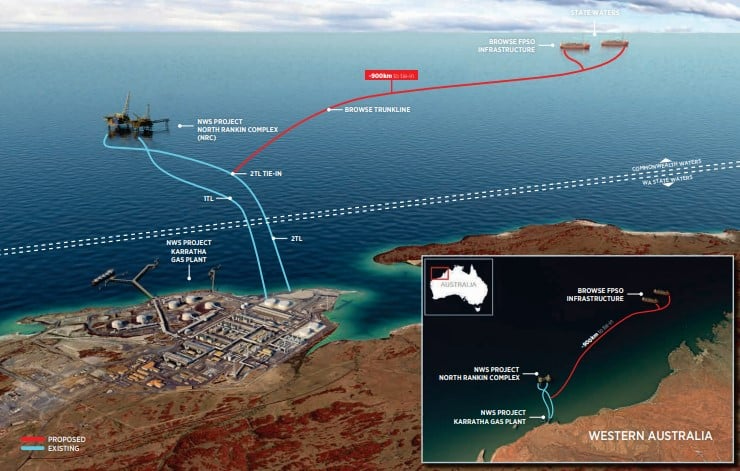
Home Fossil Energy Inpex coming aboard Australia’s huge multibillion-dollar gas project May 15, 2026, by Japan’s exploration and production (E&P) company Inpex has set the wheels in motion to join an offshore development project, which is described as Australia’s largest untapped conventional gas resource. Browse to North-West Shelf project development concept; Source: Woodside The Japanese player, through its subsidiary, Inpex Mirai Upstream, has entered into a sales and purchase agreement (SPA) to acquire a 10
The completion of the transaction is conditional on several matters, including regulatory and Browse joint venture approvals. The Browse fields, which were discovered between 1971 and 2000, are estimated to contain a combined contingent resource of about 13
Home Fossil Energy Inpex coming aboard Australia’s huge multibillion-dollar gas project May 15, 2026, by Japan’s exploration and production (E&P) company Inpex has set the wheels in motion to join an offshore development project, which is described as Australia’s largest untapped conventional gas resource

VP Snapshot

Executive Risk & Action View

Inpex moving to acquire a large Browse stake changes who you’ll contract with and likely preserves long-term O&M demand on Western Australia offshore assets; expect counterparties and commercial terms to shift as approvals proceed.

Overall
55
Cost
61
Supply
79
Schedule
38
Compliance
15

Top signals

30-180dcost

Signal 1: Cost / money

Long‑tenor FSO financing reduces upfront capex for operators but can increase total lifecycle service pass‑throughs (crew, maintenance, spares) — buyers must budget ongoing service pass‑through exposure rather than one‑off vessel purchase costs.

Signal 2: Cost / money

Third‑party/chartered rig usage tends to shorten quote validity and raise mobilisation premiums; expect suppliers to include mobilisation and cancellation annexes that shift near‑term cashflow to buyers if not negotiated.

30-180dcommercial

Signal 3: Supplier / commercial

A new major JV partner (Inpex) changes supplier engagement channels and approvals — contracts and preferred‑supplier lists may need updating to reflect new counterparty commercial and local‑content expectations.

30-180dsupply

Signal 4: Supplier / commercial

Long finance tenors for leased FSOs strengthen the commercial position of lease‑and‑operate vendors who can offer integrated crew and maintenance packages; this increases supplier leverage on multi‑year service scopes.

Signal 5: Safety / operations

Managed harsh‑environment rigs continue to require robust HSE and logistics planning; when rigs are managed by third parties, clarity over HSE responsibilities, crew rotations, and shore support becomes operationally critical.

Signal 6: Safety / operations

Asset‑light contracts that include optional wells compress execution windows for mobilisation and local support teams; ensure Ops verifies crew fatigue mitigation and spare‑parts staging when optional work may be exercised.

Recommended actions

CategoryDue 3d

Flag Browse counterparty change in project pipeline and update approval owners for operator engagement.

Project register reflects new counterparty path and identifies owners for operator approval tasks

ContractsDue 3d

Add an evaluation criterion for lease‑and‑operate models into upcoming O&M RFx templates.

RFx templates score lease models against service pass‑through, spare coverage, and termination terms

ContractsDue 21d

Require mobilisation and cancellation annexes in any rig or vessel RFx where third‑party charters or optional wells are possible.

RFx and frame agreements include clear mobilisation pricing, cancellation windows, and pass‑through clauses to limit buyer exposure

CategoryDue 21d

Map critical spare‑parts and crew supply chains for long‑tenor chartered FSOs and identify single‑source vulnerabilities.

List of critical spare items and single‑supplier risks with recommended contract protections for inclusion in SOWs

ContractsDue 60d

Review preferred‑supplier and pre‑qualification lists for Browse and other WA assets to reflect potential new JV partner requirements and local‑content expectations.

Pre‑qualification lists updated with new JV requirements and documented evidence checkpoints for local content and approvals

CategoryDue 60d

Build a sourcing playbook for chartered vessels that standardizes pass‑through terms, maintenance SLAs, and redelivery conditions for lease‑and‑operate units.

A charter sourcing playbook usable across RFx that standardizes financial pass‑throughs, SLA minima, and spare‑parts obligations

Risk register

RiskTriggerMitigation
Watch for changed approval conditions and local‑content obligations from new JV partners that can delay supplier onboarding or require re‑qualification of local vendors.Watch for changed approval conditions and local‑content obligations from new JV partners that can delay supplier onboarding or require re‑qualification of local vendors.Confirm exposure with category, contracts, and operations before the next supplier commitment.
Watch whether lease‑and‑operate FSO tenders include long pass‑through clauses or single‑supplier maintenance packages that lock buyers into specific global spares chains.Watch whether lease‑and‑operate FSO tenders include long pass‑through clauses or single‑supplier maintenance packages that lock buyers into specific global spares chains.Confirm exposure with category, contracts, and operations before the next supplier commitment.

CM Snapshot

Category Manager Decision Detail

Today's priorities

Flag Browse counterparty change in project pipeline and update approval owners for operator engagement.

Act because the cited source changes the timing, capacity, or commercial assumptions behind the next sourcing decision.

Due 3d

high

CM move

Use this as the immediate supplier or contract action to move before the next sourcing gate.

Add an evaluation criterion for lease‑and‑operate models into upcoming O&M RFx templates.

Act because the cited source changes the timing, capacity, or commercial assumptions behind the next sourcing decision.

Due 3d

high

CM move

Use this as the immediate supplier or contract action to move before the next sourcing gate.

Require mobilisation and cancellation annexes in any rig or vessel RFx where third‑party charters or optional wells are possible.

Act because the cited source changes the timing, capacity, or commercial assumptions behind the next sourcing decision.

Due 21d

high

CM move

Use this as the immediate supplier or contract action to move before the next sourcing gate.

Map critical spare‑parts and crew supply chains for long‑tenor chartered FSOs and identify single‑source vulnerabilities.

Act because the cited source changes the timing, capacity, or commercial assumptions behind the next sourcing decision.

Due 21d

high

CM move

Use this as the immediate supplier or contract action to move before the next sourcing gate.

Supplier radar

Offshore Energy

high

Observed supplier signal

A new major JV partner (Inpex) changes supplier engagement channels and approvals — contracts and preferred‑supplier lists may need updating to reflect new counterparty commercial and local‑content expectations.

Commercial implication

A new major JV partner (Inpex) changes supplier engagement channels and approvals — contracts and preferred‑supplier lists may need updating to reflect new counterparty commercial and local‑content expectations.

Next step: Validate the source-backed signal with incumbents and alternates before the next award or pricing decision.

Offshore Energy

high

Observed supplier signal

Long finance tenors for leased FSOs strengthen the commercial position of lease‑and‑operate vendors who can offer integrated crew and maintenance packages; this increases supplier leverage on multi‑year service scopes.

Commercial implication

Long finance tenors for leased FSOs strengthen the commercial position of lease‑and‑operate vendors who can offer integrated crew and maintenance packages; this increases supplier leverage on multi‑year service scopes.

Next step: Validate the source-backed signal with incumbents and alternates before the next award or pricing decision.

Negotiation levers

Flag Browse counterparty change in project pipeline and update approval owners for operator engagement.

When to use: Act because the cited source changes the timing, capacity, or commercial assumptions behind the next sourcing decision.

Expected outcome: Project register reflects new counterparty path and identifies owners for operator approval tasks

Commercial mechanism to carry into the next supplier conversation

Add an evaluation criterion for lease‑and‑operate models into upcoming O&M RFx templates.

When to use: Act because the cited source changes the timing, capacity, or commercial assumptions behind the next sourcing decision.

Expected outcome: RFx templates score lease models against service pass‑through, spare coverage, and termination terms

Commercial mechanism to carry into the next supplier conversation

Require mobilisation and cancellation annexes in any rig or vessel RFx where third‑party charters or optional wells are possible.

When to use: Act because the cited source changes the timing, capacity, or commercial assumptions behind the next sourcing decision.

Expected outcome: RFx and frame agreements include clear mobilisation pricing, cancellation windows, and pass‑through clauses to limit buyer exposure

Commercial mechanism to carry into the next supplier conversation

Map critical spare‑parts and crew supply chains for long‑tenor chartered FSOs and identify single‑source vulnerabilities.

When to use: Act because the cited source changes the timing, capacity, or commercial assumptions behind the next sourcing decision.

Expected outcome: List of critical spare items and single‑supplier risks with recommended contract protections for inclusion in SOWs

Commercial mechanism to carry into the next supplier conversation

Talking points

Inpex moving to acquire a large Browse stake changes who you’ll contract with and likely preserves long-term O&M demand on Western Australia offshore assets; expect counterparties and commercial terms to shift as approvals proceed.
Lease-and-operate financing for an FSO in Southeast Asia reinforces demand for long‑tenor charter support rather than capital sales — this favors suppliers that can offer crew, spare‑parts packages, and stable service-level contracts.
An asset-light jack-up charter in Malaysia signals growing use of third‑party/chartered rigs and optional well programming, which raises the need for tighter mobilisation annexes, flexible labour plans, and clearer cancellation/pass‑through clauses in RFx documents.
A large African gas FEED and development plan implies continued global fabrication and vessel demand that can compete for APAC suppliers and fabrication slots; relevance to local Australian O&M is indirect but material for global vessel and crew availability.

Supplier radar

SupplierSignalImplicationNext stepConfidence
Offshore EnergyA new major JV partner (Inpex) changes supplier engagement channels and approvals — contracts and preferred‑supplier lists may need updating to reflect new counterparty commercial and local‑content expectations.A new major JV partner (Inpex) changes supplier engagement channels and approvals — contracts and preferred‑supplier lists may need updating to reflect new counterparty commercial and local‑content expectations.Validate the source-backed signal with incumbents and alternates before the next award or pricing decision.high
Offshore EnergyLong finance tenors for leased FSOs strengthen the commercial position of lease‑and‑operate vendors who can offer integrated crew and maintenance packages; this increases supplier leverage on multi‑year service scopes.Long finance tenors for leased FSOs strengthen the commercial position of lease‑and‑operate vendors who can offer integrated crew and maintenance packages; this increases supplier leverage on multi‑year service scopes.Validate the source-backed signal with incumbents and alternates before the next award or pricing decision.high

Negotiation levers

  • Flag Browse counterparty change in project pipeline and update approval owners for operator engagement.Act because the cited source changes the timing, capacity, or commercial assumptions behind the next sourcing decision.Project register reflects new counterparty path and identifies owners for operator approval tasks

    high confidence

  • Add an evaluation criterion for lease‑and‑operate models into upcoming O&M RFx templates.Act because the cited source changes the timing, capacity, or commercial assumptions behind the next sourcing decision.RFx templates score lease models against service pass‑through, spare coverage, and termination terms

    high confidence

  • Require mobilisation and cancellation annexes in any rig or vessel RFx where third‑party charters or optional wells are possible.Act because the cited source changes the timing, capacity, or commercial assumptions behind the next sourcing decision.RFx and frame agreements include clear mobilisation pricing, cancellation windows, and pass‑through clauses to limit buyer exposure

    high confidence

  • Map critical spare‑parts and crew supply chains for long‑tenor chartered FSOs and identify single‑source vulnerabilities.Act because the cited source changes the timing, capacity, or commercial assumptions behind the next sourcing decision.List of critical spare items and single‑supplier risks with recommended contract protections for inclusion in SOWs

    high confidence

What to do / What to watch

What to do now

  • Flag Browse counterparty change in project pipeline and update approval owners for operator engagement.

    Why: Act because the cited source changes the timing, capacity, or commercial assumptions behind the next sourcing decision.

    Owner: Category

    Expected outcome: Project register reflects new counterparty path and identifies owners for operator approval tasks

    [4]
  • Add an evaluation criterion for lease‑and‑operate models into upcoming O&M RFx templates.

    Why: Act because the cited source changes the timing, capacity, or commercial assumptions behind the next sourcing decision.

    Owner: Contracts

    Expected outcome: RFx templates score lease models against service pass‑through, spare coverage, and termination terms

    [1]

Next few weeks

  • Require mobilisation and cancellation annexes in any rig or vessel RFx where third‑party charters or optional wells are possible.

    Why: Act because the cited source changes the timing, capacity, or commercial assumptions behind the next sourcing decision.

    Owner: Contracts

    Expected outcome: RFx and frame agreements include clear mobilisation pricing, cancellation windows, and pass‑through clauses to limit buyer exposure

    [2]
  • Map critical spare‑parts and crew supply chains for long‑tenor chartered FSOs and identify single‑source vulnerabilities.

    Why: Act because the cited source changes the timing, capacity, or commercial assumptions behind the next sourcing decision.

    Owner: Category

    Expected outcome: List of critical spare items and single‑supplier risks with recommended contract protections for inclusion in SOWs

    [1]

Longer view

  • Review preferred‑supplier and pre‑qualification lists for Browse and other WA assets to reflect potential new JV partner requirements and local‑content expectations.

    Why: Act because the cited source changes the timing, capacity, or commercial assumptions behind the next sourcing decision.

    Owner: Contracts

    Expected outcome: Pre‑qualification lists updated with new JV requirements and documented evidence checkpoints for local content and approvals

    [4]
  • Build a sourcing playbook for chartered vessels that standardizes pass‑through terms, maintenance SLAs, and redelivery conditions for lease‑and‑operate units.

    Why: Act because the cited source changes the timing, capacity, or commercial assumptions behind the next sourcing decision.

    Owner: Category

    Expected outcome: A charter sourcing playbook usable across RFx that standardizes financial pass‑throughs, SLA minima, and spare‑parts obligations

    [1]

What to watch

  • Watch for changed approval conditions and local‑content obligations from new JV partners that can delay supplier onboarding or require re‑qualification of local vendors
  • Watch whether lease‑and‑operate FSO tenders include long pass‑through clauses or single‑supplier maintenance packages that lock buyers into specific global spares chains
  • Watch for changed approval conditions and local‑content obligations from new JV partners that can delay supplier onboarding or require re‑qualification of local vendors.: Watch for changed approval conditions and local‑content obligations from new JV partners that can delay supplier onboarding or require re‑qualification of local vendors
  • Watch whether lease‑and‑operate FSO tenders include long pass‑through clauses or single‑supplier maintenance packages that lock buyers into specific global spares chains.: Watch whether lease‑and‑operate FSO tenders include long pass‑through clauses or single‑supplier maintenance packages that lock buyers into specific global spares chains
  • Inpex moving to acquire a large Browse stake changes who you’ll contract with and likely preserves long-term O&M demand on Western Australia offshore assets; expect counterparties and commercial terms to shift as approvals proceed
  • Lease-and-operate financing for an FSO in Southeast Asia reinforces demand for long‑tenor charter support rather than capital sales — this favors suppliers that can offer crew, spare‑parts packages, and stable service-level contracts
  • An asset-light jack-up charter in Malaysia signals growing use of third‑party/chartered rigs and optional well programming, which raises the need for tighter mobilisation annexes, flexible labour plans, and clearer cancellation/pass‑through clauses in RFx documents
  • A large African gas FEED and development plan implies continued global fabrication and vessel demand that can compete for APAC suppliers and fabrication slots; relevance to local Australian O&M is indirect but material for global vessel and crew availability

Market pulse

IndexLatestChangeAs of
WTI Crude (WTI)71.23 /bbl+0.00 (+0.00%)May 15, 2026, 10:06 PM
Brent Crude (BRENT)74.89 /bbl+0.00 (+0.00%)May 15, 2026, 10:06 PM
Natural Gas (NG)3.12 /MMBtu+0.00 (+0.00%)May 15, 2026, 10:06 PM
Johnson Controls (JCI)65 +0.00 (+0.00%)May 15, 2026, 10:06 PM
  • Brent Crude: Sustained gas project FEEDs and lease models increase sensitivity to oil and gas market pricing; rising Brent can tighten vessel and fabrication availability and pass‑through costs
  • Natural Gas: Large gas developments globally can affect natural gas market focus and influence operator spending on O&M services and long‑term charter decisions

Sources

Inline citations jump here. Expand a source to read the excerpt, the AI interpretation, and the original link.

[1] Yinson Production and PTSC lock in financing for Southeast Asian gas project’s FSO

offshore-energy.biz · May 15, 2026

Expand

AI reading

Yinson Production and PTSC secured long‑tenor bank financing for an FSO to serve a Vietnam gas project under a lease‑and‑operate model, with construction underway in China. The structure and long tenor make the FSO a service asset rather than a capital sale, pushing O&M concerns — crew, maintenance, spare chains — onto long‑term service agreements. Watch contract drafts for single‑supplier maintenance packages and spare‑parts pass‑through language

Buyer takeaway

Evaluate lease models on lifecycle service exposure and insist on spare‑parts and SLA clarity rather than only weekly charter rates

Cost / money

Operators save upfront capex but take on recurring service pass‑throughs that can escalate over the charter tenor

Supplier / commercial

Lessors can bundle maintenance and crew services and may resist unbundling; negotiate rights to audit maintenance and spares provisioning

Safety / operations

Long‑term charters require documented maintenance regimes and clear dry‑docking and inspection obligations to maintain uptime

What to watch

Watch for tender language that locks buyers into single‑supplier maintenance or unclear pass‑through escalation clauses

Key facts

  • Senior secured financing arranged for FSO construction
  • FSO destined for Vietnam Block B under a long firm charter
  • Construction underway in China with multi‑year delivery tenor

Source excerpts

Yinson Production emphasized: “We continue to see significant benefits in the lease-and-operate model for our clients: reducing upfront capital requirements while delivering compelling overall economics. “This transaction further demonstrates our ability to deliver tailored, long-term financing solutions for lease-and-operate projects, underpinned by our deep and diversified access to capital
FSO will work on Block B offshore Vietnam; Source: Yinson Production The JV partners have obtained a $131
With a maturity of 12 years post-delivery, aligned with the underlying project tenor, this financing facility, which was structured and arranged in-house, will partly finance the construction of the FSO. Yinson Production emphasized: “We continue to see significant benefits in the lease-and-operate model for our clients: reducing upfront capital requirements while delivering compelling overall economics

Used in this brief

  • Next 72 hours — Add an evaluation criterion for lease‑and‑operate models into upcoming O&M RFx templates.. Rationale: Act because the cited source changes the timing, capacity, or commercial assumptions behind the next sourcing decision.. Owner: Contracts. KPI: RFx templates score lease models against service pass‑through, spare coverage, and termination terms
  • Next 2-4 weeks — Map critical spare‑parts and crew supply chains for long‑tenor chartered FSOs and identify single‑source vulnerabilities.. Rationale: Act because the cited source changes the timing, capacity, or commercial assumptions behind the next sourcing decision.. Owner: Category. KPI: List of critical spare items and single‑supplier risks with recommended contract protections for inclusion in SOWs
  • Next quarter — Build a sourcing playbook for chartered vessels that standardizes pass‑through terms, maintenance SLAs, and redelivery conditions for lease‑and‑operate units.. Rationale: Act because the cited source changes the timing, capacity, or commercial assumptions behind the next sourcing decision.. Owner: Category. KPI: A charter sourcing playbook usable across RFx that standardizes financial pass‑throughs, SLA minima, and spare‑parts obligations
Open original source

[2] Velesto lines up multi-well offshore rig job in Southeast Asia

offshore-energy.biz · May 15, 2026

Expand

AI reading

Velesto secured an asset‑light jack‑up charter for a Malaysian drilling campaign that includes multiple plug‑and‑abandonment wells and optional locations. Operations begin in May and the arrangement uses a third‑party rig under charter, which operationally tightens mobilisation windows and introduces optionality on scope. Watch whether option exercises force short‑notice mobilisation or shorten vendor quote validity

Buyer takeaway

Expect tighter mobilisation timelines and optional‑exercise risk with asset‑light charters; source mobilisation protections now

Cost / money

Charters can reduce operator capex but raise mobilisation premiums and short‑notice costs for service suppliers

Supplier / commercial

Vendors may shorten quote validity and add mobilisation/cancellation annexes when rigs are third‑party chartered

Safety / operations

Optional wells can compress crew rotation and maintenance windows—Ops must insist on fatigue and spare‑parts plans

What to watch

Confirm who pays for remobilisation if options are exercised and ensure cancellation windows are explicit in any charter‑backed RFx

Key facts

  • Jack‑up provided under a charter arrangement
  • Scope includes plug‑and‑abandonment wells plus an exploration well and optional locations
  • Operations scheduled to start in May

Source excerpts

” The Malaysian drilling player explains that operations are scheduled to begin in May 2026 across PM3 CAA and, if the optional wells are exercised, North Sabah, offshore Malaysia
Illustration; Source: Velesto Energy A new contract, which Velesto Energy secured with Hibiscus Oil & Gas through its wholly-owned subsidiary, Velesto Drilling, is said to mark the firm’s first contract utilizing a third-party jack-up rig under a charter arrangement. The deal enables the company to provide a jack-up rig for Hibiscus’ 2026 offshore drilling campaign in Malaysia, with the firm scope of work covering the drilling services of eight plug and abandonment (P&A) wells and one exploration well, alongsi
Home Fossil Energy Velesto lines up multi-well offshore rig job in Southeast Asia May 15, 2026, by Malaysia’s Velesto Energy, owner of premium jack-up rigs, has been hired to supply a jack-up rig for a drilling campaign off the coast of Malaysia, Southeast Asia. Illustration; Source: Velesto Energy A new contract, which Velesto Energy secured with Hibiscus Oil & Gas through its wholly-owned subsidiary, Velesto Drilling, is said to mark the firm’s first contract utilizing a third-party jack-up rig under a charte

Used in this brief

  • Safety / operations: Asset‑light contracts that include optional wells compress execution windows for mobilisation and local support teams; ensure Ops verifies crew fatigue mitigation and spare‑parts staging when optional work may be exercised
  • Next 2-4 weeks — Require mobilisation and cancellation annexes in any rig or vessel RFx where third‑party charters or optional wells are possible.. Rationale: Act because the cited source changes the timing, capacity, or commercial assumptions behind the next sourcing decision.. Owner: Contracts. KPI: RFx and frame agreements include clear mobilisation pricing, cancellation windows, and pass‑through clauses to limit buyer exposure
  • Charter structure shift: Velesto’s asset‑light third‑party jack‑up charter shows increased use of charters over owned rigs in SE Asia, altering mobilisation and scheduling risk compared with prior emphasis on direct j
Open original source

[3] DNO in the clear for drilling ops with Odfjell Drilling-managed rig

offshore-energy.biz · May 15, 2026

Expand

AI reading

Norway’s regulator approved DNO to use the Deepsea Yantai semi‑submersible for drilling at Marulk. The rig is a harsh‑environment GM4D unit managed by Odfjell and working with multiple operators, making it operationally real for managed‑rig logistics and heavy support needs. Watch for any mobilization or HSE handover requirements when non‑owned rigs enter multi‑operator schedules

Buyer takeaway

Treat non‑owned managed rigs as supply chains: confirm who carries mobilisation, standby, and HSE responsibilities before awarding related scopes

Cost / money

Managed rig use can shift cost exposure into mobilisation and shore‑support pass‑throughs if contracts leave those items vague

Supplier / commercial

Rig managers with multi‑operator schedules can demand tighter cancellation and mobilisation terms; they may provide less flexibility on last‑minute changes

Safety / operations

HSE handover and fatigue management are critical when crews rotate under different commercial managers; Ops must verify handover plans

What to watch

Verify contractual clarity on who supplies shore‑support, medevac, and heavy‑lift crane services for non‑owned rigs

Key facts

  • Semi‑submersible Deepsea Yantai (GM4D harsh environment)
  • Operating on Norwegian Continental Shelf assignments
  • Used by multiple operators for production drilling

Source excerpts

The 2019-built Deepsea Yantai GM4D harsh environment semi-submersible rig is owned by China’s CIMC and managed by Odfjell Drilling
The rig is working on the Norwegian Continental Shelf (NCS) on drilling assignments with DNO, Wellesley Petroleum, and Well Expertise. The 2019-built Deepsea Yantai GM4D harsh environment semi-submersible rig is owned by China’s CIMC and managed by Odfjell Drilling
Home Fossil Energy DNO in the clear for drilling ops with Odfjell Drilling-managed rig May 15, 2026, by Norway’s oil and gas player DNO has received the go-ahead from the country’s authorities for drilling activities in the Norwegian Sea with a semi-submersible rig managed by Odfjell Drilling, an offshore drilling contractor

Used in this brief

  • Norway’s regulator approved DNO to use the Deepsea Yantai semi‑submersible for drilling at Marulk. The rig is a harsh‑environment GM4D unit managed by Odfjell and working with multiple operators, making it operationally real for managed‑rig logistics and heavy support needs. Watch for any mobilization or HSE handover requirements when non‑owned rigs enter multi‑operator schedules
  • Buyer bottom line: third‑party managed harsh‑environment rigs increase reliance on supplier HSE processes and shore support coordination
  • Treat non‑owned managed rigs as supply chains: confirm who carries mobilisation, standby, and HSE responsibilities before awarding related scopes
Open original source

[4] Inpex coming aboard Australia’s huge multibillion-dollar gas project

offshore-energy.biz · May 15, 2026

Expand

AI reading

Inpex has entered a sales and purchase agreement to acquire a significant participating interest in the Browse joint venture, subject to approvals. The move can change operator dynamics and local‑content expectations for WA projects, which becomes operationally real when approvals and JV sign‑offs begin. Watch regulatory conditions and JV approval timelines to understand when contractor lists and O&M scopes may need updating

Buyer takeaway

Start contingency onboarding for likely new JV partner approval processes to avoid procurement delays at tender time

Cost / money

New partners may impose different commercial terms or local‑content expectations that shift cost profiles for service delivery

Supplier / commercial

Expect re‑qualification requests and possible contract novation events; maintain relationships with both incumbent and potential new operators

Safety / operations

Operator change can trigger re‑assessments of HSE standards and contractor approvals—Ops should prepare to revalidate key HSE artifacts

What to watch

Monitor regulatory approval conditions that could impose new compliance or local‑content requirements on awarded contracts

Key facts

  • SPA signed for a large participating interest in Browse assets
  • Transaction completion conditional on regulatory and JV approvals
  • Browse fields intended to support long‑term Australian gas supply

Source excerpts

Home Fossil Energy Inpex coming aboard Australia’s huge multibillion-dollar gas project May 15, 2026, by Japan’s exploration and production (E&P) company Inpex has set the wheels in motion to join an offshore development project, which is described as Australia’s largest untapped conventional gas resource. Browse to North-West Shelf project development concept; Source: Woodside The Japanese player, through its subsidiary, Inpex Mirai Upstream, has entered into a sales and purchase agreement (SPA) to acquire a 10
The completion of the transaction is conditional on several matters, including regulatory and Browse joint venture approvals. The Browse fields, which were discovered between 1971 and 2000, are estimated to contain a combined contingent resource of about 13
Home Fossil Energy Inpex coming aboard Australia’s huge multibillion-dollar gas project May 15, 2026, by Japan’s exploration and production (E&P) company Inpex has set the wheels in motion to join an offshore development project, which is described as Australia’s largest untapped conventional gas resource

Used in this brief

  • Next 72 hours — Flag Browse counterparty change in project pipeline and update approval owners for operator engagement.. Rationale: Act because the cited source changes the timing, capacity, or commercial assumptions behind the next sourcing decision.. Owner: Category. KPI: Project register reflects new counterparty path and identifies owners for operator approval tasks
  • Next quarter — Review preferred‑supplier and pre‑qualification lists for Browse and other WA assets to reflect potential new JV partner requirements and local‑content expectations.. Rationale: Act because the cited source changes the timing, capacity, or commercial assumptions behind the next sourcing decision.. Owner: Contracts. KPI: Pre‑qualification lists updated with new JV requirements and documented evidence checkpoints for local content and approvals
  • Watch for changed approval conditions and local‑content obligations from new JV partners that can delay supplier onboarding or require re‑qualification of local vendors
Open original source

[5] $7.5 billion gas project on Senegal’s development agenda

offshore-energy.biz · May 15, 2026

Expand

AI reading

Senegal’s state oil company outlined a multibillion‑dollar development plan for an offshore gas field and is advancing FEED activity. The plan signals sizeable upcoming demand in fabrication, FPSO/transport, and long‑lead SURF items. For APAC buyers this is an indirect supply‑pressure signal: global vessel and fabrication capacity could be drawn into new African projects, affecting availability and pricing

Buyer takeaway

Treat large non‑APAC projects as potential demand sinks for shared global services; check long‑lead vendor availability

Cost / money

Global CAPEX projects can push up day‑rates and fabrication premiums that cascade into O&M mobilisation costs

Supplier / commercial

Fabricators and vessel owners may reallocate capacity toward higher‑value FEED/execution work, shortening availability for lower‑priority bids

Safety / operations

Large FEED timelines can concentrate T&I windows; ensure HSE plans scale with contractor and vessel workload

What to watch

Monitor whether suppliers reassign scheduled vessels or fabrication slots to higher‑value projects, creating local schedule slips

Key facts

  • State‑led development moving into FEED
  • Significant investment required for field development
  • Project positioned to reduce import dependence for the host country

Source excerpts

5 billion gas project on Senegal’s development agenda May 15, 2026, by Société des Pétroles du Sénégal (Petrosen), Senegal’s state-owned oil and gas company, has shed light on the investment required to bring a deepwater gas field to life, which is estimated to hold recoverable resources of approximately 25 trillion cubic feet (tcf) of gas. FPSO Léopold Sédar Senghor (for illustration purposes); Source: Woodside Energy U
A new phase is beginning
Birame Souleye Diop, Senegal’s Minister of Energy, Petroleum and Mines, paid a working visit to Petrosen on April 30, 2026, to discuss projects, such as Yaakaar-Teranga

Used in this brief

  • Senegal’s state oil company outlined a multibillion‑dollar development plan for an offshore gas field and is advancing FEED activity. The plan signals sizeable upcoming demand in fabrication, FPSO/transport, and long‑lead SURF items. For APAC buyers this is an indirect supply‑pressure signal: global vessel and fabrication capacity could be drawn into new African projects, affecting availability and pricing
  • Buyer bottom line: large new gas developments overseas can tighten global vessel and fabrication capacity and influence APAC mobilisation pricing and lead times
  • Treat large non‑APAC projects as potential demand sinks for shared global services; check long‑lead vendor availability
Open original source

[6] Brent Crude

finance.yahoo.com · n.d.

Expand

[7] Natural Gas

finance.yahoo.com · n.d.

Expand