IT, Telecom & Cyber · Australia (Perth)

Re-scope Security RFPs to Cloud Posture and Edge Enforcement

Published May 15, 2026, 6:06 AM AWSTAPACFull category signal
Ask AI
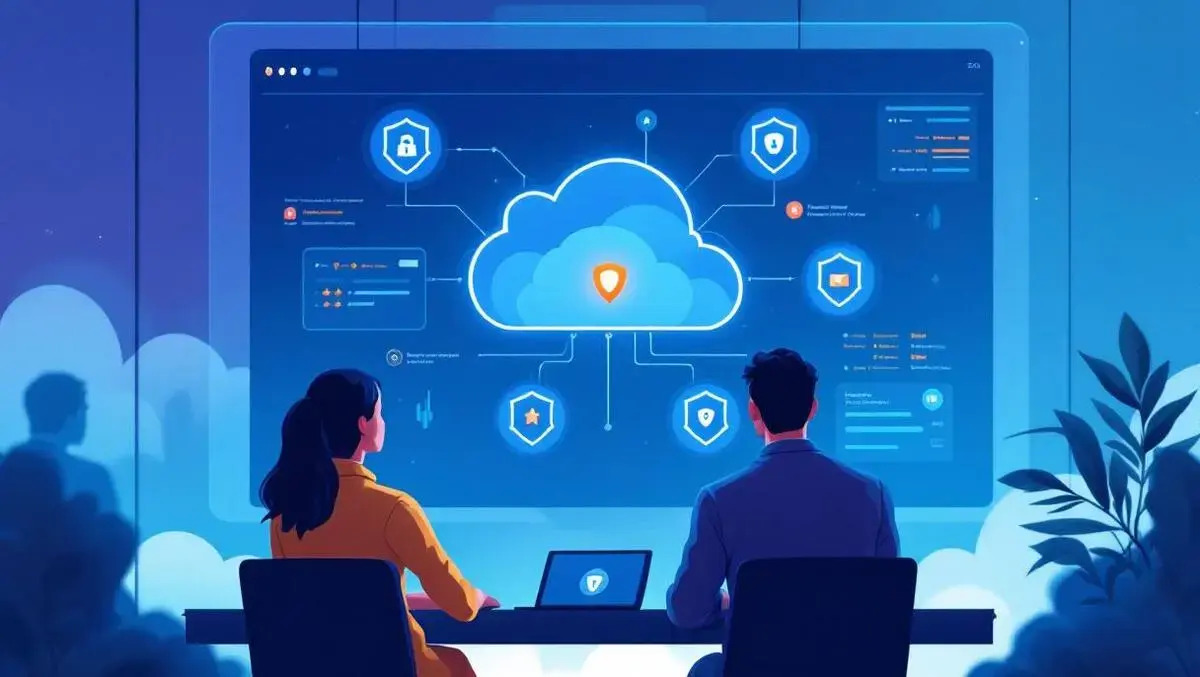
Versa adds cloud posture management to SASE platform

In 60 seconds

Top move

SASE vendors are adding cloud posture checks into single platforms, which expands what you must evaluate in networking-security deals and shifts some cloud configuration risk back onto network suppliers

Key takeaways

  • SASE vendors are adding cloud posture checks into single platforms, which expands what you must evaluate in networking-security deals and shifts some cloud configuration risk back onto network suppliers.[2]
  • The firewall remains critical for on-prem, operational technology (OT) and inline encrypted-traffic inspection; expect appliance and edge enforcement requirements to persist alongside cloud-first controls.[1]
  • Many Australian buyers still lack full Essential Eight maturity and face AI‑powered threats and insurer scrutiny, so basic compliance gaps translate to sourcing and insurance friction unless addressed in contracts.[3]
  • Vendors are embedding AI assistants into proposal and response tooling tied to approved content; this increases the need for traceability and data-use clauses when suppliers expose internal knowledge to generative models.[4]
  • Bottom line for procurement: platform scope is broadening (network + cloud posture + AI-enabled workflows), so bid documents and evaluation checklists should be updated rather than assuming point solutions.[2]

What changed since last run

  • Versa adding cloud posture management into its SASE platform introduces CSPM requirements into network/security procurements (article 3).
  • New vendor integrations are connecting generative AI assistants to approved corporate content, raising traceability and data‑control considerations not covered in the prior snapshot‑integrity-focused brief (article 7).
  • Coverage increasing on the operational role of modern firewalls for TLS inspection and OT segments, shifting the enforcement conversation back to on‑site appliances in some sourcing cases (article 1).

Key facts

  • Firewall market remains significant with continued appliance demand
  • Inline TLS/SSL inspection handles the majority of encrypted enterprise sessions
  • On‑site enforcement still required for legacy OT, medical, and isolated network segments
  • Adds CSPM to VersaONE Universal SASE platform
  • Covers Google Cloud, Azure, AWS and Oracle Cloud Infrastructure
  • Provides real‑time configuration checks mapped to compliance frameworks

Why it matters

SASE vendors are adding cloud posture checks into single platforms, which expands what you must evaluate in networking-security deals and shifts some cloud configuration risk back onto network suppliers. The firewall remains critical for on-prem, operational technology (OT) and inline encrypted-traffic inspection; expect appliance and edge enforcement requirements to persist alongside cloud-first controls. Many Australian buyers still lack full Essential Eight maturity and face AI‑powered threats and insurer scrutiny, so basic compliance gaps translate to sourcing and insurance friction unless addressed in contracts. Vendors are embedding AI assistants into proposal and response tooling tied to approved content; this increases the need for traceability and data-use clauses when suppliers expose internal knowledge to generative models

Cost / money

  • Bundled SASE+CSPM offers can convert multiple line-item buys (network, cloud posture, visibility) into single subscription commitments, reducing modular negotiation leverage.[2]
  • Expect an upward pressure on appliance and inline inspection spend where legacy OT, healthcare, or manufacturing assets cannot migrate to cloud controls and require local enforcement.[1]

Supplier / commercial

  • Vendors that combine cloud posture monitoring with edge enforcement gain negotiating leverage because they can present a unified management story and fewer consoles for customers to manage.[2]
  • Suppliers offering AI‑assisted authoring tied to approved content (RFP/RFI responses) will be more attractive to business teams, creating a commercial premium for response automation capability.[4]
  • Firms that emphasise on‑prem TLS/SSL inspection, and quantum‑tolerant enforcement, can keep renewal value on appliances despite cloud adoption — this affects replace/refresh timing in contracts.[1]

Safety / operations

  • Relying solely on cloud controls can leave local segments (OT, medical, building automation) exposed; buyers need enforced local inspection and patch workstreams where devices cannot tolerate cloud access.[1][3]
  • Configuration drift in multi-cloud estates is operational risk; continuous posture monitoring tied to remediation guidance reduces incident windows compared with periodic reviews.[2]

What to watch

  • Watch for vendors to package CSPM and access-risk features into higher tiers that lock buyers into broader platform commitments and reduce supplier modularity.[2]
  • Watch for gaps between advertised AI traceability and actual auditability when suppliers connect generative assistants to corporate knowledge—contracts should require provenance and logging.[4]

Top stories

Story 1SecurityBrief Australia

The Death of the Firewall

Signal strongSource-grounded

What happened

A long-form analysis argues the firewall is not dead and remains the enforcement point for on‑prem and OT environments. The piece highlights inline TLS/SSL inspection and quantum‑safe TLS enforcement as core roles that are hard to replace. Watch whether vendors ship integrated cloud‑to‑edge workflows and inspection capabilities that match operational latency constraints

Buyer takeaway

Treat the firewall as an active enforcement tool for segments that cannot move to cloud controls, not a legacy throwaway; factor appliances and inspection services into sourcing plans

Cost / money

Maintaining local inspection capability implies continued capital or managed‑service spend for appliances and inline decryption, which reduces the pace at which you can shift to cloud‑only contracts

Supplier / commercial

Vendors that provide end‑to‑end inspection and edge‑to‑cloud integrations will be able to sell bundled support and longer maintenance terms

Safety / operations

Local inspection reduces blind spots for OT and medical devices but requires operational controls (patching, certificate management) that procurement must verify are in vendor SLAs

What to watch

Watch whether vendors overstate cloud replacement of appliances; verify latency and device compatibility before decommissioning local enforcement

Key facts

  • Firewall market remains significant with continued appliance demand
  • Inline TLS/SSL inspection handles the majority of encrypted enterprise sessions
  • On‑site enforcement still required for legacy OT, medical, and isolated network segments

Source excerpts

Physical devices handle what requires local execution: inline inspection, segmentation enforcement, survivability and OT/IoT security. The firewall's role is more specialized than it was, more tightly integrated with cloud services and more focused on the scenarios where local enforcement is irreplaceable
As organizations migrate to NIST-standardized post-quantum cryptography algorithms, the firewall is the enforcement point where quantum-safe TLS inspection gets implemented. That migration makes the refresh cycle more urgent, not less
Hospitals operate medical devices on isolated network segments because those devices cannot tolerate the latency or complexity of cloud-based access controls
Story 2SecurityBrief Australia

Versa adds cloud posture management to SASE platform

Signal strongSource-grounded

What happened

Versa has added Cloud Security Posture Management (CSPM) to its VersaONE SASE platform, combining cloud configuration monitoring with network and access oversight. The capability covers major cloud providers and aims to rank issues by exposure and suggest remediation, making posture monitoring part of the SASE value proposition. Procurement should test remediation ownership and the integration between posture findings and network enforcement controls

Buyer takeaway

Treat CSPM-as-a-feature in SASE as a contractual scope change: require evidence of continuous checks and that remediation actions are either provided or clearly delegated

Cost / money

Bundling CSPM into SASE can reduce separate tooling line items but may shift costs into higher tier subscriptions or managed‑service fees

Supplier / commercial

Suppliers that link posture detection to remediation workflows can command higher renewal pricing and reduce buyer portability unless portability and data export are enforced

Safety / operations

Continuous posture evaluation reduces configuration drift risk if the vendor provides actionable remediations and SLAs for follow‑through

What to watch

Watch for CSPM being marketed as visibility only; verify whether remediation is automated, advisory, or requires buyer execution

Key facts

  • Adds CSPM to VersaONE Universal SASE platform
  • Covers Google Cloud, Azure, AWS and Oracle Cloud Infrastructure
  • Provides real‑time configuration checks mapped to compliance frameworks

Source excerpts

Versa has launched Cloud Security Posture Management for its VersaONE Universal SASE platform, adding cloud risk monitoring to its existing security and networking offering. The product is designed to identify, assess and remediate misconfigurations and compliance risks across multi-cloud environments
Cloud security posture management tools help security teams detect configuration errors and policy drift that can leave cloud systems exposed. Versa is positioning the launch as a way to combine visibility into cloud risk with oversight of user access risk on a single platform
The offering combines cloud posture risk and access risk in what it describes as a unified operational view across the enterprise
Story 3SecurityBrief Australia

Compliance is not the same as resilience: What Australian organisations are missing beyond the Essential Eight

Signal strongSource-grounded

What happened

A commentary argues that compliance with the Essential Eight is not the same as resilience and many Australian organisations remain below baseline. It highlights that AI-enabled threats increase attack scale and that insurers and enterprise customers are raising evidence expectations. Procurement should not treat checkbox compliance as sufficient and must demand demonstrable, operational controls and evidence

Buyer takeaway

Require verifiable evidence of baseline controls and operational testing rather than accepting attestation alone during supplier onboarding and renewals

Cost / money

Gaps in baseline maturity can raise insurance premiums and increase remediation spend if suppliers are required to meet higher evidence standards

Supplier / commercial

Vendors that can provide auditable control evidence and continuous monitoring will have a competitive edge for buyers and insurers

Safety / operations

Operational resilience depends on controls being active and tested; check for proof of detection, response times and recovery capability

What to watch

Watch for suppliers to present compliance artifacts without live test evidence; insist on operational test outputs

Key facts

  • Essential Eight is the ASD baseline many organisations haven't fully achieved
  • AI-powered threats are cited as increasing attack scale and speed
  • Insurers and enterprise customers are linking coverage and onboarding to control evidence

Source excerpts

Cyber insurers are asking more detailed questions at renewal, increasingly linking coverage eligibility to evidence of basic controls. Enterprise clients are adding security questionnaires to supplier onboarding
Organisations that implement Essential Eight controls in isolation consistently encounter the same finding: compliance does not equal resilience
Even where compliance is not mandated, market pressure is creating its own requirements. Cyber insurers are asking more detailed questions at renewal, increasingly linking coverage eligibility to evidence of basic controls
Story 4SecurityBrief Australia

Responsive links ChatGPT & Copilot to approved content

Signal moderateDirectional

What happened

Responsive has integrated its content platform with ChatGPT, Microsoft Copilot and Claude so users can generate responses from approved company material inside those AI assistants. The integration traces outputs back to source content and targets sales and proposal workflows that want speed with approved content. Procurement should verify the logging, access controls and provenance mechanisms vendors use before approving integrations that touch internal knowledge bases

Buyer takeaway

Treat AI‑assistant integrations as a data‑use and traceability risk that needs contractual constraints and logging obligations

Cost / money

These integrations can save response time and reduce labour cost in proposal workflows but may create additional compliance and audit costs if provenance is inadequate

Supplier / commercial

Vendors offering integrated AI‑assisted response tools will be more attractive to lines of business and may gain leverage in renewal negotiations

Safety / operations

Operational risk arises if AI assistants draw on stale or sensitive content; require versioning, approval workflows and audit logs

What to watch

Watch for gaps between touted traceability and the level of detail in logs; require sample logs and provenance reports during evaluation

Key facts

  • Integration connects Responsive library to ChatGPT, Copilot and Claude
  • Targets RFP/RFI, proposals and customer‑facing response workflows
  • Over 2,000 organisations already use the platform for structured response processes

Source excerpts

Under the new setup, responses generated through the integrations can be traced to source content and kept consistent across teams. That is particularly relevant for revenue teams, proposal specialists and security teams handling high-stakes responses to customers and procurement portals
Under the new setup, responses generated through the integrations can be traced to source content and kept consistent across teams
For companies adopting generative AI in customer-facing work, the central issue is whether AI-generated text can be tied back to approved corporate knowledge

VP Snapshot

Executive Risk & Action View

SASE vendors are adding cloud posture checks into single platforms, which expands what you must evaluate in networking-security deals and shifts some cloud configuration risk back onto network suppliers.

Overall
74
Cost
61
Supply
25
Schedule
20
Compliance
15

Top signals

30-180dcost

Signal 1: Cost / money

Bundled SASE+CSPM offers can convert multiple line-item buys (network, cloud posture, visibility) into single subscription commitments, reducing modular negotiation leverage.

Signal 2: Cost / money

Expect an upward pressure on appliance and inline inspection spend where legacy OT, healthcare, or manufacturing assets cannot migrate to cloud controls and require local enforcement.

30-180dcommercial

Signal 3: Supplier / commercial

Vendors that combine cloud posture monitoring with edge enforcement gain negotiating leverage because they can present a unified management story and fewer consoles for customers to manage.

Signal 4: Supplier / commercial

Suppliers offering AI‑assisted authoring tied to approved content (RFP/RFI responses) will be more attractive to business teams, creating a commercial premium for response automation capability.

Signal 5: Supplier / commercial

Firms that emphasise on‑prem TLS/SSL inspection, and quantum‑tolerant enforcement, can keep renewal value on appliances despite cloud adoption — this affects replace/refresh timing in contracts.

30-180dsupplier

Signal 6: Safety / operations

Relying solely on cloud controls can leave local segments (OT, medical, building automation) exposed; buyers need enforced local inspection and patch workstreams where devices cannot tolerate cloud access.

Recommended actions

OpsDue 3d

Request product demos and remediation playbooks from current SASE and firewall suppliers that show cloud posture findings mapped to recommended fixes.

Clear list of which suppliers will deliver posture findings plus remediation actions and execution obligations.

CategoryDue 21d

Add CSPM and cloud-configuration remediation criteria to SASE/RFP evaluation checklists and require demonstrations against live multi-cloud accounts.

Updated RFP checklist that scores CSPM coverage, remediation workflow, and supported cloud platforms.

ContractsDue 21d

Amend contract templates to include proven traceability and logging requirements when suppliers integrate generative AI assistants with customer content.

Contract clauses requiring provenance, access logs, and vendor obligations for content governance when AI integrations are used.

CategoryDue 60d

Re-assess appliance vs cloud enforcement strategies for environments with legacy OT or medical devices and update refresh and support budgets accordingly.

Procurement decision paper that recommends which sites need local enforcement, expected spend posture, and preferred suppliers for on‑site TLS inspection.

LegalDue 60d

Work with Legal to add insurer-aligned evidence requirements (Essential Eight maturity and AI-threat assessments) in supplier onboarding and renewals for critical suppliers.

Contract checklist entries that reference required evidence for baseline controls and AI‑related risk assessments during supplier onboarding.

Risk register

RiskTriggerMitigation
Watch for vendors to package CSPM and access-risk features into higher tiers that lock buyers into broader platform commitments and reduce supplier modularity.Watch for vendors to package CSPM and access-risk features into higher tiers that lock buyers into broader platform commitments and reduce supplier modularity.Confirm exposure with category, contracts, and operations before the next supplier commitment.
Watch for gaps between advertised AI traceability and actual auditability when suppliers connect generative assistants to corporate knowledge—contracts should require provenance and logging.Watch for gaps between advertised AI traceability and actual auditability when suppliers connect generative assistants to corporate knowledge—contracts should require provenance and logging.Confirm exposure with category, contracts, and operations before the next supplier commitment.

CM Snapshot

Category Manager Decision Detail

Today's priorities

Request product demos and remediation playbooks from current SASE and firewall suppliers that show cloud posture findings mapped to recommended fixes.

Act because the cited source changes the timing, capacity, or commercial assumptions behind the next sourcing decision.

Due 3d

high

CM move

Use this as the immediate supplier or contract action to move before the next sourcing gate.

Add CSPM and cloud-configuration remediation criteria to SASE/RFP evaluation checklists and require demonstrations against live multi-cloud accounts.

Act because the cited source changes the timing, capacity, or commercial assumptions behind the next sourcing decision.

Due 21d

high

CM move

Use this as the immediate supplier or contract action to move before the next sourcing gate.

Amend contract templates to include proven traceability and logging requirements when suppliers integrate generative AI assistants with customer content.

Act because the cited source changes the timing, capacity, or commercial assumptions behind the next sourcing decision.

Due 21d

high

CM move

Use this as the immediate supplier or contract action to move before the next sourcing gate.

Re-assess appliance vs cloud enforcement strategies for environments with legacy OT or medical devices and update refresh and support budgets accordingly.

Act because the cited source changes the timing, capacity, or commercial assumptions behind the next sourcing decision.

Due 60d

high

CM move

Use this as the immediate supplier or contract action to move before the next sourcing gate.

Supplier radar

SecurityBrief Australia

high

Observed supplier signal

Vendors that combine cloud posture monitoring with edge enforcement gain negotiating leverage because they can present a unified management story and fewer consoles for customers to manage.

Commercial implication

Vendors that combine cloud posture monitoring with edge enforcement gain negotiating leverage because they can present a unified management story and fewer consoles for customers to manage.

Next step: Validate the source-backed signal with incumbents and alternates before the next award or pricing decision.

SecurityBrief Australia

high

Observed supplier signal

Suppliers offering AI‑assisted authoring tied to approved content (RFP/RFI responses) will be more attractive to business teams, creating a commercial premium for response automation capability.

Commercial implication

Suppliers offering AI‑assisted authoring tied to approved content (RFP/RFI responses) will be more attractive to business teams, creating a commercial premium for response automation capability.

Next step: Validate the source-backed signal with incumbents and alternates before the next award or pricing decision.

SecurityBrief Australia

high

Observed supplier signal

Firms that emphasise on‑prem TLS/SSL inspection, and quantum‑tolerant enforcement, can keep renewal value on appliances despite cloud adoption — this affects replace/refresh timing in contracts.

Commercial implication

Firms that emphasise on‑prem TLS/SSL inspection, and quantum‑tolerant enforcement, can keep renewal value on appliances despite cloud adoption — this affects replace/refresh timing in contracts.

Next step: Validate the source-backed signal with incumbents and alternates before the next award or pricing decision.

Negotiation levers

Request product demos and remediation playbooks from current SASE and firewall suppliers that show cloud posture findings mapped to recommended fixes.

When to use: Act because the cited source changes the timing, capacity, or commercial assumptions behind the next sourcing decision.

Expected outcome: Clear list of which suppliers will deliver posture findings plus remediation actions and execution obligations.

Commercial mechanism to carry into the next supplier conversation

Add CSPM and cloud-configuration remediation criteria to SASE/RFP evaluation checklists and require demonstrations against live multi-cloud accounts.

When to use: Act because the cited source changes the timing, capacity, or commercial assumptions behind the next sourcing decision.

Expected outcome: Updated RFP checklist that scores CSPM coverage, remediation workflow, and supported cloud platforms.

Commercial mechanism to carry into the next supplier conversation

Amend contract templates to include proven traceability and logging requirements when suppliers integrate generative AI assistants with customer content.

When to use: Act because the cited source changes the timing, capacity, or commercial assumptions behind the next sourcing decision.

Expected outcome: Contract clauses requiring provenance, access logs, and vendor obligations for content governance when AI integrations are used.

Commercial mechanism to carry into the next supplier conversation

Re-assess appliance vs cloud enforcement strategies for environments with legacy OT or medical devices and update refresh and support budgets accordingly.

When to use: Act because the cited source changes the timing, capacity, or commercial assumptions behind the next sourcing decision.

Expected outcome: Procurement decision paper that recommends which sites need local enforcement, expected spend posture, and preferred suppliers for on‑site TLS inspection.

Commercial mechanism to carry into the next supplier conversation

Talking points

SASE vendors are adding cloud posture checks into single platforms, which expands what you must evaluate in networking-security deals and shifts some cloud configuration risk back onto network suppliers.
The firewall remains critical for on-prem, operational technology (OT) and inline encrypted-traffic inspection; expect appliance and edge enforcement requirements to persist alongside cloud-first controls.
Many Australian buyers still lack full Essential Eight maturity and face AI‑powered threats and insurer scrutiny, so basic compliance gaps translate to sourcing and insurance friction unless addressed in contracts.
Vendors are embedding AI assistants into proposal and response tooling tied to approved content; this increases the need for traceability and data-use clauses when suppliers expose internal knowledge to generative models.

Supplier radar

SupplierSignalImplicationNext stepConfidence
SecurityBrief AustraliaVendors that combine cloud posture monitoring with edge enforcement gain negotiating leverage because they can present a unified management story and fewer consoles for customers to manage.Vendors that combine cloud posture monitoring with edge enforcement gain negotiating leverage because they can present a unified management story and fewer consoles for customers to manage.Validate the source-backed signal with incumbents and alternates before the next award or pricing decision.high
SecurityBrief AustraliaSuppliers offering AI‑assisted authoring tied to approved content (RFP/RFI responses) will be more attractive to business teams, creating a commercial premium for response automation capability.Suppliers offering AI‑assisted authoring tied to approved content (RFP/RFI responses) will be more attractive to business teams, creating a commercial premium for response automation capability.Validate the source-backed signal with incumbents and alternates before the next award or pricing decision.high
SecurityBrief AustraliaFirms that emphasise on‑prem TLS/SSL inspection, and quantum‑tolerant enforcement, can keep renewal value on appliances despite cloud adoption — this affects replace/refresh timing in contracts.Firms that emphasise on‑prem TLS/SSL inspection, and quantum‑tolerant enforcement, can keep renewal value on appliances despite cloud adoption — this affects replace/refresh timing in contracts.Validate the source-backed signal with incumbents and alternates before the next award or pricing decision.high

Negotiation levers

  • Request product demos and remediation playbooks from current SASE and firewall suppliers that show cloud posture findings mapped to recommended fixes.Act because the cited source changes the timing, capacity, or commercial assumptions behind the next sourcing decision.Clear list of which suppliers will deliver posture findings plus remediation actions and execution obligations.

    high confidence

  • Add CSPM and cloud-configuration remediation criteria to SASE/RFP evaluation checklists and require demonstrations against live multi-cloud accounts.Act because the cited source changes the timing, capacity, or commercial assumptions behind the next sourcing decision.Updated RFP checklist that scores CSPM coverage, remediation workflow, and supported cloud platforms.

    high confidence

  • Amend contract templates to include proven traceability and logging requirements when suppliers integrate generative AI assistants with customer content.Act because the cited source changes the timing, capacity, or commercial assumptions behind the next sourcing decision.Contract clauses requiring provenance, access logs, and vendor obligations for content governance when AI integrations are used.

    high confidence

  • Re-assess appliance vs cloud enforcement strategies for environments with legacy OT or medical devices and update refresh and support budgets accordingly.Act because the cited source changes the timing, capacity, or commercial assumptions behind the next sourcing decision.Procurement decision paper that recommends which sites need local enforcement, expected spend posture, and preferred suppliers for on‑site TLS inspection.

    high confidence

What to do / What to watch

What to do now

  • Request product demos and remediation playbooks from current SASE and firewall suppliers that show cloud posture findings mapped to recommended fixes.

    Why: Act because the cited source changes the timing, capacity, or commercial assumptions behind the next sourcing decision.

    Owner: Ops

    Expected outcome: Clear list of which suppliers will deliver posture findings plus remediation actions and execution obligations.

    [2]

Next few weeks

  • Add CSPM and cloud-configuration remediation criteria to SASE/RFP evaluation checklists and require demonstrations against live multi-cloud accounts.

    Why: Act because the cited source changes the timing, capacity, or commercial assumptions behind the next sourcing decision.

    Owner: Category

    Expected outcome: Updated RFP checklist that scores CSPM coverage, remediation workflow, and supported cloud platforms.

    [2]
  • Amend contract templates to include proven traceability and logging requirements when suppliers integrate generative AI assistants with customer content.

    Why: Act because the cited source changes the timing, capacity, or commercial assumptions behind the next sourcing decision.

    Owner: Contracts

    Expected outcome: Contract clauses requiring provenance, access logs, and vendor obligations for content governance when AI integrations are used.

    [4]

Longer view

  • Re-assess appliance vs cloud enforcement strategies for environments with legacy OT or medical devices and update refresh and support budgets accordingly.

    Why: Act because the cited source changes the timing, capacity, or commercial assumptions behind the next sourcing decision.

    Owner: Category

    Expected outcome: Procurement decision paper that recommends which sites need local enforcement, expected spend posture, and preferred suppliers for on‑site TLS inspection.

    [1]
  • Work with Legal to add insurer-aligned evidence requirements (Essential Eight maturity and AI-threat assessments) in supplier onboarding and renewals for critical suppliers.

    Why: Act because the cited source changes the timing, capacity, or commercial assumptions behind the next sourcing decision.

    Owner: Legal

    Expected outcome: Contract checklist entries that reference required evidence for baseline controls and AI‑related risk assessments during supplier onboarding.

    [3]

What to watch

  • Watch for vendors to package CSPM and access-risk features into higher tiers that lock buyers into broader platform commitments and reduce supplier modularity
  • Watch for gaps between advertised AI traceability and actual auditability when suppliers connect generative assistants to corporate knowledge—contracts should require provenance and logging
  • Watch for vendors to package CSPM and access-risk features into higher tiers that lock buyers into broader platform commitments and reduce supplier modularity.: Watch for vendors to package CSPM and access-risk features into higher tiers that lock buyers into broader platform commitments and reduce supplier modularity
  • Watch for gaps between advertised AI traceability and actual auditability when suppliers connect generative assistants to corporate knowledge—contracts should require provenance and logging.: Watch for gaps between advertised AI traceability and actual auditability when suppliers connect generative assistants to corporate knowledge—contracts should require provenance and logging
  • SASE vendors are adding cloud posture checks into single platforms, which expands what you must evaluate in networking-security deals and shifts some cloud configuration risk back onto network suppliers
  • The firewall remains critical for on-prem, operational technology (OT) and inline encrypted-traffic inspection; expect appliance and edge enforcement requirements to persist alongside cloud-first controls
  • Many Australian buyers still lack full Essential Eight maturity and face AI‑powered threats and insurer scrutiny, so basic compliance gaps translate to sourcing and insurance friction unless addressed in contracts
  • Vendors are embedding AI assistants into proposal and response tooling tied to approved content; this increases the need for traceability and data-use clauses when suppliers expose internal knowledge to generative models

Market pulse

IndexLatestChangeAs of
Palo Alto (PANW)320 +0.00 (+0.00%)May 14, 2026, 10:08 PM
CrowdStrike (CRWD)285 +0.00 (+0.00%)May 14, 2026, 10:08 PM
Zscaler (ZS)195 +0.00 (+0.00%)May 14, 2026, 10:08 PM
Fortinet (FTNT)72 +0.00 (+0.00%)May 14, 2026, 10:08 PM
  • Palo Alto: Palo Alto's market position underscores continued investment interest in combined network and security platforms — relevant when assessing supplier pricing posture
  • Fortinet: Fortinet's focus on edge and inspection capabilities is a proxy for demand in on‑prem enforcement that affects appliance refresh and managed‑service contracts

Sources

Inline citations jump here. Expand a source to read the excerpt, the AI interpretation, and the original link.

[1] The Death of the Firewall

securitybrief.com.au · n.d.

Expand

AI reading

A long-form analysis argues the firewall is not dead and remains the enforcement point for on‑prem and OT environments. The piece highlights inline TLS/SSL inspection and quantum‑safe TLS enforcement as core roles that are hard to replace. Watch whether vendors ship integrated cloud‑to‑edge workflows and inspection capabilities that match operational latency constraints

Buyer takeaway

Treat the firewall as an active enforcement tool for segments that cannot move to cloud controls, not a legacy throwaway; factor appliances and inspection services into sourcing plans

Cost / money

Maintaining local inspection capability implies continued capital or managed‑service spend for appliances and inline decryption, which reduces the pace at which you can shift to cloud‑only contracts

Supplier / commercial

Vendors that provide end‑to‑end inspection and edge‑to‑cloud integrations will be able to sell bundled support and longer maintenance terms

Safety / operations

Local inspection reduces blind spots for OT and medical devices but requires operational controls (patching, certificate management) that procurement must verify are in vendor SLAs

What to watch

Watch whether vendors overstate cloud replacement of appliances; verify latency and device compatibility before decommissioning local enforcement

Key facts

  • Firewall market remains significant with continued appliance demand
  • Inline TLS/SSL inspection handles the majority of encrypted enterprise sessions
  • On‑site enforcement still required for legacy OT, medical, and isolated network segments

Source excerpts

Physical devices handle what requires local execution: inline inspection, segmentation enforcement, survivability and OT/IoT security. The firewall's role is more specialized than it was, more tightly integrated with cloud services and more focused on the scenarios where local enforcement is irreplaceable
As organizations migrate to NIST-standardized post-quantum cryptography algorithms, the firewall is the enforcement point where quantum-safe TLS inspection gets implemented. That migration makes the refresh cycle more urgent, not less
Hospitals operate medical devices on isolated network segments because those devices cannot tolerate the latency or complexity of cloud-based access controls

Used in this brief

  • Cost / money: Expect an upward pressure on appliance and inline inspection spend where legacy OT, healthcare, or manufacturing assets cannot migrate to cloud controls and require local enforcement
  • Supplier / commercial: Firms that emphasise on‑prem TLS/SSL inspection, and quantum‑tolerant enforcement, can keep renewal value on appliances despite cloud adoption — this affects replace/refresh timing in contracts
  • Safety / operations: Relying solely on cloud controls can leave local segments (OT, medical, building automation) exposed; buyers need enforced local inspection and patch workstreams where devices cannot tolerate cloud access
Open original source

[2] Versa adds cloud posture management to SASE platform

securitybrief.com.au · n.d.

Expand

AI reading

Versa has added Cloud Security Posture Management (CSPM) to its VersaONE SASE platform, combining cloud configuration monitoring with network and access oversight. The capability covers major cloud providers and aims to rank issues by exposure and suggest remediation, making posture monitoring part of the SASE value proposition. Procurement should test remediation ownership and the integration between posture findings and network enforcement controls

Buyer takeaway

Treat CSPM-as-a-feature in SASE as a contractual scope change: require evidence of continuous checks and that remediation actions are either provided or clearly delegated

Cost / money

Bundling CSPM into SASE can reduce separate tooling line items but may shift costs into higher tier subscriptions or managed‑service fees

Supplier / commercial

Suppliers that link posture detection to remediation workflows can command higher renewal pricing and reduce buyer portability unless portability and data export are enforced

Safety / operations

Continuous posture evaluation reduces configuration drift risk if the vendor provides actionable remediations and SLAs for follow‑through

What to watch

Watch for CSPM being marketed as visibility only; verify whether remediation is automated, advisory, or requires buyer execution

Key facts

  • Adds CSPM to VersaONE Universal SASE platform
  • Covers Google Cloud, Azure, AWS and Oracle Cloud Infrastructure
  • Provides real‑time configuration checks mapped to compliance frameworks

Source excerpts

Versa has launched Cloud Security Posture Management for its VersaONE Universal SASE platform, adding cloud risk monitoring to its existing security and networking offering. The product is designed to identify, assess and remediate misconfigurations and compliance risks across multi-cloud environments
Cloud security posture management tools help security teams detect configuration errors and policy drift that can leave cloud systems exposed. Versa is positioning the launch as a way to combine visibility into cloud risk with oversight of user access risk on a single platform
The offering combines cloud posture risk and access risk in what it describes as a unified operational view across the enterprise

Used in this brief

  • SASE vendors are adding cloud posture checks into single platforms, which expands what you must evaluate in networking-security deals and shifts some cloud configuration risk back onto network suppliers. The firewall remains critical for on-prem, operational technology (OT) and inline encrypted-traffic inspection; expect appliance and edge enforcement requirements to persist alongside cloud-first controls. Many Australian buyers still lack full Essential Eight maturity and face AI‑powered threats and insurer scrutiny, so basic compliance gaps translate to sourcing and insurance friction unless addressed in contracts. Vendors are embedding AI assistants into proposal and response tooling tied to approved content; this increases the need for traceability and data-use clauses when suppliers expose internal knowledge to generative models
  • Cost / money: Bundled SASE+CSPM offers can convert multiple line-item buys (network, cloud posture, visibility) into single subscription commitments, reducing modular negotiation leverage
  • Supplier / commercial: Vendors that combine cloud posture monitoring with edge enforcement gain negotiating leverage because they can present a unified management story and fewer consoles for customers to manage
Open original source

[3] Compliance is not the same as resilience: What Australian organisations are missing beyond the Essential Eight

securitybrief.com.au · n.d.

Expand

AI reading

A commentary argues that compliance with the Essential Eight is not the same as resilience and many Australian organisations remain below baseline. It highlights that AI-enabled threats increase attack scale and that insurers and enterprise customers are raising evidence expectations. Procurement should not treat checkbox compliance as sufficient and must demand demonstrable, operational controls and evidence

Buyer takeaway

Require verifiable evidence of baseline controls and operational testing rather than accepting attestation alone during supplier onboarding and renewals

Cost / money

Gaps in baseline maturity can raise insurance premiums and increase remediation spend if suppliers are required to meet higher evidence standards

Supplier / commercial

Vendors that can provide auditable control evidence and continuous monitoring will have a competitive edge for buyers and insurers

Safety / operations

Operational resilience depends on controls being active and tested; check for proof of detection, response times and recovery capability

What to watch

Watch for suppliers to present compliance artifacts without live test evidence; insist on operational test outputs

Key facts

  • Essential Eight is the ASD baseline many organisations haven't fully achieved
  • AI-powered threats are cited as increasing attack scale and speed
  • Insurers and enterprise customers are linking coverage and onboarding to control evidence

Source excerpts

Cyber insurers are asking more detailed questions at renewal, increasingly linking coverage eligibility to evidence of basic controls. Enterprise clients are adding security questionnaires to supplier onboarding
Organisations that implement Essential Eight controls in isolation consistently encounter the same finding: compliance does not equal resilience
Even where compliance is not mandated, market pressure is creating its own requirements. Cyber insurers are asking more detailed questions at renewal, increasingly linking coverage eligibility to evidence of basic controls

Used in this brief

  • Next quarter — Work with Legal to add insurer-aligned evidence requirements (Essential Eight maturity and AI-threat assessments) in supplier onboarding and renewals for critical suppliers.. Rationale: Act because the cited source changes the timing, capacity, or commercial assumptions behind the next sourcing decision.. Owner: Legal. KPI: Contract checklist entries that reference required evidence for baseline controls and AI‑related risk assessments during supplier onboarding
  • A commentary argues that compliance with the Essential Eight is not the same as resilience and many Australian organisations remain below baseline. It highlights that AI-enabled threats increase attack scale and that insurers and enterprise customers are raising evidence expectations. Procurement should not treat checkbox compliance as sufficient and must demand demonstrable, operational controls and evidence
  • Buyer bottom line: Compliance evidence required by insurers and customers must be verifiable and tied to operational controls, not just policy statements
Open original source

[4] Responsive links ChatGPT & Copilot to approved content

securitybrief.com.au · n.d.

Expand

AI reading

Responsive has integrated its content platform with ChatGPT, Microsoft Copilot and Claude so users can generate responses from approved company material inside those AI assistants. The integration traces outputs back to source content and targets sales and proposal workflows that want speed with approved content. Procurement should verify the logging, access controls and provenance mechanisms vendors use before approving integrations that touch internal knowledge bases

Buyer takeaway

Treat AI‑assistant integrations as a data‑use and traceability risk that needs contractual constraints and logging obligations

Cost / money

These integrations can save response time and reduce labour cost in proposal workflows but may create additional compliance and audit costs if provenance is inadequate

Supplier / commercial

Vendors offering integrated AI‑assisted response tools will be more attractive to lines of business and may gain leverage in renewal negotiations

Safety / operations

Operational risk arises if AI assistants draw on stale or sensitive content; require versioning, approval workflows and audit logs

What to watch

Watch for gaps between touted traceability and the level of detail in logs; require sample logs and provenance reports during evaluation

Key facts

  • Integration connects Responsive library to ChatGPT, Copilot and Claude
  • Targets RFP/RFI, proposals and customer‑facing response workflows
  • Over 2,000 organisations already use the platform for structured response processes

Source excerpts

Under the new setup, responses generated through the integrations can be traced to source content and kept consistent across teams. That is particularly relevant for revenue teams, proposal specialists and security teams handling high-stakes responses to customers and procurement portals
Under the new setup, responses generated through the integrations can be traced to source content and kept consistent across teams
For companies adopting generative AI in customer-facing work, the central issue is whether AI-generated text can be tied back to approved corporate knowledge

Used in this brief

  • Supplier / commercial: Suppliers offering AI‑assisted authoring tied to approved content (RFP/RFI responses) will be more attractive to business teams, creating a commercial premium for response automation capability
  • Next 2-4 weeks — Amend contract templates to include proven traceability and logging requirements when suppliers integrate generative AI assistants with customer content.. Rationale: Act because the cited source changes the timing, capacity, or commercial assumptions behind the next sourcing decision.. Owner: Contracts. KPI: Contract clauses requiring provenance, access logs, and vendor obligations for content governance when AI integrations are used
  • Watch for gaps between advertised AI traceability and actual auditability when suppliers connect generative assistants to corporate knowledge—contracts should require provenance and logging
Open original source

[5] Palo Alto

finance.yahoo.com · n.d.

Expand

[6] Fortinet

finance.yahoo.com · n.d.

Expand