Subsea, SURF & Offshore · International (Houston)

Secure SURF Fabrication And Vessel Slots Ahead Of Africa Campaigns

Published May 14, 2026, 5:06 AM CSTINTERNATIONALFull category signal
Ask AI
Operators progress drilling and exploration plans across offshore Africa

In 60 seconds

Top move

Operator plans in offshore Africa are moving from planning to concrete mobilisation windows, creating firm short‑term demand for SURF installation, vessel slots and shore‑base capacity that will compress supplier lead times

Key takeaways

  • Operator plans in offshore Africa are moving from planning to concrete mobilisation windows, creating firm short‑term demand for SURF installation, vessel slots and shore‑base capacity that will compress supplier lead times.[1]
  • A large umbilicals commission (JDR up to 31 km) is an operational fabrication workload that tightens control‑cable capacity and raises the chance suppliers shorten quote validity or require deposits for similar scopes.[2]
  • A new hybrid flexible‑pipe development (Baker Hughes + Strohm) is an early supplier‑innovation signal that can introduce additional qualification, FAT and liability negotiation points if it moves to pilot or early‑adopter stages.[3]
  • Vessel and FPSO fleet activity plus emerging digital chartering tools ease sourcing friction but do not remove physical slot scarcity — confirmed bookings remain the decisive factor for mobilisation certainty.[4]
  • Geoscience trends (seismic reprocessing, GeoAI, CO2 storage planning) are strategically useful for future scope and monitoring specs but have limited immediate impact on SURF mobilisation or fabrication schedules today.[5]

What changed since last run

  • Added a specific umbilicals fabrication workload (JDR up to 31 km) that converts prior generic mobilisation risk into a concrete fabrication capacity pressure signal (source 1).
  • Elevated Africa operator mobilisation details from planning to actionable slot risk by flagging shore‑base and quay expansion work that affects vessel sequencing (source 5).
  • Introduced supplier‑innovation qualification risk from a hybrid flexible‑pipe development that requires early contract and FAT planning to avoid transferring qualification costs to buyers (source 3).

Key facts

  • Operator mobilisation plans linked to specific exploration and production wells
  • Campaigns include appraisal and production wells tied to existing infrastructure
  • Shore‑base capacity and quay expansion noted as part of campaign planning
  • JDR commissioned for up to 31 km of control umbilicals for a Victoria project
  • Multiple tieback and subsea contract notices reported in the same sourcing window
  • Partnership between Baker Hughes and Strohm on a hybrid flexible pipe concept

Why it matters

Operator plans in offshore Africa are moving from planning to concrete mobilisation windows, creating firm short‑term demand for SURF installation, vessel slots and shore‑base capacity that will compress supplier lead times. A large umbilicals commission (JDR up to 31 km) is an operational fabrication workload that tightens control‑cable capacity and raises the chance suppliers shorten quote validity or require deposits for similar scopes. A new hybrid flexible‑pipe development (Baker Hughes + Strohm) is an early supplier‑innovation signal that can introduce additional qualification, FAT and liability negotiation points if it moves to pilot or early‑adopter stages. Vessel and FPSO fleet activity plus emerging digital chartering tools ease sourcing friction but do not remove physical slot scarcity — confirmed bookings remain the decisive factor for mobilisation certainty

Cost / money

  • Confirmed campaign mobilisations increase mobilisation and holding cost exposure for SURF scopes because buyers may have to accept earlier mobilisations or pay premiums to secure vessel/FPSO slots.[1]
  • Large umbilical orders concentrate fabrication capacity and can push short‑notice pricing higher because yards with filled schedules can charge lead‑time premiums or require staged payments.[2]
  • Adoption of a novel hybrid flexible pipe could add non‑recurring engineering and qualification costs to tenders because vendors will likely require FAT, pilots and extra acceptance testing.[3]

Supplier / commercial

  • Umbilical fabricators with confirmed awards gain scheduling leverage and may shorten quote validity or insist on deposits, reducing buyer negotiation room on timing and price.[2]
  • Drilling contractors locking rigs let suppliers prioritise contracted campaigns and reprioritise open RFQs, increasing the chance suppliers allocate slots away from uncommitted buyers.[1]
  • Suppliers proposing new flowline materials may request pilot agreements or liability carve‑outs; without explicit contract language, qualification risk can shift toward the buyer.[3]

Safety / operations

  • Compressed sequencing for African campaigns raises offshore interface complexity and requires earlier HSE coordination and pre‑mobilisation checks to avoid ramp‑up incidents during SURF installation.[1]
  • New flexible‑pipe materials and hybrid designs need revised installation procedures and acceptance testing to prevent integrity issues during installation and early operation.[3]

What to watch

  • Watch for suppliers shortening quote‑validity windows or asking for deposits as umbilical and campaign awards firm up — an early sign of tightening fabrication and slot capacity.[2]
  • Monitor shore‑base and quay expansion progress tied to African campaigns; slips there will immediately push vessel premiums and complicate SURF sequencing.[1]

Top stories

Story 1Offshore-mag

Operators progress drilling and exploration plans across offshore Africa

Signal strongSource-grounded

What happened

Operators across offshore Africa are progressing drilling, appraisal and production campaigns with rig mobilisation plans and shore‑base work referenced. The reporting names specific campaigns and shore‑base capacity work that make demand operationally real for SURF mobilisations; watch whether shore‑base expansions and interim facility use proceed on schedule

Buyer takeaway

Treat these operator plans as real demand and validate supplier slot commitments now because mobilisation dates will fix sequencing and cost exposure

Cost / money

Directional upward pressure on mobilisation, vessel and local logistics costs as campaign dates firm up

Supplier / commercial

Drilling and installation contractors with rig bookings can shorten external RFQ windows and prioritise firm commitments

Safety / operations

Compressed sequencing increases offshore HSE/coordination needs; ensure SURF teams have early schedules and pre‑mobilisation checklists

What to watch

Watch shore‑base and quay expansion delivery; slips will immediately increase short‑term logistics premiums

Key facts

  • Operator mobilisation plans linked to specific exploration and production wells
  • Campaigns include appraisal and production wells tied to existing infrastructure
  • Shore‑base capacity and quay expansion noted as part of campaign planning

Source excerpts

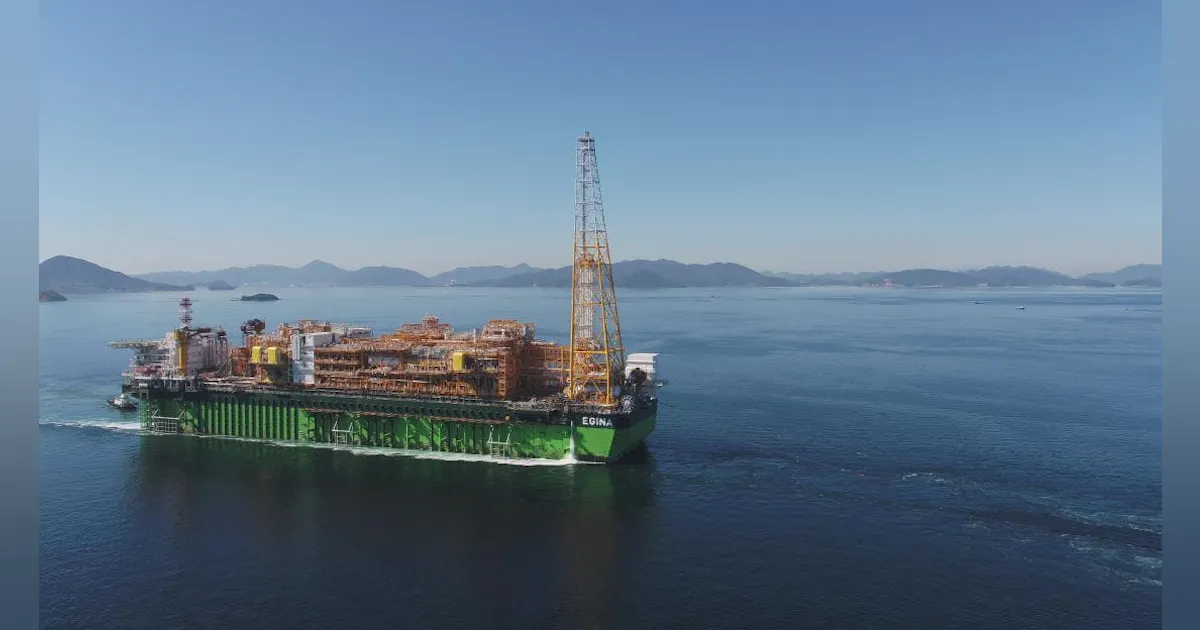
In parallel, well interventions are planned on certain existing wells to support and sustain production ahead of the wider drilling campaign. TotalEnergies plans appraisal drilling this year on an extension of the Egina South oil discovery into the neighboring OPL 257 license
Farther north, the Namibian Ports Authority has issued phased expansion plans at Lüderitz and Walvis Bay to support offshore energy activities in these regions. Objectives include adding oil and gas supply base capacity, quay wall expansions and the interim use of existing facilities during the early project phase
Objectives include adding oil and gas supply base capacity, quay wall expansions and the interim use of existing facilities during the early project phase
Story 2Offshore-mag

May 8 2026ID 155728952 Hyotographics Dreamstime Procurement pressure builds across supplier terms

Signal strongSource-grounded

What happened

JDR Cable Systems was commissioned to supply up to 31 km of control umbilicals for an Australian East Coast project, representing a meaningful fabrication workload. The order size and concurrent regional tiebacks make this more than a one‑off and can limit yard capacity for other projects; procurement should monitor fab backlogs and quote‑validity impacts

Buyer takeaway

Treat current umbilical awards as a capacity constraint signal: validate fabricator backlogs before issuing RFQs because late surprises will force schedule changes or premiums

Cost / money

Directional pressure toward higher pricing for short‑notice umbilical requests as fabrication yards fill

Supplier / commercial

Umbilical fabricators with confirmed orders may shorten quote‑validity, require deposits, or offer staged delivery terms

Safety / operations

Long‑lead umbilicals increase schedule drift risk; require explicit installation sequencing and pre‑mobilisation checklists

What to watch

Watch changes to fabricator subcontracting and lead‑time return‑to‑market that affect delivery reliability

Key facts

  • JDR commissioned for up to 31 km of control umbilicals for a Victoria project
  • Multiple tieback and subsea contract notices reported in the same sourcing window

Source excerpts

Offshore energy industry news, trends, insights and outlooksGeosciencesDrilling & CompletionField DevelopmentSubseaProduction Sections GeosciencesDrilling & CompletionField DevelopmentSubseaProductionPipelinesVesselsRenewable EnergyRegional Reports Special Exclusive ContentVideosMagazineWebcastsMaps & PostersWhat Is...?
comAsiaOffshore Indonesia: Mako subsea contract awarded and Eni confirms strong Geliga-1 flow ratesMay 8, 2026Courtesy EquinorSubseaEquinor advances North Sea tiebacks with Eirin startup and Atlantis FEED awardMay 7, 2026Courtesy BSEEUS & Gulf of MexicoOTC 2026 panel highlights HP/HT challenges, advancesMay 5, 2026Courtesy StrohmSubseaOTC 2026: Baker Hughes, Strohm to develop hybrid flexible pipe for ultradeepwater flowlines and risersMay 5, 2026Courtesy OceaneeringSubseaOTC 2026: Electric work class ROV targets
com/channel/UCy4hHphyg7qfjoI9EaEiOFACourtesy JDR Cable SystemsSubseaAmplitude Energy commissions JDR for umbilicals for Australia’s East Coast Supply ProjectJDR Cable Systems will supply up to 31 km of control umbilicals for Amplitude Energy’s offshore Victoria gas development as drilling results continue to shape the project’s path
Story 3Offshore-mag

Pipelines

Signal moderateDirectional

What happened

Baker Hughes and Strohm are developing a lightweight hybrid flexible pipe for ultradeepwater flowlines and risers at a development/qualification stage. The technology is not yet certified, so it could change material choices, FAT requirements and installation methods if it advances to pilot projects; procurement should track qualification timelines and proposed installation methodology

Buyer takeaway

Treat this as an evolving supplier‑innovation signal—capture qualification timelines and potential cost impacts before embedding in tenders

Cost / money

Potential for additional non‑recurring engineering and qualification costs if technology is adopted

Supplier / commercial

Suppliers may require pilot agreements, longer qualification periods and may seek to limit liability for qualification failures

Safety / operations

New materials/configurations need revised installation procedures and acceptance testing to ensure integrity

What to watch

Watch for early‑adopter contract clauses that shift qualification or rework risk to buyers unless contracts specify otherwise

Key facts

  • Partnership between Baker Hughes and Strohm on a hybrid flexible pipe concept
  • Work positioned at development and qualification stages

Source excerpts

com/channel/UCy4hHphyg7qfjoI9EaEiOFACourtesy StrohmSubseaOTC 2026: Baker Hughes, Strohm to develop hybrid flexible pipe for ultradeepwater flowlines and risersThe partners are developing a lightweight hybrid flexible pipe designed for flowline and riser applications in water depths beyond 3,000 m, with commercial availability targeted
Offshore energy industry news, trends, insights and outlooksGeosciencesDrilling & CompletionField DevelopmentSubseaProduction Sections GeosciencesDrilling & CompletionField DevelopmentSubseaProductionPipelinesVesselsRenewable EnergyRegional Reports Special Exclusive ContentVideosMagazineWebcastsMaps & PostersWhat Is...?
May 5, 2026Courtesy MapSearch/OffshoreMaps & Posters2026 US Gulf Coast Oil & Gas Infrastructure MapApril 21, 2026Courtesy VallourecPipelinesVallourec books multiple orders for pipes, connections for drilling programs offshore IndonesiaMarch 27, 2026Courtesy Strohm PipelinesStrohm to deliver composite pipes jumpers for deepwater oil project offshore SabahMarch 26, 2026Courtesy Reach SubseaPipelinesEquinor brings in Reach Subsea for Norwegian subsea export trunkline inspectionsMarch 16, 2026Courtesy TechnipFMCDeep
Story 4Offshore-mag

comVesselsOTC 2026 FPSO designs advancing for remote operation and integrity managementMay 6

Signal moderateDirectional

What happened

Reports highlight vessel and FPSO activity, planned fleet expansion and greater use of digital platforms that ease vessel chartering friction. These tools speed sourcing but do not guarantee physical slot availability already committed to other campaigns; verify bookings with owners rather than relying on platform signals alone

Buyer takeaway

Use digital platforms to speed sourcing but treat confirmed vessel bookings as the critical mobilisation constraint

Cost / money

Digital efficiency may lower transaction friction but will not eliminate premiums when slots are scarce

Supplier / commercial

Shipowners with firm bookings will prioritise contracted work; expect limited room to move on short‑notice demands

Safety / operations

New vessel designs and remote operation capabilities require updated operational and integrity procedures in contracts

What to watch

Watch for mismatch between platform availability signals and actual slot commitment dates—verify with owners

Key facts

  • Planned FPSO fleet expansion and ongoing vessel design advances
  • Digital platforms are being used to make chartering and matching more efficient

Source excerpts

comVesselsOTC 2026: Digital platforms are easing friction in offshore vessel charteringMay 6, 2026ID 58917463 © Ggw1962 | Dreamstime
Offshore energy industry news, trends, insights and outlooksGeosciencesDrilling & CompletionField DevelopmentSubseaProduction Sections GeosciencesDrilling & CompletionField DevelopmentSubseaProductionPipelinesVesselsRenewable EnergyRegional Reports Special Exclusive ContentVideosMagazineWebcastsMaps & PostersWhat Is...?
comVesselsOTC 2026: Digital platforms are easing friction in offshore vessel charteringMay 6, 2026ID 58917463 © Ggw1962 | Dreamstime. comVesselsOTC 2026: FPSO designs advancing for remote operation and integrity managementMay 6, 2026Courtesy North StarVesselsNorth Star, Norwind expand offshore wind service fleetsMay 1, 2026Courtesy DeepOceanRenewable EnergyOffshore wind construction and site investigations progress off TaiwanApril 29, 2026 Looking for Something?
Story 5Offshore-mag

Geosciences

Signal limitedSource-grounded

What happened

Geoscience coverage shows greater use of seismic reprocessing and GeoAI to de‑risk subsurface decisions and plan monitoring, including CO2 storage site work. These developments are strategically important for future scope and monitoring specs but are peripheral to immediate SURF mobilisation and fabrication choices

Buyer takeaway

Track these trends for future specification and monitoring requirements but prioritise immediate fabrication and mobilisation signals for near‑term sourcing

Cost / money

Primarily a long‑term planning input; limited immediate cost impacts to SURF schedules

Supplier / commercial

Specialist geoscience firms may become preferred partners for CO2 or storage‑related scopes

Safety / operations

New monitoring regimes and subsurface stewardship will eventually add inspection and HSE obligations

What to watch

Limited immediate operational relevance—use for horizon scanning rather than immediate procurement action

Key facts

  • Seismic‑driven subsurface planning and risk‑based monitoring for potential CO2 storage sites
  • GeoAI and cloud‑based seabed intelligence gaining traction in offshore decision‑making

Source excerpts

com/channel/UCy4hHphyg7qfjoI9EaEiOFACourtesy TGSGeosciencesSeismic data de‑risk Elephant CO2 storage site offshore NorwaySeismic-driven subsurface understanding and risk-based monitoring planning are shaping a Norwegian Sea CO2 storage hub
Offshore energy industry news, trends, insights and outlooksGeosciencesDrilling & CompletionField DevelopmentSubseaProduction Sections GeosciencesDrilling & CompletionField DevelopmentSubseaProductionPipelinesVesselsRenewable EnergyRegional Reports Special Exclusive ContentVideosMagazineWebcastsMaps & PostersWhat Is...?
comGeosciencesOTC 2026: Offshore geoscience shifts toward integrated modeling, AI and subsurface stewardshipMay 5, 2026Courtesy TerradepthSubseaOTC 2026: Cloud-based seabed intelligence reshapes offshore decision-makingApril 30, 2026Courtesy TGSGeosciencesTGS advances offshore seismic and wind data initiatives across Asia and EuropeApril 29, 2026Photo by Reidar E

VP Snapshot

Executive Risk & Action View

Operator plans in offshore Africa are moving from planning to concrete mobilisation windows, creating firm short‑term demand for SURF installation, vessel slots and shore‑base capacity that will compress supplier lead times.

Overall
61
Cost
97
Supply
43
Schedule
20
Compliance
15

Top signals

30-180dcost

Signal 1: Cost / money

Confirmed campaign mobilisations increase mobilisation and holding cost exposure for SURF scopes because buyers may have to accept earlier mobilisations or pay premiums to secure vessel/FPSO slots.

Signal 2: Cost / money

Large umbilical orders concentrate fabrication capacity and can push short‑notice pricing higher because yards with filled schedules can charge lead‑time premiums or require staged payments.

Signal 3: Cost / money

Adoption of a novel hybrid flexible pipe could add non‑recurring engineering and qualification costs to tenders because vendors will likely require FAT, pilots and extra acceptance testing.

Signal 4: Supplier / commercial

Umbilical fabricators with confirmed awards gain scheduling leverage and may shorten quote validity or insist on deposits, reducing buyer negotiation room on timing and price.

30-180dcommercial

Signal 5: Supplier / commercial

Drilling contractors locking rigs let suppliers prioritise contracted campaigns and reprioritise open RFQs, increasing the chance suppliers allocate slots away from uncommitted buyers.

Signal 6: Supplier / commercial

Suppliers proposing new flowline materials may request pilot agreements or liability carve‑outs; without explicit contract language, qualification risk can shift toward the buyer.

Recommended actions

ContractsDue 3d

Confirm incumbent SURF, umbilical fabricator and charterer availability flags for named Africa campaign windows.

Updated supplier availability flags and a short list of mobilisations with confirmed or at‑risk status.

CategoryDue 21d

Issue a focused RFI to umbilical and deepwater flowline fabricators to capture current lead times, backlogs, deposit practices and quote‑validity terms.

Supplier capacity maps, lead‑time transparency and standard commercial positions to use in upcoming RFQs.

ContractsDue 21d

Update MSAs and tender templates to require vendor FAT/qualification evidence and to cap mobilisation‑cost pass‑through for SURF and novel flowline technologies.

Tender and MSA clauses that enforce qualification evidence and limit unexpected mobilisation cost exposure during award negotiations.

CategoryDue 60d

Run a category capacity and contingency review covering umbilicals, deepwater flowline fabrication and vessel/FPSO slotting to build alternate sourcing or split‑scope plans.

Capacity register with recommended alternates and clear decision triggers for early commitments or split‑scope awards.

LegalDue 60d

Coordinate Ops and Legal to define HSE, FAT acceptance and liability clauses for pilot flexible‑pipe or novel‑material installations before issuing early‑adopter awards.

Standardised HSE, FAT and liability clauses prepared for inclusion in RFQs and MSAs for pilot/novel installations.

Risk register

RiskTriggerMitigation
Watch for suppliers shortening quote‑validity windows or asking for deposits as umbilical and campaign awards firm up — an early sign of tightening fabrication and slot capacity.Watch for suppliers shortening quote‑validity windows or asking for deposits as umbilical and campaign awards firm up — an early sign of tightening fabrication and slot capacity.Confirm exposure with category, contracts, and operations before the next supplier commitment.
Monitor shore‑base and quay expansion progress tied to African campaigns; slips there will immediately push vessel premiums and complicate SURF sequencing.Monitor shore‑base and quay expansion progress tied to African campaigns; slips there will immediately push vessel premiums and complicate SURF sequencing.Confirm exposure with category, contracts, and operations before the next supplier commitment.

CM Snapshot

Category Manager Decision Detail

Today's priorities

Confirm incumbent SURF, umbilical fabricator and charterer availability flags for named Africa campaign windows.

because operator mobilisation plans are becoming firm and supplier slot changes will materially affect mobilisation timing and potential hold costs.

Due 3d

high

CM move

Use this as the immediate supplier or contract action to move before the next sourcing gate.

Issue a focused RFI to umbilical and deepwater flowline fabricators to capture current lead times, backlogs, deposit practices and quote‑validity terms.

because a confirmed large umbilical award and parallel projects can materially reduce available fabrication capacity and the RFI will reveal commercial postures buyers must plan...

Due 21d

high

CM move

Use this as the immediate supplier or contract action to move before the next sourcing gate.

Update MSAs and tender templates to require vendor FAT/qualification evidence and to cap mobilisation‑cost pass‑through for SURF and novel flowline technologies.

because emerging technologies and supplier pilot clauses can shift qualification and mobilisation costs to buyers unless contract language explicitly allocates or limits that risk.

Due 21d

high

CM move

Use this as the immediate supplier or contract action to move before the next sourcing gate.

Run a category capacity and contingency review covering umbilicals, deepwater flowline fabrication and vessel/FPSO slotting to build alternate sourcing or split‑scope plans.

because combined signals from African campaign schedules, large umbilical awards, and new flowline tech make a lead‑time squeeze plausible and require contingency supplier plans.

Due 60d

high

CM move

Use this as the immediate supplier or contract action to move before the next sourcing gate.

Supplier radar

Offshore-mag

high

Observed supplier signal

Umbilical fabricators with confirmed awards gain scheduling leverage and may shorten quote validity or insist on deposits, reducing buyer negotiation room on timing and price.

Commercial implication

Umbilical fabricators with confirmed awards gain scheduling leverage and may shorten quote validity or insist on deposits, reducing buyer negotiation room on timing and price.

Next step: Validate the source-backed signal with incumbents and alternates before the next award or pricing decision.

Offshore-mag

high

Observed supplier signal

Drilling contractors locking rigs let suppliers prioritise contracted campaigns and reprioritise open RFQs, increasing the chance suppliers allocate slots away from uncommitted buyers.

Commercial implication

Drilling contractors locking rigs let suppliers prioritise contracted campaigns and reprioritise open RFQs, increasing the chance suppliers allocate slots away from uncommitted buyers.

Next step: Validate the source-backed signal with incumbents and alternates before the next award or pricing decision.

Offshore-mag

high

Observed supplier signal

Suppliers proposing new flowline materials may request pilot agreements or liability carve‑outs; without explicit contract language, qualification risk can shift toward the buyer.

Commercial implication

Suppliers proposing new flowline materials may request pilot agreements or liability carve‑outs; without explicit contract language, qualification risk can shift toward the buyer.

Next step: Validate the source-backed signal with incumbents and alternates before the next award or pricing decision.

Negotiation levers

Confirm incumbent SURF, umbilical fabricator and charterer availability flags for named Africa campaign windows.

When to use: because operator mobilisation plans are becoming firm and supplier slot changes will materially affect mobilisation timing and potential hold costs.

Expected outcome: Updated supplier availability flags and a short list of mobilisations with confirmed or at‑risk status.

Commercial mechanism to carry into the next supplier conversation

Issue a focused RFI to umbilical and deepwater flowline fabricators to capture current lead times, backlogs, deposit practices and quote‑validity terms.

When to use: because a confirmed large umbilical award and parallel projects can materially reduce available fabrication capacity and the RFI will reveal commercial postures buyers must plan...

Expected outcome: Supplier capacity maps, lead‑time transparency and standard commercial positions to use in upcoming RFQs.

Commercial mechanism to carry into the next supplier conversation

Update MSAs and tender templates to require vendor FAT/qualification evidence and to cap mobilisation‑cost pass‑through for SURF and novel flowline technologies.

When to use: because emerging technologies and supplier pilot clauses can shift qualification and mobilisation costs to buyers unless contract language explicitly allocates or limits that risk.

Expected outcome: Tender and MSA clauses that enforce qualification evidence and limit unexpected mobilisation cost exposure during award negotiations.

Commercial mechanism to carry into the next supplier conversation

Run a category capacity and contingency review covering umbilicals, deepwater flowline fabrication and vessel/FPSO slotting to build alternate sourcing or split‑scope plans.

When to use: because combined signals from African campaign schedules, large umbilical awards, and new flowline tech make a lead‑time squeeze plausible and require contingency supplier plans.

Expected outcome: Capacity register with recommended alternates and clear decision triggers for early commitments or split‑scope awards.

Commercial mechanism to carry into the next supplier conversation

Talking points

Operator plans in offshore Africa are moving from planning to concrete mobilisation windows, creating firm short‑term demand for SURF installation, vessel slots and shore‑base capacity that will compress supplier lead times.
A large umbilicals commission (JDR up to 31 km) is an operational fabrication workload that tightens control‑cable capacity and raises the chance suppliers shorten quote validity or require deposits for similar scopes.
A new hybrid flexible‑pipe development (Baker Hughes + Strohm) is an early supplier‑innovation signal that can introduce additional qualification, FAT and liability negotiation points if it moves to pilot or early‑adopter stages.
Vessel and FPSO fleet activity plus emerging digital chartering tools ease sourcing friction but do not remove physical slot scarcity — confirmed bookings remain the decisive factor for mobilisation certainty.

Supplier radar

SupplierSignalImplicationNext stepConfidence
Offshore-magUmbilical fabricators with confirmed awards gain scheduling leverage and may shorten quote validity or insist on deposits, reducing buyer negotiation room on timing and price.Umbilical fabricators with confirmed awards gain scheduling leverage and may shorten quote validity or insist on deposits, reducing buyer negotiation room on timing and price.Validate the source-backed signal with incumbents and alternates before the next award or pricing decision.high
Offshore-magDrilling contractors locking rigs let suppliers prioritise contracted campaigns and reprioritise open RFQs, increasing the chance suppliers allocate slots away from uncommitted buyers.Drilling contractors locking rigs let suppliers prioritise contracted campaigns and reprioritise open RFQs, increasing the chance suppliers allocate slots away from uncommitted buyers.Validate the source-backed signal with incumbents and alternates before the next award or pricing decision.high
Offshore-magSuppliers proposing new flowline materials may request pilot agreements or liability carve‑outs; without explicit contract language, qualification risk can shift toward the buyer.Suppliers proposing new flowline materials may request pilot agreements or liability carve‑outs; without explicit contract language, qualification risk can shift toward the buyer.Validate the source-backed signal with incumbents and alternates before the next award or pricing decision.high

Negotiation levers

  • Confirm incumbent SURF, umbilical fabricator and charterer availability flags for named Africa campaign windows.because operator mobilisation plans are becoming firm and supplier slot changes will materially affect mobilisation timing and potential hold costs.Updated supplier availability flags and a short list of mobilisations with confirmed or at‑risk status.

    high confidence

  • Issue a focused RFI to umbilical and deepwater flowline fabricators to capture current lead times, backlogs, deposit practices and quote‑validity terms.because a confirmed large umbilical award and parallel projects can materially reduce available fabrication capacity and the RFI will reveal commercial postures buyers must plan...Supplier capacity maps, lead‑time transparency and standard commercial positions to use in upcoming RFQs.

    high confidence

  • Update MSAs and tender templates to require vendor FAT/qualification evidence and to cap mobilisation‑cost pass‑through for SURF and novel flowline technologies.because emerging technologies and supplier pilot clauses can shift qualification and mobilisation costs to buyers unless contract language explicitly allocates or limits that risk.Tender and MSA clauses that enforce qualification evidence and limit unexpected mobilisation cost exposure during award negotiations.

    high confidence

  • Run a category capacity and contingency review covering umbilicals, deepwater flowline fabrication and vessel/FPSO slotting to build alternate sourcing or split‑scope plans.because combined signals from African campaign schedules, large umbilical awards, and new flowline tech make a lead‑time squeeze plausible and require contingency supplier plans.Capacity register with recommended alternates and clear decision triggers for early commitments or split‑scope awards.

    high confidence

What to do / What to watch

What to do now

  • Confirm incumbent SURF, umbilical fabricator and charterer availability flags for named Africa campaign windows.

    Why: because operator mobilisation plans are becoming firm and supplier slot changes will materially affect mobilisation timing and potential hold costs.

    Owner: Contracts

    Expected outcome: Updated supplier availability flags and a short list of mobilisations with confirmed or at‑risk status.

    [1]

Next few weeks

  • Issue a focused RFI to umbilical and deepwater flowline fabricators to capture current lead times, backlogs, deposit practices and quote‑validity terms.

    Why: because a confirmed large umbilical award and parallel projects can materially reduce available fabrication capacity and the RFI will reveal commercial postures buyers must plan...

    Owner: Category

    Expected outcome: Supplier capacity maps, lead‑time transparency and standard commercial positions to use in upcoming RFQs.

    [2]
  • Update MSAs and tender templates to require vendor FAT/qualification evidence and to cap mobilisation‑cost pass‑through for SURF and novel flowline technologies.

    Why: because emerging technologies and supplier pilot clauses can shift qualification and mobilisation costs to buyers unless contract language explicitly allocates or limits that risk.

    Owner: Contracts

    Expected outcome: Tender and MSA clauses that enforce qualification evidence and limit unexpected mobilisation cost exposure during award negotiations.

    [3]

Longer view

  • Run a category capacity and contingency review covering umbilicals, deepwater flowline fabrication and vessel/FPSO slotting to build alternate sourcing or split‑scope plans.

    Why: because combined signals from African campaign schedules, large umbilical awards, and new flowline tech make a lead‑time squeeze plausible and require contingency supplier plans.

    Owner: Category

    Expected outcome: Capacity register with recommended alternates and clear decision triggers for early commitments or split‑scope awards.

    [1]
  • Coordinate Ops and Legal to define HSE, FAT acceptance and liability clauses for pilot flexible‑pipe or novel‑material installations before issuing early‑adopter awards.

    Why: because suppliers may propose pilot or early‑adopter terms that shift qualification or rework risk to buyers unless contract and HSE standards are pre‑agreed.

    Owner: Legal

    Expected outcome: Standardised HSE, FAT and liability clauses prepared for inclusion in RFQs and MSAs for pilot/novel installations.

    [3]

What to watch

  • Watch for suppliers shortening quote‑validity windows or asking for deposits as umbilical and campaign awards firm up — an early sign of tightening fabrication and slot capacity
  • Monitor shore‑base and quay expansion progress tied to African campaigns; slips there will immediately push vessel premiums and complicate SURF sequencing
  • Watch for suppliers shortening quote‑validity windows or asking for deposits as umbilical and campaign awards firm up — an early sign of tightening fabrication and slot capacity.: Watch for suppliers shortening quote‑validity windows or asking for deposits as umbilical and campaign awards firm up — an early sign of tightening fabrication and slot capacity
  • Monitor shore‑base and quay expansion progress tied to African campaigns; slips there will immediately push vessel premiums and complicate SURF sequencing.: Monitor shore‑base and quay expansion progress tied to African campaigns; slips there will immediately push vessel premiums and complicate SURF sequencing
  • Operator plans in offshore Africa are moving from planning to concrete mobilisation windows, creating firm short‑term demand for SURF installation, vessel slots and shore‑base capacity that will compress supplier lead times
  • A large umbilicals commission (JDR up to 31 km) is an operational fabrication workload that tightens control‑cable capacity and raises the chance suppliers shorten quote validity or require deposits for similar scopes
  • A new hybrid flexible‑pipe development (Baker Hughes + Strohm) is an early supplier‑innovation signal that can introduce additional qualification, FAT and liability negotiation points if it moves to pilot or early‑adopter stages
  • Vessel and FPSO fleet activity plus emerging digital chartering tools ease sourcing friction but do not remove physical slot scarcity — confirmed bookings remain the decisive factor for mobilisation certainty

Market pulse

IndexLatestChangeAs of
WTI Crude (WTI)71.23 /bbl+0.00 (+0.00%)May 14, 2026, 10:09 AM
Brent Crude (BRENT)74.89 /bbl+0.00 (+0.00%)May 14, 2026, 10:09 AM
Natural Gas (NG)3.12 /MMBtu+0.00 (+0.00%)May 14, 2026, 10:09 AM
Dry Bulk Shipping (BDRY) (BDRY)0 +0.00 (+0.00%)May 14, 2026, 10:09 AM
WTI (Fuel) (WTI)71.23 /bbl+0.00 (+0.00%)May 14, 2026, 10:09 AM
TechnipFMC (FTI)22 +0.00 (+0.00%)May 14, 2026, 10:09 AM
  • WTI Crude: Fuel price movement affects vessel dayrates and running costs; include fuel exposure in charter and mobilisation cost reviews
  • Dry Bulk Shipping (BDRY): Dry‑bulk shipping strength signals broader logistics pressure that can translate into higher transport and lift costs for subsea modules
  • TechnipFMC: Supplier equity trends (e.g., major SURF suppliers) can indicate investment appetite and capacity posture at fabrication yards

Sources

Inline citations jump here. Expand a source to read the excerpt, the AI interpretation, and the original link.

[1] Operators progress drilling and exploration plans across offshore Africa

offshore-mag.com · n.d.

Expand

AI reading

Operators across offshore Africa are progressing drilling, appraisal and production campaigns with rig mobilisation plans and shore‑base work referenced. The reporting names specific campaigns and shore‑base capacity work that make demand operationally real for SURF mobilisations; watch whether shore‑base expansions and interim facility use proceed on schedule

Buyer takeaway

Treat these operator plans as real demand and validate supplier slot commitments now because mobilisation dates will fix sequencing and cost exposure

Cost / money

Directional upward pressure on mobilisation, vessel and local logistics costs as campaign dates firm up

Supplier / commercial

Drilling and installation contractors with rig bookings can shorten external RFQ windows and prioritise firm commitments

Safety / operations

Compressed sequencing increases offshore HSE/coordination needs; ensure SURF teams have early schedules and pre‑mobilisation checklists

What to watch

Watch shore‑base and quay expansion delivery; slips will immediately increase short‑term logistics premiums

Key facts

  • Operator mobilisation plans linked to specific exploration and production wells
  • Campaigns include appraisal and production wells tied to existing infrastructure
  • Shore‑base capacity and quay expansion noted as part of campaign planning

Source excerpts

In parallel, well interventions are planned on certain existing wells to support and sustain production ahead of the wider drilling campaign. TotalEnergies plans appraisal drilling this year on an extension of the Egina South oil discovery into the neighboring OPL 257 license
Farther north, the Namibian Ports Authority has issued phased expansion plans at Lüderitz and Walvis Bay to support offshore energy activities in these regions. Objectives include adding oil and gas supply base capacity, quay wall expansions and the interim use of existing facilities during the early project phase
Objectives include adding oil and gas supply base capacity, quay wall expansions and the interim use of existing facilities during the early project phase

Used in this brief

  • Next 72 hours — Confirm incumbent SURF, umbilical fabricator and charterer availability flags for named Africa campaign windows.. Rationale: because operator mobilisation plans are becoming firm and supplier slot changes will materially affect mobilisation timing and potential hold costs.. Owner: Contracts. KPI: Updated supplier availability flags and a short list of mobilisations with confirmed or at‑risk status
  • Next quarter — Run a category capacity and contingency review covering umbilicals, deepwater flowline fabrication and vessel/FPSO slotting to build alternate sourcing or split‑scope plans.. Rationale: because combined signals from African campaign schedules, large umbilical awards, and new flowline tech make a lead‑time squeeze plausible and require contingency supplier plans.. Owner: Category. KPI: Capacity register with recommended alternates and clear decision triggers for early commitments or split‑scope awards
  • Monitor shore‑base and quay expansion progress tied to African campaigns; slips there will immediately push vessel premiums and complicate SURF sequencing
Open original source

[2] May 8 2026ID 155728952 Hyotographics Dreamstime Procurement pressure builds across supplier terms

offshore-mag.com · n.d.

Expand

AI reading

JDR Cable Systems was commissioned to supply up to 31 km of control umbilicals for an Australian East Coast project, representing a meaningful fabrication workload. The order size and concurrent regional tiebacks make this more than a one‑off and can limit yard capacity for other projects; procurement should monitor fab backlogs and quote‑validity impacts

Buyer takeaway

Treat current umbilical awards as a capacity constraint signal: validate fabricator backlogs before issuing RFQs because late surprises will force schedule changes or premiums

Cost / money

Directional pressure toward higher pricing for short‑notice umbilical requests as fabrication yards fill

Supplier / commercial

Umbilical fabricators with confirmed orders may shorten quote‑validity, require deposits, or offer staged delivery terms

Safety / operations

Long‑lead umbilicals increase schedule drift risk; require explicit installation sequencing and pre‑mobilisation checklists

What to watch

Watch changes to fabricator subcontracting and lead‑time return‑to‑market that affect delivery reliability

Key facts

  • JDR commissioned for up to 31 km of control umbilicals for a Victoria project
  • Multiple tieback and subsea contract notices reported in the same sourcing window

Source excerpts

Offshore energy industry news, trends, insights and outlooksGeosciencesDrilling & CompletionField DevelopmentSubseaProduction Sections GeosciencesDrilling & CompletionField DevelopmentSubseaProductionPipelinesVesselsRenewable EnergyRegional Reports Special Exclusive ContentVideosMagazineWebcastsMaps & PostersWhat Is...?
comAsiaOffshore Indonesia: Mako subsea contract awarded and Eni confirms strong Geliga-1 flow ratesMay 8, 2026Courtesy EquinorSubseaEquinor advances North Sea tiebacks with Eirin startup and Atlantis FEED awardMay 7, 2026Courtesy BSEEUS & Gulf of MexicoOTC 2026 panel highlights HP/HT challenges, advancesMay 5, 2026Courtesy StrohmSubseaOTC 2026: Baker Hughes, Strohm to develop hybrid flexible pipe for ultradeepwater flowlines and risersMay 5, 2026Courtesy OceaneeringSubseaOTC 2026: Electric work class ROV targets
com/channel/UCy4hHphyg7qfjoI9EaEiOFACourtesy JDR Cable SystemsSubseaAmplitude Energy commissions JDR for umbilicals for Australia’s East Coast Supply ProjectJDR Cable Systems will supply up to 31 km of control umbilicals for Amplitude Energy’s offshore Victoria gas development as drilling results continue to shape the project’s path

Used in this brief

  • Next 2-4 weeks — Issue a focused RFI to umbilical and deepwater flowline fabricators to capture current lead times, backlogs, deposit practices and quote‑validity terms.. Rationale: because a confirmed large umbilical award and parallel projects can materially reduce available fabrication capacity and the RFI will reveal commercial postures buyers must plan.... Owner: Category. KPI: Supplier capacity maps, lead‑time transparency and standard commercial positions to use in upcoming RFQs
  • Watch for suppliers shortening quote‑validity windows or asking for deposits as umbilical and campaign awards firm up — an early sign of tightening fabrication and slot capacity
  • JDR Cable Systems was commissioned to supply up to 31 km of control umbilicals for an Australian East Coast project, representing a meaningful fabrication workload. The order size and concurrent regional tiebacks make this more than a one‑off and can limit yard capacity for other projects; procurement should monitor fab backlogs and quote‑validity impacts
Open original source

[3] Pipelines

offshore-mag.com · n.d.

Expand

AI reading

Baker Hughes and Strohm are developing a lightweight hybrid flexible pipe for ultradeepwater flowlines and risers at a development/qualification stage. The technology is not yet certified, so it could change material choices, FAT requirements and installation methods if it advances to pilot projects; procurement should track qualification timelines and proposed installation methodology

Buyer takeaway

Treat this as an evolving supplier‑innovation signal—capture qualification timelines and potential cost impacts before embedding in tenders

Cost / money

Potential for additional non‑recurring engineering and qualification costs if technology is adopted

Supplier / commercial

Suppliers may require pilot agreements, longer qualification periods and may seek to limit liability for qualification failures

Safety / operations

New materials/configurations need revised installation procedures and acceptance testing to ensure integrity

What to watch

Watch for early‑adopter contract clauses that shift qualification or rework risk to buyers unless contracts specify otherwise

Key facts

  • Partnership between Baker Hughes and Strohm on a hybrid flexible pipe concept
  • Work positioned at development and qualification stages

Source excerpts

com/channel/UCy4hHphyg7qfjoI9EaEiOFACourtesy StrohmSubseaOTC 2026: Baker Hughes, Strohm to develop hybrid flexible pipe for ultradeepwater flowlines and risersThe partners are developing a lightweight hybrid flexible pipe designed for flowline and riser applications in water depths beyond 3,000 m, with commercial availability targeted
Offshore energy industry news, trends, insights and outlooksGeosciencesDrilling & CompletionField DevelopmentSubseaProduction Sections GeosciencesDrilling & CompletionField DevelopmentSubseaProductionPipelinesVesselsRenewable EnergyRegional Reports Special Exclusive ContentVideosMagazineWebcastsMaps & PostersWhat Is...?
May 5, 2026Courtesy MapSearch/OffshoreMaps & Posters2026 US Gulf Coast Oil & Gas Infrastructure MapApril 21, 2026Courtesy VallourecPipelinesVallourec books multiple orders for pipes, connections for drilling programs offshore IndonesiaMarch 27, 2026Courtesy Strohm PipelinesStrohm to deliver composite pipes jumpers for deepwater oil project offshore SabahMarch 26, 2026Courtesy Reach SubseaPipelinesEquinor brings in Reach Subsea for Norwegian subsea export trunkline inspectionsMarch 16, 2026Courtesy TechnipFMCDeep

Used in this brief

  • Cost / money: Adoption of a novel hybrid flexible pipe could add non‑recurring engineering and qualification costs to tenders because vendors will likely require FAT, pilots and extra acceptance testing
  • Safety / operations: New flexible‑pipe materials and hybrid designs need revised installation procedures and acceptance testing to prevent integrity issues during installation and early operation
  • Next 2-4 weeks — Update MSAs and tender templates to require vendor FAT/qualification evidence and to cap mobilisation‑cost pass‑through for SURF and novel flowline technologies.. Rationale: because emerging technologies and supplier pilot clauses can shift qualification and mobilisation costs to buyers unless contract language explicitly allocates or limits that risk.. Owner: Contracts. KPI: Tender and MSA clauses that enforce qualification evidence and limit unexpected mobilisation cost exposure during award negotiations
Open original source

[4] comVesselsOTC 2026 FPSO designs advancing for remote operation and integrity managementMay 6

offshore-mag.com · n.d.

Expand

AI reading

Reports highlight vessel and FPSO activity, planned fleet expansion and greater use of digital platforms that ease vessel chartering friction. These tools speed sourcing but do not guarantee physical slot availability already committed to other campaigns; verify bookings with owners rather than relying on platform signals alone

Buyer takeaway

Use digital platforms to speed sourcing but treat confirmed vessel bookings as the critical mobilisation constraint

Cost / money

Digital efficiency may lower transaction friction but will not eliminate premiums when slots are scarce

Supplier / commercial

Shipowners with firm bookings will prioritise contracted work; expect limited room to move on short‑notice demands

Safety / operations

New vessel designs and remote operation capabilities require updated operational and integrity procedures in contracts

What to watch

Watch for mismatch between platform availability signals and actual slot commitment dates—verify with owners

Key facts

  • Planned FPSO fleet expansion and ongoing vessel design advances
  • Digital platforms are being used to make chartering and matching more efficient

Source excerpts

comVesselsOTC 2026: Digital platforms are easing friction in offshore vessel charteringMay 6, 2026ID 58917463 © Ggw1962 | Dreamstime
Offshore energy industry news, trends, insights and outlooksGeosciencesDrilling & CompletionField DevelopmentSubseaProduction Sections GeosciencesDrilling & CompletionField DevelopmentSubseaProductionPipelinesVesselsRenewable EnergyRegional Reports Special Exclusive ContentVideosMagazineWebcastsMaps & PostersWhat Is...?
comVesselsOTC 2026: Digital platforms are easing friction in offshore vessel charteringMay 6, 2026ID 58917463 © Ggw1962 | Dreamstime. comVesselsOTC 2026: FPSO designs advancing for remote operation and integrity managementMay 6, 2026Courtesy North StarVesselsNorth Star, Norwind expand offshore wind service fleetsMay 1, 2026Courtesy DeepOceanRenewable EnergyOffshore wind construction and site investigations progress off TaiwanApril 29, 2026 Looking for Something?

Used in this brief

  • Reports highlight vessel and FPSO activity, planned fleet expansion and greater use of digital platforms that ease vessel chartering friction. These tools speed sourcing but do not guarantee physical slot availability already committed to other campaigns; verify bookings with owners rather than relying on platform signals alone
  • Buyer bottom line: digital chartering reduces administrative friction, but physical vessel or FPSO slot commitments remain the mobilisation constraint
  • Use digital platforms to speed sourcing but treat confirmed vessel bookings as the critical mobilisation constraint
Open original source

[5] Geosciences

offshore-mag.com · n.d.

Expand

AI reading

Geoscience coverage shows greater use of seismic reprocessing and GeoAI to de‑risk subsurface decisions and plan monitoring, including CO2 storage site work. These developments are strategically important for future scope and monitoring specs but are peripheral to immediate SURF mobilisation and fabrication choices

Buyer takeaway

Track these trends for future specification and monitoring requirements but prioritise immediate fabrication and mobilisation signals for near‑term sourcing

Cost / money

Primarily a long‑term planning input; limited immediate cost impacts to SURF schedules

Supplier / commercial

Specialist geoscience firms may become preferred partners for CO2 or storage‑related scopes

Safety / operations

New monitoring regimes and subsurface stewardship will eventually add inspection and HSE obligations

What to watch

Limited immediate operational relevance—use for horizon scanning rather than immediate procurement action

Key facts

  • Seismic‑driven subsurface planning and risk‑based monitoring for potential CO2 storage sites
  • GeoAI and cloud‑based seabed intelligence gaining traction in offshore decision‑making

Source excerpts

com/channel/UCy4hHphyg7qfjoI9EaEiOFACourtesy TGSGeosciencesSeismic data de‑risk Elephant CO2 storage site offshore NorwaySeismic-driven subsurface understanding and risk-based monitoring planning are shaping a Norwegian Sea CO2 storage hub
Offshore energy industry news, trends, insights and outlooksGeosciencesDrilling & CompletionField DevelopmentSubseaProduction Sections GeosciencesDrilling & CompletionField DevelopmentSubseaProductionPipelinesVesselsRenewable EnergyRegional Reports Special Exclusive ContentVideosMagazineWebcastsMaps & PostersWhat Is...?
comGeosciencesOTC 2026: Offshore geoscience shifts toward integrated modeling, AI and subsurface stewardshipMay 5, 2026Courtesy TerradepthSubseaOTC 2026: Cloud-based seabed intelligence reshapes offshore decision-makingApril 30, 2026Courtesy TGSGeosciencesTGS advances offshore seismic and wind data initiatives across Asia and EuropeApril 29, 2026Photo by Reidar E

Used in this brief

  • Geoscience coverage shows greater use of seismic reprocessing and GeoAI to de‑risk subsurface decisions and plan monitoring, including CO2 storage site work. These developments are strategically important for future scope and monitoring specs but are peripheral to immediate SURF mobilisation and fabrication choices
  • Buyer bottom line: geoscience and CO2 storage work inform long‑term spec and monitoring decisions but have limited near‑term procurement impact on SURF schedules
  • Track these trends for future specification and monitoring requirements but prioritise immediate fabrication and mobilisation signals for near‑term sourcing
Open original source

[6] WTI Crude

finance.yahoo.com · n.d.

Expand

[7] Dry Bulk Shipping (BDRY)

finance.yahoo.com · n.d.

Expand

[8] TechnipFMC

finance.yahoo.com · n.d.

Expand