Plug & Abandonment / Decommissioning · International (Houston)

Anticipate Supplier Constraints from Growing Offshore Drilling Campaigns

Published May 14, 2026, 5:06 AM CSTINTERNATIONALFull category signal
Ask AI
Operators progress drilling and exploration plans across offshore Africa

In 60 seconds

Top move

Operators have publicly signaled new offshore drilling and appraisal campaigns in West and Central Africa that will mobilize rigs and support services, creating tangible near‑term competition for vessels and heavy marine services used in decommissioning

Key takeaways

  • Operators have publicly signaled new offshore drilling and appraisal campaigns in West and Central Africa that will mobilize rigs and support services, creating tangible near‑term competition for vessels and heavy marine services used in decommissioning.[1]
  • Industry event coverage and vessel notes point to active FPSO fleet moves and planned fleet expansion, which reduces the pool of floaters and specialized vessels buyers can call for plug-and-abandonment or jacket removals.[3]
  • Subsea suppliers are marketing digital‑twin and lifecycle service models that could cut intervention days and improve repeatability for P&A, but commercial scale uptake for decommissioning work is still limited and should be treated as a developing efficiency lever.[4]
  • Compared with the last brief, new operator statements make at least one near‑term rig mobilization and multi‑well sequences more visible—this increases certainty that suppliers will have near-term production priorities to manage alongside P&A requests.[1]
  • Conference panels and vessel reporting highlight longer-term supply shifts (hull types, replicable designs, fleet redeployments); focus procurement monitoring on yard bookings and charter confirmations rather than event commentary to see real availability changes.[2]

What changed since last run

  • New public operator updates (TotalEnergies, Chevron) disclose specific planned mobilizations and multi‑well sequences in Africa, increasing near‑term visibility of production demand vs the prior brief (which flagged a...
  • Vessel reporting and conference takeaways provide clearer signals of FPSO fleet activity and planned fleet moves since the prior brief, meaning vessel availability risk for P&A is now more visible in industry notices...

Key facts

  • Operator-led drilling and appraisal campaigns announced across multiple West/Central African
  • Planned rig mobilizations and multi‑well sequences that elevate near‑term demand for deepwate
  • Parallel well interventions aimed at sustaining production during the wider campaign
  • OTC panel reviewing decades of FPU evolution and fleet strategy
  • Noted industry shift toward semisubmersibles and replicable designs for cost and schedule adv
  • Discussion framed fleet posture as a determinant of redeployment flexibility

Why it matters

Operators have publicly signaled new offshore drilling and appraisal campaigns in West and Central Africa that will mobilize rigs and support services, creating tangible near‑term competition for vessels and heavy marine services used in decommissioning. Industry event coverage and vessel notes point to active FPSO fleet moves and planned fleet expansion, which reduces the pool of floaters and specialized vessels buyers can call for plug-and-abandonment or jacket removals. Subsea suppliers are marketing digital‑twin and lifecycle service models that could cut intervention days and improve repeatability for P&A, but commercial scale uptake for decommissioning work is still limited and should be treated as a developing efficiency lever. Compared with the last brief, new operator statements make at least one near‑term rig mobilization and multi‑well sequences more visible—this increases certainty that suppliers will have near-term production priorities to manage alongside P&A requests

Cost / money

  • Mobilized drilling campaigns raise the likelihood suppliers will demand mobilization premiums or shorter quote validity for long‑lead marine and heavy‑lift charters, which shifts cash and cancellation risk to buyers.[1]
  • FPSO redeployments and fleet expansion compress open vessel capacity and can harden dayrates or short‑notice charter premiums for specialized tow, lift and installation vessels essential to P&A scopes.[3]
  • Investing in digital‑twin and standardized subsea processes can lower execution days and some scope costs over time, but current evidence for immediate P&A cost offsets is limited—budget leads should not assume near‑term savings.[4]

Supplier / commercial

  • Operators sequencing appraisal and production wells creates clearer high‑value priorities for suppliers, prompting conditional‑availability language, shorter quote windows, and deposit mechanics in RFQs for decommissioning buyers.[1]
  • FPSO owners and vessel operators with expansion or redeployment plans gain scheduling priority and can insist on tighter contract terms, reducing buyer leverage when competing against production projects.[2]
  • Standardized outcome or lifecycle service offers pushed by subsea suppliers may shift commercial negotiations toward service‑level outcomes and longer‑term maintenance scopes—buyers should anticipate changes to scope, liability and invoicing models.[4]

Safety / operations

  • Compressed mobilization windows caused by concurrent drilling campaigns can reduce pre‑mobilization slack and spare equipment availability, increasing execution risk unless readiness checks and spare clauses are enforced in contracts.[1][2]
  • Remote monitoring and digital‑twin tools can improve offshore oversight and lower some human‑error risks, but incomplete integration or limited supplier experience introduces transition risk during early implementations.[4]

What to watch

  • Watch for formal yard bookings, rig mobilization confirmations, or vessel charter announcements—those convert conference-level signals into locked slots that materially reduce buyer flexibility for P&A scheduling.[1]
  • Watch supplier RFQs and pre‑qualification packs for tightened quote‑validity windows, deposit requests, or conditional‑availability clauses that transfer mobilization cost and schedule risk to buyers.[3]

Top stories

Story 1Offshore-mag

Operators progress drilling and exploration plans across offshore Africa

Signal strongSource-grounded

What happened

Operators (including TotalEnergies and Chevron) disclosed new drilling, appraisal and well‑intervention plans across offshore Africa that require deepwater rigs and supporting vessels. The updates include planned mobilizations and multi‑well sequences that make the demand signal operationally real for rig and vessel providers. Watch whether follow‑on wells and formal mobilization notices convert these plans into booked supplier slots

Buyer takeaway

Treat these public campaigns as real competition for mobilization windows and marine services, not just background exploration news

Cost / money

Directionally increases risk of mobilization premiums, shorter quote validity and deposit requests for long‑lead marine and heavy‑lift services

Supplier / commercial

Suppliers will likely prioritize production work and tighten commercial terms; expect conditional availability language and reduced bid validity windows

Safety / operations

Compressed mobilization timelines increase the need for enforced readiness checks, spare equipment clauses, and stricter pre‑mobilization audits

What to watch

Watch for formal mobilization and charter confirmations—those convert the announced campaigns into locked supplier capacity

Key facts

  • Operator-led drilling and appraisal campaigns announced across multiple West/Central African
  • Planned rig mobilizations and multi‑well sequences that elevate near‑term demand for deepwate
  • Parallel well interventions aimed at sustaining production during the wider campaign

Source excerpts

In a first-quarter results update, Meren revealed that operator TotalEnergies is working to secure a deepwater drilling rig, with mobilization anticipated later this year
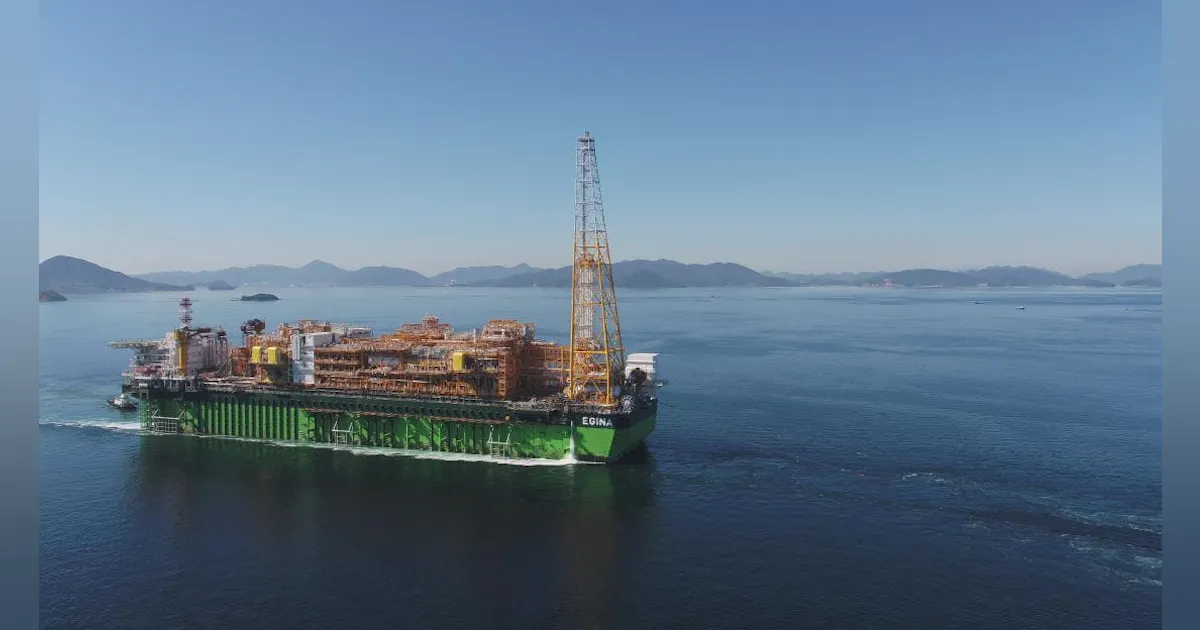
In a first-quarter results update, Meren revealed that operator TotalEnergies is working to secure a deepwater drilling rig, with mobilization anticipated later this year. The first planned well will be on the 143-MMboe Akpo Far East exploration prospect, followed by production drilling on Akpo and Egina
Nigeria appraisal and infill drilling pipeline expands In PML 52 (Agbami), operated by Chevron, and PPL 2003 (Ikija), the first phase of the next planned drilling program should begin in the fourth quarter
Story 2Offshore-mag

OTC 2026: Panel traces 40 years of deepwater floating production designs

Signal moderateDirectional

What happened

An OTC panel traced the evolution of floating production units and noted shifts toward standardized semisubmersible designs and fleet strategies. The session highlighted how hull choice and replication reduced cost and installation complexity, and how fleet posture affects redeployment options. For procurement, the operational relevance is in fleet availability and design choices that influence which vessels are convertible or available for decommissioning tasks

Buyer takeaway

Fleet design and redeployment strategy are upstream factors that will determine usable vessel pools for decommissioning efforts

Cost / money

Standardized FPU builds and fleet expansion can reduce some long‑term costs but in the near term may limit available floater units for P&A charters

Supplier / commercial

Operators and floater owners gain leverage when they can redeploy or withhold assets; expect firmer scheduling and priority terms

Safety / operations

Standard designs can simplify removal planning, but misaligned fleet posture can force last‑minute substitutions that increase operational risk

What to watch

Watch vessel redeployment announcements and fleet marketing by FPSO owners—those precede formal charter reductions for decommissioning buyers

Key facts

  • OTC panel reviewing decades of FPU evolution and fleet strategy
  • Noted industry shift toward semisubmersibles and replicable designs for cost and schedule adv
  • Discussion framed fleet posture as a determinant of redeployment flexibility

Source excerpts

These innovations greatly reduced weight, cost, and installation complexity
Both can sail away ahead of major hurricanes
Their deep-draft design delivered excellent vertical motion characteristics, dramatically minimizing heave, roll, and pitch even in severe hurricanes
Story 3Offshore-mag

comVesselsOTC 2026 FPSO designs advancing for remote operation and integrity managementMay 6

Signal moderateDirectional

What happened

Vessel reporting highlights FPSO activity and industry notes that digital platforms are easing vessel chartering and that some operators plan fleet expansion. These pieces make vessel availability and chartering mechanics operationally relevant for buyers who need tow, lift and installation support. Watch for charter listings and formal fleet expansion announcements that change slot availability for P&A projects

Buyer takeaway

Vessel availability risk is moving from opaque to observable through charter notices and vessel-owner statements—use those as procurement triggers

Cost / money

Active fleet moves reduce open capacity and can push up charter premiums for specialized P&A vessels

Supplier / commercial

Vessel owners can tighten booking terms and shorten quote validity when they have redeployment options to production work

Safety / operations

Last‑minute vessel swaps driven by fleet demands can impact scope continuity; contractually require defined handover and verification steps

What to watch

Watch charter announcements, vessel owner marketing, and digital charter platforms for early signs of capacity locking

Key facts

  • Industry notices of FPSO activity and plans for fleet expansion
  • Reports that digital platforms are easing friction in vessel chartering and scheduling
  • Vessel reporting tied to recent conference takeaways on fleet posture

Source excerpts

May 13, 2026Photo by Ivan Blanco; Courtesy SBM OffshoreVesselsSBM Offshore plans further FPSO fleet expansionMay 13, 2026ID 347677371 © Al Victor | Dreamstime
Offshore energy industry news, trends, insights and outlooksGeosciencesDrilling & CompletionField DevelopmentSubseaProduction Sections GeosciencesDrilling & CompletionField DevelopmentSubseaProductionPipelinesVesselsRenewable EnergyRegional Reports Special Exclusive ContentVideosMagazineWebcastsMaps & PostersWhat Is...?
comVesselsOTC 2026: Digital platforms are easing friction in offshore vessel charteringMay 6, 2026ID 58917463 © Ggw1962 | Dreamstime
Story 4Offshore-mag

Case Study: Optime Subsea Innovates 3km Underwater with Siemens PLM & SLM

Signal limitedDirectional

What happened

A case study describes a subsea supplier using Siemens PLM and digital‑twin workflows to standardize subsea deliveries and shorten time‑to‑market. The work is operationally real for repeatable support scopes, but evidence that this model materially shifts commercial outcomes on P&A contracts is limited. Monitor early supplier implementations to validate actual days‑saved and contract models before relying on them for procurement decisions

Buyer takeaway

Treat supplier claims about digital twins as a potential efficiency lever; validate with pilot scopes before changing contractual KPIs

Cost / money

Potential to reduce intervention days exists, but current evidence for immediate P&A cost reduction is limited

Supplier / commercial

Successful digital delivery may shift negotiations from dayrate/time‑and‑materials to outcome or lifecycle agreements, affecting scope and liability

Safety / operations

Improved remote monitoring and digital design reviews can reduce offshore exposure once fully integrated and validated

What to watch

Limited commercial scale evidence—watch pilot outcomes and supplier references before incorporating into large P&A tenders

Key facts

  • Case study of a subsea supplier adopting Siemens Teamcenter and NX for product lifecycle and
  • Claims of faster time‑to‑market and service lifecycle management improvements
  • Work framed as enabling repeatable, service‑driven subsea deliveries

Source excerpts

April 23, 2026Explore how Optime Subsea, a leader in subsea oil and gas solutions, leverages Siemens Teamcenter and NX to standardize innovation and deliver fail-proof product quality in extreme deep-sea environments. This case study reveals how they transformed a risk-averse industry by establishing a profitable servitization business model, achieving faster time-to-market, and turning challenges into opportunities with a robust digital twin and Service Lifecycle Management (SLM) process
This case study reveals how they transformed a risk-averse industry by establishing a profitable servitization business model, achieving faster time-to-market, and turning challenges into opportunities with a robust digital twin and Service Lifecycle Management (SLM) process. Read the Full Story: Discover How Optime Subsea Achieved Subsea Excellence!
This case study reveals how they transformed a risk-averse industry by establishing a profitable servitization business model, achieving faster time-to-market, and turning challenges into opportunities with a robust digital twin and Service Lifecycle Management (SLM) process

VP Snapshot

Executive Risk & Action View

Operators have publicly signaled new offshore drilling and appraisal campaigns in West and Central Africa that will mobilize rigs and support services, creating tangible near‑term competition for vessels and heavy marine services used in decommissioning.

Overall
52
Cost
97
Supply
61
Schedule
38
Compliance
15

Top signals

30-180dcost

Signal 1: Cost / money

Mobilized drilling campaigns raise the likelihood suppliers will demand mobilization premiums or shorter quote validity for long‑lead marine and heavy‑lift charters, which shifts cash and cancellation risk to buyers.

Signal 2: Cost / money

FPSO redeployments and fleet expansion compress open vessel capacity and can harden dayrates or short‑notice charter premiums for specialized tow, lift and installation vessels essential to P&A scopes.

0-30dcost

Signal 3: Cost / money

Investing in digital‑twin and standardized subsea processes can lower execution days and some scope costs over time, but current evidence for immediate P&A cost offsets is limited—budget leads should not assume near‑term savings.

0-30dsupply

Signal 4: Supplier / commercial

Operators sequencing appraisal and production wells creates clearer high‑value priorities for suppliers, prompting conditional‑availability language, shorter quote windows, and deposit mechanics in RFQs for decommissioning buyers.

30-180dcommercial

Signal 5: Supplier / commercial

FPSO owners and vessel operators with expansion or redeployment plans gain scheduling priority and can insist on tighter contract terms, reducing buyer leverage when competing against production projects.

180d+commercial

Signal 6: Supplier / commercial

Standardized outcome or lifecycle service offers pushed by subsea suppliers may shift commercial negotiations toward service‑level outcomes and longer‑term maintenance scopes—buyers should anticipate changes to scope, liability and invoicing models.

Recommended actions

CategoryDue 3d

Request written availability and conditional‑booking statements from prioritized vessel, rig, ROV and heavy‑lift suppliers across your core regions.

Documented supplier availability matrix to inform RFQ timing and mobilization clause language.

OpsDue 3d

Cross‑check imminent P&A mobilization windows against public drilling and FPSO mobilization notices to flag direct schedule conflicts and high‑risk slots.

Prioritized schedule map highlighting execution conflicts and candidates for sequencing or scope adjustment.

ContractsDue 21d

Update RFQ and MSA templates to require explicit mobilization windows, capped quote‑validity periods, and defined deposit/cancellation mechanics for long‑lead suppliers.

Revised clauses that cap quote validity and define deposit and cancellation liabilities for long‑lead items.

CategoryDue 21d

Run targeted commercial probes with preferred yards, fabrication houses and vessel operators to surface realistic lead times, conditional‑booking practices, and deposit mechanics.

Supplier intelligence brief with documented lead‑time ranges and commercial mechanics for upcoming P&A tenders.

CategoryDue 60d

Negotiate provisional slot holds, flexible‑call windows, or MOUs with a short list of preferred installation vessels and fabrication yards for prioritized P&A campaigns.

List of provisional holds or MOUs that reduce supplier reallocation risk and protect prioritized mobilization windows.

Risk register

RiskTriggerMitigation
Watch for formal yard bookings, rig mobilization confirmations, or vessel charter announcements—those convert conference-level signals into locked slots that materially reduce buyer flexibility for P&A scheduling.Watch for formal yard bookings, rig mobilization confirmations, or vessel charter announcements—those convert conference-level signals into locked slots that materially reduce buyer flexibility for P&A scheduling.Confirm exposure with category, contracts, and operations before the next supplier commitment.
Watch supplier RFQs and pre‑qualification packs for tightened quote‑validity windows, deposit requests, or conditional‑availability clauses that transfer mobilization cost and schedule risk to buyers.Watch supplier RFQs and pre‑qualification packs for tightened quote‑validity windows, deposit requests, or conditional‑availability clauses that transfer mobilization cost and schedule risk to buyers.Confirm exposure with category, contracts, and operations before the next supplier commitment.

CM Snapshot

Category Manager Decision Detail

Today's priorities

Request written availability and conditional‑booking statements from prioritized vessel, rig, ROV and heavy‑lift suppliers across your core regions.

because recent operator mobilizations and multi‑well sequencing increase the risk suppliers will shorten quote windows or require deposits, and documented statements let you tim...

Due 3d

high

CM move

Use this as the immediate supplier or contract action to move before the next sourcing gate.

Cross‑check imminent P&A mobilization windows against public drilling and FPSO mobilization notices to flag direct schedule conflicts and high‑risk slots.

because overlapping mobilizations create direct vessel and crew conflicts that are addressable only after explicit mapping between P&A and production schedules.

Due 3d

high

CM move

Use this as the immediate supplier or contract action to move before the next sourcing gate.

Update RFQ and MSA templates to require explicit mobilization windows, capped quote‑validity periods, and defined deposit/cancellation mechanics for long‑lead suppliers.

because FPSO fleet moves and drilling demand give suppliers leverage to shorten commercial windows or demand deposits, and tightened clauses protect buyer cashflow and schedule...

Due 21d

high

CM move

Use this as the immediate supplier or contract action to move before the next sourcing gate.

Run targeted commercial probes with preferred yards, fabrication houses and vessel operators to surface realistic lead times, conditional‑booking practices, and deposit mechanics.

because direct supplier conversations reveal where buyer leverage remains amid fleet redeployments and help set realistic procurement timelines and contingency options.

Due 21d

high

CM move

Use this as the immediate supplier or contract action to move before the next sourcing gate.

Supplier radar

Offshore-mag

high

Observed supplier signal

Operators sequencing appraisal and production wells creates clearer high‑value priorities for suppliers, prompting conditional‑availability language, shorter quote windows, and deposit mechanics in RFQs for decommissioning buyers.

Commercial implication

Operators sequencing appraisal and production wells creates clearer high‑value priorities for suppliers, prompting conditional‑availability language, shorter quote windows, and deposit mechanics in RFQs for decommissioning buyers.

Next step: Validate the source-backed signal with incumbents and alternates before the next award or pricing decision.

Offshore-mag

high

Observed supplier signal

FPSO owners and vessel operators with expansion or redeployment plans gain scheduling priority and can insist on tighter contract terms, reducing buyer leverage when competing against production projects.

Commercial implication

FPSO owners and vessel operators with expansion or redeployment plans gain scheduling priority and can insist on tighter contract terms, reducing buyer leverage when competing against production projects.

Next step: Validate the source-backed signal with incumbents and alternates before the next award or pricing decision.

Offshore-mag

high

Observed supplier signal

Standardized outcome or lifecycle service offers pushed by subsea suppliers may shift commercial negotiations toward service‑level outcomes and longer‑term maintenance scopes—buyers should anticipate changes to scope, liability and invoicing models.

Commercial implication

Standardized outcome or lifecycle service offers pushed by subsea suppliers may shift commercial negotiations toward service‑level outcomes and longer‑term maintenance scopes—buyers should anticipate changes to scope, liability and invoicing models.

Next step: Validate the source-backed signal with incumbents and alternates before the next award or pricing decision.

Negotiation levers

Request written availability and conditional‑booking statements from prioritized vessel, rig, ROV and heavy‑lift suppliers across your core regions.

When to use: because recent operator mobilizations and multi‑well sequencing increase the risk suppliers will shorten quote windows or require deposits, and documented statements let you tim...

Expected outcome: Documented supplier availability matrix to inform RFQ timing and mobilization clause language.

Commercial mechanism to carry into the next supplier conversation

Cross‑check imminent P&A mobilization windows against public drilling and FPSO mobilization notices to flag direct schedule conflicts and high‑risk slots.

When to use: because overlapping mobilizations create direct vessel and crew conflicts that are addressable only after explicit mapping between P&A and production schedules.

Expected outcome: Prioritized schedule map highlighting execution conflicts and candidates for sequencing or scope adjustment.

Commercial mechanism to carry into the next supplier conversation

Update RFQ and MSA templates to require explicit mobilization windows, capped quote‑validity periods, and defined deposit/cancellation mechanics for long‑lead suppliers.

When to use: because FPSO fleet moves and drilling demand give suppliers leverage to shorten commercial windows or demand deposits, and tightened clauses protect buyer cashflow and schedule...

Expected outcome: Revised clauses that cap quote validity and define deposit and cancellation liabilities for long‑lead items.

Commercial mechanism to carry into the next supplier conversation

Run targeted commercial probes with preferred yards, fabrication houses and vessel operators to surface realistic lead times, conditional‑booking practices, and deposit mechanics.

When to use: because direct supplier conversations reveal where buyer leverage remains amid fleet redeployments and help set realistic procurement timelines and contingency options.

Expected outcome: Supplier intelligence brief with documented lead‑time ranges and commercial mechanics for upcoming P&A tenders.

Commercial mechanism to carry into the next supplier conversation

Talking points

Operators have publicly signaled new offshore drilling and appraisal campaigns in West and Central Africa that will mobilize rigs and support services, creating tangible near‑term competition for vessels and heavy marine services used in decommissioning.
Industry event coverage and vessel notes point to active FPSO fleet moves and planned fleet expansion, which reduces the pool of floaters and specialized vessels buyers can call for plug-and-abandonment or jacket removals.
Subsea suppliers are marketing digital‑twin and lifecycle service models that could cut intervention days and improve repeatability for P&A, but commercial scale uptake for decommissioning work is still limited and should be treated as a developing efficiency lever.
Compared with the last brief, new operator statements make at least one near‑term rig mobilization and multi‑well sequences more visible—this increases certainty that suppliers will have near-term production priorities to manage alongside P&A requests.

Supplier radar

SupplierSignalImplicationNext stepConfidence
Offshore-magOperators sequencing appraisal and production wells creates clearer high‑value priorities for suppliers, prompting conditional‑availability language, shorter quote windows, and deposit mechanics in RFQs for decommissioning buyers.Operators sequencing appraisal and production wells creates clearer high‑value priorities for suppliers, prompting conditional‑availability language, shorter quote windows, and deposit mechanics in RFQs for decommissioning buyers.Validate the source-backed signal with incumbents and alternates before the next award or pricing decision.high
Offshore-magFPSO owners and vessel operators with expansion or redeployment plans gain scheduling priority and can insist on tighter contract terms, reducing buyer leverage when competing against production projects.FPSO owners and vessel operators with expansion or redeployment plans gain scheduling priority and can insist on tighter contract terms, reducing buyer leverage when competing against production projects.Validate the source-backed signal with incumbents and alternates before the next award or pricing decision.high
Offshore-magStandardized outcome or lifecycle service offers pushed by subsea suppliers may shift commercial negotiations toward service‑level outcomes and longer‑term maintenance scopes—buyers should anticipate changes to scope, liability and invoicing models.Standardized outcome or lifecycle service offers pushed by subsea suppliers may shift commercial negotiations toward service‑level outcomes and longer‑term maintenance scopes—buyers should anticipate changes to scope, liability and invoicing models.Validate the source-backed signal with incumbents and alternates before the next award or pricing decision.high

Negotiation levers

  • Request written availability and conditional‑booking statements from prioritized vessel, rig, ROV and heavy‑lift suppliers across your core regions.because recent operator mobilizations and multi‑well sequencing increase the risk suppliers will shorten quote windows or require deposits, and documented statements let you tim...Documented supplier availability matrix to inform RFQ timing and mobilization clause language.

    high confidence

  • Cross‑check imminent P&A mobilization windows against public drilling and FPSO mobilization notices to flag direct schedule conflicts and high‑risk slots.because overlapping mobilizations create direct vessel and crew conflicts that are addressable only after explicit mapping between P&A and production schedules.Prioritized schedule map highlighting execution conflicts and candidates for sequencing or scope adjustment.

    high confidence

  • Update RFQ and MSA templates to require explicit mobilization windows, capped quote‑validity periods, and defined deposit/cancellation mechanics for long‑lead suppliers.because FPSO fleet moves and drilling demand give suppliers leverage to shorten commercial windows or demand deposits, and tightened clauses protect buyer cashflow and schedule...Revised clauses that cap quote validity and define deposit and cancellation liabilities for long‑lead items.

    high confidence

  • Run targeted commercial probes with preferred yards, fabrication houses and vessel operators to surface realistic lead times, conditional‑booking practices, and deposit mechanics.because direct supplier conversations reveal where buyer leverage remains amid fleet redeployments and help set realistic procurement timelines and contingency options.Supplier intelligence brief with documented lead‑time ranges and commercial mechanics for upcoming P&A tenders.

    high confidence

What to do / What to watch

What to do now

  • Request written availability and conditional‑booking statements from prioritized vessel, rig, ROV and heavy‑lift suppliers across your core regions.

    Why: because recent operator mobilizations and multi‑well sequencing increase the risk suppliers will shorten quote windows or require deposits, and documented statements let you tim...

    Owner: Category

    Expected outcome: Documented supplier availability matrix to inform RFQ timing and mobilization clause language.

    [1]
  • Cross‑check imminent P&A mobilization windows against public drilling and FPSO mobilization notices to flag direct schedule conflicts and high‑risk slots.

    Why: because overlapping mobilizations create direct vessel and crew conflicts that are addressable only after explicit mapping between P&A and production schedules.

    Owner: Ops

    Expected outcome: Prioritized schedule map highlighting execution conflicts and candidates for sequencing or scope adjustment.

    [1][3]

Next few weeks

  • Update RFQ and MSA templates to require explicit mobilization windows, capped quote‑validity periods, and defined deposit/cancellation mechanics for long‑lead suppliers.

    Why: because FPSO fleet moves and drilling demand give suppliers leverage to shorten commercial windows or demand deposits, and tightened clauses protect buyer cashflow and schedule...

    Owner: Contracts

    Expected outcome: Revised clauses that cap quote validity and define deposit and cancellation liabilities for long‑lead items.

    [3]
  • Run targeted commercial probes with preferred yards, fabrication houses and vessel operators to surface realistic lead times, conditional‑booking practices, and deposit mechanics.

    Why: because direct supplier conversations reveal where buyer leverage remains amid fleet redeployments and help set realistic procurement timelines and contingency options.

    Owner: Category

    Expected outcome: Supplier intelligence brief with documented lead‑time ranges and commercial mechanics for upcoming P&A tenders.

    [1]

Longer view

  • Negotiate provisional slot holds, flexible‑call windows, or MOUs with a short list of preferred installation vessels and fabrication yards for prioritized P&A campaigns.

    Why: because confirmed drilling mobilizations and FPSO redeployments are reducing open capacity, and provisional holds reduce the risk suppliers reallocate scarce assets to higher‑va...

    Owner: Category

    Expected outcome: List of provisional holds or MOUs that reduce supplier reallocation risk and protect prioritized mobilization windows.

    [2]

What to watch

  • Watch for formal yard bookings, rig mobilization confirmations, or vessel charter announcements—those convert conference-level signals into locked slots that materially reduce buyer flexibility for P&A scheduling
  • Watch supplier RFQs and pre‑qualification packs for tightened quote‑validity windows, deposit requests, or conditional‑availability clauses that transfer mobilization cost and schedule risk to buyers
  • Watch for formal yard bookings, rig mobilization confirmations, or vessel charter announcements—those convert conference-level signals into locked slots that materially reduce buyer flexibility for P&A scheduling.: Watch for formal yard bookings, rig mobilization confirmations, or vessel charter announcements—those convert conference-level signals into locked slots that materially reduce buyer flexibility for P&A scheduling
  • Watch supplier RFQs and pre‑qualification packs for tightened quote‑validity windows, deposit requests, or conditional‑availability clauses that transfer mobilization cost and schedule risk to buyers.: Watch supplier RFQs and pre‑qualification packs for tightened quote‑validity windows, deposit requests, or conditional‑availability clauses that transfer mobilization cost and schedule risk to buyers
  • Operators have publicly signaled new offshore drilling and appraisal campaigns in West and Central Africa that will mobilize rigs and support services, creating tangible near‑term competition for vessels and heavy marine services used in decommissioning
  • Industry event coverage and vessel notes point to active FPSO fleet moves and planned fleet expansion, which reduces the pool of floaters and specialized vessels buyers can call for plug-and-abandonment or jacket removals
  • Subsea suppliers are marketing digital‑twin and lifecycle service models that could cut intervention days and improve repeatability for P&A, but commercial scale uptake for decommissioning work is still limited and should be treated as a developing efficiency lever
  • Compared with the last brief, new operator statements make at least one near‑term rig mobilization and multi‑well sequences more visible—this increases certainty that suppliers will have near-term production priorities to manage alongside P&A requests

Market pulse

IndexLatestChangeAs of
WTI Crude (WTI)71.23 /bbl+0.00 (+0.00%)May 14, 2026, 10:08 AM
Brent Crude (BRENT)74.89 /bbl+0.00 (+0.00%)May 14, 2026, 10:08 AM
Natural Gas (NG)3.12 /MMBtu+0.00 (+0.00%)May 14, 2026, 10:08 AM
Baltic Dry (BDI)1,245 pts+0.00 (+0.00%)May 14, 2026, 10:08 AM
  • WTI Crude: Elevated oil price signals can support increased drilling activity, which in turn competes for vessels and heavy services used in decommissioning; monitor for correlated mobilization notices
  • Baltic Dry: Freight and vessel market stress (Baltic Dry trends) is a forward indicator of charter pressure for heavy transport and lift services relevant to P&A planning

Sources

Inline citations jump here. Expand a source to read the excerpt, the AI interpretation, and the original link.

[1] Operators progress drilling and exploration plans across offshore Africa

offshore-mag.com · n.d.

Expand

AI reading

Operators (including TotalEnergies and Chevron) disclosed new drilling, appraisal and well‑intervention plans across offshore Africa that require deepwater rigs and supporting vessels. The updates include planned mobilizations and multi‑well sequences that make the demand signal operationally real for rig and vessel providers. Watch whether follow‑on wells and formal mobilization notices convert these plans into booked supplier slots

Buyer takeaway

Treat these public campaigns as real competition for mobilization windows and marine services, not just background exploration news

Cost / money

Directionally increases risk of mobilization premiums, shorter quote validity and deposit requests for long‑lead marine and heavy‑lift services

Supplier / commercial

Suppliers will likely prioritize production work and tighten commercial terms; expect conditional availability language and reduced bid validity windows

Safety / operations

Compressed mobilization timelines increase the need for enforced readiness checks, spare equipment clauses, and stricter pre‑mobilization audits

What to watch

Watch for formal mobilization and charter confirmations—those convert the announced campaigns into locked supplier capacity

Key facts

  • Operator-led drilling and appraisal campaigns announced across multiple West/Central African
  • Planned rig mobilizations and multi‑well sequences that elevate near‑term demand for deepwate
  • Parallel well interventions aimed at sustaining production during the wider campaign

Source excerpts

In a first-quarter results update, Meren revealed that operator TotalEnergies is working to secure a deepwater drilling rig, with mobilization anticipated later this year
In a first-quarter results update, Meren revealed that operator TotalEnergies is working to secure a deepwater drilling rig, with mobilization anticipated later this year. The first planned well will be on the 143-MMboe Akpo Far East exploration prospect, followed by production drilling on Akpo and Egina
Nigeria appraisal and infill drilling pipeline expands In PML 52 (Agbami), operated by Chevron, and PPL 2003 (Ikija), the first phase of the next planned drilling program should begin in the fourth quarter

Used in this brief

  • Next 72 hours — Request written availability and conditional‑booking statements from prioritized vessel, rig, ROV and heavy‑lift suppliers across your core regions.. Rationale: because recent operator mobilizations and multi‑well sequencing increase the risk suppliers will shorten quote windows or require deposits, and documented statements let you tim.... Owner: Category. KPI: Documented supplier availability matrix to inform RFQ timing and mobilization clause language
  • Next 72 hours — Cross‑check imminent P&A mobilization windows against public drilling and FPSO mobilization notices to flag direct schedule conflicts and high‑risk slots.. Rationale: because overlapping mobilizations create direct vessel and crew conflicts that are addressable only after explicit mapping between P&A and production schedules.. Owner: Ops. KPI: Prioritized schedule map highlighting execution conflicts and candidates for sequencing or scope adjustment
  • Next 2-4 weeks — Run targeted commercial probes with preferred yards, fabrication houses and vessel operators to surface realistic lead times, conditional‑booking practices, and deposit mechanics.. Rationale: because direct supplier conversations reveal where buyer leverage remains amid fleet redeployments and help set realistic procurement timelines and contingency options.. Owner: Category. KPI: Supplier intelligence brief with documented lead‑time ranges and commercial mechanics for upcoming P&A tenders
Open original source

[2] OTC 2026: Panel traces 40 years of deepwater floating production designs

offshore-mag.com · n.d.

Expand

AI reading

An OTC panel traced the evolution of floating production units and noted shifts toward standardized semisubmersible designs and fleet strategies. The session highlighted how hull choice and replication reduced cost and installation complexity, and how fleet posture affects redeployment options. For procurement, the operational relevance is in fleet availability and design choices that influence which vessels are convertible or available for decommissioning tasks

Buyer takeaway

Fleet design and redeployment strategy are upstream factors that will determine usable vessel pools for decommissioning efforts

Cost / money

Standardized FPU builds and fleet expansion can reduce some long‑term costs but in the near term may limit available floater units for P&A charters

Supplier / commercial

Operators and floater owners gain leverage when they can redeploy or withhold assets; expect firmer scheduling and priority terms

Safety / operations

Standard designs can simplify removal planning, but misaligned fleet posture can force last‑minute substitutions that increase operational risk

What to watch

Watch vessel redeployment announcements and fleet marketing by FPSO owners—those precede formal charter reductions for decommissioning buyers

Key facts

  • OTC panel reviewing decades of FPU evolution and fleet strategy
  • Noted industry shift toward semisubmersibles and replicable designs for cost and schedule adv
  • Discussion framed fleet posture as a determinant of redeployment flexibility

Source excerpts

These innovations greatly reduced weight, cost, and installation complexity
Both can sail away ahead of major hurricanes
Their deep-draft design delivered excellent vertical motion characteristics, dramatically minimizing heave, roll, and pitch even in severe hurricanes

Used in this brief

  • Next quarter — Negotiate provisional slot holds, flexible‑call windows, or MOUs with a short list of preferred installation vessels and fabrication yards for prioritized P&A campaigns.. Rationale: because confirmed drilling mobilizations and FPSO redeployments are reducing open capacity, and provisional holds reduce the risk suppliers reallocate scarce assets to higher‑va.... Owner: Category. KPI: List of provisional holds or MOUs that reduce supplier reallocation risk and protect prioritized mobilization windows
  • An OTC panel traced the evolution of floating production units and noted shifts toward standardized semisubmersible designs and fleet strategies. The session highlighted how hull choice and replication reduced cost and installation complexity, and how fleet posture affects redeployment options. For procurement, the operational relevance is in fleet availability and design choices that influence which vessels are convertible or available for decommissioning tasks
  • Buyer bottom line: shifts in FPU design and fleet strategy change which vessels are practically available for P&A, and can lengthen lead times for specialized removal work
Open original source

[3] comVesselsOTC 2026 FPSO designs advancing for remote operation and integrity managementMay 6

offshore-mag.com · n.d.

Expand

AI reading

Vessel reporting highlights FPSO activity and industry notes that digital platforms are easing vessel chartering and that some operators plan fleet expansion. These pieces make vessel availability and chartering mechanics operationally relevant for buyers who need tow, lift and installation support. Watch for charter listings and formal fleet expansion announcements that change slot availability for P&A projects

Buyer takeaway

Vessel availability risk is moving from opaque to observable through charter notices and vessel-owner statements—use those as procurement triggers

Cost / money

Active fleet moves reduce open capacity and can push up charter premiums for specialized P&A vessels

Supplier / commercial

Vessel owners can tighten booking terms and shorten quote validity when they have redeployment options to production work

Safety / operations

Last‑minute vessel swaps driven by fleet demands can impact scope continuity; contractually require defined handover and verification steps

What to watch

Watch charter announcements, vessel owner marketing, and digital charter platforms for early signs of capacity locking

Key facts

  • Industry notices of FPSO activity and plans for fleet expansion
  • Reports that digital platforms are easing friction in vessel chartering and scheduling
  • Vessel reporting tied to recent conference takeaways on fleet posture

Source excerpts

May 13, 2026Photo by Ivan Blanco; Courtesy SBM OffshoreVesselsSBM Offshore plans further FPSO fleet expansionMay 13, 2026ID 347677371 © Al Victor | Dreamstime
Offshore energy industry news, trends, insights and outlooksGeosciencesDrilling & CompletionField DevelopmentSubseaProduction Sections GeosciencesDrilling & CompletionField DevelopmentSubseaProductionPipelinesVesselsRenewable EnergyRegional Reports Special Exclusive ContentVideosMagazineWebcastsMaps & PostersWhat Is...?
comVesselsOTC 2026: Digital platforms are easing friction in offshore vessel charteringMay 6, 2026ID 58917463 © Ggw1962 | Dreamstime

Used in this brief

  • Next 2-4 weeks — Update RFQ and MSA templates to require explicit mobilization windows, capped quote‑validity periods, and defined deposit/cancellation mechanics for long‑lead suppliers.. Rationale: because FPSO fleet moves and drilling demand give suppliers leverage to shorten commercial windows or demand deposits, and tightened clauses protect buyer cashflow and schedule.... Owner: Contracts. KPI: Revised clauses that cap quote validity and define deposit and cancellation liabilities for long‑lead items
  • Watch supplier RFQs and pre‑qualification packs for tightened quote‑validity windows, deposit requests, or conditional‑availability clauses that transfer mobilization cost and schedule risk to buyers
  • Vessel reporting highlights FPSO activity and industry notes that digital platforms are easing vessel chartering and that some operators plan fleet expansion. These pieces make vessel availability and chartering mechanics operationally relevant for buyers who need tow, lift and installation support. Watch for charter listings and formal fleet expansion announcements that change slot availability for P&A projects
Open original source

[4] Case Study: Optime Subsea Innovates 3km Underwater with Siemens PLM & SLM

offshore-mag.com · n.d.

Expand

AI reading

A case study describes a subsea supplier using Siemens PLM and digital‑twin workflows to standardize subsea deliveries and shorten time‑to‑market. The work is operationally real for repeatable support scopes, but evidence that this model materially shifts commercial outcomes on P&A contracts is limited. Monitor early supplier implementations to validate actual days‑saved and contract models before relying on them for procurement decisions

Buyer takeaway

Treat supplier claims about digital twins as a potential efficiency lever; validate with pilot scopes before changing contractual KPIs

Cost / money

Potential to reduce intervention days exists, but current evidence for immediate P&A cost reduction is limited

Supplier / commercial

Successful digital delivery may shift negotiations from dayrate/time‑and‑materials to outcome or lifecycle agreements, affecting scope and liability

Safety / operations

Improved remote monitoring and digital design reviews can reduce offshore exposure once fully integrated and validated

What to watch

Limited commercial scale evidence—watch pilot outcomes and supplier references before incorporating into large P&A tenders

Key facts

  • Case study of a subsea supplier adopting Siemens Teamcenter and NX for product lifecycle and
  • Claims of faster time‑to‑market and service lifecycle management improvements
  • Work framed as enabling repeatable, service‑driven subsea deliveries

Source excerpts

April 23, 2026Explore how Optime Subsea, a leader in subsea oil and gas solutions, leverages Siemens Teamcenter and NX to standardize innovation and deliver fail-proof product quality in extreme deep-sea environments. This case study reveals how they transformed a risk-averse industry by establishing a profitable servitization business model, achieving faster time-to-market, and turning challenges into opportunities with a robust digital twin and Service Lifecycle Management (SLM) process
This case study reveals how they transformed a risk-averse industry by establishing a profitable servitization business model, achieving faster time-to-market, and turning challenges into opportunities with a robust digital twin and Service Lifecycle Management (SLM) process. Read the Full Story: Discover How Optime Subsea Achieved Subsea Excellence!
This case study reveals how they transformed a risk-averse industry by establishing a profitable servitization business model, achieving faster time-to-market, and turning challenges into opportunities with a robust digital twin and Service Lifecycle Management (SLM) process

Used in this brief

  • A case study describes a subsea supplier using Siemens PLM and digital‑twin workflows to standardize subsea deliveries and shorten time‑to‑market. The work is operationally real for repeatable support scopes, but evidence that this model materially shifts commercial outcomes on P&A contracts is limited. Monitor early supplier implementations to validate actual days‑saved and contract models before relying on them for procurement decisions
  • Buyer bottom line: digital‑twin and lifecycle tools can improve subsea execution and oversight, but current commercial impact on P&A timelines and cost is still emerging
  • Treat supplier claims about digital twins as a potential efficiency lever; validate with pilot scopes before changing contractual KPIs
Open original source

[5] WTI Crude

finance.yahoo.com · n.d.

Expand

[6] Baltic Dry

finance.yahoo.com · n.d.

Expand