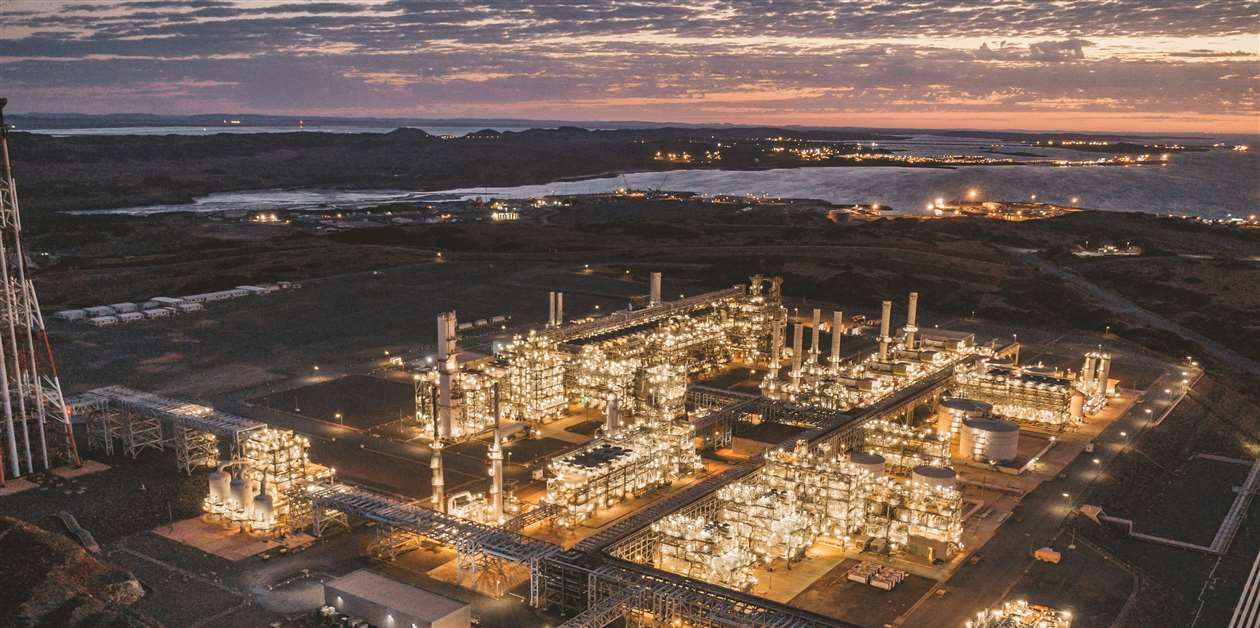
Special Report: Australia’s LNG industry
What happened
COMPRESSORTech2 published a special report on Australia’s LNG industry showing a large existing liquefaction base but limited near‑term expansion and operational technical limits. The piece highlights domestic east‑coast demand and regasification constraints that make local routing and staging operationally material. Watch for policy or project‑level regasification moves that would change shipping and spare‑parts staging needs
Buyer takeaway
Treat Australia as a large but non‑expanding supply pool; don’t assume domestic build‑out will reduce logistics or equipment lead‑time pressure for exposed projects
Cost / money
Directional: constrained domestic supply raises the risk of local logistics premiums and regasification pass‑throughs on project shipments
Supplier / commercial
Regional suppliers and carriers operating on or near Australian trade lanes can press for prioritization where port or feedstock limits exist
Safety / operations
Longer or rerouted logistics compress crew rotations and site acceptance windows; mobilization SLAs and pre‑installation testing become more critical
What to watch
Watch east‑coast regasification announcements and technical‑quality statements that could change routing or local demand
Key facts
- Ten major liquefaction facilities underpin national exports
- ” Plans to expand pipeline capacity could help spur more upstream production as well, and wil
- (Image: Woodside Energy) Australia is the world’s second-largest LNG exporter, having been ov
- According to the International Gas Union’s (IGU) 2025 World LNG Report, Australia had 87
Source excerpts
The constraint for Australian LNG is access to gas feedstock. ” There are various factors behind the fact that new projects will not represent material expansions of Australia’s LNG capacity, according to Munton
” Indeed, Australia is due to see its first regasification project come online soon
In addition, there have been some early efforts to develop regasification capacity on the East Coast, based on the assumption that it will be easier to import LNG – potentially even from another Australian terminal – than to transport it to the region by pipeline. Beyond the boom There is still a substantial amount of activity underway within Australia’s LNG industry, mostly aimed at backfilling projects