Wells Materials & OCTG · Australia (Perth)

Strengthen OCTG Mobilisation and OT Requirements Ahead of Heavy‑Haul Activity

Published May 14, 2026, 6:08 AM AWSTAPACFull category signal
Ask AI
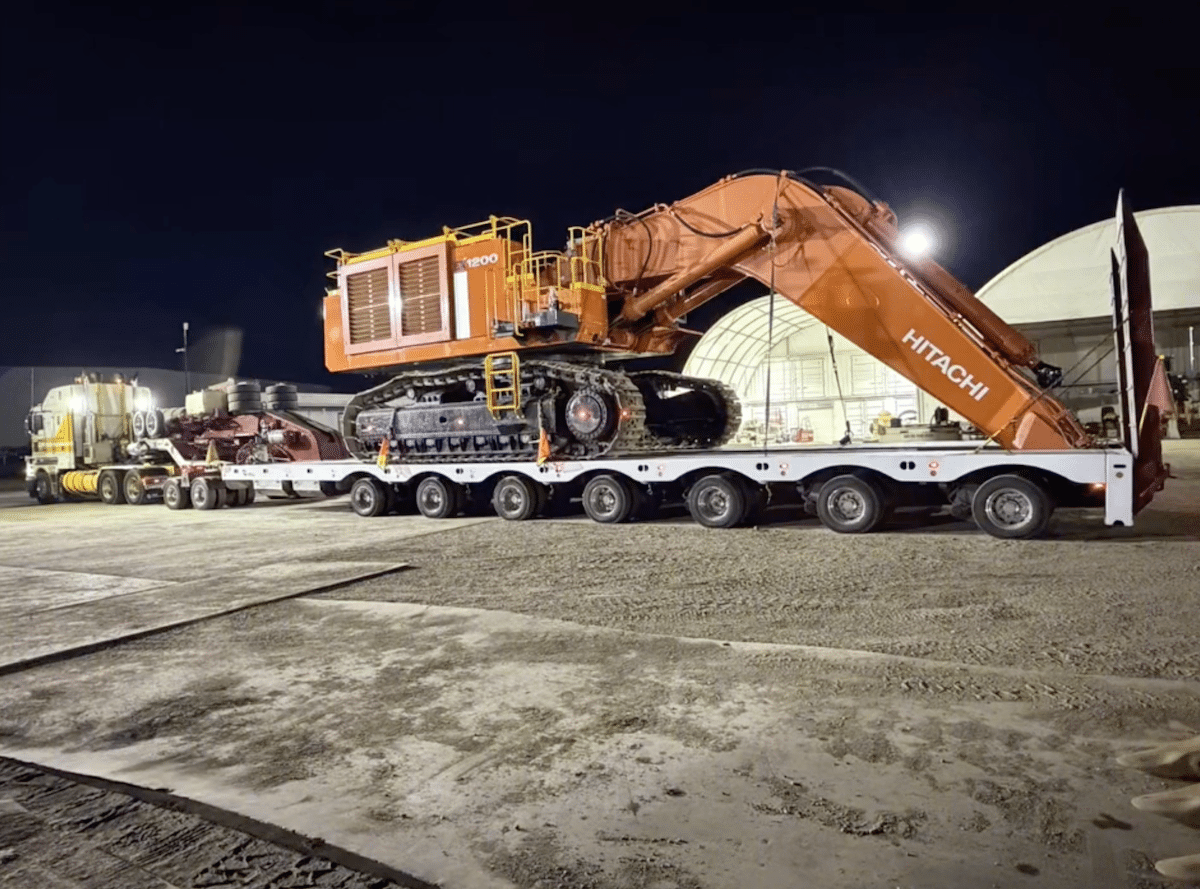
Austrack Equipment sends out the big guns

In 60 seconds

Top move

Recent heavy‑haul movements show real mobilisation complexity that can create transport premiums and escort needs buyers must price and contract for

Key takeaways

  • Recent heavy‑haul movements show real mobilisation complexity that can create transport premiums and escort needs buyers must price and contract for.[1]
  • Large, custom HDD rigs and engineered set‑ups increase specialised equipment and site‑preparation needs that affect OCTG staging, handling and onsite readiness.[3]
  • Product rollouts and cloud SCADA/RTU mentions tighten the operational expectation for supplier telemetry, remote connectivity and OT integration during deliveries and commissioning.[4]
  • PNG Expo signals buyer–supplier conversations in the region that could translate into mid‑cycle demand or new supplier relationships, but this is a networking signal rather than an immediate procurement change.[2]
  • Net: normal signal day — evidence is operational and actionable for mobilisation and OT clauses, not a market shock that requires emergency buys.[1][4]

What changed since last run

  • Added concrete heavy‑haul example (Austrack excavator move) that confirms escort and long‑haul transport exposure for large assets compared with prior, more theoretical mobilisation risk notes.
  • Added engineered HDD rig fabrication and extreme elevation drill example that raises specialised equipment and containment (site‑prep) implications absent from the last run.
  • New emphasis on OT/SCADA and RTU rollouts as an operational procurement factor; previous brief focused on ILI prep and physical handling.

Key facts

  • 120‑ton excavator mobilised from near Brisbane
  • Transport required pilot and police escorts and push–pull prime mover arrangement
  • Move covered about 800km to site
  • Three complex HDDs completed for Snowy 2.0
  • Single HDD length example: 2,248m with a 563m elevation change
  • Rigs designed/fabricated with nearly 400 tonnes of push/pull force and set in engineered conc

Why it matters

Recent heavy‑haul movements show real mobilisation complexity that can create transport premiums and escort needs buyers must price and contract for. Large, custom HDD rigs and engineered set‑ups increase specialised equipment and site‑preparation needs that affect OCTG staging, handling and onsite readiness. Product rollouts and cloud SCADA/RTU mentions tighten the operational expectation for supplier telemetry, remote connectivity and OT integration during deliveries and commissioning. PNG Expo signals buyer–supplier conversations in the region that could translate into mid‑cycle demand or new supplier relationships, but this is a networking signal rather than an immediate procurement change

Cost / money

  • Long, escorted heavy‑haul moves raise the chance of direct transport premiums and pilot/police escort pass‑throughs during mobilisation (higher last‑mile cost risk).[1]
  • Custom rig fabrication and engineered HDD setups imply premium mobilisation and on‑site handling charges that can flow through OCTG logistics if suppliers rely on bespoke handling equipment.[3]
  • Expect incremental scope lines for telemetry/SCADA integration or remote commissioning support that can appear as separate cost items unless captured in contract scope.[4]

Supplier / commercial

  • Suppliers owning heavy‑haul capability, pilot/escort relationships or specialised prime movers gain negotiating leverage at award and mobilisation stages.[1]
  • Fabricators or contractors that can design and field bespoke HDD rigs or engineered containment win advantage on complex site works; their schedule and lead‑times matter for OCTG sequencing.[3]
  • Vendors that include SCADA/RTU compatibility, edge/telemetry specs and documented commissioning support will be preferred where connectivity is required.[4]

Safety / operations

  • Moving very large equipment over long distances requires formal transport safety plans, police/pilot coordination and site reception procedures to avoid delays or fines.[1]
  • HDD rigs using engineered pits and drilling‑fluid separation are operationally real safety/environment controls; OCTG deliveries to those sites must align with containment and handling protocols.[3]
  • Electrification and new control hardware reduce emissions but create need for trained electrical maintenance and OT‑aware safety processes at handover.[4]

What to watch

  • Watch for suppliers adding explicit mobilisation pass‑throughs, escort costs, or short quote validity windows tied to heavy‑haul scheduling.[1]
  • Watch whether site owners demand documented SCADA/RTU interface specs or telemetry SLAs as a condition for acceptance — these can become contract acceptance gates.[4]
  • Watch for bespoke rig builders or heavy‑haul carriers to require staged deliveries that change yard‑space and handling sequencing assumptions.[3]

Top stories

Story 1The Australian PipelinerMay 11, 2026

Austrack Equipment sends out the big guns

Signal strongSource-grounded

What happened

Austrack Equipment moved its largest excavator to a central Queensland mine and the transport required pilot and police escorts and a push–pull prime mover arrangement. The long distance move and escort requirement make this a concrete example of last‑mile heavy‑haul complexity buyers face when mobilising large assets. Watch whether carriers begin to standardise escort pricing or narrow quote validity windows for comparable moves

Buyer takeaway

Treat heavy‑haul examples as operational precedent — escort and prime mover needs can lead to explicit mobilisation premiums that must be scoped and contracted

Cost / money

Directional: expect potential transport premium and escort pass‑throughs during mobilisation if carriers must provide police/pilot coordination or special prime movers

Supplier / commercial

Carriers that own heavy‑haul capability or have managed escort logistics obtain leverage; require declared capability in tendering to avoid surprises

Safety / operations

Escort and transport plans introduce formal safety and traffic management requirements on arrival that affect yard reception and onsite handling sequencing

What to watch

Watch for tightened quote validity and separate line items for escort or pilot costs in carrier bids

Key facts

  • 120‑ton excavator mobilised from near Brisbane
  • Transport required pilot and police escorts and push–pull prime mover arrangement
  • Move covered about 800km to site

Source excerpts

The transport arrangements required both pilot and police escorts
In addition, the huge horsepower requirements to handle the heavy load were met by lead and trailing prime movers in a push-pull set up. The tandem prime mover arrangement resulted in a combined horsepower of more than 1300HP
Image: Austrack Austrack Equipment recently dispatched the biggest excavator in its fleet to a central Queensland mine
Story 2The Australian PipelinerApr 27, 2026

Getting technical at Snowy 2.0

Signal strongSource-grounded

What happened

Michels Trenchless completed very long and technically difficult horizontal directional drills (HDDs) for the Snowy 2.0 pumped hydro project, including rigs designed with nearly 400 tonnes of push/pull force and engineered concrete pits for fluid containment. The scale and elevation change underline the need for bespoke handling, site containment and sequenced logistics on complex projects. Watch whether similar bespoke rig fabrication and site containment become a standard requirement on constrained or environmentally sensitive sites

Buyer takeaway

Treat complex HDD projects as a trigger for tightening mobilisation and containment requirements in supplier selection and contract scope

Cost / money

Directional: bespoke rig and containment needs can increase on‑site handling and mobilisation costs that may be passed to buyers unless contractually constrained

Supplier / commercial

Contractors capable of bespoke rig fabrication or advanced containment can command premium scheduling and mobilisation terms

Safety / operations

Engineered pits and drilling fluid separation are necessary controls; OCTG deliveries must adapt to site‑specific handling and environmental protocols

What to watch

Verify whether suppliers expect to stage deliveries or require special handling equipment that will affect yard and launcher schedules

Key facts

  • Three complex HDDs completed for Snowy 2.0
  • Single HDD length example: 2,248m with a 563m elevation change
  • Rigs designed/fabricated with nearly 400 tonnes of push/pull force and set in engineered conc

Source excerpts

In accordance with these rules, both rigs were set up inside large, engineered concrete pits to keep the drilling fluids separated from the ground
The work site’s remote location posed logistical challenges to the transportation of parts and supplies, particularly specialised HDD tooling. Extensive planning was required to ensure all needed equipment, as well as any equipment or supplies that may be needed should unforeseen circumstances arise, was available on-site
This allows it to flow back out of the hole into the pit by the rig
Story 3Processonline

Process control systems :: Process Online

Signal moderateDirectional

What happened

Process Online lists multiple product and systems updates across SCADA, RTUs and DCS platforms, including cloud‑based SCADA rollouts and expanded Australian RTU technology. These announcements increase the operational expectation that suppliers can support telemetry, remote commissioning and secure OT interfaces. Watch procurement responses that start to include telemetry and SCADA compatibility as part of delivery and acceptance criteria

Buyer takeaway

Require suppliers to document telemetry and SCADA/RTU interface compatibility early in the procurement process to avoid integration scope creep

Cost / money

Directional: adding telemetry or remote commissioning items creates incremental supplier scope that can be priced separately if not in the base contract

Supplier / commercial

Vendors that supply clear OT integration documentation and commissioning support will be advantaged during evaluation

Safety / operations

Greater connectivity increases need for OT security, qualified commissioning engineers and documented acceptance tests

What to watch

Watch for vendors offering cloud/edge capabilities without clear SLAs or cyber controls; these gaps can become contractual disputes

Key facts

  • Cloud‑based SCADA projects cited as among Australia's largest renewable integrations
  • RTU technology expansion from Australia into New Zealand noted
  • Multiple DCS and HMI product updates signalling platform refresh activity

Source excerpts

Electric actuation: a gamechanger for upstream processes 12 February, 2026 | Supplied by: Rotork Australia The electrification of upstream oil and gas processes offers the opportunity to reduce emissions of greenhouse gases while improving efficiency
Australian RTU technology expands into NZ 05 March, 2026 | Supplied by: CGI Australia CGI and Landis+Gyr bring Australian‍-‍made remote telemetry units to New Zealand to strengthen utility network resilience. Cloud-based SCADA to integrate renewable energy sites 26 February, 2026 | Supplied by: Siemens Ltd Siemens has announced it will deliver one of Australia's largest cloud‍-‍based SCADA systems for renewable energy
Australian RTU technology expands into NZ 05 March, 2026 | Supplied by: CGI Australia CGI and Landis+Gyr bring Australian‍-‍made remote telemetry units to New Zealand to strengthen utility network resilience
Story 4The Australian PipelinerMay 10, 2026

PNG Expo 2026 to feature top voices from mining, government and community sectors

Signal limitedDirectional

What happened

PNG Expo 2026 will gather mining, government and community leaders for a two‑day program focusing on sustainability, public health and operational resilience, offering networking between operators and suppliers. For procurement this is a platform to re‑engage PNG suppliers and test market appetite, but it is a relationship and information signal rather than immediate demand evidence. Watch exhibitors and panel themes for procurement‑relevant commitments or supplier announcements

Buyer takeaway

Use the Expo to validate regional supplier capabilities and gather intelligence on near‑term project pipelines in PNG

Cost / money

Limited: the event may reveal project appetite that affects future demand planning but does not create immediate cost exposure

Supplier / commercial

Opportunity to identify local suppliers with mobilisation or heavy‑haul capability that could be used to reduce cross‑border transport costs

Safety / operations

Panels on public health and resilience may signal buyer preference for suppliers with community and safety credentials

What to watch

This is a thematic, networking signal — developments from the Expo require follow‑up validation before changing procurement strategy

Key facts

  • PNG Expo is a two‑day industry conference focused on mining and resources
  • Program themes: sustainability, public health and operational resilience
  • Brings together operators, suppliers, government and community stakeholders

Source excerpts

The two-day program will address key themes of sustainability, public health and operational resilience, reflecting the ongoing evolution of priorities within PNG’s mining sector
“PNG Expo is about connecting the full spectrum of the mining industry, from operators and suppliers through to government and community leaders,” she said
Other key participants include speakers from The PNG Chiefs, Stream Tech PNG, Pacific Lime and Cement, Great pacific Gold and OK Tedi. With a high-calibre speaker program and an emphasis on practical outcomes, PNG Expo 2026 will play a vital role in connecting the industry, sharing critical insights and supporting the future growth of PNG’s mining and resources sector

VP Snapshot

Executive Risk & Action View

Recent heavy‑haul movements show real mobilisation complexity that can create transport premiums and escort needs buyers must price and contract for.

Overall
62
Cost
79
Supply
25
Schedule
56
Compliance
15

Top signals

30-180dcost

Signal 1: Cost / money

Long, escorted heavy‑haul moves raise the chance of direct transport premiums and pilot/police escort pass‑throughs during mobilisation (higher last‑mile cost risk).

Signal 2: Cost / money

Custom rig fabrication and engineered HDD setups imply premium mobilisation and on‑site handling charges that can flow through OCTG logistics if suppliers rely on bespoke handling equipment.

Signal 3: Cost / money

Expect incremental scope lines for telemetry/SCADA integration or remote commissioning support that can appear as separate cost items unless captured in contract scope.

30-180dcommercial

Signal 4: Supplier / commercial

Suppliers owning heavy‑haul capability, pilot/escort relationships or specialised prime movers gain negotiating leverage at award and mobilisation stages.

30-180dschedule

Signal 5: Supplier / commercial

Fabricators or contractors that can design and field bespoke HDD rigs or engineered containment win advantage on complex site works; their schedule and lead‑times matter for OCTG sequencing.

Signal 6: Supplier / commercial

Vendors that include SCADA/RTU compatibility, edge/telemetry specs and documented commissioning support will be preferred where connectivity is required.

Recommended actions

CategoryDue 3d

Ask shortlisted carriers and heavy‑haul providers to confirm in writing whether they have pilot/police escort experience, declared prime mover arrangements and typical mobilisat...

Updated carrier register with declared escort capability and mobilisation constraints for award decisions.

ContractsDue 3d

Request from shortlisted OCTG suppliers a short OT/telemetry statement listing supported SCADA/RTU interfaces and a contact for commissioning support.

Supplier responses that clearly state telemetry interfaces and commissioning contact, allowing scope inclusion in RFQs.

ContractsDue 21d

Update RFQ and scoring criteria to award points for declared owned heavy‑haul assets, experience with police/pilot escorts, and verifiable mobilisation timelines.

Tender responses that separate owned vs third‑party haul capability and provide mobilisation lead‑time clarity for evaluation.

ContractsDue 21d

Add a mandatory I/O and telemetry annex to OCTG delivery and site‑acceptance scopes that requires suppliers to state SCADA/RTU compatibility and commissioning support levels.

Contracts that include a clear acceptance annex reducing post‑delivery disputes over connectivity and commissioning scope.

OpsDue 60d

Run a mobilisation exposure exercise with Ops to map heavy‑haul routes, yard‑space and launcher/receiver sequencing for planned OCTG deliveries, and feed results into contract m...

Mobilisation risk matrix used to set contractual mobilisation caps and yard sequencing plans for awards.

ContractsDue 60d

Work with Legal/Contracts to draft mobilisation cost pass‑through language and telemetry acceptance gates to include in framework OCTG agreements.

Contract templates that limit unexpected mobilisation pass‑throughs and establish OT/SCADA acceptance conditions.

Risk register

RiskTriggerMitigation
Watch for suppliers adding explicit mobilisation pass‑throughs, escort costs, or short quote validity windows tied to heavy‑haul scheduling.Watch for suppliers adding explicit mobilisation pass‑throughs, escort costs, or short quote validity windows tied to heavy‑haul scheduling.Confirm exposure with category, contracts, and operations before the next supplier commitment.
Watch whether site owners demand documented SCADA/RTU interface specs or telemetry SLAs as a condition for acceptance — these can become contract acceptance gates.Watch whether site owners demand documented SCADA/RTU interface specs or telemetry SLAs as a condition for acceptance — these can become contract acceptance gates.Confirm exposure with category, contracts, and operations before the next supplier commitment.
Watch for bespoke rig builders or heavy‑haul carriers to require staged deliveries that change yard‑space and handling sequencing assumptions.Watch for bespoke rig builders or heavy‑haul carriers to require staged deliveries that change yard‑space and handling sequencing assumptions.Confirm exposure with category, contracts, and operations before the next supplier commitment.

CM Snapshot

Category Manager Decision Detail

Today's priorities

Ask shortlisted carriers and heavy‑haul providers to confirm in writing whether they have pilot/police escort experience, declared prime mover arrangements and typical mobilisat...

because the Austrack heavy‑haul example shows escort and complex prime mover setups can be a decisive mobilisation cost and scheduling constraint for large tubular deliveries.

Due 3d

high

CM move

Use this as the immediate supplier or contract action to move before the next sourcing gate.

Request from shortlisted OCTG suppliers a short OT/telemetry statement listing supported SCADA/RTU interfaces and a contact for commissioning support.

because recent SCADA/RTU rollouts increase the chance buyers will need telemetry compatibility at handover and missing specs create scope creep.

Due 3d

high

CM move

Use this as the immediate supplier or contract action to move before the next sourcing gate.

Update RFQ and scoring criteria to award points for declared owned heavy‑haul assets, experience with police/pilot escorts, and verifiable mobilisation timelines.

because carriers owning the required heavy‑haul capability reduce the risk of last‑minute transport premiums and protect schedule integrity during mobilisation.

Due 21d

high

CM move

Use this as the immediate supplier or contract action to move before the next sourcing gate.

Add a mandatory I/O and telemetry annex to OCTG delivery and site‑acceptance scopes that requires suppliers to state SCADA/RTU compatibility and commissioning support levels.

because cloud SCADA and RTU usage on projects raises integration points that, if unspecified, become unpriced change orders at commissioning.

Due 21d

high

CM move

Use this as the immediate supplier or contract action to move before the next sourcing gate.

Supplier radar

The Australian Pipeliner

high

Observed supplier signal

Suppliers owning heavy‑haul capability, pilot/escort relationships or specialised prime movers gain negotiating leverage at award and mobilisation stages.

Commercial implication

Suppliers owning heavy‑haul capability, pilot/escort relationships or specialised prime movers gain negotiating leverage at award and mobilisation stages.

Next step: Validate the source-backed signal with incumbents and alternates before the next award or pricing decision.

The Australian Pipeliner

high

Observed supplier signal

Fabricators or contractors that can design and field bespoke HDD rigs or engineered containment win advantage on complex site works; their schedule and lead‑times matter for OCTG sequencing.

Commercial implication

Fabricators or contractors that can design and field bespoke HDD rigs or engineered containment win advantage on complex site works; their schedule and lead‑times matter for OCTG sequencing.

Next step: Validate the source-backed signal with incumbents and alternates before the next award or pricing decision.

Processonline

high

Observed supplier signal

Vendors that include SCADA/RTU compatibility, edge/telemetry specs and documented commissioning support will be preferred where connectivity is required.

Commercial implication

Vendors that include SCADA/RTU compatibility, edge/telemetry specs and documented commissioning support will be preferred where connectivity is required.

Next step: Validate the source-backed signal with incumbents and alternates before the next award or pricing decision.

Negotiation levers

Ask shortlisted carriers and heavy‑haul providers to confirm in writing whether they have pilot/police escort experience, declared prime mover arrangements and typical mobilisat...

When to use: because the Austrack heavy‑haul example shows escort and complex prime mover setups can be a decisive mobilisation cost and scheduling constraint for large tubular deliveries.

Expected outcome: Updated carrier register with declared escort capability and mobilisation constraints for award decisions.

Commercial mechanism to carry into the next supplier conversation

Request from shortlisted OCTG suppliers a short OT/telemetry statement listing supported SCADA/RTU interfaces and a contact for commissioning support.

When to use: because recent SCADA/RTU rollouts increase the chance buyers will need telemetry compatibility at handover and missing specs create scope creep.

Expected outcome: Supplier responses that clearly state telemetry interfaces and commissioning contact, allowing scope inclusion in RFQs.

Commercial mechanism to carry into the next supplier conversation

Update RFQ and scoring criteria to award points for declared owned heavy‑haul assets, experience with police/pilot escorts, and verifiable mobilisation timelines.

When to use: because carriers owning the required heavy‑haul capability reduce the risk of last‑minute transport premiums and protect schedule integrity during mobilisation.

Expected outcome: Tender responses that separate owned vs third‑party haul capability and provide mobilisation lead‑time clarity for evaluation.

Commercial mechanism to carry into the next supplier conversation

Add a mandatory I/O and telemetry annex to OCTG delivery and site‑acceptance scopes that requires suppliers to state SCADA/RTU compatibility and commissioning support levels.

When to use: because cloud SCADA and RTU usage on projects raises integration points that, if unspecified, become unpriced change orders at commissioning.

Expected outcome: Contracts that include a clear acceptance annex reducing post‑delivery disputes over connectivity and commissioning scope.

Commercial mechanism to carry into the next supplier conversation

Talking points

Recent heavy‑haul movements show real mobilisation complexity that can create transport premiums and escort needs buyers must price and contract for.
Large, custom HDD rigs and engineered set‑ups increase specialised equipment and site‑preparation needs that affect OCTG staging, handling and onsite readiness.
Product rollouts and cloud SCADA/RTU mentions tighten the operational expectation for supplier telemetry, remote connectivity and OT integration during deliveries and commissioning.
PNG Expo signals buyer–supplier conversations in the region that could translate into mid‑cycle demand or new supplier relationships, but this is a networking signal rather than an immediate procurement change.

Supplier radar

SupplierSignalImplicationNext stepConfidence
The Australian PipelinerSuppliers owning heavy‑haul capability, pilot/escort relationships or specialised prime movers gain negotiating leverage at award and mobilisation stages.Suppliers owning heavy‑haul capability, pilot/escort relationships or specialised prime movers gain negotiating leverage at award and mobilisation stages.Validate the source-backed signal with incumbents and alternates before the next award or pricing decision.high
The Australian PipelinerFabricators or contractors that can design and field bespoke HDD rigs or engineered containment win advantage on complex site works; their schedule and lead‑times matter for OCTG sequencing.Fabricators or contractors that can design and field bespoke HDD rigs or engineered containment win advantage on complex site works; their schedule and lead‑times matter for OCTG sequencing.Validate the source-backed signal with incumbents and alternates before the next award or pricing decision.high
ProcessonlineVendors that include SCADA/RTU compatibility, edge/telemetry specs and documented commissioning support will be preferred where connectivity is required.Vendors that include SCADA/RTU compatibility, edge/telemetry specs and documented commissioning support will be preferred where connectivity is required.Validate the source-backed signal with incumbents and alternates before the next award or pricing decision.high

Negotiation levers

  • Ask shortlisted carriers and heavy‑haul providers to confirm in writing whether they have pilot/police escort experience, declared prime mover arrangements and typical mobilisat...because the Austrack heavy‑haul example shows escort and complex prime mover setups can be a decisive mobilisation cost and scheduling constraint for large tubular deliveries.Updated carrier register with declared escort capability and mobilisation constraints for award decisions.

    high confidence

  • Request from shortlisted OCTG suppliers a short OT/telemetry statement listing supported SCADA/RTU interfaces and a contact for commissioning support.because recent SCADA/RTU rollouts increase the chance buyers will need telemetry compatibility at handover and missing specs create scope creep.Supplier responses that clearly state telemetry interfaces and commissioning contact, allowing scope inclusion in RFQs.

    high confidence

  • Update RFQ and scoring criteria to award points for declared owned heavy‑haul assets, experience with police/pilot escorts, and verifiable mobilisation timelines.because carriers owning the required heavy‑haul capability reduce the risk of last‑minute transport premiums and protect schedule integrity during mobilisation.Tender responses that separate owned vs third‑party haul capability and provide mobilisation lead‑time clarity for evaluation.

    high confidence

  • Add a mandatory I/O and telemetry annex to OCTG delivery and site‑acceptance scopes that requires suppliers to state SCADA/RTU compatibility and commissioning support levels.because cloud SCADA and RTU usage on projects raises integration points that, if unspecified, become unpriced change orders at commissioning.Contracts that include a clear acceptance annex reducing post‑delivery disputes over connectivity and commissioning scope.

    high confidence

What to do / What to watch

What to do now

  • Ask shortlisted carriers and heavy‑haul providers to confirm in writing whether they have pilot/police escort experience, declared prime mover arrangements and typical mobilisat...

    Why: because the Austrack heavy‑haul example shows escort and complex prime mover setups can be a decisive mobilisation cost and scheduling constraint for large tubular deliveries.

    Owner: Category

    Expected outcome: Updated carrier register with declared escort capability and mobilisation constraints for award decisions.

    [1]
  • Request from shortlisted OCTG suppliers a short OT/telemetry statement listing supported SCADA/RTU interfaces and a contact for commissioning support.

    Why: because recent SCADA/RTU rollouts increase the chance buyers will need telemetry compatibility at handover and missing specs create scope creep.

    Owner: Contracts

    Expected outcome: Supplier responses that clearly state telemetry interfaces and commissioning contact, allowing scope inclusion in RFQs.

    [4]

Next few weeks

  • Update RFQ and scoring criteria to award points for declared owned heavy‑haul assets, experience with police/pilot escorts, and verifiable mobilisation timelines.

    Why: because carriers owning the required heavy‑haul capability reduce the risk of last‑minute transport premiums and protect schedule integrity during mobilisation.

    Owner: Contracts

    Expected outcome: Tender responses that separate owned vs third‑party haul capability and provide mobilisation lead‑time clarity for evaluation.

    [1]
  • Add a mandatory I/O and telemetry annex to OCTG delivery and site‑acceptance scopes that requires suppliers to state SCADA/RTU compatibility and commissioning support levels.

    Why: because cloud SCADA and RTU usage on projects raises integration points that, if unspecified, become unpriced change orders at commissioning.

    Owner: Contracts

    Expected outcome: Contracts that include a clear acceptance annex reducing post‑delivery disputes over connectivity and commissioning scope.

    [4]

Longer view

  • Run a mobilisation exposure exercise with Ops to map heavy‑haul routes, yard‑space and launcher/receiver sequencing for planned OCTG deliveries, and feed results into contract m...

    Why: because HDD projects and large equipment moves demonstrate site‑specific constraints that can create unplanned handling costs and schedule slippage unless modelled in advance.

    Owner: Ops

    Expected outcome: Mobilisation risk matrix used to set contractual mobilisation caps and yard sequencing plans for awards.

    [3][1]
  • Work with Legal/Contracts to draft mobilisation cost pass‑through language and telemetry acceptance gates to include in framework OCTG agreements.

    Why: because supplier claims for escort costs, bespoke handling or post‑delivery telemetry work are easier to control when the contract defines pass‑throughs and acceptance criteria.

    Owner: Contracts

    Expected outcome: Contract templates that limit unexpected mobilisation pass‑throughs and establish OT/SCADA acceptance conditions.

    [1][4]

What to watch

  • Watch for suppliers adding explicit mobilisation pass‑throughs, escort costs, or short quote validity windows tied to heavy‑haul scheduling
  • Watch whether site owners demand documented SCADA/RTU interface specs or telemetry SLAs as a condition for acceptance — these can become contract acceptance gates
  • Watch for bespoke rig builders or heavy‑haul carriers to require staged deliveries that change yard‑space and handling sequencing assumptions
  • Watch for suppliers adding explicit mobilisation pass‑throughs, escort costs, or short quote validity windows tied to heavy‑haul scheduling.: Watch for suppliers adding explicit mobilisation pass‑throughs, escort costs, or short quote validity windows tied to heavy‑haul scheduling
  • Watch whether site owners demand documented SCADA/RTU interface specs or telemetry SLAs as a condition for acceptance — these can become contract acceptance gates.: Watch whether site owners demand documented SCADA/RTU interface specs or telemetry SLAs as a condition for acceptance — these can become contract acceptance gates
  • Watch for bespoke rig builders or heavy‑haul carriers to require staged deliveries that change yard‑space and handling sequencing assumptions.: Watch for bespoke rig builders or heavy‑haul carriers to require staged deliveries that change yard‑space and handling sequencing assumptions
  • Recent heavy‑haul movements show real mobilisation complexity that can create transport premiums and escort needs buyers must price and contract for
  • Large, custom HDD rigs and engineered set‑ups increase specialised equipment and site‑preparation needs that affect OCTG staging, handling and onsite readiness

Market pulse

IndexLatestChangeAs of
HRC Steel (HRC)740 /ton+0.00 (+0.00%)May 13, 2026, 10:12 PM
Copper (COPPER)3.85 /lb+0.00 (+0.00%)May 13, 2026, 10:12 PM
Iron Ore (IRON)108.5 /t+0.00 (+0.00%)May 13, 2026, 10:12 PM
Tenaris (TS)32 +0.00 (+0.00%)May 13, 2026, 10:12 PM
  • HRC Steel: HRC steel directionally affects OCTG raw material cost and mobilisation decisions for heavy tubular shipments
  • Tenaris: Tenaris stock/industry signals useful as a proxy for OCTG manufacturer pricing posture and market leverage

Sources

Inline citations jump here. Expand a source to read the excerpt, the AI interpretation, and the original link.

[1] Austrack Equipment sends out the big guns

pipeliner.com.au · May 11, 2026

Expand

AI reading

Austrack Equipment moved its largest excavator to a central Queensland mine and the transport required pilot and police escorts and a push–pull prime mover arrangement. The long distance move and escort requirement make this a concrete example of last‑mile heavy‑haul complexity buyers face when mobilising large assets. Watch whether carriers begin to standardise escort pricing or narrow quote validity windows for comparable moves

Buyer takeaway

Treat heavy‑haul examples as operational precedent — escort and prime mover needs can lead to explicit mobilisation premiums that must be scoped and contracted

Cost / money

Directional: expect potential transport premium and escort pass‑throughs during mobilisation if carriers must provide police/pilot coordination or special prime movers

Supplier / commercial

Carriers that own heavy‑haul capability or have managed escort logistics obtain leverage; require declared capability in tendering to avoid surprises

Safety / operations

Escort and transport plans introduce formal safety and traffic management requirements on arrival that affect yard reception and onsite handling sequencing

What to watch

Watch for tightened quote validity and separate line items for escort or pilot costs in carrier bids

Key facts

  • 120‑ton excavator mobilised from near Brisbane
  • Transport required pilot and police escorts and push–pull prime mover arrangement
  • Move covered about 800km to site

Source excerpts

The transport arrangements required both pilot and police escorts
In addition, the huge horsepower requirements to handle the heavy load were met by lead and trailing prime movers in a push-pull set up. The tandem prime mover arrangement resulted in a combined horsepower of more than 1300HP
Image: Austrack Austrack Equipment recently dispatched the biggest excavator in its fleet to a central Queensland mine

Used in this brief

  • Cost / money: Long, escorted heavy‑haul moves raise the chance of direct transport premiums and pilot/police escort pass‑throughs during mobilisation (higher last‑mile cost risk)
  • Safety / operations: Moving very large equipment over long distances requires formal transport safety plans, police/pilot coordination and site reception procedures to avoid delays or fines
  • Next 72 hours — Ask shortlisted carriers and heavy‑haul providers to confirm in writing whether they have pilot/police escort experience, declared prime mover arrangements and typical mobilisat.... Rationale: because the Austrack heavy‑haul example shows escort and complex prime mover setups can be a decisive mobilisation cost and scheduling constraint for large tubular deliveries.. Owner: Category. KPI: Updated carrier register with declared escort capability and mobilisation constraints for award decisions
Open original source

[2] PNG Expo 2026 to feature top voices from mining, government and community sectors

pipeliner.com.au · May 10, 2026

Expand

AI reading

PNG Expo 2026 will gather mining, government and community leaders for a two‑day program focusing on sustainability, public health and operational resilience, offering networking between operators and suppliers. For procurement this is a platform to re‑engage PNG suppliers and test market appetite, but it is a relationship and information signal rather than immediate demand evidence. Watch exhibitors and panel themes for procurement‑relevant commitments or supplier announcements

Buyer takeaway

Use the Expo to validate regional supplier capabilities and gather intelligence on near‑term project pipelines in PNG

Cost / money

Limited: the event may reveal project appetite that affects future demand planning but does not create immediate cost exposure

Supplier / commercial

Opportunity to identify local suppliers with mobilisation or heavy‑haul capability that could be used to reduce cross‑border transport costs

Safety / operations

Panels on public health and resilience may signal buyer preference for suppliers with community and safety credentials

What to watch

This is a thematic, networking signal — developments from the Expo require follow‑up validation before changing procurement strategy

Key facts

  • PNG Expo is a two‑day industry conference focused on mining and resources
  • Program themes: sustainability, public health and operational resilience
  • Brings together operators, suppliers, government and community stakeholders

Source excerpts

The two-day program will address key themes of sustainability, public health and operational resilience, reflecting the ongoing evolution of priorities within PNG’s mining sector
“PNG Expo is about connecting the full spectrum of the mining industry, from operators and suppliers through to government and community leaders,” she said
Other key participants include speakers from The PNG Chiefs, Stream Tech PNG, Pacific Lime and Cement, Great pacific Gold and OK Tedi. With a high-calibre speaker program and an emphasis on practical outcomes, PNG Expo 2026 will play a vital role in connecting the industry, sharing critical insights and supporting the future growth of PNG’s mining and resources sector

Used in this brief

  • PNG Expo 2026 will gather mining, government and community leaders for a two‑day program focusing on sustainability, public health and operational resilience, offering networking between operators and suppliers. For procurement this is a platform to re‑engage PNG suppliers and test market appetite, but it is a relationship and information signal rather than immediate demand evidence. Watch exhibitors and panel themes for procurement‑relevant commitments or supplier announcements
  • Buyer bottom line: the Expo is a useful venue to source new regional suppliers and surface demand signals, but it is a networking event rather than a direct contract trigger
  • Use the Expo to validate regional supplier capabilities and gather intelligence on near‑term project pipelines in PNG
Open original source

[3] Getting technical at Snowy 2.0

pipeliner.com.au · Apr 27, 2026

Expand

AI reading

Michels Trenchless completed very long and technically difficult horizontal directional drills (HDDs) for the Snowy 2.0 pumped hydro project, including rigs designed with nearly 400 tonnes of push/pull force and engineered concrete pits for fluid containment. The scale and elevation change underline the need for bespoke handling, site containment and sequenced logistics on complex projects. Watch whether similar bespoke rig fabrication and site containment become a standard requirement on constrained or environmentally sensitive sites

Buyer takeaway

Treat complex HDD projects as a trigger for tightening mobilisation and containment requirements in supplier selection and contract scope

Cost / money

Directional: bespoke rig and containment needs can increase on‑site handling and mobilisation costs that may be passed to buyers unless contractually constrained

Supplier / commercial

Contractors capable of bespoke rig fabrication or advanced containment can command premium scheduling and mobilisation terms

Safety / operations

Engineered pits and drilling fluid separation are necessary controls; OCTG deliveries must adapt to site‑specific handling and environmental protocols

What to watch

Verify whether suppliers expect to stage deliveries or require special handling equipment that will affect yard and launcher schedules

Key facts

  • Three complex HDDs completed for Snowy 2.0
  • Single HDD length example: 2,248m with a 563m elevation change
  • Rigs designed/fabricated with nearly 400 tonnes of push/pull force and set in engineered conc

Source excerpts

In accordance with these rules, both rigs were set up inside large, engineered concrete pits to keep the drilling fluids separated from the ground
The work site’s remote location posed logistical challenges to the transportation of parts and supplies, particularly specialised HDD tooling. Extensive planning was required to ensure all needed equipment, as well as any equipment or supplies that may be needed should unforeseen circumstances arise, was available on-site
This allows it to flow back out of the hole into the pit by the rig

Used in this brief

  • Safety / operations: HDD rigs using engineered pits and drilling‑fluid separation are operationally real safety/environment controls; OCTG deliveries to those sites must align with containment and handling protocols
  • Next quarter — Run a mobilisation exposure exercise with Ops to map heavy‑haul routes, yard‑space and launcher/receiver sequencing for planned OCTG deliveries, and feed results into contract m.... Rationale: because HDD projects and large equipment moves demonstrate site‑specific constraints that can create unplanned handling costs and schedule slippage unless modelled in advance.. Owner: Ops. KPI: Mobilisation risk matrix used to set contractual mobilisation caps and yard sequencing plans for awards
  • Watch for bespoke rig builders or heavy‑haul carriers to require staged deliveries that change yard‑space and handling sequencing assumptions
Open original source

[4] Process control systems :: Process Online

processonline.com.au · n.d.

Expand

AI reading

Process Online lists multiple product and systems updates across SCADA, RTUs and DCS platforms, including cloud‑based SCADA rollouts and expanded Australian RTU technology. These announcements increase the operational expectation that suppliers can support telemetry, remote commissioning and secure OT interfaces. Watch procurement responses that start to include telemetry and SCADA compatibility as part of delivery and acceptance criteria

Buyer takeaway

Require suppliers to document telemetry and SCADA/RTU interface compatibility early in the procurement process to avoid integration scope creep

Cost / money

Directional: adding telemetry or remote commissioning items creates incremental supplier scope that can be priced separately if not in the base contract

Supplier / commercial

Vendors that supply clear OT integration documentation and commissioning support will be advantaged during evaluation

Safety / operations

Greater connectivity increases need for OT security, qualified commissioning engineers and documented acceptance tests

What to watch

Watch for vendors offering cloud/edge capabilities without clear SLAs or cyber controls; these gaps can become contractual disputes

Key facts

  • Cloud‑based SCADA projects cited as among Australia's largest renewable integrations
  • RTU technology expansion from Australia into New Zealand noted
  • Multiple DCS and HMI product updates signalling platform refresh activity

Source excerpts

Electric actuation: a gamechanger for upstream processes 12 February, 2026 | Supplied by: Rotork Australia The electrification of upstream oil and gas processes offers the opportunity to reduce emissions of greenhouse gases while improving efficiency
Australian RTU technology expands into NZ 05 March, 2026 | Supplied by: CGI Australia CGI and Landis+Gyr bring Australian‍-‍made remote telemetry units to New Zealand to strengthen utility network resilience. Cloud-based SCADA to integrate renewable energy sites 26 February, 2026 | Supplied by: Siemens Ltd Siemens has announced it will deliver one of Australia's largest cloud‍-‍based SCADA systems for renewable energy
Australian RTU technology expands into NZ 05 March, 2026 | Supplied by: CGI Australia CGI and Landis+Gyr bring Australian‍-‍made remote telemetry units to New Zealand to strengthen utility network resilience

Used in this brief

  • Safety / operations: Electrification and new control hardware reduce emissions but create need for trained electrical maintenance and OT‑aware safety processes at handover
  • Next 72 hours — Request from shortlisted OCTG suppliers a short OT/telemetry statement listing supported SCADA/RTU interfaces and a contact for commissioning support.. Rationale: because recent SCADA/RTU rollouts increase the chance buyers will need telemetry compatibility at handover and missing specs create scope creep.. Owner: Contracts. KPI: Supplier responses that clearly state telemetry interfaces and commissioning contact, allowing scope inclusion in RFQs
  • Next 2-4 weeks — Add a mandatory I/O and telemetry annex to OCTG delivery and site‑acceptance scopes that requires suppliers to state SCADA/RTU compatibility and commissioning support levels.. Rationale: because cloud SCADA and RTU usage on projects raises integration points that, if unspecified, become unpriced change orders at commissioning.. Owner: Contracts. KPI: Contracts that include a clear acceptance annex reducing post‑delivery disputes over connectivity and commissioning scope
Open original source

[5] HRC Steel

cmegroup.com · n.d.

Expand

[6] Tenaris

finance.yahoo.com · n.d.

Expand