Operations & Maintenance Services · Australia (Perth)

Recalibrate O&M sourcing for rising inspection and local engineering capacity

Published May 14, 2026, 6:04 AM AWSTAPACFull category signal
Ask AI
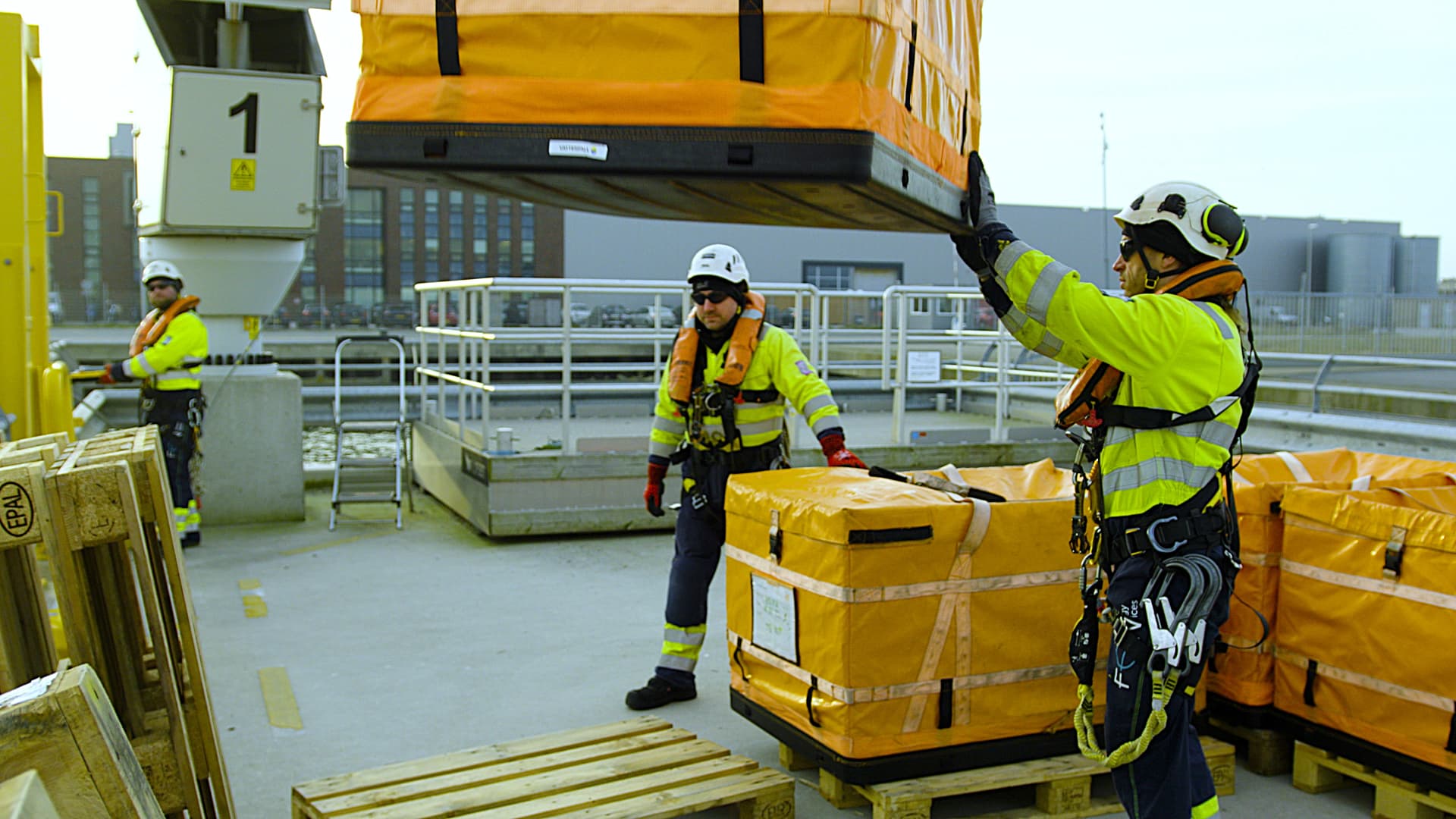
Føn Energy Services mobilizes for subsea, above-water inspections in 'busiest season to date'

In 60 seconds

Top move

Large inspection campaigns are increasing demand for vessels, ROVs and survey teams; expect suppliers to shorten quote validity and press mobilisation conditions

Key takeaways

  • Large inspection campaigns are increasing demand for vessels, ROVs and survey teams; expect suppliers to shorten quote validity and press mobilisation conditions.[4]
  • An APAC-focused acquisition expanded local safety and process‑engineering capacity, improving in‑country options for design‑to‑operations work and reducing reliance on offshore travel for some scopes.[3]
  • Buyers are issuing multi‑year frame agreements for inspection work in Europe, which is an early signal that longer-term call‑off frameworks and staged call-offs could become a preferred procurement model.[2]
  • Subsea cable replacement and prototype wave-energy testing create specialist demand (cable‑handling, coastal drilling, long‑lead survey equipment) that can stress niche supplier capacity where local capability is thin.[5]
  • Normal-signal day: meaningful supplier and contracting developments but no new APAC mobilisation notices that change existing Bass Strait or APF mobilisation plans.[4]

What changed since last run

  • New: ABL Group’s acquisition of SynergenOG adds in‑region safety and process‑engineering capacity that was not in the prior brief.
  • No new mobilisation notices for APF/Bass Strait appeared since last run; earlier mobilisation and pass‑through risks remain the baseline.

Key facts

  • Five‑year framework with multi‑farm inspection sequences
  • Scope covers subsea structures, monopiles, cables and hard‑to‑access above‑water assets
  • Campaign described by supplier as its largest inspection portfolio to date
  • Six‑year frame agreement with planned multi‑year call‑offs
  • Execution per call‑off expected to include short mobilisation/demobilisation windows
  • Tender specifies vessel approval standards and scoped IRM ROV inspections

Why it matters

Large inspection campaigns are increasing demand for vessels, ROVs and survey teams; expect suppliers to shorten quote validity and press mobilisation conditions. An APAC-focused acquisition expanded local safety and process‑engineering capacity, improving in‑country options for design‑to‑operations work and reducing reliance on offshore travel for some scopes. Buyers are issuing multi‑year frame agreements for inspection work in Europe, which is an early signal that longer-term call‑off frameworks and staged call-offs could become a preferred procurement model. Subsea cable replacement and prototype wave-energy testing create specialist demand (cable‑handling, coastal drilling, long‑lead survey equipment) that can stress niche supplier capacity where local capability is thin

Cost / money

  • Large, concentrated inspection campaigns raise the likelihood of higher vessel and ROV day rates and mobilisation pass‑throughs during peak seasons.[4]
  • Greater in‑country engineering supply reduces some overseas travel and expatriate cost exposure, changing the cost mix toward local professional fees.[3]

Supplier / commercial

  • Multi‑year frame agreements (Ørsted example) shift leverage: buyers who can commit cadence gain price and scheduling benefits, while suppliers gain revenue visibility.[2]
  • Suppliers running large inspection programmes will bundle scopes across assets and shorten quote validity windows—buyers will need quicker evaluation or risk losing capacity.[4]
  • Subsea cable replacement and prototype campaigns create specialist niches where a small set of qualified suppliers hold capacity, increasing single‑source and pass‑through exposure.[5]

Safety / operations

  • Higher inspection tempo compresses maintenance windows and increases scheduling conflicts and fatigue risk unless contractor mobilisations and HSE plans are aligned.[4][3]
  • Added local process‑safety and risk engineering capability can reduce rework between design and operations if buyers embed those services early in project schedules.[3]

What to watch

  • Watch for suppliers issuing limited‑validity quotes, capacity statements or mobilization caveats ahead of tender deadlines—these documents will affect award timing and contingency plans.[4]
  • Watch whether multi‑year inspection frameworks adopt indexed pass‑through or long‑lead payment clauses; such contract terms change buyer exposure to fuel, port and vessel cost swings.[2]

Top stories

Story 1Offshore EnergyMay 13, 2026

Føn Energy Services mobilizes for subsea, above-water inspections in 'busiest season to date'

Signal strongSource-grounded

What happened

Føn Energy Services has mobilized technicians, vessels, diving teams, ROV spreads and survey kit for what it calls its busiest offshore wind inspection season to date. The work includes subsea and above‑water inspections across a six‑farm, five‑year framework in the Netherlands and ongoing programs in the North Sea and Baltic Sea. Watch whether suppliers start issuing limited‑validity quotes or tighten mobilisation windows as the campaign proceeds

Buyer takeaway

Treat the campaign as a real, sustained demand signal: suppliers will bundle scopes and reduce quote lead times, so buyers must speed evaluation or require binding capacity statements

Cost / money

Directional cost pressure on vessel/ROV day rates and mobilisation pass‑throughs is likely as suppliers prioritise concentrated campaigns

Supplier / commercial

Expect shortened quote validity, call‑off bundling, and stronger supplier scheduling leverage unless buyers secure firm mobilisation terms

Safety / operations

Inspection tempo raises scheduling and fatigue risks; contractor HSE mobilisations and overlap controls are material to uptime

What to watch

Watch for capacity statements and short‑validity offers from inspection providers; secure mobilisation dates and demobilisation windows early

Key facts

  • Five‑year framework with multi‑farm inspection sequences
  • Scope covers subsea structures, monopiles, cables and hard‑to‑access above‑water assets
  • Campaign described by supplier as its largest inspection portfolio to date

Source excerpts

Home Wind Farms Føn Energy Services mobilizes for subsea, above-water inspections in ‘busiest season to date’ May 13, 2026, by Føn Energy Services has launched what it says will be its busiest offshore wind season to date, with inspection and repair campaigns underway across 14 offshore wind farms in the Netherlands, Scotland, Germany and Poland. Føn Energy Services The company has mobilized technicians, vessels, diving teams, remotely operated vehicle (ROV) spreads, and survey equipment to support above- and be
Føn Energy Services The company has mobilized technicians, vessels, diving teams, remotely operated vehicle (ROV) spreads, and survey equipment to support above- and below-water inspection scopes across offshore wind farms in the North Sea and Baltic Sea during the 2026 season
The company also said it had increased technician numbers ahead of the season and continues to invest in training, supply chain partnerships and mobilization capabilities through its bases in the Netherlands, Norway, Poland and the UK
Story 2Offshore EnergyMay 13, 2026

Ørsted looking to award six-year frame agreement for inspection services

Signal strongSource-grounded

What happened

Ørsted has issued a tender for a six‑year frame agreement for pipeline inspection services with multiple planned call‑offs and short mobilization windows per call‑off. The tender defines execution windows, expected 5–10 day mobilization/demobilization per call‑off and specific vessel approval requirements; tender deadlines and structure make this a useful template for buyers considering multi‑year inspection frameworks

Buyer takeaway

Use this tender as a model for framing staged commitments and call‑off cadence to capture supplier capacity and limit spot rate exposure

Cost / money

Frame agreements can lower unit rates for committed volumes but may include pass‑through or indexed clauses that shift specific cost risk

Supplier / commercial

Suppliers value revenue visibility from frame agreements; buyers can trade some price flexibility for scheduling certainty

Safety / operations

Defined vessel approval and procedural requirements in the tender reduce operational ambiguity and support safe, repeatable call‑offs

What to watch

Watch contract language around pass‑throughs and mobilisation windows—these define where risk shifts between buyer and supplier

Key facts

  • Six‑year frame agreement with planned multi‑year call‑offs
  • Execution per call‑off expected to include short mobilisation/demobilisation windows
  • Tender specifies vessel approval standards and scoped IRM ROV inspections

Source excerpts

Home Subsea Ørsted looking to award six-year frame agreement for inspection services May 13, 2026, by Danish energy company Ørsted has issued a tender looking to award a six-year frame agreement for pipeline inspection services to be performed in the Danish part of the North Sea. Ørsted is planning for a new frame agreement with bi-annual remotely operated vehicle (ROV) inspection with planned call-offs in 2027-2029-2031, and optional 2033, but not limited to call-off in these specific years
Home Subsea Ørsted looking to award six-year frame agreement for inspection services May 13, 2026, by Danish energy company Ørsted has issued a tender looking to award a six-year frame agreement for pipeline inspection services to be performed in the Danish part of the North Sea
Ørsted is planning for a new frame agreement with bi-annual remotely operated vehicle (ROV) inspection with planned call-offs in 2027-2029-2031, and optional 2033, but not limited to call-off in these specific years
Story 3Offshore EnergyMay 13, 2026

ABL enhances its menu for energy industries with acquisition of Southeast Asia‑based firm

Signal strongSource-grounded

What happened

ABL Group has agreed to acquire SynergenOG, a Southeast Asia‑based consultancy with process safety, risk engineering and training capabilities across APAC. The deal brings SynergenOG’s regional team and proprietary tools into ABL’s platform, increasing local engineering depth and an in‑country presence that can be leveraged for operations handovers and safety engineering

Buyer takeaway

Consider engaging the enlarged APAC capability to localize safety and process engineering scopes and reduce expatriate deployment where viable

Cost / money

Shifts cost mix from travel and offshore allowances toward local professional fees and training budgets

Supplier / commercial

Local firms integrated into global groups can scale faster and compete for larger packages, changing negotiation dynamics

Safety / operations

In‑region safety capability improves ability to embed HSE early and reduce design‑to‑operations rework

What to watch

Watch for supplier consolidation to reduce the number of independent local vendors and potentially increase market concentration

Key facts

  • Acquisition adds a 45‑consultant team across Malaysia, Singapore, Indonesia, Brunei and India
  • Brings proprietary safety and risk tools plus an industry training academy
  • Strengthens APAC engineering footprint and in‑country delivery capability

Source excerpts

“What makes us distinctive is the way we combine deep operational experience with process safety and engineering expertise. This allows us to bridge the gap between design and operations—embedding process safety and technical risk early into project engineering and tailoring it to the realities of how assets are actually operated
“With this acquisition, we bring SynergenOG’s expert safety and risk engineering in‑house
With SynergenOG, we can deliver an expert safety and risk engineering capability that elevates our offering to support clients at every stage of an asset’s lifecycle
Story 4Offshore EnergyMay 13, 2026

Work underway to replace aging submarine cable between Denmark and Sweden

Signal moderateSource-grounded

What happened

Preparation work is underway to replace an aging submarine cable linking Denmark and Sweden, including onshore cable laying and coastal drilling ahead of offshore preparatory surveys. Coastal drilling began in early May and preparatory marine works are scheduled in coming months, making this an operationally real subsea cable replacement project with defined coastal and offshore interfaces to manage

Buyer takeaway

Map onshore and offshore tasking early and secure cable‑handling and coastal drilling suppliers to avoid single‑source bottlenecks

Cost / money

Specialist coastal drilling and cable‑handling scopes carry long‑lead and specialist equipment pass‑throughs that can inflate spot costs if sourced late

Supplier / commercial

Few providers qualify for coastal drilling and cable installation; contract terms should lock mobilisation windows and performance guarantees

Safety / operations

Coastal drilling and nearshore operations increase HSE interface risk with local authorities and require robust marine procedures

What to watch

Monitor preparatory survey results and contractor approvals as these define final mobilisation timing and resource needs

Key facts

  • Replacement covers multiple 400 kV submarine cables across the Øresund route
  • Onshore cables were laid this spring; coastal drilling and sea‑area prep are active
  • Project includes surveying and preparation of sea work areas before offshore replacement

Source excerpts

Home Subsea Work underway to replace aging submarine cable between Denmark and Sweden May 13, 2026, by Preparation work is underway in Danish waters to replace an outdated submarine cable that connects Denmark and Sweden, passing across Øresund
Related Article As for the submarine cable, coastal drilling started at the beginning of May east of Hornbæk on the Danish side and on the Swedish site and will continue until June
Final testing will be performed in October, before the new cable system is put into operation
Story 5Offshore EnergyMay 13, 2026

Wave energy prototype makes a splash at BiMEP for technology validation

Signal limitedDirectional

What happened

A wave energy prototype (MARMOK A 5) has been deployed at the BiMEP test site for months‑long validation of performance, robustness and maintainability in real sea conditions. The campaign will collect operational data to support potential pre‑commercial phases; procurement relevance is limited today but the project signals future demand for marine‑connected maintenance and testing services

Buyer takeaway

Track prototype test outcomes for future scope creation, but treat current procurement relevance as low until pre‑commercial phases start

Cost / money

Prototype testing budgets are project‑specific and not yet a lever for broad O&M sourcing changes

Supplier / commercial

Opportunities will grow for specialist test and monitoring vendors if device moves toward pre‑commercial deployment

Safety / operations

Prototype testing highlights the need for remote monitoring, maintenance access planning and safety procedures for novel marine devices

What to watch

Signal strength for commercial O&M demand is limited; watch for announcements moving the device into pre‑commercial status

Key facts

  • Prototype integrates controllable blades, on‑board batteries and intelligent control systems
  • Device will be electrically connected to on‑site infrastructure for data and monitoring
  • Testing phase planned over coming months to assess performance and maintainability

Source excerpts

Source: BiMEP During the coming months, MARMOK A 5 will be evaluated in real operating conditions, with the aim of verifying its performance, robustness, reliability and ease of maintenance in the demanding marine environment. The obtained data will be used to evaluate the design and move towards future pre-commercial phases of the technology
Home Marine Energy Wave energy prototype makes a splash at BiMEP for technology validation May 13, 2026, by Spain-based consulting, engineering, and architecture services firm IDOM has deployed its prototype wave energy converter (WEC) at the Biscay Marine Energy Platform (BiMEP) as part of the system’s technological validation and to obtain key information for its future scalability
The obtained data will be used to evaluate the design and move towards future pre-commercial phases of the technology

VP Snapshot

Executive Risk & Action View

Large inspection campaigns are increasing demand for vessels, ROVs and survey teams; expect suppliers to shorten quote validity and press mobilisation conditions.

Overall
51
Cost
97
Supply
79
Schedule
20
Compliance
15

Top signals

30-180dcost

Signal 1: Cost / money

Large, concentrated inspection campaigns raise the likelihood of higher vessel and ROV day rates and mobilisation pass‑throughs during peak seasons.

Signal 2: Cost / money

Greater in‑country engineering supply reduces some overseas travel and expatriate cost exposure, changing the cost mix toward local professional fees.

Signal 3: Supplier / commercial

Multi‑year frame agreements (Ørsted example) shift leverage: buyers who can commit cadence gain price and scheduling benefits, while suppliers gain revenue visibility.

30-180dsupply

Signal 4: Supplier / commercial

Suppliers running large inspection programmes will bundle scopes across assets and shorten quote validity windows—buyers will need quicker evaluation or risk losing capacity.

Signal 5: Supplier / commercial

Subsea cable replacement and prototype campaigns create specialist niches where a small set of qualified suppliers hold capacity, increasing single‑source and pass‑through exposure.

30-180dsupplier

Signal 6: Safety / operations

Higher inspection tempo compresses maintenance windows and increases scheduling conflicts and fatigue risk unless contractor mobilisations and HSE plans are aligned.

Recommended actions

CategoryDue 3d

Update supplier register to flag local APAC safety and engineering providers and add SynergenOG (and equivalents) as preferred technical partners.

Supplier register reflects added APAC engineering capacity and feeds shortlists for upcoming RFx.

ContractsDue 3d

Embed mobilisation, vessel approval, and quote‑validity checkpoints into inspection RFx templates and pre‑qualification questionnaires.

RFx templates require supplier capacity statements and mobilisation milestones to support faster award decisions.

OpsDue 21d

Run a cross‑functional workshop (Ops, HSE, Category, Contracts) to map scheduled cable replacements, prototype tests and inspection windows against maintenance plans.

Agreed protected maintenance windows and contractor interfaces documented for procurement and operations teams.

ContractsDue 21d

Prepare a frame‑agreement playbook (staged call‑offs, pass‑through clauses, mobilisation annex) to use when negotiating multi‑year inspection contracts.

Frame‑agreement annex ready for insertion into inspection RFx packages to accelerate awards and protect buyer exposure.

CategoryDue 60d

Assess a local capability build strategy (partnerships, targeted hires, training) to reduce offshore staffing and travel dependency for engineering and safety scopes.

Strategy paper and shortlist of local partners or training investments to shift selected scopes to APAC resources.

OpsDue 60d

Review uptime and emergency‑response SLAs for inspection‑intensive periods and secure certified lifting and rapid response support where inspection tempo will be high.

Updated vendor SLAs and emergency‑response annexes aligned to inspection campaign tempos.

Risk register

RiskTriggerMitigation
Watch for suppliers issuing limited‑validity quotes, capacity statements or mobilization caveats ahead of tender deadlines—these documents will affect award timing and contingency plans.Watch for suppliers issuing limited‑validity quotes, capacity statements or mobilization caveats ahead of tender deadlines—these documents will affect award timing and contingency plans.Confirm exposure with category, contracts, and operations before the next supplier commitment.
Watch whether multi‑year inspection frameworks adopt indexed pass‑through or long‑lead payment clauses; such contract terms change buyer exposure to fuel, port and vessel cost swings.Watch whether multi‑year inspection frameworks adopt indexed pass‑through or long‑lead payment clauses; such contract terms change buyer exposure to fuel, port and vessel cost swings.Confirm exposure with category, contracts, and operations before the next supplier commitment.

CM Snapshot

Category Manager Decision Detail

Today's priorities

Update supplier register to flag local APAC safety and engineering providers and add SynergenOG (and equivalents) as preferred technical partners.

Do this because the ABL acquisition increases in‑country engineering capacity and because an accurate register lets sourcing teams shift spend from offshore travel to local supp...

Due 3d

high

CM move

Use this as the immediate supplier or contract action to move before the next sourcing gate.

Embed mobilisation, vessel approval, and quote‑validity checkpoints into inspection RFx templates and pre‑qualification questionnaires.

Do this because large inspection campaigns compress mobilisation windows and because explicit RFx controls reduce surprises from short‑validity supplier quotes and last‑minute p...

Due 3d

high

CM move

Use this as the immediate supplier or contract action to move before the next sourcing gate.

Run a cross‑functional workshop (Ops, HSE, Category, Contracts) to map scheduled cable replacements, prototype tests and inspection windows against maintenance plans.

Do this because submarine cable work and prototype campaigns have onshore/offshore interfaces that can clash with maintenance activities and because early alignment reduces exec...

Due 21d

high

CM move

Use this as the immediate supplier or contract action to move before the next sourcing gate.

Prepare a frame‑agreement playbook (staged call‑offs, pass‑through clauses, mobilisation annex) to use when negotiating multi‑year inspection contracts.

Do this because Ørsted’s tender shows buyers are moving to multi‑year inspection frameworks and because a ready playbook shortens negotiation time and controls exposure to long‑...

Due 21d

high

CM move

Use this as the immediate supplier or contract action to move before the next sourcing gate.

Supplier radar

Offshore Energy

high

Observed supplier signal

Multi‑year frame agreements (Ørsted example) shift leverage: buyers who can commit cadence gain price and scheduling benefits, while suppliers gain revenue visibility.

Commercial implication

Multi‑year frame agreements (Ørsted example) shift leverage: buyers who can commit cadence gain price and scheduling benefits, while suppliers gain revenue visibility.

Next step: Validate the source-backed signal with incumbents and alternates before the next award or pricing decision.

Offshore Energy

high

Observed supplier signal

Suppliers running large inspection programmes will bundle scopes across assets and shorten quote validity windows—buyers will need quicker evaluation or risk losing capacity.

Commercial implication

Suppliers running large inspection programmes will bundle scopes across assets and shorten quote validity windows—buyers will need quicker evaluation or risk losing capacity.

Next step: Validate the source-backed signal with incumbents and alternates before the next award or pricing decision.

Offshore Energy

high

Observed supplier signal

Subsea cable replacement and prototype campaigns create specialist niches where a small set of qualified suppliers hold capacity, increasing single‑source and pass‑through exposure.

Commercial implication

Subsea cable replacement and prototype campaigns create specialist niches where a small set of qualified suppliers hold capacity, increasing single‑source and pass‑through exposure.

Next step: Validate the source-backed signal with incumbents and alternates before the next award or pricing decision.

Negotiation levers

Update supplier register to flag local APAC safety and engineering providers and add SynergenOG (and equivalents) as preferred technical partners.

When to use: Do this because the ABL acquisition increases in‑country engineering capacity and because an accurate register lets sourcing teams shift spend from offshore travel to local supp...

Expected outcome: Supplier register reflects added APAC engineering capacity and feeds shortlists for upcoming RFx.

Commercial mechanism to carry into the next supplier conversation

Embed mobilisation, vessel approval, and quote‑validity checkpoints into inspection RFx templates and pre‑qualification questionnaires.

When to use: Do this because large inspection campaigns compress mobilisation windows and because explicit RFx controls reduce surprises from short‑validity supplier quotes and last‑minute p...

Expected outcome: RFx templates require supplier capacity statements and mobilisation milestones to support faster award decisions.

Commercial mechanism to carry into the next supplier conversation

Run a cross‑functional workshop (Ops, HSE, Category, Contracts) to map scheduled cable replacements, prototype tests and inspection windows against maintenance plans.

When to use: Do this because submarine cable work and prototype campaigns have onshore/offshore interfaces that can clash with maintenance activities and because early alignment reduces exec...

Expected outcome: Agreed protected maintenance windows and contractor interfaces documented for procurement and operations teams.

Commercial mechanism to carry into the next supplier conversation

Prepare a frame‑agreement playbook (staged call‑offs, pass‑through clauses, mobilisation annex) to use when negotiating multi‑year inspection contracts.

When to use: Do this because Ørsted’s tender shows buyers are moving to multi‑year inspection frameworks and because a ready playbook shortens negotiation time and controls exposure to long‑...

Expected outcome: Frame‑agreement annex ready for insertion into inspection RFx packages to accelerate awards and protect buyer exposure.

Commercial mechanism to carry into the next supplier conversation

Talking points

Large inspection campaigns are increasing demand for vessels, ROVs and survey teams; expect suppliers to shorten quote validity and press mobilisation conditions.
An APAC-focused acquisition expanded local safety and process‑engineering capacity, improving in‑country options for design‑to‑operations work and reducing reliance on offshore travel for some scopes.
Buyers are issuing multi‑year frame agreements for inspection work in Europe, which is an early signal that longer-term call‑off frameworks and staged call-offs could become a preferred procurement model.
Subsea cable replacement and prototype wave-energy testing create specialist demand (cable‑handling, coastal drilling, long‑lead survey equipment) that can stress niche supplier capacity where local capability is thin.

Supplier radar

SupplierSignalImplicationNext stepConfidence
Offshore EnergyMulti‑year frame agreements (Ørsted example) shift leverage: buyers who can commit cadence gain price and scheduling benefits, while suppliers gain revenue visibility.Multi‑year frame agreements (Ørsted example) shift leverage: buyers who can commit cadence gain price and scheduling benefits, while suppliers gain revenue visibility.Validate the source-backed signal with incumbents and alternates before the next award or pricing decision.high
Offshore EnergySuppliers running large inspection programmes will bundle scopes across assets and shorten quote validity windows—buyers will need quicker evaluation or risk losing capacity.Suppliers running large inspection programmes will bundle scopes across assets and shorten quote validity windows—buyers will need quicker evaluation or risk losing capacity.Validate the source-backed signal with incumbents and alternates before the next award or pricing decision.high
Offshore EnergySubsea cable replacement and prototype campaigns create specialist niches where a small set of qualified suppliers hold capacity, increasing single‑source and pass‑through exposure.Subsea cable replacement and prototype campaigns create specialist niches where a small set of qualified suppliers hold capacity, increasing single‑source and pass‑through exposure.Validate the source-backed signal with incumbents and alternates before the next award or pricing decision.high

Negotiation levers

  • Update supplier register to flag local APAC safety and engineering providers and add SynergenOG (and equivalents) as preferred technical partners.Do this because the ABL acquisition increases in‑country engineering capacity and because an accurate register lets sourcing teams shift spend from offshore travel to local supp...Supplier register reflects added APAC engineering capacity and feeds shortlists for upcoming RFx.

    high confidence

  • Embed mobilisation, vessel approval, and quote‑validity checkpoints into inspection RFx templates and pre‑qualification questionnaires.Do this because large inspection campaigns compress mobilisation windows and because explicit RFx controls reduce surprises from short‑validity supplier quotes and last‑minute p...RFx templates require supplier capacity statements and mobilisation milestones to support faster award decisions.

    high confidence

  • Run a cross‑functional workshop (Ops, HSE, Category, Contracts) to map scheduled cable replacements, prototype tests and inspection windows against maintenance plans.Do this because submarine cable work and prototype campaigns have onshore/offshore interfaces that can clash with maintenance activities and because early alignment reduces exec...Agreed protected maintenance windows and contractor interfaces documented for procurement and operations teams.

    high confidence

  • Prepare a frame‑agreement playbook (staged call‑offs, pass‑through clauses, mobilisation annex) to use when negotiating multi‑year inspection contracts.Do this because Ørsted’s tender shows buyers are moving to multi‑year inspection frameworks and because a ready playbook shortens negotiation time and controls exposure to long‑...Frame‑agreement annex ready for insertion into inspection RFx packages to accelerate awards and protect buyer exposure.

    high confidence

What to do / What to watch

What to do now

  • Update supplier register to flag local APAC safety and engineering providers and add SynergenOG (and equivalents) as preferred technical partners.

    Why: Do this because the ABL acquisition increases in‑country engineering capacity and because an accurate register lets sourcing teams shift spend from offshore travel to local supp...

    Owner: Category

    Expected outcome: Supplier register reflects added APAC engineering capacity and feeds shortlists for upcoming RFx.

    [3]
  • Embed mobilisation, vessel approval, and quote‑validity checkpoints into inspection RFx templates and pre‑qualification questionnaires.

    Why: Do this because large inspection campaigns compress mobilisation windows and because explicit RFx controls reduce surprises from short‑validity supplier quotes and last‑minute p...

    Owner: Contracts

    Expected outcome: RFx templates require supplier capacity statements and mobilisation milestones to support faster award decisions.

    [4]

Next few weeks

  • Run a cross‑functional workshop (Ops, HSE, Category, Contracts) to map scheduled cable replacements, prototype tests and inspection windows against maintenance plans.

    Why: Do this because submarine cable work and prototype campaigns have onshore/offshore interfaces that can clash with maintenance activities and because early alignment reduces exec...

    Owner: Ops

    Expected outcome: Agreed protected maintenance windows and contractor interfaces documented for procurement and operations teams.

    [5]
  • Prepare a frame‑agreement playbook (staged call‑offs, pass‑through clauses, mobilisation annex) to use when negotiating multi‑year inspection contracts.

    Why: Do this because Ørsted’s tender shows buyers are moving to multi‑year inspection frameworks and because a ready playbook shortens negotiation time and controls exposure to long‑...

    Owner: Contracts

    Expected outcome: Frame‑agreement annex ready for insertion into inspection RFx packages to accelerate awards and protect buyer exposure.

    [2]

Longer view

  • Assess a local capability build strategy (partnerships, targeted hires, training) to reduce offshore staffing and travel dependency for engineering and safety scopes.

    Why: Do this because market consolidation and acquisitions are increasing in‑region capability and because developing local options reduces travel costs, lead times, and offshore sta...

    Owner: Category

    Expected outcome: Strategy paper and shortlist of local partners or training investments to shift selected scopes to APAC resources.

    [3]
  • Review uptime and emergency‑response SLAs for inspection‑intensive periods and secure certified lifting and rapid response support where inspection tempo will be high.

    Why: Do this because higher inspection activity raises uptime dependency on certified lifting and emergency response services and because tightened SLAs reduce downtime risk during c...

    Owner: Ops

    Expected outcome: Updated vendor SLAs and emergency‑response annexes aligned to inspection campaign tempos.

    [4]

What to watch

  • Watch for suppliers issuing limited‑validity quotes, capacity statements or mobilization caveats ahead of tender deadlines—these documents will affect award timing and contingency plans
  • Watch whether multi‑year inspection frameworks adopt indexed pass‑through or long‑lead payment clauses; such contract terms change buyer exposure to fuel, port and vessel cost swings
  • Watch for suppliers issuing limited‑validity quotes, capacity statements or mobilization caveats ahead of tender deadlines—these documents will affect award timing and contingency plans.: Watch for suppliers issuing limited‑validity quotes, capacity statements or mobilization caveats ahead of tender deadlines—these documents will affect award timing and contingency plans
  • Watch whether multi‑year inspection frameworks adopt indexed pass‑through or long‑lead payment clauses; such contract terms change buyer exposure to fuel, port and vessel cost swings.: Watch whether multi‑year inspection frameworks adopt indexed pass‑through or long‑lead payment clauses; such contract terms change buyer exposure to fuel, port and vessel cost swings
  • Large inspection campaigns are increasing demand for vessels, ROVs and survey teams; expect suppliers to shorten quote validity and press mobilisation conditions
  • An APAC-focused acquisition expanded local safety and process‑engineering capacity, improving in‑country options for design‑to‑operations work and reducing reliance on offshore travel for some scopes
  • Buyers are issuing multi‑year frame agreements for inspection work in Europe, which is an early signal that longer-term call‑off frameworks and staged call-offs could become a preferred procurement model
  • Subsea cable replacement and prototype wave-energy testing create specialist demand (cable‑handling, coastal drilling, long‑lead survey equipment) that can stress niche supplier capacity where local capability is thin

Market pulse

IndexLatestChangeAs of
WTI Crude (WTI)71.23 /bbl+0.00 (+0.00%)May 13, 2026, 10:08 PM
Brent Crude (BRENT)74.89 /bbl+0.00 (+0.00%)May 13, 2026, 10:08 PM
Natural Gas (NG)3.12 /MMBtu+0.00 (+0.00%)May 13, 2026, 10:08 PM
Johnson Controls (JCI)65 +0.00 (+0.00%)May 13, 2026, 10:08 PM
  • WTI Crude: Crude price movements affect vessel fuel and charter day rates, shifting pass‑through exposure in inspection contracts
  • Natural Gas: Gas price volatility can change offshore logistics demand and influence supplier pass‑through clauses on fuel and port charges

Sources

Inline citations jump here. Expand a source to read the excerpt, the AI interpretation, and the original link.

[1] Wave energy prototype makes a splash at BiMEP for technology validation

offshore-energy.biz · May 13, 2026

Expand

AI reading

A wave energy prototype (MARMOK A 5) has been deployed at the BiMEP test site for months‑long validation of performance, robustness and maintainability in real sea conditions. The campaign will collect operational data to support potential pre‑commercial phases; procurement relevance is limited today but the project signals future demand for marine‑connected maintenance and testing services

Buyer takeaway

Track prototype test outcomes for future scope creation, but treat current procurement relevance as low until pre‑commercial phases start

Cost / money

Prototype testing budgets are project‑specific and not yet a lever for broad O&M sourcing changes

Supplier / commercial

Opportunities will grow for specialist test and monitoring vendors if device moves toward pre‑commercial deployment

Safety / operations

Prototype testing highlights the need for remote monitoring, maintenance access planning and safety procedures for novel marine devices

What to watch

Signal strength for commercial O&M demand is limited; watch for announcements moving the device into pre‑commercial status

Key facts

  • Prototype integrates controllable blades, on‑board batteries and intelligent control systems
  • Device will be electrically connected to on‑site infrastructure for data and monitoring
  • Testing phase planned over coming months to assess performance and maintainability

Source excerpts

Source: BiMEP During the coming months, MARMOK A 5 will be evaluated in real operating conditions, with the aim of verifying its performance, robustness, reliability and ease of maintenance in the demanding marine environment. The obtained data will be used to evaluate the design and move towards future pre-commercial phases of the technology
Home Marine Energy Wave energy prototype makes a splash at BiMEP for technology validation May 13, 2026, by Spain-based consulting, engineering, and architecture services firm IDOM has deployed its prototype wave energy converter (WEC) at the Biscay Marine Energy Platform (BiMEP) as part of the system’s technological validation and to obtain key information for its future scalability
The obtained data will be used to evaluate the design and move towards future pre-commercial phases of the technology

Used in this brief

  • A wave energy prototype (MARMOK A 5) has been deployed at the BiMEP test site for months‑long validation of performance, robustness and maintainability in real sea conditions. The campaign will collect operational data to support potential pre‑commercial phases; procurement relevance is limited today but the project signals future demand for marine‑connected maintenance and testing services
  • Buyer bottom line: emerging marine‑energy testing creates future O&M niche demand but currently remains a limited procurement priority compared with mainstream inspection and cable works
  • Track prototype test outcomes for future scope creation, but treat current procurement relevance as low until pre‑commercial phases start
Open original source

[2] Ørsted looking to award six-year frame agreement for inspection services

offshore-energy.biz · May 13, 2026

Expand

AI reading

Ørsted has issued a tender for a six‑year frame agreement for pipeline inspection services with multiple planned call‑offs and short mobilization windows per call‑off. The tender defines execution windows, expected 5–10 day mobilization/demobilization per call‑off and specific vessel approval requirements; tender deadlines and structure make this a useful template for buyers considering multi‑year inspection frameworks

Buyer takeaway

Use this tender as a model for framing staged commitments and call‑off cadence to capture supplier capacity and limit spot rate exposure

Cost / money

Frame agreements can lower unit rates for committed volumes but may include pass‑through or indexed clauses that shift specific cost risk

Supplier / commercial

Suppliers value revenue visibility from frame agreements; buyers can trade some price flexibility for scheduling certainty

Safety / operations

Defined vessel approval and procedural requirements in the tender reduce operational ambiguity and support safe, repeatable call‑offs

What to watch

Watch contract language around pass‑throughs and mobilisation windows—these define where risk shifts between buyer and supplier

Key facts

  • Six‑year frame agreement with planned multi‑year call‑offs
  • Execution per call‑off expected to include short mobilisation/demobilisation windows
  • Tender specifies vessel approval standards and scoped IRM ROV inspections

Source excerpts

Home Subsea Ørsted looking to award six-year frame agreement for inspection services May 13, 2026, by Danish energy company Ørsted has issued a tender looking to award a six-year frame agreement for pipeline inspection services to be performed in the Danish part of the North Sea. Ørsted is planning for a new frame agreement with bi-annual remotely operated vehicle (ROV) inspection with planned call-offs in 2027-2029-2031, and optional 2033, but not limited to call-off in these specific years
Home Subsea Ørsted looking to award six-year frame agreement for inspection services May 13, 2026, by Danish energy company Ørsted has issued a tender looking to award a six-year frame agreement for pipeline inspection services to be performed in the Danish part of the North Sea
Ørsted is planning for a new frame agreement with bi-annual remotely operated vehicle (ROV) inspection with planned call-offs in 2027-2029-2031, and optional 2033, but not limited to call-off in these specific years

Used in this brief

  • Next 2-4 weeks — Prepare a frame‑agreement playbook (staged call‑offs, pass‑through clauses, mobilisation annex) to use when negotiating multi‑year inspection contracts.. Rationale: Do this because Ørsted’s tender shows buyers are moving to multi‑year inspection frameworks and because a ready playbook shortens negotiation time and controls exposure to long‑.... Owner: Contracts. KPI: Frame‑agreement annex ready for insertion into inspection RFx packages to accelerate awards and protect buyer exposure
  • Watch whether multi‑year inspection frameworks adopt indexed pass‑through or long‑lead payment clauses; such contract terms change buyer exposure to fuel, port and vessel cost swings
  • Ørsted has issued a tender for a six‑year frame agreement for pipeline inspection services with multiple planned call‑offs and short mobilization windows per call‑off. The tender defines execution windows, expected 5–10 day mobilization/demobilization per call‑off and specific vessel approval requirements; tender deadlines and structure make this a useful template for buyers considering multi‑year inspection frameworks
Open original source

[3] ABL enhances its menu for energy industries with acquisition of Southeast Asia‑based firm

offshore-energy.biz · May 13, 2026

Expand

AI reading

ABL Group has agreed to acquire SynergenOG, a Southeast Asia‑based consultancy with process safety, risk engineering and training capabilities across APAC. The deal brings SynergenOG’s regional team and proprietary tools into ABL’s platform, increasing local engineering depth and an in‑country presence that can be leveraged for operations handovers and safety engineering

Buyer takeaway

Consider engaging the enlarged APAC capability to localize safety and process engineering scopes and reduce expatriate deployment where viable

Cost / money

Shifts cost mix from travel and offshore allowances toward local professional fees and training budgets

Supplier / commercial

Local firms integrated into global groups can scale faster and compete for larger packages, changing negotiation dynamics

Safety / operations

In‑region safety capability improves ability to embed HSE early and reduce design‑to‑operations rework

What to watch

Watch for supplier consolidation to reduce the number of independent local vendors and potentially increase market concentration

Key facts

  • Acquisition adds a 45‑consultant team across Malaysia, Singapore, Indonesia, Brunei and India
  • Brings proprietary safety and risk tools plus an industry training academy
  • Strengthens APAC engineering footprint and in‑country delivery capability

Source excerpts

“What makes us distinctive is the way we combine deep operational experience with process safety and engineering expertise. This allows us to bridge the gap between design and operations—embedding process safety and technical risk early into project engineering and tailoring it to the realities of how assets are actually operated
“With this acquisition, we bring SynergenOG’s expert safety and risk engineering in‑house
With SynergenOG, we can deliver an expert safety and risk engineering capability that elevates our offering to support clients at every stage of an asset’s lifecycle

Used in this brief

  • Safety / operations: Added local process‑safety and risk engineering capability can reduce rework between design and operations if buyers embed those services early in project schedules
  • Next 72 hours — Update supplier register to flag local APAC safety and engineering providers and add SynergenOG (and equivalents) as preferred technical partners.. Rationale: Do this because the ABL acquisition increases in‑country engineering capacity and because an accurate register lets sourcing teams shift spend from offshore travel to local supp.... Owner: Category. KPI: Supplier register reflects added APAC engineering capacity and feeds shortlists for upcoming RFx
  • Next quarter — Assess a local capability build strategy (partnerships, targeted hires, training) to reduce offshore staffing and travel dependency for engineering and safety scopes.. Rationale: Do this because market consolidation and acquisitions are increasing in‑region capability and because developing local options reduces travel costs, lead times, and offshore sta.... Owner: Category. KPI: Strategy paper and shortlist of local partners or training investments to shift selected scopes to APAC resources
Open original source

[4] Føn Energy Services mobilizes for subsea, above-water inspections in 'busiest season to date'

offshore-energy.biz · May 13, 2026

Expand

AI reading

Føn Energy Services has mobilized technicians, vessels, diving teams, ROV spreads and survey kit for what it calls its busiest offshore wind inspection season to date. The work includes subsea and above‑water inspections across a six‑farm, five‑year framework in the Netherlands and ongoing programs in the North Sea and Baltic Sea. Watch whether suppliers start issuing limited‑validity quotes or tighten mobilisation windows as the campaign proceeds

Buyer takeaway

Treat the campaign as a real, sustained demand signal: suppliers will bundle scopes and reduce quote lead times, so buyers must speed evaluation or require binding capacity statements

Cost / money

Directional cost pressure on vessel/ROV day rates and mobilisation pass‑throughs is likely as suppliers prioritise concentrated campaigns

Supplier / commercial

Expect shortened quote validity, call‑off bundling, and stronger supplier scheduling leverage unless buyers secure firm mobilisation terms

Safety / operations

Inspection tempo raises scheduling and fatigue risks; contractor HSE mobilisations and overlap controls are material to uptime

What to watch

Watch for capacity statements and short‑validity offers from inspection providers; secure mobilisation dates and demobilisation windows early

Key facts

  • Five‑year framework with multi‑farm inspection sequences
  • Scope covers subsea structures, monopiles, cables and hard‑to‑access above‑water assets
  • Campaign described by supplier as its largest inspection portfolio to date

Source excerpts

Home Wind Farms Føn Energy Services mobilizes for subsea, above-water inspections in ‘busiest season to date’ May 13, 2026, by Føn Energy Services has launched what it says will be its busiest offshore wind season to date, with inspection and repair campaigns underway across 14 offshore wind farms in the Netherlands, Scotland, Germany and Poland. Føn Energy Services The company has mobilized technicians, vessels, diving teams, remotely operated vehicle (ROV) spreads, and survey equipment to support above- and be
Føn Energy Services The company has mobilized technicians, vessels, diving teams, remotely operated vehicle (ROV) spreads, and survey equipment to support above- and below-water inspection scopes across offshore wind farms in the North Sea and Baltic Sea during the 2026 season
The company also said it had increased technician numbers ahead of the season and continues to invest in training, supply chain partnerships and mobilization capabilities through its bases in the Netherlands, Norway, Poland and the UK

Used in this brief

  • Next 72 hours — Embed mobilisation, vessel approval, and quote‑validity checkpoints into inspection RFx templates and pre‑qualification questionnaires.. Rationale: Do this because large inspection campaigns compress mobilisation windows and because explicit RFx controls reduce surprises from short‑validity supplier quotes and last‑minute p.... Owner: Contracts. KPI: RFx templates require supplier capacity statements and mobilisation milestones to support faster award decisions
  • Next quarter — Review uptime and emergency‑response SLAs for inspection‑intensive periods and secure certified lifting and rapid response support where inspection tempo will be high.. Rationale: Do this because higher inspection activity raises uptime dependency on certified lifting and emergency response services and because tightened SLAs reduce downtime risk during c.... Owner: Ops. KPI: Updated vendor SLAs and emergency‑response annexes aligned to inspection campaign tempos
  • Watch for suppliers issuing limited‑validity quotes, capacity statements or mobilization caveats ahead of tender deadlines—these documents will affect award timing and contingency plans
Open original source

[5] Work underway to replace aging submarine cable between Denmark and Sweden

offshore-energy.biz · May 13, 2026

Expand

AI reading

Preparation work is underway to replace an aging submarine cable linking Denmark and Sweden, including onshore cable laying and coastal drilling ahead of offshore preparatory surveys. Coastal drilling began in early May and preparatory marine works are scheduled in coming months, making this an operationally real subsea cable replacement project with defined coastal and offshore interfaces to manage

Buyer takeaway

Map onshore and offshore tasking early and secure cable‑handling and coastal drilling suppliers to avoid single‑source bottlenecks

Cost / money

Specialist coastal drilling and cable‑handling scopes carry long‑lead and specialist equipment pass‑throughs that can inflate spot costs if sourced late

Supplier / commercial

Few providers qualify for coastal drilling and cable installation; contract terms should lock mobilisation windows and performance guarantees

Safety / operations

Coastal drilling and nearshore operations increase HSE interface risk with local authorities and require robust marine procedures

What to watch

Monitor preparatory survey results and contractor approvals as these define final mobilisation timing and resource needs

Key facts

  • Replacement covers multiple 400 kV submarine cables across the Øresund route
  • Onshore cables were laid this spring; coastal drilling and sea‑area prep are active
  • Project includes surveying and preparation of sea work areas before offshore replacement

Source excerpts

Home Subsea Work underway to replace aging submarine cable between Denmark and Sweden May 13, 2026, by Preparation work is underway in Danish waters to replace an outdated submarine cable that connects Denmark and Sweden, passing across Øresund
Related Article As for the submarine cable, coastal drilling started at the beginning of May east of Hornbæk on the Danish side and on the Swedish site and will continue until June
Final testing will be performed in October, before the new cable system is put into operation

Used in this brief

  • Next 2-4 weeks — Run a cross‑functional workshop (Ops, HSE, Category, Contracts) to map scheduled cable replacements, prototype tests and inspection windows against maintenance plans.. Rationale: Do this because submarine cable work and prototype campaigns have onshore/offshore interfaces that can clash with maintenance activities and because early alignment reduces exec.... Owner: Ops. KPI: Agreed protected maintenance windows and contractor interfaces documented for procurement and operations teams
  • Preparation work is underway to replace an aging submarine cable linking Denmark and Sweden, including onshore cable laying and coastal drilling ahead of offshore preparatory surveys. Coastal drilling began in early May and preparatory marine works are scheduled in coming months, making this an operationally real subsea cable replacement project with defined coastal and offshore interfaces to manage
  • Buyer bottom line: submarine cable renewals require coordinated onshore/offshore mobilisation, specialist cable‑handling vessels, and coastal drilling support—plan interfaces early to control costs and schedule risk
Open original source

[6] WTI Crude

finance.yahoo.com · n.d.

Expand

[7] Natural Gas

finance.yahoo.com · n.d.

Expand